2027 Applied Behavior Analysis Transfer Credit Trends: How Schools Are Adapting for Adult Learners

Co-Founder and Chief Data Scientist
When Maria, a working professional with prior college credits, sought to enroll in an applied behavior analysis program, she faced unexpected hurdles. Despite completing relevant coursework, only 40% of her credits transferred, a figure aligning with the 2024 National Student Clearinghouse report showing transfer credit acceptance rates falling short of institutional targets. This gap often results from tightened accreditation requirements and inconsistent credit evaluation policies, directly increasing time to graduation and financial burdens for adult learners. These trends underscore the challenge of effectively utilizing prior learning in applied behavior analysis pathways. This article examines current transfer credit trends, evolving school practices, and strategies to streamline degree completion efficiently and affordably.
Key Things to Know About Applied Behavior Analysis Transfer Credit Trends for Adult Learners
- Expanded acceptance of military and workforce credits reflects growing institutional recognition of experiential learning, yet transfer limitations require careful course matching, affecting adult learners' ability to shorten degree timelines effectively.
- Institutions increasingly use technology-enabled transcript evaluations, speeding credit assessments but shifting burden onto students to provide detailed documentation, thereby influencing application strategies and preparation for employer-aligned qualifications.
- Credit for prior learning programs enhance access and reduce costs; however, variable acceptance across programs creates uneven degree-completion paths, complicating adult learners' long-term career planning within evolving ABA workforce demands.
- Key Things to Know About Applied Behavior Analysis Transfer Credit Trends for Adult Learners Key Things to Know About Applied Behavior Analysis Transfer Credit Trends for Adult Learners
- How Are Applied Behavior Analysis Programs Changing Transfer Credit Policies for Adult Learners? Evolving Adult Transfer Policies
- Why Are More Applied Behavior Analysis Schools Accepting Credit for Prior Learning and Work Experience? Prior Learning Credit Benefits
- How Do Applied Behavior Analysis Colleges Evaluate and Award Transfer Credits Today? Transfer Credit Evaluation Process
- Which Alternative Credits Are Most Commonly Accepted by Applied Behavior Analysis Programs? Accepted Alternative Credits
- How Are Applied Behavior Analysis Schools Improving Transfer Pathways for Community College Students? Improved Community College Pathways
- How Can Transfer Credits Help Applied Behavior Analysis Students Graduate Faster? Accelerating Degree Completion
- How Much Money Can Students Save Through Applied Behavior Analysis Transfer Credit Opportunities? Cost Saving Through Transfers
- How Are Applied Behavior Analysis Programs Supporting Military Students and Workforce Learners Through Transfer Credits? How Are Applied Behavior Analysis Programs Supporting Military Students and Workforce Learners Through Transfer Credits?
- What Transfer Credit Innovations Are Shaping the Future of Applied Behavior Analysis Education? What Transfer Credit Innovations Are Shaping the Future of Applied Behavior Analysis Education?
- How Can Adult Learners Maximize Transfer Credits in a Applied Behavior Analysis Program? Maximizing Your Transfer Credits
How Are Applied Behavior Analysis Programs Changing Transfer Credit Policies for Adult Learners?
The shift in transfer credit policies among applied behavior analysis programs reflects a strategic response to the complex academic and professional realities adult learners face. More programs are expanding credit acceptance to include prior learning assessments and military training, which can significantly reduce time-to-degree for working professionals and military-affiliated students. However, these adaptations still require careful evaluation of how transferred credits align with program competencies, and many institutions have implemented more rigorous transcript review processes to avoid credit loss-a frequently cited challenge, with studies showing up to 30% of credits often not transferring. This creates a critical decision point for students comparing schools or transferring from community colleges, where articulation agreements and clear transfer guidelines increasingly influence affordability, course sequencing, and credit mobility.
Incorporating broader transfer credit acceptance helps degree completers and adult learners avoid redundant coursework, thereby lowering overall costs and increasing educational accessibility. Programs piloting hybrid and competency-based models offer further flexibility but vary widely in terms of which applied behavior analysis coursework is eligible for transfer, especially practicum or core courses, underscoring persistent institutional differences. Transparency about these limitations is essential to navigating available opportunities effectively. Prospective students may find it useful to examine specific program policies and innovative transfer pathways, such as those highlighted in RN BSN online programs no clinicals, to maximize credit recognition while balancing professional standards in this evolving landscape.
Why Are More Applied Behavior Analysis Schools Accepting Credit for Prior Learning and Work Experience?
The growing adoption of credit for prior learning (CPL) and work experience in applied behavior analysis programs reflects deeper shifts in institutional priorities and workforce requirements rather than mere leniency in credit transfer. Schools are increasingly recognizing the tangible value of military training, professional certifications, and employer-based learning competencies, which often align with critical applied behavior analysis skills. This pragmatic approach aims to reduce time-to-degree and lower financial burdens, addressing the pressing demand for qualified practitioners amid projected 12% growth in behavior analyst roles through 2032. However, varying degrees of rigor in credit evaluation mean students must navigate tradeoffs, such as limits on how much experiential credit counts toward degree requirements or potential restrictions to lower-division credits, affecting overall progression.
These policies impact degree-completion strategies by enabling adult learners and working professionals to apply relevant experience toward academic credit, which can increase persistence and expedite graduation rates. Yet, maintaining academic standards remains a challenge, as schools balance accessibility with the need to ensure credential credibility and employer confidence. According to a 2024 Council for Adult and Experiential Learning report, institutions embracing CPL show a 22% higher rate of on-time graduation among adult learners, highlighting how these trends contribute to both student success and workforce responsiveness. Prospective students face important decisions: committing time and documentation to prior learning assessment may confer substantial benefits, but inconsistent institutional practices require careful research and strategic planning.
An adult learner with years of military service and applied behavior analysis-related certification found the portfolio review process both validating and frustrating. Though some credits were accepted, administrative uncertainty over documentation and evolving policy guidelines delayed clear decisions, prompting cautious optimism about accelerating degree completion. This learner noted that while the recognition of military training eased credit transfer barriers, the nuances of aligning prior experience with academic standards still demanded meticulous preparation and proactive communication with admissions staff. Such experiences underscore that expanding CPL acceptance in applied behavior analysis is an evolving process shaped by institutional capacity, workforce needs, and individual learner advocacy.
How Do Applied Behavior Analysis Colleges Evaluate and Award Transfer Credits Today?
Transfer credit evaluation in applied behavior analysis colleges has evolved into a strategic process integral to enrollment management and student retention rather than a simple administrative task. Institutions now rigorously analyze coursework against program-specific competencies and accreditation standards to ensure credits align with BACB certification requirements. For example, a student transferring from a regionally accredited community college may have core behavior analysis-related courses accepted yet still need additional upper-division or specialized classes to satisfy licensure pathways, representing a critical tradeoff between accelerated graduation and meeting professional benchmarks.
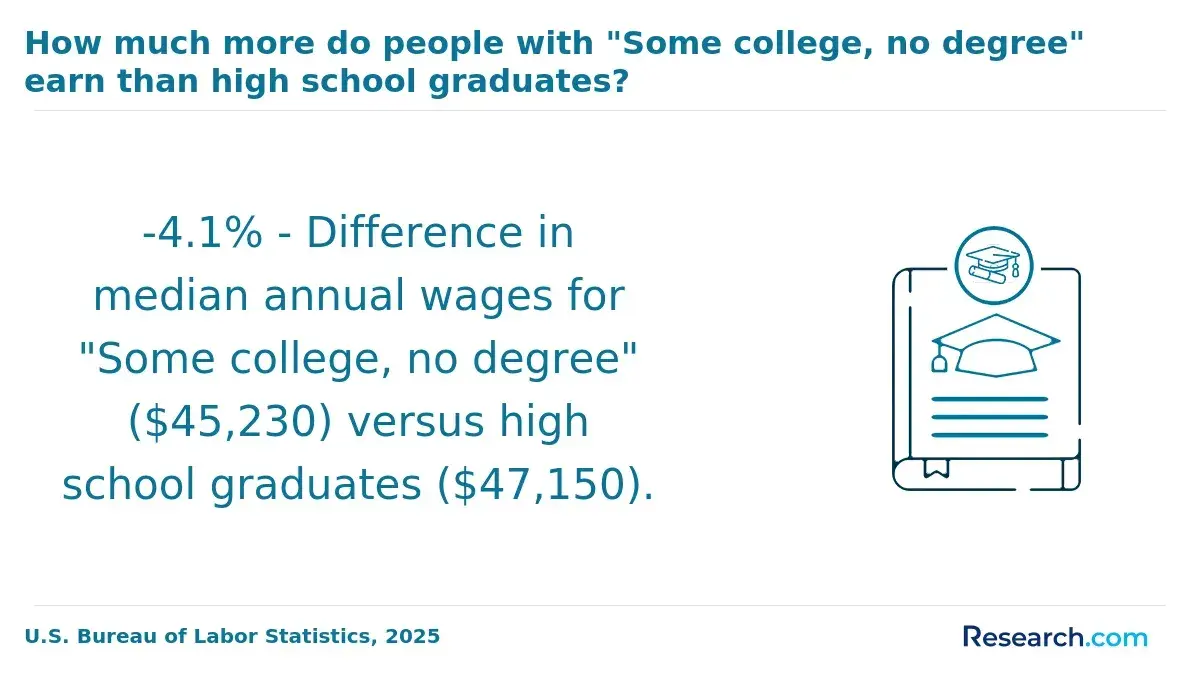
Evaluation increasingly accommodates nontraditional credentials such as military training and prior experiential learning, reflecting a recognition of diverse learner backgrounds. However, credits granted for prior learning or workforce training often apply only as electives, limiting their impact on licensure eligibility or core degree progress. According to the Council for Adult and Experiential Learning in 2024, approximately 45% of adult learners nationally utilize prior learning credits, underscoring the importance of clear articulation policies. These practices affect not only time-to-degree but also cost and academic planning, as students must carefully balance credit transfer opportunities with residency rules and program-specific thresholds to avoid unexpected course requirements or extending their studies.
Technology-enhanced analytic tools now assist institutions in swiftly identifying equivalencies and potential credit gaps, enabling more transparent guidance for transfer students. Yet, discrepancies between institutions' credit policies, particularly between nationally versus regionally accredited schools, can still necessitate manual review and limit credit portability. Adult learners and military-affiliated students are advised to engage early with advisors to strategically map previously earned credits against program demands, recognizing that smooth credit acceptance can reduce educational expenses and improve workforce readiness but may require navigating complex institutional frameworks and certification alignment challenges.
Which Alternative Credits Are Most Commonly Accepted by Applied Behavior Analysis Programs?
Alternative credit acceptance in applied behavior analysis programs functions as a strategic method to broaden degree accessibility and accelerate completion for adult learners rather than merely a transfer policy adjustment. Many programs emphasize credit for prior learning (CPL), especially military training credits vetted by the American Council on Education, enabling military-affiliated students to leverage relevant experience without repeating coursework. Nonetheless, institutional policies often impose strict evaluations focused on maintaining credentialing rigor, with factors such as residency requirements, course equivalency reviews, and limits on upper-division credit shaping how these alternative pathways fit within degree plans.
Examinations like CLEP and DSST remain prevalent, offering opportunities for students to secure foundational credits efficiently, yet acceptance varies with program competencies and accreditation standards. Online ACE-endorsed platforms and competency-based assessments also appear as flexible options, but transfer credit options for adult learners in applied behavior analysis programs depend heavily on alignment with core behavioral science prerequisites. Navigating these policies impacts degree timelines and affordability, requiring students to strategize course selections and prior learning portfolios carefully. For those exploring flexible pathways, evaluating programs that accommodate diverse credit sources without compromising academic integrity is essential, as seen in other fields such as nursing, where considerations similar to those at nursing schools without TEAS play a comparable role.
How Are Applied Behavior Analysis Schools Improving Transfer Pathways for Community College Students?
Optimizing transfer pathways has become essential for applied behavior analysis programs due to the increasing influx of adult learners balancing work, family, and education. Programs are responding by instituting formal articulation agreements that specify which community college credits meet core ABA requirements, a move linked to credit acceptance rates up to 25% higher, according to the National Center for Education Statistics in 2024. These agreements, combined with transfer-focused degree maps and proactive advising, help reduce credit loss and avoid redundant coursework. Yet, differences in course content and accreditation standards across institutions often necessitate careful evaluation, meaning students must weigh whether saved time outweighs the risks of partial credit acceptance or extended degrees when prerequisites don't align perfectly.
Beyond agreements, some schools now integrate prior learning assessments to convert relevant professional experience into academic credit, reflecting the nontraditional backgrounds of many transfer students. This flexibility can accelerate graduation but requires clear communication and planning to ensure alignment with program competencies. While these strategies aim to maintain academic momentum and accessibility, students benefit from early and ongoing advising support to navigate course equivalencies, application timing, and institutional policies that vary widely by state and school, all of which critically shape the true transfer value.
One transfer student from a community college recounted initial uncertainty about whether their psychology and ethics courses would transfer to an ABA bachelor's program. Conflicting information from advisors prompted them to request a formal transcript evaluation, which eventually revealed a pathway covering most prerequisites through an articulation agreement. Although a few credits were denied, the student appreciated the clear degree map provided, allowing a strategic plan to complete remaining requirements without redundant classes or significant delays.
How Can Transfer Credits Help Applied Behavior Analysis Students Graduate Faster?
Transfer credit benefits for applied behavior analysis students hinge on the nuanced alignment between previously earned credits and specific ABA program requirements. While transfer credits can potentially reduce time to degree, acceptance varies by institution, with many programs enforcing residency requirements and insisting on upper-division coursework completion within their curriculum. For adult learners and military-affiliated students, evaluating how foundational psychology or education credits transfer versus specialized ABA coursework is critical, as the latter often faces stricter scrutiny, which can limit their applicability and thus the expected acceleration toward graduation.
A realistic approach to accelerated graduation through applied behavior analysis transfer credits recognizes that prior learning assessments, military training credits, and articulation agreements with community colleges can strategically shorten degree timelines but rarely eliminate additional course demands entirely. Complexities like conditional credit acceptance and curriculum sequencing mean students must engage in deliberate planning with advisors focused on how transferred credits interact with certification and licensure prerequisites. These transfer-friendly policies influence enrollment strategies and affordability, particularly for working professionals balancing education with other commitments; this makes understanding institutional limits on credit applicability essential for effective degree-completion planning.
For those considering the transfer of credits from various educational contexts-including community colleges, universities, or workforce certificates-investigating how these credits align with ABA standards ensures better time and cost efficiencies. Exploring alternative health-related pathways, such as ultrasound tech programs online, can also complement workforce goals for students seeking flexible education options. Ultimately, transfer credit policies in ABA require detailed, case-by-case evaluation to maximize benefits and mitigate surprises that could delay degree completion.
How Much Money Can Students Save Through Applied Behavior Analysis Transfer Credit Opportunities?
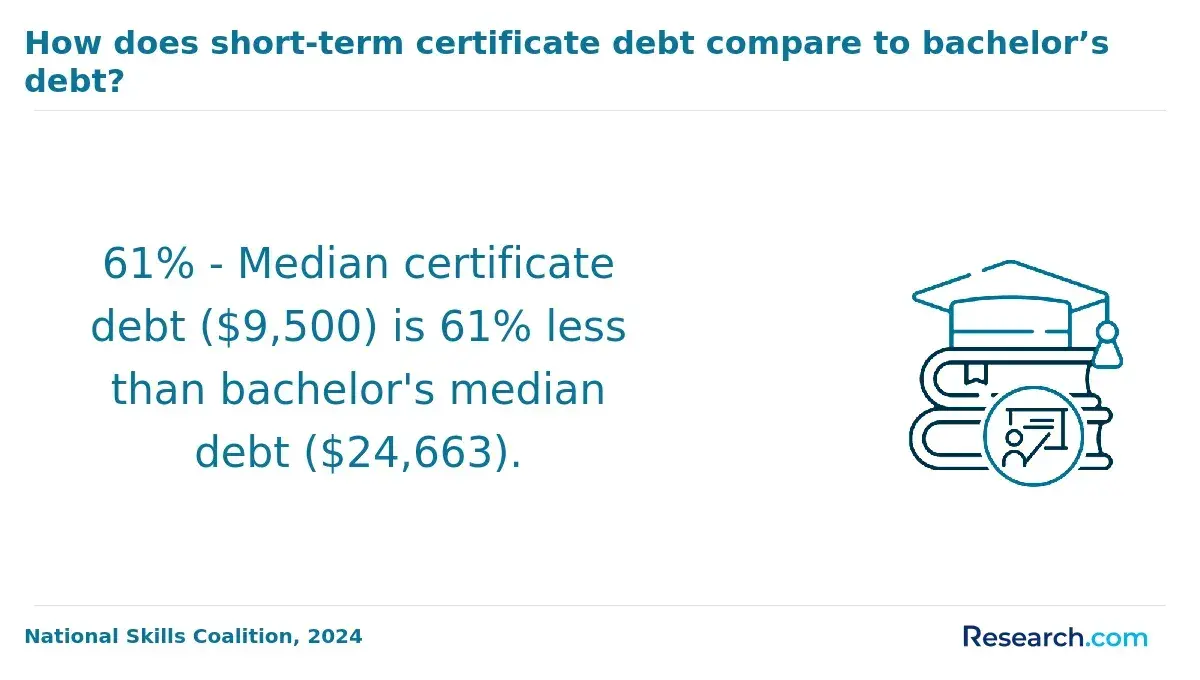
Financial advantages associated with transfer credits in applied behavior analysis programs depend largely on institutional policies and how well previously earned coursework aligns with degree requirements. For instance, military-affiliated students can substantially reduce time to completion by utilizing Department of Defense credentialing programs that recognize training as equivalent academic credit, potentially accelerating graduation by six to twelve months. Community college transfer pathways, which may allow up to 75% of lower-division credits, effectively halve tuition expenses on a 120-credit bachelor's degree when a 60-credit associate degree applies, but these savings hinge on residency rules, credit limits, and acceptance of practicum hours necessary for certification eligibility.
However, transfer credit limitations remain significant barriers to maximizing savings. Many programs impose caps on transferable credits and enforce minimum grade requirements, while differences in curriculum scope and accreditation status may exclude or devalue some courses. Practicum and supervised fieldwork, integral components in applied behavior analysis, often cannot be satisfied through transfer, introducing additional costs and time despite prior learning. As a result, while transfer credits can reduce both financial and time burdens, adult learners and professionals must carefully evaluate whether their credits will meet institutional standards to avoid unexpected delays or expenses in credential attainment.
According to data from the National Student Clearinghouse Research Center (2024), students who utilize transfer credits effectively save between 25% and 40% on tuition costs relative to those starting fresh. Nonetheless, real-world savings are nuanced by factors such as tuition disparities between institutions, curriculum alignment, and institutional residency policies. Prospective students should balance the appeal of accelerated completion through credit transfer against potential limitations imposed by program-specific regulations and the practical need for hands-on training that often must be completed at the awarding institution.
How Are Applied Behavior Analysis Programs Supporting Military Students and Workforce Learners Through Transfer Credits?
Applied behavior analysis programs increasingly recognize the complexity military-affiliated students and workforce learners face when seeking transfer credit for diverse prior learning experiences. While many institutions now use the American Council on Education's Military Guide for assessing credit from military training and professional certifications, actual credit acceptance still varies widely. This inconsistency means students must carefully assess whether their Registered Behavior Technician (RBT) credentials or documented apprenticeships will reduce remaining degree requirements or simply serve as supplemental recognition without shortening time-to-degree.
A 2024 American Council on Education report found that over 70% of behavior analysis programs have formal credit-for-prior-learning policies targeting these nontraditional learners, aiming to allow accelerated degree paths. However, the tradeoff involves navigating uneven policies across schools, where some programs offer flexible, online, or evening courses to integrate transfer credits, while others maintain stricter articulation agreements that may limit credit mobility. For working professionals or military personnel balancing employment, these variations impact academic planning significantly and can influence whether prior experience translates into tangible reductions in coursework and tuition.
Ultimately, while prior learning assessments, ACE-aligned military credit recognition, and tailored degree pathways can improve educational access, adult learners must weigh institutional constraints against potential gains in employability and expedited credentials. The fragmented credit acceptance landscape often requires candidates to strategically select programs based on how comprehensively their military or workforce learning is recognized, directly affecting both the cost and duration of Applied Behavior Analysis educational outcomes.
What Transfer Credit Innovations Are Shaping the Future of Applied Behavior Analysis Education?
Transfer credit innovations in applied behavior analysis programs are reshaping degree accessibility by prioritizing flexible, technology-driven credit assessment methods for applied behavior analysis education that directly impact time-to-completion for adult learners and transfer students. The integration of AI in transcript evaluation is a notable shift, cutting processing times by 30% as reported in 2024 by the National Center for Education Statistics, which helps reduce administrative delays but requires institutions to invest substantially in tech infrastructure. Competency-based education models complement this by allowing students to convert diverse learning experiences, including military training and workforce skills, into recognized credits. This flexibility can significantly accelerate degree progression, especially for military-affiliated students, but institutions often face challenges ensuring consistent credit acceptance across programs, which can produce unpredictable transfer outcomes.
Articulated transfer agreements between community colleges and four-year applied behavior analysis programs are central to minimizing credit loss; however, they demand sustained coordination that may lag behind evolving curricula and credential standards. Digital credentialing efforts, including blockchain-based verification, promise to enhance credit portability and employer recognition but remain constrained by interoperability and cost hurdles. For working professionals navigating these changes, it's critical to weigh the tradeoffs between accelerated pathways and potential gaps in academic quality or credit transferability, especially as inconsistent institutional policies persist. Adult learners considering these routes should also recognize the growing relevance of CPC certification and similar credentials that intersect with their academic progress and career considerations in applied behavior analysis.
How Can Adult Learners Maximize Transfer Credits in a Applied Behavior Analysis Program?
Adult learners aiming to maximize transfer credits in an applied behavior analysis program must navigate varying institutional policies and transfer evaluation complexities to avoid unforeseen delays. For example, a student transferring credits from both a community college and military training might face inconsistent acceptance of prior learning, requiring early, detailed transcript analysis and consultation with advisors familiar with ABA transfer protocols. Many programs limit transferable credits to between 60% and 75%, so strategic planning involves balancing accelerated progress with maintaining required residency credits that preserve academic rigor and employer credibility.
Programs increasingly accept alternative credit sources such as workplace training and prior learning assessments, reflecting a shift toward flexible degree-completion pathways. However, adult learners should anticipate challenges like outdated syllabi or course content misalignment, which can impede credit approval and extend time-to-degree. Realistic transfer credit use can reduce educational costs and course load but requires aligning credits with foundational ABA competencies to avoid gaps affecting certification or employability. This nuanced approach aligns with emerging standards and supports pragmatic decision-making in applied behavior analysis studies.
Adult learners should also investigate programs offering established articulation agreements and degree mapping tools that clarify credit transfer impacts on course sequencing and graduation timelines. Pursuing programs known for credit recognition can streamline progress, but decisions must weigh long-term professional outcomes. Many students benefit from exploring online PsyD programs accredited that emphasize transfer credit policies aligned with practical workforce demands, ensuring both time efficiency and educational quality in ABA fields.
References
- College Credit for Heroes: Accelerating Degree Completion | Journal of Veterans Studies https://journal-veterans-studies.org/articles/10.21061/jvs.v8i1.264
- 20 Best Schools Offering Master's in ABA Programs https://www.appliedbehavioranalysisedu.org/20-best-schools-offering-aba-masters-programs/
- Bridging Verbal Behavior and Second Language Acquisition for Adult English Learners https://behavioranalysisblogs.abainternational.org/2025/04/01/bridging-verbal-behavior-and-second-language-acquisition-for-adult-english-learners/
- The Missing Link: Adult Learners and the Transfer Process https://www.cael.org/resouces/pathways-blog/the-missing-link-adult-learners-and-the-transfer-process
- Evolution of ABA: A New Era of Autism Treatment - 2020 Behavior https://2020behavior.com/blog/evolution-of-aba/
- Future of ABA Services: Trends, Technology, and Innovation - Big Dreamers ABA https://www.bigdreamersaba.com/blog/future-of-aba-services-trends-technology-and-innovation
- 25+ Affordable ABA/BCBA Online Programs (Masters & Certs) https://abamastersprograms.org/affordable-online-aba-masters-programs/
- ABA Certification Explained: RBT, BCaBA, BCBA, BCBA-D https://onlinecounselingprograms.com/mental-health-careers/how-to-become-behavior-analyst-bcba/aba-certification-explained/
- How ABA Therapy Is Set To Evolve In The Coming Years - Pivotal Achievements https://www.pivotal-achievements.com/how-aba-therapy-is-set-to-evolve-in-the-coming-years/
- Special Education Applied Behavioral Analysis Concentration https://www.sru.edu/programs/grad-special-education-behavioral
Other Things You Should Know About Applied Behavior Analysis
Transfer credit policies vary widely across aba programs, resulting in unpredictable impacts on degree timelines. Some programs cap transferable credits strictly or exclude key foundational courses, forcing students to retake similar classes. This can extend completion time despite previous coursework, particularly for those seeking certification quickly. Adult learners should prioritize institutions with transparent, lenient credit transfer evaluations aligned with their completed curriculum to avoid unnecessary delays.
Non-aba-specific credits, such as general education or psychology courses, often transfer more easily but may contribute less directly to professional competencies or certification requirements. Relying heavily on these credits can reduce hands-on or specialized training integral to employment readiness. Students must weigh the advantage of a shorter program against potentially weaker preparation for employer expectations, especially in settings requiring stringent aba practical skills.
Employers increasingly scrutinize the depth and rigor of aba training due to certification and quality assurance standards. Degrees completed primarily through transferred credits may raise questions about the candidate's exposure to current practices and supervised experience. This underscores the importance of completing core aba courses within accredited programs, even if it involves fewer transferable credits, to maintain competitive employability.
While flexible transfer credit policies can accelerate degree completion, working professionals should balance speed against program coherence and learning quality. Programs with strict articulation but highly integrated course sequences may foster deeper skill acquisition, benefiting long-term career outcomes. Therefore, prioritizing programs that maintain curricular integrity-even if accepting fewer transfer credits-is advisable for those aiming to maximize practical competency and professional advancement.