2027 Applied Behavior Analysis Salary Trends Report: Are Wages Keeping Up With Tuition and Inflation?

Co-Founder and Chief Data Scientist
Considering a career in applied behavior analysis often starts with weighing the financial commitment. A prospective student or recent graduate faces rising tuition fees alongside broader inflation that erodes purchasing power. Determining whether the degree's earning potential offsets these costs requires more than looking at salary figures alone. Understanding how wages, education expenses, and inflation interact is critical for a realistic assessment of value.
Salary growth, tuition increases, and inflation rarely move in sync, making simple comparisons misleading. Long-term financial outcomes depend on how these factors converge over a career span rather than initial paychecks. This article examines salary trends, tuition costs, inflation, and the return on investment to clarify affordability and the key forces shaping the economic worth of an applied behavior analysis degree. Such analysis aims to help readers make informed, practical decisions about their educational investments.
Key Things to Know About Applied Behavior Analysis Salary Trends
- Recent 2024 data shows graduate wages in applied behavior analysis have grown by only 2.1% annually, lagging behind 4.5% inflation-indicating tuition hikes may erode real earnings over time.
- Higher initial debt from rising tuition reduces net lifetime income gains despite long-term demand, necessitating careful financial planning before program entry.
- Specialization and certification strongly correlate with 15-20% higher salaries, demonstrating that advanced credentials are key levers for mitigating modest baseline wage growth.
- Key Things to Know About Applied Behavior Analysis Salary Trends Key Things to Know About Applied Behavior Analysis Salary Trends
- What Is the Current Salary Outlook for Applied Behavior Analysis Graduates? Salary Outlook
- Are Applied Behavior Analysis Salaries Keeping Up With Inflation? Inflation Impact
- How Do Tuition Costs Compare With Applied Behavior Analysis Salary Growth? Tuition vs Salary
- Does a Applied Behavior Analysis Degree Deliver a Positive Return on Investment? Degree ROI
- Which Industries Offer the Highest Salaries for Applied Behavior Analysis Graduates? Which Industries Offer the Highest Salaries for Applied Behavior Analysis Graduates?
- Which States and Cities Offer the Highest Pay for Applied Behavior Analysis Professionals? Which States and Cities Offer the Highest Pay for Applied Behavior Analysis Professionals?
- How Do Applied Behavior Analysis Salaries Grow Throughout a Career? Career Growth
- How Do Applied Behavior Analysis Salaries Compare With Similar Degrees? Salary Comparison
- How Is Employer Demand Affecting Applied Behavior Analysis Salary Trends? Employer Demand
- How Can Students Maximize Their Lifetime Earnings With a Applied Behavior Analysis Degree? Maximizing Earnings
What Is the Current Salary Outlook for Applied Behavior Analysis Graduates?
The current salary outlook for applied behavior analysis graduates shows a mixed but generally positive trajectory influenced by geographic and educational factors. According to 2024 data from the U.S. Bureau of Labor Statistics, behavior analysts earn a median annual wage of around $76,500, indicating steady demand in healthcare and education sectors. However, newly certified professionals, particularly entry-level technicians, often start between $40,000 and $50,000, while those with advanced credentials like board certified behavior analysts may reach salaries above $90,000 depending on location and employer type.
Consider two graduates holding the same applied behavior analysis degree: one begins work as a technician in a lower-cost state earning about $42,000 annually, while the other secures a BCBA role in a state investing heavily in autism services, earning $85,000. This difference reflects how industry demand, certification level, and regional economic conditions influence earning potential far beyond the degree itself. When evaluating applied behavior analysis graduate salary trends, it's important to weigh these variables alongside the rising costs of graduate education, which can exceed $50,000, as well as inflation that may outpace wage increases in certain regions.
Long-term prospects remain promising with a projected job growth near 20% over the next decade, one of the highest in behavioral health fields. This suggests that salary progression is likely, especially for professionals advancing their credentials and experience. For those balancing the cost of education against early salary figures, accessing resources like a healthcare administration degree online california program may provide flexible learning options to sustain career advancement. Ultimately, applied behavior analysis salary outlook and earning potential should be viewed as a gradual investment rather than immediate financial return.
Are Applied Behavior Analysis Salaries Keeping Up With Inflation?
The recent wage data for applied behavior analysis professionals highlight a critical gap between nominal salary increases and actual purchasing power. While median wages rose by about 3.2% from 2022 to 2023, this growth falls short of the approximate 4.7% inflation rate reported by the Consumer Price Index, meaning salaries have not kept pace with the general cost of living. For example, a mid-career ABA practitioner receiving a modest raise might still face a diminished budget for essentials like housing or transportation because the real value of their income has effectively shrunk. This dynamic underscores that applied behavior analysis salary growth versus inflation is a key factor students and graduates must seriously consider before investing in the profession.
Tuition hikes further complicate the financial outlook for those pursuing an ABA degree. With annual increases averaging 5.5%, education costs are rising faster than both general inflation and wage gains, which intensifies the challenge of achieving a sustainable return on investment. Many prospective students might explore alternatives such as MHA online programs or other related healthcare administration fields that may offer different financial trajectories. Balancing tuition burdens against the stagnant or slow-growing salaries of ABA-related occupations requires careful budgeting and a long-term view of career prospects.
How Do Tuition Costs Compare With Applied Behavior Analysis Salary Growth?
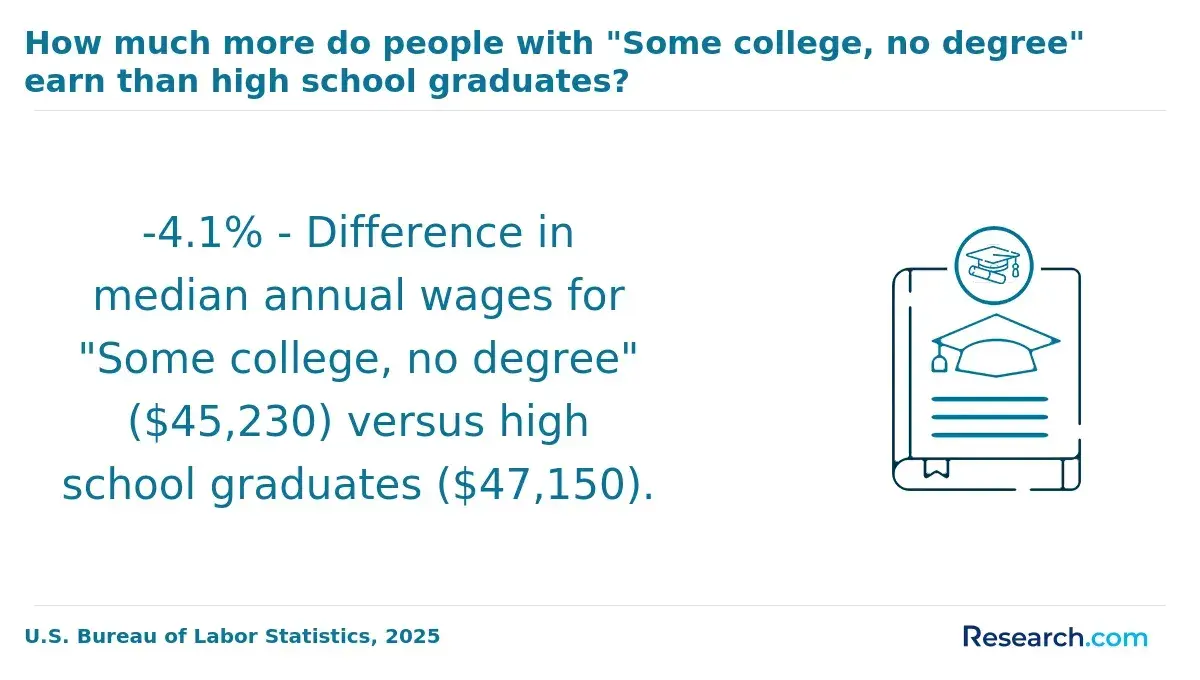
Evaluating the financial viability of an Applied Behavior Analysis degree requires comparing tuition inflation with salary growth rather than examining either in isolation. Recent data from accredited higher education sources show that master's programs in this field have tuition costs rising roughly 5% to 7% annually, frequently exceeding $20,000 at public universities and surpassing $50,000 at private institutions. Meanwhile, median early-career salaries hover between $50,000 and $60,000 and increase modestly to $65,000-$75,000 at mid-career stages, growing at about 2% to 3% per year after inflation. This imbalance means that for many, tuition increases outpace wage gains, tightening financial margins and potentially extending debt repayment periods despite steady demand in the profession.
Consider two students: one attending a state university with moderate fees and scholarship support, the other enrolling in a higher-cost private program without financial aid. The first student may manage tuition rises more comfortably and see a reasonable return through local job markets with stable salaries. In contrast, the second faces higher upfront costs, making slower salary growth a more significant burden, especially if geographic opportunities don't improve earnings substantially. Factors such as institutional selection, local employment conditions, credentialing pathways, and loan availability heavily influence how tuition changes relate to salary growth, underscoring that the financial outcomes of pursuing an ABA degree differ widely between individuals and economic contexts.
One graduate who recently completed an Applied Behavior Analysis master's degree shared that choosing a public university was less about prestige and more about financial sustainability. They recalled a moment of hesitation before accepting an offer from a private school with steep tuition, worried that stagnant salary projections might not offset the debt. Ultimately, opting for a more affordable program reduced monthly loan payments enough to prevent financial strain during early career years, illustrating how thoughtful program selection can mitigate the risk posed by tuition costs rising faster than salaries in this field.
Does a Applied Behavior Analysis Degree Deliver a Positive Return on Investment?
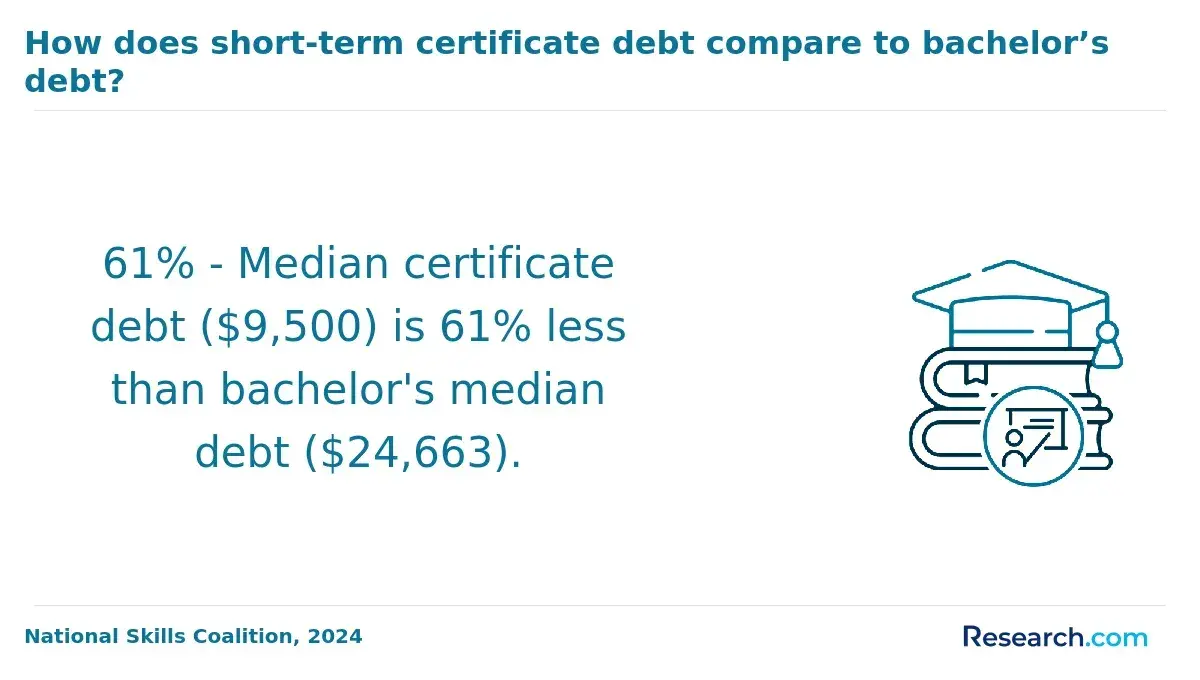
Return on investment in higher education means assessing whether the costs to earn a degree are justified by the financial and professional benefits over time. For an Applied Behavior Analysis degree, this involves more than initial salaries-it's about long-term earning potential, career stability, and advancement through certification and experience. For example, a graduate who finances $40,000 in tuition and related expenses may initially face tight budgets, but securing board certification combined with clinical experience can lead to median wages surpassing $65,000 annually, as reported by the U.S. Bureau of Labor Statistics in 2024. Over several years, this salary premium can offset the debt incurred and yield a positive ROI, especially given the projected growth in demand for behavior analysts.
Several factors notably shape whether an Applied Behavior Analysis degree delivers a favorable return. Tuition inflation has outstripped general cost increases recently, meaning students paying full price must consider rising education expenses that extend repayment timelines. Yet, professionals in specialized roles-such as within healthcare systems or educational settings-often achieve higher salaries and greater job satisfaction, which enhance the degree's value. Economic conditions, geographic location, and an individual's pace in gaining relevant credentials also contribute to the variability in outcomes, underscoring that ROI is not uniform but highly contextual.
Ultimately, weighing these elements involves balancing upfront financial burdens with potential income trajectories and workforce demand. While some may recoup investment quickly, others might see slower progress depending on their circumstances. Data from the Council for Exceptional Children and major labor reports reflect that candidates who combine credentials with strategic career moves tend to experience stronger returns. This nuanced perspective helps prospective Applied Behavior Analysis students consider where and how their degree investment will produce meaningful financial and professional gains over time.
Which Industries Offer the Highest Salaries for Applied Behavior Analysis Graduates?
Applied behavior analysis graduates face diverse opportunities across industries, but salary and demand can vary widely depending on the sector. Recent figures from the U.S. Bureau of Labor Statistics highlight that healthcare consistently ranks as the most lucrative industry for applied behavior analysis professionals, with top-tier salaries reflecting the critical, specialized services provided. For students navigating rising tuition costs, aligning career choices with the highest-paying industries can be decisive. Below is a focused overview of fields offering the strongest compensation and roles most relevant to applied behavior analysis graduates.
The highest paying industries for applied behavior analysis graduates typically include:
- Healthcare Settings: Specialized clinics and hospitals employ behavior analysts to support patients with autism spectrum disorder and developmental disabilities, offering salaries above national averages due to demand for clinical expertise and certifications like BCBA. These roles often involve direct intervention, treatment planning, and multidisciplinary collaboration.
- Corporate Consulting: Organizations focusing on organizational behavior management pay premiums to analysts who improve workplace productivity and safety. Graduates with strong data analysis and leadership skills can access performance bonuses and flexible work options, reflecting the value of behavior analytic strategies in business contexts.
- Education Sector: Public and private schools provide intervention design and behavior support plans for children, generally with lower compensation than healthcare. However, certain charter schools emphasizing evidence-based behavioral methods may offer competitive salaries, especially for candidates with advanced credentials and experience in special education.
- Telehealth Services: The growth of remote behavioral health delivery post-pandemic has expanded opportunities with competitive hourly rates and cost-saving benefits. Practitioners adept at virtual engagement and familiar with digital health platforms tend to command higher pay.
- Research Institutions: While less common, behavior analysts engaged in funded research or university roles focusing on behavioral science typically receive stable salaries and contribute to advancing the field, though these often require a master's degree or Ph.D.
According to 2024 data, healthcare-related roles lead in salary potential for applied behavior analysis-related occupations, often exceeding benchmarks in education and corporate fields. For prospective students, understanding these differences is crucial when weighing the return on investment for an applied behavior analysis degree. Those considering alternative career paths might explore flexible training options, like the best online medical assistant programs, that provide complementary skills and potentially broaden employment opportunities.
Which States and Cities Offer the Highest Pay for Applied Behavior Analysis Professionals?
Geographic location plays a critical role in shaping salary expectations for applied behavior analysis professionals, making it essential to look beyond headline wages. In 2024, the highest-paying states and metropolitan areas tend to align with regions that have dense healthcare sectors, active research institutions, and high demand from schools and private practices. However, candidates must carefully assess these salaries in the context of local living expenses to gauge true financial benefit. For example, a professional starting at $80,000 in one city may have less disposable income than a peer earning $60,000 elsewhere with a lower cost of living. The following locations are consistently reported by the U.S. Bureau of Labor Statistics and industry salary surveys as top-paying for applied behavior analysis roles:
- California Metropolitan Areas: The San Francisco Bay Area and Los Angeles lead in median salaries, often surpassing $80,000 annually. Demand is driven by large healthcare systems, tech-influenced research, and an emphasis on specialized ABA services. However, the state's high housing and transportation costs significantly impact net income, requiring realistic budgeting beyond salary figures.
- Massachusetts (Boston Region): Boston's concentration of hospitals, universities, and research centers fosters salaries in the $75,000-$85,000 range for experienced practitioners. While the area offers expansive professional networks and advancement potential, candidates must consider the region's elevated rental market and state taxes when calculating take-home earnings.
- New York City: With strong demand from clinical and educational institutions, salaries often exceed national averages by up to 25%. The city's competitive environment and extensive opportunities can offset financial strain, but the steep cost of living can quickly erode wage advantages for those newly entering the field.
- Washington, D.C. Metro: A hub for federal and private healthcare providers, Washington, D.C. offers above-average salaries reflecting specialized skills in ABA. The area's mix of high costs and robust benefits packages means candidates should evaluate total compensation beyond base pay.
- Texas (Houston and Dallas): Offering median salaries around $55,000 to $65,000, these cities feature growing ABA demand with a relatively moderate cost of living. This can translate to stronger disposable income for early-career professionals seeking financial stability while managing educational debt.
- Florida (Miami Area): Salaries tend to be lower than in coastal Northeastern states but balanced by affordable living and expanding ABA service providers in healthcare and educational settings. Job seekers should weigh these factors when assessing career entry points.
How Do Applied Behavior Analysis Salaries Grow Throughout a Career?
Applied behavior analysis salaries generally start modestly, with entry-level professionals earning roughly $50,000 to $60,000 annually, according to 2024 data from the U.S. Bureau of Labor Statistics and the Behavior Analyst Certification Board. Within five years, salaries typically rise by 10-15%, especially as practitioners achieve board certification and deepen their clinical skills, pushing mid-career earnings to about $70,000 to $85,000. Beyond a decade, those advancing into supervisory or administrative roles can expect salaries north of $90,000, sometimes hitting $110,000 or more in well-funded settings. However, these gains may be tempered by the high cost of education and inflation, making the net financial return less straightforward for many.
Consider two recent graduates with the same degree: one pursues BCBA certification quickly and gains experience in a large healthcare organization, while the other delays certification and remains in entry-level technician roles. The first is likely to see their salary climb steadily, leveraging credentials and expanded responsibilities, whereas the second may face slower income growth. Long-term salary progression hinges most strongly on professional certifications, accumulated experience, and a shift into supervisory or specialized positions. Market demand for licensed practitioners also plays a crucial role, as employers prioritize certified individuals who can design and oversee interventions.
One graduate recalled feeling uncertain about investing in additional certifications after completing their degree, worried about tuition debt and time constraints. Yet, after deciding to obtain BCBA certification and steadily seeking supervisory roles, they noticed a clear salary increase over five years. Reflecting on their journey, they admitted initial hesitation but recognized that professional development choices profoundly shaped their earning trajectory, contrasting sharply with peers content to remain in entry-level positions. This experience underscores how deliberate career strategies can markedly influence financial outcomes in the field.
How Do Applied Behavior Analysis Salaries Compare With Similar Degrees?
Graduates with a degree in applied behavior analysis (ABA) often earn salaries that are competitive yet generally lower compared to those holding related degrees such as psychology, special education, or social work. Data from the U.S. Bureau of Labor Statistics and the National Association for Behavior Analysis indicates that board-certified behavior analysts typically earn median annual wages between $62,000 and $75,000. This puts ABA salaries in a solid but somewhat modest range, especially when viewed alongside the rising costs of tuition and inflation impacting the financial outlook for ABA graduates versus similar fields. Below is an analysis considering these factors and how they shape earning potential across related degree pathways.
- Clinical Psychology: Typically commands a higher median salary around $85,000, reflecting broader career opportunities in healthcare, research, and counseling. The advanced education requirements and licensure contribute to higher compensation but often come with greater student debt and longer training periods.
- Special Education: Salaries range widely from $61,000 to $80,000 depending on state and experience. Special education teachers benefit from strong public school demand, but variability in regional funding can affect wage stability. The role overlaps with ABA in educational support settings, influencing comparable salary brackets.
- Social Work: Median wages are generally close to or slightly above ABA salaries due to wider community and clinical roles. Social workers frequently access public and private sector jobs offering diverse advancement paths but face variable licensure requirements that affect earning progression.
- ABA Specialists: Demand for ABA professionals remains strong in healthcare and education, largely related to autism spectrum disorder treatment. While starting salaries may be more modest, certification bonuses and continuing education can improve long-term wage growth, offering a practical option for those focused specifically on behavioral therapies.
For prospective ABA students evaluating return on investment, understanding these distinctions highlights the importance of regional demand and credentials. Exploring options such as RN to NP programs may also provide alternative routes within healthcare professions with different financial trajectories.
How Is Employer Demand Affecting Applied Behavior Analysis Salary Trends?
Employer demand significantly shapes applied behavior analysis salary trends by intensifying competition for qualified candidates and influencing compensation approaches. According to the U.S. Bureau of Labor Statistics, jobs for behavior analysts are expected to grow much faster than average through 2024, reflecting rising employer demand in healthcare, education, and developmental services. For instance, a school district facing a shortage of certified ABA practitioners may increase salaries or offer signing bonuses to attract and retain talent, demonstrating how demand can translate directly into higher pay. However, wage increases are not uniform; experience, specialization, and regional market conditions also weigh heavily on actual compensation.
Stronger employer demand can drive faster wage growth, yet institutional budgets and reimbursement policies often moderate these effects. Research from the Behavior Analyst Certification Board highlights that despite recent incremental salary gains, the growth rate lags behind increased tuition costs and inflation, emphasizing a financial tradeoff for new professionals. Prospective students and career changers must assess how these factors impact long-term earning potential relative to educational expenses. Those exploring advanced ABA credentials may also consider alternative or supplemental training pathways offered through online counseling PhD programs, which can intersect with ABA-related fields and influence career trajectories amid shifting job market demand.
Major factors driving employer demand include rising awareness of ABA's efficacy and varying regional shortages, both of which elevate job availability and salary pressure. Yet, organizational constraints-such as budget limits in public education or healthcare settings-can cap wage growth despite strong recruiting needs. Understanding these dynamics is crucial for individuals weighing the investment in ABA credentials against evolving salary trends and real-world job market conditions that shape applied behavior analysis salary trends and job market demand today.
How Can Students Maximize Their Lifetime Earnings With a Applied Behavior Analysis Degree?
Maximizing lifetime earnings with an applied behavior analysis degree requires strategic decisions beyond simply completing coursework. Data from the U.S. Bureau of Labor Statistics (2024) and the Behavior Analyst Certification Board show that professionals with advanced credentials and specialized skills earn substantially more and access leadership roles. For example, completing a doctoral-level BCBA-D certification while working in a high-demand healthcare sector can lead to salary premiums and job stability through 2030.
Below are pragmatic strategies to enhance your long-term financial outcomes in this field:
- Advanced Certification: Pursue credentials like BCBA-D to unlock higher salary tiers and supervisory roles. This demonstrates expertise that employers reward with better compensation and career influence.
- Specialized Sectors: Focus on autism spectrum disorders, mental health clinics, or school-based therapy, which show robust growth and higher pay, providing greater rewards relative to entry-level roles.
- Geographic Targeting: Choose to work in states such as California, New York, or Massachusetts where investment in behavioral health translates into better pay and more promotional prospects.
- Skill Diversification: Acquire skills in data analytics, program evaluation, or supervision to increase marketability and facilitate transition into management or consulting.
- Networking & Education: Engage in continuous learning and build professional networks to identify emerging specialties and lucrative opportunities that keep pace with market demands.
- Private Practice & Entrepreneurship: Consider private practice or management roles combined with consulting to capture higher financial rewards beyond salaried positions.
References
- Unprecedented Growth in the Behavior Analysis Field - apricott ABA https://www.apricott.com/resources/the-rate-of-job-growth-for-bcbas-ac438
- BCBA Salary by State | Flywheel Centers https://flywheelcenters.com/bcba-salary-breakdown/
- Ways to Achieve Six Figures as BCBA | True Progress Therapy https://trueprogresstherapy.com/blog/achieving-six-figures-as-bcba/
- 5 Ways to Increase your Salary as an Applied Behavior Analyst https://www.appliedbehavioranalysisprograms.com/lists/5-ways-to-increase-your-salary-as-an-applied-behavior-analyst/
- ABA Therapy Job Outlook | Advanced Autism Services https://www.advancedautism.com/post/aba-therapy-job-outlook
- Behavior Analyst Job and Salary Outlook https://teach.com/online-ed/psychology-degrees/online-masters-applied-behavior-analysis/careers-and-salary/
- Is a Master's in ABA Worth It? The Real ROI https://www.appliedbehavioranalysisedu.org/2026/04/is-a-masters-in-aba-worth-it/
- Behavior Analyst Salary: Your Guide to Negotiation https://americanbss.com/behavior-analyst-salary-your-guide-to-negotiation-certification-and-career-growth/
- How to Achieve Six Figures as a BCBA | Blue Jay ABA https://www.bluejayaba.com/blog/achieving-six-figures-as-bcba
- Association for Behavior Analysis International https://www.abainternational.org/higher-education/tiered-model-of-education/recognized-programs.aspx
Other Things You Should Know About Applied Behavior Analysis
Advanced certifications beyond the initial Board Certified Behavior Analyst (BCBA) credential can lead to higher salary potential, but they usually require significant additional time and financial investment. Candidates should weigh whether the incremental salary increase justifies the cost and time away from full-time work. Employers often reserve top-tier roles or leadership positions for those with advanced credentials, so prioritizing further certification is advisable if long-term career advancement is a key goal.
Wages in applied behavior analysis often face pressure from high caseload demands, which can lead to increased burnout and affect job satisfaction. Sometimes, higher productivity expectations do not come with corresponding salary increases, effectively diluting hourly earnings. Prospective employees should negotiate workload and compensation carefully to avoid overwork that undercuts the practical value of base pay.
While prestigious programs may provide stronger networks and better job placements, the accompanying higher tuition can overshadow salary gains, especially early in a career. Lower-cost programs may yield adequate training but typically offer less employer prestige, possibly limiting initial salary offers. Students should prioritize programs with strong internship or practicum components that prepare them for real-world competencies, as these experiences often more directly influence earnings than program name alone.
Non-salary benefits such as health insurance, retirement plans, tuition reimbursement, and flexible scheduling can materially affect overall financial well-being. In some organizations where wage growth is stagnant, these benefits may compensate, supporting long-term stability. Applicants should evaluate total compensation packages and, when possible, prioritize employers offering robust benefits that offset slower wage progression, especially in high-cost living areas.