2027 Applied Behavior Analysis ROI by Institution Type: Public vs Private vs Nonprofit Online Programs

Co-Founder and Chief Data Scientist
Choosing between public, private, and nonprofit online applied behavior analysis programs can mean the difference between manageable debt and years of financial strain. Recent data from the National Center for Education Statistics (2024) shows private institution graduates carry, on average, 40% more student debt than those from public schools, despite similar graduation rates.
This gap reflects critical differences in tuition pricing, institutional support, and career network effectiveness that profoundly impact return on investment. For adults balancing work and education, these factors shape both short-term affordability and long-term career viability. This article examines how institution type influences applied behavior analysis ROI, enabling clearer comparisons and smarter enrollment decisions.
Key Things to Know About Applied Behavior Analysis ROI by Institution Type
- Public online ABA programs typically offer lower tuition but may require longer completion times, impacting total cost and delayed workforce entry-students must weigh upfront savings against opportunity costs.
- Employers often prioritize accreditation and practical skills over institution type; private and nonprofit programs with stronger practitioner networks can enhance job placement despite higher debt exposure.
- Nonprofit programs frequently provide robust learner support and flexible pacing, enabling working adults to balance commitments, though this can extend time to credential and affect short-term ROI.
- Key Things to Know About Applied Behavior Analysis ROI by Institution Type Key Things to Know About Applied Behavior Analysis ROI by Institution Type
- What Does ROI Mean for a Applied Behavior Analysis Program and How Is It Measured? Understanding Applied Behavior Analysis Program ROI
- How Do Public, Private, and Nonprofit Online Applied Behavior Analysis Programs Differ in Overall Value? Value by Institution Type
- How Do Tuition Costs Affect the ROI of a Applied Behavior Analysis Program Across Institution Types? Tuition Costs and ROI
- How Do Graduation Rates Influence Applied Behavior Analysis Program ROI? Graduation Rates Impact ROI
- What Role Do Career Outcomes Play in the ROI of a Applied Behavior Analysis Degree? Career Outcomes and ROI
- How Does Student Debt Impact the Long-Term ROI of a Applied Behavior Analysis Program? Debt vs. Long-Term ROI
- How Do Flexibility and Adult Learner Support Affect Applied Behavior Analysis Program Value? Flexibility and Program Value
- How Do Accreditation and Institutional Reputation Influence Applied Behavior Analysis ROI? How Do Accreditation and Institutional Reputation Influence Applied Behavior Analysis ROI?
- How Does Time-to-Degree Affect the ROI of Public, Private, and Nonprofit Applied Behavior Analysis Programs? How Does Time-to-Degree Affect the ROI of Public, Private, and Nonprofit Applied Behavior Analysis Programs?
- How Can You Choose the Best Applied Behavior Analysis Program Based on Your ROI Goals? Choosing Programs by ROI
What Does ROI Mean for a Applied Behavior Analysis Program and How Is It Measured?
Return on investment for an applied behavior analysis program hinges on a nuanced evaluation of costs, educational quality, and career alignment rather than just comparing sticker price or potential salary outcomes. For example, adult learners balancing work and family may find that a public online program with lower tuition reduces debt but takes longer to complete, increasing opportunity costs tied to delayed credentialing and workforce reentry. Conversely, nonprofit programs might charge higher tuition but offer cohort-based mentoring and stronger institutional support, which can improve completion rates and lead to more reliable licensure and employment results-key factors that significantly shape the true value gained from the investment in time and money.
Measuring roi in online applied behavior analysis programs requires assessing not only direct financial outlays but also indirect factors like graduation likelihood and the reputational weight of the credential. Data from the National Center for Education Statistics highlights that programs with higher graduation rates within three to four years correlate with enhanced career stability, emphasizing how time-to-degree critically impacts long-term outcomes. Additionally, prospective students must weigh the tradeoff between upfront affordability and the potential for sustained career flexibility, as well as how different program types address employer expectations for rigorous training, certifications, and practical experience in behavior analysis roles across healthcare and education sectors.
Student goals and circumstances further complicate ROI calculations. Those pursuing swift workforce entry may prioritize programs with shorter completion times and strong licensure pass rates despite higher costs, while career changers balancing multiple commitments might prefer less expensive public options though facing longer timelines. When evaluating options alongside online PharmD programs or other specialized degrees, it's essential to integrate factors such as debt burden, program completion data, and job placement success to understand true affordability and professional return. This approach ensures that decisions are grounded in operational realities rather than simplistic cost comparisons or salary projections alone.
How Do Public, Private, and Nonprofit Online Applied Behavior Analysis Programs Differ in Overall Value?
Return on investment for online applied behavior analysis programs hinges more on graduation rates, student support, and employer perceptions than on sticker tuition alone. Public institutions typically offer lower tuition but their average graduation rate of 55%-as reported by the National Center for Education Statistics in 2024-lags behind nonprofit and private counterparts, which hover around 65% and 60%, respectively. This gap affects how quickly students complete their degrees and enter the workforce, which in turn impacts earning potential and debt management. While private programs often carry higher debt burdens, nonprofit institutions tend to provide stronger academic advising and career resources that support timely completion and enhance job readiness.
Accreditation and educational rigor also shape long-term value. Nonprofit programs frequently emphasize faculty engagement and research opportunities, which can translate into higher employer regard and better starting salaries. Public schools usually provide regionally accredited curricula aligned with licensure requirements but may lack the flexible scheduling and individualized support found in private and nonprofit settings, presenting a tradeoff for working adults juggling competing responsibilities. Employer preference for graduates from well-established nonprofit programs underscores the importance of program reputation alongside affordability, making the choice deeply personal based on each student's financial situation and career aspirations.
One prospective graduate wrestled with this balance while comparing options. Initially drawn to a public program for its affordability, the student hesitated due to concerns about lower graduation rates and limited career services. A private program with a higher tuition and less available aid felt like risking excessive debt without assurances of stronger outcomes. Ultimately, the student chose a nonprofit online program that offered robust advising, flexible classes, and a solid reputation within behavioral science circles, accepting a moderate financial investment in exchange for perceived long-term benefits and reduced uncertainty about completing the degree and launching a stable career.
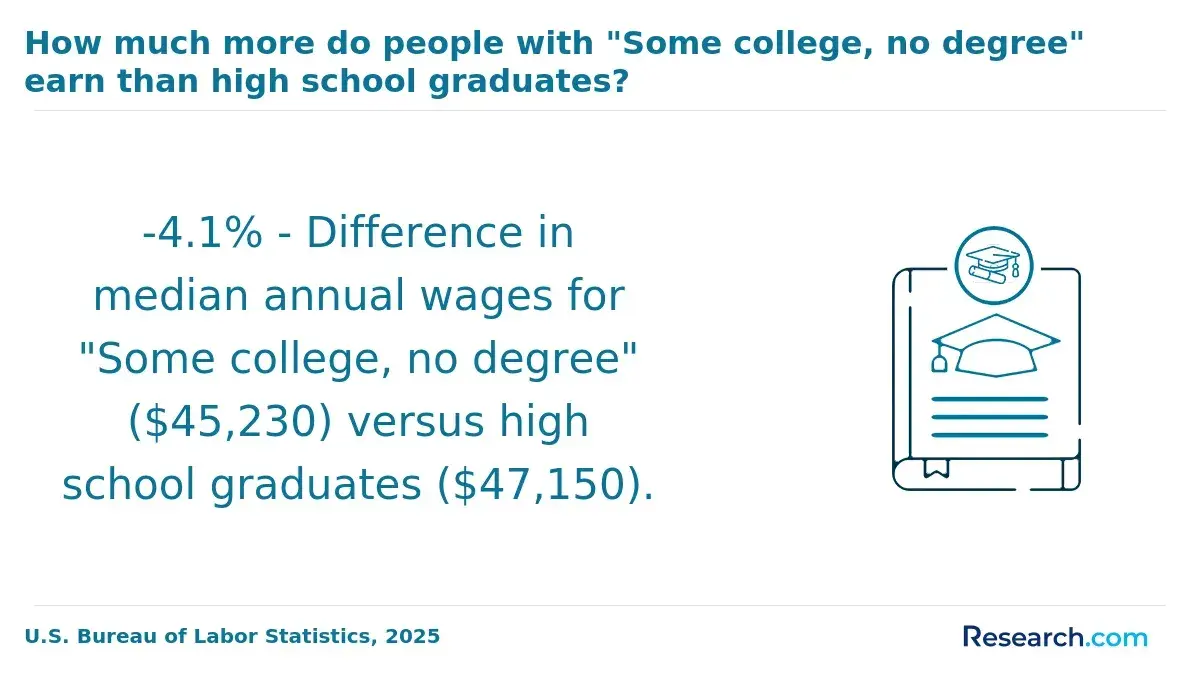
How Do Tuition Costs Affect the ROI of a Applied Behavior Analysis Program Across Institution Types?
Tuition costs alone do not determine the true return on investment for applied behavior analysis programs; rather, they must be weighed against financial aid, completion rates, program quality, and career relevance. For example, public institutions often charge significantly lower tuition-averaging over 50% less than private online programs according to the National Center for Education Statistics (2024)-which can reduce student debt by nearly a third, easing long-term financial pressure. However, this cost advantage may be offset if a program's curriculum, flexibility, or support services do not align with a student's career goals or ability to complete efficiently.
Higher tuition private and nonprofit programs can sometimes justify their price through specialized electives, stronger mentoring, or enhanced career services, potentially shortening time-to-degree or increasing job placement success. Yet, many employers in behavior analysis prioritize board certification eligibility and practical skills over institutional prestige, meaning that an accredited public program with strong completion rates often delivers comparable employment outcomes. Prospective students must assess whether additional costs translate into measurable benefits for their specific situations, accounting for financial aid packages that can narrow cost differences and program attributes that support working adults and accelerate graduation.
Ultimately, evaluating ROI in applied behavior analysis entails balancing immediate affordability against the quality and relevance of educational experiences that impact long-term earnings and career advancement. Lower tuition and less debt can improve net financial outcomes, but only if the program facilitates timely completion and credentialing valued by employers. Conversely, paying a premium requires clear evidence that the program's features enhance professional readiness or networking enough to offset higher upfront expenses, underscoring the importance of nuanced, individualized decision-making when comparing institution types.
How Do Graduation Rates Influence Applied Behavior Analysis Program ROI?
Graduation rates directly shape the return on investment for applied behavior analysis programs by reflecting how efficiently students progress to credentialing and workforce entry. According to a 2024 National Student Clearinghouse Research Center report, public and nonprofit programs typically see graduation rates between 55% and 65% over six years, whereas private institutions show more variation, from 40% to 70%. This range highlights differences in institutional support such as academic advising, tutoring, and scheduling flexibility, which are critical for adult learners balancing employment and family commitments. Programs with robust support services tend to produce better persistence and faster completion, improving ROI by shortening debt duration and accelerating labor market access.
However, graduation rates alone don't capture the full picture of program value, especially when comparing institutions. For example, a nonprofit online program with moderate completion rates but strong career counseling and licensure exam support may ultimately deliver greater long-term benefits than a private program with higher rates but limited post-graduation resources. Success metrics must be weighed alongside factors like student demographics, part-time versus full-time status, and attrition impacts on both time-to-degree and financial burden. Cost-conscious students should also consider employment outcomes linked to verified credentials, which many employers require, as well as the broader context of how completion rates affect applied behavior analysis online program return on investment in practical terms. This nuanced view helps prospective learners navigate tradeoffs between institutional reputation, support intensity, and affordability while assessing true career value.
Those evaluating these programs should also examine how time-to-completion intersects with financial risk and professional demand, especially in light of increasing need across healthcare systems. While graduation rates offer a useful, though incomplete, gauge of institutional effectiveness, interpreting them alongside tangible support services and workforce alignment is essential. For learners prioritizing evidence-backed financial and career returns, assessing program completion rates in context enables smarter choices, avoiding prolonged debt without verified labor market advantage. This approach mirrors how understanding related professions, such as how much does medical coding pay, informs realistic expectations for credential value and earning potential.
What Role Do Career Outcomes Play in the ROI of a Applied Behavior Analysis Degree?
Career outcomes critically shape the return on investment for applied behavior analysis degrees, especially when comparing public, private, and nonprofit online programs. Employment placement rates and how quickly graduates secure relevant roles have immediate financial implications, influencing how quickly students can repay debt. For instance, a public institution's lower tuition may reduce upfront costs but offer fewer personalized career services, potentially extending time-to-employment compared to private programs that invest more in professional networking and employer connections. According to a 2024 report from the U.S. Bureau of Labor Statistics and the Council for Exceptional Children, around 85% of graduates from accredited applied behavior analysis programs find jobs within a year, but the variation in program support and market fit affects long-term career sustainability and advancement.
Beyond initial employment, employer recognition of program rigor and graduate competencies often determines opportunities for specialization or leadership roles in behavioral health fields, directly impacting career mobility and salary growth. Nonprofit online programs commonly balance cost and support but depend heavily on how well their curricula align with evolving industry needs and regional labor markets. Tuition, student debt, and time-to-degree factor strongly into ROI, but career outcomes-such as job quality, relevance, and professional credibility-ultimately define the degree's ongoing value in a competitive job market.
A graduate of an online applied behavior analysis program shared how they initially questioned if the degree would justify the financial and time commitments involved, especially since their employer didn't explicitly require it. However, over the first two years post-graduation, the credential opened doors to project leadership roles and specialized client assignments not previously accessible. While the salary gains were modest, the skill set and recognized expertise provided a foothold for internal promotions and more meaningful responsibilities, validating the degree's value beyond immediate monetary returns.
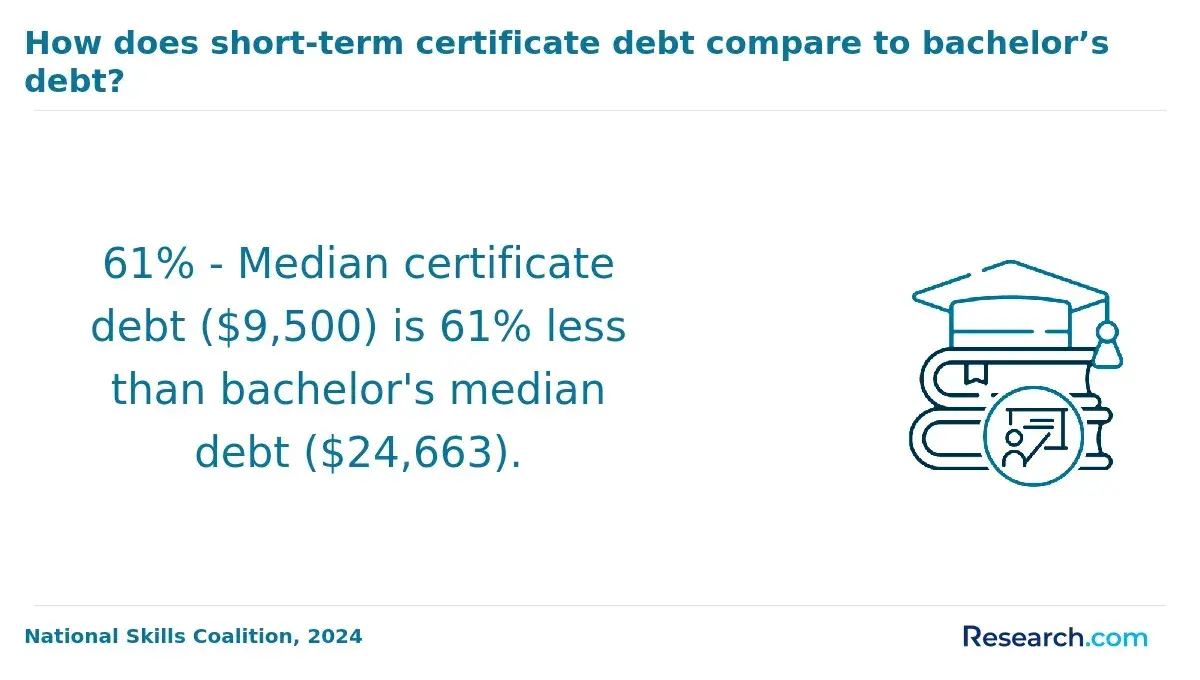
How Does Student Debt Impact the Long-Term ROI of a Applied Behavior Analysis Program?
Higher student debt directly reduces the long-term return on investment of an applied behavior analysis program, especially when comparing public, private, and nonprofit online institutions. For instance, students who choose private online programs often face significantly higher tuition, leading to larger loans that extend repayment timelines and increase interest costs. This borrowing burden limits financial flexibility and can hinder career growth during early employment stages where salaries may not yet reflect premium educational spending. Evaluating debt relative to graduation likelihood is critical, since public programs tend to have higher completion rates, thereby lowering the risk of unproductive debt often seen when students drop out without earning credentials.
Students analyzing applied behavior analysis student debt impact on long-term financial outcomes must also weigh institutional differences in financial aid availability and actual career value. Robust state and federal aid in public institutions frequently reduce borrowing needs, yet higher tuition at private nonprofit schools does not guarantee better employment or salary premiums. Many employers prioritize certification and hands-on experience over degree prestige, so debt-financed programs should be assessed alongside realistic earnings projections. For cost-conscious learners, particularly working professionals or career changers, understanding how repayment obligations intersect with workforce demands can reshape decisions about program selection and financing options for maximizing ROI. Those interested in comparing program costs for other health-related fields might consider resources like the best online registered dietitian programs.
How Do Flexibility and Adult Learner Support Affect Applied Behavior Analysis Program Value?
Program flexibility and targeted support services fundamentally shape the return on investment for online applied behavior analysis programs, particularly when adult learners juggle employment, family, and schooling. For example, asynchronous course options allow working professionals to maintain progress without rigid schedules, which directly affects persistence and completion rates. A 2024 study by the National Center for Education Statistics found that programs combining asynchronous learning with tailored academic advising boast retention improvements approaching 15% over synchronous-only models, highlighting how scheduling autonomy paired with personalized guidance enhances degree attainment.
Comparing institution types reveals practical tradeoffs: public programs generally offer more affordable tuition and standardized support but may lack individualized advising that working adults or military-affiliated students need to navigate career transitions. Private institutions often provide closer faculty engagement and flexible pacing to accommodate diverse adult learner needs, yet these benefits usually come with higher direct costs and increased risk of debt accumulation. Nonprofit programs tend to balance moderate pricing with focused transfer policies and veteran services, positioning themselves as middle-ground options that optimize accessibility and support without consistently incurring the premium expenses found in private settings.
Ultimately, factors like faculty mentorship accessibility, career service alignment with applied behavior analysis job markets, and accommodations for life's demands influence opportunity costs and employment outcomes more than simple tuition rates. While public programs may lower financial barriers, the absence of nuanced support can extend time-to-degree or reduce graduation likelihood, impacting long-term program value. Adult learners must weigh how these structural differences affect both their educational experience and post-graduate positioning in a field experiencing rising demand across healthcare and behavioral sectors.
How Do Accreditation and Institutional Reputation Influence Applied Behavior Analysis ROI?
Accreditation and institutional reputation critically shape the return on investment (ROI) for students pursuing applied behavior analysis degrees, impacting employability, debt burden, and long-term career value. Graduates of regionally or programmatically accredited programs generally experience a measurable advantage; for example, a 2024 report by the Council for Higher Education Accreditation found these graduates achieve a 15% higher employment rate within six months compared to those from non-accredited institutions. This credentialing often affects eligibility for certification exams and licensure, which are essential gateways to many ABA careers. However, the institutional reputation can sway employer perceptions beyond accreditation alone, affecting starting salaries and advancement opportunities as evidenced by a National Association of Colleges and Employers survey showing 62% of employers favor candidates from recognized institutions.
Prospective students should weigh accreditation and reputation alongside practical factors like tuition cost, faculty expertise, student services, and credit transfer policies. Public institutions frequently offer more affordable options and wider access but may lack specialized program features that private or nonprofit providers offer, sometimes at higher cost. For adult learners or career changers balancing financial constraints against career objectives, the absence of strong employer networks or support in some accredited programs can diminish practical ROI. Conversely, newer programs with solid accreditation and targeted curricula may provide competitive advantages for licensure readiness and relevance in growing healthcare sectors. Ultimately, understanding these tradeoffs helps align educational choices with realistic career trajectories and financial realities.
How Does Time-to-Degree Affect the ROI of Public, Private, and Nonprofit Applied Behavior Analysis Programs?
Time-to-degree completion directly shapes the return on investment for public, private, and nonprofit online applied behavior analysis programs by influencing both direct costs and opportunity costs for students. Public programs usually offer more standardized timelines, often 18 to 24 months full-time, which can limit prolonged tuition payments and lost income but may be less flexible for working adults. In contrast, private and nonprofit programs frequently allow part-time or accelerated pathways, affecting graduation rates and persistence as reported by the National Center for Education Statistics (2024), where online health profession graduate programs average a 65% completion rate; part-time enrollment common in these settings may extend time to degree and increase debt exposure, especially if students must balance job and family demands.
While accelerated private programs can shorten time-to-degree and enable earlier workforce entry, they introduce substantial workload strains, raising risks of dropout or shallow competency development. Public institutions' use of transfer credits and established course pathways often helps students mitigate time and cost without compromising education quality, a critical factor for those managing job transitions. Nonprofit programs, particularly those targeting career changers, may emphasize flexible pacing and robust student support to enhance completion likelihood despite lengthier timelines. Adult learners must consider these real-world tradeoffs and the pressure balancing work, family, and study imposes on their ability to graduate in a timeframe that truly maximizes educational value and career outcomes.
When comparing program options, it is vital to assess how differing time-to-degree structures influence debt burden, graduation likelihood, and employability in the competitive ABA workforce. The decision to enroll part-time or pursue accelerated formats should account for personal circumstances and professional readiness, as shorter duration does not uniformly guarantee a better return. Understanding what jobs can you get with a bioinformatics degree parallels how specific degree pacing affects labor market outcomes in other specialized fields, reinforcing the importance of aligning program timelines with long-term career strategies in applied behavior analysis programs.
How Can You Choose the Best Applied Behavior Analysis Program Based on Your ROI Goals?
The best return on investment in applied behavior analysis programs depends less on the institution type and more on how well the program aligns with a student's financial capacity, career timeline, and support needs. Public online programs often present a lower upfront cost and reduced debt risk due to their affordability and higher graduation rates, which can accelerate workforce entry. However, this cost advantage sometimes comes with longer time-to-degree or less flexible scheduling, which may increase indirect costs for working adults balancing family or job responsibilities.
Private and nonprofit online programs typically offer stronger learner support, asynchronous coursework, and career services that may enable quicker completion and improved job readiness-factors critical for some career changers. These institutions often provide more merit-based financial aid, though their higher tuition can increase overall debt. Accreditation by bodies like BACB and institutional reputation also play pivotal roles in employability, underscoring that ROI encompasses more than tuition alone. Considering these nuances is essential for cost-conscious students evaluating how to evaluate applied behavior analysis program ROI in ways that reflect their unique situation.
For adult learners navigating competing educational investments, understanding how graduation rates, debt burden, financial aid, and program flexibility vary across sectors offers practical insight. Prospective students seeking evidence-based comparisons might explore resources focused on the best psychiatric mental health nurse practitioner programs online, which show similar patterns in clinical placement success tied to institutional characteristics. Tailoring program choice to individual career goals and time constraints optimizes long-term outcomes and aligns with the priorities of the best online applied behavior analysis programs for return on investment.
References
- 25+ Affordable ABA/BCBA Online Programs (Masters & Certs) https://abamastersprograms.org/affordable-online-aba-masters-programs/
- The Economics of Accreditation: Costs, Benefits, ROI - Course Accreditation https://course-accreditation.com/blog/the-economics-of-accreditation-costs-benefits-roi/
- ABA Career Path: Job Opportunities in Applied Behavior Analysis - Apple ABA https://appleabacare.com/aba-therapy-careers/aba-career-path/
- How to Use ABA Therapy Techniques to Encourage Flexibility | SoaringHigh ABA https://soaringhighaba.com/how-to-use-aba-therapy-techniques-to-encourage-flexibility/
- Is a Master's in ABA Worth It? The Real ROI https://www.appliedbehavioranalysisedu.org/2026/04/is-a-masters-in-aba-worth-it/
- How to Measure and Prove ROI in Training & Development | Acorn https://acorn.works/blog/roi-in-training
- Applied Behavior Analysis Graduate Programs | Advanced Autism Services https://www.advancedautism.com/post/applied-behavior-analysis-graduate-programs
- Acceptance and Commitment Training in ABA Practice https://www.daytasticaba.com/acceptance-and-commitment-training-in-aba-practice-cultivating-psychological-flexibility-for-meaningful-change
- The Importance of Flexibility in ABA Therapy Approaches https://www.crossrivertherapy.com/articles/the-importance-of-flexibility-in-aba-therapy-approaches
- 9 Careers in Applied Behavior Analysis | The Chicago School https://www.thechicagoschool.edu/insight/career-development/4-ways-to-use-degree-in-applied-behavior-analysis/
Other Things You Should Know About Applied Behavior Analysis
The intensity and structure of practicum components often vary between public, private, and nonprofit online ABA programs. Private programs may offer more flexible or condensed practicum options but sometimes provide less direct supervision, potentially limiting hands-on readiness. Public and nonprofit institutions often align their fieldwork closer with local agencies or established partnerships, which might demand more extensive time commitments but typically yield stronger practical experience recognized by employers. Choosing a program with robust practicum alignment is critical, especially if your goal is immediate workforce readiness without additional external training.
Employers in the ABA field tend to place more trust in programs affiliated with public and nonprofit institutions due to perceived rigor and standardized curriculum adherence. Private online programs may face skepticism unless they have accreditation or special affiliations with recognized behavior analysis boards. For those prioritizing career advancement or roles in institutions with strict hiring standards, public and nonprofit graduates generally experience smoother employer acceptance and fewer barriers during credential verification and job placement.
Private ABA online programs often emphasize accelerated completion, resulting in shorter programs with fewer electives or opportunities for specialization. Conversely, public and nonprofit programs usually offer longer curricula with deeper coverage of emerging topics and research methods, which can enhance critical thinking and long-term professional adaptability. If immediate entry into the workforce is your priority, private programs may be advantageous; however, for those seeking a comprehensive understanding to support career growth or leadership roles, public and nonprofit institutions provide more substantive academic rigor.
For working professionals balancing job demands with study, nonprofit programs often strike a better balance between quality and flexibility, incorporating tailored support services and practical scheduling. Public programs may offer lower cost and recognized accreditation but sometimes follow more rigid semester schedules that can limit flexibility. Given ROI, nonprofit options often provide a practical compromise by delivering recognized credentials with better adaptability, reducing opportunity costs without sacrificing educational quality.