2027 Applied Behavior Analysis Student Debt Report: Borrowing, Monthly Payments, and Repayment Risk

Co-Founder and Chief Data Scientist
Applied behavior analysis programs often require extensive supervised fieldwork, which extends the timeline for degree completion and influences borrowing behaviors uniquely compared to other disciplines. Licensing and certification demands add layers of cost and complexity, as students frequently finance not only tuition but also internship fees and examination expenses.
Variability in workforce entry paths-spanning roles from behavior technicians to board-certified analysts-creates diverse repayment capacities that affect monthly payment burdens and default risks. In 2024, a noted slowdown in new board-certified analysts entering the workforce suggests shifting labor market dynamics impacting financial outcomes. The age distribution of students, increasingly including mid-career changers, signals evolving educational access and workforce adaptation within the field.
Key Things to Know About Applied Behavior Analysis Student Debt
- Students often face extended repayment periods due to moderate monthly payments, increasing total interest costs and potentially limiting financial flexibility during early career stages.
- Employers in behavioral health increasingly value practical experience over degree level, suggesting that high debt from extended or advanced programs may not proportionally improve employability.
- Rising tuition inflation, combined with certification timing, escalates upfront borrowing, pressuring students to carefully plan program length against anticipated workforce entry to avoid disproportionate debt burdens.
- Key Things to Know About Applied Behavior Analysis Student Debt Key Things to Know About Applied Behavior Analysis Student Debt
- How Much Student Loan Debt Do Applied Behavior Analysis Graduates Typically Have at Graduation? Average Studen Loan Debt
- What Factors Have the Biggest Impact on Applied Behavior Analysis Student Loan Debt? Student Debt Key Factors
- What Is the Average Monthly Student Loan Payment for Applied Behavior Analysis Graduates? Average Monthly Payment
- How Do Repayment Rates Compare Between Public and Private Institutions? Public vs. Private Institution Repayment Rates
- Do Online Applied Behavior Analysis Graduates Have Different Repayment Outcomes Than Campus-Based Students? Online vs. On-Campus Student Loan Repayment
- Which Industries Provide the Best Financial Return Relative to Borrowing Costs? Which Industries Provide the Best Financial Return Relative to Borrowing Costs?
- Does Student Debt Affect Which Jobs Applied Behavior Analysis Graduates Accept? Does Student Debt Affect Which Jobs Applied Behavior Analysis Graduates Accept?
- What Factors Increase Student Loan Repayment Risk for Applied Behavior Analysis Graduates? Loan Repayment Risk Factors
- How Can Applied Behavior Analysis Students Reduce Student Loan Debt While Earning Their Degree? Tips to Reduce Student Debt
- How Should Prospective Students Evaluate Borrowing Risk Before Enrolling? Evaluating Student Debt Risk
How Much Student Loan Debt Do Applied Behavior Analysis Graduates Typically Have at Graduation?
Recent data from sources such as the National Center for Education Statistics and the College Scorecard indicate that average student loan debt for applied behavior analysis graduates typically falls between $30,000 and $60,000 at graduation. This debt range captures variations tied to program type, institutional sector, and geographic factors that shape tuition costs.
Health and behavioral science programs often include unpaid or low-paid practicum components, which can lengthen time to degree completion and increase overall borrowing to cover living expenses. As a result, many students in this field accumulate significant debt that does not solely reflect tuition but also the ancillary costs of completing credential requirements.
The applied behavior analysis graduate debt by institution type shows notable differences: graduates from private schools and out-of-state public institutions often incur higher loan balances compared to those attending in-state public universities, where tuition subsidies reduce direct costs. Program length and enrollment status further influence borrowing patterns, with part-time students possibly spreading costs over a longer duration, sometimes offsetting immediate debt accumulation but extending repayment timelines.
Availability of scholarships, grants, and employer tuition assistance can also alter these debt outcomes, though such aid tends to be limited for many ABA students. Prospective students might find parallels when researching nursing schools with high acceptance rates, where similar financial and programmatic variability affects borrowing behaviors. Higher debt levels among ABA graduates directly affect repayment stress and financial flexibility, given that initial salaries in this sector often challenge the ability to service loans promptly.
Income-driven repayment plans offer some relief, but substantial borrowing may influence career decisions, such as pursuing only full-time employment or deferring additional certifications to manage debt risk. These factors underscore the need for careful alignment of borrowing expectations with realistic income prospects and career pathways within the ABA workforce.
What Factors Have the Biggest Impact on Applied Behavior Analysis Student Loan Debt?
Student loan debt levels in applied behavior analysis programs rarely stem from a single cause. Instead, they reflect the interplay between institutional pricing models and individual students' financial circumstances. This dynamic involves both systemic factors like tuition structures and program formats, as well as personal decisions regarding enrollment patterns and available financial aid.
Understanding the main drivers behind borrowing can clarify why debt varies widely among students pursuing applied behavior analysis degrees.
- Institution Type and Tuition Pricing: Private nonprofit and for-profit institutions often set significantly higher tuition rates than public universities, directly increasing student borrowing. The National Center for Education Statistics reports that graduates from private institutions in behavioral science fields can incur debt up to 30% above those attending public schools. This pricing disparity interacts strongly with aid availability, as scholarships and grants may not fully offset the higher sticker costs, pushing students toward larger loans.
- Program Length and Format: Degree programs in applied behavior analysis frequently span two or more years, and extended completion times translate to accumulating tuition and living expenses. Part-time or online formats offer scheduling flexibility but may elongate enrollment, elevating total costs and thus increasing loan amounts. This factor shapes borrowing behavior by compelling students to consider time-to-degree tradeoffs alongside financial constraints.
- Financial Aid Availability Beyond Loans: Access to scholarships, grants, and employer tuition assistance varies considerably and strongly influences reliance on loans. Limited non-loan aid forces students to borrow not only for tuition but also for associated costs like certification exam fees and required textbooks. The absence of sufficient financial aid compounds tuition-driven debt, especially when combined with institutional pricing and program duration factors.
- Living Expenses and Regional Cost Variations: Applied behavior analysis students often incur substantial indirect costs during internship or practicum requirements, where paid work opportunities are scarce. Geographic location further amplifies this burden; metropolitan areas with higher housing and transportation costs inflate debt as students compensate for elevated living expenses. The Bureau of Labor Statistics has documented monthly living costs differing by as much as 40% across U.S. cities, impacting cumulative borrowing needs accordingly.
- Student Demographics and Financial Background: First-generation college attendees and those from low-income households typically start with fewer financial resources, increasing dependence on loans and consequently total debt. Studies from the Institute for College Access & Success highlight median loan balances of $29,000 in behavioral sciences, with students from disadvantaged backgrounds often exceeding this average. These demographic realities intersect with the other factors, shaping how much an individual borrows during their applied behavior analysis education.
Program format choices also critically affect borrowing patterns. Many students weigh the flexibility of part-time or online enrollment against extended program lengths, which may carry higher cumulative costs. Those interested in alternatives such as nursing programs that don't require TEAS test might find similar considerations regarding program structure and financial impact applicable, underscoring the widespread influence of format on student debt levels.
What Is the Average Monthly Student Loan Payment for Applied Behavior Analysis Graduates?
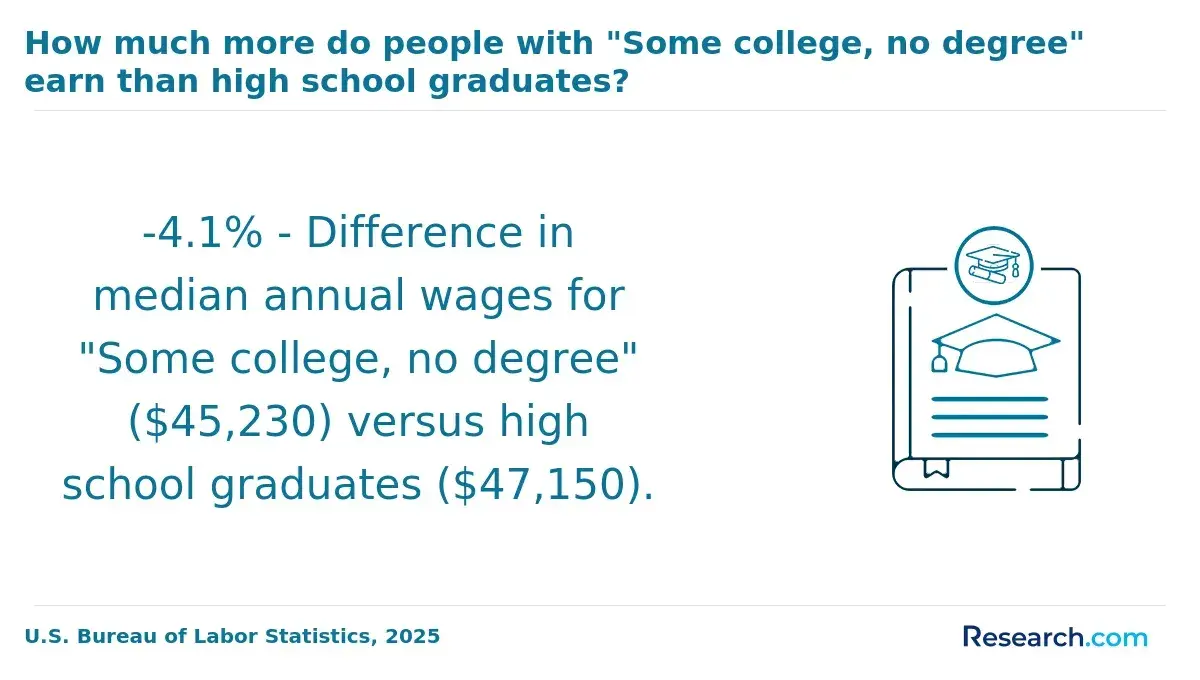
Recent data from sources such as the U.S. Department of Education and the Federal Reserve show that monthly student loan payments for applied behavior analysis graduates typically fall between $250 and $450. This range reflects the diversity of loan amounts and repayment terms encountered across the field, with some graduates facing higher obligations due to larger overall debt or shorter repayment periods.
Conversely, those enrolled in income-driven repayment plans, which adjust payments based on earnings, often see lower monthly bills-sometimes under $200-despite accruing interest over extended durations. These figures highlight how the structural design of loan repayment interacts with individual financial circumstances, affecting graduates' disposable income within a profession where starting salaries can be modest relative to other healthcare roles.
The variation in monthly payments largely hinges on borrowing volume, chosen repayment plan, interest rates, and income post-graduation. Graduates carrying higher loan balances or opting for the standard ten-year repayment typically encounter steadier but more substantial monthly costs, whereas longer-term or income-sensitive plans reduce payments but increase total interest paid.
Additionally, salaries for applied behavior analysis professionals fluctuate based on geographic location and job setting, influencing borrowers' ability to manage debt effectively. Those in urban areas or specialized clinical roles often earn more, easing payment pressure, while practitioners in rural or entry-level positions may face proportionally greater financial strain, underscoring the importance of aligning education financing strategies with realistic income expectations and career goals.
One graduate recalled applying through a rolling admissions program and facing weeks of uncertainty about acceptance timing, which delayed finalizing financing plans. This wait forced careful consideration of loan offers and repayment options, as immediate enrollment would have meant committing to higher monthly payments without a clear sense of income prospects post-graduation.
The experience emphasized the need for strategic planning during the admissions process, especially in fields like applied behavior analysis where program start dates and financial aid announcements can be staggered widely, affecting loan management decisions well before graduation.
How Do Repayment Rates Compare Between Public and Private Institutions?
Recent data from the U.S. Department of Education's College Scorecard reveals that graduates from public universities in applied behavior analysis programs have somewhat higher loan repayment rates within five years compared to those from private institutions. Approximately 65% of public school alumni manage to reduce their student debt within this timeframe, versus about 58% of private school graduates.
Federal Reserve reports from early 2024 further indicate that borrowers from public institutions exhibit fewer instances of delinquency or deferment up to six years post-graduation, highlighting a sustained trend in repayment behavior differences between these sectors. These disparities largely stem from structural variations in tuition and borrowing patterns.
Public institutions typically charge lower tuition, leading students to incur smaller loan balances, which reduces repayment burden and facilitates consistent monthly payments. In contrast, private school students often face higher educational costs, resulting in greater initial debt that can strain financial resources during early career stages.
Moreover, public university graduates generally experience more predictable income trajectories, which align better with managing debt obligations, while private school outcomes may vary more widely depending on program prestige and geographic job markets. These financial dynamics significantly influence repayment success and reflect underlying differences in institutional pricing, aid distribution, and graduate earning potential within applied behavior analysis.
Do Online Applied Behavior Analysis Graduates Have Different Repayment Outcomes Than Campus-Based Students?
Recent data from authoritative sources reveal distinct differences in student loan repayment rates between graduates of public and private universities offering applied behavior analysis programs. Public institutions report median repayment rates near 57% within three years post-repayment, whereas private institutions average closer to 44%, reflecting more than just institutional type. This disparity correlates with varied borrowing behaviors, demographic profiles, and institutional financial strategies that shape repayment outcomes.
Understanding these nuances is essential for evaluating online applied behavior analysis graduate repayment outcomes, as program modality often intersects with institutional characteristics to affect borrowing and repayment success. The divergence in repayment performance stems largely from structural factors such as tuition costs, typical debt loads, and early career earnings. Public universities generally offer lower tuition and a broader range of financial aid options, which reduce average student debt burdens and ease monthly repayment obligations.
In contrast, private institutions, frequently campus-based and with higher tuition rates, tend to see students graduate with larger debts, exacerbating repayment strain. Employment outcomes, influenced by career support and licensure preparedness, vary by institution prestige and resources, further shaping graduates' ability to meet loan obligations. These elements collectively influence campus versus online applied behavior analysis student loan repayment trends and reflect broader debt-to-income dynamics in the profession.
Repayment difficulties carry long-term financial consequences, impacting graduates' economic mobility and perceptions of program value. Higher debt-to-income ratios increase repayment stress and can extend default risk, prompting scrutiny of institutional accountability and outcomes reporting.
Prospective students assessing applied behavior analysis pathways should consider how borrowing levels and repayment challenges manifest differently across public and private sectors and across learning modalities, balancing costs against tangible employment prospects. Some may also explore online medical assistant programs with financial aid as complementary or alternative workforce options within healthcare systems.
Which Industries Provide the Best Financial Return Relative to Borrowing Costs?
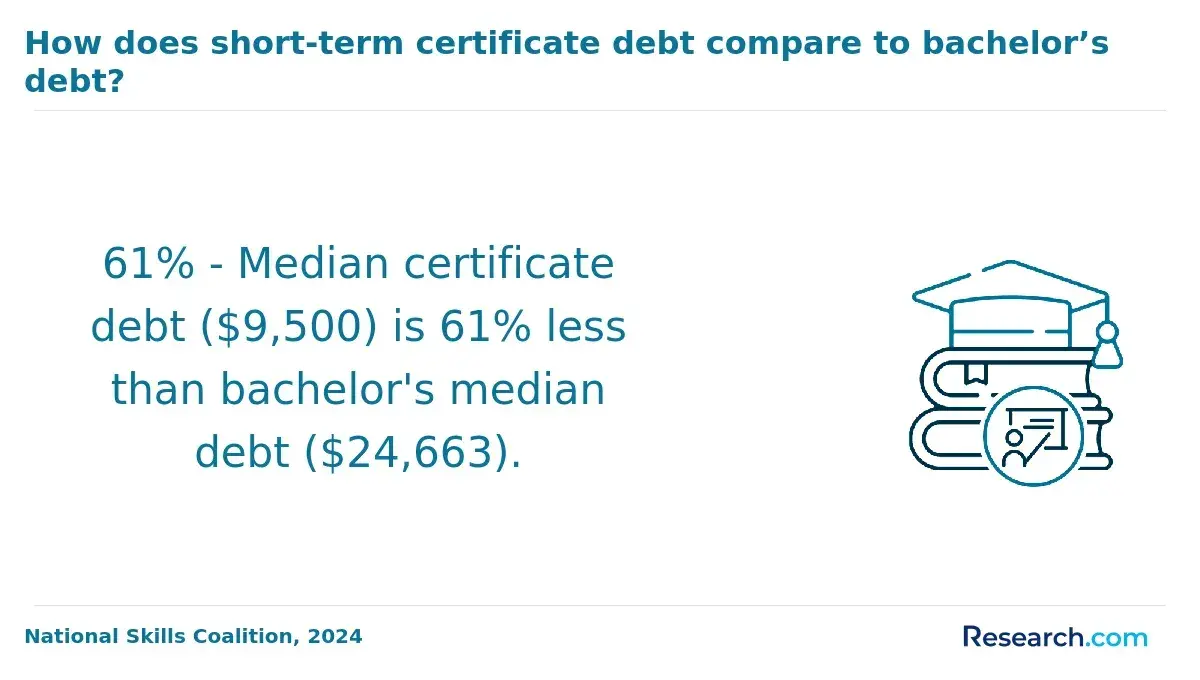
Financial return on an Applied Behavior Analysis degree varies considerably across industries and hinges on the interplay between earning potential and typical borrowing levels. Assessing return on investment requires looking beyond base salaries to how quickly income grows, demand for roles, and how these factors balance against debt repayment burdens.
Graduates should weigh which sectors not only offer competitive wages but also align with realistic timelines for progressing through certification and gaining practical experience that influence total financial outcomes.
- Healthcare and Social Assistance: These sectors consistently provide some of the strongest financial returns due to robust demand for behavioral therapists and related roles. Entry-level salaries often range from moderate to high $50,000s, with accelerated growth for clinically certified practitioners. Moreover, many employers prioritize hands-on experience over extended academic credentials, lowering borrowing costs and improving debt-to-income ratios.
- Educational Services: Earnings in education for ABA graduates tend to be lower and less predictable, frequently near the $50,000 mark despite similar student debt levels seen in healthcare. Career advancement is slower and often requires additional credentials, which can increase borrowing without immediate salary benefits. Loan forgiveness options may partially mitigate these risks but do not eliminate the repayment challenges tied to limited wage growth.
- Nonprofit and Public Sector Roles: These positions may offer moderate starting salaries but often include employer-sponsored loan repayment support or forgiveness programs, improving net financial outcomes. Hiring demand can be steady, particularly in community-based behavioral health programs, which can help offset otherwise tighter income-to-debt balances over time.
- Private Behavioral Therapy Practices: Graduates entering private clinics or independent practice face variable income potential that can surpass institutional roles with experience and client growth. However, early-career earnings are more uncertain, so initial debt repayment requires careful financial planning to manage fluctuating revenue streams.
- Administrative and Research Positions: While these offer stable employment, salaries may not grow rapidly enough to offset typical graduate borrowing for ABA degrees. They often demand advanced qualifications beyond initial certification, increasing upfront education costs and lengthening the time before strong positive returns materialize.
Does Student Debt Affect Which Jobs Applied Behavior Analysis Graduates Accept?
Student debt levels are a critical determinant in the job choices made by applied behavior analysis graduates, particularly regarding salary and repayment priorities. Graduates with higher loan balances often lean toward positions offering immediate financial relief, such as roles in private clinics or healthcare facilities that include loan repayment assistance or competitive starting wages.
This financial imperative can overshadow preferences for specialized or public-sector roles that, while potentially more aligned with professional interests, typically offer lower initial pay. According to 2024 data from the National Center for Education Statistics, 62% of ABA graduates carry student debt averaging nearly $35,000, influencing a majority to prioritize compensation and repayment benefits in their employment decisions within their first years post-graduation.
Beyond initial salary considerations, behavioral and structural factors further complicate employment patterns. Graduates with lower debt burdens display greater flexibility in choosing roles that foster long-term career development, such as positions in nonprofit organizations or research-focused institutions. Geographic pay disparities and the availability of employer-sponsored repayment programs also shape mobility; graduates constrained by debt may avoid lower-cost regions with better career fit if wages do not offset loan obligations.
The tension between immediate financial stability and future qualifications acquisition often forces graduates into conservative choices, potentially delaying pursuit of advanced certifications or specialization that could enhance their professional trajectory. This interplay underscores how debt burden stratifies industry entry points, affecting not only where graduates work but also their capacity to navigate evolving career pathways.
One applied behavior analysis graduate recounted navigating the rolling admissions for certification programs while balancing job offers. Faced with uncertainty about acceptance timing, they hesitated to commit to a position with minimal loan assistance, fearing it would impede repayment plans should a deferred acceptance require relocation or program delay.
What Factors Increase Student Loan Repayment Risk for Applied Behavior Analysis Graduates?
Student loan repayment risk for applied behavior analysis graduates arises from a complex interplay of borrowing amounts, employment outcomes, and wage realities rather than any single factor. This risk is tightly linked to how much debt graduates accumulate and how stable and sufficient their post-graduation income is to service that debt.
Variations in program format and school type further modulate these dynamics, influencing financial pressure and repayment vulnerability differently across graduates.
- High Tuition and Borrowing Levels: Many applied behavior analysis programs carry significant tuition costs with limited alternative funding options, resulting in average student loan debt often exceeding $40,000 according to a 2024 National Center for Education Statistics report. Elevated debt relative to early-career salaries amplifies monthly payment strain and heightens default risk, especially when combined with rising interest rates.
- Entry-Level Salary Constraints: Initial roles such as registered behavior technicians or assistants typically offer modest wages that inadequately cover large loan payments. Without rapid progression to board-certified behavior analyst positions, graduates face prolonged periods of tight finances, increasing repayment vulnerability as debt servicing competes with living expenses.
- Employment Stability and Regional Variability: While demand for ABA professionals remains strong broadly, disparities in job availability-particularly in underserved or rural areas-can cause income inconsistency or underemployment. This uneven labor market exacerbates risks for those dependent on stable earnings to meet repayment obligations.
- Limited Awareness of Repayment Assistance: A critical factor augmenting repayment risk is insufficient knowledge or utilization of federal loan repayment options such as income-driven plans or forgiveness programs. Lack of strategic repayment planning constrains graduates' ability to mitigate their debt burden effectively.
- Impact of Program Format and School Type: Differences in program length, delivery mode, and institution type affect total borrowing and employment readiness. For some, accelerated or hybrid formats may reduce debt accumulation and time to stable employment, while others face longer paths that increase cumulative financing costs. Exploring accelerated FNP programs can offer perspective on how program design influences debt and employment outcomes in related healthcare education fields.
How Can Applied Behavior Analysis Students Reduce Student Loan Debt While Earning Their Degree?
Strategically reducing student loan debt for an accelerated applied behavior analysis master's online requires deliberate planning, financial literacy, and informed decisions about program structure and funding opportunities. Debt minimization depends on balancing academic progression with realistic cost management and leveraging institutional and external resources.
Integrating financial awareness early in the academic journey enables students to avoid excessive borrowing while maintaining steady progress toward credentialing.
- Enroll in Accredited, Competency-Based Programs: Programs with competency-based progression can shorten time-to-degree by allowing students to demonstrate mastery and move faster through coursework, directly cutting tuition costs and borrowing needs. Data from the National Center for Education Statistics (2024) indicates that competency-based models reduce degree completion time by up to 30%, a significant factor for applied behavior analysis students aiming to minimize debt.
- Utilize Part-Time Enrollment Coupled with Employment: Balancing part-time study with work in behavioral technician or related roles helps students generate income to offset living expenses and reduce reliance on loans. While this may extend time to graduation, it lowers immediate borrowing and builds practical experience valued by employers and loan counselors.
- Maximize Scholarships and Grants Targeted to Behavioral Health: Actively pursuing state and institutional grants designed for behavioral health fields can substantially decrease borrowing. These funds often require maintaining specific academic or fieldwork criteria, so strategic academic planning enhances eligibility and sustained financial aid.
- Practice Strategic Federal Loan Borrowing: Limiting loans to essential amounts and prioritizing federal options ensures access to lower interest rates and more flexible repayment terms. Early engagement with financial counseling and loan literacy programs reduces loan burdens; health science students in these programs report average borrowing reductions of 15%, reinforcing the importance of informed borrowing decisions.
- Explore Accelerated or Combined Degree Pathways: Students who pursue integrated bachelor's/master's pathways in applied behavior analysis can reduce total tuition and associated loan amounts by streamlining coursework. However, these routes require consistent academic focus and may not suit all learners depending on prior preparation and life circumstances.
- Investigate Employer-Sponsored Loan Repayment Assistance: Understanding and aligning with healthcare and educational employers that offer loan repayment benefits can mitigate long-term debt. Early career choices influenced by these programs should weigh the tradeoffs between sector stability, compensation, and debt relief opportunities.
- Consider Opportunities through Fully Funded DSW Programs Online: Although more common at doctoral levels, awareness of fully funded DSW programs online underscores the value of researching funding options beyond traditional master's paths for behavioral health professionals interested in advanced credentials and reducing financial burdens.
Applied behavior analysis student loan repayment strategies emphasize the importance of proactive financial planning integrated with degree progression to minimize debt accumulation without compromising educational quality and timely credential attainment.
How Should Prospective Students Evaluate Borrowing Risk Before Enrolling?
Evaluating borrowing risk before enrolling in an applied behavior analysis degree program requires a clear understanding of the long-term financial implications. Prospective students must weigh total expected debt against realistic post-graduation earnings to ensure the education investment is sustainable. Careful analysis of institutional costs, future salary potential, and repayment dynamics can reveal whether the debt burden aligns with career prospects in the field.
- Total Cost of Attendance: Calculating tuition, fees, and living expenses provides a comprehensive view of borrowing needs. This baseline figure is essential to anticipate the full financial commitment beyond sticker prices.
- Projected Earnings: Analyzing entry-level salaries, which average around $55,000 according to the U.S. Department of Education's College Scorecard (2024), helps estimate feasible monthly loan payments and repayment timelines relative to income.
- Program Outcomes: Reviewing licensure exam pass rates and employment statistics uncovers how effectively programs prepare graduates for credentialing and job placement, directly impacting income stability.
- Repayment Flexibility: Understanding loan terms, including interest rates and duration, clarifies how different repayment plans influence total debt and monthly cash flow, identifying manageable versus burdensome scenarios.
- Debt-to-Income Ratio: Keeping monthly loan payments below 10-15% of gross income mitigates repayment stress and supports long-term financial health, guiding borrowing limits.
- Alternative Funding Sources: Exploring scholarships, employer tuition assistance, or income-driven repayment options reduces borrowing needs and enhances affordability.
- Long-Term Financial Planning: Accounting for career progression and potential earnings growth informs whether initial debt is justifiable within a sustainable financial trajectory.
References
- Applied Behavior Analysis Degrees Online and On Campus https://www.thechicagoschool.edu/programs/behavioral-sciences/applied-behavior-analysis/
- HBCUs Have the Best Return on Investment https://tcf.org/content/commentary/hbcus-have-the-best-return-on-investment/
- How Student Loan Debt Impacts Your College ROI https://www.lendkey.com/blog/student-loans/how-student-loan-debt-impacts-your-college-roi/
- Is Rising Student Debt Harming the U.S. Economy? | Council on Foreign Relations https://www.cfr.org/backgrounders/us-student-loan-debt-trends-economic-impact
- Applying Behavioral Economics to Improve Federal Student Loans https://www.luminafoundation.org/resource/applying-the-lessons-of-behavioral-economics-to-improve-the-federal-student-loan-programs-six-policy-recommendations/
- The Impact of Student Debt on the Low-Wage Workforce https://workrisenetwork.org/working-knowledge/impact-student-debt-low-wage-workforce
- Protect Borrowers Testimony Before U.S. Senate Reveals Trump's OBBBA Will Force Hundreds of Thousands of Students Into Private Loans and Force Millions of Borrowers and Families to Pay Thousands in Additional Student Loan Costs Every Year - Protect Borrowers https://protectborrowers.org/protect-borrowers-testimony-before-u-s-senate-reveals-trumps-obbba-will-force-hundreds-of-thousands-of-students-into-private-loans-and-force-millions-of-borrowers-and-families-to-pay-thousands/
- 25+ Affordable ABA/BCBA Online Programs (Masters & Certs) https://abamastersprograms.org/affordable-online-aba-masters-programs/
- Student Loan Debt Burden by Major: Best and Worst ROI College Degrees | FinancialAha! https://www.financialaha.com/data-analysis/us-student-loan-burden-by-major/
- Key Figures on Cost, Student Debt, & ROI at Public Universities - APLU https://www.aplu.org/our-work/4-policy-and-advocacy/publicuvalues/key-figures-on-cost-student-debt-amp-roi-of-public-universities/
Other Things You Should Know About Applied Behavior Analysis
Programs with integrated fieldwork or practicum components often extend the time to degree completion, which can increase borrowing and delay full-time income opportunities. Students in part-time or evening ABA programs may juggle employment but face slower loan repayment starts, risking higher accumulated interest. Prioritizing programs that balance efficient completion timelines with robust clinical experience can mitigate long-term repayment strain by enabling earlier workforce entry without sacrificing necessary training.
Higher tuition programs might offer stronger faculty networks or specialized certifications but do not guarantee proportional salary premiums in ABA roles. Graduates should carefully evaluate whether the incremental borrowing aligns with local employer demand and typical salary scales, as excess debt without commensurate income raises repayment risk. Opting for affordable programs with solid regional employer connections generally presents a more prudent financial path.
Working full-time while enrolled in ABA programs may reduce borrowing but can extend degree completion time and potentially weaken academic performance or clinical competency due to divided focus. Conversely, minimizing work hours can lower interest-bearing debt early but might increase the risk of delayed workforce entry. Students should evaluate their capacity to manage workload without compromising outcomes that affect employability and income stability.
Loan consolidation can simplify payments and potentially lower monthly amounts but may eliminate borrower protections tied to original loans, such as income-driven repayment eligibility. For ABA graduates with variable incomes or public-sector careers, maintaining separate federal loans could offer more flexible repayment and forgiveness options. Prioritize managing loans based on current job stability and repayment options rather than defaulting to consolidation, which might increase long-term financial exposure.