University of North Dakota
- Type:
- Public
- Programs:
- 4 years or more

Cost
- Cost / year
- $25,855
- Tuition & fees
- $11,857
- Avg. aid
- $6,927
- Receiving aid
- 95%
Admissions
- Acceptance rate
- 77%
- Avg. SAT
- 1200
- Avg. ACT
- 23
Outcomes
- Graduation rate
- 60%
- Median salary
- $57,659
- 1 yr after graduation
What does University of North Dakota offer in terms of athletics?
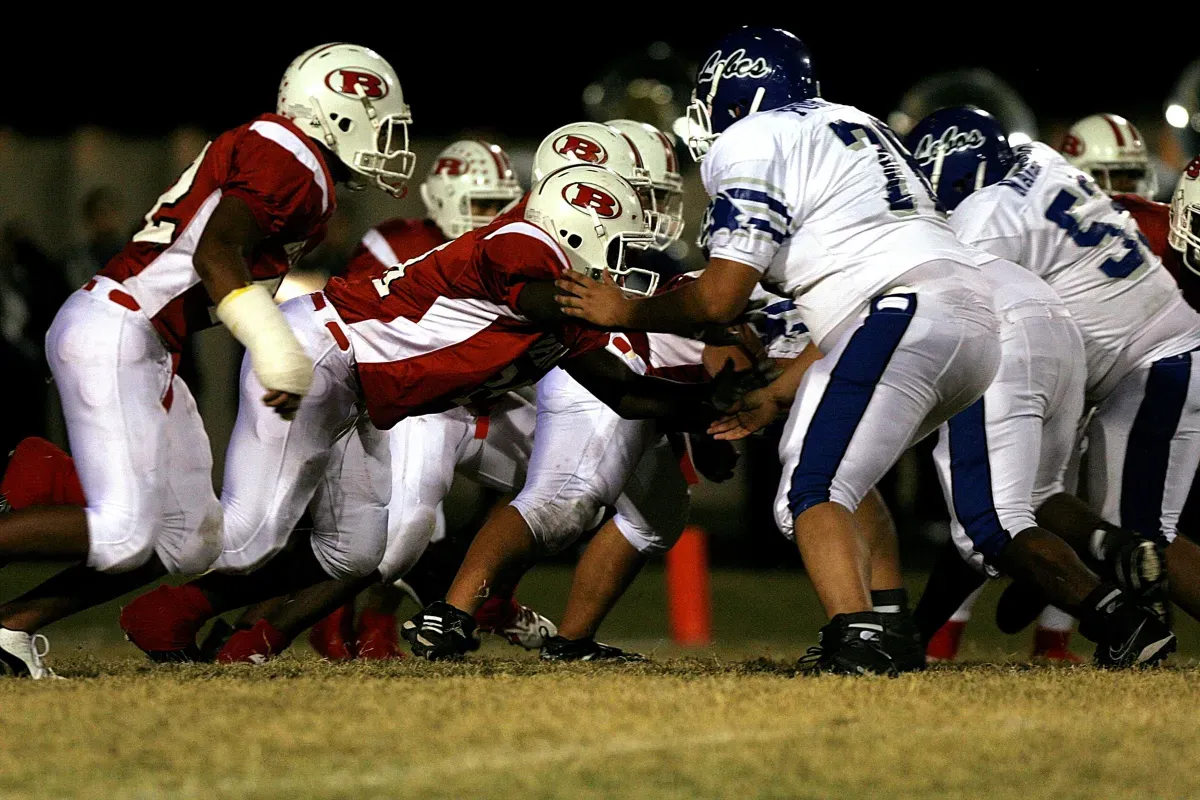
UND competes in NCAA Division I athletics under the Fighting Hawks name. Its conference arrangements differ by sport: many teams compete in the Summit League, football competes in the Missouri Valley Football Conference, and men's ice hockey competes in the National Collegiate Hockey Conference.
Varsity opportunities include sports such as basketball, football, men's ice hockey, soccer, softball, volleyball, and track and field. Participation on a varsity team involves recruiting and team eligibility rules; a sport appearing in a broad campus activity listing should not be assumed to be a current varsity team.
Students who do not compete in varsity athletics can look to club sports, intramural leagues, and campus recreation for other levels of participation. Those options differ in travel, competition, costs, and time commitment, so students should check the current offerings for the sport they want.
What student groups and Associations are available at University of North Dakota?
UND has student organizations covering academic interests, professional development, culture, service, recreation, and the arts. Recognized organizations give students a way to meet peers outside their classes and, in some cases, develop experience related to a major.
Examples include DECA for students interested in business-related activities and Women in Aviation for aviation-related networking and programming. UND also has fraternities and sororities, along with student-led service opportunities associated with The Big Event. Organization activity and membership rules can change from year to year, so a current student-organization listing is more useful than an older club roster.
Other ways to participate include student government, campus media, theater, music ensembles, and interest-based groups. These are not interchangeable: a student newspaper, for example, offers a different commitment from an occasional service project or a professional club.
Who studies at University of North Dakota?
UND enrolls a mix of traditional-age students, transfers, adult learners, and graduate or professional students. Reported total enrollment is 15,844, making it substantially more than a first-year undergraduate campus.
The reported entering group included 2,205 first-time, degree-seeking undergraduates and 1,025 transfer-in, degree-seeking undergraduates. Those figures describe different entry pathways, not the entire student body. UND also reports a student-to-faculty ratio of 18 to 1; the ratio is an institution-wide measure, not a promise about class size in a particular course.
In the reported geographic breakdown, 38% of students were North Dakota residents and 59% came from other U.S. states; 3% came from outside the United States. The age distribution includes substantial enrollment beyond the usual first-year age range, including students in their late twenties and older. These figures suggest that applicants should not assume every classmate has followed a direct high-school-to-college route.
Reported race and ethnicity counts include White, Hispanic or Latino, Black or African American, Asian, American Indian or Alaska Native, and multiracial students. Such counts describe enrollment categories, not individual identities or what any student's campus experience will be.
How does student life look like at University of North Dakota?
Daily life at UND combines classes and campus activities with the routines of a regional city. Reported housing figures indicate that about one-quarter of students live on campus and three-quarters commute, so social plans and support services need to work for both residential and off-campus students.
Campus activities, recreation, performances, and service projects offer ways to connect beyond a major. UND also reports a health clinic, personal counseling services, legal services, and offices serving veterans and other student populations. Students should check each service's eligibility rules, appointment process, and hours rather than assuming that every service is available without charge or outside the academic year.
For a new student, orientation, advising, and an early understanding of the campus layout can be especially practical. A commuter may need to plan gaps between classes, parking, and evening activities; a residential student may have easier access to some events but will still need to account for academic and work commitments.
What libraries are available to students at University of North Dakota?
Chester Fritz Library is UND's main academic library. Students also have access to specialized library resources associated with professional fields, including health sciences and law.
Library services extend beyond borrowing books. UND students can use research databases and online journals, seek help with finding and evaluating sources, and request materials through library-sharing services when an item is not held locally. Special collections support work involving archival and historical material.
Study-space access depends on the location and its operating schedule; reported library information indicates that some study areas provide extended, including 24-hour, access. Students who need a quiet space late at night or remote access to an article should check the current hours and authentication instructions for the specific library resource they intend to use.
University of North Dakota Student Life for 2027
Total enrollment
15019Full Time Degree Seeking Freshmen
2461Member of Athletic Associations
NCAATotal staff
587 full time, 261 part timeVeterans affair office
YesUniversity of North Dakota Student Body
Undergraduate vs. graduate students
Full-time vs. part-time students
Full-time degree-seeking students by gender
Students by race/ethnicity
Freshly enrolled students' age
University of North Dakota Sports & Athletics
- Member of NCAA
Varsity teams compete against other colleges, intramural teams within the school. Each column says whether men, women or both take part, and whether the sport offers athletic scholarships (Aid).
Sport
Basketball
Cross-country running
Football
Golf
Ice hockey
Soccer
Softball
Tennis
Track and field
Volleyball
Data last updated on November 5, 2026
Data sources: IPEDS 2024-25, Peterson 2026, College Scorecard 10/2026, Clery 2024 (2023-24), OpenAlex 2026
Figures on this profile come from federal and third-party datasets in the editions listed above and are refreshed periodically, so they may differ from what the institution currently reports. Confirm costs, deadlines and requirements with the school before making decisions.