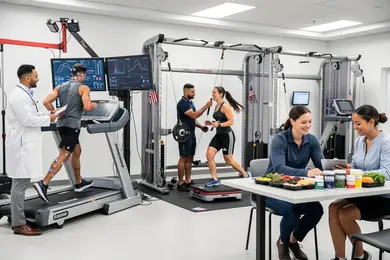
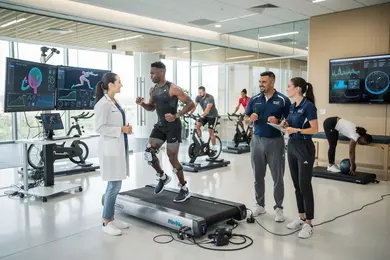
2027 Work Experience Requirements for Sports Science Degree Programs

Co-Founder and Chief Data Scientist
Securing admission to sports science degree programs often hinges on meeting specific work experience requirements-criteria that vary widely across undergraduate, master's, doctoral, and professional levels. Accredited institutions in the United States set these thresholds based on program type, concentration, and delivery format, complicating how candidates prepare and document their background. For example, a 2024 report from the National Association of Sports Science Professionals highlights that graduates with relevant work experience earn up to 18% higher starting salaries nationwide. This article unpacks how experience is evaluated-including paid, unpaid, and international work-helping applicants navigate these nuanced demands effectively.
Key Things to Know About Work Experience Requirements for Sports Science Degree Programs
- Work experience thresholds vary-undergraduate programs typically require minimal exposure, while graduate and doctoral levels often mandate 200+ hours, emphasizing relevance over duration.
- Admissions committees assess experience quality through detailed evaluations of role responsibilities, settings, and supervised clinical or research activities, weighting paid and unpaid work differently.
- Documentation must include verified records such as employer letters or portfolios-international applicants face additional scrutiny to ensure equivalency with U.S. standards and professional norms.
What Are the Work Experience Requirements for Sports Science Degree Programs at the Undergraduate Level?
Accredited undergraduate sports science degree programs-ranging from community colleges to four-year institutions-typically do not require prior work experience for admission. This contrasts sharply with graduate-level programs, where candidates are often expected to demonstrate relevant professional or research experience. In the context of undergraduate sports science degree admissions work experience criteria US institutions mostly treat such experience as supplementary rather than mandatory, focusing instead on academic qualifications and foundational knowledge.
Many programs recommend that prospective students gain exposure through volunteering or part-time roles in fitness, coaching, or athletic training to enhance their applications. Some schools go further by offering structured experiential learning opportunities, awarding academic credit for internships, practicum placements, or supervised fieldwork. These curricular components help students develop practical skills early on, bridging theory with hands-on experience.
Unlike undergraduate degrees, graduate admissions place significantly greater weight on the depth and relevance of prior work experience-especially for specialized master's or doctoral tracks. This distinction is crucial for mid-career professionals or international applicants evaluating their credentials against US standards. Additionally, those interested in accelerated pathways or clinical extensions might explore related fields such as BSN to DNP programs for options with differing experience mandates.
Students entering directly from secondary school should prioritize programs integrating internships or cooperative education into the curriculum, as these provide valuable networking and professional development opportunities critical for career advancement in sports science fields. Selecting programs with embedded practical components ensures exposure to real-world environments early in the academic journey.
- Admission Requirements: Undergraduate programs rarely mandate prior work experience for entry.
- Recommended Exposure: Volunteering or part-time roles improve application strength but are not compulsory.
- Curricular Credit: Some schools award academic credit for internships or supervised fieldwork.
- Graduate Contrast: Experience holds greater weight for master's and doctoral admissions.
- Internship Integration: Programs with embedded practical components benefit recent high school graduates.
How Much Professional Experience Do Sports Science Graduate Programs Typically Require Before Admission?
Graduate programs in sports science across the United States exhibit varied expectations for professional experience before admission-reflecting program goals and applicant diversity. Many master's-level programs accept students directly from undergraduate degrees with minimal formal experience, focusing on academic readiness and supplementing study with practicum or internships. This flexibility supports those new to the field and seeking foundational knowledge.
- No Requirement: Some programs consider recent graduates without prior work, placing greater emphasis on academic records and standardized tests, which accommodates full-time learners pursuing traditional routes.
- Recommended Experience: Many master's and doctoral programs suggest two to three years of relevant professional experience, aligning with common expectations for typical hours of professional experience needed for US sports science master's admission to show practical understanding and enrich classroom learning.
- Preferred Experience: Elite research-intensive programs often expect five or more years of applied experience, supporting readiness for advanced, independent research and roles in clinical, coaching, or high-performance environments.
Applicants generally come from diverse professional backgrounds, including athletic training, coaching, rehabilitation, biomechanics, or strength and conditioning. Admissions committees evaluate the relevance, depth, and demonstrated skills within paid, unpaid, part-time, or international roles, recognizing varied applicant profiles.
- Academic Rationale: Experience requirements balance theoretical knowledge with practical skill-key for success and meaningful contribution at graduate levels.
- Applicant Diversity: Candidates range from recent graduates to mid-career professionals seeking advancement or career changers exploring accelerated pathways, along with international candidates navigating credential equivalencies.
- Experience Flexibility: Experience minimums serve as starting points; holistic review also weighs academic performance, recommendations, and statements of purpose.
For those interested in the health sciences broadly, some may explore FNP programs as complementary or alternative pathways within graduate education landscapes. Understanding the varied work experience requirements for sports science graduate programs in the United States remains essential for aligning personal readiness with competitive admissions standards.
What Types of Work Experience Are Considered Relevant for Admission Into Sports Science Programs?
Admissions committees in sports science graduate programs often leave "relevant" work experience undefined-making it critical for applicants to grasp what typically qualifies. Generally, this includes roles and tasks showing hands-on interaction with human movement, exercise science, athletic performance, or rehabilitation.
- Professional Roles: Commonly accepted positions include athletic trainer, strength and conditioning coach, physical therapy aide, fitness instructor, or kinesiology research assistant-each providing direct insight into biomechanics, exercise design, or athlete care.
- Industries: Experience gained in healthcare settings, sports clubs, fitness centers, rehab clinics, or academic research environments usually aligns well with the interdisciplinary nature of sports science.
- Functional Responsibilities: Activities such as exercise testing, physiological data collection, injury prevention, or athlete coaching are valued, whereas roles focused mainly on administration or sales-even within fitness sectors-may carry less weight unless they involve scientific or technical components.
- Program Focus: Broad-based sports science degrees may accept a wider variety of experience, while specialized tracks like sport biomechanics or clinical exercise physiology expect more specific, targeted exposure-such as lab work or clinical internships.
- Program-Specific Guidance: Definitions of relevance vary widely, so applicants should carefully review each program's admissions criteria and seek clarification from admissions offices when experience falls into ambiguous categories-especially for international or part-time work.
Reflecting on the question "What types of work experience are considered relevant for admission into sports science programs?" a professional who successfully graduated shared, "Navigating the vague requirements was a challenge-I had a mix of part-time coaching and volunteer rehab work internationally, which made evaluating relevance tricky. I found it essential to document how my experiences involved scientific practices and athlete monitoring, then proactively discussed these details with admissions staff. That direct communication clarified their expectations and ultimately strengthened my application."
How Do Sports Science Master's Programs Evaluate Part-Time or Volunteer Work Experience?
Admissions committees for master's programs in sports science evaluate non-traditional work experience-such as part-time jobs, freelance consulting, unpaid internships, and volunteer roles-by focusing on the quality and depth of involvement rather than formal employment status. These programs recognize that meaningful professional development often occurs beyond conventional full-time positions.
When assessing part-time work experience, key criteria include:
- Responsibility: Tasks involving independent judgment, leadership, or problem-solving relevant to sports science.
- Duration: Consistent engagement over time that demonstrates dedication and reliability.
- Relevance: Direct links between duties performed and sports science fields like exercise physiology, coaching, or rehabilitation.
- Skill Development: Acquisition of transferable skills such as teamwork, communication, research, and program management through varied roles.
- Recommendation Strength: Endorsements from supervisors or mentors validating the applicant's impact and potential.
Programs known for flexible evaluation often feature applied or interdisciplinary curricula or offer accelerated and part-time tracks. These institutions tend to value diverse professional experiences and encourage applicants to emphasize contributions and learning in their narratives.
Applicants relying predominantly on volunteer or part-time roles should highlight decision-making and responsibilities rather than focusing on hours or formal titles. Strong personal statements and letters of recommendation can effectively balance the absence of traditional employment, showcasing commitment to sports science principles.
International applicants translating foreign records or career changers navigating admissions benefit from framing experience to show transferable skills and growth. For comprehensive guidance on related educational opportunities, exploring the best medical coding programs might also provide insight into program flexibility and credential recognition.
What Is the Minimum Work Experience Requirement for Sports Science MBA or Professional Degree Programs?
Work experience expectations for sports science MBA and professional degrees vary widely based on program format and intended student groups. Part-time or evening master's tracks typically require three to five years of professional experience-targeting mid-career students who balance study with ongoing employment. In contrast, full-time daytime programs frequently accept candidates with minimal or no prior professional experience, emphasizing academic readiness and potential instead.
- Program Format: Evening and part-time programs prioritize applicants with established careers, while full-time options often welcome recent graduates.
- Experience Evaluation: Admissions committees consider paid jobs, internships, volunteer roles, and leadership activities when calculating average years of experience, ensuring these demonstrate relevant skills.
- Class Profile Insight: The average experience reported for incoming cohorts reveals preferred candidate backgrounds-higher averages indicate competitiveness for those with substantial work histories, while lower averages suggest openness to less-experienced applicants.
- Academic Versus Professional Focus: Doctoral and research-intensive sports science programs tend to emphasize research abilities and academic records more than professional experience, although practical experience can strengthen submissions.
- Median Experience Importance: Prospective students should seek data on median-not just minimum-work experience to understand the typical admitted profile and realistically assess fit.
A professional who built her career after graduating from a sports science program recalled the admissions process as "both rigorous and enlightening." She noted how translating her internationally earned work experience to meet U.S. standards required extensive documentation and patience. "It wasn't just about listing jobs," she reflected, "but illustrating how each role added value to my skillset." Balancing employment with studies during a part-time program deepened her appreciation for the experience requirement-it "felt like a gateway to joining a community of serious practitioners." Her journey highlights how nuanced evaluations of work history shape access to advanced education and professional growth.
How Do Sports Science Doctoral Programs Distinguish Between Industry Experience and Academic Research Experience?
Doctoral programs in sports science distinguish between applied professional experience and academic research skills based on their specific orientation. Practice-focused doctorates-such as professional doctorates-value real-world experience highly, viewing it as essential for informing dissertation topics with practical insights and problem-solving capabilities. Conversely, research-heavy Ph.D. programs emphasize strong academic backgrounds, favoring demonstrated abilities in research design, data collection, and publication records.
Key aspects to consider include:
- Program Orientation: Practice-based programs seek candidates with hands-on industry experience, while research-driven programs prioritize scholarly credentials and prior research exposure during undergraduate or master's studies.
- Experience Weighting: Professional work-whether paid, unpaid, or part-time-enhances applications for practice-focused doctorates but often carries less influence in Ph.D. admissions where research accomplishments dominate.
- Documentation Formats: Applicants typically submit professional portfolios, detailed resumes emphasizing relevant work history, or documented research portfolios with publications and presentations to demonstrate their qualifications.
- Applicant Strategy: Crafting a statement of purpose targeted to the program type is critical-highlighting applied achievements for professional doctorates and scholarly expertise for research-focused programs.
- Advisory Recommendations: Prospective students are encouraged to consult program directors to understand how experiential learning is balanced against GPA and standardized test scores in admissions decisions.
Notably, as of 2024, 38% of Sports Science doctoral applicants reported increased emphasis on professional experience in practice-oriented programs, reflecting evolving admission trends nationwide.
Which Sports Science Degree Programs Accept Internships or Co-Op Experience in Lieu of Full-Time Work History?
Several sports science degree programs-particularly bachelor's completion and professional master's tracks-accept structured internships or co-op placements as legitimate substitutes for full-time work experience requirements. This accommodation benefits students who may lack extensive paid employment but have completed supervised, curriculum-integrated fieldwork essential to their academic training.
- Program Recognition: Accredited institutions often permit co-op placements or structured internships to fulfill experiential prerequisites when embedded within the curriculum and supported by formal evaluations.
- Co-op vs. Internship: Co-op terms tend to be longer, frequently paid, and closely overseen by academic advisors with integration into degree timelines. Internships vary in length and compensation and are commonly unpaid or part-time but still valuable for hands-on skill development.
- Documentation Requirements: Programs typically ask for detailed reflective reports, supervisor assessments, and verification of hours or completed projects to officially recognize the experience.
- Holistic Admissions: Even if not formally equivalent, competitive sports science programs often view relevant internships favorably in admissions decisions-especially for recent graduates, career changers, or international applicants-as indicators of commitment and applied competence.
- Advisory Note: Prospective students should obtain written confirmation from their targeted program that any planned internship or co-op placement will satisfy experiential prerequisites to avoid unexpected gaps in requirement fulfillment.
A recent report by the National Association of Colleges and Employers indicates that nearly 65% of sports science-related programs have expanded recognition of co-op and internship experiences in admissions criteria-highlighting a growing trend toward valuing experiential learning as a core element in academic progression.
How Do Sports Science Online Programs Handle Work Experience Verification During the Admissions Process?
Online sports science programs serving adult and non-traditional learners often face challenges verifying applicants' work experience during admissions-especially as these programs cannot rely on in-person interviews. The admissions process for these degrees incorporates a range of documentation and verification methods to maintain the integrity of applicant claims while accommodating diverse backgrounds.
- Resume Submission: Applicants provide detailed professional resumes outlining relevant roles, responsibilities, and the duration of experience, offering a foundational overview of their career history.
- Employer Confirmation Letters: Formal letters from current or past employers verifying the applicant's position, duties, and performance help bolster claims with direct endorsements.
- Professional References: References from supervisors or colleagues with firsthand knowledge of an applicant's applied competencies are often mandatory or highly recommended to add credibility beyond self-reporting.
- LinkedIn Profiles and Digital Footprints: Admissions counselors may review LinkedIn profiles and other professional social media to corroborate timelines, job titles, and skills, enhancing verification consistency for the work experience verification process in sports science online programs.
- Evaluation Challenges: Programs wrestle with verifying claims remotely-particularly for unpaid, part-time, or internationally earned experience. Language barriers and unfamiliar job titles across countries complicate assessment, affecting admissions criteria for sports science online degrees in the United States.
- Safeguards for Admissions Integrity: To prevent misrepresentation, some schools require follow-up calls with employers, notarized documents, or internal cross-checks comparing applicant materials to typical career progressions in sports science fields.
- Policy Variation: Some programs treat formal work experience as a strict prerequisite, especially at graduate levels, while others consider it an optional enhancement that strengthens applications but isn't essential.
- Application Advice: Prospective students should prepare a clear, detailed resume and secure at least one employer reference able to speak knowledgeably about their sports science-related skills and contributions. For those interested in nutrition-related aspects of this field, exploring the best online registered dietitian programs can provide additional pathways.
What Role Does Work Experience Play in Sports Science Program Rankings and Selectivity?
Work experience significantly impacts how US sports science program selectivity is shaped and how rankings are determined. Leading methodologies evaluating program quality emphasize metrics such as the average work experience of enrolled students, employer reputation scores, and alumni career outcomes. These elements form a feedback loop-programs enrolling cohorts with substantial professional backgrounds achieve stronger employer ratings and more favorable graduate success, which in turn elevates their overall ranking.
This interplay means applicants with more relevant experience often target higher-ranked sports science programs, increasing competition. Programs then adjust selectivity based on the average entering work experience to maintain alignment with reputation objectives and industry partnerships. For career changers and mid-career professionals, understanding how work experience influences sports science program rankings in the United States can help in choosing where they stand a realistic chance of acceptance.
Prospective students should apply this data as a calibration tool to create application lists that match their profiles. International applicants, who face challenges translating foreign work experience into US admissions contexts, benefit from understanding how paid, unpaid, part-time, and international experiences are evaluated uniquely across undergraduate, master's, doctoral, and professional degree formats.
For those exploring related fields, programs offering accelerated or traditional timelines-including online options-also weigh these variables differently. For example, an online bachelor's degree in nutrition may have distinct expectations regarding experience versus in-person sports science degrees.
- Experience Thresholds: Work experience expectations vary by degree type and concentration, shaping admission competitiveness and program ranking influence.
- Feedback Loops: Programs with experienced cohorts attract more competitive applicants, improving reputation and career outcomes.
- Application Strategy: Use average entering work experience and selectivity data to target programs matching your professional background.
- Ranking Context: Rankings incorporate experience among other factors but fit, cost, and specialization should remain key decision points.
- Experience Evaluation: Admissions weigh paid, unpaid, part-time, and international experience uniquely based on program goals and accreditation standards.
How Do Sports Science Programs With Accelerated Tracks Adjust Their Work Experience Expectations?
Accelerated sports science programs-such as 12-month master's degrees, combined bachelor's-to-master's tracks, or executive fast-track formats-adjust work experience requirements based on their target audience. Those aimed at recent graduates generally ask for less professional experience than traditional two-year programs, focusing on candidates eager to advance quickly in their education. Conversely, programs targeting mid-career professionals or executives often demand more substantial prior experience to match the cohort's advanced level.
The compressed timelines of accelerated tracks involve notable trade-offs. Cohort diversity tends to decrease, with less variation in professional backgrounds, which can limit the breadth of peer-to-peer learning. Coursework is usually more intense-covering fewer topics but with greater focus on core material to fit the shorter duration. Career services for accelerated students often prioritize rapid job placement, though personal mentoring and comprehensive support might be less available compared to longer programs.
Participants without extensive work experience may face challenges contributing to discussions that lean heavily on practical knowledge. This dynamic can affect classroom engagement and learning outcomes when classmates have more developed career histories. Prospective students with limited experience should consider enhancing their applications by highlighting leadership roles, project involvement, or research accomplishments to compensate.
- Work Experience Expectations: Accelerated programs targeting early-career students usually require less experience, while executive tracks expect more.
- Cohort Composition: Narrower professional backgrounds can reduce the richness of peer interactions.
- Coursework Focus: Faster pace necessitates condensed, specialized content delivery.
- Career Support: Services emphasize quick employment but may lack personalization.
- Applicant Guidance: Demonstrate leadership or research to strengthen your profile if work history is limited.
- Recent Trend: In 2024, 38% of accelerated sports science cohorts had under one year of professional experience, marking a 12% increase since 2021.
Which Sports Science Degree Concentrations Require the Highest Levels of Prior Professional Experience?
Tracks within sports science programs that demand the most extensive professional experience include clinical, executive, and policy-focused specializations-these are typically designed for mid-career professionals with substantial backgrounds. Such concentrations require candidates to demonstrate not only significant hands-on expertise but also compliance with accreditation standards that emphasize proven competence in healthcare management, sports leadership, or regulatory roles.
For example, clinical tracks often insist on certifications or licenses and documented clinical hours, while executive pathways prioritize leadership experience in sports organizations. Policy-focused programs look for proven involvement in governance, ethics, or regulatory bodies. These expectations create a barrier for early-career applicants, signaling these tracks are intended to advance established professionals rather than novices.
To address varying experience levels, many schools implement dual-tier models-foundational tracks that cater to less experienced students concentrate on theoretical and general approaches, while advanced tracks focus on specialized skills relevant to seasoned industry participants. Prospective students should examine prerequisites, current cohort profiles, and alumni career stages to determine where a program or concentration falls on this spectrum.
Experience Expectations: Most clinical, executive, and policy tracks require three to five years of relevant work or equivalent certification.
Accreditation Standards: Accrediting agencies often enforce minimum experience to maintain quality and safety in practice.
Program Structuring: Foundational and advanced pathways enable programs to balance accessibility with professional rigor.
International Documentation: Validation of foreign experience may require detailed credential translation and verification.
2024 Update: Recent surveys reveal that over 60% of advanced sports science programs raised experience requirements by a full year to boost graduate readiness.
What Graduates Say About the Work Experience Requirements for Sports Science Degree Programs
- Westin: "Completing the online sports science degree really opened my eyes to how meticulously work experience requirements are structured across different academic levels. I found it fascinating that undergraduate programs focus heavily on foundational experience-usually capped with a set number of hours-while master's and doctoral levels demand more specialized and rigorous evaluations. Documenting this experience felt transparent yet thorough, and it truly prepared me for professional expectations."
- Peter: "Reflecting on my journey through the sports science coursework, the experience thresholds impressed me by their adaptability and clarity depending on degree level. Undergraduates typically need to meet minimum practical hours, but at the doctoral stage, evaluation hinges more on research quality and professional application. It was also interesting how accredited institutions require detailed logs and supervisor validations-an aspect I initially underestimated but now see as essential for credibility."
- Andrew: "The professional lens I gained from my sports science degree made me appreciate how experience requirements vary so distinctly between academic tiers and institutions. At the master's level, the process combines both quantitative hour requirements and qualitative assessments-something I hadn't encountered before. Moreover, the documentation standards across the US emphasize accountability, ensuring that work experience isn't just checked off but truly integrated into one's learning and growth."
Other Things You Should Know About Sports Science Degrees
Applicants lacking formal sports science work experience can enhance their applications by highlighting related activities such as internships, volunteer roles, or relevant extracurriculars. Experiences in coaching, fitness training, or assisting in rehabilitation settings demonstrate practical skills and commitment to the field. Additionally, emphasizing transferable skills like teamwork, communication, and problem-solving can help offset the absence of direct work experience.
Verification typically involves providing letters of recommendation or official verification from employers detailing job roles, duration, and responsibilities. Some programs require detailed CVs or résumés supplemented by signed affidavits or work logs. Documentation must clearly relate to sports science or its subfields to be considered valid in the admissions process.
International applicants must present translated and notarized copies of foreign work documentation to ensure clarity and authenticity. It is important to align job descriptions with equivalent U.S. sports science roles-often requiring detailed explanations of duties performed. Some institutions may also request credential evaluations or verifications from recognized foreign credential assessment agencies.
References
- The Current State of the Sport Science Field and Careers – Integration, Data, and Professional Pathways https://www.nsca.com/education/articles/nsca-coach/sport-science-field-and-careers/
- How to Gain Work Experience in Sports Science https://articles.springpod.com/i/how-to-gain-work-experience-in-sports-science
- Bachelor of Science in Sports and Fitness https://www.lincoln.edu.my/bachelor-of-science-in-sports-and-fitness/
- Embracing opportunities: My Journey Through Sport Science and Applied Professional Development https://blog.bham.ac.uk/gsspp-blog/2025/01/24/embracing-opportunities-my-journey-through-sport-science-and-applied-professional-development/
- Internships | Research Institute of Sport & Exercise https://risesportsinstitute.org/internships/
- What Work Experience Do You Need For an MBA? | Articles | Unimy https://www.unimy.com/article/blog-mba-preparation-admissions-mba-work-experience
- ESSA's career guide for Accredited Exercise Scientists https://www.essa.org.au/Web/Web/Resources/Tools-and-templates/ESSA-AES-Guide.aspx
- Study Sports Science in Malaysia 2026 | Top Universities & Fees https://www.easyuni.my/malaysia-sports-science/
- The real difference between academia vs industry (by an ex-Uber researcher) https://www.dalianaliu.blog/p/the-real-difference-between-academia
- What Jobs Can You Do With Sports Science? | Oxford College https://www.oxfordcollege.ac/news/what-jobs-can-you-do-with-sports-science/