2027 Which Neuroscience Degree Careers Have the Lowest Unemployment Risk?
Audited and Verified:
Our Editorial and Data Verification Process
Research.com uses government datasets, official education statistics and primary institutional information to support its career and degree guides. Our review process checks factual accuracy, occupational definitions, source dates and the requirements associated with the credentials discussed.
How This Article Was Fact-Checked
Our editorial team verifies salary estimates, employment projections, education requirements and program information against original data providers and official organizations. Salary figures are checked against the relevant occupational definitions and reporting periods. Information about licensure, accreditation and required in-person training is reviewed separately.
Fact-checked and verified on:

Co-Founder and Chief Data Scientist
Graduates with a neuroscience degree often face uncertainty about which specializations and industries offer stable employment amid rapid technological and economic shifts. For example, clinical neuroscience roles in healthcare systems-especially in urban centers with aging populations-consistently show lower unemployment rates, averaging just 2.3% over the past decade. This contrasts with higher volatility in research-focused and entry-level biotechnology positions.
Geographic markets with integrated healthcare infrastructure and credentialing pathways that include board certification reduce long-term unemployment risk across career stages. This article will analyze these factors systematically to guide prospective and current neuroscience professionals toward career paths that offer the greatest employment resilience and security.
Key Things to Know About the Neuroscience Degree Careers With the Lowest Unemployment Risk
- Low unemployment risk neuroscience careers show 5% historical rates-ten-year demand rises over 12%-and minimal automation vulnerability in clinical and research roles requiring complex judgment.
- Professional licensure substantially reduces unemployment risk-especially for clinical neuropsychologists-while geographic markets with robust healthcare sectors offer greater recession resilience.
- Graduate education and certifications correlate with 20% lower long-term unemployment-enhancing specialty access and protecting against sectoral shifts impacting entry-level neuroscience practitioners.
What Makes Neuroscience Degree Jobs More or Less Resistant to Unemployment?
Unemployment risk within neuroscience degree careers varies according to different types of unemployment affecting labor markets. Structural unemployment stems from long-term shifts-such as industry decline or automation-that reduce demand for specific roles. Frictional unemployment involves short-term gaps during job transitions and generally poses less concern for neuroscience professionals. Cyclical unemployment results from macroeconomic downturns and affects many sectors, though its impact fluctuates based on the resilience of the employing industry.
Data from sources like the Bureau of Labor Statistics (BLS), O*NET profiles, and Lightcast labor market analytics highlight key factors shaping low unemployment risk in neuroscience careers across the United States:
- Occupational Licensing: Roles requiring formal certification-such as clinical neuropsychologists-offer greater job security due to standardized entry requirements and legal protections against replacement.
- Employer Concentration: Positions distributed across diverse employers in healthcare, academia, or technology sectors face fewer layoffs than those concentrated in a few dominant firms.
- Sector Growth Rate: Employment expands in rising fields like neurotechnology, brain-computer interfaces, and pharmaceutical research, lowering long-term unemployment exposure.
- Role Replaceability: Jobs demanding advanced problem-solving, creativity, and interpersonal skills exhibit stronger resistance to automation-critical for low unemployment risk neuroscience careers in the United States.
The interplay of degree level, specialization, and geographic location further influences neuroscience degree job security. Advanced degrees such as PhDs or MDs unlock specialized, higher-status roles that enhance job stability. Concentrations like cognitive neuroscience or neuroinformatics align well with evolving industry demands. Geographic regions with robust biomedical hubs and significant research investment typically offer more reliable employment compared to areas with limited healthcare infrastructure.
This framework systematically evaluates neuroscience career paths based on historical unemployment trends, ten-year growth projections, automation vulnerability, recession resilience, licensure advantages, regional labor market strength, and graduate certification benefits. Such a comprehensive approach empowers readers-including current neuroscience students and early-career professionals-to make evidence-based decisions incorporating both academic interests and employment security factors, rather than relying on salary considerations alone.
Prospective students aiming to reduce unemployment risk may also consider complementary credentials like those offered through an online pharmacist degree program, demonstrating the value of interdisciplinary training in healthcare sectors.
Which Neuroscience Career Paths Have the Lowest Historical Unemployment Rates?
Several neuroscience-related career paths have consistently exhibited lower-than-average unemployment rates in the US, underscoring their resilience amid economic shifts. Drawing on over a decade of data from the BLS Current Population Survey, NACE First-Destination Survey, and Federal Reserve Bank labor market research, these roles rank among those with the lowest historical unemployment rates for neuroscience careers in the US-a crucial factor to consider when seeking neuroscience career paths with strongest job stability.
- Clinical Neuropsychologists: Benefiting from a chronic shortage of qualified professionals and essential-service status in healthcare, their roles remain critical.
- Demand driven by aging populations and neurodegenerative diseases.
- Strict licensure requirements limit workforce supply, maintaining job stability.
- Positions largely insulated from layoffs during recessions like 2008-2009 and the 2020 COVID-19 crisis.
- Biomedical Research Scientists specializing in Neuroscience: Sustained federal and private funding for brain research supports steady employment.
- Demographic emphasis on brain health fuels consistent grant funding.
- Recessions impact this sector only briefly, with swift post-2020 recovery.
- Grant cycles help buffer economic fluctuations.
- Neuroscience-Related Medical Laboratory Technologists: Their jobs remain stable due to essential-service designation and regulatory health standards.
- Continuous technological advances create ongoing demand for skilled technicians.
- Employment resilient during economic downturns including 2008-2009 and recent disruptions.
- Growth fueled by expansion of diagnostic testing services.
- Neurorehabilitation Specialists: Increasing survival rates from brain injuries and strokes create long-term care needs.
- Chronic undersupply sustains low unemployment risk.
- Essential roles in healthcare ensure job security throughout economic stresses.
- Growing demand linked to demographic changes supports resilience.
- Pharmaceutical Scientists focusing on Neuroscience Drug Development: Demand supported by ongoing neurological disorder research and high entry barriers.
- Regulatory approval cycles and patent protections stabilize employment.
- Short-lived employment dips during recessions with rapid recovery.
- Firm industry demand underpins low unemployment risk.
- Neuroscience Data Analysts and Bioinformaticians: The rise of big data in brain research drives ongoing need for advanced analytical skills.
- Roles protected from automation due to interdisciplinary expertise.
- Remote work adaptability strengthened job resilience during 2020 disruptions.
- Technological innovation fuels continuous demand growth.
Prospective and current neuroscience professionals should integrate this historical unemployment insight with ten-year demand projections and automation vulnerability assessments to build a comprehensive career risk profile. This multifactor approach helps identify neuroscience career paths with strongest job stability over time rather than relying solely on past unemployment rates.
Students interested in advancing clinical practice and research should also consider graduate pathways and certifications. For example, exploring options like the MSN to DNP program can enhance credentials and help reduce long-term unemployment risk.
How Does the Neuroscience Job Market Compare to the National Unemployment Average?
The national unemployment rate for college-educated workers stands around 2.5%, while those holding neuroscience degrees within targeted career paths often experience significantly lower rates, near 1.3%. This gap reflects more than numbers-neuroscience graduates generally face shorter periods without employment and enjoy steadier income flows, supporting smoother career progressions.
- Underemployment Factor: Beyond formal unemployment, many neuroscience degree holders work in roles that do not fully utilize their specialized skills. This higher underemployment poses risks distinct from unemployment, limiting earnings potential and career advancement.
- Data Sensitivity: Neuroscience fields often comprise small labor pools, causing annual unemployment figures to fluctuate sharply with minor workforce changes. Multi-year trend analysis offers a more stable view of persistent employment risks in neuroscience.
- Practical Benefits: Graduates aligned with appropriate neuroscience career tracks tend to hold more secure jobs, enabling quicker re-entry into the workforce after layoffs and greater financial continuity-key for long-term stability.
- Critical Perspective: Evaluating neuroscience employment requires considering both unemployment and underemployment data. Low formal unemployment rates might conceal significant skill underutilization, affecting professional satisfaction and lifetime earnings.
One professional who graduated with a neuroscience degree shared insights about navigating the job market. He recalled feeling hopeful yet uncertain as he applied for roles that demanded specific expertise. "The challenge wasn't just finding any job-it was finding the right job where my unique skills mattered," he explained. Although the search stretched longer than expected, he emphasized the importance of perseverance and strategic networking to secure a position that aligned with his training. This alignment, he noted, made a critical difference in job satisfaction and career momentum once employed.
Employer demand in neuroscience specializations is highly concentrated in fields impacted by technological advances, demographic shifts, and regulatory developments rather than spread evenly across all subspecialties. The top in-demand neuroscience career fields in the US include:
- Neuroinformatics: Fueled by big data growth and AI integration, specialists who develop machine learning tools for brain data analysis remain in strong demand.
- Clinical Neuropsychology: Aging populations and increased cognitive disorder awareness drive consistent hiring, supported by licensure requirements that enhance job security.
- Cognitive Neuroscience: Expansion in mental health funding underpins roles focused on brain mechanisms in learning and decision-making within academic and applied research.
- Neurorehabilitation: Persistent shortages of therapists in stroke and brain injury recovery make this a steady employment area.
- Pharmacological Neuroscience: Regulatory shifts and innovations in CNS drug development increase employer need for expertise in clinical trials and neuropharmacology.
To confirm these demand signals, prospective students should combine labor market analytics with salary data, workforce reports from professional associations, and targeted interviews with hiring managers in selected regions or sectors. This approach helps differentiate lasting growth trends from temporary surges in demand.
Translating these trends into academic priorities means focusing on coursework like computational methods for neuroinformatics, clinical licensure prep for neuropsychology, or pharmaceutical internships for pharmacological neuroscience. Complementing these with relevant certifications strengthens resilience against market volatility and positions graduates competitively. For those interested in expanding graduate training options applicable across these fields, resources such as the PhD in nursing can offer valuable interdisciplinary experience.
Data from the Bureau of Labor Statistics, Job Openings and Labor Turnover Survey, and Lightcast forecasts highlight five dominant industries that employ the largest share of neuroscience graduates and sustain stable, growing workforces. These sectors are buffered against economic fluctuations through factors like essential-service status, regulatory frameworks, or chronic shortages of specialized skills-helping protect jobs over time.
- Healthcare and Medical Research: Persistent demand for neurological diagnosis, treatment, and clinical trial management drives hiring.
- Responsibilities include patient evaluation, neuroimaging interpretation, and clinical protocol development.
- Proficiency in neurobiology, pharmacology, and patient-care standards is critical.
- Graduates typically report to medical directors or principal investigators guiding treatment innovation.
- Specialized training in neural systems and clinical research methods integrates graduates deeply into core objectives.
- Pharmaceutical and Biotechnology: Ongoing innovation and regulatory scrutiny foster sustained growth.
- Tasks involve drug discovery, molecular target validation, and efficacy studies.
- Expertise in neuropharmacology and experimental design is essential.
- Neuroscience professionals work within multidisciplinary R&D teams led by senior scientists.
- Their specialized scientific training ensures a vital role in CNS-targeted therapeutics.
- Government and Public Health Agencies: Stability stems from regulatory mandates and public health priorities.
- Duties cover neurological disease monitoring, policy development, and research grant oversight.
- Valued skills include epidemiology, data analytics, and compliance management.
- Graduates often occupy advisory or analyst positions supporting government programs.
- Their expertise underpins essential government functions, anchoring steady employment.
- Higher Education and Academic Research: Tenure-track and grant-funded roles provide resilience amid economic cycles.
- Focuses on hypothesis-driven research, pedagogy, and scholarly publishing.
- Requires mastery of experimental neuroscience techniques and statistical analysis.
- Reporting structures involve department chairs or principal investigators.
- Graduates' leadership fosters collaboration across sectors, reinforcing job security.
- Medical Devices and Neurotechnology: Expansion of implantables, brain-computer interfaces, and diagnostic tools fuels demand.
- Involves product development, testing, and regulatory submissions.
- Competency in neuroengineering principles and clinical validation is crucial.
- Professionals collaborate closely with engineers and regulatory teams, influencing strategic decisions.
- Integration of neuroscience knowledge with innovation reduces employment vulnerability.
Though these industries generally demonstrate low unemployment risk, neuroscience graduates should avoid overreliance on a single sector due to potential shifts in regulation, technology, or geographic demand. Developing skills across multiple domains-such as data analytics, project leadership, or regulatory expertise-can mitigate sector-specific vulnerabilities. Employers with strong, consistent hiring and minimal layoffs commonly include prominent medical centers, diversified pharmaceutical companies, government research entities, leading universities, and cutting-edge neurotech firms, as verified by multi-year workforce analyses and reputation data.
One neuroscience graduate shared insights about her career after completing the degree: she described navigating early challenges securing roles that leveraged her unique skills and initially feeling uncertain about specialization choices. Over time, engaging with diverse projects across medical research and neurotechnology helped her build a robust, adaptable profile. She noted, "I learned the value of blending scientific expertise with regulatory understanding, which opened doors in several sectors." Her experience emphasized that flexibility and cross-sector competency not only enhanced her job security but also enriched career satisfaction-illustrating how graduates can strategically position themselves for stability amid evolving industry demands.
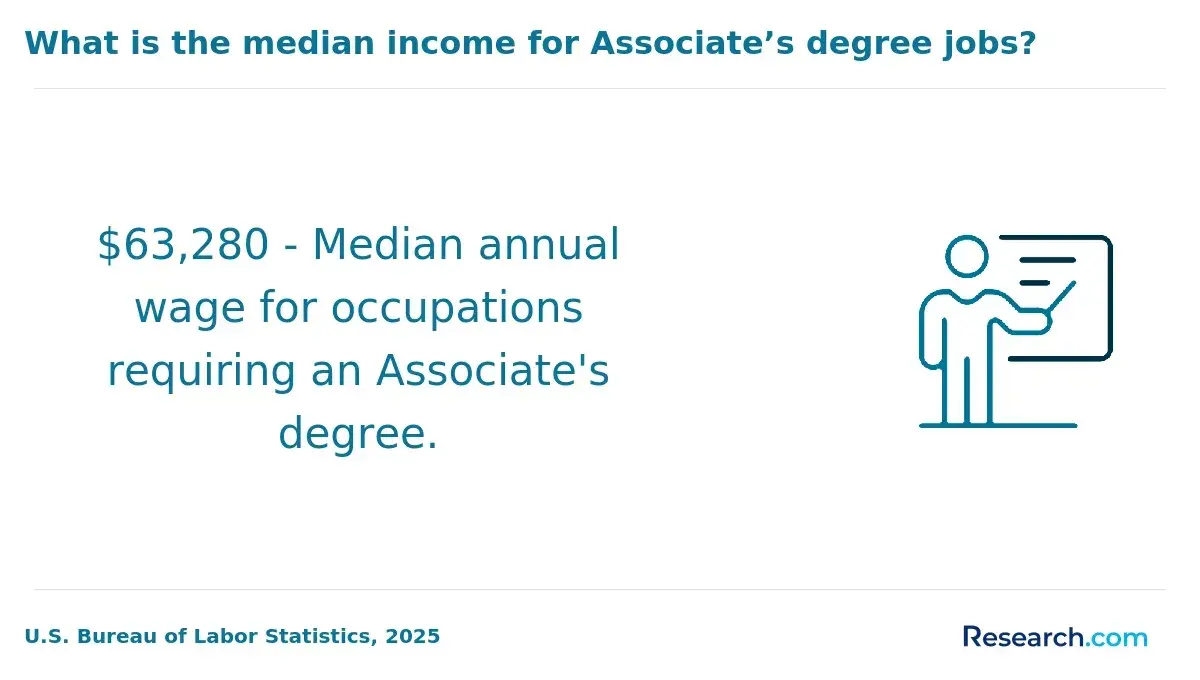
Government and public-sector positions for Neuroscience degree holders generally provide enhanced job security compared to private-sector roles, as shown by data from BLS, OPM, and NASPE. Employment in federal, state, and local agencies tends to feature fewer layoffs and longer job tenures due to civil service protections and stable funding streams.
- Layoff Frequency: Public-sector Neuroscience roles experience significantly lower rates of involuntary termination than their private-sector counterparts, where industry fluctuations and funding variability often trigger layoffs. Positions within federal agencies and public universities usually benefit from safeguards against job cuts during budget tightening.
- Unemployment Rates: Those working in government Neuroscience jobs consistently report reduced unemployment, reflecting the relative insulation government budgets provide to scientific roles. While state and local positions face somewhat higher vulnerability in recessions, they remain more secure than most private-sector jobs.
- Career Tenure: Neuroscience professionals employed by public agencies often have longer tenures within a single employer, supported by structured promotion ladders and defined-benefit pensions. This stability contrasts with the more frequent job shifts common in private industry due to market competition and restructuring.
- Role Categories: Common government Neuroscience roles include research scientists in federal health agencies, academic faculty and researchers at public universities, technical staff in state environmental or health departments, and employees at quasi-governmental research bodies. Job security generally peaks in federal agency positions because of stronger legal and financial protections.
- Trade-offs: Public-sector Neuroscience jobs tend to offer lower initial pay than private-sector equivalents. However, this is balanced over time by:These features combine to provide a more secure long-term financial outlook for those prioritizing job stability over immediate earnings.
- Comprehensive pension and retirement benefits
- Generous leave allowances
- Eligibility for public service loan forgiveness
- Risk Assessment: Neuroscience graduates should evaluate their personal tolerance for employment risk. Those seeking steady career progress and predictable income may favor government roles, while individuals willing to accept greater job uncertainty for higher salary potential might choose private-sector paths. Making this decision based on thorough analysis enables more deliberate career planning.
Licensure and certification serve as critical mechanisms reducing unemployment risk for neuroscience degree holders by legally restricting who may practice in certain roles. Positions like clinical neuropsychologists, licensed clinical psychologists specializing in neuroscience, and some healthcare-related neuroscientists require state licensure or national certification. This mandatory credentialing acts as a structural barrier to entry, ensuring only fully credentialed individuals can fill these positions and thereby stabilizing demand even during economic downturns.
The economic rationale behind this stability lies in supply restriction-employers cannot replace licensed practitioners with unlicensed workers, preserving a durable demand floor for licensed neuroscience professionals in tough labor markets. This protection from unemployment spikes distinguishes licensed neuroscience roles from less regulated occupations.
Beyond mandatory licensure, many neuroscience-related fields emphasize non-mandatory certifications such as board certifications in neuropsychology or credentials from professional neuroscience associations. These serve as effective hiring filters in competitive markets, enhancing employability by narrowing the applicant pool and signaling advanced expertise and commitment.
According to recent Bureau of Labor Statistics research, licensed healthcare practitioners, including those in neuroscience specialties, consistently maintain unemployment rates near 2.5%, well below the national average of approximately 4%, confirming the protective effect of formal credentialing in reducing unemployment risk.
Geographic location significantly influences unemployment risk for neuroscience degree graduates, as regional job market trends for neuroscience degree holders show distinct patterns. Metropolitan areas with high concentrations of healthcare, biotech, and research institutions-such as Boston, San Francisco, Houston, and Washington, D.C.-offer more stable and abundant neuroscience employment opportunities than less urbanized regions. These industry clusters reduce local unemployment volatility by providing consistent demand for professionals across multiple neuroscience subfields.
Technology hubs like Seattle and Austin also contribute to lowering geographic unemployment risk for neuroscience graduates by supporting roles in computational neuroscience and neurotechnology development. By contrast, areas with sparse neuroscience employer density often lead to longer job searches and greater exposure to economic downturns. Such regional vulnerabilities highlight the importance of strategic career planning that incorporates geographic factors.
The rise of remote work in neuroscience careers-in areas like data analysis, neuroinformatics, and telehealth-broadens labor market access and can mitigate geographic unemployment risk by expanding the pool of potential employers nationwide. However, neuroscience roles requiring lab or clinical presence remain tethered to locations with strong institutional demand, limiting geographic flexibility.
Prospective and current neuroscience professionals should conduct a geographic labor market analysis using tools like BLS area-specific employment rates, LinkedIn job posting geographies, and regional wage benchmarks. This approach helps determine whether staying put, relocating strategically, or pursuing remote-compatible careers best reduces unemployment risk while matching personal preferences. Additionally, exploring credentials such as a health information management online degree can complement career strategies to buffer market volatility.
Careers in neuroscience at highest risk of automation are those reliant on routine data processing, standard pattern recognition, or repetitive administrative tasks. Drawing from frameworks like McKinsey Global Institute, Oxford Martin School, and MIT's Work of the Future, roles concentrated in these functions face substantial vulnerability to displacement by AI, machine learning, and robotic process automation. Such automation may supplement human work in some cases but will functionally replace positions with highly standardized workflows.
- Neuroscience Data Technicians: Jobs focused on collecting, entering, and organizing neuroimaging or experimental datasets are at significant risk. These tasks are highly procedural and can be automated to reduce errors and increase efficiency, threatening entry-level technician roles.
- Routine Clinical Assessment Coordinators: Professionals administering standardized cognitive or neurological tests with fixed scoring protocols may find many tasks replaced by AI-driven digital platforms and assessment tools.
- Document Review and Compliance Specialists: Positions involving repetitive review of research documentation, grant applications, or regulatory submissions face automation through software that excels at pattern matching and flagging inconsistencies faster than manual review.
- Standardized Decision Support Analysts: Roles applying fixed clinical guidelines to patient data without nuanced judgment are vulnerable as automated decision-support systems increasingly manage these processes.
Conversely, careers emphasizing non-routine problem-solving, creative research design, ethical oversight, and complex interpersonal judgments demonstrate lower displacement risk, as current technologies cannot replicate the deep expertise, empathy, and adaptive reasoning required.
Automation vulnerability scores should be viewed as probabilistic estimates-not certainties. Actual impact varies widely depending on employer innovation strategies, regulatory constraints, regional labor markets, and technology development pace. Geography and institutional context heavily influence when and how displacement risks manifest.
Understanding the impact of technological disruption on neuroscience jobs also means considering protective factors such as graduate education, professional certification, and geographic market selection. For those concerned about long-term employment stability, it is useful to review related compensation data-for instance, the PMHNP salary reports highlight how market differences affect career prospects in related health professions.
Graduate degrees reduce unemployment for neuroscience professionals by enabling access to specialized roles with limited labor pools and higher entry barriers. Research from authoritative sources highlights that individuals with advanced credentials experience unemployment rates about 1.5 to 2 percentage points lower than those holding only bachelor's degrees in neuroscience fields. These advanced degrees also deliver a salary premium-typically between 20% and 40% above bachelor-level earnings-supporting greater income stability and career durability.
Graduate programs most effective at lowering unemployment risk include:
- Professional Master's Degrees: Licensure-qualifying programs such as clinical, legal, or engineering master's degrees provide pathways into regulated professions marked by steady demand and resilience during economic downturns.
- Research-Oriented Master's and Doctoral Programs: These qualify graduates for academic and advanced practitioner roles with restricted labor supply, strengthening long-term job security.
- MBA Programs: Access to leadership and management roles in healthcare, biotech, or pharmaceutical sectors helps overcome advancement barriers common for neuroscience bachelor's graduates, boosting job stability and earnings potential.
Considering graduate education as a strategy involves evaluating financial and temporal investments against expected employment benefits. Key factors include:
- Cost: Tuition and fees vary widely-from $30,000 to over $100,000-depending on the type and institution.
- Duration: Program length ranges from 1 to 6 years, influenced by degree level and format.
- Opportunity Cost: Lost income during full-time study can exceed $50,000 depending on previous earnings.
Prospective candidates should analyze program-specific outcomes and break-even timelines to assess whether advanced degrees represent the optimal path for reducing unemployment risk. Alternative strategies-such as targeted professional certifications, selecting employers strategically, relocating to high-demand regions, or specializing in niche neuroscience areas-may offer similar resilience with lower time and financial commitments.
Entry-level neuroscience career paths with strong long-term employment stability share key attributes: clear promotion routes, high employer retention, and skills valued across industries. Data from NACE, LinkedIn, and BLS highlights roles that serve as true stepping stones-rather than dead ends-to sustainable mid-career advancement.
- Research Assistant in Academic or Government Labs: These roles embed early-career professionals into expansive career lattices, enabling progression to research coordinator or principal investigator posts.
- Organizations with robust grant funding and internal promotion systems tend to retain staff longer.
- The role cultivates scientific expertise and professional networks crucial for career resilience despite funding fluctuations.
- Typical time in position spans 3 to 5 years before upward movement indicates stable career growth.
- Clinical Research Coordinator: Combining neuroscience with healthcare, this position attracts strong demand in pharma and biotech sectors.
- Employers emphasize retention and internal promotion, leading to roles in project management or regulatory affairs.
- Experience is transferable across organizations, reducing unemployment risk by widening opportunities.
- Career advancement usually occurs within 2 to 4 years, securing mid-level stability early on.
- Medical Laboratory Technologist Specialized in Neurodiagnostics: Found in hospitals or private labs, this job benefits from licensure requirements and steady healthcare demand.
- Unionization or standardized credentialing enhances job security and advancement potential.
- Healthcare networks formed in this role cushion economic downturns.
- Advancement to supervisory or specialized roles typically happens after 2 to 3 years.
- Neuroscience Data Analyst or Bioinformatics Specialist: Demand for big data skills alongside neuroscience knowledge drives rapid growth in academia and industry.
- Companies prioritize retention due to scarce talent pools.
- The role offers diverse pathways to senior analyst, data science, or computational neuroscience positions.
- Typical promotion spans 3 to 6 years, reflecting mastery of specialized analytical tools linked to career stability.
Choosing employers with proven retention and positive culture-verified through career trajectories and reviews-is essential. Geographic regions with strong healthcare and research sectors enhance long-term prospects. Early specialization in credentialed or cross-industry skills further mitigates unemployment risk across a 10- to 20-year career. Prioritizing roles grounded in these stability factors-rather than initial compensation-enables neuroscience graduates to build resilient, advancing careers.
What Graduates Say About the Neuroscience Degree Careers With the Lowest Unemployment Risk
- Lawrence: "Graduating with a neuroscience degree opened doors in biotech and pharmaceutical industries where the demand for research scientists remains strong and steady-especially in hubs like Boston and San Francisco. I found that obtaining certifications in clinical trials management during entry-level stages significantly reduced unemployment risk. Staying adaptable through mid-career by expanding into data analytics has kept my prospects robust and fulfilling."
- Oliver: "Reflecting on my journey, specializing in cognitive and behavioral neuroscience gave me an edge in academic and government research institutions located in Washington D.C. The credentialing process-particularly earning board certifications in neuropsychology-proved crucial at senior practitioner levels. I've learned that geographic flexibility and ongoing professional development are essential strategies for maintaining job security in this competitive field."
- Cameron: "As someone passionate about clinical applications, my neuroscience degree led me to careers in healthcare and neurorehabilitation industries, where job stability is notably high across the U.S. markets like New York and Chicago. Early investment in licensure and advanced certifications made transitions smoother-from entry-level clinical roles to more specialized senior positions. This degree truly prepares you to navigate varied career stages with confidence."
Other Things You Should Know About Neuroscience Degrees
Mid-career neuroscience professionals find the most demand in areas such as neuroinformatics, clinical trial management, and translational neuroscience. These tracks blend neuroscience expertise with data analysis, regulatory knowledge, or patient-centered research-skills highly valued by biotechnology firms and healthcare providers. Additionally, those holding credentials such as board certification in clinical neuropsychology typically experience lower unemployment risk at this career stage.
Clinical neuropsychologist, licensed professional counselor, and many neuroscience-adjacent clinical roles require state licensure before employment. In the United States, licensure usually requires an accredited graduate degree, supervised clinical hours, and a passing score on a board exam such as the EPPP for psychologists.
Economic recessions have a mixed impact on neuroscience employment, with clinical and healthcare-related roles demonstrating greater resilience compared to research and pharmaceutical sectors. Funding cuts to research institutions and biotech companies often lead to temporary layoffs or hiring freezes. However, demand for clinical neuroscientists tends to remain steady or grow as public health priorities shift towards managing chronic neurological conditions during economic downturns.
- What drives the geography of new graduates? - Centre for Cities https://www.centreforcities.org/reader/great-british-brain-drain/drives-geography-new-graduates/
- These 10 majors had the lowest unemployment rates for recent college graduates https://thehill.com/business/5738341-college-majors-lowest-unemployment-rate/
- The 65 Jobs With the Lowest Risk of Automation by Artificial Intelligence and Robots - USCI https://www.uscareerinstitute.edu/blog/65-jobs-with-the-lowest-risk-of-automation-by-ai-and-robots
- Are There Too Few Jobs In Neuroscience? https://www.discovermagazine.com/are-there-too-few-jobs-in-neuroscience-9335
- Unemployment and mental health | The Health Foundation https://www.health.org.uk/reports-and-analysis/briefings/unemployment-and-mental-health
- Making sure you're not a bot! https://www.ssoar.info/ssoar/bitstream/handle/document/13319/ssoar-2008-03-alonso-villar_et_al-the_geographical_concentration_of_unemployment.pdf
- How the Geography of Jobs Affects Unemployment https://www.richmondfed.org/publications/research/econ_focus/2014/q3/feature2
- 8 Exciting Neuroscience Careers to Explore - SpecialtyCare https://specialtycareus.com/8-exciting-neuroscience-careers-to-explore/
- These college majors have the highest earning potential and lowest unemployment rates, study finds https://www.cbsnews.com/news/college-majors-unemployment-rate-wage/
- Top 20 Careers To Go Into With A Neuroscience Degree https://usherkhan.com/top-20-careers-to-go-into-with-a-neuroscience-degree/