2027 Most Recession-Resistant Careers You Can Pursue With a Neuroscience Degree
Audited and Verified:
Our Editorial and Data Verification Process
Research.com uses government datasets, official education statistics and primary institutional information to support its career and degree guides. Our review process checks factual accuracy, occupational definitions, source dates and the requirements associated with the credentials discussed.
How This Article Was Fact-Checked
Our editorial team verifies salary estimates, employment projections, education requirements and program information against original data providers and official organizations. Salary figures are checked against the relevant occupational definitions and reporting periods. Information about licensure, accreditation and required in-person training is reviewed separately.
Fact-checked and verified on:

Co-Founder and Chief Data Scientist
When economic downturns hit, many graduates face unstable job markets, but those with neuroscience degrees confront unique challenges. Despite being a specialized field, neuroscience-related roles in healthcare and research have shown remarkable resilience.
Recent data indicates employment in neuroscience and neurotechnology sectors grew by 7% during recessions, outperforming average job markets. This growth often ties to ongoing demand in mental health, pharmaceuticals, and biotech industries, which prioritize innovation and patient care regardless of economic shifts.
To stay competitive, graduates must emphasize interdisciplinary skills and practical experience. This article explores the most recession-resistant careers available to neuroscience graduates and offers guidance on securing stable employment.
Key Points About Recession-Resistant Neuroscience Careers
- Neuroscience graduates excel in biotechnology and pharmaceuticals-sectors growing steadily despite economic downturns due to ongoing demand for neurological treatments and innovative therapies.
- Careers in healthcare data analysis increasingly rely on neuroscience expertise to interpret complex brain-related datasets, a skill set projected to grow by 15% through 2030.
- Academic and government research jobs remain stable, funded by public grants prioritizing brain disorder studies, ensuring consistent opportunities even during recessions.
What is the employment outlook for graduates of Neuroscience?
The employment outlook for graduates of neuroscience remains robust, with strong demand projected for roles such as biomedical researchers, medical scientists, and clinical neurologists.
These positions are expected to grow at an annual rate near 7%, outpacing many other sectors. This positive trend reflects key drivers behind the continued need for skilled professionals in this field.
The following factors help explain why neuroscience graduates enjoy a favorable job market:
- Medical Technology Advancements: Innovations in medical devices and treatments, combined with an aging population, drive increased demand for neurological research and healthcare services.
- Pharmaceutical and Biotech Growth: The pharmaceutical industry's reliance on neuroscience expertise for drug development and clinical trials fuels steady job growth in related sectors.
- Mental Health Awareness: Expanding research on neurodegenerative diseases and public focus on mental health elevate the importance of neuroscience skills across healthcare and academia.
Those tracking job market trends for neuroscience degree holders will find relatively low unemployment rates in this field compared to national averages, reflecting the field's adaptability across healthcare, education, and research sectors.
For students aiming for recession-resistant careers, pursuing neuroscience also pairs well with other professional opportunities, such as an online PharmD, which further enhances job stability in related disciplines.
What are the most recession-resistant careers for Neuroscience degree graduates?
Certain roles within neuroscience and its adjacent industries are naturally shielded from economic volatility due to their essential nature or regulatory requirements.
In fact, neuroscience-related healthcare occupations showed a projected employment growth of 7% during the last economic downturn-significantly higher than the 4% average across all occupations.
Below are five high-demand neuroscience jobs during economic downturns that offer stable career paths with a neuroscience degree:
- Clinical Neuropsychologist: These professionals assess and treat patients with brain injuries or neurological disorders. Since healthcare services addressing both chronic and acute neurological conditions are essential, this role remains stable, supported by consistent demand regardless of economic shifts.
- Pharmaceutical Research Scientist: Neuroscience graduates in drug development focus on therapies for neurological diseases. Investment in pharmaceutical research continues during recessions because delaying new treatments can be costly, and regulatory mandates help keep critical R&D projects funded.
- Regulatory Affairs Specialist: Working within health and biotech companies, these specialists ensure compliance with government regulations. Companies must meet strict legal standards to market neurological treatments and devices, making these positions less prone to budget cuts.
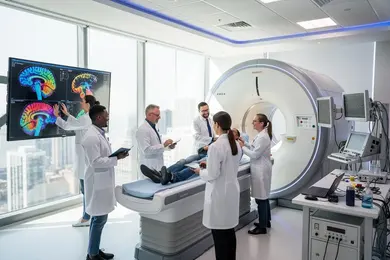
- Neuroimaging Technician: Operating advanced imaging equipment in hospitals and research institutions, these technicians provide indispensable support for timely patient diagnoses. Imaging services are critical, making these roles difficult to eliminate even in tight budgets.
- Public Health Neuroscience Researcher: Operating in governmental or academic settings, these researchers study neurological disease patterns and prevention strategies. Public funding for neuroscience research targeting widespread health concerns often remains a priority due to its broad societal impact.
Prospective students who want to secure a resilient career can explore neuroscience programs backed by data showing stable employment opportunities.
For those interested in adjacent healthcare fields, options like a nurse practitioner school offer additional recession-resistant pathways related to public health and patient care.
In which industries can Neuroscience degree holders find work?
Graduates with a neuroscience degree often find career options beyond the traditional neuroscience field, spanning several economic sectors less affected by recessions. Studies show that employment in neuroscience-related areas within healthcare and technology has increased by 8% during economic slowdowns.
The following outlines key industries where neuroscience skills are in demand and provide stable work opportunities:
- Healthcare: Neuroscience expertise supports roles like clinical neuropsychologists, medical researchers, and healthcare data analysts who address chronic neurological ailments and contribute to treatment innovations. Ongoing healthcare investments make these positions resilient during downturns.
- Pharmaceuticals and Biotechnology: Graduates contribute to drug discovery and development, focusing on neurological disorders. Positions such as research scientists, regulatory affairs specialists, and clinical trial coordinators are common in companies prioritizing breakthrough therapies.
- Government and Public Health: Neuroscience professionals assist in shaping health policy, managing population studies, and advancing programs related to mental health and aging. Jobs include policy analyst, research officer, and program coordinator roles, supported by steady public funding.
- Emerging Technology: Fields like artificial intelligence and brain-computer interfaces hire neuroscience experts to develop algorithms mimicking cognition or decode neural signals. Available roles include computational neuroscientists, AI specialists, and neuroinformatics analysts, reflecting the growing fusion of science and tech.
When asked about career options, a professional with a neuroscience degree shared how transitioning from academic training to industry work demanded adaptability and determination.
"Entering the workforce was challenging at first—I had to learn how to translate technical research into practical applications outside the lab," he explained.
He described navigating job searches across sectors that value analytical skills but differ widely in environment and expectations. "It helped to remain open to roles I hadn't initially considered, especially in public health and tech companies."
His experience highlights the versatility and perseverance needed to leverage a neuroscience background into diverse, stable career paths.
Jobs in the public sector-such as those within government agencies, academic institutions, and non-profits-generally provide more consistent employment for neuroscience graduates, especially during economic downturns.
These roles benefit from more stable funding sources like government grants, which shield them from abrupt market changes. Research initiatives and public health programs focused on aging populations contribute to sustained demand in these settings.
Conversely, private sector positions—including pharmaceutical firms and biotech startups—can be more vulnerable to economic shifts. Startups often face uncertain funding, which may cause sudden hiring freezes or layoffs.
However, private companies tend to reward innovation and performance with quicker career progression, bonuses, and stock options, offering appealing incentives for those willing to embrace some risk.
Ultimately, the choice between public and private sector careers in neuroscience hinges on personal priorities. Graduates seeking steady job security may favor public roles that offer long-term contracts and tenure.
Those aiming for rapid professional growth and financial upside might find private sector paths more suitable despite the fluctuations. Assessing one's risk tolerance alongside career goals is essential when deciding which environment aligns best with their aspirations.
Where you live can greatly influence your job stability as a neuroscience graduate-certain areas serve as key centers for industries that employ these professionals. The following states provide particularly strong prospects for neuroscience-related careers due to their specialized economic environments.
- Massachusetts: This state is a leader in biotech and pharmaceuticals, especially around Boston and Cambridge. It hosts numerous research hospitals and companies focused on neurological disease treatment and brain health innovations, creating a robust market for neuroscience roles.
- California: With hubs in Silicon Valley and San Diego, California combines tech innovation with extensive academic medical research. The state's emphasis on neurotechnology and cognitive science drives steady demand for neuroscience expertise.
- Maryland: Home to major federal research entities like the National Institutes of Health, Maryland benefits from strong government funding for neurological research and public health programs. This mix fosters a resilient job market that integrates public and private sector opportunities.
Employment growth for neuroscience-related jobs in these regions outpaces average healthcare occupations by about 15%, highlighting their resistance to economic downturns. For students pursuing neuroscience degrees, targeting these areas aligns career ambitions with stable, innovative industries.
Continuing education and post-graduate credentials can serve as a layoff shield by validating specialized, high-demand expertise in neuroscience careers.
According to a 2025 labor market analysis, neuroscience-related roles with industry-recognized certifications report 12% higher employment stability during economic contractions compared to uncertified counterparts.
Below are some recession-proof credentials that enhance job security in this field:
- Certified Clinical Neurophysiologist: This certification demonstrates proficiency in brain activity monitoring technologies essential for diagnostic neurophysiology and clinical research roles. It is highly valued in healthcare environments that maintain consistent demand even during recessions.
- Registered Behavior Technician (RBT): Focused on applied behavior analysis and neurodevelopmental disorders, this credential is relevant to neuroscience graduates working in educational and clinical settings where behavioral health services remain steady.
- Certified Neuroscience Nurse (CNRN): Targeting neurocritical care nursing professionals, this certification emphasizes precision and specialized training, offering enhanced job security in hospitals prioritizing patient outcomes.
- Neuroscience Data Analyst Certification: Offered by the Data Science Council of America (DASCA), this credential equips graduates with skills to manage complex neural datasets in neuroinformatics, a niche that continues to grow despite economic downturns.
For students seeking to strengthen their recession-resistant credentials in neuroscience careers, exploring continuing education options can be beneficial.
Programs like online associate nursing programs offer flexible pathways to acquire relevant certifications that increase employment resilience.
Consistently enhancing skills makes neuroscience professionals less vulnerable to job cuts during economic slowdowns. Focusing on strategic abilities can open up a range of stable opportunities.
Key competencies that strengthen recession resilience include:
- Data Analysis and Statistical Programming: Mastery of programming languages like Python, R, and MATLAB empowers graduates to manage complex datasets, which is increasingly important in neuroimaging and genetic research roles.
- Computational Modeling and Machine Learning: Applying algorithms to simulate neural activity or predict neurological outcomes is critical in both academic research and pharmaceutical development. Familiarity with machine learning tools helps graduates adapt to cutting-edge projects and interdisciplinary teams.
- Neuroinformatics: Combining neuroscience knowledge with IT expertise to organize and maintain large brain data repositories creates niche job opportunities. This cross-disciplinary skill set is vital as data-driven approaches shape the future of brain science.
- Translational Research Expertise: The ability to convert basic neuroscience discoveries into clinical applications or therapies increases value in biotechnology and healthcare sectors. Professionals skilled in this area contribute directly to improving patient outcomes and treatment innovations.
- Science Communication and Interdisciplinary Teamwork: Effectively conveying complex ideas to non-specialists and collaborating across diverse fields is essential for globalized research projects. Strong communication supports collaboration and ensures ideas are understood and implemented efficiently.
Neuroscience graduates aiming to build job security should consider obtaining high-demand certifications for neuroscience careers that emphasize these cross-functional skills.
Such credentials can facilitate transitions into areas like neurotech startups or healthcare analytics, which remain stable through economic fluctuations.
Additionally, exploring options like financial aid for medical billing and coding online classes might help diversify skill sets and provide alternative pathways in healthcare professions.
Institutional reputation often factors significantly in landing stable jobs for neuroscience graduates. Prestigious schools are recognized for rigorous curriculums and research opportunities, which can make their alumni more appealing to competitive employers in neuroscience and related industries.
A degree from a well-known university can also signal a candidate's ability to handle complex scientific challenges, an advantage in recession-resistant roles.
Graduating from a highly regarded school frequently offers invaluable networking opportunities. Alumni connections, faculty relationships, and career services at these institutions can open doors to exclusive job listings and referrals that others might not access.
This network advantage can be crucial when seeking positions in niche fields where contacts often influence hiring.
Nevertheless, graduates from any accredited neuroscience program can remain competitive through demonstrated performance and relevant experience. Employers increasingly value proven skills and adaptability over school name alone.
Consistently building a solid portfolio with internships, certifications, and continued learning helps ensure long-term career resilience regardless of institutional background.
Proactively preparing for a career is crucial for aligning academic training with the shifting demands of the neuroscience field. This approach not only enhances employability but also improves job stability in competitive environments.
Consider these five practical steps to strengthen your career readiness:
- Early Experience: Seek internships or roles as lab assistants during your studies to gain hands-on skills and a clear understanding of industry workflows.
- Technical Skills: Build proficiency in programming languages like Python or MATLAB, which are essential for analyzing complex neurodata and addressing computational challenges.
- Research Participation: Engage in scholarly activities such as presenting at conferences or contributing to publications to showcase your critical thinking and communication abilities.
- Networking: Join interdisciplinary clubs or collaborate across departments to develop teamwork and broaden your professional contacts.
- Industry Exposure: Pursue internships in biotech or healthcare settings to experience real-world issues and adapt theoretical knowledge to practical applications.
When asked how neuroscience students can best meet workforce demands, a professional who completed an online neuroscience bachelor's program shared that adapting to industry expectations required persistence and flexibility.
"Finding meaningful internships wasn't easy, especially while balancing coursework and personal responsibilities," he explained. He emphasized how leveraging online networks and faculty connections eventually opened doors.
"The biggest challenge was mastering new software tools quickly-but gaining those skills made all the difference when applying for jobs," he reflected. His journey highlights the importance of resilience and continuous learning beyond formal classes.
The financial outlook for recession-resistant neuroscience careers remains robust, with average annual earnings typically ranging between $85,000 and $120,000. Roles in clinical neuropsychology, pharmaceutical research, and biomedical engineering generally lead the sector in pay.
These salaries notably exceed average wages in many other fields, reflecting the high value and demand for neuroscience expertise. The average earnings for recession-proof neuroscience jobs continue to grow, supported by advancements in neurotechnology and healthcare.
Neuroscience careers in pharmaceutical research and clinical neuropsychology tend to offer the most lucrative incomes, fueled by ongoing innovation and the sector's resilience during economic downturns.
Other roles, such as positions in academia or certain government research labs, may not pay as highly but still provide stable employment and steady growth opportunities.
The expanding integration of neuroscience with data analytics and artificial intelligence opens additional avenues for both income and job security in diverse, recession-resistant industries.
Income for neuroscience professionals can vary significantly depending on factors such as industry, employer size, geographic location, and accumulated academic credentials. Certifications like board certification in clinical neuropsychology or regulatory affairs qualifications can increase earning potential by 10% to 15%.
For prospective students exploring their options, considering online ABSN programs might be beneficial to complement interdisciplinary skills and enhance career flexibility in related fields.
What Graduates Say About Their Career After Getting a Degree in Neuroscience
- Lawrence: "Choosing to pursue a neuroscience degree was driven by my passion for understanding the human brain and its potential to revolutionize healthcare. The rigorous training not only sharpened my analytical skills but also taught me how to adapt in high-pressure environments, which is essential for recession-resistant roles. Today, my degree continues to open doors in biotech, allowing me to stay relevant regardless of economic fluctuations."
- Yasmien: "Reflecting on my path, studying neuroscience provided a unique blend of biology and technology that set me apart in the job market. It equipped me with critical problem-solving skills and a deep understanding of neurological processes, which have proven invaluable in my stable career in medical research. This foundation reassures me that my expertise is in demand, even when other sectors face downturns."
- Gracie: "My decision to earn a neuroscience degree was fueled by a desire to contribute to cutting-edge advancements in mental health. The interdisciplinary nature of the coursework prepared me for diverse professional challenges, making my skills transferable and resilient against economic setbacks. Thanks to this background, I have secured a rewarding role in healthcare technology that remains steady through market shifts."
Other Things You Should Know About Neuroscience Degrees
Healthcare and regulated research roles hire most often during recessions. Clinical research associate, medical science liaison, laboratory technician, data analyst in healthcare, and regulatory affairs positions stay active because hospitals, pharmaceutical firms, and government-funded labs keep operating and must meet ongoing compliance and patient-care needs.
Interdisciplinary knowledge significantly enhances employment stability in neuroscience careers. Combining neuroscience with fields like computer science, engineering, or psychology creates opportunities in emerging sectors such as neural engineering or brain-computer interfaces. Professionals with skills across domains are more adaptable and in demand, particularly when economic conditions tighten.
Public health and medical sectors generally maintain more consistent funding for neuroscience research and clinical work during economic recessions. Research focused on neurological diseases, mental health, and aging populations often receives stable or increased support because these areas address urgent and widespread health concerns. Conversely, sectors reliant on private funding or venture capital may see more fluctuation during downturns.
- Applied Neuroscience: The New Frontier of Future Professions https://www.bescgraduate.eu/applied-neuroscience
- Here's Why Healthcare Careers are Recession-Proof | ABES College https://abes.ca/blog/are-health-care-careers-recession-proof/
- Job Market - Federation of European Neuroscience Societies https://www.fens.org/careers/job-market
- 8 Exciting Neuroscience Careers to Explore - SpecialtyCare https://specialtycareus.com/8-exciting-neuroscience-careers-to-explore/
- Public vs Private Sector Careers: Salary, Stability, Benefits, and How to Choose https://www.crawljobs.com/blog/public-vs-private-sector-jobs-career-guide/
- Learnsic https://learnsic.com/blog/10-recession-proof-job-fields-for-all-skill-levels
- Top 20 Careers To Go Into With A Neuroscience Degree https://usherkhan.com/top-20-careers-to-go-into-with-a-neuroscience-degree/
- How to Recession-Proof Your Healthcare Career and Make More Money https://www.bluehealthcaretrainingcenters.com/post/how-to-recession-proof-your-healthcare-career-and-make-more-money
- For neuroscience, is the prestige of the undergrad school important? - College Search & Lists - College Confidential Forums https://talk.collegeconfidential.com/t/for-neuroscience-is-the-prestige-of-the-undergrad-school-important/1455665