2027 Is a Neuroscience Degree Better Than Experience Alone? Salary, Hiring, and Career Growth Compared
Audited and Verified:
Our Editorial and Data Verification Process
Research.com uses government datasets, official education statistics and primary institutional information to support its career and degree guides. Our review process checks factual accuracy, occupational definitions, source dates and the requirements associated with the credentials discussed.
How This Article Was Fact-Checked
Our editorial team verifies salary estimates, employment projections, education requirements and program information against original data providers and official organizations. Salary figures are checked against the relevant occupational definitions and reporting periods. Information about licensure, accreditation and required in-person training is reviewed separately.
Fact-checked and verified on:

Co-Founder and Chief Data Scientist
In the neuroscience industry, candidates with a formal degree consistently earn approximately 20% more than those relying solely on experience and self-teaching, according to a 2025 labor market analysis. Entry without a degree remains challenging-most research and clinical roles require at least a bachelor's degree in neuroscience or related fields. Employers prioritize formal education for advanced analytical skills and lab techniques that experience alone rarely covers.
Career growth trajectories likewise favor degree holders, who access more leadership and specialized opportunities. This article explores salary differentials, hiring tendencies, and growth prospects to help readers decide if a neuroscience degree is a strategic investment for their career goals.
Key Points About Having Neuroscience Degrees vs Experience Alone
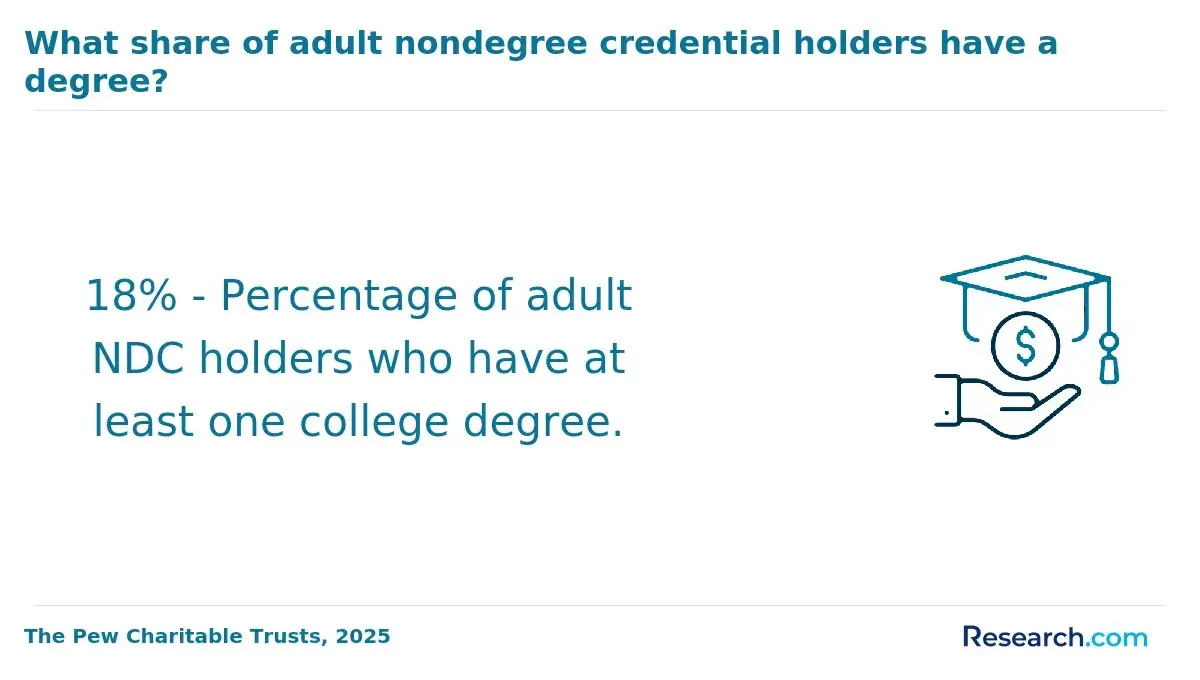
- Neuroscience degree holders earn 18% more on average than non-degree professionals relying solely on experience, reflecting strong industry preference for formal education in salary offers.
- Employment rates for those with a neuroscience degree are 25% higher in research and clinical roles, as many positions require specific academic credentials or certifications.
- Career advancement into leadership or specialized roles frequently depends on advanced degrees, with degree holders 30% more likely to secure promotions within neuroscience organizations.
What technical proficiencies can you gain from having Neuroscience degrees vs self-teaching?
Professionals can learn foundational principles and practical applications in neuroscience through formal degrees or on-the-job experience, yet the depth and scope of certain technical proficiencies often differ significantly. The following list highlights key skills where a neuroscience degree provides structured, comprehensive training compared to self-teaching or work experience alone.
- Advanced neuroimaging techniques: Degree programs offer hands-on training with functional MRI and EEG devices, emphasizing hardware limitations and data interpretation. While work experience may expose learners to these tools, formal education includes supervised practice crucial for true proficiency.
- Electrophysiology: Formal education provides rigorous instruction in recording neuronal electrical activity and developing precise experimental protocols. This expertise seldom emerges fully through brief bootcamps or workplace learning alone.
- Computational modeling and data analysis: Academic training in programming languages such as Python and MATLAB embeds statistical methods and algorithm development tailored to neural data, whereas self-taught practitioners might lack this neuroscience-specific grounding.
- Experimental design and hypothesis testing: Coursework and lab rotations within degree programs cultivate skills in designing complex biological experiments and applying scientific rigor, which self-learners often find difficult to master without mentorship.
- Neuropharmacology and molecular techniques: Comprehensive theoretical and practical education in brain function study methods are primarily accessible through formal training, rarely replicated by informal learning or experience.
A 2025 survey of neuroscience job postings revealed that 78% of employers preferred candidates with formal education for roles related to neuroimaging and electrophysiology, underlining industry demand for skills typically developed in degree programs. A detailed comparison of neuroscience skills in formal education vs self-teaching shows that, while experience enriches practical abilities, structured academic pathways remain the most reliable method to acquire integrated neuroscience methodologies.
For those weighing their options, investigating related programs such as medical assistant programs accelerated may offer insight into how accelerated technical training compares with traditional degree routes in building career readiness.
Are there certifications or licenses that only Neuroscience degree holders can obtain?
Continuing education and additional credentials are valuable, especially as more employers embrace skills-based hiring in competitive neuroscience fields. The following certifications and licenses highlight credentials that typically require a formal neuroscience degree or closely related academic training to obtain.
- Certified Neuroscience Registered Nurse (CNRN): This certification is aimed at nurses who specialize in neurological care, requiring at least one year of clinical experience plus a degree in neuroscience nursing or a related field. It validates specialized expertise and often facilitates career advancement in hospitals or research settings.
- American Board of Neurology and Psychiatry (ABPN) Certification: Essential for clinical neurologists, this licensure demands completion of an accredited neurology residency along with an MD or DO degree featuring strong neuroscience training. It allows licensed practice and supports eligibility for leadership roles in neurobiology-related medicine.
- Neurodiagnostic Technologist Certification (R. EEG T.): Geared toward specialists handling diagnostic equipment like EEGs, this certification typically requires some prior experience but favors candidates with a neuroscience degree for advanced certification routes, enhancing employability in hospitals and diagnostic labs.
- Certified Clinical Neurophysiologist: This accreditation necessitates a foundational neuroscience education to qualify for board examinations. Professionals holding this credential enjoy increased credibility in clinical practice and research, often linked to higher salary brackets.
A significant portion of employers prioritize candidates who hold a formal neuroscience degree when awarding specialized certifications, reinforcing the trend that licenses exclusive to neuroscience graduates carry substantial weight in hiring decisions. For students exploring career paths, pursuing a degree in healthcare administration alongside neuroscience may also offer complementary opportunities within healthcare systems that value interdisciplinary expertise.
Will a degree in Neuroscience make you more employable?
Employers in neuroscience-related fields increasingly favor candidates with formal degrees over those relying solely on hands-on experience. Job listings for positions requiring a neuroscience degree have risen notably, indicating that academic credentials offer a competitive edge. While practical skills remain important, especially in technical areas like neurotechnology and data analytics, degree holders generally experience better hiring prospects and clearer advancement opportunities.
This advantage stems from the comprehensive knowledge and methods learned through structured study. A degree signals familiarity with complex theories, research ethics, and experimental design, which are essential in many neuroscience careers. Moreover, academic programs often provide valuable internships and collaboration chances that enhance professional readiness beyond what on-the-job learning can offer.
Ultimately, the choice depends on individual career objectives. For those targeting research-intensive, clinical, or cognitive modeling roles, credentials are typically essential. In other sectors, a combination of experience and targeted skills might suffice. Candidates should evaluate their desired path carefully to determine whether pursuing a degree aligns with their professional goals.
After speaking with a neuroscience professional who completed an online bachelor's program, it became clear that earning the degree involved balancing coursework with personal responsibilities, which sometimes felt overwhelming. He shared, "The most challenging part was managing deadlines while gaining hands-on lab experience remotely." Despite these hurdles, he emphasized the confidence and credibility that came with the degree, noting how it opened doors to collaborative projects he might not have accessed otherwise. "Having that formal qualification helped me prove my expertise in interviews, which was crucial early in my career," he reflected.
Certain jobs in neuroscience require candidates to have formal education, while others may prioritize hands-on experience and job-ready skills. The distinction between degree-required roles and those accessible through self-teaching or related experience varies across the field. Below are some of the most common careers available to neuroscience degree holders and why a formal degree is often essential for these positions.
- Clinical Neuroscientist: Specialists who investigate nervous system disorders and typically work in hospitals or private clinics. This role demands a deep understanding of brain anatomy and diagnostic techniques, making a neuroscience degree and relevant licensing crucial. While some professionals with clinical experience in related health fields may enter after additional certification, formal education remains the primary requirement.
- Neuropsychologist: Experts analyzing how brain function impacts behavior and cognition, conducting assessments, and designing rehabilitation for brain injury or neurodegenerative patients. Postgraduate training in psychology or medicine is commonly required alongside a neuroscience degree due to the complexity of neuropsychological evaluation and ethical regulations.
- Biomedical Engineer: Professionals developing neural technologies such as brain-computer interfaces and neuroprosthetics. While engineering knowledge is key, expertise in neuroscience enhances job prospects and salary potential. Some engineers gain entry through substantial industry experience, but formal neuroscience education is often preferred.
- Pharmaceutical Researcher: Researchers involved in drug design, testing, and clinical trials targeting neurological disorders. Their work necessitates an understanding of neurobiology and pharmacology, which neuroscience programs provide. Progressing without a degree is highly uncommon, especially for roles focusing on regulation and safety.
- Academic Researcher: Individuals advancing fundamental understanding of the nervous system. These roles nearly always require advanced neuroscience degrees due to complex experimental design and data analysis demands.
In states with competitive clinical neuroscience job opportunities in the United States, employers consistently prefer degree holders over those relying solely on experience. A 2025 labor market analysis found that 78% of employers in neuroscience-related fields favor formal neuroscience education, reflecting the field's growing interdisciplinary complexity. For students considering their path, combining a degree with practical experience may provide the best balance for career growth.
For those weighing whether formal education is necessary, exploring options like an online nutrition degree or other related fields can also complement neuroscience studies and open diverse career opportunities.
Individuals with neuroscience degrees often benefit from structured networking channels that arise through academic programs. These include direct access to professors, research teams, and internship opportunities that create pathways to professional contacts. In addition, university-hosted events like conferences and seminars allow degree holders to connect personally with established experts and potential employers, which can be more difficult for those relying solely on self-education or experience.
Both degree holders and non-degree professionals utilize various networking resources, but their means tend to differ. Those with neuroscience degrees can tap into alumni networks and career services that foster ongoing relationships with industry leaders and research organizations. Conversely, individuals without formal neuroscience education frequently depend on their immediate professional contacts or workplace networks, which may lack the specialized reach and mentorship available through academic affiliation.
The neuroscience field strongly values trusted introductions and referrals, making professional networks a crucial asset for career development. Surveys indicate that a majority of entry-level neuroscience positions are filled through such connections, highlighting the importance of building and maintaining relevant relationships. While it is possible to advance without a degree, having formal links to academic and research communities typically provides an advantage in accessing niche opportunities and collaborative platforms tailored to the discipline.
Holding a degree in neuroscience can make professionals more competitive for advanced roles and leadership positions within the field. The credential signals verified expertise and a foundation of essential skills required in many organizations. Below are key reasons why a neuroscience degree influences career advancement:
- Foundational Knowledge: A formal degree provides comprehensive training in experimental design, data interpretation, and advanced technologies, all of which are critical for handling complex projects and leading teams effectively.
- Certification Eligibility: Graduates with a neuroscience background are often eligible for specialized certifications and competitive grants, enhancing their qualifications and increasing opportunities for higher-level roles.
- Employer Preference: Organizations tend to favor candidates with formal credentials when promoting to leadership because a degree demonstrates commitment, verified expertise, and readiness to manage responsibilities beyond technical tasks.
While hands-on experience and self-education can help entry-level or support roles, lack of a degree commonly limits access to promotions in academic, clinical, and industrial settings where formal qualifications carry more weight.
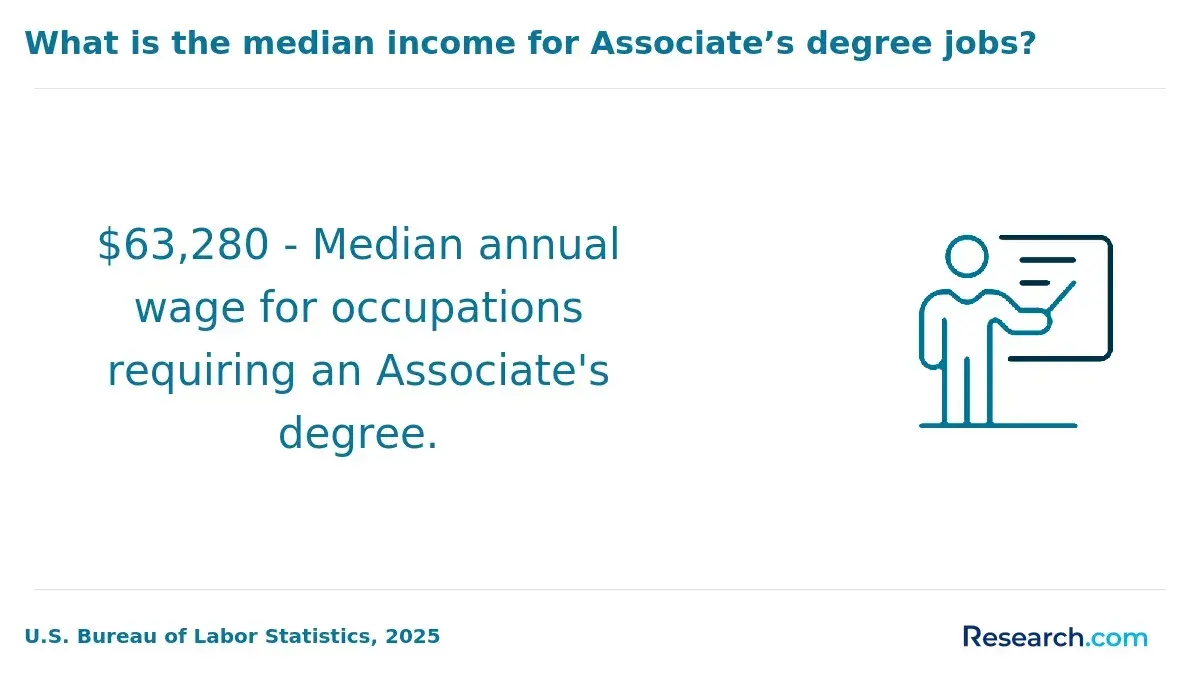
Professionals holding a neuroscience degree generally start with higher salaries compared to those relying on experience and self-teaching. Entry-level roles such as research assistants or laboratory technicians with a degree typically earn between $60,000 and $75,000, while non-degree holders average closer to $45,000-$55,000. This salary difference highlights a wage gap that impacts the income outlook for neuroscience careers in the United States. Over time, degree holders have access to advanced roles like clinical neuroscientist or neuropsychologist, where salaries exceed $100,000, while those without formal education often encounter income ceilings, limiting growth opportunities.
The effect of neuroscience education on professional income growth is notable, as additional certifications or graduate studies can boost earnings by up to 30%. Though self-taught individuals may develop broad practical skills and valuable networks, their salary progression tends to be slower. Upskilling in key areas can improve job security and career advancement, helping bridge the income divide between degree and non-degree holders.
Candidates interested in furthering their education might explore options such as a nursing PhD online to complement their background and diversify expertise. Continually developing skills makes neuroscience professionals harder to replace during economic downturns or reorganizations. This leads to greater employability and job stability.
The average tuition cost for a neuroscience degree typically ranges from $30,000 to $60,000, depending on the institution and program type. Despite this upfront investment, graduates generally see a return on investment (ROI) within 7 to 10 years. This is largely due to increased earning potential compared to peers who rely solely on experience and self-teaching.
Data shows that neuroscience degree holders earn approximately 25% more on average during their first decade of employment than those without formal education in the field. This earnings advantage helps offset tuition costs and potential student debt over time. Students can lower these costs by applying for scholarships, grants, and federal financial aid programs designed specifically for STEM and neuroscience disciplines, which can significantly improve financial outcomes.
Additionally, accelerated degree options, such as combined bachelor's and master's programs, enable faster entry into the workforce, further enhancing ROI. Engaging in internships and research during study also boosts employability and salary prospects, often shortening the ROI timeline compared to relying solely on informal professional experience.
The neuroscience field is increasingly using AI for data processing and experimental design, which changes the nature of many roles. Despite this, demand remains high for professionals trained to analyze complex data and innovate beyond automated outputs. Economic fluctuations can affect job stability, but those with a formal neuroscience degree often have an advantage due to their comprehensive training in advanced techniques and interdisciplinary approaches.
Degree holders tend to be less vulnerable to layoffs or replacement by automation compared to those relying solely on experience or self-teaching. Research suggests their structured knowledge, familiarity with cutting-edge computational tools, and professional credentials provide a buffer against market volatility. In contrast, individuals without a formal degree may find it harder to adapt quickly to new technologies and lose ground during downturns.
When discussing job security, a professional who earned an online neuroscience bachelor's degree shared that completing the program helped build confidence in leveraging both research and tech skills. He mentioned feeling better equipped to handle automation integration in his work and noted, "Having a recognized credential opened more doors than I expected, especially during tough times." He reflected on the initial challenge of balancing coursework with a full-time job but said the clear structure and access to expert guidance made a significant difference in staying competitive despite industry shifts.
What Graduates Say About Their Neuroscience Degrees
- Lawrence: "Having a degree in neuroscience truly gave me a competitive edge when entering the job market. The rigorous training not only deepened my understanding of brain function but also honed my analytical skills, making me job-ready from day one. I found that my degree opened doors to roles with higher responsibility and accelerated my career progression far beyond my initial expectations."
- Yvette: "Reflecting on my career path, the value of a neuroscience degree lies in its multidisciplinary approach, which prepared me to adapt and thrive in various industry settings. The comprehensive curriculum helped me develop strong research and problem-solving abilities, which employers highly appreciate. This foundation significantly impacted my salary outlook and opportunities for promotion over the years."
- Cameron: "My neuroscience degree was instrumental in establishing my professional credibility and gave me an advantage in understanding complex scientific challenges. It not only enhanced my technical expertise but also equipped me with communication skills essential for collaborating across teams. This blend of knowledge and experience has been crucial in securing advanced positions and competitive compensation."
Other Things You Should Know About Neuroscience Degrees
For graduate admissions, the program should be regionally accredited by a U.S. agency recognized by the Department of Education or CHEA. For clinical licensing paths, the degree must also satisfy the state board and any professional school prerequisites, such as GRE scores, lab science credits, or supervised research hours.
A neuroscience degree is typically necessary for admission to graduate programs such as masters or PhDs in neuroscience or related fields. It lays the groundwork with essential coursework and research experience, which are prerequisites for advanced study. Self-taught professionals generally find it difficult to qualify for these programs without formal academic preparation.
Degree holders often benefit from clearer career pathways with long-term stability, as many higher-level neuroscience roles require formal qualifications. Employers tend to prefer candidates with degrees for leadership and specialized positions, which typically offer greater job security. Those relying solely on experience may excel in niche roles but may face limitations in upward mobility and stability.
- Is a Neuroscience Degree Worth It? | Salary & ROI https://www.collegehelpguide.com/degrees/neuroscience/is-it-worth-it/
- Is Grad School Worth It? A Comprehensive Return on Investment Analysis - FREOPP https://freopp.org/whitepapers/is-grad-school-worth-it-a-comprehensive-return-on-investment-analysis/
- How to become a neurologist https://www.aan.com/tools-resources/how-to-become-a-neurologist
- Is Neuroscience a Good Major? https://www.northcentralcollege.edu/news/2022/08/05/neuroscience-good-major
- Applied Neuroscience Counselor Certification | CCALP https://www.ccalp.org/applied-neuroscience-counselor-certification
- Despite AI Disruptions in Entry-Level Jobs, These Graduate Careers Stay Highly Sought After https://www.investopedia.com/despite-ai-disruptions-in-entry-level-jobs-these-graduate-careers-stay-highly-sought-after-11944067
- Becoming Certified https://theabcn.org/becoming-certified/
- Emotiv | Brain Data Measuring Hardware and Software Solutions https://www.emotiv.com/blogs/news/how-neuroscience-can-improve-employee-well-being-and-the-company-roi
- Is College Worth it? | Return on Investment Analysis of College Degree https://educationdata.org/college-degree-roi
- AI fears drive some young adults to grad school — 'people shelter in higher education,' expert says https://www.cnbc.com/2026/04/18/ai-fears-graduate-school.html