
2027 What Prerequisites Do You Need for a Military Science & Studies Degree? Entry Requirements, Credits & Eligibility Rules

Co-Founder and Chief Data Scientist
Many students feel uncertain about the varying prerequisite requirements for a military science & studies degree. Confusion often arises because programs differ widely in their expectations. According to recent data, nearly 40% of military science applicants lack one or more required foundational credits, highlighting a common gap in preparedness among prospective candidates.
This article aims to clarify the typical entry requirements, credit expectations, and eligibility rules for military science & studies degrees. Understanding these elements helps applicants focus their academic planning and meet standards essential for successful admission into these specialized programs.
Key Things to Know About the Prerequisites for a Military Science & Studies Degree
- Applicants typically need foundational courses in history, political science, and basic mathematics, with some programs requiring prior military training or ROTC participation.
- A minimum GPA of 2.5 to 3.0 is common, reflecting academic readiness for the discipline's strategic and analytical demands.
- Most degrees require at least 120 credits, including core military theory, leadership, and ethics, alongside physical fitness standards or security clearances for eligibility.
Do Military Science & Studies Programs Require Specific High School Prerequisites?
Most military science & studies programs do not mandate specific high school prerequisites, but requirements can vary widely depending on the institution and program type. Many programs recommend certain courses to equip students with foundational skills critical for success in military education and leadership development.
Students typically benefit from focusing on these core subjects:
- Mathematics: Algebra and geometry are emphasized to strengthen problem-solving skills and logical reasoning, which are essential in tactics, logistics, and leadership decision-making encountered in early military studies.
- English: Literature and composition classes develop communication skills, both written and verbal, enabling students to convey ideas clearly and persuasively within military contexts.
- Social Studies: History and government courses help students understand military strategy and operations within broader political and civic frameworks, providing valuable context for decision-making.
- Science: Physics contributes to understanding mechanics and technology, while biology offers insights into human physiology, both relevant to various aspects of military training and operations.
Institutions may have varied prerequisites for military studies programs admission, but the National Center for Education Statistics notes that those with larger enrollments often recommend these core areas to better prepare applicants.
Emphasizing these subjects supports the analytical and critical thinking skills vital in demanding military science curricula. Students interested in career advancement should also explore options such as best paying 6 month online certifications that complement military education pathways.
What College-Level Prerequisites Are Required Before Starting a Military Science & Studies Degree?
Prospective students need to be academically prepared before starting a military science & studies degree to ensure smooth progression through the curriculum. Meeting college-level prerequisites also helps students build the foundational knowledge necessary for more advanced topics.
Below are some common prerequisites typically required.
- Introductory Military Science Courses: These provide an essential overview of military history, strategy, and organizational structure, grounding students in key concepts relevant to all further study.
- Statistics: Proficiency in statistics is crucial for analyzing data related to military operations and intelligence, helping students develop analytical skills used throughout the degree.
- Writing Courses: Effective communication and report writing are vital in military contexts, so writing classes help students improve clarity and professionalism in their written work.
- Lab Sciences: Often required in programs with a technological or medical focus, lab sciences develop critical thinking and problem-solving skills essential for specialized military science tracks.
Higher educational institutions usually expect applicants to have completed at least one semester each of statistics and writing, based on U.S. Department of Defense education reports. Students aiming for the easiest 2 year degree to get often find that meeting these prerequisites aids in academic success and prediction of degree completion time.
How Many Credits Can You Transfer Into a Military Science & Studies Degree?
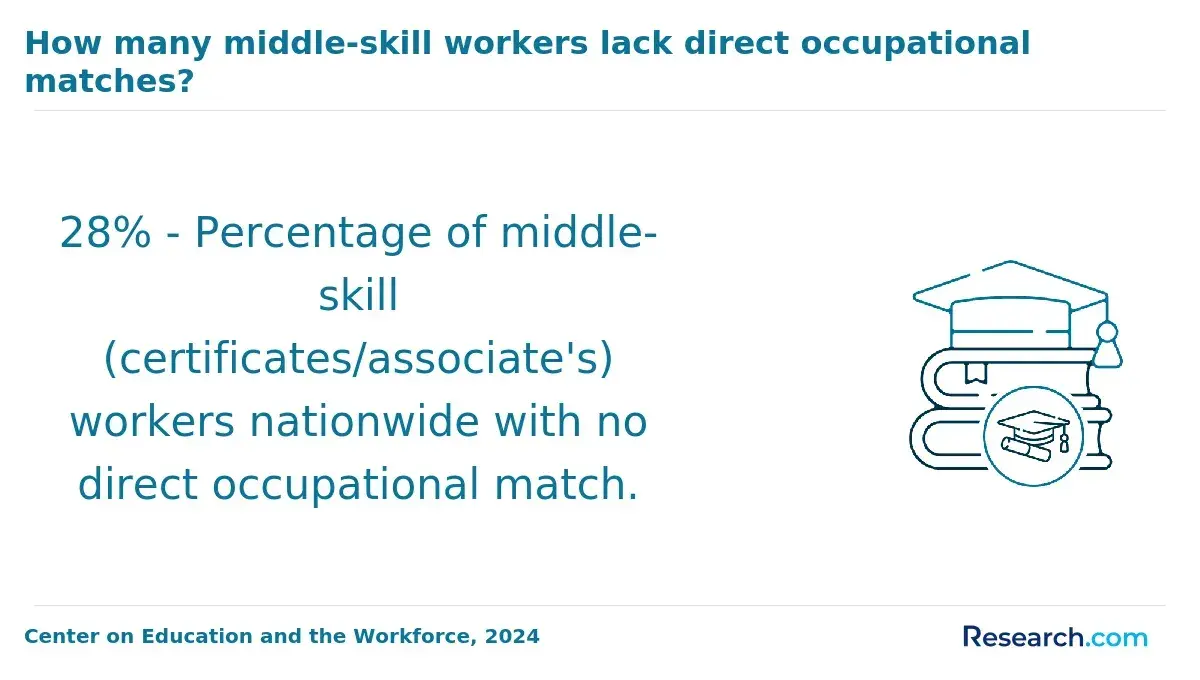
Students typically transfer between 30 and 90 semester credits into a military science & studies degree, though exact limits vary by school, accreditation status, and program design. Most institutions restrict transfer credits to about 60% of total degree requirements, often translating to roughly 60 to 90 credits for a bachelor's degree requiring 120 to 130 credits.
Key factors influencing credit acceptance include the academic level of prior courses, upper-division credits face more scrutiny than lower-division ones, the minimum grade earned, and institutional residency rules mandating that a portion of credits be completed on campus. Additionally, only courses closely matching the military science core or approved electives are usually transferable, with general education credits being simpler to apply toward degree progress.
Common restrictions also include the non-transferability of credits from non-regionally accredited schools and limited acceptance of technical or vocational training unless validated through prior learning assessments. Military training credits awarded via programs such as ACE may be allowed but typically count toward electives or general education rather than core requirements.
A student in a military science & studies program shared her experience, noting that navigating transfer approvals was "challenging but rewarding." She described spending weeks coordinating with academic advisors to document her military training and prior coursework, emphasizing the importance of patience and thoroughness.
Reflecting on her process, she commented, "It was eye-opening to realize how much detail goes into evaluating each credit, but securing those transfers eased my course load significantly."
Breakdown of All Fully Online Title IV Institutions

Most military science & studies degree programs no longer require SAT or ACT scores for admission, reflecting the growing adoption of test-optional and test-free policies nationwide. This shift is particularly evident among public universities, where over 60% of four-year institutions have moved away from standardized testing to broaden access.
However, some competitive programs, especially those offering merit-based scholarships or high-demand spots, may still request test scores as part of their evaluation process. These exceptions often apply in highly selective schools or specific public university systems with more traditional admissions criteria.
With less emphasis on standardized tests, admissions committees increasingly focus on other measures of applicant potential. High school GPA and completion of relevant coursework in social sciences or leadership often carry significant weight.
Personal essays that reveal motivation and commitment to military studies, along with portfolios or letters of recommendation showcasing leadership and service experiences such as JROTC or community involvement, are also important. This comprehensive approach helps identify students with strong critical thinking, discipline, and dedication—qualities vital for success in military science & studies programs beyond exam results alone.
Students aiming to enroll in a military science & studies degree must possess a range of essential skills to succeed academically and adapt effectively to the program's demands. These abilities support understanding complex concepts and enable practical application in military contexts.
Key competencies include:
- Foundational Academic Knowledge: A solid base in humanities and sciences, such as history and political science, provides critical context and analytical frameworks useful throughout the curriculum.
- Technical Proficiency: Familiarity with military-specific software and simulation tools enhances hands-on learning and prepares students for technological aspects of modern military environments.
- Analytical and Problem-Solving Skills: The ability to assess situations critically and make decisions under pressure is crucial, as much of the training focuses on strategic thinking.
- Communication Skills: Clear verbal and written expression is vital for conveying complex military strategies and fostering teamwork and leadership.
- Physical and Field Readiness: Meeting fitness standards and having practical readiness for military fieldwork complement academic skills in this rigorous discipline.
A graduate I spoke with described his preparatory stage as both mentally and physically demanding. "I remember feeling overwhelmed initially by the mix of rigorous academic requirements and physical training," he recounted, noting how balancing these areas required disciplined time management.
He emphasized the importance of adaptability, saying, "You quickly learn that theory alone isn't enough. Being able to apply concepts under stress is what truly counts." The experience shaped his understanding that readiness in all dimensions was key before even starting the program.
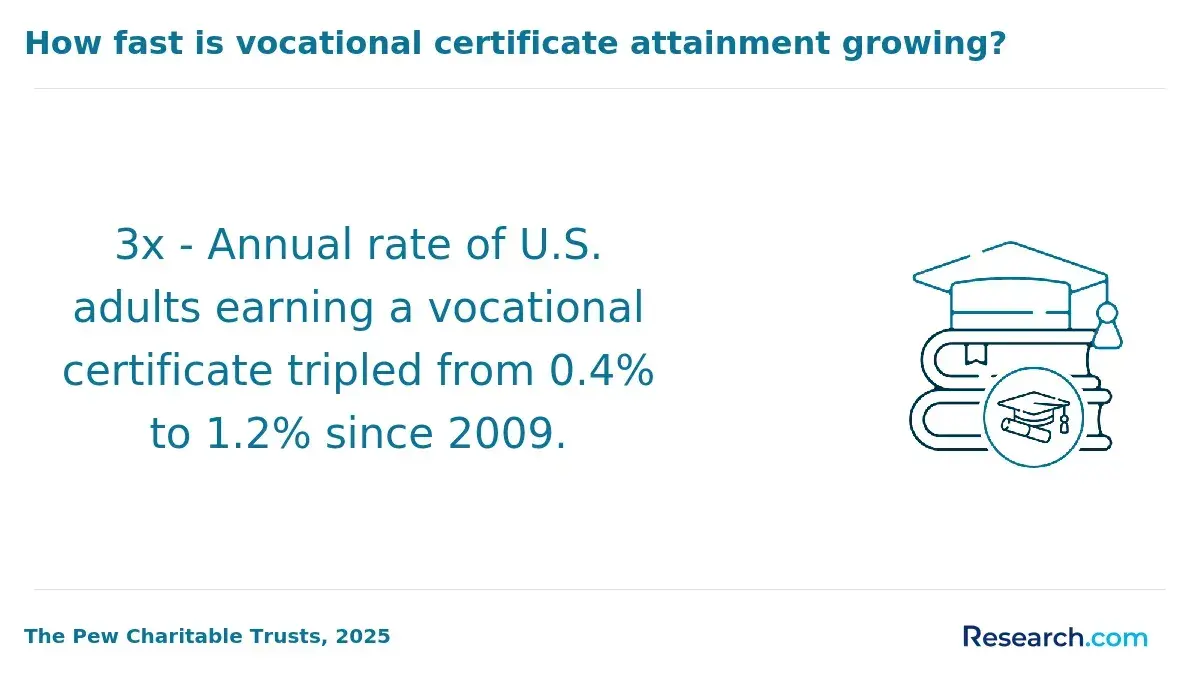
Professional experience requirements for military science & studies degree programs vary widely depending on the institution, program level, and area of focus.
Undergraduate programs typically do not require prior military or professional experience, accepting students fresh from high school or transfers. In contrast, certain graduate or specialized programs, particularly those emphasizing defense strategy, intelligence, or leadership, often recommend or mandate relevant experience.
Applicants with two to five years in defense roles, such as commissioned officers or intelligence analysts, may have a stronger admission profile. Experience is generally regarded as an asset rather than a fixed prerequisite, with leadership potential and analytical skills commonly expected.
Programs that focus on applied military leadership often prioritize candidates with practical experience to ensure preparedness for advanced coursework and case-based learning. Admissions committees may favor individuals with hands-on backgrounds, as these students contribute valuable insights and enhance peer collaboration.
However, students lacking professional experience can still be admitted, especially at the undergraduate level or in less competitive tracks, provided they demonstrate solid academic ability and motivation. This flexibility reflects efforts to accommodate diverse backgrounds and career objectives within the field of military science & studies.
Online military science & studies programs require specific technology standards to ensure students can engage effectively with coursework and access all necessary resources without interruption. These requirements support full participation, especially in a field where precision and timely communication are essential for success.
Key tech prerequisites for online military science degree students include:
- Hardware: A modern computer or laptop with a minimum dual-core processor, 8GB of RAM, and a functioning webcam is critical for participating in virtual classes and delivering presentations. Reliable hardware prevents technical issues that could disrupt learning and communication.
- Internet Speed: A stable broadband connection with at least 10 Mbps download speed allows smooth video streaming and real-time collaboration, which are vital for military studies programs that incorporate live discussions and multimedia content.
- Software Platforms: Compatibility with learning management systems such as Blackboard or Canvas is necessary to access course materials and assessments. Additionally, security tools like VPNs are often mandatory to protect sensitive information handled in military science coursework.
- Digital Literacy: Students must competently navigate virtual classrooms, submit assignments electronically, and use communication tools like email and discussion forums. These skills align with required technical skills for military studies programs, ensuring efficient interaction in a digital learning environment.
According to the National Center for Education Statistics, nearly 75% of students in related online programs report that strong technical preparedness substantially influences their academic success. So, meeting these tech prerequisites enhances the ability to stay connected and perform well academically.
For prospective students exploring options, reviewing the cheapest associate programs online may provide accessible pathways to begin their education in the military science field.
International students interested in military science & studies programs face additional prerequisites compared to domestic applicants. These requirements ensure candidates meet the standards necessary for both academic success and eligibility in the U.S. military education environment.
Below is an overview of the most common prerequisites for international applicants.
- Academic Credentials: A recognized secondary school diploma or its equivalent is mandatory. International transcripts often require evaluation by certified agencies to ensure comparability with U.S. high school standards.
- English Language Proficiency: Demonstrating proficiency through tests like TOEFL or IELTS is essential. This ensures students can handle coursework typically conducted in English, aligning with requirements seen in higher education institutions in Alabama.
- Security Clearances: Due to the sensitive nature of military science & studies, students must often obtain security clearances or provide background checks, which can be more complex for international applicants.
- Physical Fitness Standards: Meeting physical fitness requirements similar to those for U.S. applicants may be necessary, reflecting the discipline involved in military training.
- Visa and Immigration Compliance: Proper student visas and compliance with U.S. immigration laws must be secured. Applicants should be familiar with how these rules impact enrollment and retention in military science programs.
Beyond these, it is beneficial for prospective students to learn about transfer credit policies and eligibility rules specific to their institution.
For those seeking budget-friendly learning paths, this list of FAFSA-approved schools highlights how students can gain access to federal financial programs.
Planning academic timelines and ensuring eligibility for military science & studies programs requires recognizing how their prerequisites differ from general university admissions. These distinctions impact preparation steps and the overall application process, making early awareness critical for prospective students.
Standard University Admission Requirements
- GPA Thresholds: Most universities require a minimum GPA, commonly between 2.5 and 3.0 on a 4.0 scale, to evaluate a student's overall academic standing.
- English Language Proficiency: Tests like the TOEFL or IELTS often serve as proof of English skills, especially for international applicants.
- General Education Coursework: Completion of core courses in humanities, social sciences, and basic mathematics is typically expected before enrollment.
Program-Level Prerequisites
- Mathematics and Science Proficiency: Applicants often must demonstrate mastery of subjects such as calculus or physics, reflecting the technical demands of military strategies and engineering.
- Physical and Experiential Criteria: Some programs require physical fitness assessments, background checks, or leadership documentation to ensure candidates meet service-related standards.
- Professional or Military Experience Portfolios: Submission of detailed training or relevant work history may be necessary to satisfy eligibility beyond academic measures.
Comparing military studies admission requirements versus general college prerequisites highlights that about 65% of military science students meet these specialized conditions prior to entry, whereas approximately 90% fulfill general university criteria. This additional selectivity often extends admission timelines and necessitates focused coursework or activities tailored to military contexts.
Applicants interested in balancing work and education may explore programs at the best affordable online universities for working adults, where some military science prerequisites align with flexible learning models.
Students generally need to pay for prerequisite courses before applying to a military science & studies program. These prerequisites can be completed at the same university offering the program, at community colleges, or via accredited online platforms.
Tuition and fees vary significantly. For instance, community colleges usually offer more affordable rates, often between $100 and $200 per credit hour. Meanwhile, four-year institutions may charge over $500 per credit hour.
Online courses provide flexible payment options but pricing can differ widely. Common prerequisites typically involve foundational subjects such as math, English, and social sciences, which may influence where students choose to enroll based on cost and scheduling convenience.
Many students mitigate these expenses by pursuing financial assistance through the Free Application for Federal Student Aid (FAFSA) or by applying for scholarships targeted at military or veteran students. Additionally, some benefit from credit transfer agreements between community colleges and universities, allowing them to bypass costly courses.
Testing out of prerequisites through CLEP exams is another method to reduce fees. According to the National Center for Education Statistics, roughly 35% of military-affiliated students take advantage of transfer policies to lower education costs before starting specialized programs.
What Graduates Say About the Prerequisites for Their Military Science & Studies Degree
- Kurt: "Getting into the military science & studies program required me to complete specific prerequisites, which at first seemed daunting but really prepared me for the coursework ahead. The cost was reasonable compared to other degree programs, making it a smart investment in my future. Today, I'm proud to say this degree has directly advanced my military career by enhancing my strategic thinking and leadership skills."
- John: "The prerequisites for the military science & studies degree ensured I had a solid foundation, which made delving into complex topics more manageable. The overall cost was something I carefully considered; thankfully, it was affordable enough to balance with my part-time work. Reflecting now, the degree opened many professional doors, pushing me into roles I hadn't imagined possible before graduation."
- Denzel: "After fulfilling the required prerequisites, enrolling in the military science & studies program was straightforward, and the cost was surprisingly within reach for me. This degree has had a lasting impact on my professional path, equipping me with valuable skills that are highly respected in defense and security fields. I'm confident it was the right choice to build a solid, career-focused education."
Other Things You Should Know About Military Science & Studies Degrees
No. Most military science & studies bachelor’s degrees can be taken without ROTC enrollment or an enlistment obligation. ROTC cadets may sign a service contract later, usually after meeting medical, academic, and physical standards. The governing rules come from the Army, Navy, or Air Force ROTC branch, not the degree alone.
Generally, enrollment in military science & studies degree programs does not require a security clearance. However, if the program involves internships or practical training with military agencies, students may need to obtain clearances separately during those placements.
- Bachelor of Science (B.S.) in Military Technology Leadership https://www.tesu.edu/degrees-programs/bachelors/bs-military-technology-leadership.php
- Military Science (MSL) https://catalog.calpoly.edu/courses/msl/
- SAT and ACT Score Requirements for the Service Academies: What to Expect and How to Prepare – Gain Service Academy Admission https://www.gainserviceacademyadmission.com/sat-act-score-requirements-for-service-academies-how-to-prepare/
- Military Science (MILS) https://catalog.uvu.edu/courses/mils/
- Military Science (U.S. Army) https://catalog.colorado.edu/undergraduate/colleges-schools/academic-enrichment-programs/reserve-officers-training-corps/military-science/
- Intelligence Concentration https://www.columbiasouthern.edu/bs-military-studies-intelligence
- Military Credit Guidelines, American University, Washington, DC | American University, Washington, DC https://www.american.edu/admissions/military/military-credits.cfm
- Policy on the Application of Military Science Credits toward the Undergraduate Degree https://policies.uic.edu/educational-policy/policy-application-military-science-credits-toward-undergraduate-degree/


