
2027 Do Employers Pay for Military Science & Studies Degrees: Tuition Reimbursement and Sponsorship Options

Co-Founder and Chief Data Scientist
Many prospective students face daunting costs when pursuing a military science & studies degree, often exceeding $30, 000 annually at some institutions. According to recent data, nearly 45% of students in related fields graduate with significant debt, complicating career advancement and financial stability. Employers occasionally offer tuition reimbursement or sponsorship programs to alleviate this burden, but eligibility varies widely. This article explores which employers commonly support military science & studies degrees through financial aid and outlines the conditions and benefits of such programs. It aims to guide readers in identifying opportunities for reducing education expenses and advancing their careers efficiently.
Key Benefits of Employers Paying for Military Science & Studies Degrees
- Employers offering tuition reimbursement reduce average student debt, which for military studies graduates can exceed $30,000, easing financial burdens significantly.
- Sponsorship programs often cover full or partial tuition, increasing degree accessibility and encouraging specialized workforce development in defense-related sectors.
- Employer-funded degrees enhance career advancement by providing targeted training aligned with military science's strategic and leadership demands, benefiting both employee and organization.
Do Employers Pay for Military Science & Studies Degrees?
Employer-sponsored education support is a fairly common benefit, with about 43% of U.S. workers receiving some form of tuition assistance according to a report by the National Center for Education Statistics. Companies often invest in employees pursuing military science & studies degrees when the skills gained-such as leadership, strategic planning, or security analysis-provide direct advantages to their operations.
This makes military studies degree sponsorship programs particularly relevant in sectors like defense contracting, government, and emergency management, where such expertise strengthens organizational capacity and readiness. Some employees interested in advanced education might also consider related fields like EdD programs online to complement their career goals.
Employer payment trends for military science & studies degrees vary depending on the industry's connection to military-related skills and workforce demands. Support is often prioritized for roles requiring specialized knowledge in security, intelligence, or logistics, whereas sectors with less obvious links to military studies may offer less tuition assistance.
Prospective students should evaluate how well their targeted job duties align with employer workforce development priorities and funding availability. Considering employer tuition reimbursement for military science degrees can help shape decisions about pursuing such degrees, balancing costs, time investment, and potential career benefits.
What Types of Tuition Assistance Do Employers Offer for Military Science & Studies Degrees?
Employer-provided tuition support is a vital resource for professionals pursuing a military science & studies degree, helping to make education more affordable and reduce financial risk. These programs can significantly lower out-of-pocket expenses, making higher education accessible while enhancing career prospects in defense and strategic fields.
Common types of employer tuition reimbursement for military science degrees and related tuition assistance programs for military studies include:
- Tuition reimbursement: Employers refund a percentage or the full amount of qualified tuition costs after the employee successfully completes courses. This form of assistance typically applies directly to military science & studies programs and can cover several hundred to several thousand dollars annually.
- Upfront tuition payment: Some employers pay tuition fees in advance, easing the immediate financial burden on students. This option often targets programs relevant to defense careers, ensuring timely support for coursework.
- Educational grants or scholarships: These lump-sum awards do not require repayment and are designated specifically for education expenses. Many are aligned with military science & studies degrees to promote strategic career development.
- Flexible payment plans: Employers may offer arrangements that help manage tuition payments over time, making it easier to finance military science education without significant upfront costs.
Coverage limits usually vary by employer but are generally designed to align with the costs of military studies degrees, reflecting their importance to career advancement. For those interested in exploring further educational opportunities, options like a counseling degree online may also complement military career paths and professional development.
Who Is Eligible for Employer Tuition Reimbursement for Military Science & Studies Degrees?
Eligibility requirements play a critical role in planning to use employer tuition reimbursement for military science & studies degrees, impacting program selection, timing, and ultimately your return on investment (ROI). Knowing who qualifies for tuition assistance military studies programs can help candidates align their education paths with employer policies and avoid unexpected obstacles. Below is a detailed breakdown of common eligibility factors to consider.
- Employment status: Most employers require applicants to be full-time employees, though some programs may allow part-time workers to participate. Confirming your employment status upfront ensures eligibility for tuition support.
- Tenure requirements: A minimum length of employment, frequently six months to a year, is often required before qualifying. This prevents new hires from immediately accessing funding without established performance.
- Degree relevance: The military science & studies degree usually must relate directly to your current or anticipated job responsibilities. Employers focus funding on degrees that bring strategic value to the organization.
- Academic performance: Continuing tuition assistance commonly depends on maintaining a specified GPA or other academic standards to demonstrate commitment and progress.
- Approval processes: Advance approval from supervisors or HR departments is usually mandatory before starting coursework. This step ensures courses align with employer goals and budgets.
- Ongoing employment requirements: Some employers require employees to remain employed for a certain period after completing their degree to avoid repayment obligations, making retention a key factor.
Prospective students should include these eligibility conditions when evaluating tuition assistance options alongside their program choices, such as an executive MBA online. Aligning your career timeline with employer tuition reimbursement policies can maximize benefits while minimizing disruptions.
For employees pursuing a military science & studies degree, knowing how employer tuition reimbursement programs operate can significantly impact financial planning and career advancement. These programs offer valuable support but come with specific procedures and requirements. Understanding these details helps ensure smooth access to benefits and compliance with employer policies.
- Approval Process: Employees typically must obtain pre-approval before enrolling, confirming the coursework aligns with their current role or professional goals. This step ensures employer support and eligibility for reimbursement.
- Payment and Reimbursement Timing: Employers may pay tuition upfront or reimburse employees after course completion. Reimbursement usually occurs once proof of payment and successful course completion are submitted.
- Documentation Requirements: Employees need to provide transcripts or grade reports as evidence of passing the course. Some employers also request course descriptions or syllabi to verify relevance to the job.
- Reimbursement Limits: Programs often cap the amount reimbursed annually, per credit hour, or by degree to control costs. Checking these limits ahead of time helps prevent unexpected expenses.
- Academic Performance Expectations: Maintaining a minimum grade, often a "C" or better, is commonly required to qualify for reimbursement. This standard encourages satisfactory progress toward degree completion.
Employer attitudes toward sponsoring online degrees in military science & studies have notably shifted as the credibility of digital education has increased. While skepticism about the quality and rigor of online programs once limited such funding, current trends suggest growing acceptance. A 2023 survey by the Society for Human Resource Management indicates that about 56% of employers now treat online degrees comparably to traditional ones when considering tuition reimbursement requests. However, this acceptance is not universal and can depend on factors like industry norms and the perceived quality of the program.
When deciding whether to support an employee's pursuit of an online military science & studies degree, many employers evaluate specific criteria. Accreditation from recognized bodies plays a critical role in qualification for sponsorship, as does how closely the curriculum matches the employee's role or intended career path. Employers also weigh the academic rigor of the program, looking for standards comparable to campus-based courses. Additionally, sponsorship is more likely if the degree directly supports identified business objectives or addresses skill shortages within the organization.
I spoke with a professional who completed an online military science & studies degree through employer sponsorship. He shared that navigating the approval process required persistence, including detailed discussions about how his coursework aligned with his job responsibilities and how the skills gained would benefit his team. He described feeling both anxious and hopeful during this period, emphasizing that clearly demonstrating program relevance and maintaining open communication with his supervisor were essential to securing support. His experience highlights that, while not guaranteed, company sponsorship for such degrees can be attainable with careful preparation and alignment to business goals.
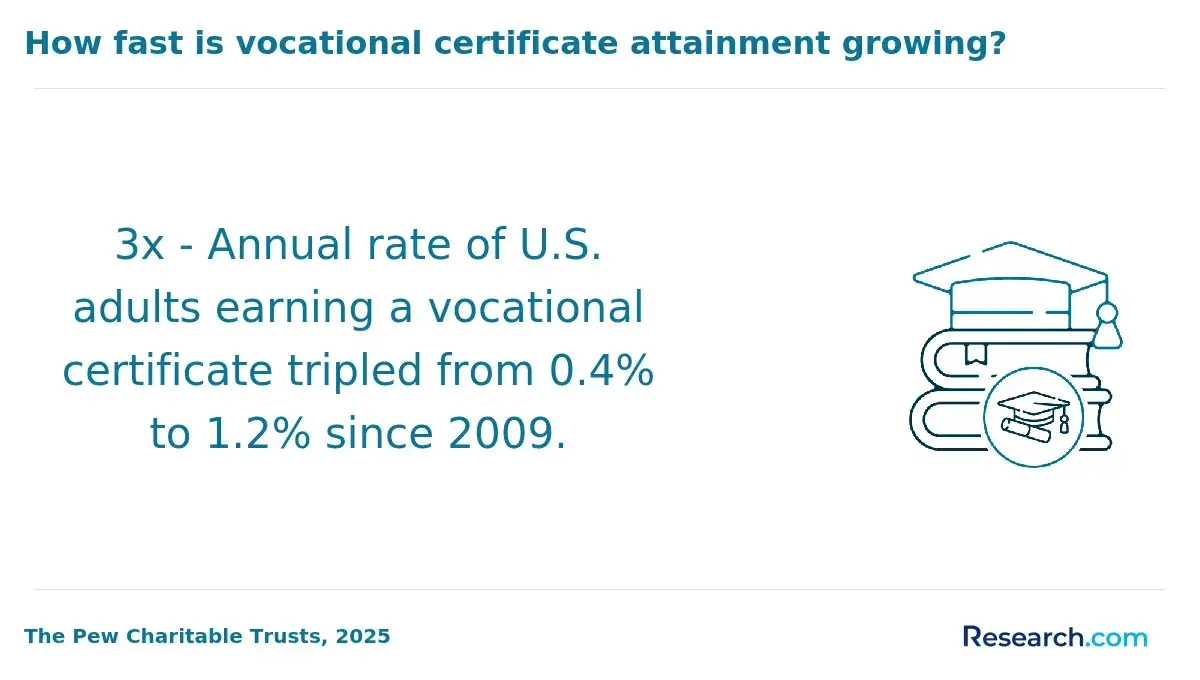
Tuition reimbursement limits play a crucial role in assessing the affordability and return on investment of a military science & studies degree. These caps determine how much financial support an employee can realistically expect, which directly affects overall education costs. Recent data shows that about 58% of employers provide some form of tuition assistance, highlighting the significance of these programs in reducing financial burdens for many students.
Typically, annual tuition reimbursement ranges between $3,000 and $5,250, aligning with the federal tax exclusion limit for employer-provided educational benefits, which allows employees to receive up to $5,250 tax-free each year. Lifetime reimbursement limits often fall between $10,000 and $40,000. Larger organizations and employers in defense or government-related industries tend to offer higher limits, recognizing the relevance of military science & studies to their operations. These variations emphasize the importance of considering both annual and lifetime caps when evaluating employer tuition assistance.
Employees considering an employer-sponsored military science & studies degree should be aware of potential financial consequences if they leave before completing the program. Understanding these penalties is crucial to avoid unexpected repayment demands and to plan their educational and career paths effectively. Research shows that up to 70% of employers require repayment if employees depart within one to two years after finishing such programs, highlighting the importance of retention-focused clauses.
- Tuition Repayment Obligations: Employees who exit their program prematurely often must reimburse tuition or benefits already covered by their employer. This ensures the company recoups educational investments if the employee does not complete the agreed terms.
- Prorated Repayment Schedules: Many employers charge repayment amounts proportional to how far into the program the employee progressed. This approach reduces financial burden the longer someone remains enrolled.
- Early Termination Clauses: Specific contract terms may detail conditions triggering repayment, such as leaving within a defined period after finishing the degree. These clauses support employer goals of workforce stability and retention.
- Impact on Future Benefits: Leaving early can also affect eligibility for future tuition reimbursement or other educational perks. Companies may restrict access to such benefits if prior agreements were not fulfilled.
After speaking with a professional who completed a military science & studies degree through an employer tuition assistance program, she shared how the repayment clauses influenced her decision-making. Although tempted to explore other job opportunities, she recognized that leaving early would have meant reimbursing significant tuition costs. "The financial commitment made me think twice and ultimately motivated me to stay," she said. Navigating the program while balancing work wasn't always easy, but knowing the company's educational support came with clear obligations helped her plan realistically. Reflecting on the experience, she emphasized that understanding repayment terms beforehand "made all the difference" in choosing to remain with her employer and complete the degree, turning the investment into a long-term career benefit.
For working professionals weighing the benefits of pursuing a military science & studies degree, understanding how employer-sponsored education impacts long-term earnings is crucial. Research indicates that those receiving employer tuition reimbursement military science degrees can earn up to 15% more over their career than their non-sponsored peers. This significant potential return encourages many to evaluate how such support aligns with their career goals and financial plans.
- Increased Promotion Opportunities: Employer-paid education programs often correlate with faster promotions as advanced degrees demonstrate commitment and expertise, making employees stand out for leadership roles.
- Faster Career Progression: Access to specialized military knowledge and leadership training accelerates career advancement by equipping workers with skills directly relevant to strategic decision-making.
- Access to Higher-Paying Roles: Obtaining a military science & studies degree through employer sponsorship opens doors to more strategic and better-compensated positions within both military and civilian organizations.
- Enhanced Skills and Qualifications: These programs develop critical thinking, risk assessment, and management abilities, increasing job market competitiveness beyond immediate pay increases.
- Return on Investment: With tuition costs covered or reimbursed, graduates face reduced financial barriers, offering long-term salary benefits military studies education that significantly outweigh upfront expenses.
For those interested in exploring educational opportunities with substantial employer support, several options exist, such as fully funded EdD programs online. Considering such offerings can inform decisions about balancing work, education, and financial investment effectively.
Proactive communication and preparation are crucial when seeking employer support for a military science & studies degree. Nearly 60% of employers offer some form of tuition assistance, reflecting a growing trend in funding employee education. Knowing how to request employer sponsorship for military studies effectively can improve your chances of obtaining financial help and advancing your career.
- Research company tuition policies: Investigate your employer's tuition reimbursement program carefully. Eligibility and coverage often vary, so understanding these policies helps you tailor your request to meet company standards.
- Prepare a business case: Clearly connect how the military science & studies degree will enhance skills relevant to your current role or future opportunities. Emphasize benefits like leadership, strategic thinking, or operational expertise that directly impact your job performance and the organization.
- Schedule a formal meeting: Arrange a discussion with your manager or HR representative. Approach the conversation professionally, outlining your educational goals and how tuition sponsorship fits your career plan.
- Demonstrate program relevance: Show how the degree aligns with your current responsibilities or potential growth paths. Highlighting the connection reassures employers that supporting your education benefits both you and the company.
- Follow up with documentation: Provide detailed program descriptions, cost estimates, and deadlines promptly. Keeping communication clear and organized demonstrates commitment and helps keep your request on track.
For those exploring flexible and affordable options, consider institutions offering an affordable online master's degree in related fields. This approach can further facilitate employer sponsorship by presenting cost-effective educational solutions.
Ultimately, well-prepared requests rooted in understanding your employer's tuition policies and linking the military science & studies degree to business outcomes maximize your potential for support.
Finding funding beyond employer sponsorship is essential for students pursuing a military science & studies degree to avoid excessive debt and ensure steady academic progress. Nearly 85% of undergraduates rely on financial aid, demonstrating the need to explore various financial resources. Below are practical strategies to consider when employer support is unavailable.
- Federal and state financial aid: Submitting the FAFSA opens opportunities for grants and subsidized loans based on your financial situation, helping reduce upfront expenses.
- Scholarships and grants: Numerous entities, including veteran organizations and academic groups, offer scholarships that specifically target students in military-related programs.
- Personal savings and loans: While borrowing should be carefully managed, personal funds and educational loans remain common methods to finance tuition and related costs.
- Income-share agreements (ISAs): Some educational providers offer repayment plans where fees depend on your future earnings, easing initial financial barriers.
- Part-time or online programs: These flexible formats can lower overall tuition and let you maintain employment while completing your degree.
Combining these options allows students to create a sustainable approach to funding their military science & studies education without relying on employer contributions.
What Graduates Say About Employers Paying for Their Military Science & Studies Degrees
- Yanna: "The military science & studies degree program was a significant investment, averaging around $25,000 for the full course load. Thanks to my employer's tuition assistance, I was able to pursue the degree without the financial strain that often accompanies higher education. This sponsorship not only eased my financial burden but also accelerated my promotion timeline by equipping me with critical leadership skills. "
- Henderson: "Covering the cost of a military science & studies degree, which can be quite substantial, would have been a challenge on my own. Employer sponsorship made it possible to focus entirely on my studies rather than worrying about expenses. Looking back, this degree has been invaluable, offering practical knowledge that directly enhanced my strategic thinking at work."
- Atlas: "While the military science & studies program's tuition was on the higher side, my employer's tuition assistance program made the prospect of earning this degree much more attainable. The financial support was reassuring and allowed me to dedicate myself fully to both my education and job responsibilities. The degree profoundly impacted my career trajectory by opening doors to leadership roles I had only aspired to before."
Other Things You Should Know About Military Science & Studies Degrees
Yes. Many sponsorship agreements require a one- to three-year employment commitment after graduation. If you leave early, the employer can require repayment of tuition, fees, and any book or exam costs covered under the agreement.
Yes, in 2027, employer-provided tuition reimbursement may have tax implications. Generally, up to $5,250 of tuition assistance is tax-free annually under IRS guidelines. Amounts exceeding this may be considered taxable income, impacting the employee's tax liability.
In 2027, employers offering sponsorship for military science & studies degrees often include clauses requiring employees to stay with the company for a specific period post-graduation. This helps employers ensure a return on their educational investment in the employee.
- 24 Civilian Employers That Offer College Tuition Benefits https://www.military.com/money/personal-finance/24-civilian-employers-offer-college-tuition-benefits.html
- Careers for Military Studies Degree Graduates: An Introduction https://www.columbiasouthern.edu/blog/blog-articles/2023/august/military-studies-degree-jobs/
- What is Tuition Reimbursement? The Often-Overlooked Employee Benefit https://www.snhu.edu/about-us/newsroom/education/what-is-tuition-reimbursement
- Military Tuition Assistance Program: Background and Issues | Congress.gov | Library of Congress https://www.congress.gov/crs-product/R47875
- Military-friendly Online Master’s Programs for Service Members https://www.onlinemastersdegrees.org/features/military-friendly-programs/
- Education and Training EXPAND YOUR OPPORTUNITIES https://www.airforce.com/education
- How to Get Your Employer to Pay for College With Tuition Assistance Programs https://www.umassglobal.edu/blog-news/get-your-employer-pay-college-tuition-assistance-programs
- Employer tuition benefits + University of Phoenix Tuition Benefits https://www.phoenix.edu/tuition-financial-aid/employer-tuition-benefits.html
- Avoid a potential $200,000 mistake: Know the risks involved when signing up for ROTC - Tully Rinckey PLLC https://www.tullylegal.com/resources/articles/avoid-a-potential-200000-mistake-know-the-risks-involved-when-signing-up-for-rotc/


