2027 Statistics Degree Programs With Rolling Admissions

Co-Founder and Chief Data Scientist
How does rolling admissions reshape access for students considering statistics degree programs? For working adults balancing careers and education, flexible timelines can alleviate the pressure of fixed deadlines, allowing enrollment decisions that align with workplace demands or family obligations. With the National Center for Education Statistics reporting a 37% increase in adult learners pursuing online degrees between 2015 and 2020, rolling admissions accommodate this growing demographic's need for adaptable scheduling. This trend also intersects with employer demand for data literacy skills, often requiring expedited credentialing paths. This article evaluates the practical implications of rolling admissions for statistics programs, guiding readers in aligning their enrollment timing with career and learning objectives.
Key Benefits of Statistics Degree Programs With Rolling Admissions
- Rolling admissions in statistics programs enable targeted application timing, allowing candidates to optimize coursework sequencing but can complicate alignment with rigid internship or employer recruitment cycles.
- Flexible entry reduces barriers for late-deciders, yet some employers may question nontraditional timelines, impacting perceptions of candidate readiness despite strong analytical training.
- Extended enrollment opportunities lower upfront financial strain by dispersing costs across a longer timeline, though prolonged program duration may delay workforce entry and earnings growth.
How Do Statistics Degree Programs With Rolling Admissions Work?
Rolling admissions in statistics degree programs reshape traditional intake methods, creating a fluid enrollment environment that directly affects student strategy and academic operations. This model reflects responses to labor market demand and institutional capacity challenges, emphasizing flexibility but requiring careful timing and planning from applicants.
- Flexible Evaluation: Programs assess applications as they arrive rather than waiting for a fixed deadline, leading to faster decisions that reduce uncertainty for applicants. This rolling admissions process accommodates the steady flow of candidates driven by variable industry demand for data skills.
- Adaptive Enrollment: By admitting students continuously, programs manage fluctuating applicant volumes linked to labor market trends, such as spikes in demand for data scientists. This adaptability minimizes the risk of over-enrollment or seat wastage common in traditional admission timelines for statistics programs.
- Implicit Urgency: While the application window is extended, competition for limited seats and scholarships incentivizes early submission. Students delaying their application may miss out on critical coursework or funding, highlighting a tradeoff between accessibility and strategic timing.
- Curricular Coordination: Rolling admissions impact cohort synchronization and sequencing of required statistical methodologies. Academic advisors must carefully align enrollment timing with prerequisite structures to avoid students falling behind in complex, sequential coursework.
- Workforce Pipeline: Programs starting students throughout the year create a more continuous graduate output, which benefits employers by smoothing talent supply fluctuations. However, this also demands that students adjust internship and job search schedules, diverging from conventional hiring cycles.
What Are the Admission Requirements for Rolling Admissions Statistics Programs?
Rolling admissions for statistics programs introduce a practical challenge: applicants must balance early submission against program capacity, as acceptance can depend as much on timing and cohort size as on qualifications. This tradeoff means applicants with strong quantitative backgrounds who delay their application risk waiting longer or even deferred acceptance, impacting their educational and career timelines. Navigating this process requires clarity on precisely what admissions committees prioritize beyond just meeting deadlines.
- GPA Requirement: A strong academic record particularly in mathematics and quantitative coursework, reflecting preparedness for the program's rigor.
- Transcripts: Official transcripts must demonstrate competence in calculus, linear algebra, probability, and statistics, crucial foundational knowledge for success.
- Application Form: A complete form submitted early increases chances to secure limited spots in rolling cohorts and signals commitment.
- Letters of Recommendation: Typically expected from instructors or supervisors who can attest to analytical skills and potential for graduate-level statistics work.
- Personal Statement: Should articulate relevant quantitative experience, problem-solving ability, and alignment with program demands, helping differentiate candidates with diverse backgrounds.
- Standardized Tests: GRE quantitative scores may still be required or recommended, serving as an objective benchmark especially for graduate-level statistics admissions; however, some programs are increasingly test-optional.
Employers in data-driven industries often prioritize graduates who combine academic proficiency with practical experience in data analysis and programming. Thus, admissions committees look beyond grades and test scores toward demonstrated ability to engage with real-world data challenges. This makes transparency about one's quantitative skills and timely application submission critical elements under rolling admissions conditions, shaping both acceptance likelihood and subsequent workforce preparedness.
When Should You Apply for Rolling Admissions Programs?
Rolling admissions in statistics programs depart from fixed deadline models by assessing applications continuously until all seats are allocated. This structure creates a dynamic competition where early applicants benefit from ample availability and a broader pool of financial aid, which is often distributed on a first-come basis. The admission process typically operates on a first-come, first-served paradigm with ongoing review, so students applying early encounter less pressure from seat limitations and can access more comprehensive resources. Conversely, applicants who submit mid-cycle face tightening competition and a diminishing likelihood of funding as programs approach capacity, while late applicants may confront closed seats and exhausted financial support, making acceptance less predictable and enrollment planning more complex. Balancing these timing factors against individual academic readiness is critical, as premature submission risks underdeveloped applications that weaken overall competitiveness.
Deciding when to apply involves strategic tradeoffs aligned with each applicant's preparedness and goals. Well-prepared candidates positioned to submit strong credentials promptly stand to maximize admission chances and financial awards, positioning themselves favorably for subsequent academic and career timelines. Those requiring additional time for improved recommendations, test scores, or coursework must weigh the potential reduction in available slots and aid as time passes. Delaying too long risks placement on waitlists or outright denial, which often leads to deferrals or the need for backup options that interrupt momentum toward workforce entry. Moreover, this timing interplay influences not only enrollment but also synchronization with employer expectations, where students benefiting from early and certain admission cycles frequently experience smoother transitions to internships and post-graduate roles. Rolling admission thus demands a calibrated approach rather than a casual submission strategy.
An applicant I spoke with described wrestling with the decision to apply early despite incomplete recommendations. They delayed to strengthen their profile, aware that seats might fill, but were reassured when mid-cycle submission still secured admission, albeit with limited funding options. The uncertainty introduced careful pacing-balancing urgency against quality-that ultimately influenced their financial and scheduling decisions. Their experience highlighted how rolling admissions require not only awareness of deadlines but ongoing strategic judgment, as the window closes incrementally rather than abruptly, shaping outcomes in subtle yet significant ways.
Are Rolling Admissions Common in Online Programs?
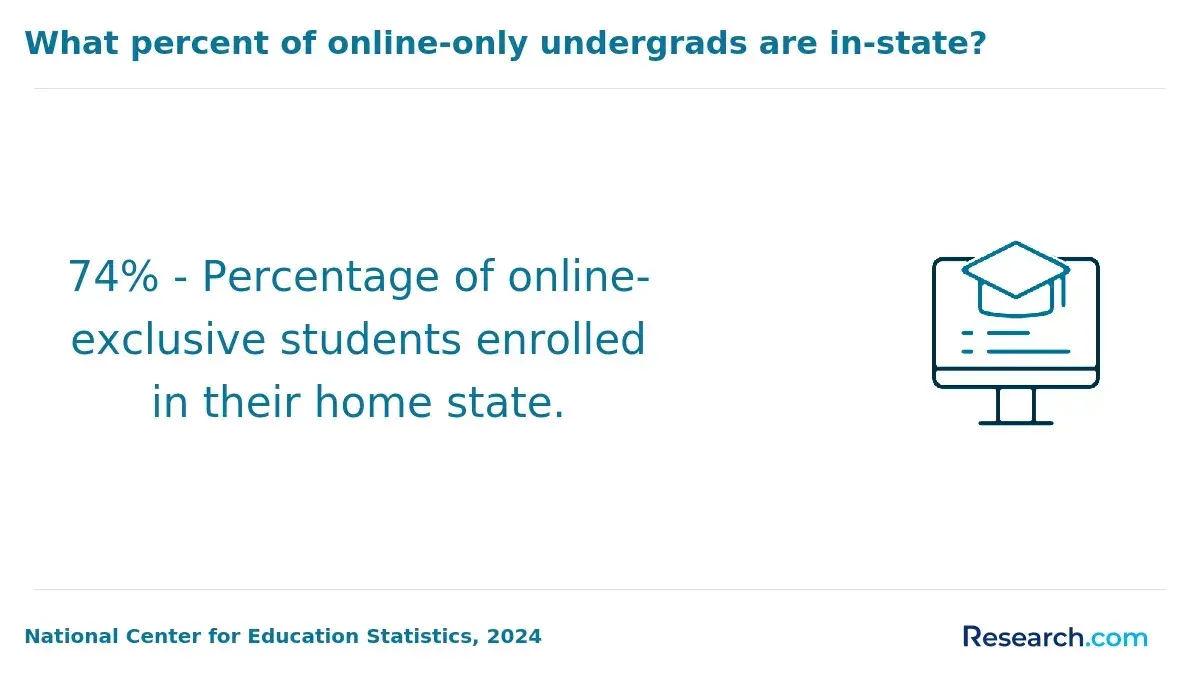
Rolling admissions are notably more common in online statistics degree programs than in traditional on-campus formats, reflecting institutional efforts to accommodate remote learners' diverse schedules and professional commitments. Unlike fixed academic deadlines, rolling admissions offer multiple start dates, allowing programs to better manage enrollment flow and adjust to shifting demand throughout the year. This flexibility enhances scalability but also demands strategic application timing from students, especially in high-demand cohorts where seats may fill quickly. Many online programs use rolling admissions to smooth out administrative bottlenecks and improve accessibility for working professionals, though some still rely on cohort-based models to preserve instructional consistency and class dynamics.
Approximately 40% of accredited online STEM master's programs, including those in statistics, employ rolling or extended admissions windows, underscoring a significant trend toward flexible entry pathways in digital learning environments. This approach can accelerate enrollment for candidates balancing career or personal responsibilities but may increase competition during peak periods. Prospective students should weigh the benefits of quicker start times against potential timing pressures and plan accordingly. For insights on aligning educational choices with workforce demands, exploring related pathways such as online engineering degrees can provide useful comparative perspectives on flexible admissions practices and career outcomes.
Do Rolling Admissions Schools Have Higher Acceptance Rates?
Rolling admissions does not inherently result in higher acceptance rates; this is a common misconception tied to how applications are processed rather than how selective programs are. The model evaluates submissions continuously instead of at a single deadline, which can create the impression of greater accessibility. However, acceptance rates reflect deeper institutional factors such as program capacity, applicant demand, and cohort size. For instance, a competitive Statistics program with rolling admissions may maintain stringent standards and admit a small percentage regardless of the ongoing review process, while a less selective program with fixed deadlines might admit a larger share of applicants.
Application timing within rolling systems can influence admission chances indirectly-early applicants often face less competition and have better access to limited seats than those who apply closer to capacity limits. This temporal dynamic affects availability without signaling reduced entry criteria. Variation in acceptance rates within rolling admissions programs often stems from this timing effect, as noted in analyses showing shifts tied to application submission dates rather than lowered selectivity. Ultimately, program-specific goals, resource constraints, and applicant quality determine both acceptance rates and outcomes, emphasizing the importance of aligning choices with individual academic fit and career objectives rather than assuming rolling admissions equate to easier acceptance.
How Much Do Rolling Admissions Statistics Programs Cost?
Tuition for rolling admissions statistics degree programs generally adheres to a per-credit-hour model, typically ranging from $300 to $800 at public institutions and often surpassing $1,000 at private universities. This structure allows students to modulate their course loads and financial obligations in alignment with rolling admissions, which does not alter tuition rates but shifts when individuals begin accruing costs. For example, a working professional enrolling mid-year can strategically spread expenses to avoid the upfront financial strain characteristic of traditional semester starts. However, students must also anticipate ancillary costs such as institutional or technology fees, commonly between $50 and $200 per term, along with occasional charges for specialized course materials or software, which cumulatively affect the total outlay of rolling admissions statistics degree program tuition.
Program designs influence cost profiles beyond raw tuition figures. Accelerated or cohort-based formats condense study timelines, often increasing short-term payments while enabling quicker entry or reentry into the workforce. Alternatively, subscription-style models-still emerging in statistics education-offer flat monthly fees granting access to multiple courses, potentially easing budgeting but complicating comparisons with per-credit systems. Hybrid and online delivery also affect fee structures and associated technology costs. Prospective students weighing a rolling admissions statistics degree program tuition should consider these financial pacing factors and how they intersect with personal and professional timelines. For those interested in flexible financial planning options, online accounting classes illustrate curriculum affordability approaches applicable across disciplines and might offer comparative insights.
Are Career Outcomes Different for Rolling Admissions Students?
Choosing a Statistics program with rolling admissions does not inherently influence career outcomes, as rolling admissions merely affect when an application can be submitted rather than the substance of the education or job market prospects. Career success depends more on factors such as the program's accreditation, academic rigor, and specialized tracks within statistics like biostatistics or actuarial science, which align with distinct labor market needs. Practical experience through internships and networking often weighs heavier in employer decisions than the timing flexibility offered by rolling admissions. For example, while earlier enrollment through rolling admissions might enable students to graduate sooner and enter the job market faster, it does not guarantee better salaries or placement, since these depend largely on individual performance and professional connections. According to the U.S. Bureau of Labor Statistics, statistical jobs are projected to grow 35% from 2021 to 2031, reflecting strong demand that values hands-on experience and relevant skills over admission timing nuances.
Outcomes for rolling admissions students vary by institution and regional demand, with graduates in metropolitan areas usually encountering more job openings and higher wages than those in smaller markets. While rolling admissions can offer a timing advantage, this benefit is indirect and secondary to the quality of education and how well students leverage experiential learning and networking opportunities. Prospective students should carefully evaluate these elements rather than prioritize admission flexibility alone, as program reputation, alignment with industry needs, and local labor conditions play a more decisive role in employment and career growth. In fields like data science, biostatistics, or actuarial science, niche expertise combined with practical exposure can outweigh any timing benefits related to the admissions process.
One recent graduate shared that applying through a rolling admissions process initially felt uncertain because she hesitated, waiting to strengthen her application rather than rushing it. She recognized that the primary advantage was having more time to prepare rather than accessing privileged career outcomes. Her decision to delay submission resulted in acceptance at a well-regarded program that offered strong internships, which she credits for her smooth transition into a competitive analytics role. This experience underscored that graduation timing was less important than gaining relevant skills and connections during her studies.
Can Rolling Admissions Programs Lead to High-Paying Careers?
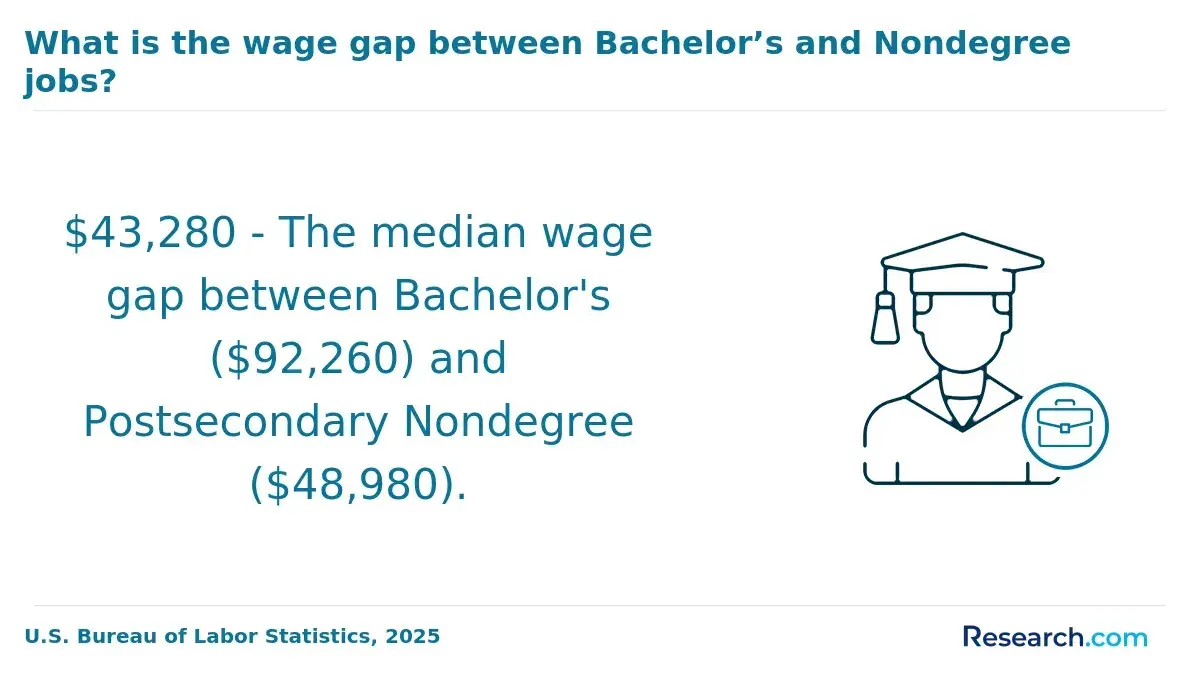
High-paying careers in statistics are shaped predominantly by factors beyond admissions format, making rolling admissions an administrative convenience rather than a salary determinant. Employers prioritize specialization areas such as biostatistics, data science, or actuarial sciences, alongside institutional reputation, accreditation, and evidence of practical experience gained through internships or research. For example, a graduate specializing in biostatistics who leveraged internships within healthcare systems in a major metropolitan area is more likely to command salaries in the upper range-from $80,000 to over $120,000-compared to counterparts who lack such credentials and connections. Rolling admissions themselves do not influence employer perceptions or professional networks, essential elements that heavily impact career advancement and wage growth in data-driven fields.
That said, the flexible timing enabled by rolling admissions can allow students to start coursework and subsequently enter the labor market sooner, theoretically accelerating earnings accumulation by reducing time-to-degree. However, this indirect effect is neither sufficient nor consistent enough to guarantee higher wages, especially since salary outcomes in statistics vary widely based on role, geographic location, and industry demand. While rolling admissions can offer scheduling adaptability for working adults or those managing outside commitments, the ultimate financial benefits depend more critically on an individual's skill development, network cultivation, and strategic career management. Prospective students should therefore weigh rolling admissions primarily for its enrollment flexibility, recognizing that true salary potential rests on substantive academic and experiential factors rather than admission cycle structure.
What Are the Disadvantages of Rolling Admissions Programs?
Rolling admissions in statistics programs often present practical challenges that complicate applicants' academic and career planning. Unlike fixed deadlines, this flexible timeline can create uncertainty about whether critical courses, faculty advisors, or research opportunities remain available at the time of application. This uncertainty forces candidates to make strategic decisions without a full picture of program capacity, potentially limiting access to key educational resources essential for building strong analytical foundations.
Data from the National Center for Education Statistics reveals that applicants to rolling admissions often submit materials late in the cycle, frequently under pressure. This timing tends to produce hurried applications that may lack the competitiveness required by selective statistics degree rolling admissions disadvantages that demand clear evidence of quantitative proficiency.
Financial planning and coordination with work commitments pose additional difficulties. Standard admissions schedules typically provide clear timelines for financial aid awards and allow for summer job or internship arrangement. Rolling admissions disrupt these timelines, often resulting in delayed or fragmented financial support, which complicates enrollment decisions for students balancing personal and professional responsibilities.
In the workforce, many employers in analytics and data-driven sectors expect graduates to demonstrate focused, uninterrupted academic progress. Fragmented or delayed starts linked to rolling admissions can be perceived as gaps or planning deficiencies, potentially impacting employability in competitive roles that prioritize cohesive educational trajectories aligned with emerging technical standards.
- Potential for courses or advisors to already be full at time of application, limiting educational opportunities
- Increased risk of submitting rushed, less competitive applications due to pressure and unclear deadlines
- Complications in syncing admissions with financial aid and career timing, risking delayed degree progress
- Possibility of fragmented academic progress impacting employer perceptions, particularly in competitive analytics fields
For applicants seeking flexibility without compromising competitiveness or timing clarity, exploring options alongside resources such as the best MBA programs without GMAT may reveal alternative frameworks that better support long-term career goals.
How Do You Choose the Best Statistics Program With Rolling Admissions?
Evaluating statistics degree programs with rolling admissions requires more than checking application deadlines; it demands analyzing how these flexible entry points align with professional and academic objectives. The challenges include balancing accessibility with program rigor and ensuring that the benefits of rolling admissions do not come at the expense of critical support services or curriculum quality. This approach works best when students prioritize tangible outcomes and realistic workforce preparation.
- Curriculum relevance: Focus on programs teaching skills in high demand, such as data manipulation with R, Python, or SQL, which employers increasingly expect in analytics roles.
- Admissions clarity and flexibility: Rolling admissions vary widely; successful navigation depends on transparent timelines and assistance during the application phase to prevent overlooked prerequisites or delays.
- Graduation outcomes: Programs with solid on-time graduation rates often provide comprehensive advising, tutoring, and career services that contribute to student persistence and job readiness.
- Delivery format and networking: Since over 60% of students choose online or hybrid formats, the program's ability to facilitate meaningful professional connections remotely is crucial.
Students with ongoing work or family responsibilities particularly benefit from rolling admissions, but must weigh how well a program's support and curriculum match their intended career paths. Practical assessment of these factors ensures students select programs that deliver both flexibility and long-term value, avoiding pitfalls that can prolong completion or limit employment prospects.
For those also curious about related flexibly-timed STEM fields, resources like online environmental engineering degree science and engineering offer insights into comparable program structures and workforce demands.
What Graduates Say About Statistics Degree Programs With Rolling Admissions
- Kaysen: "Balancing a full-time job while enrolled meant I had limited bandwidth, so I specifically chose a rolling admission statistics program that allowed me to start immediately without waiting for semester deadlines. That flexibility helped me build a portfolio of real-world data projects, which I found was more valuable in interviews than formal certifications. Although I didn't pursue licensure, the internship connections I made through the program ultimately led me to a remote data analyst position that fits my lifestyle well."
- Jalen: "Coming from a non-technical background, I worried about keeping up with the workload in a statistics program, but the rolling admissions gave me the option to pace myself and delay courses when needed. I had to decide whether to focus on advanced theory or applied skills-choosing the latter helped me secure an internship where practical experience outweighed my GPA. However, I quickly realized that without professional licensure or specific certifications, my upward mobility in salary was somewhat capped, influencing my plans to eventually pursue further credentialing."
- Beau: "After a career pivot, I had financial constraints that made me lean toward a rolling admissions statistics program to avoid losing time and income. The ability to start anytime was key because I wanted swift workforce re-entry. Although the curriculum was intense, I leveraged the program's emphasis on portfolio-building to compete for analyst roles. I did encounter some challenges competing with candidates who had more traditional credentials, but the hands-on experience I gained made a tangible difference in landing my first job in a competitive market."
Other Things You Should Know About Statistics Degrees
Rolling admissions can lead to a varied student entry timeline, which may challenge the creation of a cohesive cohort experience. Academic pacing can also be affected, as course offerings might not align seamlessly with student progress. However, programs often provide flexible start dates or modular courses to mitigate these issues.
Flexibility can be a significant asset for students balancing work or family commitments, yet statistics curricula often build on cumulative knowledge requiring careful sequencing. Students should critically evaluate whether rolling admissions programs provide clear guidance on foundational courses and prerequisites, as poor sequencing may hinder mastery of advanced methods like multivariate analysis or time series. Prioritizing programs with transparent course progression and advising can prevent gaps in critical skills despite flexible start dates.
Internships in statistics and data science are tightly scheduled to align with traditional academic calendars. Students admitted through rolling admissions may encounter misalignment with standard internship recruitment cycles or cohort-based projects. This temporal disconnect can complicate gaining timely practical experience or building industry connections, which are vital for employment in competitive fields relying on applied statistical methods. Early planning and proactive communication with potential employers are essential for students in rolling admissions pathways.
For transfer students and career changers, rolling admissions offer valuable flexibility but can introduce complexity in credit acceptance and advising. These students must scrutinize whether the program accommodates prior learning in mathematics or computing, which underpin statistics coursework. Opting for programs with robust credit evaluation processes and individualized study plans will optimize completion time and ensure technical skill gaps don't limit outcomes. Rolling admissions may facilitate entry timing but require careful alignment with academic and professional background.
References
- What Is Rolling Admission? Benefits and How It Works - American University of Antigua https://www.auamed.org/blog/what-is-rolling-admission/
- Demystifying Graduate Admissions for Statistics PhD Programs https://raybai.net/demystifying-graduate-admissions-for-statistics-phd-programs
- Rolling Admissions Explained: How It Works and When You Should Apply https://riseglobaleducation.com/blogs/rolling-admissions-explained-how-it-works-and-when-you-should-apply
- Does Early Action, Early Decision, or Rolling Admission Raise Your Chances of Admission? https://skcgi.com/does-early-action-early-decision-or-rolling-admission-raise-your-chances-of-admission/
- Five Reasons Why Rolling Admission Might Be a Bad Idea | Independent School Management | Advancing School Leadership—Enriching The Student Experience https://isminc.com/advisory/publications/the-source/five-reasons-why-rolling-admission-might-be-bad-idea
- How to Use Career Outcome Data to Attract Prospective Students https://writesea.com/blog/how-to-use-career-outcome-data-to-attract-prospective-students/
- Rolling Admission - Intake numbers and Statistics https://www.haaga-helia.fi/en/apply/rolling-admission-intake-numbers-and-statistics
- Online Master’s Programs with Rolling Admissions 2025 https://mastergradschools.com/master-admissions/online-masters-programs-rolling-admissions
- Top Universities With Rolling Admissions | Ivy Coach https://www.ivycoach.com/the-ivy-coach-blog/college-admissions/colleges-with-rolling-admission/
- Rolling Admissions Guide: What, When, Why? https://www.ivywise.com/blog/what-does-rolling-admissions-mean/