2027 Regional vs National Accreditation for Online Professional Writing Bachelor's Degrees

Co-Founder and Chief Data Scientist
Imagine a career-driven adult learner weighing online bachelor's degree options in professional writing while juggling a full-time job. The student worries whether enrolling in a nationally accredited program might limit credit transfer options or affect recognition by top employers and graduate schools. Regional accreditation often signals broader acceptance and stricter academic standards, but national accreditation may offer greater program accessibility and flexibility. With over 40% of online professional writing graduates pursuing advanced degrees within five years, understanding accreditation's impact on transferability, academic rigor, and career prospects is critical.
This article explores the differences between regional and national accreditation for online professional writing bachelor's degrees to help prospective students make an informed choice.
Key Benefits of Regional vs National Accreditation for Online Professional Writing Bachelor's Degrees
- Regional accreditation often holds greater recognition among employers and graduate schools, enhancing credibility for online professional writing bachelor's degree holders compared to national accreditation.
- Credits from regionally accredited programs typically transfer more easily, benefiting students planning to continue education or change schools, whereas national accreditation may limit transfer options.
- Regional accreditation usually aligns with traditional academic goals and research-focused careers, while national accreditation may better support vocational aims or specialized career paths in professional writing.
What Is the Difference Between Regional and National Accreditation for an Online Professional Writing Bachelor's Degree?
Regional and national accreditation represent two distinct types of institutional recognition in the U.S., each governed by different organizations with specific emphases. Regional accreditation is awarded by bodies that oversee colleges within set geographic areas and tends to uphold more stringent standards focused on academic quality, faculty credentials, and institutional resources. In contrast, national accreditation is usually granted by organizations with a broader scope that cover institutions nationwide, often prioritizing career-oriented, technical, or vocational programs. This distinction highlights the differences between regional vs national accreditation for online professional writing bachelor's degrees, especially in terms of academic rigor and institutional focus. A significant trend in online education shows that nearly 40% of students in fully online degree programs attend nationally accredited institutions, reflecting its expanding role in higher education.
The practical implications of these two accreditation types become evident in credit transferability and broader acceptance. Degrees from regionally accredited schools are commonly recognized for credit transfer and hold more weight with employers and graduate programs, supporting smoother academic and professional mobility. Meanwhile, credits earned under national accreditation may not transfer as easily to regionally accredited institutions, potentially restricting options for students seeking flexibility. This difference is particularly important for students weighing regional vs national accreditation for professional writing programs who want their degrees to be widely accepted. For those interested in pursuing advanced credentials, such as a PhD online, attending a regionally accredited school may better support graduate school acceptance and long-term career goals.
Which Agencies Provide Regional Accreditation for Online Professional Writing Bachelor's Degrees?
Regional accreditation in the United States is granted by a limited group of recognized agencies that evaluate colleges and universities based on academic quality, faculty qualifications, and institutional standards. Approximately 60% of degree-granting institutions hold regional accreditation, underscoring its key role in upholding educational excellence. For prospective students seeking an online professional writing bachelor's degree, understanding the regional accrediting agencies is essential for recognizing programs that meet strict academic criteria.
- The Middle States Commission on Higher Education (MSCHE): This agency accredits institutions in Delaware, the District of Columbia, Maryland, New Jersey, New York, Pennsylvania, and Puerto Rico. It ensures rigorous academic oversight across these states.
- The New England Commission of Higher Education (NECHE): NECHE covers colleges in Connecticut, Maine, Massachusetts, New Hampshire, Rhode Island, and Vermont, focusing on maintaining high educational standards in the New England region.
- The Higher Learning Commission (HLC): Serving the central United States, HLC accredits schools in Arkansas, Illinois, Indiana, Iowa, Kansas, Michigan, Minnesota, Missouri, Nebraska, North Dakota, Ohio, South Dakota, and Wisconsin. Its evaluation includes institutional effectiveness and academic quality.
- The Southern Association of Colleges and Schools Commission on Colleges (SACSCOC): This body accredits institutions in Alabama, Florida, Georgia, Kentucky, Louisiana, Mississippi, North Carolina, South Carolina, Tennessee, Texas, and Virginia, supporting educational rigor across the southern states.
- The Western Association of Schools and Colleges Senior College and University Commission (WSCUC): WSCUC is responsible for accrediting colleges and universities in California, Hawaii, and the Pacific territories, ensuring comprehensive quality benchmarks for institutions in the West.
Each of these regional accrediting bodies plays a crucial role in guarding the integrity of academic programs, institutional governance, and financial stability, which benefits students pursuing an online professional writing bachelor's degree. Choosing a program endorsed by these agencies can facilitate credit transfers, acceptance by employers, and graduate school admissions, distinguishing these options from many nationally accredited degrees. For those comparing options, reliable accreditation is a foundational factor.
Students interested in exploring more related fields may also find useful insights through resources on the best online MFT programs.
What Are the Main National Accrediting Bodies for Online Professional Writing Bachelor's Degree Programs?
National accreditation is generally awarded by agencies that serve career-focused, technical, or specialized schools across the United States. These accreditors are recognized by the U.S. Department of Education, establishing a minimum standard of quality for institutions centered on professional and vocational training, including online bachelor's programs in professional writing. This type of accreditation often targets practical and employment-oriented education, which shapes the landscape of many online career programs.
The primary national accrediting organizations for online professional writing bachelor's degrees include:
- The Distance Education Accrediting Commission (DEAC): DEAC certifies institutions dedicated to distance and correspondence education, highlighting quality standards for online learning environments in various professional fields including professional writing.
- The Accrediting Council for Independent Colleges and Schools (ACICS): ACICS accredits private postsecondary institutions that offer career-related programs, ranging from diploma to bachelor's degrees, with a focus on fields such as professional writing.
- The Accrediting Commission of Career Schools and Colleges (ACCSC): ACCSC accredits career-focused colleges emphasizing practical skills and job readiness, including those providing online bachelor's degrees in professional writing.
- The Council on Occupational Education (COE): COE primarily oversees technical and occupational schools but also accredits institutions offering specialized training programs, which can include professional writing delivered online.
These agencies emphasize career preparation and targeted skills development, factors that may affect credit transfer and graduate education recognition for students pursuing online professional writing degrees.
How Do Admission Requirements Vary by Accreditation Type for an Online Professional Writing Bachelor's Degree?
Admission into regionally accredited online professional writing bachelor's programs generally demands a solid academic record and several formal application materials. Candidates are typically required to provide official high school transcripts or equivalent credentials, standardized test scores like the SAT or ACT, letters of recommendation, and a personal statement. Many institutions also expect applicants to submit writing samples as part of their evaluation. The minimum GPA requirement often falls between 2.5 and 3.0, reflecting expectations similar to traditional colleges. Around 70% of regionally accredited schools maintain competitive admissions standards to ensure students meet rigorous academic criteria.
Conversely, nationally accredited programs tend to prioritize access and flexibility over strict academic screening. These programs often accept applicants with a high school diploma or equivalent without emphasizing GPA or test scores. Application processes may be streamlined, sometimes waiving essays or letters of recommendation to accommodate working adults, non-traditional students, or those returning to education after a hiatus. This inclusive approach fosters broader eligibility and enrollment growth by reducing traditional entry barriers. As a result, nationally accredited schools embrace a more open admissions philosophy tailored to varied student backgrounds.
After speaking with a graduate from an online professional writing bachelor's program, she shared how the admissions journey shaped her experience. She found the process less daunting at her nationally accredited school, appreciating the straightforward application and flexible criteria that acknowledged her inconsistent academic past and professional commitments. "It felt like the program valued my potential and work experience more than just grades," she recalled. While navigating initial uncertainty, she ultimately felt the admissions approach was encouraging rather than prohibitive, helping her take the first step toward her degree with confidence.
How Does Online Professional Writing Bachelor's Degree Tuition Differ by Accreditation Type?
Tuition costs for online professional writing bachelor's degree programs vary widely due to differences in accreditation, institutional frameworks, and program formats. Regionally accredited schools generally charge higher rates, often between $300 and $600 per credit hour, making total expenses as much as double those at nationally accredited institutions. This trend reflects broader fee structures and resource availability that can impact overall degree costs.
- Pricing Models: Regionally accredited schools typically use tiered pricing with fees for technology, libraries, and student services included. Nationally accredited programs often offer simpler fees or flat-rate tuition per term, appealing to budget-conscious learners.
- Cost Ranges: Total tuition for regionally accredited professional writing degrees usually falls between $36,000 and $72,000, whereas nationally accredited programs can cost between $18,000 and $40,000, depending on credits and fees.
- Included Fees: Comprehensive fees in regionally accredited programs contribute to higher overall costs, while national programs might separate or reduce additional charges, influencing affordability.
- Value Considerations: Although regionally accredited options tend to be pricier, they often provide broader academic resources and transfer flexibility. Nationally accredited programs focus more on accessibility and cost savings for students pursuing an online construction management degree or similar studies.
Can I Get Financial Aid for Both Types of Accredited Online Professional Writing Bachelor's Degrees?
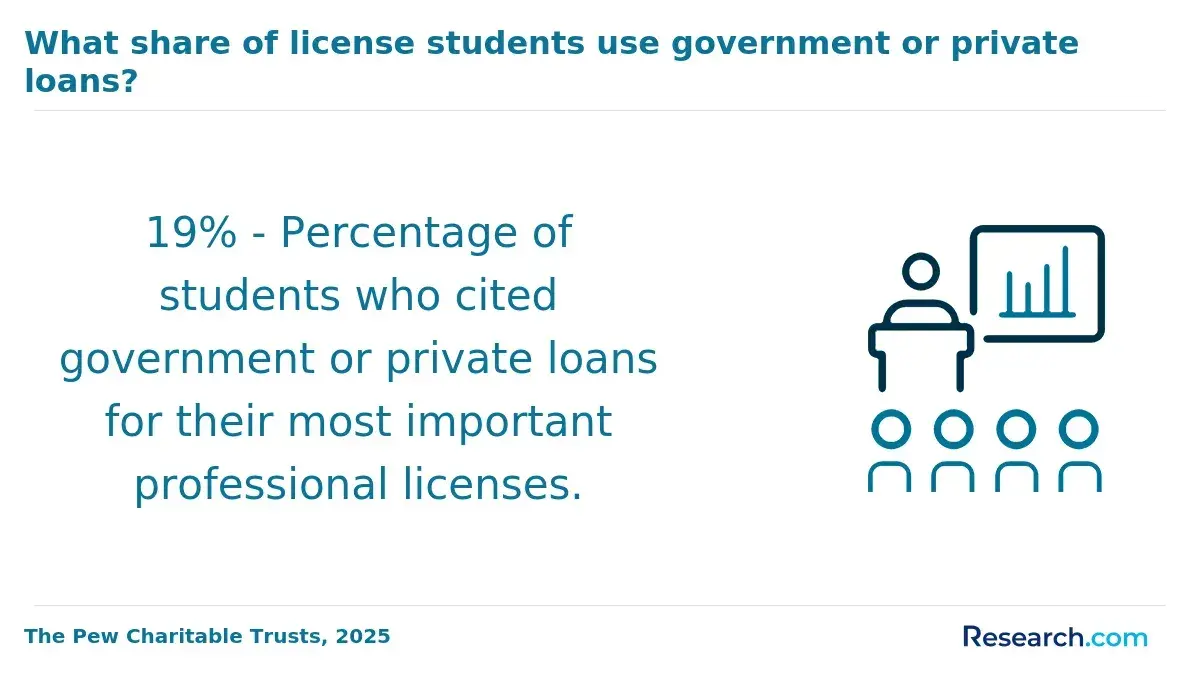
Financial aid options for online professional writing bachelor's degrees vary depending on whether an institution is regionally or nationally accredited and its participation in federal and state aid programs. Around 84% of full-time undergraduate students in the U.S. recently received some type of financial assistance, emphasizing the importance of understanding eligibility differences. Here is a comparison of how financial aid applies to both accreditation types:
- Pell Grants: These grants are broadly available to students enrolled at regionally accredited schools, while many nationally accredited institutions face restrictions since fewer of their accrediting agencies qualify for federal funding.
- Federal Direct Loans: Primarily accessible through regionally accredited colleges, some nationally accredited schools can also offer these loans if recognized by the U.S. Department of Education, but availability tends to be more limited.
- State Aid: Most state grant and scholarship programs favor regionally accredited institutions due to established quality criteria. Students attending nationally accredited schools should check state-specific policies to confirm eligibility.
- Private Scholarships: These awards are generally offered based on merit or program focus and usually do not depend on the school's accreditation status, making them accessible to students at either accreditation type.
- Employer Tuition Reimbursement: Eligibility for employer assistance often depends on the employer's own rules rather than the college's accreditation, allowing flexibility for students regardless of institutional status.
Can I Transfer Credits From a Nationally Accredited to a Regionally Accredited Online Professional Writing Bachelor's Degree?
Transferring credits from a nationally accredited to a regionally accredited online professional writing bachelor's degree can be complex due to differing standards and policies. Institutions with regional accreditation often require detailed course descriptions to assess whether the coursework meets their academic criteria and aligns with their curriculum requirements. Course equivalency, including content and credit hours, plays a crucial role in determining if credits are accepted toward core degree requirements or only as electives. A common trend in higher education is that credits from regionally accredited schools tend to transfer more smoothly among peers than those from nationally accredited institutions, reflecting the broader acceptance of regional accreditation as a marker of academic rigor. Ultimately, transfer success depends on each institution's policies and how well the previous coursework matches the receiving school's standards.
When I spoke with a student currently enrolled in an online professional writing bachelor's degree, he described the transfer process as "frustrating but manageable." He shared that gathering syllabi and course descriptions took time, and he had to advocate persistently with the registrar's office to explain how his prior courses matched the new program. "It was disappointing to learn that some credits could only count as electives, not core classes," he said, but he appreciated that transparency early on. He advised future transfer students to stay organized and patient throughout the review process, emphasizing that clear communication with the institution is key to improving transfer outcomes.
Does Accreditation Type Affect Job Opportunities After an Online Professional Writing Bachelor's Degree?
Accreditation type can significantly influence employer perceptions of online professional writing bachelor's degrees, depending on industry standards and hiring practices. According to a survey by the National Association of Colleges and Employers, more than 85% of employers show a preference for candidates holding degrees from regionally accredited institutions. This trend shapes how degrees are evaluated in various professional writing careers, highlighting the impact of regional versus national accreditation on professional writing careers.
- Employer Perception: Regional accreditation is often viewed as a marker of rigorous academic standards and well-rounded education, making candidates more attractive to traditional employers. National accreditation is legitimate but sometimes linked with specialized or vocational programs, which may affect perceptions of academic quality.
- Industry Expectations: Fields valuing comprehensive liberal arts education typically favor regionally accredited degrees, while sectors emphasizing specific applied skills might be more open to nationally accredited credentials, especially when combined with relevant experience.
- Hiring Filters: Many companies use degree accreditation type as an initial filter in applicant tracking systems, with regional accreditation serving as a baseline for candidate consideration in competitive markets.
- Role-Specific Requirements: Positions that demand strong writing fundamentals and critical thinking skills usually prioritize graduates from regionally accredited programs. However, candidates from nationally accredited schools with robust portfolios or freelance work can also secure significant opportunities.
Ultimately, accreditation type is just one factor influencing job opportunities after an online professional writing bachelor's degree. Prospective students should carefully research employer priorities within their intended fields. Those seeking advice on degrees that balance career flexibility and academic rigor may benefit from resources like degrees for stay at home moms, which discuss options accommodating diverse life circumstances.
Will Accreditation Affect Eligibility for Advanced Degrees After an Online Professional Writing Bachelor's Degree?
Accreditation significantly influences eligibility and admissions considerations for advanced degree programs after earning an online professional writing bachelor's degree. About 70% of graduate programs in the U.S. prefer or require degrees from regionally accredited institutions, reflecting confidence in their academic standards and credit legitimacy.
- Admissions Recognition: Graduate schools generally favor regionally accredited degrees, as these are widely recognized for maintaining rigorous academic quality. Degrees from nationally accredited schools may face more scrutiny, which can affect acceptance into master's or doctoral programs.
- Credit Transfer: Many regionally accredited institutions accept transfer credits only from other regionally accredited schools, limiting seamless credit transfer for graduates from nationally accredited programs. This can complicate application processes or extend time to degree completion.
- Institutional Policies: Policies vary across graduate programs; some may evaluate nationally accredited degrees on a case-by-case basis, requiring additional documentation or assessments before granting admission.
- Curricular Requirements: Certain graduate programs expect prerequisite coursework that some nationally accredited professional writing bachelor's degrees might not fully satisfy, potentially requiring supplemental courses before admission.
Students aiming for advanced degrees should carefully weigh the impact of regional accreditation on graduate school acceptance. This consideration helps ensure a smoother academic progression and clearer credit transfer pathways. For prospective students exploring flexible educational options, programs such as a 2-year computer science degree online offer alternate accelerated pathways alongside traditional professional writing degrees.
How Do I Choose Between Regional vs National Accreditation for an Online Professional Writing Bachelor's Degree?
When deciding between regional and national accreditation for an online professional writing bachelor's degree, students should weigh factors like institutional credibility, transferability of credits, and alignment with academic goals. Regional accreditation is typically seen as more prestigious in U.S. education, facilitating smoother credit transfers and stronger acceptance for graduate programs. In contrast, national accreditation often focuses on career-driven curricula and can offer accelerated program options but may face restrictions in credit recognition and some employer preferences. Nearly two-thirds of prospective students lack clear understanding of these accreditation differences, which can significantly influence education and career pathways. Considering program flexibility alongside future plans ensures the chosen accreditation supports both immediate educational needs and long-term ambitions.
Evaluating the accreditation status begins with verifying official listings from both the institution and recognized accrediting agencies. Students should carefully examine credit transfer policies, especially if they intend to continue education elsewhere or switch programs. Understanding how accreditation impacts acceptance by graduate schools or employers is vital for informed decision-making. Aligning the choice with long-term academic or professional goals helps avoid potential obstacles in career progression or further study. Proactive research and consultation with admissions counselors can clarify which accreditation type best suits individual priorities and expectations.
What Graduates Say About Regional vs National Accreditation for Online Professional Writing Bachelor's Degrees
- Jireh: "Choosing a regionally accredited online professional writing bachelor's program was crucial for me because I wanted assurance that my degree would be recognized by top employers nationwide. The flexible schedule allowed me to balance work and study, though I had to stay disciplined without face-to-face interaction. Ultimately, the regional accreditation has opened doors in competitive publishing markets, making the effort worthwhile."
- Henrik: "Reflecting on my decision to enroll in a nationally accredited online professional writing bachelor's program, I appreciated the program's adaptability and career-focused curriculum. Although regional accreditation sometimes carries more prestige, the national accreditation suited my needs with a faster track and specialized courses. This degree has given me the confidence and credentials to advance in corporate communications."
- Weston: "As a recent graduate of a regionally accredited online professional writing bachelor's program, I valued the comprehensive exposure to different writing styles and rigorous academic standards. Navigating the challenges of remote learning was easier knowing the accreditation guaranteed quality education. This degree has significantly boosted my credibility as a freelance writer and content strategist in a competitive industry."
Other Things You Should Know About Professional Writing Degrees
Credits from nationally accredited online professional writing programs are often accepted by employers, especially within industries that prioritize specialized skills over institutional prestige. However, some employers, particularly in traditional sectors or academia, may prefer candidates whose degrees come from regionally accredited institutions. It's important for students to research employer expectations in their target job market before selecting a program based on accreditation.
Many employers are aware of the difference between regional and national accreditation in professional writing degrees, with regional accreditation generally carrying more weight. Regional accreditation is widely recognized as a sign of rigorous academic standards, which can influence hiring decisions. Nonetheless, in fields like professional writing, demonstrated skills and portfolio work often weigh heavily alongside accreditation status.
Accreditation does affect the transferability of credits; regionally accredited online professional writing programs tend to have more flexible policies for accepting transfer credits. Credits from nationally accredited schools may face limitations when transferring to regionally accredited programs. Students planning to switch schools or pursue further education should verify transfer policies tied to a program's accreditation type.
References
- Regionally Accredited Online Colleges: What You Need to Know | Tiffin University https://go.tiffin.edu/blog/regionally-accredited-online-colleges-what-you-need-to-know/
- How to Understand Accreditation and Choose the Right School https://cie.walshcollege.edu/2022/03/21/how-to-understand-accreditation-and-choose-the-right-school/
- Why it Matters https://ps.sckans.edu/news/view/109/
- When to Consider Regional Vs. National Accreditation https://www.onlineu.com/resources/college-planning/regional-vs-institutional-accreditation
- A Guide to Worldwide Recognized Accrediting Agencies https://www.qahe.org/article/a-guide-to-worldwide-recognized-accrediting-agencies/
- Regional vs National Accreditation: What This Means for You https://www.uopeople.edu/blog/regional-vs-national-accreditation-whats-the-difference/
- 2025 Best Online Professional Writing Degrees [Bachelor's Guide] https://www.degreeplanet.com/professional-writing-degree-online/
- Regional Accreditation vs National: Understanding Key Differences and Benefits - The Scholarship System https://thescholarshipsystem.com/blog-for-students-families/regional-accreditation-vs-national-understanding-key-differences-and-benefits/
- Regional vs. National Accreditation (Employer POV) https://talk.collegeconfidential.com/t/regional-vs-national-accreditation-employer-pov/1651086
- UNE Accreditation: Regional vs. National https://online.une.edu/blog/regional-vs-national-accreditation-which-is-better/