2027 Online Professional Writing Bachelor's Degree Programs for Adult Learners Returning to School

Co-Founder and Chief Data Scientist
Returning to school as an adult learner often means balancing work, family, and education, which can make attending traditional classes challenging. Many adults seek online professional writing bachelor's degree programs that offer the flexibility needed to manage these responsibilities. According to the National Center for Education Statistics, nearly 40% of undergraduate students in online programs are aged 25 or older, highlighting the growing demand among adult learners. This article explores various online professional writing bachelor's degree programs designed for adults and provides insights on how these programs can support career advancement and convenient learning schedules.
Key Benefits of Online Professional Writing Bachelor's Degree Programs for Adult Learners Returning to School
- Flexible scheduling allows working adults to balance coursework with job and family commitments, increasing degree completion rates by over 40% among online learners aged 25 and older.
- Programs emphasize practical skills in digital communication, content strategy, and editing, directly enhancing career advancement and employability in competitive writing fields.
- Online formats facilitate networking with professionals and peers nationwide, fostering connections that can lead to mentorships and job opportunities in various industries.
Who Qualifies as an Adult Learner in an Online Professional Writing Bachelor's Degree?
Adults pursuing higher education through online courses often juggle responsibilities beyond those typical of younger students. These nontraditional learners, aged beyond the traditional college range of 18 to 24, make up nearly 40% of all undergraduate online course enrollments according to the National Center for Education Statistics. Their presence reflects a growing demand for flexible educational pathways. Recognizing the variety of adult learners helps clarify who typically qualifies for online professional writing bachelor's degree programs.
- Working Professionals: These individuals seek to advance existing careers or transition into new sectors by developing strong writing and communication skills valued across industries. Their eligibility often aligns with balancing job commitments and education simultaneously.
- Career Changers: Adults moving away from previous professions often pursue degrees in professional writing to enter fields like marketing, publishing, or corporate communications. Their backgrounds vary, but a shared goal is acquiring expertise suited to new career directions.
- Returning Students: Many adults resume education after a significant break, addressing personal or professional circumstances that paused prior studies. Flexible program structures frequently accommodate these returning adult students admission requirements for professional writing programs.
- Military Veterans and Service Members: These learners leverage online degrees as preparation for civilian careers that demand versatile writing abilities, utilizing flexible formats to balance military obligations and study.
- Parents and Caregivers: Managing family duties alongside education requires adaptable schedules, making online professional writing programs an ideal fit. This group underscores the need for access to online options suited to adult learners eligibility for online professional writing degrees.
For adult learners seeking a quickest EdD program or other accelerated pathways, understanding these categories facilitates informed decisions about enrollment and program choice.
What Are the Admission Requirements for an Online Professional Writing Bachelor's Degree for Adult Learners?
Admission requirements for an online professional writing bachelor's degree are tailored to accommodate adult learners who often follow nontraditional educational paths. These criteria balance flexibility with the need to confirm academic readiness. Understanding these requirements helps prospective students prepare a strong application and facilitates a smoother enrollment process.
Common admission expectations for adult learners include the following:
- Proof of Prior Education: Applicants typically must provide evidence of completed secondary education, such as a high school diploma or GED. Many programs also recognize undergraduate coursework or college transcripts, which align with transfer and work experience policies for adult learners.
- Completed Application Forms: These forms collect personal details and educational background information. Some programs request a brief essay or statement about the applicant's motivation for returning to education and choosing a professional writing focus.
- Academic Transcripts: Official transcripts from all previously attended institutions are essential. Schools use these documents to assess academic performance and ensure candidates are prepared for the rigor of upper-level or specialized coursework.
- Online Learning Readiness: Because delivery is virtual, many programs evaluate applicants' comfort with technology and ability to study independently. This might involve completing an orientation module or submitting a written statement demonstrating self-motivation.
Adult learners seeking flexible online education can benefit from understanding how transfer and work experience policies for adult learners integrate into these admission criteria. For those interested in related fields, exploring options like engineering degrees online also highlights the evolving landscape of accessible education designed for working adults.
2026 Update: Portfolio and Writing Technology Readiness
For 2026, this guide adds a closer look at how online professional writing programs help adult learners build practical writing samples and use current workplace tools before graduation.
- Whether courses produce portfolio-ready work such as proposals, web content, reports, editing samples, or technical documents.
- How often students receive detailed instructor feedback and revision opportunities, not just final grades.
- Whether the program includes collaborative writing, content management, document design, or editing software used in professional settings.
- If there is a capstone, internship, client project, or applied writing course that can support a career change or promotion.
- How the program teaches ethical source use, accessibility, audience analysis, and responsible use of writing technologies.
- Whether adult learners can tailor assignments toward their current industry, such as healthcare, business, education, or public service.
Checking these details helps returning students choose a program that builds usable skills and evidence of their writing ability, not just credits toward a degree.
Do Adult Learners Need SAT or ACT for an Online Professional Writing Bachelor's Degree?
Most online bachelor's degree programs in professional writing designed for adult learners do not require SAT or ACT scores for admission. Instead, admissions committees primarily evaluate applicants based on previous academic records and overall readiness for college-level work. In recent years, about 65% of U.S. colleges have adopted test-optional policies, reflecting a shift toward more flexible admissions criteria that better serve nontraditional students. These policies help remove barriers for adults returning to education by valuing professional experience, prior coursework, and other qualifications beyond standardized tests, which are often less predictive of success for learners with diverse backgrounds. Such an approach recognizes the unique circumstances of adult learners while promoting greater access to higher education opportunities.
When asked about the admissions process, an adult learner currently enrolled in an online professional writing bachelor's degree program described feeling relieved that submitting SAT or ACT scores was not a hurdle. He shared that returning to school after years in the workforce felt daunting, especially navigating application requirements. "It was reassuring that the school looked at my work history and college credits instead," he said, noting that this consideration made the process less stressful and more aligned with his real-life experience. He emphasized that this admissions approach allowed him to focus on preparing for the coursework rather than worrying about standardized tests, which he hadn't taken since high school decades ago.
How Flexible Are Online Professional Writing Bachelor's Degree Programs for Adult Learners?
Flexibility is essential for adult learners pursuing an online professional writing bachelor's degree, as it helps them juggle work, family, and education. In fact, 78% of adult students select online programs for their adaptable scheduling options, which contribute to maintaining a healthy work-life balance and reducing stress. The following features highlight how these programs accommodate returning adult students.
- Asynchronous Learning: Students can engage with lectures and assignments whenever their schedule permits, making it easier to study outside typical hours and around personal commitments.
- Part-Time Enrollment: Many online professional writing bachelor's degree programs offer part-time options, allowing learners to manage fewer courses per term and better integrate school with other responsibilities.
- Accelerated Pacing: For motivated individuals, some programs provide faster completion tracks, helping adult students reach career milestones sooner without sacrificing quality.
- Self-Paced Coursework: This flexibility lets learners control their study speed, allowing extra time for challenging topics while staying on track.
- 24/7 Access to Materials: Continuous access to readings, recordings, and discussion forums supports ongoing learning at any time, accommodating diverse schedules.
For those comparing flexible options, exploring online cybersecurity degree programs can provide additional insights into how adaptable online education can be across different fields.
Can I Transfer Previous College Credits to an Online Professional Writing Bachelor's Degree?
Many online bachelor's degree programs in professional writing accept transfer credits, helping students shorten their path to graduation and avoid repeating coursework. Nearly 40% of undergraduates nationwide are transfer students, making credit acceptance an important factor for adult learners returning to school. Below are key points to consider when exploring credit transfer options.
- Coursework Evaluation: Institutions carefully review previously completed classes to ensure they align with the content and rigor of their professional writing curriculum. This assessment determines which credits count toward degree requirements.
- Credit Limits: Most programs cap the number of transferable credits, often between 30 and 90 hours. Knowing these limits is essential for planning how much of the degree remains to be completed at the new school.
- Relevance of Courses: Credits for classes like English composition, creative writing, rhetoric, or communication typically transfer more easily than unrelated subjects. Matching course content strengthens the chance of acceptance.
- Benefits for Adult Learners: Credit transfer can reduce time spent in school and lessen academic workload, which is crucial for those balancing work, family, and education. It also can boost motivation by recognizing past achievements.
An adult learner who completed an online professional writing bachelor's degree shared that transferring credits was both a hopeful and challenging part of her journey. She described the process as "a thorough review where not everything I expected made the cut," but appreciated how prior classes in writing and communication counted toward her degree. This recognition helped reduce stress and sped up her graduation timeline. She found that navigating credit transfer created clarity around what still needed to be accomplished, making her return to education feel purposeful and manageable.
Does Work Experience Count Toward an Online Professional Writing Bachelor's Degree?
Many online professional writing bachelor's degree programs offer opportunities for adult learners to receive academic credit for relevant work experience. According to a 2022 study by the Council for Adult and Experiential Learning, almost 75% of colleges in the U.S. accept some form of prior learning assessment to grant credit. Below are common ways these programs evaluate professional experience.
- Prior Learning Assessments: Schools compare a student's existing knowledge and skills gained through work against course objectives, which can reduce the number of classes needed to graduate.
- Portfolio Reviews: Students submit collections of their professional writing samples for faculty to assess. This process helps verify the quality and relevance of their work to academic standards.
- Competency-Based Evaluations: Programs may assess mastery of specific writing or communication skills directly, allowing experienced learners to demonstrate proficiency without traditional coursework.
- Standardized Exams: Some institutions offer credit through tests such as CLEP or DSST, which evaluate knowledge acquired through professional experience and practical application.
Recognizing work experience validates the skills adult learners already possess and supports flexible, personalized paths to degree completion. For professionals in fields like technical communication, content strategy, or grant writing, leveraging prior experience can make online programs more practical and relevant to their career goals.
How Much Does an Online Professional Writing Bachelor's Degree Cost for Adult Learners?
The total cost of earning an online professional writing bachelor's degree for adult learners varies based on program structure, pacing options, and institutional policies. On average, the tuition per credit hour for online undergraduate programs is about $350, though this figure can fluctuate depending on the provider and delivery format. These variables contribute to a range that typically spans from $15,000 to over $40,000 for the entire degree. Key cost factors include the following:
- Tuition Per Credit: This usually represents the largest portion of expenses. The overall tuition depends on the number of credits required and the rate charged per credit, which can differ widely among programs.
- Technology Fees: Many programs impose additional fees to maintain and support the online learning platforms and digital infrastructure used throughout the courses.
- Course Materials: Required books, software, and subscriptions add to the total cost. Specialized writing tools or resources may be necessary depending on the curriculum.
- Application and Enrollment Fees: These are often nonrecurring charges covering administrative processes and are paid upfront when applying or enrolling.
- Exam and Proctoring Fees: Some online programs require supervised exams that incur extra costs, adding to the financial considerations for adult learners.
Adult learners returning to school should carefully evaluate these expenses alongside flexible pacing options, which might influence tuition totals by affecting credit loads each term. Thorough cost analysis can lead to better-informed decisions about advancing education in professional writing.
Are There Financial Aid Options for Adult Learners in Online Professional Writing Bachelor's Degrees?
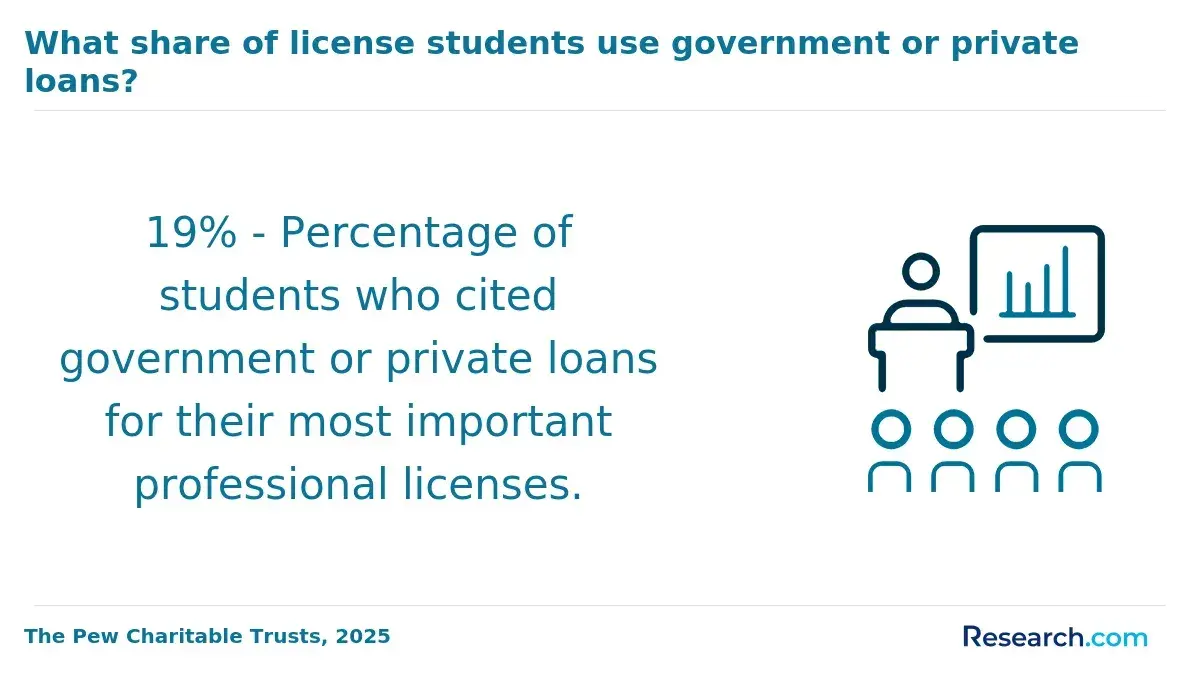
Many adult learners pursuing online professional writing bachelor's degrees have access to financial aid designed to help manage education costs. According to the National Center for Education Statistics, about 85% of undergraduates receive some form of financial aid, highlighting its widespread availability. These options can be crucial for students balancing work, family, and school commitments. Common types of financial support include:
- Grants: These provide money that doesn't need to be repaid and are often awarded based on financial need. Grants may come from federal or state sources and can significantly reduce tuition expenses for returning adult students in professional writing programs.
- Loans: Federal and private student loans offer flexibility with repayment plans but require borrowing funds that accumulate interest. They are a common choice for learners who need more substantial financial assistance beyond grants and scholarships.
- Employer Tuition Assistance: Many employers support continuing education through tuition reimbursement or direct payment. This support helps working professionals reduce out-of-pocket costs while advancing their careers.
- Payment Plans: Offered by many programs, these allow students to spread out tuition payments over time. Payment plans ease budgeting concerns without the need for additional debt.
Overall, scholarships and grants for returning adult students in professional writing programs combine with loans, employer assistance, and payment plans to make online education more accessible. For those exploring options related to affordability, resources like the most affordable master's in counseling highlight how financial aid can support diverse learners in higher education.
Do Employers Value Online Professional Writing Bachelor's Degrees for Adult Learners?
Employer attitudes toward online professional writing bachelor's degrees have improved notably over the past decade, reflecting increased acceptance of online education among hiring managers. About 70% of employers now regard online degrees from accredited institutions as equivalent in quality to traditional ones, signaling a crucial shift. This change aligns with the rise of skills-based hiring, where abilities such as effective communication and critical thinking are prioritized over institutional prestige. The value of online professional writing degrees for adult learners is further highlighted as these programs often emphasize real-world applications that meet workplace demands.
Several factors shape employer perceptions, with accreditation playing a critical role in establishing program credibility. Employers look for coursework relevant to current industry needs, including content creation and strategic communication, which enhances career advancement with an online professional writing bachelor's degree. Additionally, adult learners who combine their education with meaningful work experience tend to stand out in competitive job markets. Professionals seeking flexible options may consider online colleges that accept low GPA, expanding access to quality programs despite previous academic challenges.
How Do I Choose the Best Online Professional Writing Bachelor's Degree Program for Adult Learners?
Selecting an online professional writing bachelor's degree program is a major decision for adults managing work and personal duties alongside education. Studies show that 70% of online students value program flexibility as their primary factor when choosing a degree. Considering key elements can help you find a program suited to your unique needs.
- Accreditation: Verify that the program has regional or national accreditation to ensure educational quality recognized by employers and institutions.
- Program Flexibility: Look for options such as asynchronous courses, part-time study, or extended timelines that accommodate busy schedules without compromising progress.
- Curriculum Relevance: Choose programs covering a wide range of writing styles, digital content creation, and communication strategies to align with current job market demands.
- Student Support: Access to tutoring, career services, and technical assistance can enhance your learning experience and increase chances of success.
- Tuition and Affordability: Compare total costs and available financial aid or scholarships to find a program that fits your budget and long-term investment goals.
What Graduates Say About Online Professional Writing Bachelor's Degree Programs for Adult Learners Returning to School
- Jireh: "After spending years in a non-writing related job, I realized I needed a change that aligned with my passion for storytelling. Returning to school as an adult allowed me to pursue an online professional writing bachelor's degree that fit my busy schedule. Earning this degree has truly enhanced my ability to craft compelling content and opened doors in the communications field that I never thought possible."
- Henrik: "Deciding to go back to school later in life was a thoughtful and reflective choice for me, driven by the desire to formalize skills I had developed over the years. The flexibility of the online professional writing program made balancing work, family, and study achievable. This degree sharpened my editorial skills and gave me credibility that boosted my career growth in publishing."
- Weston: "As a professional aiming to pivot into a writing-focused role, I chose an online professional writing bachelor's degree because it offered practical coursework relevant to today's digital landscape. Returning to education was challenging, but the program's structure and support helped me succeed. Now, I'm confidently contributing to my company's marketing strategies with polished writing and communication skills."
Other Things You Should Know About Professional Writing Degrees
Many online professional writing programs in 2027 offer dedicated career services tailored for adult learners. These services typically include resume workshops, interview preparation, networking opportunities, and access to job boards. Programs may also offer personalized career counseling to help adult learners leverage their prior experience and transition smoothly into writing-related careers.
Yes, reputable online professional writing programs are accredited by regional or national accrediting bodies. Accreditation ensures that the curriculum meets academic standards and is recognized by employers. Adult learners should verify the program's accreditation to ensure their degree holds value in the job market.
Online programs often provide support services such as academic advising, tutoring, technical assistance, and mental health resources specifically designed for adult learners. These services accommodate busy schedules and balance between work, family, and study commitments. Efficient support systems contribute to higher retention and graduation rates for adult students.
References
- The Advantages of Online Learning for Working Professionals https://www.tuw.edu/school-news/advantages-of-online-learning/
- Which Colleges Give Credit for Work Experience- Athens State https://www.athens.edu/online-degree-completion-programs-working-adults/what-colleges-give-credit-for-work-experience/
- How to Go Back to School as an Adult: The Ultimate Guide (2026) | Straighterline https://www.straighterline.com/blog/where-start-want-to-go-back-to-school
- Most Affordable Online Creative Writing Degrees | AffordableCollegesOnline.org https://www.affordablecollegesonline.org/degrees/best-online-bachelors-in-creative-writing/
- Professional Writing https://apply.universityadmission.eu/courses/course/27912-ma-professional-writing
- Finish the degree you started (without starting over) https://news.newmanu.edu/finish-the-degree-you-started-without-starting-over/
- What Are the Benefits of Online Education for Adult Learners? https://straighterline.com/blog/self-paced-what-are-the-benefits-of-online-education-for-adult-learners
- How to Transfer Credits and Maximize What You’ve Already Done - ReUp Education https://reupeducation.com/blog/how-to-transfer-credits-and-maximize-what-youve-already-done/
- How to Choose the Right Degree Program: Tips for Adult Learners https://www.inkl.com/news/how-to-choose-the-right-degree-program-tips-for-adult-learners
- How to Go Back to School as an Adult https://www.callutheran.edu/programs/articles/how-to-go-back-to-school-as-an-adult/