2027 Radiation Oncology Nurse Workday: Patient Mix, Responsibilities, and Teamwork
Audited and Verified:
Our Editorial and Data Verification Process
Research.com uses government datasets, official education statistics and primary institutional information to support its career and degree guides. Our review process checks factual accuracy, occupational definitions, source dates and the requirements associated with the credentials discussed.
How This Article Was Fact-Checked
Our editorial team verifies salary estimates, employment projections, education requirements and program information against original data providers and official organizations. Salary figures are checked against the relevant occupational definitions and reporting periods. Information about licensure, accreditation and required in-person training is reviewed separately.
Fact-checked and verified on:

Co-Founder and Chief Data Scientist
Radiation oncology nursing is often outpatient work, but a predictable appointment schedule does not mean predictable patient needs. A nurse may teach someone starting treatment, assess worsening symptoms in another patient, and coordinate urgent evaluation before the next appointment. If you are a nursing student, new RN, or experienced nurse considering this specialty, understanding that rhythm matters more than choosing a degree by name.
This guide explains the workday, patient mix, team relationships, preparation, and employment trade-offs so you can judge whether the role fits your skills and career goals.
Key Things You Should Know
- Radiation oncology RNs assess symptoms, teach patients, coordinate care, and escalate concerns; radiation therapists deliver the prescribed external-beam treatments.
- External-beam radiation often brings patients to a clinic on weekdays for multiple visits, while shorter regimens and brachytherapy create different nursing workflows.
- An active RN license is the essential nursing credential. An ADN or BSN can provide a route to RN licensure; oncology certification and specialty competence come later and do not replace orientation.
What does a radiation oncology nurse do during a typical workday?
In an outpatient radiation department, a nurse usually works across scheduled visits rather than carrying a continuous inpatient assignment. The day may begin with reviewing treatment schedules, messages, laboratory or clinical information relevant to planned care, and patients flagged for assessment. The nurse then moves between new-patient education, symptom checks, telephone triage, documentation, and follow-up with the care team.
During a treatment course, nursing assessments focus on the patient's symptoms, functioning, medications, hydration and nutrition concerns, and ability to follow the care plan. The nurse communicates changes that need a clinician's evaluation rather than independently changing a radiation prescription. The workload can shift quickly when a patient reports severe pain, difficulty swallowing, or another concerning symptom.
The setting changes the day. A brachytherapy service may involve procedure preparation and recovery; a hospital-based service may see patients with higher acuity. Ask about the actual distribution of scheduled visits, triage, procedures, and after-hours coverage—not just the job title. For an already-licensed RN, online RN-to-BSN programs with applied assignments may support academic advancement, but assignments cannot substitute for supervised specialty onboarding.
Which patients and cancer treatments do radiation oncology nurses commonly manage?
Patients may have breast, prostate, head and neck, lung, gynecologic, or other cancers, depending on the center. Some receive radiation with curative intent; others receive it to relieve symptoms. Nursing needs depend on the treatment site, technique, other cancer therapies, and the patient's health—not simply the cancer diagnosis.
This comparison shows why two radiation oncology jobs can have very different patient contact and assessment demands:
| Treatment setting | Typical nursing emphasis | Workday implication |
| External-beam radiation | Education, symptom monitoring, and triage during a course of visits | Repeated contact makes changes over time easier to identify |
| Stereotactic treatment | Preparation, focused education, and follow-up around a shorter course | Fewer visits can concentrate teaching and assessment |
| Brachytherapy | Procedure preparation, monitoring, recovery, and discharge education, as applicable | Duties depend heavily on the procedure and facility |
| Concurrent systemic therapy | Coordination of symptoms, appointments, and treatment-related concerns | The nurse must know which team is managing each issue |
Emotional distress may also affect a patient's ability to cope with treatment. A radiation oncology RN screens, supports, and refers within the team; the role is not the same as psychiatric advanced practice. Nurses interested primarily in that separate path can compare accelerated PMHNP master's admissions and requirements rather than assuming oncology experience qualifies them for it.
How do radiation oncology nurses collaborate with the cancer care team?
Radiation oncologists determine the radiation treatment plan and evaluate medical concerns within their role. Radiation therapists position patients and deliver prescribed external-beam treatments. Radiation oncology nurses assess nursing needs, educate, document, coordinate, and bring changes to the appropriate clinician's attention. Medical oncologists and infusion nurses may manage concurrent drug treatment, while dietitians, social workers, rehabilitation professionals, and palliative care clinicians address other needs.
Good teamwork depends on a clear handoff: what changed, when it changed, how it affects the patient, and who will follow up. A nurse may, for example, alert the radiation oncologist to worsening swallowing symptoms and help connect the patient with nutrition support. The nurse does not need an NP credential to perform RN duties, and an NP's preparation does not replace radiation-specific training. If an RN instead intends to become a family NP, family NP programs with clinical placement assistance address a different educational decision, including access to required supervised experiences.
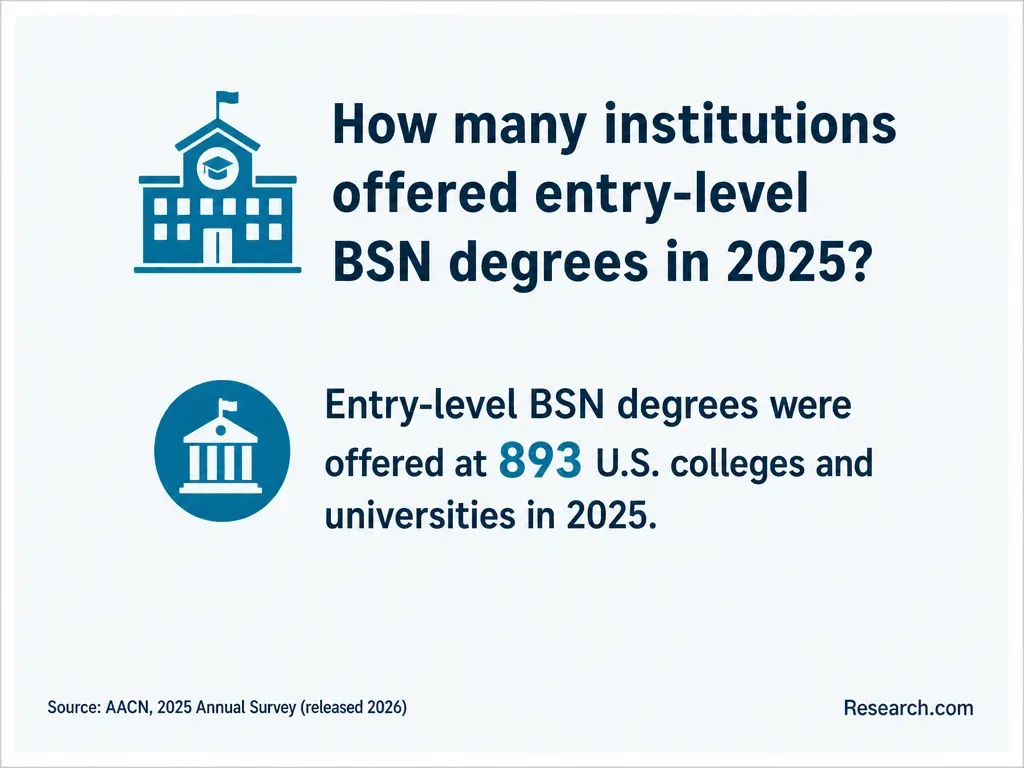
The usual entry credential is an active RN license, not a radiation-oncology-specific degree. A prelicensure associate degree in nursing or bachelor of science in nursing can lead toward RN examination eligibility when the program meets applicable requirements. Employers may prefer a BSN, particularly for some hospital positions, but a BSN alone does not establish specialty competence.
For a new nurse, the more consequential question may be whether the employer offers a structured transition into oncology: precepted assessments, symptom-triage training, clear escalation pathways, and competency checks. An experienced oncology, ambulatory, or acute care RN may bring useful skills but still needs orientation to the radiation service's treatments and workflows.
Career changers with a prior non-nursing degree can compare eligible prelicensure routes rather than assume they need a graduate degree. Direct-entry MSN timelines for second-career students provide one comparison point, but applicants must confirm that a particular program prepares them for initial RN licensure. If the goal is this RN job, a faster or less costly qualifying route may be preferable.
Complete an eligible prelicensure nursing program, meet the relevant state board of nursing's requirements, pass the NCLEX-RN, and obtain an RN license before practicing as an RN. Graduation, examination eligibility, passing the examination, and receiving a license are separate steps. An already-licensed RN transitioning from another specialty does not need a second RN license solely because the job is in radiation oncology, though practice authorization must cover the work location.
The Oncology Nursing Certification Corporation's Oncology Certified Nurse credential is a professional specialty certification for eligible RNs, not a radiation-oncology practice license. Its eligibility and renewal requirements should be checked directly before planning an application. Employers may value certification, but they still assess local competencies and orient nurses to their equipment, policies, and patient population.
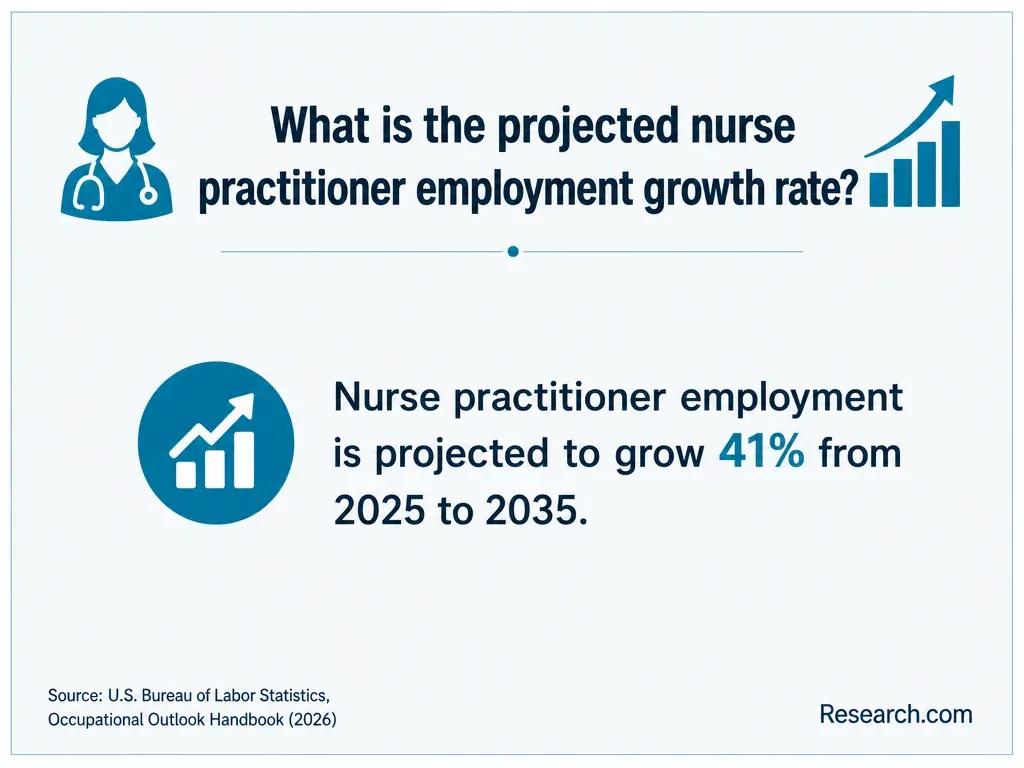
Do not confuse an oncology RN credential with an advanced practice qualification. Short online family nurse practitioner certificates are designed for a different role and do not certify an RN in radiation oncology.
Start with the foundations used in any RN role: anatomy and physiology, pathophysiology, pharmacology, assessment, communication, and clinical judgment. Oncology-relevant learning adds cancer biology, radiation-treatment basics, symptom assessment, supportive care, patient teaching, and safe escalation. Students should understand how treatment site and concurrent therapies can change what needs monitoring without treating a classroom example as a patient-specific protocol.
Clinical rotations or oncology electives can help a student observe team communication and patient education, but they may not include substantial radiation-department experience. After hiring, supervised practice and employer competency evaluation connect that knowledge to actual workflows. An MSN or DNP is not required to learn these RN responsibilities; DNP program options beyond new clinical licensure serve different professional goals and should not be mistaken for entry-level radiation oncology training.
Online coursework can be useful, but an initial RN pathway still requires the program's approved hands-on learning, which may include labs, simulation, and supervised clinical placements. Verify where those activities occur, who arranges placements, and whether the program meets the requirements relevant to your state. A postlicensure RN-to-BSN program serves nurses who already hold an RN license; it does not by itself provide initial RN preparation.
If you need a prelicensure program, compare its full admissions and attendance requirements rather than choosing on the word "online." Guides to admission requirements beyond TEAS and HESI can help frame questions, but each school sets its own criteria. For a working student, ask for the actual lab, clinical, and live-session schedule before assuming the format will fit a job.
There is no separate required radiation oncology nursing degree to price. A traditional ADN commonly takes about two academic years of nursing study, while a traditional BSN commonly takes about four years; prerequisites, admission timing, course sequencing, and part-time enrollment can extend either route. An RN moving into radiation oncology instead needs employer-specific orientation, whose length depends on prior experience and the service.
Compare the total cost to an RN license, not tuition alone. Request each program's tuition and mandatory-fee estimate, then account for books, equipment, background checks, clinical travel, examination and licensure costs, and earnings you may forgo. Ask a prospective employer whether it funds oncology education or certification and whether reimbursement requires continued employment.
A graduate program should not be added to this calculation unless it serves a separate career goal. For perspective, online PMHNP tuition and fee considerations concern advanced practice preparation, not a cost of becoming a radiation oncology RN.
The U.S. Bureau of Labor Statistics reports pay for the broader registered nurse occupation, not a separate national wage for radiation oncology nurses. An RN median therefore provides context, not a reliable estimate of what this specialty—or an individual graduate—will earn. Location, employer, experience, shift arrangements, and any procedure or on-call duties can matter more to a particular offer than the specialty title.
Compare written offers on base pay, expected hours, differential eligibility, benefits, certification support, and the cost of commuting or changing schedules. An outpatient role may appeal to a nurse seeking a different work pattern, but a weekday schedule should not be assumed without checking coverage and on-call expectations. Likewise, 12-month family NP study schedules describe a separate education commitment; they do not establish that an NP credential will improve pay for an RN radiation oncology position.
What is the job outlook for radiation oncology nurses?
BLS employment projections cover registered nurses as an occupation rather than radiation oncology nursing as a distinct specialty. They cannot show how many positions a particular cancer center will open. Local hiring depends on treatment volume, staffing models, turnover, and whether the employer recruits new graduates or expects oncology experience.
To test your prospects, review local postings for degree preferences, experience requirements, certification expectations, and schedule details. Ask interviewers how long orientation lasts, who handles urgent symptom calls, and how nursing coverage works when the clinic is busy. If your actual goal is to diagnose and manage care as an advanced practice nurse, compare affordable online advanced practice nursing routes against that goal; an NP program is not necessary for an RN radiation oncology job.
Other Things You Should Know About Nursing
External-beam treatment is delivered by radiation therapists under controlled procedures; nurses do not remain in the treatment room during beam delivery. Exposure considerations differ for brachytherapy and other procedures, so follow the facility's radiation-safety training and policies.
Pregnancy does not automatically rule out the specialty. Duties, possible exposure, monitoring, and available accommodations depend on the work setting and applicable policies. Discuss the specific assignment with occupational health and the facility's radiation-safety personnel.
It can involve substantial time on your feet, helping patients move safely, and moving between clinic areas. The physical demands vary with procedure work, staffing, and the patient population; ask to see the actual job description.
Request an approved observation opportunity or speak with nurses in the department. Ask about patient relationships, symptom-triage volume, emotional support, orientation, and what happens when several patients need help at once.
- Role of the Oncology Nurse - Holland-Frei Cancer Medicine https://www.ncbi.nlm.nih.gov/books/NBK13570/
- Advanced Practitioners: Collaborators in Radiation Oncology | nih.gov https://pmc.ncbi.nlm.nih.gov/articles/PMC7668881/
- Basic Infection Control and Prevention Plan for Outpatient Oncology Settings | HAIs | CDC https://www.cdc.gov/healthcare-associated-infections/hcp/prevention-healthcare/outpatient-oncology.html
- Radiation Therapy Side Effects | National Cancer Institute (.gov) https://www.cancer.gov/about-cancer/treatment/types/radiation-therapy/side-effects
- Types of Radiation Therapy - SEER Training Modules https://training.seer.cancer.gov/treatment/radiation/radiation-types.html
- What to Expect During Radiation Therapy | MUSC Hollings Cancer Center https://hollingscancercenter.musc.edu/patient-care/cancer-treatment/radiation-therapy/what-to-expect
- Your Radiation Therapy Care Team | Stanford Med Education https://mededucation.stanford.edu/courses/having-radiation-therapy/lessons/your-radiation-therapy-experience-at-stanford-2/topic/your-care-team/
- Clinical Care Team | Vagelos College of Physicians and Surgeons https://www.vagelos.columbia.edu/departments-centers/radiation-oncology/patient-care/clinical-care-team
- What is chemoradiation? | UT MD Anderson https://www.mdanderson.org/cancerwise/what-is-chemoradiation.h00-159702279.html
- Foundational radiation oncology nursing | eviq.org.au https://education.eviq.org.au/getmedia/c01d19ed-8d6e-4d85-837c-cfc44ab26b48/Radiation-therapy-M3-workbook-interactive.pdf.aspx