2027 Questions to Ask Before Accepting a Pediatric ICU Nurse Position
Audited and Verified:
Our Editorial and Data Verification Process
Research.com uses government datasets, official education statistics and primary institutional information to support its career and degree guides. Our review process checks factual accuracy, occupational definitions, source dates and the requirements associated with the credentials discussed.
How This Article Was Fact-Checked
Our editorial team verifies salary estimates, employment projections, education requirements and program information against original data providers and official organizations. Salary figures are checked against the relevant occupational definitions and reporting periods. Information about licensure, accreditation and required in-person training is reviewed separately.
Fact-checked and verified on:

Co-Founder and Chief Data Scientist
A pediatric intensive care unit (PICU) offer can look appealing on paper while leaving the hardest parts of the job unclear. For a new graduate or an experienced RN changing specialties, the decision depends on more than pay: patient acuity, staffing, supervised training, and support during emergencies all affect whether you can practice safely and grow in the role. Use the questions below to compare the offer with the work you will actually do, identify gaps in your preparation, and get important commitments clarified before you accept.
Key Things You Should Know
- Ask for the unit's actual assignments—not just its target ratios—including when a child receives one-to-one nursing care and what happens when staffing falls short.
- Get the orientation plan in writing: its length, preceptor arrangements, competency checks, and criteria for taking an independent assignment matter more than a residency label.
- Compare total compensation against the schedule: clarify base pay, shift differentials, benefits, and whether a 12-hour shift routinely extends into overtime.
What does a pediatric ICU nurse do in a typical shift?
PICU nurses care for critically ill infants, children, and adolescents whose conditions may change quickly. Depending on the hospital, a shift can involve frequent assessments, medication and infusion checks, ventilator-related care, monitoring invasive lines, coordinating with respiratory therapists and physicians, documenting changes, and explaining care to families. The nurse must recognize deterioration, escalate concerns, and work within hospital policy and their demonstrated competencies.
Ask the manager which patients the unit commonly treats—such as children after complex surgery, with sepsis, or with respiratory failure—and which therapies new hires are expected to manage. Also ask whether the position includes admissions, transports, or rapid-response duties. A useful shadow shift, if offered, lets you observe workflow and team communication without treating one unusually quiet or busy day as representative.
Professionals who are interested in pediatric critical care but hold a non-nursing bachelor’s degree may review direct-entry MSN coursework and clinical requirements, which can show how prelicensure clinical hours and graduate coursework combine into one pathway toward RN licensure and an advanced nursing degree.
What qualifications are required for a pediatric ICU nurse position?
A PICU nurse position requires an active RN license in the state of practice or other applicable authorization. Graduation from a nursing program, passing the NCLEX-RN, and holding an active license are separate steps. Hospitals then set their own experience and hiring requirements; some hire new graduates into structured PICU programs, while others require prior pediatric, emergency, or critical care experience.
Ask which requirements must be met before the start date and which the hospital will provide after hiring. If you are moving from adult care, describe your transferable assessment, escalation, and high-acuity skills, but ask how the unit will teach pediatric-specific assessment, equipment, medication safeguards, and family communication. Prior ICU experience is valuable; it is not a substitute for observed PICU competency.
Readers who are not yet nurses and want to start with a shorter route to licensure may compare practical nursing entry pathways with flexible coursework, which can show how lecture formats, in-person labs, and supervised clinical hours fit together and which options the state board approves for LPN/LVN licensure.
How much do pediatric ICU nurses earn, and what benefits are included?
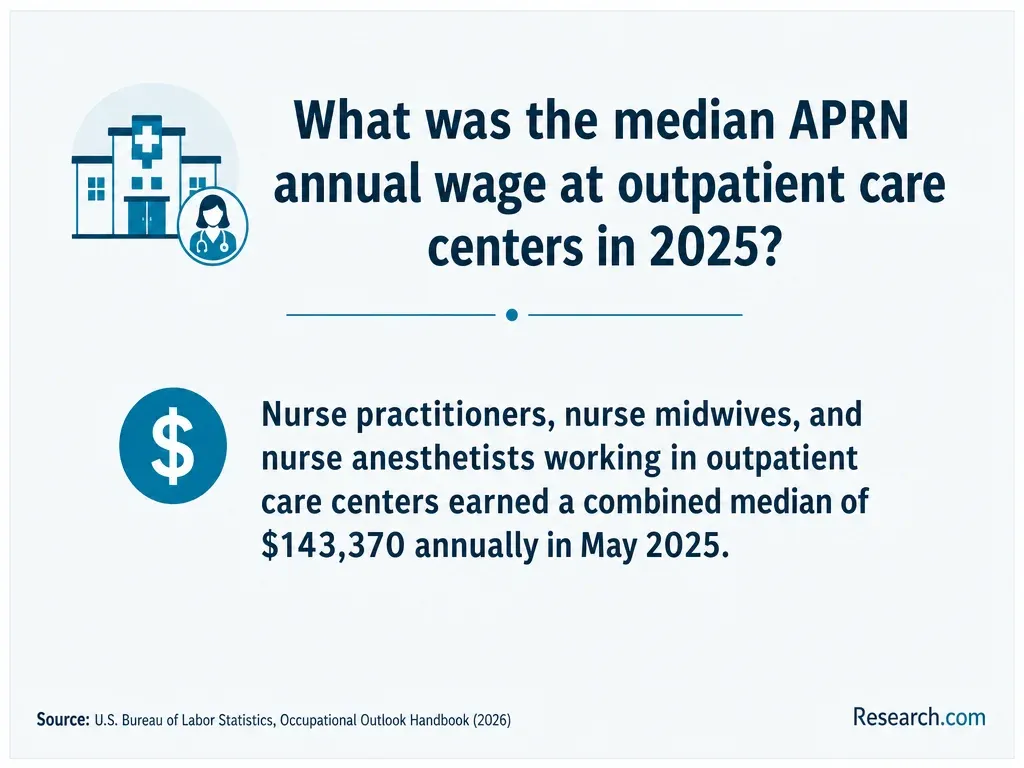
There is no single national PICU nurse pay rate. The U.S. Bureau of Labor Statistics reports wages for registered nurses, not a separate PICU occupation; an RN median therefore cannot predict your offer. Location, experience, employer, union agreement, and shift assignment can substantially change compensation.
Request a written breakdown of the hourly base rate, night and weekend differentials, overtime rules, on-call or callback pay, sign-on bonus conditions, and when each rate takes effect. Compare benefits you will actually use: health coverage and premiums, retirement contributions and vesting, paid leave, parental leave, disability coverage, and education assistance. A bonus may require repayment if you leave early, while a higher hourly rate may be less attractive if the schedule makes benefits or childcare difficult to use.
Readers who are planning a path into an accelerated nursing program may try understanding ABSN admission barriers, which can show how prerequisites, GPA expectations, and competitive application pools affect eligibility and why state board approval and accreditation should be verified before applying.
Ask whether the hospital accepts an ADN or diploma-prepared RN for this opening, prefers a BSN, or requires BSN completion within a stated period. Also ask whether that condition applies to your offer, what tuition assistance covers, and whether required coursework can fit the shift schedule. For an already-licensed RN, an online BSN completion clinical policies comparison can help frame questions about on-site requirements; a BSN completion program does not replace PICU orientation.
Clinical experience may matter more immediately than an additional degree. Ask which backgrounds the unit has successfully onboarded and how it assesses candidates from adult ICU, emergency, pediatric acute care, or other settings. If you hold an ADN and are considering graduate study later, MSN bridge options for ADN-prepared RNs are a separate career decision—not a shortcut to bedside PICU competence.
First clarify what the hospital means by "nursing program." A degree-granting nursing school, a new-graduate residency, and a unit orientation are different programs. If a degree is part of the offer, verify the school's institutional accreditation, the nursing program's applicable accreditation, and any relevant state board approval with the responsible organizations. Hospital employment does not establish a school's accreditation status.
If the employer advertises an accredited residency, ask for the accrediting organization, the exact program and site covered, and the current status. Accreditation of a residency is not a universal requirement for a good PICU orientation. For the training itself, ask for the curriculum, supervised clinical experiences, competency records, and who decides when a new nurse can take an assignment independently. Those details are more useful than a general claim of "comprehensive training."
Licensed practical nurses who hope to move toward RN practice and eventually pediatric critical care may review LPN-to-RN bridge duration and eligibility, which can show how prior coursework, clinical hours, and program pacing affect the timeline and which options the state board approves.
Ask for a credential list that separates prehire requirements from posthire deadlines. Employers may require Basic Life Support and Pediatric Advanced Life Support, with timing and accepted course providers specified by hospital policy. They may also require unit-specific training for equipment or therapies; completion of a course is not the same as validated bedside competency.
For experienced nurses, the Certified Pediatric Critical Care Nurse (CCRN) credential is a specialty certification awarded by AACN Certification Corporation, subject to its eligibility and practice-hour rules. Ask whether the hospital requires it, merely prefers it, or offers support to pursue it later. Confirm who pays for courses, exams, renewals, and time away from a scheduled shift. Neither specialty certification nor employer training replaces RN licensure or safe onboarding.
Readers who hope to work in pediatric critical care someday may start by planning a first nursing degree, which can show how practical nursing, associate degree, and bachelor’s programs differ in length, prerequisites, and clinical requirements, and why state board approval and accreditation should be verified before applying.
Request the orientation plan before signing. It should explain how long supervised practice is expected to last, whether you will have a consistent preceptor, how assignments progress in complexity, which skills require sign-off, and what happens if you need more time. Ask whether classroom and simulation sessions are paired with observed care of the patient types you will eventually manage.
New graduates should ask how the residency differs from unit orientation and whether either continues after they begin independent assignments. Experienced RNs changing specialties should ask for a pediatric-specific gap assessment rather than an automatic shortened orientation. Particularly useful questions are: "Who can I call for immediate help on nights?" and "Who reviews my readiness if my preceptor and I disagree?" A fixed orientation end date should not be mistaken for proof of independent readiness.
Readers who are planning to enter nursing without a required TEAS score may compare nursing schools with no TEAS score requirement, which can show how alternative admission criteria, prerequisites, and GPA expectations differ by program and why state board approval and accreditation should be verified before applying.
A stated nurse-to-patient ratio is only a starting point. One-to-one care may be needed for certain highly unstable patients or therapies; other assignments may involve more than one patient. Appropriate staffing depends on acuity, available support, nurse competencies, and hospital policy, not a single number applied to every child.
Ask for both the planned and usual actual staffing on days, nights, and weekends. Find out who determines assignments, how admissions and breaks are covered, whether a charge nurse routinely carries patients, and what happens when a nurse calls out. Ask how respiratory therapy, pharmacists, transport staff, and rapid-response resources are available overnight. If possible, speak with a bedside nurse about how the unit handles a sudden deterioration when every assigned nurse is occupied.
Readers who are still deciding where to begin in nursing may start by exploring nursing schools with attainable requirements, which can show how prerequisites, GPA expectations, and entrance criteria differ by program and why state board approval and accreditation should be verified before applying.
Confirm whether the offer is for days, nights, rotating shifts, or a particular weekend pattern—and whether the posted schedule is guaranteed. Ask how far ahead schedules appear, how holidays are assigned, whether a call is required, and when nurses may request a different shift. A nominal 12-hour shift may also involve handoff, documentation, education sessions, or a delayed departure; clarify which time is paid and how overtime is approved.
Orientation schedules can differ from permanent schedules, a significant issue for nurses arranging childcare, transportation, or a second job. Ask when time off becomes available, whether leave requests are restricted during residency, and what accommodations or return-to-work processes exist after an extended absence. Compare the answers with your household's actual weekly commitments rather than assuming that a three-day workweek will always feel flexible.
Associate degree nurses who are weighing demanding shift schedules against further study may review ADN-to-MSN education pathways, which can show how prior coursework, clinical requirements, and program pacing fit around work hours on the way to a master’s degree.
What advancement opportunities and job outlook exist for pediatric ICU nurses?
PICU experience can support progression into charge nursing, precepting, education, quality improvement, transport, or leadership, depending on the employer's openings and qualification standards. Ask how nurses become eligible for each opportunity, whether clinical ladder advancement changes pay, and whether education time is scheduled or expected outside paid hours.
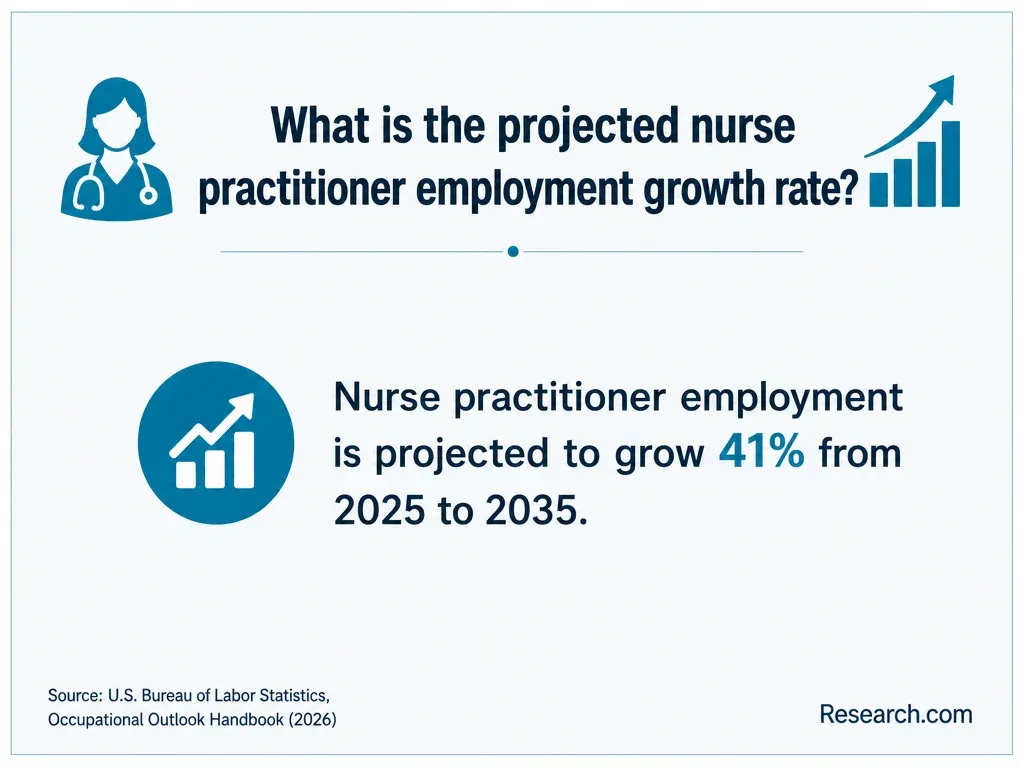
The BLS tracks employment projections for registered nurses as an occupation, not PICU nurses separately. Broad RN demand does not guarantee a vacancy, promotion, or particular wage at one children's hospital. If your longer-term goal is an advanced practice role, ask which patient population and responsibilities you want before committing to further education: bedside PICU experience alone does not confer nurse practitioner authority or replace the required graduate preparation, certification, and state authorization. Before accepting, weigh the offer's immediate training and staffing conditions more heavily than an unspecified promise of future advancement.
Nurses who are considering graduate study after gaining PICU experience may use a BSN-to-MSN program affordability guide, which can help them estimate tuition, fees, clinical placement costs, and reduced work hours before choosing a program.
Other Things You Should Know About Nursing
Yes. Ask the recruiter whether the hospital permits one and what confidentiality or infection-prevention rules apply. A shadow shift can reveal workflow and communication, though it is only a snapshot of the unit.
Ask the recruiter to reconcile the difference in writing before you sign. Prioritize terms that affect pay, assigned shift, start date, bonus repayment, and required credentials.
Ask what debriefing, peer support, employee assistance, and time-away options nurses can access, including on nights and weekends. Also ask how staff raise safety concerns without waiting for a formal performance review.
No. If training or staffing does not fit your current experience, another pediatric unit, a different PICU, or a role with stronger onboarding may be a safer next step. Keep the specific competencies you want to build in view when comparing openings.
- Quality and Safety in Nursing: Recommendations From... - PMC https://pmc.ncbi.nlm.nih.gov/articles/PMC11198958/
- Rapid Response Systems | PSNet https://psnet.ahrq.gov/primer/rapid-response-systems
- Helping Nurses Come to Terms with Patient Deaths | Boundless Learning Online Learning Services https://onlinedegrees.bradley.edu/blog/impact-of-patient-death-on-nurses
- Continuous Renal Replacement Therapy (CRRT) Education Module | kidney.org https://cme.kidney.org/spa/courses/resource/crrt-education-module
- NPG 12 and Pediatric Nurse Staffing: Part 1 | Harris OnPoint https://harrisonpointsolutions.com/npg-12-and-pediatric-nurse-staffing-part-1-what-it-means-for-childrens-hospitals-and-pediatric-care-settings/
- How to Build a Compliant Nurse Schedule: Ratios, Overtime, and Rest Rules | Vars Health https://www.varshealth.com/post/how-to-build-a-compliant-nurse-schedule-ratios-overtime-and-rest-rules
- Nurses work to end abuse of mandatory overtime | National Nurses United https://www.nationalnursesunited.org/article/nurses-work-to-end-abuse-of-mandatory-overtime
- PICU Travel Nurse Requirements: A Quick Guide | Triage Staffing https://triagestaff.com/blog/picu-travel-nurse-jobs-what-to-expect-during-a-picu-assignment/
- Rethinking Critical Care Orientation - AACN https://www.aacn.org/blog/rethinking-critical-care-orientation
- New Grad Nurse Expectations: Orientation, Patient Load & Reality Guide | RegisteredNursing.org https://www.registerednursing.org/articles/new-grad-nurse-expectations/