2027 Product Designer vs. UX Designer: Explaining the Difference

Co-Founder and Chief Data Scientist
Choosing between product design and UX design is not just a job-title decision. The roles overlap, but they reward different strengths. Product Designers usually work across the full product lifecycle, connecting user needs, business priorities, product strategy, interface design, and delivery. UX Designers focus more tightly on how people understand, navigate, and complete tasks within a digital product.
This distinction matters if you are planning a design career, comparing bootcamps or degree paths, preparing a portfolio, or deciding which job postings to target. A Product Designer role may suit you if you want broader ownership of product direction and business impact. A UX Designer role may be a better fit if you are drawn to user research, usability, interaction patterns, and evidence-based design decisions.
This guide explains what each role does, the skills employers expect, how salaries and job outlook compare, what career progression can look like, and how to decide which path fits your interests, strengths, and long-term goals.
Key Points About Pursuing a Career as a Product Designer vs a UX Designer
- Product Designers often command higher salaries, averaging $95K-$130K in 2024, versus UX Designers' $85K-$115K, reflecting broader responsibilities including visual and interaction design.
- Job growth for Product Designers is projected at 15% through 2030, slightly outpacing UX Designers at 13%, offering more diverse opportunities in cross-functional teams.
- Product Designers influence entire product strategy, while UX Designers focus on usability and user research, impacting user satisfaction and retention specifically.
What does a Product Designer do?
A Product Designer designs digital products with both the user and the business in mind. The role is broader than interface design alone: Product Designers help define what should be built, how it should work, how it should look, and whether it supports the company’s product goals.
In practice, Product Designers often participate from early discovery through launch and post-launch improvement. They may conduct or review user research, analyze customer pain points, map workflows, create wireframes, build prototypes, design high-fidelity screens, and work with engineers to ensure the final product matches the intended experience.
They also help maintain consistency through design systems, component libraries, and reusable patterns. In many organizations, especially SaaS companies, startups, and technology firms, Product Designers are expected to understand trade-offs among user needs, technical constraints, timelines, revenue goals, and market positioning.
Common responsibilities of a Product Designer
- Product discovery: Clarifying user problems, business goals, product opportunities, and success criteria before design work begins.
- Concept development: Turning ideas into user flows, sketches, wireframes, prototypes, and mockups that teams can evaluate.
- Visual and interaction design: Creating interfaces that are usable, accessible, consistent, and aligned with the product’s brand.
- Cross-functional collaboration: Working closely with product managers, engineers, marketers, researchers, and executives.
- Iteration after launch: Using user feedback, analytics, and business outcomes to improve the product over time.
The best Product Designers are not only strong visual thinkers. They can explain why a design decision matters, defend trade-offs with evidence, and adjust their work when user feedback or business priorities change.
What does a UX Designer do?
A UX Designer focuses on the quality of the user’s experience with a digital product. Their work centers on whether people can understand the product, complete tasks efficiently, avoid confusion, and feel confident using it. While UX Designers may create screens and prototypes, their core value comes from improving usability and reducing friction.
UX Designers typically begin by studying users. They may conduct interviews, surveys, usability tests, competitive reviews, and behavioral analysis to identify what users need and where they struggle. From there, they create personas, journey maps, information architecture, wireframes, prototypes, and interaction flows that guide product decisions.
They also test design ideas with real users and use feedback to refine the experience. This work requires close collaboration with developers, product managers, business leaders, researchers, and sometimes content strategists or accessibility specialists.
Common responsibilities of a UX Designer
- User research: Learning how users think, behave, and make decisions through interviews, surveys, usability testing, and observation.
- Information architecture: Organizing content, navigation, and workflows so users can find what they need.
- Wireframing and prototyping: Creating early design models to test structure, flow, and interaction before final visuals are built.
- Usability testing: Watching users interact with a product or prototype to identify confusion, errors, and unmet needs.
- Experience improvement: Recommending changes that make products clearer, faster, more accessible, and more satisfying to use.
UX Designers work across technology, healthcare, finance, retail, travel, and other fields because nearly every organization now depends on digital experiences. The role is especially well suited to people who enjoy research, problem-solving, user psychology, and evidence-based decision-making.
What skills do you need to become a Product Designer vs. a UX Designer?
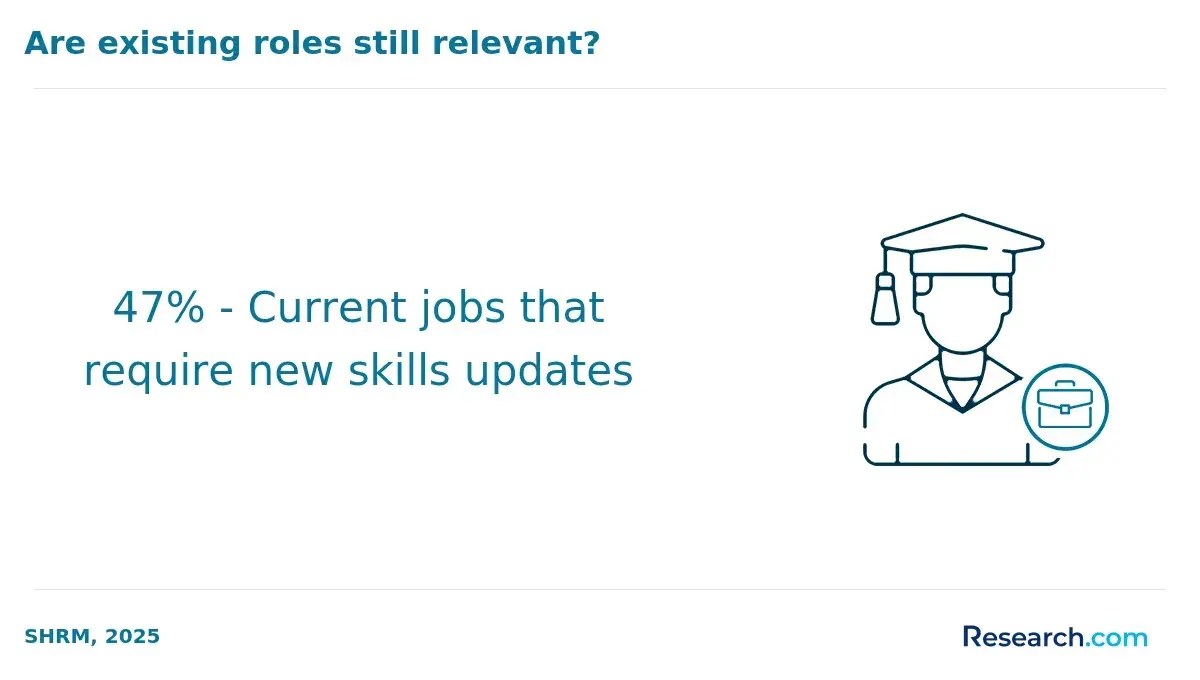
Product Designers and UX Designers share a foundation in user-centered design, but they are evaluated differently. Product Designers are often expected to connect design decisions to product strategy and business goals. UX Designers are usually judged more closely on research quality, usability improvements, interaction logic, and the clarity of the user journey.
Skills a Product Designer needs
- Visual design: Strong understanding of layout, typography, color, hierarchy, spacing, and branding so interfaces look polished and consistent.
- Prototyping: Ability to create interactive models that demonstrate product behavior, user flows, and feature concepts before engineering work begins.
- Product strategy: Understanding how market needs, customer problems, business priorities, and product goals influence design decisions.
- Cross-functional collaboration: Comfort working with product managers, engineers, marketers, sales teams, and executives to move ideas into production.
- Technical awareness: Familiarity with development constraints, platform patterns, design systems, and handoff practices so designs are feasible to build.
- Decision-making under constraints: Ability to balance speed, usability, business value, accessibility, and technical effort.
Skills a UX Designer needs
- User research: Ability to conduct interviews, surveys, usability tests, and research synthesis to understand user needs and behaviors.
- Information architecture: Skill in organizing content, navigation, labels, and workflows so users can move through a product logically.
- Wireframing: Ability to create low-fidelity layouts that communicate structure and flow without overinvesting in final visuals too early.
- Interaction design: Understanding how users move through tasks, make choices, recover from errors, and respond to feedback within an interface.
- Analytical thinking: Ability to use qualitative feedback, behavioral data, and usability findings to improve the experience continuously.
- Accessibility awareness: Knowledge of inclusive design practices that help products work for people with different abilities, devices, and contexts.
How to interpret the skill difference
If you enjoy combining design, product priorities, stakeholder management, and strategic trade-offs, Product Design may be the stronger fit. If you prefer research, usability, task flows, user behavior, and interaction quality, UX Design may align better with your strengths. Many professionals build skills in both areas, but your portfolio should make your primary direction clear.
Product Designers and UX Designers both offer competitive earning potential in the US job market. Product Designers generally report a slightly higher median salary, which reflects their broader involvement in product strategy, feature decisions, and cross-functional execution. UX Designers also reach strong compensation levels, especially as they gain expertise in research, interaction design, accessibility, or complex product environments.
Product Designers have a median annual salary around $114,000. Entry-level positions start near $85,000, and experienced professionals can earn well over $150,000 annually, particularly in high-demand markets like Silicon Valley or New York City. Compensation may increase when the role includes leadership, product ownership, design systems work, or responsibility for business-critical features.
The average ux designer salary United States wide is approximately $109,000 per year. Entry-level UX Designers typically begin earning around $80,000. Senior UX roles can also exceed $150,000, depending on industry, location, portfolio strength, research depth, and expertise in user experience design.
Salary should not be the only deciding factor. A Product Designer may earn more in some organizations but also carry broader accountability for product outcomes. A UX Designer may have a narrower scope but deeper specialization. Professionals who want to advance or change careers may consider fastest online programs for working adults as one way to build relevant skills while continuing to work.
The long-term need for Product Designers and UX Designers remains tied to the same trend: organizations need digital products that are useful, intuitive, accessible, and commercially viable. However, the short-term hiring market has become more selective. Employers often want designers who can do more than produce attractive screens; they want people who can connect design work to measurable product and business outcomes.
For Product Designers, job openings have fluctuated through late 2024 and into early 2025. Many companies have prioritized senior roles or combined design responsibilities as they streamline teams. Product management positions have remained relatively steady, maintaining between 10,000 and 12,000 listings each month, which matters because Product Designers often work closely with product management and may move toward product leadership over time. Startups have also presented opportunities by increasing hiring activity despite broader slowdowns.
UX Designers have faced a more uneven market, with notable decreases in job postings. UX research has been especially affected, with listings falling below 1,000 in early 2025. Even so, UX expertise remains important because poor usability can lead to abandoned products, frustrated customers, support costs, and lost revenue. Telecommunications and real estate sectors specifically recognize UX expertise as essential for future growth.
What this means for job seekers
- Portfolios need evidence: Employers increasingly expect case studies that show the problem, process, constraints, decisions, and results.
- Generalists may have an advantage in smaller teams: Startups and lean companies may prefer designers who can handle research, interaction design, visual design, and product thinking.
- Specialists still matter: Larger organizations may continue to value deep UX research, accessibility, service design, and design systems expertise.
- Business fluency helps: Designers who can explain how their work affects adoption, retention, conversion, customer satisfaction, or efficiency may stand out.
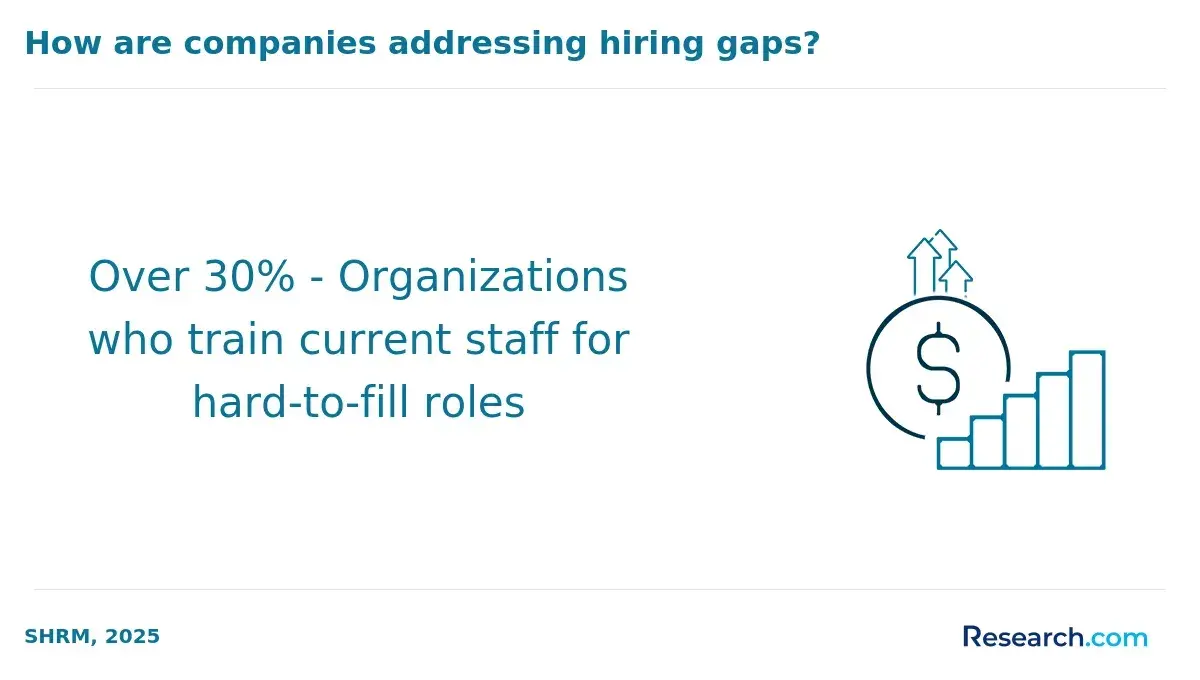
Both Product Designers and UX Designers can move into senior individual contributor roles, management, or specialized tracks. The difference is usually in the direction of growth. Product Designers often progress toward broader product influence, while UX Designers may advance through deeper expertise in research, interaction design, accessibility, information architecture, or UX leadership.
Typical career progression for a Product Designer
- Junior Product Designer: Builds core design skills, supports feature work, learns tools and design systems, and works under senior guidance.
- Mid-Level Product Designer: Owns more complex product areas, contributes to product strategy, presents work to stakeholders, and collaborates more independently with engineering and product teams.
- Senior Product Designer: Leads major design initiatives, mentors junior designers, influences product direction, and makes decisions that affect the broader user experience.
- Design Lead/Product Manager/Head of Product: Moves into leadership roles focused on team direction, product strategy, roadmap decisions, or broader organizational impact.
The product designer career path in 2025 increasingly values versatility. Designers who combine creativity, systems thinking, communication, and business insight are often better positioned for strategic leadership roles.
Typical career progression for a UX Designer
- Junior UX Designer: Handles foundational UX tasks such as wireframes, user flows, usability testing support, and documentation.
- Senior UX Designer: Takes ownership of complex user journeys, leads research-informed design decisions, and may specialize in UX research, interaction design, or accessibility.
- UX Manager: Oversees UX teams, coordinates research and design priorities, supports hiring and mentorship, and aligns UX strategy with business goals.
- UX Researcher/Interaction Designer: Moves into a focused specialist path requiring deeper expertise in user behavior, research methods, usability testing, or interaction patterns.
The UX designer career progression and salary often reflect specialization and advanced expertise. Someone interested in the easiest bachelor degree to obtain should be careful not to choose based on ease alone. For these fields, the stronger educational choice is usually the one that helps build a portfolio, research skills, design judgment, and practical project experience.
Yes. Moving between Product Designer and UX Designer roles is common because both careers share user-centered methods, prototyping, collaboration, and problem-solving. The transition is usually less about starting over and more about filling the gaps between the two scopes of work.
Transitioning from Product Designer to UX Designer
A Product Designer moving into UX Design can usually transfer strengths in design thinking, prototyping, stakeholder communication, and product context. The main adjustment is becoming more rigorous and specialized in user research, usability testing, journey mapping, information architecture, and human-computer interaction.
To make the transition credible, a Product Designer should build portfolio case studies that emphasize research questions, methods, findings, usability problems, iterations, and the impact of UX decisions. Online UX courses, focused project work, and certifications from recognized institutions like the Nielsen Norman Group can also support this shift.
Transitioning from UX Designer to Product Designer
A UX Designer moving into Product Design needs to broaden their perspective beyond user experience quality. Employers will want to see business strategy, feature prioritization, product trade-offs, agile collaboration, and the ability to balance user needs with company goals.
Useful steps include partnering more closely with product managers, learning how roadmaps are built, understanding success metrics, contributing to design systems, and documenting how design choices affected product outcomes. A UX Designer who can show both user empathy and business judgment is better positioned for Product Designer roles.
The 2025 design job market values adaptability, communication, and problem-solving skills, all of which transfer well between the two paths. Demand for both Product Designers and UX Designers remains strong, with UX design itself projected to grow by 8% over the next decade according to the U.S. Bureau of Labor Statistics. For professionals comparing how education can affect earnings and career options, reviewing the best bachelor degrees to make money may help with long-term planning.
Both roles can be rewarding, but neither is free from pressure. Product Designers often face challenges tied to scope, strategy, and organizational constraints. UX Designers often face challenges tied to research access, stakeholder buy-in, and the need to validate design decisions quickly. Understanding these differences can help you choose the role that matches your working style and tolerance for ambiguity.
Challenges for a Product Designer
- Broad responsibility: Product Designers may be expected to think about users, visuals, product goals, technical feasibility, and business outcomes at the same time.
- Limited industry variety: Many Product Designers work in sectors that may not feel exciting, which can limit exposure to new trends and reduce portfolio variety.
- Projects not shipping: Months of work may never launch because of roadmap changes, budget cuts, strategy shifts, or technical barriers.
- Bureaucratic constraints: Rigid processes and multiple approval layers can slow decisions, reduce creative freedom, and affect team morale.
- Stakeholder trade-offs: Product Designers often have to defend design decisions while negotiating with business, engineering, and leadership priorities.
Challenges for a UX Designer
- Narrower focus in some organizations: UX Designers may spend substantial time on micro-interactions, flows, and research details rather than broader product strategy.
- Tight iteration cycles: Usability testing and design revisions may need to happen quickly, sometimes with incomplete data or limited access to users.
- Metrics-driven environment: Design decisions may be overridden by short-term business goals, even when user research suggests a different direction.
- Research limitations: Some teams lack time, budget, or stakeholder support for thorough UX research, forcing designers to make decisions with imperfect evidence.
- Advocacy fatigue: UX Designers may need to repeatedly explain why usability, accessibility, and user needs matter to non-design stakeholders.
For students and career changers, the best preparation is not only learning tools. It is building strong case studies, practicing communication, and understanding how design decisions are made inside real organizations. Those comparing education options may find the most affordable online degrees useful when looking for cost-conscious ways to develop relevant skills.
Neither role is automatically more stressful. Stress depends on the company, team structure, deadlines, leadership expectations, product complexity, and how clearly responsibilities are defined. Still, the two roles tend to create different kinds of pressure.
Product Designers often experience stress from breadth. They may be responsible for product direction, visual design quality, user needs, stakeholder alignment, technical constraints, and post-launch performance. In a startup or lean team, a Product Designer may have to move quickly with limited research, incomplete requirements, and shifting priorities.
UX Designers often experience stress from advocacy and validation. They may need to represent the user’s perspective while product managers, engineers, executives, or business teams push for faster delivery or different priorities. Research deadlines, usability testing, accessibility expectations, and conflicting feedback can also create pressure.
Which role may feel more stressful for you?
- Product Design may feel more stressful if you dislike ambiguity, business trade-offs, or broad ownership across many parts of a product.
- UX Design may feel more stressful if you dislike defending research findings, working through detailed interaction problems, or iterating repeatedly based on user feedback.
- Either role can be manageable in an organization with clear priorities, realistic timelines, strong design leadership, and respect for the design process.
For example, a Product Designer in a startup might face greater stress than a UX Designer in a larger, more structured organization. The reverse can also be true if the UX Designer works in a high-pressure environment with limited research support and constant deadlines.
The best choice depends on the type of problems you want to solve every day. Product Design is usually better for people who want wider influence over the product, including business goals and feature direction. UX Design is usually better for people who want to specialize in how users think, navigate, decide, and complete tasks.
- Choose Product Design if you want broader ownership: Product Designers often shape the product lifecycle, connect design to business outcomes, and collaborate across departments.
- Choose UX Design if you want deeper user focus: UX Designers concentrate on research, usability, interaction design, information architecture, and user satisfaction.
- Compare your preferred work style: Product Designers often work in strategic, cross-functional settings. UX Designers often work in research-driven, problem-solving environments.
- Consider compensation carefully: Median pay in 2025 is about $114,000 for Product Designers and $109,000 for UX Designers, but actual earnings vary by experience, location, industry, and portfolio quality.
- Think about long-term growth: Many professionals begin in UX Design and transition to Product Design when they want broader business influence or product leadership responsibilities.
A practical decision test
If you are more interested in why users struggle, how to improve a workflow, and how to validate design choices through research, UX Design may be the better starting point. If you are more interested in what should be built, how features support business goals, and how design fits into the full product strategy, Product Design may be the stronger match.
Educational paths often include degrees or certificates in design, human-computer interaction, psychology, computer science, information systems, or related fields. For students who want broader academic preparation, exploring universities with double majors may help combine design with business, technology, or behavioral science.
What Professionals Say About Being a Product Designer vs. a UX Designer
- Caiden: "Choosing a career as a Product Designer has been rewarding because the work connects creativity with practical problem-solving. I like seeing how design decisions affect both the user experience and the success of the product. The salary potential is competitive, and the demand for skilled designers in tech gives me confidence in the path."
- Remington: "Working as a UX Designer keeps me focused on real user problems. Every project requires me to understand how people think, where they get stuck, and what would make an experience clearer. I also value the range of industries I can work in, from healthcare to finance."
- Adrian: "UX Design has given me strong professional development opportunities through training, certifications, and hands-on research work. I appreciate being in a field where user-centered methods can lead to meaningful improvements in digital products and open doors to leadership roles over time."
Other Things You Should Know About a Product Designer & a UX Designer
In 2027, Product Designers focus on the overall design and functionality of products, ensuring they align with brand and business objectives. UX Designers, on the other hand, emphasize creating seamless and intuitive user experiences, concentrating on user interaction and usability.
In 2027, Product Designers are often employed in sectors like technology, consumer goods, and manufacturing, focusing on holistic product development. UX Designers frequently work in digital realms such as software and app development, emphasizing the user experience and interface design. The overlap remains in tech-driven industries.
No. UX Designers often rely on research and testing tools such as Figma, Maze, and Optimal Workshop, while Product Designers also use Figma but add analytics and prototyping tools like Amplitude, Mixpanel, and ProtoPie. The overlap is large, but product work usually includes broader product metrics.
- Product designer stresses: too much work, too little time https://uxdesign.cc/product-designer-stresses-too-much-work-too-little-time-df2e2a569f9c
- Is UX Design a Stressful Job? And How to Avoid Burnout https://makeiterate.com/is-ux-design-a-stressful-job-and-how-to-avoid-burnout/
- Product Designer vs. UX Designer: Key Differences https://productschool.com/blog/user-experience/product-designer-vs-ux-designer
- Why Do Product Designers Earn More Than UX Designers? https://pathunbound.com/why-product-designers-earn-more/
- Product Design and UX Design Roles: Unveiling the Differences https://www.interaction-design.org/literature/article/difference-between-product-and-ux-designer
- The Future of the Job Market in UX and Product Design https://www.fundament.design/p/the-future-of-the-job-market-in-ux
- Product design vs user experience design https://www.lyssna.com/blog/product-design-vs-user-experience-design/
- The Difference Between A Product Designer and UX Designer - UX Mastery https://uxmastery.com/the-difference-between-product-designer-and-ux-designer/
- What Does a UX Designer Do? https://designlab.com/blog/what-does-a-ux-designer-do
- What are the roles of UX Designer in a project? |IDEACT https://www.ideacto.pl/en/blog/jakie-role-pelni-ux-designer-w-projekcie