2027 Physical Demands of Nursing Roles: Comparing Lifting, Standing, Travel, and Desk Work
Audited and Verified:
Our Editorial and Data Verification Process
Research.com uses government datasets, official education statistics and primary institutional information to support its career and degree guides. Our review process checks factual accuracy, occupational definitions, source dates and the requirements associated with the credentials discussed.
How This Article Was Fact-Checked
Our editorial team verifies salary estimates, employment projections, education requirements and program information against original data providers and official organizations. Salary figures are checked against the relevant occupational definitions and reporting periods. Information about licensure, accreditation and required in-person training is reviewed separately.
Fact-checked and verified on:

Co-Founder and Chief Data Scientist
A nursing job's physical demands depend less on its title than on its patients, setting, staffing, and equipment. A hospital RN may spend a shift transferring patients, while another RN spends much of it on calls and documentation. For prospective students and nurses considering a change, those differences matter as much as the specialty itself. This guide compares lifting, time on your feet, travel, and desk work across roles - and shows what to ask about clinical training and actual jobs before committing to a pathway.
Key Things You Should Know
- Inpatient bedside and long-term care jobs generally involve the most patient handling and time on your feet; remote utilization review and many informatics jobs involve the most seated work
- Travel has different forms: home health and hospice nurses drive between patients, while travel nurses may relocate for assignments but still perform physically demanding bedside work.
- Compare four demands separately - handling, standing, travel, and desk work. A 12-hour shift or a job title alone does not tell you how much of each a position requires.
What physical demands do nurses face during a typical workday?
Physical demand includes more than lifting. Nurses may reposition patients, stand at a bedside, walk between rooms, push equipment, drive between visits, or sit for extended documentation and calls. Repetitive reaching and awkward postures can matter even when a role involves little heavy handling.
The table compares typical duties, not fixed requirements. An outpatient procedure nurse and an outpatient phone-triage nurse, for example, can have very different workdays despite sharing an employer.
| Role or setting | Patient handling | Standing and walking | Travel | Desk work |
| Inpatient bedside RN | Often substantial | Often substantial | Usually limited to commuting | Documentation throughout shift |
| Long-term care nurse | Varies with residents and aide support | Often substantial | Usually limited to commuting | Medication records and care documentation |
| Ambulatory clinic nurse | Usually less, but procedure-dependent | Moderate to substantial | Usually limited to commuting | Calls, messages, and records |
| Home health or hospice nurse | Unpredictable in patients' homes | Varies by visit | Regular local driving | Visit documentation and coordination |
| Remote review or nursing informatics | Usually little or none | Usually less | Often little; some jobs require site visits | Usually substantial |
License level alone does not determine exertion. An LPN/LVN and an RN may both work in direct care, but their duties and permitted scope differ by state and employer. If you are weighing comparing LPN-to-RN entry requirements, evaluate the jobs available after each credential rather than assuming the RN license automatically means less physical work.
Which nursing roles require the most lifting and patient handling?
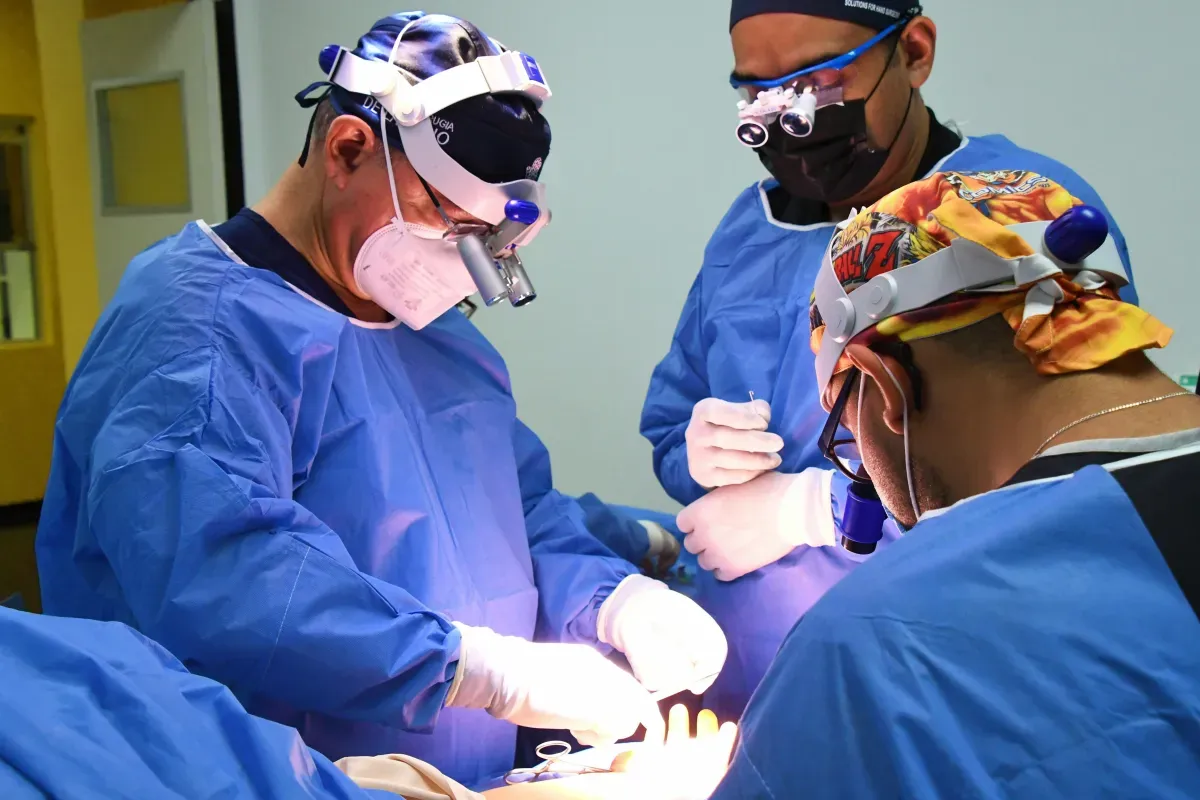
Roles caring for patients who need help moving generally involve the most handling. Inpatient medical-surgical, rehabilitation, long-term care, emergency, and some critical care positions can involve frequent repositioning, transfers, or assistance with mobility. Labor and delivery, perioperative, and outpatient procedure work can also require handling, although tasks differ.
Do not use a patient's weight as a shortcut for judging safety. The task, patient's ability to assist, available space, equipment, and trained coworkers all matter. Safe patient-handling practices emphasize assessing the transfer and using appropriate devices and assistance rather than relying on a nurse to manually lift a patient alone. Ask employers which lifts and transfer aids are actually available on your shift - and who helps when a patient needs them.
Advanced practice does not mean hands-off practice. An ambulatory family nurse practitioner may perform examinations and procedures but usually has different transfer duties from an inpatient bedside RN. Nurses considering online FNP programs that provide preceptors should ask what hands-on care their clinical sites provide; placement support does not establish that every eventual FNP job has low physical demands.
How much standing and walking does each nursing role involve?
Bedside nurses commonly stand and walk for much of a shift, but there is no reliable shift-wide step count that applies to every unit. Layout, patient needs, staffing, and assignment size change the workload. Operating room nurses may stand for prolonged procedures; clinic nurses may alternate examinations with calls and charting; school nurses may move between student visits and seated administrative work.
Less lifting does not necessarily mean less strain. Prolonged standing in an operating room and repeated short walks in a busy clinic present different challenges. If you want ambulatory practice, compare the actual procedure schedule with the phone and documentation workload. For an experienced APRN considering accelerated postgraduate family NP certificates, confirm that the target FNP job - not just the certificate - offers the mix of standing and seated work you want.
Home health and hospice nurses commonly drive between homes. Community health, school district, occupational health, and some case-management jobs may cover multiple sites. Travel nursing is a different arrangement: nurses move to temporary assignments, often away from home, but may spend each workday at one facility doing standard bedside duties.
Driving may reduce time on your feet without reducing total workload. Consider the service area, traffic, weather, parking, equipment carried, documentation time, and whether travel between visits is paid. Home visits also offer less control over furniture, space, and available helpers than a staffed unit.
Psychiatric nursing offers contrasting arrangements: a community position may require visits across a region, while a telehealth position may involve little travel and substantial screen time. An RN or APRN exploring PMHNP certificate admissions and timelines should first confirm the credential required for the intended role; a certificate by itself does not authorize psychiatric-mental health NP practice.
Utilization review, telephone triage, some case management, informatics, quality improvement, and nursing education can involve extensive computer or phone work. These jobs still call for nursing judgment, communication, and accurate records. Some include in-person meetings, patient assessment, or site visits; "remote" does not always mean entirely sedentary.
Desk work carries its own demands: sustained screen use, repetitive input, call schedules, and productivity expectations. It can also be difficult to enter directly after graduation. Employers often seek clinical experience for review, triage, or informatics positions because decisions depend on understanding care workflows and escalation.
For an already-licensed RN, online RN-to-BSN programs with applied assignments may help develop writing and evidence-use skills relevant to these roles. An RN-to-BSN is a postlicensure degree pathway, however - not a substitute for the experience or job-specific training an employer requires.
Prelicensure LPN/LVN, ADN/ASN, and BSN programs combine academic study with supervised, hands-on learning. Skills labs, simulation, and clinical placements introduce patient movement, positioning, equipment use, infection prevention, and safe communication. Students must demonstrate required competencies, but graduating does not mean they can independently manage every transfer or specialty assignment; employers provide setting-specific orientation.
Program type affects the route into practice, not a guaranteed level of physical work. An ADN or BSN graduate who becomes an RN could enter a demanding bedside job; either could later seek a less physically intensive position with appropriate experience. A person changing careers can bring communication or analytical skills to nursing, but still needs initial nursing preparation. Compare career-change nursing routes at the master's level with other prelicensure options by their clinical access and intended RN eligibility, not by the degree title alone.
They can, when the program combines online coursework with required in-person skills assessment and supervised clinical experiences appropriate to its purpose. "Online" describes some instruction, not necessarily the labs, simulation, clinical shifts, or campus visits. No video lesson replaces observed performance with equipment and patients.
The distinction is especially important when comparing prelicensure study with postlicensure programs. A postlicensure RN-to-BSN assumes the student is already an RN; it does not provide initial RN training. A graduate bridge may have different clinical expectations depending on whether it prepares a nurse for an advanced practice role or a non-APRN function. When reviewing affordable online BSN-to-MSN bridge programs, check the exact track, required on-site activities, placement responsibility, and travel costs before treating online delivery as a scheduling or cost advantage.
Check three separate matters: the institution's accreditation, any nursing program accreditation relevant to the specific degree or track, and the applicable state board's approval or recognition for initial licensure preparation. Accreditation and board approval serve different purposes. Also confirm that the school can enroll you and arrange required clinical learning where you live.
For initial RN practice, completing an eligible program is followed by examination and a state licensing decision; a degree alone is not an RN license. APRN roles have additional education, certification, and state requirements tied to the role and population focus. A leadership or other non-APRN DNP does not qualify someone for NP practice merely because it awards a doctorate.
Even when assessing DNP programs with flexible admission criteria, verify the specific track's accreditation status, clinical arrangements, and relevance to your intended job. Easier admission cannot replace the credential or supervised preparation a regulated role requires.
There is no dependable rule that more lifting earns more - or that a desk job pays less. Offers reflect the occupation, location, employer, experience, schedule, and responsibilities. Night or weekend differentials and travel-contract terms may change compensation, but should be weighed against schedule disruption, benefits, and physical workload.
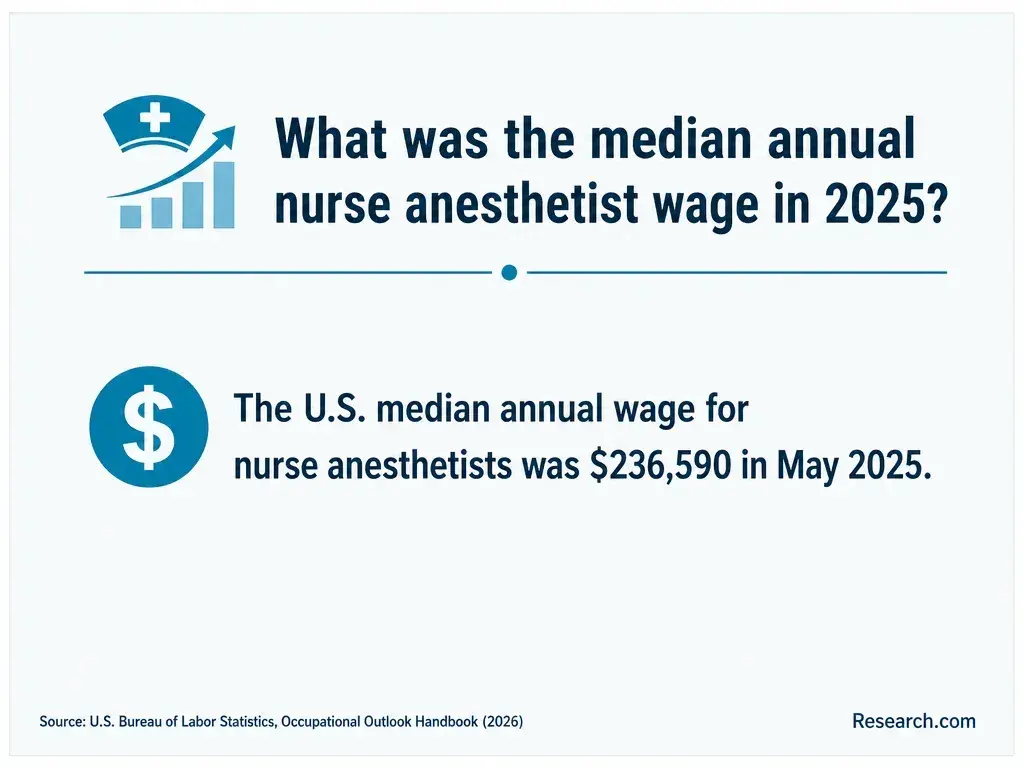
U.S. Bureau of Labor Statistics wages for registered nurses describe the occupation overall, not the pay for a particular unit, specialty, or degree. Its employment projections likewise cannot predict demand for a specific low-lifting job in your area. Compare actual offers using base pay, differentials, benefits, expected hours, travel expense, and the support available to perform the work safely.
Advancement into education, management, informatics, or advanced practice may change physical demands, but often requires experience or additional preparation. Before paying for accelerated Doctor of Nursing Practice programs, identify a target job that calls for that preparation. A shorter program is not automatically the best return if your desired transition can be made through employer training or experience.
Which nursing specialties offer the best balance of physical and desk-based work?
Ambulatory care, school nursing, outpatient specialty clinics, and some care-coordination jobs often provide a mix of patient interaction, movement, calls, and documentation. They are useful starting points for someone who wants neither constant bedside handling nor an entirely seated role. The balance is position-specific: a procedure-heavy clinic differs from a telephone-heavy one, and a school nurse may be the only clinician on site.
Use the interview to test the fit. Ask what a typical shift includes, which patient transfers staff perform, how many sites are covered, what equipment and assistance are available, and whether documentation is completed during paid work hours. Request a realistic job preview when possible. For an RN considering psychiatric-mental health practice, budget-conscious PMHNP study options are worth comparing only after establishing whether the intended job is clinic-based, community-based, or remote - and whether its education and licensure requirements match your current credentials.
Other Things You Should Know About Nursing
Yes. A nurse can discuss a reasonable accommodation with the employer. The appropriate arrangement depends on the job's essential functions and the individual circumstances; a particular reassignment or schedule change is not automatic.
No. Shift length matters, but so do the frequency of transfers, pace, breaks, and recovery time. Compare the work performed during the shift, not just its duration.
Report it promptly under employer policy, obtain appropriate medical evaluation, and follow workplace injury-reporting procedures. Do not continue an unsafe transfer because injury reporting feels inconvenient.
Supportive, workplace-appropriate footwear may improve comfort, but it cannot replace safe handling equipment, adequate assistance, breaks, or attention to persistent symptoms.
- Health Workforce Projections | hrsa.gov https://bhw.hrsa.gov/data-research/projecting-health-workforce-supply-demand
- A Time and Motion Analysis of Nursing Workload and... - PMC https://pmc.ncbi.nlm.nih.gov/articles/PMC11216543/
- Work-related musculoskeletal disorders among hospital workers | europa.eu https://oshwiki.osha.europa.eu/en/themes/work-related-musculoskeletal-disorders-among-hospital-workers
- Home Healthcare - Overview | Occupational Safety and Health Administration http://www.osha.gov/home-healthcare
- Nursing and midwifery | who.int https://www.who.int/news-room/fact-sheets/detail/nursing-and-midwifery
- Quantification of Patient and Equipment Handling for Nurses Through Direct Observation and Subjective Perceptions https://stacks.cdc.gov/view/cdc/210529
- Do Safe Patient Handling Laws Protect Nurses from On-The-Job Injuries? | UCSF School of Nursing https://nursing.ucsf.edu/scienceofcaring/news/do-safe-patient-handling-laws-protect-nurses-job-injuries
- Strengthening your evidence base: Focus on safe patient handling | American Nurse https://www.myamericannurse.com/strengthening-your-evidence-base-focus-on-safe-patient-handling/