2027 Part-Time vs Full-Time Online Global Studies Bachelor's Degree Programs

Co-Founder and Chief Data Scientist
Imagine a midcareer professional balancing remote work and family responsibilities while eager to deepen expertise in global affairs. The decision to pursue a bachelor's degree in Global Studies online becomes a pivotal crossroads: is a part-time program, offering flexibility, preferable to an intensive full-time course load that could accelerate career advancement? With 68% of online Global Studies graduates reporting improved job prospects within six months of completion, this choice significantly impacts future opportunities. This article explores the differences between part-time and full-time online Global Studies bachelor's degrees, providing insights to help prospective students align their educational path with their personal and professional goals.
Key Benefits of Part-Time vs Full-Time Online Global Studies Bachelor's Degree Programs
- Part-time programs offer greater scheduling flexibility, allowing students to balance coursework with jobs and family, whereas full-time studies require a more consistent, dedicated time commitment.
- Full-time enrollment typically leads to degree completion in about four years, while part-time students may take six years or longer, extending their educational timeline.
- Choosing part-time can reduce stress by integrating education with personal and career responsibilities, but full-time may provide faster entry into global studies-related careers.
What Is the Difference Between Part-Time and Full-Time Online Global Studies Bachelor's Degree Programs?
Part-time and full-time online global studies bachelor's degree programs mainly differ in workload, pacing, and time commitment. Nearly 30% of online undergraduate students choose part-time enrollment, showing growing interest in programs that offer flexibility. These differences are essential when considering flexibility and workload in online global studies bachelor's degrees.
Below is a closer look at each enrollment type.
Part-Time Online Programs
- Course Load: Students typically take one or two courses per semester, which reduces weekly study hours and personal time constraints.
- Scheduling Flexibility: This format allows students to balance education with work or family responsibilities due to fewer simultaneous courses.
- Study Intensity: Part-time study offers a gradual academic pace, enabling more reflection and less pressure per term.
- Extended Timeline: While not the main focus, part-time enrollment naturally stretches the overall program length, accommodating a flexible schedule.
Full-Time Online Programs
- Course Load: Full-time students usually enroll in four to five courses each semester, resulting in a heavier and more consistent study commitment.
- Scheduling Rigidity: This structure demands regular attendance and timely interactions, limiting flexibility for other life responsibilities.
- Study Intensity: Full-time study requires sustained focus and continuous engagement with coursework, fostering an immersive learning experience.
- Accelerated Progress: While primarily about pacing, full-time enrollment generally leads to faster advancement through the degree.
Individuals weighing these options should consider how each format aligns with their availability and goals, especially when seeking adaptable learning schedules. Those interested in exploring intensive programs might also find value in one year masters programs online that emphasize accelerated timelines.
How Long Does It Take to Complete Part-Time vs Full-Time Online Global Studies Bachelor's Degrees?
The time it takes to complete an online global studies bachelor's degree varies based on whether a student enrolls full-time or part-time and their individual pace. On average, part-time students take about 6.4 years to finish their bachelor's degrees, reflecting a more gradual study approach.
This difference in enrollment intensity significantly impacts program duration, so comparing full-time and part-time pathways reveals distinct pacing and scheduling structures.
Part-Time Online Programs
- Slower Progression: Part-time students take fewer courses each semester, often balancing education with work or family, which naturally extends degree completion times.
- Flexible Scheduling: Course loads are lighter, allowing students to select classes that fit their personal schedules, enhancing manageability but lengthening overall duration.
- Extended Program Length: Many programs span six years or more for part-time learners, consistent with the National Center for Education Statistics' average of 6.4 years.
- Shorter Terms: Some programs offer accelerated eight-week sessions that help maintain momentum without overwhelming part-time students.
- Transfer Credits: Utilization of transfer credits can reduce time to degree but varies depending on individual circumstances and program policies.
Full-Time Online Programs
- Faster Completion: Full-time students usually finish within four years, taking full course loads each semester for steady and timely progress.
- Structured Schedule: A consistent credit-hour load-commonly 12 to 15 hours per semester-keeps students on track to complete requirements efficiently.
- Accelerated Terms: Availability of shorter, eight-week courses allows year-round enrollment, enabling faster degree completion.
- Focused Study: Full-time commitment enables students to prioritize their coursework and maintain continuous momentum towards graduation.
- Program Availability: Access to required courses each term helps ensure uninterrupted progress, minimizing delays in reaching degree milestones.
Students exploring online global studies degrees can consider options like MFT programs, which similarly balance varying enrollment intensities and pacing structures tailored to diverse student needs.
What Is the Workload for a Part-Time vs Full-Time Online Global Studies Bachelor's Degree?
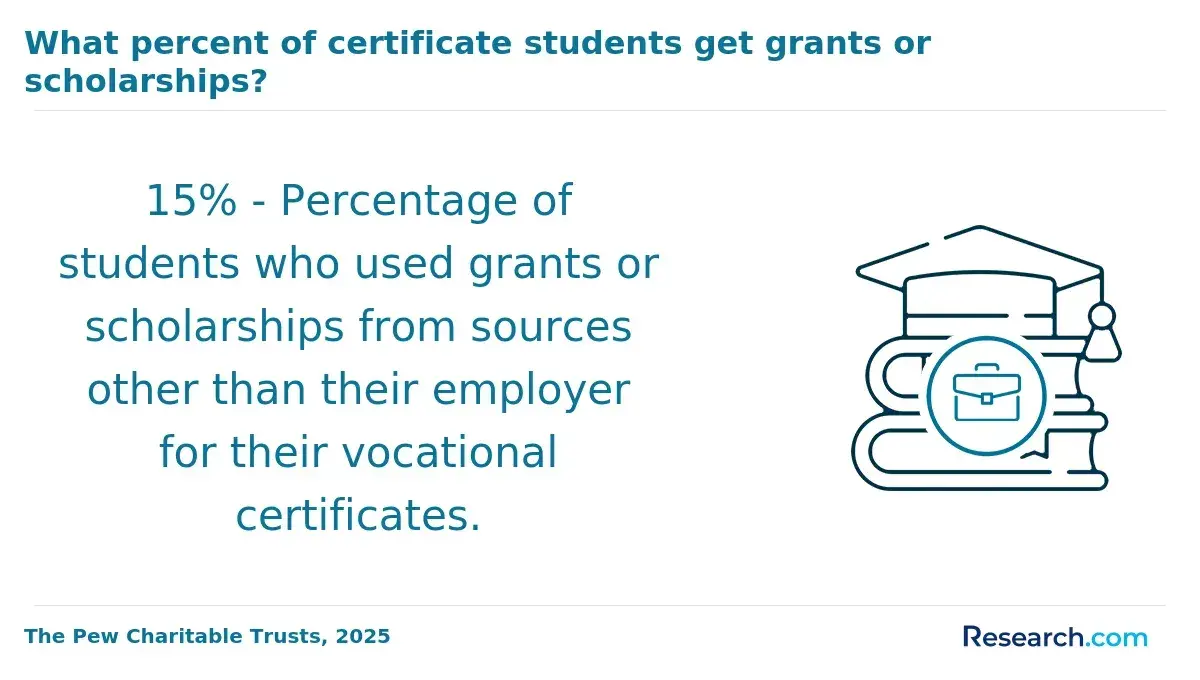
The workload between part-time and full-time online global studies bachelor's programs varies mainly based on how many courses students take each term and their weekly study hours. Full-time learners usually register for 12 to 15 credit hours, translating to about three to five classes, which demands roughly 30 to 40 hours of study weekly. This includes virtual lectures, interactive discussions, extensive reading, research, and assignment writing.
Conversely, part-time students tend to carry lighter loads of six to nine credit hours or two to three courses, resulting in about 15 to 20 hours of study per week. Their reduced pace offers more flexibility but extends the total time needed to complete their studies.
Full-time students face a more intense rhythm, with frequent assignments and tight deadlines requiring adept time management and daily commitment. The pressure to juggle multiple tasks simultaneously increases stress and necessitates prioritizing education during the semester. Part-time learners, while still meeting regular deadlines, experience a steadier workflow with fewer concurrent courses, easing immediate pressure but demanding prolonged dedication over time.
Both pathways maintain rigorous academic standards, but full-time study compresses workload intensity, whereas part-time allows a manageable balance for those juggling other life responsibilities.
Breakdown of Private Fully Online Nonprofit Schools

Which Option Is Better for Working Adults in an Online Global Studies Bachelor's Degree?
Both part-time and full-time online global studies bachelor's degree programs offer viable options for working adults, with the best choice depending on individual schedules, workload tolerance, and personal commitments. The National Center for Education Statistics reports that about 38% of online students maintain full-time employment while studying, emphasizing the need for adaptable programs.
Here are some important factors to evaluate when choosing between these options.
- Scheduling Flexibility: Part-time enrollment generally provides more leeway to juggle work and family responsibilities, as the coursework is spread over a longer timeframe. Full-time programs tend to follow a more structured and demanding schedule that can limit flexibility.
- Workload Intensity: Full-time students usually manage a heavier course load each term, which can mean longer weekly study hours. In contrast, part-time students take fewer classes at once, reducing short-term stress but extending the total time to degree completion.
- Time Management: Maintaining focus and consistent effort is essential for full-time students given their continuous course load, while part-time learners benefit from a slower pace but must stay disciplined to avoid falling behind.
- Completion Pace: Full-time study typically leads to earning the degree in 3 to 4 years, whereas part-time paths often require 5 years or more, reflecting the tradeoff between speed and flexibility.
Can I Switch From Part-Time to Full-Time in an Online Global Studies Bachelor's Degree?
Many online global studies bachelor's degree programs offer students the option to switch between part-time and full-time enrollment according to their academic progress and changing personal schedules. This flexibility is essential for nontraditional learners managing work or family responsibilities.
Recent trends reveal that approximately 40% of online undergraduates adjust their enrollment status at some point during their studies, highlighting the demand for adaptable learning pathways.
Students can often modify their course load to better fit evolving circumstances without significant disruption. Such enrollment mobility enhances the appeal of online global studies programs for those seeking a balance between education and other commitments.
When considering changing enrollment status in online global studies programs, students should be mindful of several important factors. Transitioning to full-time typically requires an increased time commitment and faster academic pacing, which may impact study habits and workload management.
Program policies could also influence when and how changes are approved, with some requiring formal permissions or adherence to specific deadlines. Additionally, shifting enrollment could affect graduation timelines if done mid-term or between academic sessions.
Students interested in flexible degree options may also find it helpful to review resources on the easiest associate's degree to get as a comparison point for program flexibility and pacing.
How Does Tuition Differ for Part-Time vs Full-Time Online Global Studies Bachelor's Degrees?
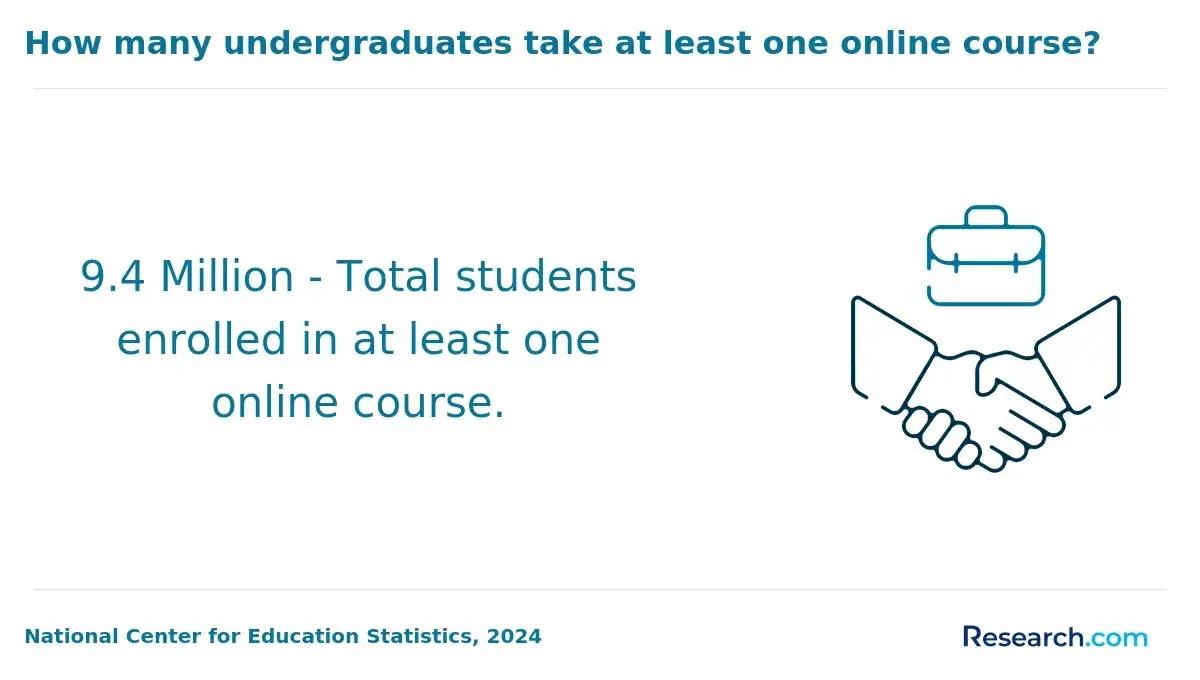
Tuition for online global studies bachelor's degrees varies widely based on enrollment status, pacing options, and institutional billing methods. Typical full-time tuition covers 12 to 15 credits per term at a flat rate, while part-time students usually pay per credit. Recent data indicates that full-time students often enjoy a lower effective per-credit rate compared to part-time peers, with part-time tuition averaging 10-20% more per credit on average.
Below is a breakdown of how these differences commonly manifest.
Part-Time Online Programs
- Per-Credit Fees: Tuition is charged individually for each course, allowing payment only for classes taken during a term, which offers flexibility but a higher per-credit cost.
- Extended Duration: Spreading courses over more terms can lengthen program completion time and increase the total amount paid.
- Frequent Payments: Fees are often billed at the start of each course rather than once per semester, requiring more frequent tuition transactions.
- Flexibility Premium: The higher per-credit rate partially reflects added administrative fees and the convenience of balancing education with other responsibilities.
Full-Time Online Programs
- Flat-Rate Tuition: A fixed cost per semester covers a full course load, typically 12 to 15 credits, offering predictable expenses.
- Lower Effective Cost: The per-credit price tends to be less expensive since the flat rate incentivizes full-time enrollment.
- Term-Based Payments: Tuition is usually paid in one lump sum each term, simplifying budgeting and fee management.
- Accelerated Options: Some programs offer accelerated or mini terms, which can affect payment timing but generally maintain flat-rate pricing per term.
Which Option Offers Better Financial Aid for an Online Global Studies Bachelor's Degree?
Financial aid for online global studies bachelor's degree students varies significantly based on whether a student is enrolled part-time or full-time, as well as institutional policies and eligibility requirements. Statistics show that only about 34% of part-time students receive any form of financial aid, which is notably lower compared to full-time students.
The following points highlight key differences in aid options between part-time and full-time enrollment.
- Federal Pell Grants: Full-time students generally receive the full grant amount, while part-time students receive a prorated award based on credit hours, resulting in smaller disbursements.
- Federal Work-Study: These programs tend to prioritize full-time enrollees, although some institutions may offer limited opportunities for part-time students depending on funding availability.
- Stafford Loans: Available to both full-time and part-time students, but full-time students often qualify for higher loan limits, providing increased financial support for education costs.
- Institutional Scholarships: Many colleges restrict eligibility primarily to full-time students to encourage retention and timely graduation, placing part-time students at a disadvantage.
- Employer Tuition Assistance: Frequently requires students to maintain at least half-time enrollment, which can limit access for some part-time students, though it remains an important funding source for working adults pursuing global studies online.
What Are the Pros and Cons of Part-Time vs Full-Time Online Global Studies Bachelor's Degrees?
Balancing personal and professional commitments with education is a top priority for many students considering part-time vs full-time online global studies bachelor degree programs. Each route presents unique benefits and challenges that can impact academic progress and career trajectories.
Below is a careful comparison to help clarify these differences.
Pros
- Flexibility: Part-time study offers greater ability to balance coursework alongside jobs and family, making it ideal for nontraditional learners.
- Cost Management: Spreading out classes over time can ease tuition payment pressures for part-time students.
- Faster Completion: Full-time programs enable students to finish their degree more quickly, often within four years or less.
- Consistent Momentum: Full-time enrollment fosters steady academic progress and stronger peer engagement.
Cons
- Extended Duration: Part-time students may take several extra years to graduate, potentially delaying career advancement.
- Motivation Challenges: Maintaining focus over an extended timeline without full immersion can be difficult for part-time learners.
- Heavy Workload: Full-time study demands 12 to 18 credits per term, which can be stressful for those juggling multiple responsibilities.
- Limited Time for Experience: Intense course loads may reduce opportunities for extracurricular learning or real-world application alongside academics in full-time programs.
Choosing between these options depends on priorities such as time availability, finances, and learning style. Prospective students should carefully weigh these factors while exploring online global studies programs.
For those researching flexible and affordable pathways, resources like ABA approved paralegal programs offer valuable insights into managing educational investments effectively.
Does Part-Time vs Full-Time Affect Career Outcomes in an Online Global Studies Bachelor's Degree?
A recent survey indicates that 69% of hiring managers prioritize skills and competencies over the speed or mode of degree completion, highlighting a shift toward skills-based hiring. This trend suggests that whether students are enrolled part-time or full-time in an online global studies bachelor's degree has less impact on career outcomes than the actual experience and abilities they develop.
Here are some key factors influencing success for both enrollment types:
- Skill Development: Gaining analytical, cross-cultural, and research skills is critical for building a strong foundation in global studies and is highly valued by employers seeking practical expertise.
- Work Experience Integration: Part-time students often balance academics with employment, allowing them to apply learning in real-world settings and strengthen their professional profiles concurrently.
- Degree Credibility: Accredited programs ensure the quality and recognition of the degree by employers, so accreditation holds more weight than whether the degree was earned part-time or full-time.
- Progression Opportunities: Full-time students may complete their degree faster, opening doors to graduate studies or workforce entry sooner, but part-time learners advance steadily while managing work and life commitments.
For prospective students comparing career prospects after part-time or full-time online global studies degree programs, focusing on programs that emphasize skill acquisition and offer practical opportunities is crucial.
Additionally, exploring options such as SLP bridge programs can provide pathways to complementary areas and enhance employability.
What Mistakes Should I Avoid in Part-Time vs Full-Time Study?
Deciding between part-time and full-time study for an online global studies bachelor's degree requires thoughtful preparation. Nearly 40% of online students face retention issues, often linked to difficulties managing course demands alongside other responsibilities. Recognizing common pitfalls can improve outcomes regardless of enrollment status.
- Underestimating Workload: Both full-time and part-time students often misjudge the effort needed. Full-time learners might assume online classes are easier, while part-time students can overlook the cumulative pressure of balancing work and academic tasks.
- Poor Time Management: Juggling competing priorities can disrupt study routines. Part-time students risk irregular habits due to multiple commitments, and full-time learners may struggle without a disciplined schedule.
- Misaligned Scheduling: Selecting courses without accounting for personal or professional obligations leads to missed deadlines or burnout. Both study modes must align classes thoughtfully with other responsibilities.
- Unrealistic Expectations: Expecting slower progress or more in-person support than programs offer can cause frustration. Clear understanding of pacing and available resources is crucial for both part- and full-time students.
- Neglecting Self-Care: Ignoring wellness and networking reduces motivation. Building connections and setting boundaries supports persistence across all study formats.
What Graduates Say About Part-Time vs Full-Time Online Global Studies Bachelor's Degree Programs
- Ryker: "I chose the part-time online global studies program because balancing work and family was essential for me. Although managing course deadlines alongside my job was challenging at times, the flexible schedule made it possible to stay committed without sacrificing my responsibilities. Completing this degree has opened doors for advancement in my nonprofit career, proving that dedication pays off even with a busy lifestyle."
- Eden: "Enrolling full-time in the online global studies bachelor's program was both intense and rewarding. The immersive experience demanded a lot of discipline, especially when navigating complex international topics remotely, but the strong sense of community among my peers helped me stay motivated. This degree fundamentally changed my perspective and prepared me for a successful transition into international policy work."
- Benjamin: "Pursuing a part-time online global studies degree was the best decision for advancing my career while continuing to work full-time. I appreciated how the program's structure allowed me to learn at my own pace, although staying consistently engaged required strong self-motivation. Now, my enhanced knowledge of global issues has positioned me as a valuable consultant in a multinational organization."
Other Things You Should Know About Global Studies Degrees
In 2027, a full-time online Global Studies Bachelor's Degree typically takes around four years to complete, while a part-time program might extend the duration to six years or more, depending on the course load each semester. Flexibility in scheduling allows students to manage their educational commitments alongside other responsibilities.
Internship availability depends largely on the institution rather than enrollment status. Both part-time and full-time online global studies students can access internship programs, which are essential for gaining practical experience. However, full-time students may complete internships sooner due to accelerated course completion, while part-time students might take longer to fulfill internship requirements.
Support services such as academic advising, tutoring, and career counseling are generally accessible to both part-time and full-time online global studies students. Some institutions offer dedicated resources for nontraditional and part-time learners to address their unique needs. It is important for prospective students to verify the availability of these services before enrolling to ensure adequate support throughout their studies.
References
- Online Bachelor's Degree Completion Financial Aid https://www.hamline.edu/admission-aid/financial-aid/online-bachelors
- How to Balance Part-Time Study and Full-Time Work: 5 Practical Tips https://www.lemon8-app.com/@psbacademy/7522681112146264583
- Part-time vs Full-time Studies — Pros and Cons https://www.amitysingapore.sg/part-time-vs-full-time-studies-pros-and-cons/
- Balancing Work and Study: A Guide to Part-Time Online Degree Programs https://degreeonline.education/balancing-work-and-study-a-guide-to-part-time-online-degree-programs/
- Does a Part-Time Degree Cost the Same as Full Time? - Healthcare Management Degree Guide https://www.healthcare-management-degree.net/faq/does-a-part-time-degree-cost-the-same-as-full-time/
- Types of Financial Aid for Online Colleges https://www.umassglobal.edu/blog-news/types-financial-aid-online-colleges
- The scoop on full and part-time status | Student Hub - Concordia University https://www.concordia.ca/students/registration/advising/full-part-status.html
- Balancing Act: Juggling Online Bachelor's Degree And Work https://www.bachelorsdegreecenter.org/online-bachelors-degree-and-work/
- Online Degree Pros and Cons: A Balanced Guide for Students https://collegeandtuition.com/online-degree-pros-and-cons-a-balanced-guide-for-students/
- Is it possible to transfer from full-time to part-time and vice versa? https://bizbase.techinfus.com/en/mojno-li-perevestis-s-ochnogo-na-zaochnoe-i-naoborot.html