2027 Regional vs National Accreditation for Online Global Studies Bachelor's Degrees

Co-Founder and Chief Data Scientist
A prospective student weighing online global studies bachelor's degree options faces a critical choice between regional and national accreditation. Concerned about whether credits will transfer smoothly to a graduate program or be recognized by top employers, the student wonders if a nationally accredited school's flexible admission policies might come at the cost of broader acceptance. With 46% of graduates in global studies reporting challenges in credit transfer or employer recognition, this decision carries lasting implications. Understanding the differences in recognition, academic rigor, and career impact between these accreditation types is essential. This article unpacks these factors to guide informed decision-making.
Key Benefits of Regional vs National Accreditation for Online Global Studies Bachelor's Degrees
- Regional accreditation is widely recognized by employers and graduate programs, enhancing a global studies degree's credibility and potential for international academic acceptance.
- Credits from regionally accredited institutions transfer more easily, supporting student mobility and improving eligibility for graduate studies in competitive fields.
- National accreditation often suits career-focused students in specific industries, while regional accreditation aligns with diverse academic goals and broader career paths in global studies.
What Is the Difference Between Regional and National Accreditation for an Online Global Studies Bachelor's Degree?
Regional and national accreditation represent two distinct forms of institutional quality assurance in U.S. higher education, each granted by different agencies with specific oversight roles. Regional accreditation is awarded to institutions within defined geographic areas and emphasizes broad academic standards across traditional colleges and universities. In contrast, national accreditation generally applies to career-oriented, vocational, or specialized schools, including many online programs, with a focus on programmatic outcomes rather than the wider academic environment. These distinctions affect the perceived rigor and scope of accredited institutions. Notably, over 80% of transcripts transferred between U.S. institutions originate from regionally accredited schools, underscoring the prominence of this accreditation type for online global studies bachelor degrees.
From a practical standpoint, regional accreditation carries greater recognition among employers and academic institutions, which benefits students seeking smoother credit transfers and acceptance into graduate programs. National accreditation may restrict transfer opportunities and is often regarded as less comprehensive in academic and professional settings, though it can suit specialized career goals. For those pursuing online global studies degrees, understanding the impact of accreditation type on admissions and careers is crucial. Students planning their academic trajectory should consider majors widely accepted and recognized; more information on such majors can further support informed decisions about their education path.
Which Agencies Provide Regional Accreditation for Online Global Studies Bachelor's Degrees?
Regional accreditation in the United States is granted by a select group of agencies recognized by the U.S. Department of Education and the Council for Higher Education Accreditation. These bodies evaluate colleges and universities on academic quality, faculty qualifications, student services, and institutional stability. About 3,000 institutions hold regional accreditation, widely regarded as the gold standard for transfer credit acceptance and graduate school entry.
The main regional accrediting agencies responsible for approving online global studies bachelor programs include the following:
- Middle States Commission on Higher Education (MSCHE): Oversees institutions primarily in Delaware, the District of Columbia, Maryland, New Jersey, New York, Pennsylvania, and Puerto Rico. MSCHE emphasizes ongoing institutional improvement and effectiveness.
- New England Commission of Higher Education (NECHE): Accredits colleges and universities in Connecticut, Maine, Massachusetts, New Hampshire, Rhode Island, and Vermont. NECHE focuses on academic rigor through peer program assessments.
- Higher Learning Commission (HLC): Covers a broad region of the North Central U.S., including Arizona, Arkansas, Illinois, Indiana, Iowa, Kansas, Michigan, Minnesota, Missouri, Nebraska, New Mexico, North Dakota, Ohio, Oklahoma, South Dakota, West Virginia, Wisconsin, and Wyoming. HLC is one of the largest regional accreditors serving diverse institution types.
- Southern Association of Colleges and Schools Commission on Colleges (SACSCOC): Accredits schools in Alabama, Florida, Georgia, Kentucky, Louisiana, Mississippi, North Carolina, South Carolina, Tennessee, Texas, and Virginia. SACSCOC prioritizes comprehensive evaluation of institutional mission and student learning outcomes.
- Western Association of Schools and Colleges Senior College and University Commission (WSCUC): Mainly accredits institutions in California, Hawaii, and Pacific territories. WSCUC stresses innovation, engagement, and educational quality.
Enrolling in a regionally accredited institution ensures that students in online global studies bachelor's degree programs benefit from recognized academic standards that support credit transferability and graduate school eligibility. Choosing such a program also enhances professional opportunities compared to non-regionally accredited alternatives. For those interested in related fields, exploring online counseling programs can offer additional pathways within the United States educational landscape.
What Are the Main National Accrediting Bodies for Online Global Studies Bachelor's Degree Programs?
National accreditation in the United States generally applies to career-focused, technical, or specialized institutions operating nationwide. Approximately 10% of postsecondary schools hold national accreditation, which differs from regional accreditation by concentrating on vocational and professional training. The following are the primary national accrediting agencies relevant to online global studies bachelor's degree programs.
- Accrediting Commission of Career Schools and Colleges (ACCSC): This organization accredits institutions that offer career, vocational, and technical education, with many online providers under its oversight. ACCSC prioritizes practical skills and preparing students for the workforce.
- Distance Education Accrediting Commission (DEAC): Focused exclusively on distance and online education, DEAC accredits schools delivering career-oriented degrees, ensuring quality in flexible and non-traditional learning settings.
- Council on Occupational Education (COE): COE accredits schools specializing in occupational and technical programs, including some global studies bachelor's degrees, emphasizing career readiness in specific fields.
- National Accrediting Commission of Career Arts and Sciences (NACCAS): Primarily known for accrediting career arts programs such as cosmetology, NACCAS also accredits certain institutions offering specialized courses related to global studies, such as international business or cultural exchange.
These agencies confirm that institutions maintain standards in curriculum, faculty expertise, and student support tailored to their vocational and specialized missions. For students choosing an online bachelor's in global studies, knowing which national accreditor oversees their school can influence how credits transfer and how employers or graduate programs perceive their degree.
How Do Admission Requirements Vary by Accreditation Type for an Online Global Studies Bachelor's Degree?
Programs with regional accreditation tend to have more rigorous admission standards, often requiring applicants to hold a high school diploma or its equivalent and submit official academic transcripts. Standardized tests such as the SAT or ACT are commonly requested, along with additional materials like essays, recommendation letters, and proof of extracurricular involvement or leadership experience. These institutions maintain selective admissions processes to uphold high academic standards and institutional accountability. About 65% of applicants are admitted to these programs, indicating a moderately competitive environment. The emphasis remains on demonstrating academic readiness and potential for success in a structured learning setting.
Nationally accredited online global studies programs typically adopt more flexible admission criteria aimed at broadening accessibility. Many of these programs accept a high school diploma or GED without requiring standardized test scores, and they often streamline the application process by minimizing demands for essays or letters of recommendation. This approach supports a wider range of students, including working adults and those returning to education after a hiatus, by lowering barriers to entry. Overall, the admissions framework focuses on inclusivity and accommodating diverse educational backgrounds rather than stringent academic prerequisites.
After discussing these distinctions, I asked a graduate of an online global studies bachelor's degree program about her experience. She shared that navigating the admission requirements was "less daunting than expected" but still required careful preparation, especially when gathering recommendation letters. She recalled feeling relieved that the process emphasized potential and fit rather than just test scores, which suited her nontraditional educational path. Reflecting on the journey, she noted, "The admissions team made the process transparent, which helped me stay confident and focused." This perspective highlights how admissions can impact student motivation and preparedness in meaningful ways.
How Does Online Global Studies Bachelor's Degree Tuition Differ by Accreditation Type?
Tuition rates for online global studies bachelor's degree programs vary depending on the accreditation type, institutional structure, and program design. Generally, nationally accredited institutions offer more affordable tuition compared to regionally accredited universities. A 2023 study showed that nationally accredited schools charge approximately 20% less than their regional counterparts for similar bachelor's degrees.
- Cost Range: Regionally accredited programs typically cost between $12,000 and $25,000 annually, while nationally accredited schools often have tuition under $10,000 per year. This price difference reflects the diverse nature and goals of these institutions.
- Pricing Models: Nationally accredited colleges may use flat-rate tuition or accelerated course formats to help reduce expenses, whereas regional universities often charge additional fees for technology, materials, or student services.
- Value Perception: Regional accreditation is widely recognized by employers and other academic institutions, often leading to broader credit transfer acceptance. In contrast, national accreditation may limit transfer options but attracts cost-conscious students seeking vocational or career-focused programs.
- Additional Fees: Regionally accredited schools commonly include extra fees that increase total costs, while nationally accredited programs may have fewer or bundled fees, resulting in simpler pricing structures.
- Tuition Impact: Understanding how tuition costs vary between regional and national accreditation for online global studies degrees helps students balance cost against academic quality and future opportunities, similar to considerations seen in fields such as the online masters in data science.
Can I Get Financial Aid for Both Types of Accredited Online Global Studies Bachelor's Degrees?
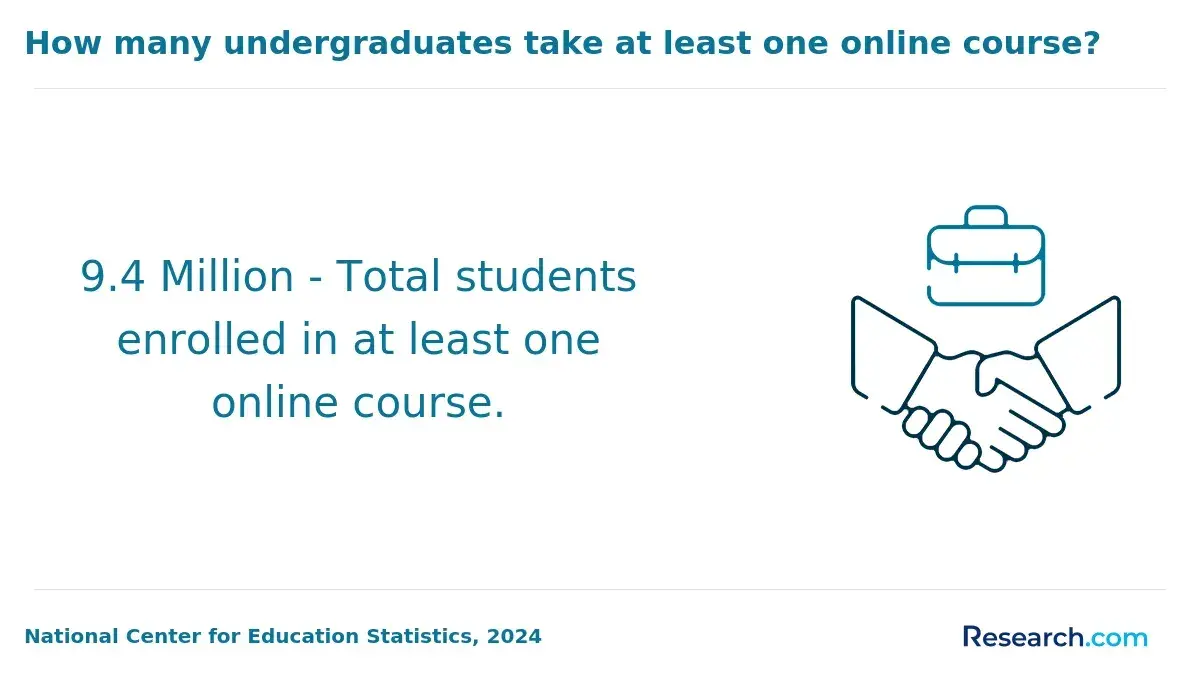
Financial aid options for students pursuing an online global studies bachelor's degree vary notably depending on whether the institution holds regional or national accreditation. Institutional eligibility to participate in federal and state aid programs plays a key role in determining the types and amounts of aid students can access. Nearly 85% of undergraduates receive some form of financial assistance, highlighting its importance in funding higher education.
- Federal Aid: Regionally accredited institutions almost always qualify for federal grants and student loans because they meet strict Department of Education standards. Nationally accredited schools may have limited access to these programs, resulting in fewer opportunities for Pell Grants and Direct Loans.
- State Scholarships and Grants: Most state funding programs prioritize students attending regionally accredited colleges. While some nationally accredited programs are eligible in certain states, this varies significantly and usually favors regional accreditation.
- Institutional Scholarships: Both types of schools can offer their own scholarships and financial awards. However, nationally accredited institutions often have smaller endowments, which can limit the availability of institutional aid.
- Private Scholarships: Many private scholarships do not specify accreditation requirements, allowing students from both categories to apply. Still, a considerable number of scholarships linked to professional associations or specific fields tend to prefer regionally accredited programs.
- Veterans Benefits: VA educational benefits typically cover programs from both accreditation types, but certification for these benefits is more commonly granted to regionally accredited institutions.
Can I Transfer Credits From a Nationally Accredited to a Regionally Accredited Online Global Studies Bachelor's Degree?
Transferring credits from a nationally accredited online global studies bachelor's degree to a regionally accredited program is often possible but depends heavily on institutional policies, course equivalency, and the recognition standards tied to accreditation types. Regionally accredited schools usually have tighter controls, reviewing detailed syllabi and transcripts to ensure courses match in content, credit hours, and academic level before accepting transfer credits. A common trend in higher education is that regionally accredited institutions frequently limit or reject credits from nationally accredited schools, sometimes only accepting lower-division courses or requiring additional coursework to fulfill degree requirements. Because regional accreditation is generally viewed as more rigorous and widely recognized, students should expect a selective transfer process that varies by school and program.
When asked about his experience with transferring credits, a student enrolled in an online global studies bachelor's degree shared that navigating this process felt "frustrating and unclear" at first. He explained that although his original program was nationally accredited, the regional institution "requested detailed course descriptions and extra documentation," which delayed acceptance. He added, "It wasn't just about the credits-there was a lot of back-and-forth with advisors to understand what counted toward my degree." This made planning the academic path more complex but also highlighted the importance of clear communication with admissions and registrar offices early in the transfer journey.
Does Accreditation Type Affect Job Opportunities After an Online Global Studies Bachelor's Degree?
Accreditation type can influence employer perceptions of online global studies bachelor's degrees, depending largely on industry standards and hiring practices. A survey by the National Association of Colleges and Employers found that about 85% of employers consider accreditation a critical factor when evaluating candidates' educational backgrounds. This underscores the importance of understanding the impact of regional versus national accreditation on job prospects.
- Employer Perception: Regional accreditation is often seen as more rigorous and tends to be favored by employers in sectors with strict qualification requirements, such as government and education. National accreditation, while respected in many fields, is sometimes viewed as less stringent, which can affect overall employer preference.
- Industry Expectations: Certain industries prioritize degrees from regionally accredited institutions to meet specific credentialing standards. However, some fields, especially those valuing specialized training or practical skills, may accept nationally accredited degrees comparably.
- Hiring Filters: Employers may use regional accreditation as an initial screening tool due to its broad recognition, which can give candidates an advantage. National accreditation might still provide opportunities but with more variation in acceptance depending on employer familiarity.
- Role-Specific Requirements: Some public-sector jobs and graduate programs require degrees from regionally accredited schools, potentially limiting options for graduates of nationally accredited programs. Private-sector employers often emphasize relevant experience alongside accreditation status.
- Job Market Perceptions: The job market perceptions of nationally accredited global studies degrees vary, but many employers focus on the institution's reputation and the candidate's skills, balancing accreditation with practical qualifications.
Prospective students should evaluate how accreditation aligns with their career aspirations within the job market. For those interested in advanced specialization, it may be helpful to explore options like an online master in clinical psychology as part of long-term planning after earning a global studies degree.
Will Accreditation Affect Eligibility for Advanced Degrees After an Online Global Studies Bachelor's Degree?
Accreditation type significantly affects eligibility for advanced degrees following an online global studies bachelor's degree. Graduate programs tend to favor applicants from regionally accredited institutions, which are seen as meeting higher academic standards. According to the Council for Higher Education Accreditation, about 90% of graduate programs in the U.S. prefer or require degrees from regionally accredited schools, highlighting the impact of accreditation on graduate school admissions.
- Admissions Recognition: Most advanced degree programs prioritize applicants with degrees from regionally accredited schools, making regional accreditation a key factor for admission. Students from nationally accredited colleges may face limited options when applying to master's or doctoral programs.
- Institutional Policies: Graduate schools differ in how they treat national accreditation, with some reviewing such credentials individually. This variability can lead to uncertainty regarding acceptance of degrees from nationally accredited institutions in advanced degree pathways.
- Credit Evaluation: Transfer credits from nationally accredited schools often require thorough assessment, which may delay or restrict academic progress. Regional accreditation generally eases credit transfer and acceptance by graduate programs.
- Impact on Eligibility: The distinction between regional versus national accreditation on graduate school admission directly influences academic mobility. Choosing regionally accredited programs usually supports smoother advancement to graduate degrees in global studies or related fields.
Students should weigh accreditation requirements for advanced degrees after global studies carefully, as these factors shape graduate opportunities and credit transfer success. For those exploring educational options, including programs in creative fields, researching online graphic design courses offers insight into how accreditation affects varied disciplines.
How Do I Choose Between Regional vs National Accreditation for an Online Global Studies Bachelor's Degree?
When comparing regional and national accreditation for an online global studies bachelor's degree, students should consider institutional reputation, alignment with academic goals, and program flexibility. Regional accreditation is typically seen as more prestigious and is favored by many employers and academic institutions, which can ease credit transfer and support future graduate study plans. National accreditation often applies to vocational or career-oriented schools and may offer more adaptable schedules, appealing to working adults. However, credits from nationally accredited institutions are less frequently accepted by regionally accredited schools. Research shows that about 40% of students face challenges transferring credits between these accreditation types, emphasizing the importance of this factor.
Prospective students should begin by confirming a school's accreditation through reliable sources such as official government or accreditation databases. They should carefully review transfer credit policies to avoid unexpected obstacles when continuing education. Evaluating how each accreditation matches their long-term academic or professional ambitions is vital, including the potential for graduate study and job market acceptance. Considering program structures and flexibility in relation to personal circumstances will further help clarify the best fit. This thorough approach ensures an informed decision aligned with both educational and career objectives.
What Graduates Say About Regional vs National Accreditation for Online Global Studies Bachelor's Degrees
- Ryker: "Choosing a nationally accredited online global studies bachelor's degree was a deliberate decision for me because I wanted flexibility without compromising quality. The program's curriculum was comprehensive, and I appreciated how the accreditation assured me that employers would recognize my degree. It truly opened doors in international NGOs where I now apply my interdisciplinary knowledge daily."
- Eden: "The regional accreditation of my online global studies degree gave me confidence that my education met rigorous academic standards. Navigating remote learning had its challenges, especially balancing coursework while working, but the support system made it manageable. This credential has significantly boosted my credibility, allowing me to consult confidently on multicultural projects."
- Benjamin: "What stood out most about pursuing my globally focused online bachelor's was how regional accreditation validated the program's quality and boosted my career prospects. Though I initially worried about the online format's rigor, the structured interactions and respected faculty alleviated those concerns. This degree was pivotal in advancing my career in diplomacy and policy analysis."
Other Things You Should Know About Global Studies Degrees
Online global studies degrees from nationally accredited schools may be respected by some employers, especially in fields valuing practical skills and certifications. However, many employers in public sector or international organizations prefer degrees from regionally accredited institutions due to perceived higher academic standards. Job seekers should verify employer preferences in their target career areas.
Transfer of credits between nationally and regionally accredited global studies programs is often limited and inconsistent. Regionally accredited schools typically accept transfer credits only from other regionally accredited institutions, which means credits earned at nationally accredited schools may not transfer easily. This can affect students changing programs or pursuing further education.
Employers in global affairs often prioritize candidates with degrees from regionally accredited institutions, associating these with rigorous academic training. While some positions may accept nationally accredited degrees, particularly if supplemented by experience, regional accreditation is usually preferred for jobs within government, NGOs, or international agencies.
References
- Full Transfer Guide - OnlineDegree.com https://www.onlinedegree.com/full-transfer-guide/
- List of Online Colleges with Regional Accreditation https://www.onlineu.com/resources/accreditation/regional-accreditation
- 2025 International/Global Studies Tuition - Online https://www.collegetuitioncompare.com/majors/30.2001/international-global-studies/
- National vs. Regional Accreditation: Which Should I Trust? | Resilient Educator https://resilienteducator.com/degrees/national-vs-regional-accreditation/
- Transfer to CSU Global | Transfer Credits Accepted | Colorado State University Global https://csuglobal.edu/admissions/transfer-students
- Bachelor Level Courses For International Students? https://www.online-literature.com/forums/printthread.php
- Comparing Tuition Costs in Fifteen Different Countries - IvyEdge Global https://ivyedgeglobal.com/comparing-tuition-costs-in-fifteen-different-countries/
- Understanding the Difference Between Regional and National Accreditation https://www.qahe.org/article/understanding-the-difference-between-regional-and-national-accreditation/
- Are Online Degrees Accredited? How to Identify Quality Distance Learning Programs https://www.umassglobal.edu/blog-news/online-degrees-accredited-identify-quality-distance-learning-programs
- Recognition and Transfer of Credits from Bachelor's Degree to Bachelor's Degree - UFV https://www.ufv.es/en/recognition-and-transfer-of-credits-from-international-bachelor-degree-to-bachelor-degree/