2027 Return on Investment of an Online Global Studies Bachelor's Degree: Salary vs Cost

Co-Founder and Chief Data Scientist
Imagine a mid-career professional aiming to transition into the global studies sector but unsure if investing in an online global studies bachelor's degree justifies the cost. With tuition averaging $20,000 to $40,000 and an expected salary increase of approximately 15% post-graduation, the financial outlook demands careful scrutiny.
According to recent data, graduates from accredited online global studies programs report a median starting salary of $55,000, highlighting a potential but variable return on investment. This article analyzes salary outcomes against total program costs-equipping readers to make informed decisions about pursuing an online global studies degree amidst shifting employment trends.
Key Things to Know About the Return on Investment of an Online Global Studies Bachelor's Degree
- Median annual salaries for graduates with an online global studies bachelor's degree typically range from $45,000 to $60,000, with tuition costs varying widely but often remaining under $30,000 total.
- Salary outcomes depend on factors like geographical location and industry, with many professionals seeing income growth exceeding 15% within five years post-graduation.
- Non-financial benefits include enhanced career advancement potential, increased job security, and continual professional development opportunities that support long-term career resilience.
What Is the True Cost of Earning an Online Global Studies Bachelor's Degree From Enrollment to Graduation?
Completing an online global studies bachelor's degree entails several direct and indirect costs that affect the total financial commitment. While tuition and mandatory fees are the largest expenses, factoring in additional fees and materials is essential for an accurate estimate.
- Tuition and Mandatory Fees: Published tuition for online global studies programs at public and private institutions ranges from $30,000 to $60,000 for the full degree. However, utilizing grants and scholarships often reduces the net price to between $15,000 and $40,000 according to IPEDS and institutional net price calculators.
- Technology and Access Fees: Many programs impose technology fees to support online platforms, software licenses, and technical assistance. These fees typically add $500 to $1,200 over the duration of the degree.
- Textbooks and Course Materials: Required textbooks, electronic resources, and supplemental readings generally are not included in tuition costs. Students should plan to spend approximately $1,000 to $2,000 across four years on these necessities.
- Proctoring and Exam Fees: Online courses occasionally require proctored exams that cost $25 to $50 each. Depending on the number of exams, this can accumulate to several hundred dollars in total.
Additional indirect costs include reliable internet service and any necessary software or hardware upgrades. Students who work while studying may encounter opportunity costs like reduced work hours.
Data from the National Center for Education Statistics highlight that the overall total tuition and fees for online global studies bachelor's programs realistically amount to roughly $17,000 to $45,000 for most students. This cost breakdown of earning an online global studies bachelor's degree in the US offers a practical baseline for evaluating return on investment.
For students interested in shorter pathways or alternative credentials, consider exploring an accelerated associates degree online, which may provide cost-effective stepping stones toward your educational goals.
How Does the Starting Salary for Global Studies Bachelor's Degree Graduates Compare to the Total Cost of the Degree?
The median annual starting salary for graduates with a bachelor's degree in global studies typically falls between $45,000 and $65,000 for roles in social sciences, international relations, or nonprofit sectors.
According to the Bureau of Labor Statistics (BLS) Occupational Outlook Handbook, common entry-level jobs like social and community service managers or political scientists reflect this salary range. Comparing these figures with average total tuition costs helps clarify the financial outlook for students pursuing an online global studies bachelor's degree.
The total tuition for an online global studies program ranges from $20,000 to $60,000, depending on the institution, residency status, and financial aid received. In the best-case scenario, where tuition costs are near $20,000 and significant aid is available, the cost represents roughly five months of starting salary based on a $50,000 median income.
Conversely, if tuition totals $60,000 without aid and the starting salary stands at $45,000, it may take up to 16 months of gross earnings to recoup tuition expenses. This comparison highlights the importance of balancing tuition costs against potential income when selecting a program.
Starting salary is only a baseline. With typical annual salary growth of 3% to 5%, combined with career progression opportunities, graduates can expect increased return on investment over time. There are also valuable non-financial returns, such as enhanced job security and professional growth, worth considering alongside raw earnings data.
For those weighing options, information about related fields like online mental health counseling programs may provide useful context in career planning and education budgeting.
What Is the Average Return on Investment (ROI) for an Online Global Studies Bachelor's Degree Over a 10-Year Career?
Return on investment (ROI) in higher education evaluates the financial gain achieved by earning a degree compared to the total expenses involved.
Specifically, for an online global studies bachelor's degree, ROI is calculated by subtracting the full cost of the program from the extra cumulative earnings generated over a 10-year career when compared to salaries of high school graduates or associate degree holders in the same domain. Data from the Georgetown University Center on Education and the Workforce and PayScale's College ROI Report provide a solid benchmark for these comparisons.
Using median wage figures from the Bureau of Labor Statistics, a typical global studies graduate starts at about $50,000 annually with an estimated 3% yearly raise. Over a decade, these earnings can total more than $550,000.
When the average tuition and fees of roughly $40,000 for an online program are deducted, the net financial benefit remains significant. This advantage becomes clearer when comparing with associate degree holders, who earn about $35,000 on average and thus accumulate $150,000 less over 10 years.
The ROI for an online global studies degree often surpasses the national average ROI for all bachelor's degrees, highlighting the field's robust financial rewards.
A professional who enrolled in the online global studies bachelor's degree program shared how the decision required careful financial analysis. He recalled feeling apprehensive balancing work and studies but found that understanding the tangible return made the commitment worthwhile.
"I broke down the costs and compared them against realistic salary projections before enrolling," he explained. Living on a tight budget, he had to prioritize educational expenses and sacrifice leisure activities. Despite the challenges, completing the program opened doors to promotions and more stable employment, which reinforced his belief that the upfront effort and cost were justified by the career progress he achieved.
How Do Online Global Studies Program Tuition Rates Compare Across Public, Private, and For-Profit Institutions?
- Public Universities: These schools usually offer the most affordable tuition, especially for in-state students. Many state institutions apply a flat-rate online tuition that doesn't depend on residency, benefiting out-of-state learners. According to the latest IPEDS data, online global studies degree tuition comparison shows in-state costs typically range between $5,000 and $10,000 annually, making public options cost-effective without sacrificing quality.
- Private Nonprofit Institutions: Tuition here is higher, often from $15,000 to $30,000 per year. These colleges tend to provide stronger student support and networking, which can translate into higher graduation rates and better employer recognition. Although more expensive, they may generate improved career advancement and salary returns.
- For-Profit Colleges: Offering tuition sometimes as low as $7,000 to $15,000, these schools appear affordable but often face scrutiny over academic quality and employer perception. Lower graduation rates at for-profits can reduce the long-term ROI despite the appealing sticker price.
When comparing cost differences for global studies programs public private for-profit options, it's vital to consider outcomes beyond tuition. Cheaper programs don't always mean better returns, especially if graduation rates and job prospects are lower.
For students balancing budgets and ambitions, investing in reputable public or nonprofit programs usually leads to more sustainable career growth and job security. Those seeking to advance quickly might also explore the fastest online business degree options as a complementary path to career enhancement.
What Long-Term Salary Growth Can Global Studies Bachelor's Degree Holders Expect Over a 20- to 30-Year Career?
Career earnings for those with a global studies bachelor's degree typically increase steadily over 20 to 30 years, driven by accumulating experience and sector developments. Salary growth often accelerates at several pivotal points tied to professional milestones within fields like international development and policy analysis.
- Early Career Growth: Entry-level salaries range from about $45,000 to $55,000, with modest raises during the first five years as graduates build foundational skills and gain practical experience.
- Mid-Career Acceleration: Between five and ten years, many take on greater responsibilities or move into management and advisory roles, raising earnings to roughly $65,000 to $80,000 annually, reflecting demand for specialized analytical and cross-cultural skills.
- Established Professional Peak: Around 15 years, salary often jumps again with senior roles such as program directors or international affairs specialists, pushing pay beyond $90,000 especially when complemented by certifications or advanced training.
- Long-Term Earning Potential: Seasoned professionals with 20 to 30 years' experience can earn over $100,000 yearly, particularly in leadership positions or high-demand sectors, with wages projected to continue rising with inflation and labor market shifts.
- Lifetime Earnings Premium: Compared to peers without degrees, global studies graduates earn an estimated extra $500,000 to $700,000 cumulatively over their careers, owing to consistent growth, promotional access, and greater job stability.
One professional who built her career after completing the online global studies program shared that balancing work and study was challenging but rewarding. She recalled feeling overwhelmed juggling assignments with full-time employment but emphasized how the program's flexibility and relevant curriculum enabled steady career progression.
"The advanced knowledge and skills I gained opened doors I hadn't imagined," she reflected, highlighting that the financial growth reflected not only increased salary but also expanded opportunities for meaningful, impactful work.
How Does the ROI of an Online Global Studies Bachelor's Degree Compare to an Associate Degree or a Professional Certificate?
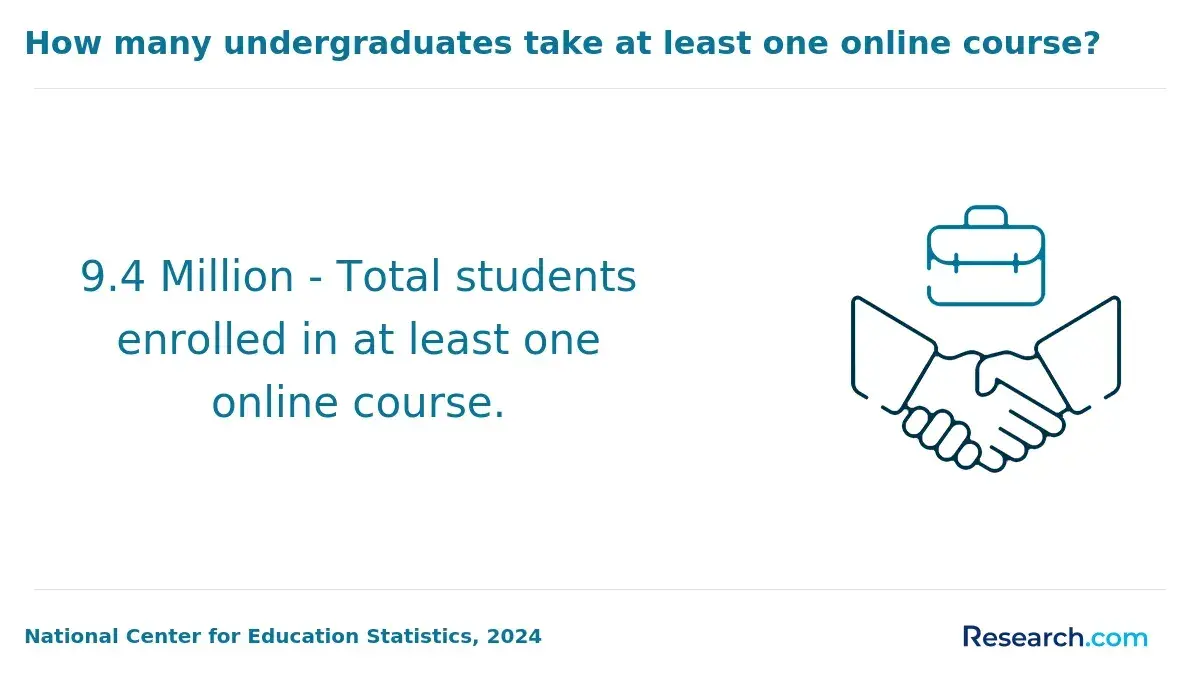
Investing in an online global studies bachelor's degree compared to an associate degree or professional certificate involves weighing upfront costs against future earnings and career benefits.
- Cost Efficiency: Associate degrees and certificates often require less time and money, with tuition typically ranging from $6,000 to $15,000 for associate programs and even lower costs for certificates, which can be completed in months.
- Median Salary Differences: According to the Bureau of Labor Statistics, median wages for global studies bachelor's degree holders surpass those with associate degrees or certificates by roughly 20 to 40 percent. Entry-level positions for bachelor's graduates start around $60,000 annually, whereas those with associate degrees earn about $40,000 to $45,000.
- Short-Term vs. Long-Term Benefits: For individuals seeking faster access to the workforce or facing budget constraints, certificates and associate degrees offer quicker, more affordable routes with modest starting salaries. Conversely, bachelor's degrees provide higher earning potential over time, offer better job stability, and open doors to leadership and specialized roles preferred by employers.
- Career Advancement and Skill Development: A bachelor's degree in global studies equips learners with critical thinking, research skills, and cross-cultural communication abilities, enhancing career flexibility and resilience during economic shifts.
- Decision Framework: Working professionals aiming for promotion may find a bachelor's degree strategically beneficial due to stronger credentials. Students prioritizing immediate employment with limited funds might opt for certificates or associate degrees as practical initial steps. Careful consideration of personal timelines and finances-balancing short-term costs with projected earnings over 10 to 20 years-supports informed credential choices.
Which Online Global Studies Specializations or Concentrations Yield the Highest Earning Potential After Graduation?
Online global studies bachelor's programs offer specializations that significantly impact graduates' earning potential, according to data from the Bureau of Labor Statistics (BLS) and IPEDS. Comparing median salaries across concentration tracks reveals notable differences compared to generalist global studies graduates entering similar sectors.
- International Relations: Graduates often find roles in diplomacy, government, or international organizations. BLS reports median annual salaries around $80,000 for positions such as foreign service officers, representing a 15% to 25% premium over typical generalist roles in education or social services.
- Global Economics and Development: This specialization leads to careers in international finance, economic consulting, or development agencies. Salaries range from $65,000 to $90,000, reflecting a substantial premium over generalist graduates who usually start at $45,000 to $60,000. Many finance-related positions may require certifications like the CFA, which increases upfront costs and affects time-to-return on investment.
- Environmental Policy and Sustainability: Interest in climate change and resource management drives this growing field. Salaries average between $60,000 and $75,000, with some advanced roles demanding certifications in environmental science or project management, influencing total investment and career pacing.
- Human Rights and International Law: Graduates in this area often earn $50,000 to $70,000 initially. Pursuing additional law degrees or paralegal certifications can boost long-term earnings but may delay time-to-ROI due to extended schooling and licensure requirements.
Specializations like international relations and global economics typically offer the highest immediate salary returns, especially for individuals with prior experience or professional credentials.
Meanwhile, environmental policy and human rights tracks require careful consideration of additional certification costs against the benefits of long-term career growth and job security.
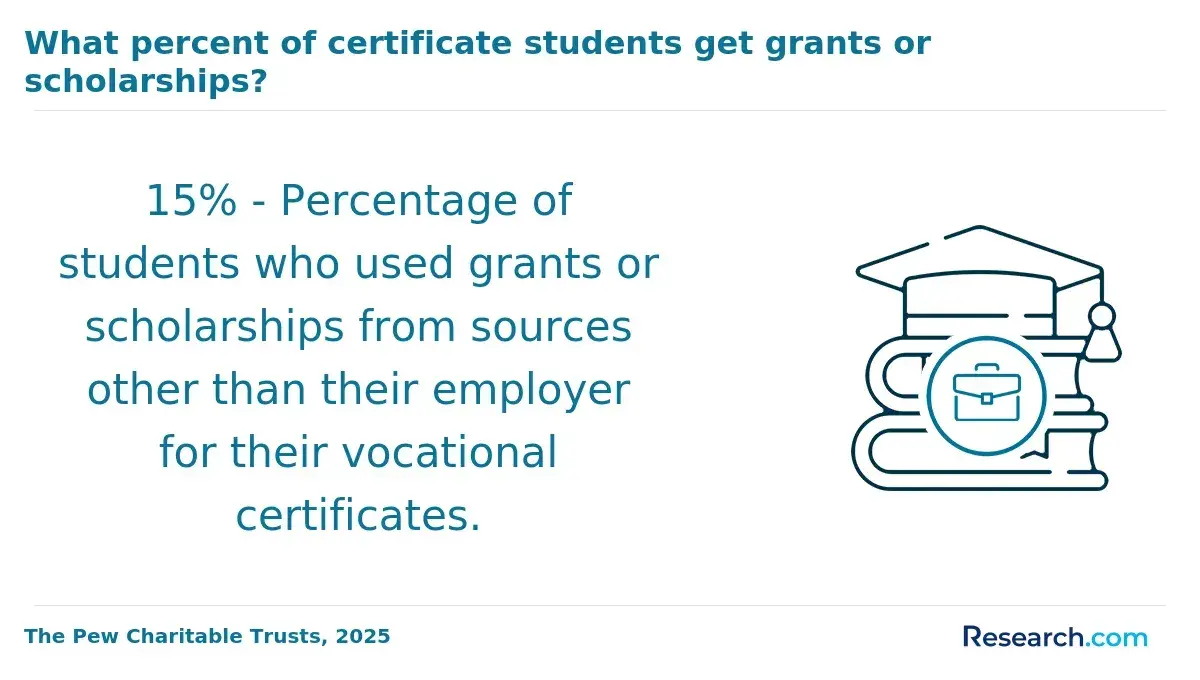
How Do Employer Tuition Reimbursement and Financial Aid Reduce the Net Cost of an Online Global Studies Bachelor's Degree?
Employer tuition reimbursement programs for online global studies degrees can dramatically lower the financial burden of earning a bachelor's degree. Under IRS Section 127, employers can provide up to $5,250 annually in tax-free educational assistance, covering tuition, fees, and required materials.
The Society for Human Resource Management (SHRM) reports that nearly 60% of U.S. organizations offer some level of tuition aid, making employer support a vital resource for working students pursuing affordable education. These benefits often reimburse employees partially or fully after course completion, encouraging academic success while easing cost pressures.
Combining employer tuition reimbursement with federal financial aid, such as Pell Grants, subsidized loans, and scholarships, can further reduce net tuition costs. Institutional scholarships awarded based on merit or financial need also play a key role in minimizing out-of-pocket expenses. This multi-layered financial aid framework enables students to manage tuition effectively without excessive debt, balancing studies with steady income.
For example, in an online global studies program charging around $15,000 per year, employer reimbursement could cover $5,250, while federal grants might add approximately $4,000. When institutional scholarships covering another $2,000 are included, a student's remaining annual tuition might be reduced to about $3,750. These savings demonstrate how combining aid sources can make a global studies degree highly affordable.
Students interested in interdisciplinary online programs should also explore options like a masters in blockchain online, which offer emerging fields with strong market potential and complementary skill sets.
What Hidden Costs Should Students Factor Into the Total Investment of an Online Global Studies Bachelor's Degree?
When budgeting for an online global studies bachelor's degree, students often overlook several additional fees that can significantly raise the total cost beyond tuition.
These hidden expenses, highlighted by institutional cost-of-attendance disclosures and College Board data, can add 10 to 20 percent to the sticker price, delaying the break-even timeline for financial return on investment (ROI). Factoring in these costs is essential, especially for students balancing a tight budget or managing the financial impact of time commitment for online global studies students.
Technology fees, frequently ranging between $100 and $300 per semester, are mandatory charges to access learning platforms and online resources. Proctoring services, necessary for exam integrity, typically cost $20 to $50 per exam, which accumulates as students progress through multiple courses. Graduation fees, often $100 to $200, may come as a surprise if not included in early financial planning.
Course-specific software licenses represent another financial layer. Some courses require specialized tools such as mapping software, language-learning apps, or data analysis programs costing $30 to over $200 per course. In addition, annual memberships in professional organizations, costing between $50 and $150, can benefit career development but add to upfront expenses.
Requesting a full cost-of-attendance breakdown, including all fees, not just tuition, is a prudent step before enrollment. For those evaluating which programs offer the best value, understanding these additional costs is crucial to making an informed decision that aligns with both financial and professional goals.
Students interested in broader perspectives on degree value and related career pathways can also explore which master's degree is most in demand in USA.
How Does the Accreditation Status of an Online Global Studies Program Affect Graduate Salary and Employability?
Accreditation status significantly influences a graduate's job prospects and salary potential in online global studies bachelor's programs. Regional accreditation is typically more stringent and widely accepted by employers, while programmatic accreditation targets specific disciplines but often carries less overall weight.
According to research by the National Association of Colleges and Employers (NACE), hiring managers tend to favor candidates with degrees from regionally accredited schools. Degrees from nationally accredited or non-accredited institutions are less recognized, which can reduce salary offers and limit negotiation leverage.
Attending a program without proper accreditation may restrict eligibility for professional licensure exams, graduate school admission, and certain government or healthcare positions. This can create long-term career obstacles regardless of the financial investment in education.
Prospective students should use trusted resources like the U.S. Department of Education's accreditation database and the Council for Higher Education Accreditation (CHEA) to confirm a program's legitimacy prior to enrollment.
What Entry-Level Job Titles and Salary Ranges Are Available to Graduates of Online Global Studies Bachelor's Programs?
Graduates with a bachelor's degree in global studies often enter a workforce offering diverse entry-level roles with variable salary ranges. These positions can shape career trajectories and impact how quickly graduates recoup their education costs through earnings.
- Policy Analyst: Median starting salaries are between $50,000 and $65,000, with government and international bodies typically providing the best entry compensation.
- International Relations Specialist: Salaries usually range from $48,000 to $62,000, with government and nonprofit sectors offering strong benefits and clear advancement paths.
- Community Outreach Coordinator: Earnings average $40,000 to $55,000, especially in healthcare and education, where program development and engagement skills are valued.
- Market Research Analyst: Starting pay falls between $45,000 and $60,000, particularly attractive in finance and technology sectors prioritizing data expertise.
- Foreign Service Assistant: Entry-level wages typically span $50,000 to $58,000, mostly within government diplomatic services.
- Human Rights Advocate: Salaries begin around $38,000 and can reach $52,000, primarily in nonprofits and international organizations.
- ESL Teacher: Compensation varies from $35,000 to $50,000, with education systems and private language schools often leading initial pay.
- Program Coordinator: Initial salaries generally range from $42,000 to $57,000, with nonprofits and healthcare offering notable growth based on project management experience.
Internships, language skills, certifications, or specializations such as international development can boost starting salaries by 10 to 20 percent, enhancing early career ROI and stability in competitive markets.
What Graduates Say About the Return on Investment of Their Online Global Studies Bachelor's Degree
- Raine: "Choosing the online global studies bachelor's degree was a strategic decision rooted in a clear analysis of return on investment versus cost. The program's flexibility allowed me to work while studying, which meant I didn't have to sacrifice income or job stability. Looking back, the combination of affordable tuition and career advancement opportunities made this degree an invaluable asset that continues to open doors in international development."
- Elisha: "The non-financial returns of the online global studies program truly surprised me-beyond salary, it gave me significant career growth and resilience in a competitive job market. This degree expanded my global perspective and networking possibilities, strengthening my professional profile. Reflecting on my journey, the value I gained in confidence and specialized skills far outweighed the initial expense, making it a deeply rewarding investment in myself."
- Benji: "Pursuing an online global studies bachelor's degree has transformed my professional life in ways I hadn't imagined. The ROI wasn't just monetary-it was the enhanced job security and the ability to pivot across industries that really stood out. Balancing work and study enabled me to immediately apply learned concepts on the job, which accelerated my career trajectory and confirmed this program's worth from both a practical and financial standpoint."
Other Things You Should Know About Global Studies Degrees
On average, graduates of online global studies bachelor's programs can expect to recoup their tuition and related costs within five to seven years through higher salaries. This timeframe varies depending on factors such as the total cost of the program and the graduate's career path after graduation. Those entering international development, governmental agencies, or global nonprofit organizations often see quicker returns due to competitive starting salaries.
Salary outcomes for global studies graduates differ significantly based on location and sector. Graduates working in major metropolitan areas or global hubs like Washington D.C., New York, or London typically earn higher salaries than those in rural regions. Additionally, industry sectors such as international business, diplomacy, and security tend to offer better compensation compared to academia or smaller nonprofit roles.
Employer surveys highlight a growing appreciation for global studies graduates' skills in cross-cultural communication and international policy knowledge. Labor market data show steady demand for professionals with global competencies, especially in multinational corporations and government agencies. However, employers often emphasize the importance of internships and practical experience alongside the academic degree as key factors for hireability.
References
- ROI on degrees, certificates https://www.ccdaily.com/2024/10/roi-on-degrees-certificates/
- Associate degrees and certificates are more valuable than you may think https://fordhaminstitute.org/national/commentary/associate-degrees-and-certificates-are-more-valuable-you-may-think
- How We Calculated the Return on Investment of Associate Degrees and Certificates - Freopp https://freopp.org/whitepapers/how-we-calculated-the-return-on-investment-of-associate-degrees-and-certificates/
- Online Degree Cost Explained: A Complete Financial Breakdown https://collegeandtuition.com/online-degree-cost-explained-a-complete-financial-breakdown/
- Average Cost of Online College [2025]: Yearly Tuition + Fees https://educationdata.org/average-cost-of-online-college