2027 Hybrid vs Fully Online Global Studies Bachelor's Degree Programs

Co-Founder and Chief Data Scientist
Imagine a working parent living in a mid-sized city, balancing a full-time job and childcare while considering a bachelor's degree in global studies. The choice lies between attending a hybrid program that requires occasional campus visits and a fully online option offering complete schedule flexibility. The hybrid route offers hands-on experiences and face-to-face networking but demands travel time, a challenge given limited childcare support. Conversely, the fully online path accommodates unpredictable hours but may limit direct engagement and practical learning. With 56% of global studies graduates employed in international fields within six months, selecting the right format is critical.
This article explores the key differences between hybrid and fully online global studies bachelor's degree programs to help prospective students make well-informed decisions based on their unique circumstances.
Key Benefits of Hybrid vs Fully Online Global Studies Bachelor's Degree Programs
- Hybrid programs offer structured in-person sessions alongside online coursework, providing flexibility while maintaining meaningful face-to-face interaction.
- Fully online programs maximize schedule flexibility, ideal for students balancing work and family without commuting constraints.
- Hybrid formats support networking and collaborative learning, whereas fully online ones emphasize self-discipline, with 60% of online students reporting improved time management skills.
What Is a Hybrid vs Fully Online Global Studies Bachelor's Degree?
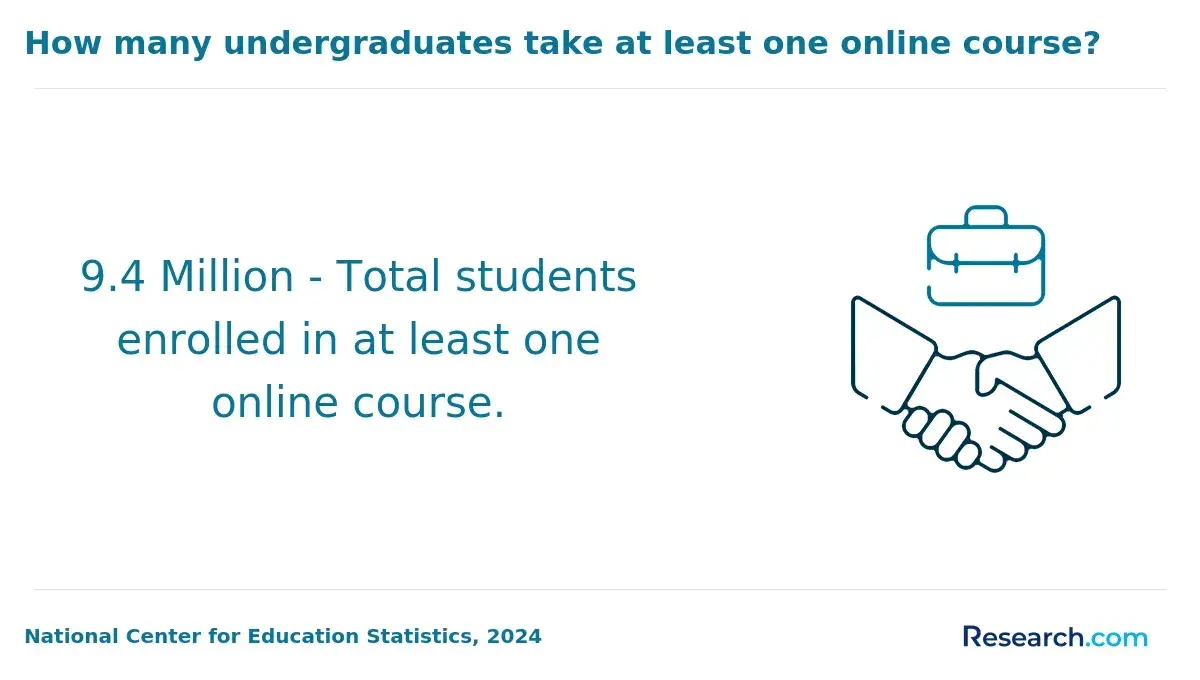
Hybrid and fully online formats for a global studies bachelor's degree vary primarily in their delivery methods, the extent of in-person interaction, and the structure of coursework. Recent studies show that over 75% of higher education students have taken at least one online course, reflecting growing acceptance of these flexible learning models. Below is a comparison of key aspects of each format to help students decide which aligns best with their lifestyle and educational preferences.
Hybrid Programs
- Course delivery combines on-campus classes with online modules, offering a blend of face-to-face and digital instruction.
- Students often attend seminars, labs, or group projects in person while completing lectures and assignments online.
- There is a higher level of interpersonal interaction, fostering direct engagement with instructors and peers.
- Scheduling typically includes planned campus visits alongside flexible online coursework sessions.
- Learning balances traditional classroom experiences with digital tools, promoting both hands-on skills and technological proficiency.
Fully Online Programs
- Courses are delivered entirely through internet-based platforms without any physical campus attendance.
- Students access asynchronous video lectures, discussion boards, and online assessments at their convenience.
- Interaction occurs primarily through virtual communication tools, which may influence networking and collaboration opportunities.
- Scheduling is highly flexible, allowing students to learn anytime without fixed campus visits.
- Programs emphasize self-discipline, time management, and mastery of virtual communication tools.
Prospective students seeking the easiest online degree might consider fully online global studies undergraduate options for maximum flexibility, while others may prefer hybrid global studies bachelor's degree programs for a balance of personal interaction and remote access.
How Does a Hybrid vs Fully Online Global Studies Bachelor's Degree Program Work?
Both hybrid and fully online global studies bachelor's degree programs follow structured academic pathways designed to meet degree requirements through courses and credit hours. The major distinction lies in how students access coursework and engage with instructors and peers. According to the National Center for Education Statistics, online course enrollment increased by over 70% between 2010 and 2020, reflecting substantial growth in these learning models. Below is a comparison of how hybrid and fully online formats operate in practice.
Hybrid Programs
- Coursework is divided between scheduled on-campus classes and online sessions, blending physical and digital learning environments.
- Students participate in-person during campus meetings and online through discussion forums, video calls, or group projects.
- Fixed class times exist for in-person sessions, complemented by weekly deadlines or synchronous online meetings.
- Communication happens face-to-face and via email, learning management systems, or video conferencing.
- Access to campus resources such as libraries and advising supplements digital tools for coursework in hybrid global studies bachelor's degree program structure.
Fully Online Programs
- Course materials, lectures, and assignments are delivered entirely through an LMS without any campus visits.
- Participation occurs asynchronously via forums and live webinars, with collaborative projects conducted remotely.
- Schedules primarily feature flexible weekly deadlines rather than fixed meeting times, though some courses may hold scheduled virtual sessions.
- Instructor and peer communication relies on emails, discussion boards, video conferencing, and messaging tools.
- Students must independently manage their learning environment, which requires reliable technology and self-motivation common in fully online global studies bachelor's degree format.
Prospective students can explore more options for an online bachelor's degree to find programs that align with their educational goals and lifestyle preferences.
Are Admission Requirements Different for Hybrid and Fully Online Global Studies Bachelor's Degrees?
Admission requirements for hybrid and fully online global studies bachelor's programs generally align closely, as schools maintain consistent academic standards. However, certain differences exist that reflect the distinct nature of each format and institutional protocols. Below are some key points highlighting these variations.
- Academic Qualifications: Both program types typically expect comparable educational backgrounds, like a high school diploma or equivalent. Nevertheless, hybrid programs often incorporate in-person interviews or campus visits to complement application reviews, a step usually absent in fully online admissions.
- Technical Requirements: Fully online programs demand stable internet connectivity and familiarity with digital platforms prior to starting coursework. Hybrid students might face fewer immediate technical demands since part of their instruction occurs on campus.
- Application Materials: Hybrid applicants sometimes need to provide documents confirming local residency or access to campus facilities, reflecting the expectation of occasional in-person attendance. In contrast, online programs rarely require such geographic validations.
- Prerequisites and Testing: Some hybrid programs include placement testing or mandatory on-campus orientation sessions. Fully online programs tend to offer remote testing and virtual orientation alternatives to meet these requirements.
One student studying fully online shared that, despite initial concerns about meeting technical prerequisites, the application process felt straightforward. She noted, "There was no need for travel or complicated paperwork related to location, which eased my stress." She also appreciated the remote orientation, explaining, "It made me feel connected without stepping foot on campus." Her experience suggests that while the core admissions criteria remain consistent, the fully online format reduces logistical barriers that hybrid applicants might encounter.
Is the Learning Experience Better in Hybrid vs Online Global Studies Bachelor's Degrees?
Hybrid global studies bachelor's degree programs blend face-to-face campus interactions with online coursework, fostering a more dynamic learning atmosphere. Students benefit from direct contact with instructors and classmates during scheduled on-campus sessions, which can deepen understanding through real-time discussions and group activities. This format supports building a sense of community that encourages collaboration and engagement with complex topics. Access to campus facilities like libraries and academic advising adds further value to the educational experience. However, the necessity of attending in-person sessions may pose challenges for those balancing employment or family responsibilities.
Fully online global studies degrees prioritize flexibility by allowing students to engage with coursework anytime and anywhere. This format often incorporates interactive tools such as video chats, discussion forums, and virtual group projects to promote communication and maintain instructor support. Digital learning platforms provide abundant resources, including multimedia and research databases, encouraging self-directed learning at an individual pace. While lacking the immediacy of in-person exchanges, online programs can still deliver a comprehensive academic experience for students who thrive in independent and technology-driven environments.
Which Is More Flexible: Hybrid or Fully Online Global Studies Bachelor's Degree?
Hybrid global studies bachelor's degree flexibility lies in its blend of online and in-person components that require students to attend scheduled campus sessions such as labs or seminars. This format suits those who appreciate direct interaction but still need some remote learning options. However, the necessity to be physically present at set times can restrict adaptability, as students must coordinate their availability with fixed class schedules and travel requirements. By combining face-to-face engagement with virtual coursework, hybrid programs try to cater to learners seeking a moderate level of flexibility without sacrificing on-campus experiences.
Fully online global studies bachelor's programs provide greater flexibility by offering remote access and mostly asynchronous learning, allowing students to study independently from any location. This setup benefits individuals balancing careers, family, or living far from campus, as it enables complete control over when and where to engage with course materials. While some online courses might include scheduled discussions or exams, most emphasize self-paced progress. According to a 2023 study, 85% of online students chose fully online courses for their scheduling flexibility. For those curious about investment, information on criminal justice degree cost may offer helpful insights into related online degree affordability.
What Is the Workload for Hybrid vs Fully Online Global Studies Bachelor's Degrees?
Both hybrid and fully online global studies bachelor's degree programs generally follow comparable academic requirements, yet their pacing and structure create different time management challenges for students. Research from the Online Learning Consortium shows that more than 60% of online learners devote upwards of 15 hours weekly to their coursework, underscoring the significant effort needed regardless of delivery method. These factors influence how students approach their studies in each format.
In hybrid global studies programs, students split their efforts between attending scheduled in-person classes and completing online coursework. The face-to-face sessions often include lectures, discussions, and collaborative activities that provide a fixed framework throughout the week. This set schedule can improve time management by establishing consistent periods for learning on campus, but students must also dedicate time outside class for reading assignments, projects, and online forum participation. Balancing physical attendance and virtual tasks requires careful planning to meet all deadlines.
Conversely, fully online global studies degrees rely heavily on asynchronous formats, where learners access video lectures, assignments, and exams at times that suit their individual routines. This flexibility allows students to tailor their study hours but demands strong self-motivation and disciplined time management to avoid falling behind. Without regular class meetings, learners must independently organize their workload and ensure timely completion of essays and discussion posts. While this model suits those needing adaptable schedules, it often challenges consistent engagement and progress.
How Does Tuition Compare for Hybrid vs Online Global Studies Bachelor's Degrees?
Tuition structures for hybrid and fully online global studies bachelor's degree programs differ based on delivery format, institutional policies, credit requirements, and additional fees charged to students. Generally, fully online programs tend to have slightly lower per-credit tuition rates than hybrid options, reflecting reduced overhead costs. This trend has been noted by educational researchers who analyze cost variations across learning formats.
- Per-Credit Costs: Hybrid programs often have higher per-credit tuition due to the use of campus resources and facilities, while fully online programs usually offer lower rates since they avoid many in-person expenses.
- Technology and Campus Fees: Students in hybrid programs may face additional campus fees for facility maintenance and in-person tech support, whereas online learners typically pay fees only for digital platforms and virtual tools.
- Residency or Facility Charges: Hybrid students attending classes on campus may incur charges related to classroom usage and campus services, which are generally absent in fully online formats.
- Payment Flexibility: Some online programs provide flexible payment plans or subscription-style tuition models that ease budgeting, compared to the more traditional semester-based billing common in hybrid programs.
- Credit Load Requirements: Minimum credit loads per term can vary by format and impact total tuition paid each semester, reflecting differences in scheduling and program design between hybrid and online options.
When asking a graduate of a hybrid global studies bachelor's degree about tuition, he shared how navigating the added campus fees was initially surprising. "I expected my tuition to just cover classes, but then the additional facility charges and tech fees started adding up," he explained. He found balancing those costs alongside tuition challenging at first but appreciated the transparency after discussing billing details with the bursar's office. He noted that understanding the full financial picture was critical to managing his budget and making the hybrid format a viable choice.
Do Employers Prefer Hybrid or Fully Online Global Studies Bachelor's Degrees?
Employer perceptions of hybrid and fully online global studies bachelor's degrees have changed greatly as online education became more established. According to a 2022 survey from the National Association of Colleges and Employers, nearly 80% of employers now view online degrees as comparable to traditional formats when earned from reputable universities. This evolving acceptance sets the stage for examining how employers weigh hybrid versus fully online global studies degrees in the job market.
- Instruction Quality and Engagement: Hybrid degrees combine on-campus interaction with digital learning, which employers often perceive as balancing hands-on collaboration with flexible study. Fully online degrees demonstrate strong self-motivation but sometimes raise concerns about limited direct engagement and networking opportunities.
- Skill Versatility: Employers appreciate hybrid graduates' experience managing both face-to-face and virtual communication, a valuable asset in roles requiring adaptability. Fully online formats emphasize independence and time management skills, traits that many employers recognize as relevant in professional settings.
- Industry Preferences: International organizations and NGOs often favor hybrid degree holders for their potential immersive experiences supporting cultural proficiency. Conversely, tech-driven companies are increasingly comfortable hiring fully online graduates for their proficiency with virtual tools and digital collaboration platforms.
- Market Acceptance Trend: Steady acceptance of fully online global studies bachelor's degrees continues as program rigor and institutional reputation remain decisive factors. This evolving dynamic reflects broader shifts in employer preference for hybrid versus fully online global studies degrees.
For students seeking further advancement, exploring options like an online masters in clinical mental health counseling illustrates how flexible online learning paths are expanding in many fields.
Who Should Choose a Hybrid vs Fully Online Global Studies Bachelor's Degree?
The choice between hybrid and fully online global studies bachelor's degree programs largely depends on personal learning preferences, lifestyle, and the desired level of schedule flexibility. Hybrid programs combine in-person and online classes, providing some campus interaction, while fully online programs offer full-time flexibility without on-site attendance. Understanding which format aligns with a student's needs can help optimize their educational experience.
- Preference for Interaction: Students who benefit from real-time discussions and face-to-face engagement often prefer hybrid programs, where structured classroom time enhances comprehension and connection.
- Schedule Flexibility: Working professionals or those balancing multiple commitments usually thrive in fully online global studies degree programs due to the asynchronous format that supports independent time management.
- Location Convenience: Those living near campus or with easy commuting options may choose hybrid programs to maintain a connection with campus life and resources.
- Self-Motivation: Self-driven learners who excel at organizing their studies and want to avoid commuting typically find fully online formats more suitable.
- Learning Balance: Students seeking a mix of guided learning and autonomy may find hybrid global studies bachelor programs advantages, offering both classroom support and online flexibility.
- Geographic Independence: Individuals living far from campus or in areas with limited access to in-person classes benefit significantly from fully online programs, ensuring education is accessible regardless of location.
Those weighing their options should also consider career outcomes relevant to their discipline; for example, research highlights differences in job prospects for various formats in related fields such as engineering. Prospective students can explore insights on online electrical engineering career outcomes to understand how program format influences workforce readiness.
How Can I Succeed in a Hybrid vs Fully Online Global Studies Bachelor's Degree Program?
Strategies for success in hybrid and fully online global studies bachelor's programs vary due to their unique formats and levels of interaction. Hybrid learners juggle both in-person and virtual components, requiring adaptability, while online students must build engagement without face-to-face contact. The following approaches help students excel in each learning method.
- Time Management: Hybrid students benefit from creating a structured weekly calendar that balances campus attendance with online work. Fully online learners should set consistent study blocks to maintain productivity amid distractions.
- Active Engagement: Hybrid participants can enhance learning by contributing in classroom discussions and networking in person. Online students need to be intentional about participating in forums and communicating frequently with instructors.
- Digital Proficiency: Both formats demand strong skills in using learning management systems and collaboration tools, though online students rely more heavily on mastering virtual technologies without immediate in-person support.
- Preparation: Hybrid students should review materials before in-person sessions to deepen understanding and efficiently use face-to-face time. Online learners might prepare by organizing digital resources and workspace to stay focused.
- Goal Setting: Setting weekly objectives helps all students track progress and stay motivated regardless of learning mode.
- Communication: Regular contact with advisors and faculty is crucial to promptly address academic challenges in both program types.
- Technology Tools: Utilizing apps for scheduling and task management tailored to each format assists students in staying organized and meeting deadlines.
What Graduates Say About Hybrid vs Fully Online Global Studies Bachelor's Degree Programs
- Ryker: "Choosing a fully online global studies program was essential for me because of my full-time job and family commitments. The flexibility to attend classes and submit assignments on my own schedule allowed me to maintain balance and excel academically. Since graduating, the comprehensive international perspective I gained has opened doors for me in multinational organizations, giving me a real edge in my career."
- Eden: "Enrolling in a hybrid global studies bachelor's program gave me the best of both worlds-live, engaging class discussions on campus combined with the convenience of online coursework. Navigating this format required strong self-discipline and time management, which ultimately strengthened my overall academic skills. Reflecting on my experience, I feel this structure prepared me exceptionally well for remote work environments in my global nonprofit role."
- Benjamin: "The decision to pursue a fully online global studies degree was driven by my desire to study diverse cultures without relocating. The ability to connect with peers from around the world through virtual platforms enriched my learning experience beyond traditional classrooms. Professionally, this degree has been invaluable, providing me with critical cross-cultural communication skills that are highly sought after in international business."
Other Things You Should Know About Global Studies Degrees
Yes, many institutions allow students to transfer credits between hybrid and fully online global studies programs, but policies vary by school. It's important to verify whether the courses completed in one format meet the curriculum requirements of the other. Transfer approvals often depend on accreditation, course content, and credit equivalency.
Hybrid global studies students usually have easier access to local internship opportunities due to their on-campus presence. Fully online students can also pursue internships but may need to seek remote or virtual placements more actively. Both formats emphasize practical experience, but hybrid students often benefit from stronger campus networking resources.
In 2027, campus resources differ significantly between hybrid and fully online global studies programs. Hybrid students generally have access to physical campus amenities such as libraries, labs, and in-person support. Fully online students rely on digital resources, including virtual libraries and online academic advising. Access to these resources typically depends on the institution’s digital infrastructure.
References
- Why International Students Should Embrace Online Learning Before Heading to University https://hudsonglobalscholars.com/blog/why-international-students-should-embrace-online-learning-before-heading-to-university
- Online or offline studies. Which one is better and why? https://globalcolliance.com/online-or-offline-studies-which-one-is-better-and-why
- Hybrid Learning or Online Degree: Complete Guide https://www.onlineuniversitiess.com/blogs/hybrid-learning-or-online-degree-guide
- Online & Hybrid Degree Programs | Global Learning Opportunities | ERES https://eres.com/blog/online-hybrid-degree-programs-global-learning-opportunities
- Cost of Online Education vs. Traditional Education [2025]: Comparison https://educationdata.org/cost-of-online-education-vs-traditional-education
- Hybrid Programs- Which Students Want Them? https://encoura.org/resources/wake-up-call/hybrid-programs-which-students-want-them
- Full-time, part-time, online - which study mode is right for you? https://www.studentspace.pl/en/blog/post/studia-stacjonarne-zaoczne-wieczorowe---ktory-tryb-wybrac
- Hybrid Flexible Learning studies at VIZJA - VIZJA University in Warsaw https://vizja.pl/en/studia-hfl-w-vizja/
- Difference between Hybrid, Online & In-Class Degree Programmes | BSBI https://www.berlinsbi.com/blog/what-is-the-difference-between-hybrid-online-and-in-class-degree-programmes
- 2025 International/Global Studies Tuition - Online https://www.collegetuitioncompare.com/majors/30.2001/international-global-studies/