2027 Online Taxation Bachelor's Degree Programs With Weekly Start Dates

Co-Founder and Chief Data Scientist
Professionals with degrees in unrelated fields often struggle to find flexible, accredited pathways into Taxation careers-especially when traditional academic calendars limit their start dates. With the growing demand for qualified Taxation specialists, 47% of online bachelor's programs now offer weekly start dates to accommodate working adults and career changers.
This flexibility reduces barriers for those balancing jobs and family commitments while seeking to upskill. This article examines online Taxation bachelor's degree programs featuring weekly start dates, providing a detailed guide to help prospective students transition efficiently into the Taxation industry through adaptable and recognized programs.
Key Benefits of Online Taxation Bachelor's Degree Programs With Weekly Start Dates
- Weekly start dates provide unmatched flexibility, allowing working professionals and career changers to begin their online taxation degree without waiting for traditional semester deadlines.
- Enrollment within days of acceptance eliminates common barriers, facilitating quicker integration into coursework and accelerating progress towards a regionally accredited degree.
- Programs accommodate existing personal and professional commitments by offering a self-paced schedule, enhancing balance and support for adult learners returning to school.
What Are Weekly Start Dates in Online Taxation Bachelor's Programs, and How Do They Differ From Traditional Term-Based Enrollment?
Weekly or rolling start dates in higher education enable students to begin their coursework every week, vastly differing from traditional semester-based enrollment, which restricts admission to fixed periods annually. This model eliminates long wait times between application and the first day of class, giving students greater control over their academic timeline-a crucial benefit especially in online taxation bachelor's degree weekly enrollment benefits.
Instead of waiting months for a semester to begin, learners can enroll continuously, accelerating progress and adapting studies to their personal schedules. Traditional semester enrollment windows require students to apply and register only during specific times dictated by an institution's academic calendar, often leading to delays in starting courses.
Institutions like Western Governors University and Purdue Global exemplify the weekly start model by offering competency-based or modular programs that support self-paced progress. This structure suits working adults and those returning to education, allowing them to balance life and career with flexible, timely course access.
- Flexible Enrollment: Weekly start dates allow students to begin their degree courses as soon as they're ready, bypassing semester cycle delays for a faster transition from application to study.
- Continuous Progress: Enrolling weekly helps students maintain steady momentum and potentially graduate sooner by avoiding the gaps found in traditional terms.
- Career-Friendly Options: This model supports adults balancing work and family by offering scheduling freedom that fits their professional and personal lives.
- Institutional Support: Rolling start schools often use modular coursework and competency assessments to recognize prior learning and personalize pacing, optimizing time and cost savings.
Prospective students evaluating accredited online taxation bachelor's degree programs should also examine tuition, transfer credit policies, financial aid, and accreditation standards to maximize savings and speed. Leveraging prior learning assessments and generous transfer credit acceptance can further shorten completion times.
For those interested in fast academic progress, programs like the fastest DNP online program provide useful models for accelerated online study.
Which Accredited Institutions Offer Online Taxation Bachelor's Degree Programs With Weekly or Rolling Start Dates?
Several regionally accredited institutions now offer accredited online taxation bachelor's programs with weekly or rolling enrollment, providing flexibility ideal for working adults and first-time college students alike. These programs allow students to begin courses almost any week, a significant advantage over traditional semester systems.
- Grantham University: Offering a Bachelor of Science in Accounting with a tax emphasis, Grantham provides the lowest tuition on this list at about $250 per credit. The school supports rolling enrollment year-round with weekly start dates and holds regional accreditation from the Higher Learning Commission (HLC). It also accepts many transfer credits, enabling swift degree completion.
- American Public University System: This institution offers a Bachelor of Science in Accounting including taxation coursework with several start dates each month. Tuition is approximately $285 per credit. Accredited by the HLC, APUS emphasizes accessibility, making it a strong choice for military and working adult learners balancing demanding schedules.
- Southern New Hampshire University: SNHU's online Bachelor of Science in Accounting with a concentration in taxation has one of the most affordable per-credit rates-around $320. Weekly enrollment windows allow students to start classes nearly any week. The university is regionally accredited by the New England Commission of Higher Education (NECHE) and offers generous transfer policies as well as prior learning assessments to save time and money.
- Western Governors University: WGU provides a competency-based Bachelor of Science in Accounting with taxation content. Tuition is charged per six-month term at approximately $3,920, and some start dates occur weekly. Accreditation comes from the Northwest Commission on Colleges and Universities (NWCCU). Its self-paced format lets students advance as quickly as they demonstrate mastery.
- Penn State World Campus: Known for offering a Bachelor of Science in Accounting with taxation specialization, Penn State World Campus features robust weekly or near-weekly enrollment periods. Tuition is higher, about $555 per credit, but the program's prestige and flexibility attract those seeking recognized credentials. It is accredited by the Middle States Commission on Higher Education (MSCHE).
These universities utilize frequent enrollment windows to meet the needs of diverse learners, combining asynchronous coursework with virtual instructor support. Weekly starts allow students to avoid long delays typical of semester-based scheduling, improving degree completion timelines. Transfer credits and prior learning assessments play a key role in maximizing speed and savings for students.
For those exploring financial aspects, comparing these programs with other affordable options can be insightful-an approach similarly useful when researching fields such as nursing. For example, reviewing cheapest accelerated nursing programs can help set realistic expectations about tuition and program flexibility in professional degree areas.
How Do Weekly Start Dates in Online Taxation Programs Benefit Working Adults and Non-Traditional Students?
Weekly start dates in online taxation bachelor's degree programs remove the rigid scheduling constraints many working adults face. By eliminating fixed semester deadlines, students can begin classes immediately upon acceptance-closing the gap between deciding to advance their education and actually enrolling.
This swift entry helps maintain the momentum that often fades during long wait times and aligns well with the unpredictable schedules of adult learners.
- Reduced Delays: Traditional semester systems often require students to pause for months before starting, but weekly start dates let learners jump into coursework right away, keeping motivation intact.
- Adaptable Timing: Flexible enrollment windows allow those juggling jobs and family responsibilities to start on dates that best fit their lives, making education more accessible and less stressful.
- Stronger Commitment: Studies by the NCES and Lumina Foundation show that students who can choose convenient start times tend to persist longer and are more likely to graduate.
- Faster Career Advancement: Earlier program start times enable quicker degree completion, accelerating eligibility for promotions or new roles and enhancing financial stability sooner.
One professional who enrolled in an online taxation program with weekly start dates shared that balancing full-time work and family initially made traditional semester schedules feel impossible. The weekly enrollment gave him the freedom to start when ready, "which removed a lot of pressure and uncertainty."
He described the ability to begin coursework straight away as "empowering," allowing him to maintain focus and steadily progress without interruptions. For him, the weekly start option was the key factor that transformed an intimidating commitment into an achievable goal.
What Is the Total Tuition Cost for Online Taxation Bachelor's Programs That Allow Weekly Enrollment?
The total tuition cost for online taxation bachelor's degrees with weekly start dates varies notably based on credit pricing and program structure. Typically, completing a bachelor's requires about 120 credit hours. Many schools charge per credit, with rates typically between $300 and $600, resulting in estimated total tuition costs of $36,000 to $72,000 before additional expenses.
- Per-Credit Rates: Programs charging by credit hour reflect direct proportional costs-more credits translate to higher tuition. This model suits students managing course loads each term.
- Flat-Rate Tuition: Some universities offer a fixed tuition per term for a block of credits. This structure benefits those accelerating their studies since the cost per credit effectively decreases with heavier course loads.
- In-State Tuition Options: Certain institutions extend in-state tuition rates to all online students, irrespective of residency. These affordable online taxation bachelor's programs with weekly start dates provide significant cost savings for out-of-state learners.
- Additional Fees: Mandatory charges such as technology fees, registration, and course materials can add several hundred to thousands of dollars annually, increasing the overall sticker price.
Programs with rolling enrollments allow students to take advantage of flexible pacing and reduce costs by applying prior learning assessments and transfer credits. Prospective students can explore accelerated career programs that support faster degree completion and potential tuition savings.
How Quickly Can Students Complete an Online Taxation Bachelor's Degree When Enrolling Through a Weekly Start Option?
Several factors influence how quickly students can finish an online taxation bachelor's degree with weekly start options. Taking a heavier credit load each term allows students to speed up their progress. Full-time learners who take multiple classes simultaneously often graduate faster than part-time students. Programs that accept prior learning credits or transfer up to 90 credits enable students to bypass foundational courses.
- Credit Load Flexibility: Students can decide how many credits to take, with some opting for intensive full-time study to graduate sooner and others balancing fewer credits alongside work or family.
- Prior Learning Credit: Transfer credits or assessments recognizing past experience reduce the number of required courses, accelerating degree completion considerably.
- Self-Paced Options: Certain programs use competency-based learning, letting motivated students advance upon mastery rather than fixed terms, sometimes finishing in under two years.
- Immediate Enrollment: Weekly start dates let students begin courses any week of the year-eliminating traditional semester wait times and keeping momentum steady from term to term.
Typically, full-time students without transfer credits may take three to four years to graduate. However, learners using credit transfer and aggressive course loads through weekly starts can finish in 18 to 24 months. Part-time students often require four to six years but benefit from flexible start dates aligning with their schedules.
A motivated adult leveraging prior credit and self-paced formats can significantly shorten their pathway to a taxation bachelor's degree. One professional who completed a self-paced program with weekly starts shared that balancing coursework with a full-time job was challenging initially but manageable due to the program's flexibility.
She appreciated starting immediately rather than waiting months for a semester to begin and valued the ability to accelerate through subjects she mastered quickly. Reflecting on her journey, she noted how the program's structure allowed her to stay motivated and steadily progress despite occasional personal and work demands, ultimately enabling her to establish her career confidently soon after graduation.
What Admission Requirements Must Students Meet to Enroll in an Online Taxation Bachelor's Program With a Weekly Start Date?
Weekly-start online taxation bachelor's programs usually require applicants to have a high school diploma or GED equivalency, with many waiving standardized testing like the SAT or ACT. These programs typically use rolling or open admissions, which reduce entry barriers by eliminating strict GPA minimums and test score mandates.
This accessibility benefits working adults and returning students, but may result in varied academic demands depending on the institution's selectivity. Programs with open admissions often provide robust academic support, such as tutoring and advising, to help students bridge any educational gaps.
More selective programs might expect stronger preparation upfront and focus on advanced coursework with fewer remedial resources. Applicants who have been away from formal education for some time or possess non-traditional backgrounds are encouraged to submit personal statements or updated resumes that emphasize relevant job experience and readiness for college-level work.
According to recent National Center for Education Statistics data, enrollment in online bachelor's degrees with flexible start dates is growing steadily, reflecting increased demand among adult learners balancing education with other commitments.
- Admission Requirements: High school diploma or GED is standard; many programs have eliminated standardized test score requirements to promote inclusivity.
- Open and Rolling Admissions: These models typically do not enforce GPA thresholds, allowing continuous enrollment and easier access for diverse applicants.
- Support Services: Rolling-start students benefit from tutoring and advising designed to address academic preparation gaps common in open-admission settings.
- Non-Traditional Applicants: Submitting personal statements and resumes highlighting work experience can strengthen applications for those with educational interruptions.
- Enrollment Trends: Flexible weekly-start programs are increasing in popularity, particularly among adult learners managing work and family obligations.
How Do Online Taxation Programs With Weekly Starts Handle Transfer Credits From Previous College Coursework?
Weekly-start online taxation bachelor's degree programs often feature flexible transfer credit policies to help students accelerate their progress and reduce costs. These programs commonly accept a high percentage of transfer credits, sometimes up to 90%, especially from regionally accredited community colleges, military training, and professional experiences evaluated by the American Council on Education (ACE).
Institutions such as Southern New Hampshire University and Purdue Global have well-documented credit transfer frameworks supporting students with diverse educational backgrounds. The ACE credit recommendation system is instrumental in converting military training, employer-sponsored education, and other non-traditional learning into academic credit.
This pathway allows students to bypass redundant courses, shortening their time to graduation and lowering overall tuition expenses. Prospective students should request a transcript evaluation early in the admissions process to clearly understand how many credits will transfer and how many remain to complete their degree, ensuring transparency and avoiding unexpected delays.
About 42% of college students transfer credits between institutions, highlighting the increasing demand for adaptable credit policies-an important factor in the design of weekly-start programs. These flexible options make online taxation degrees more attainable for working adults and first-time students alike.
- Generous Transfer Acceptance: Many programs accept up to 90% of prior credits from community colleges, military service, and employer training, enabling faster degree completion.
- Role of ACE Credits: The American Council on Education evaluates non-traditional learning, converting it to academic credit applicable toward degree requirements.
- Cost Reduction: Transferring credits significantly lowers tuition expenses and reduces enrollment duration.
- Transcript Evaluations: Early credit assessments clarify students' academic standing, preventing surprises and unnecessary coursework.
- Growing Trend: Nearly half of students utilize credit transfers, making flexible policies critical in weekly-start online taxation programs.
What Financial Aid and Scholarship Options Are Available for Students Enrolling in Weekly-Start Online Taxation Programs?
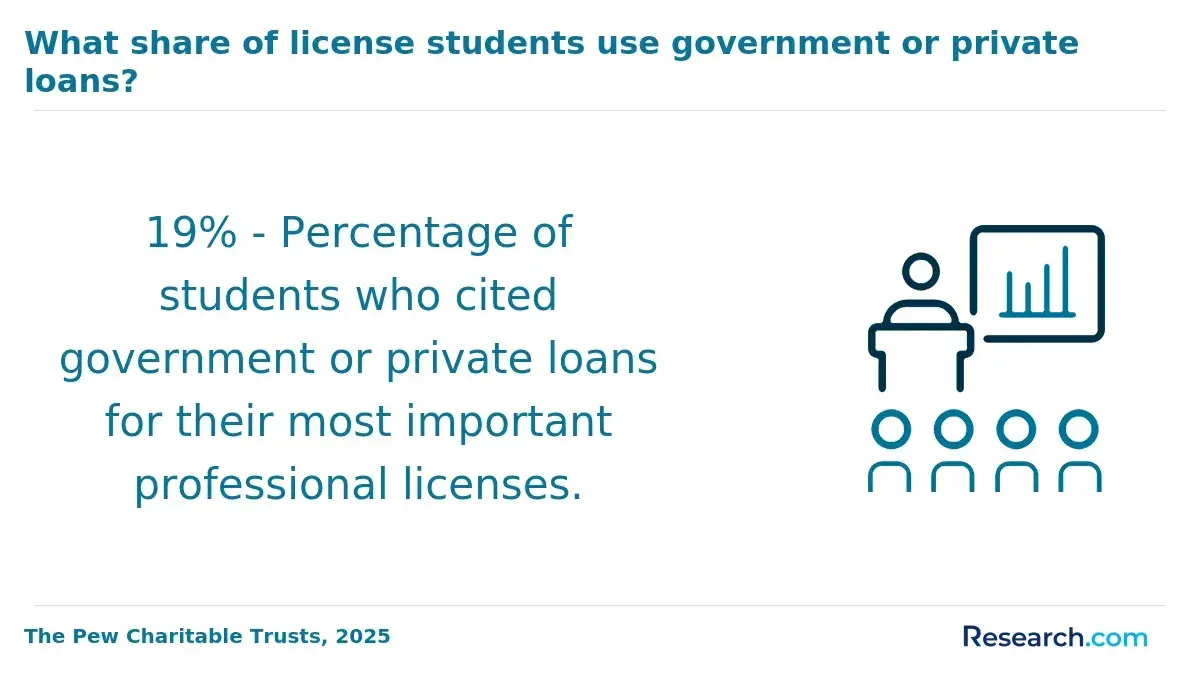
Students enrolled in online taxation bachelor's degree programs with weekly start dates have access to federal financial aid options such as Pell Grants, subsidized and unsubsidized Stafford loans, and Federal Work-Study. These aid types follow the traditional academic year for application and disbursement, with the FAFSA opening annually on October 1.
While weekly or rolling starts may affect the timing of aid distribution, eligibility remains consistent across enrollment formats, providing flexibility without sacrificing support. According to College Board Trends in Student Aid, undergraduate aid packages commonly include a blend of grants, loans, and work-study awards totaling several thousand dollars yearly.
Such data helps students set realistic expectations when budgeting their education expenses. Additionally, financial aid options for online taxation degrees often extend beyond federal assistance; scholarships from nonprofit organizations, professional associations, and colleges specifically target taxation students and online learners, rewarding both merit and financial need.
Filing the FAFSA early is critical since many scholarships and grants operate on a first-come, first-served basis. Applicants should prepare necessary tax information and submit promptly to optimize funding opportunities. This is essential for students navigating scholarship opportunities for weekly start taxation programs, where timing influences award availability.
- Federal Aid Eligibility: Students in weekly-start programs qualify for federal grants and loans like traditional students, using FAFSA as the aid gateway. Nontraditional start dates do not affect eligibility but may shift disbursement timing.
- Timing and Disbursement: Aid funds are typically allocated based on enrollment status at set points, so mid-term starters might experience adjusted or delayed payments.
- Average Aid Packages: College Board data shows typical aid mixes include grants, loans, and work-study, totaling several thousand dollars annually to assist with expenses.
- Targeted Scholarships: Taxation majors and online students can access scholarships from industry groups, nonprofits, and schools, often based on merit or need.
- FAFSA Application: Early FAFSA filing after October 1 maximizes access to limited, first-come, first-served aid and scholarship funds.
For those planning their career trajectory, exploring jobs for biology majors and related fields might offer additional insights into industry trends and earnings potential.
What Accreditation Standards Should a Weekly-Start Online Taxation Bachelor's Program Meet to Ensure Employer and Transfer Recognition?
When considering accreditation standards for online taxation bachelor's programs with weekly start dates, it is vital to understand the difference between regional and national accreditation. Regional accreditation remains the gold standard because it ensures rigorous academic quality, facilitating credit transfer and strong employer recognition in taxation careers. National accreditation, more common among vocational and technical programs.
The U.S. Department of Education recognizes seven regional accrediting bodies: Middle States Commission on Higher Education (MSCHE), New England Commission of Higher Education (NECHE), Higher Learning Commission (HLC), Southern Association of Colleges and Schools Commission on Colleges (SACSCOC), Western Association of Schools and Colleges Senior College and University Commission (WSCUC), Northwest Commission on Colleges and Universities (NWCCU), and Western Association of Schools and Colleges Accrediting Commission for Community and Junior Colleges (ACCJC). Among weekly-start online taxation programs, accreditation by HLC, SACSCOC, and WSCUC is most common.
Prospective students must verify a program's accreditation status directly through the U.S. Department of Education's database to ensure enrollment in a credible program. Attending a nationally accredited institution alone could limit your options for transferring credits to regionally accredited schools or pursuing advanced degrees in taxation.
- Regional Accreditation Standard: Regional accreditation ensures programs meet high academic quality, aiding credit transfer and employer recognition in taxation careers.
- Seven Regional Bodies: The U.S. Department of Education recognizes seven regional accreditors, with HLC, SACSCOC, and WSCUC most common for weekly-start programs.
- National vs. Regional Risks: National accreditation may limit credit transfer and graduate school options; students should be cautious if seeking advanced degrees.
- Verification Is Essential: Use the U.S. Department of Education's database to confirm any program's accreditation before enrolling.
- Impact on Career and Education: Proper accreditation influences how employers value your degree and your ability to pursue further education.
For students balancing work and study who want to maximize speed and savings, understanding tuition costs, transfer credit policies, and financial aid options is key. Many weekly-start online taxation programs accept generous transfer credits and Prior Learning Assessments to reduce time and expense.
Those interested in accelerating their education might explore specialized options, such as the shortest post master's FNP program, which showcases how structured, flexible offerings with rolling admissions can benefit busy professionals.
How Is Coursework Structured in Online Taxation Bachelor's Programs With Weekly Starts Compared to Semester-Based Formats?
Weekly-start taxation bachelor's programs use asynchronous video lectures combined with discussion boards and digital collaboration tools to facilitate learning without live class meetings. Students complete weekly assignments that maintain a steady workflow.
This contrasts with traditional semester-based courses, which span about 15 weeks. Meanwhile, accelerated programs condense terms into five to eight weeks. Such pacing demands self-discipline and effective time management to stay on track.
This format is well-suited for mastering core taxation skills such as applying tax laws, conducting financial analysis, and making ethical decisions under time constraints. Frequent assignments and peer interactions mimic real-world tax scenarios, promoting quick understanding and practical application.
However, shorter course lengths may restrict deeper exploration of complex topics and reduce reflection time compared to longer semesters. Success in these accelerated programs often requires creating structured weekly schedules, utilizing course platforms efficiently, and proactively engaging with instructors and peers.
Recent NCES data show enrollment in online programs with weekly start dates has increased by over 20% in five years, reflecting growing demand for flexible education models.
- Asynchronous Learning Flexibility: Learners access content anytime, balancing studies with work, though consistent weekly effort is essential to meet deadlines.
- Condensed Course Terms: Short, intensive sessions enable faster degree completion but require sustained focus and energy.
- Skill Development Focus: Emphasizes practical taxation competencies through frequent real-world assignments and discussions.
- Digital Collaboration: Online forums and group projects encourage peer interaction, relying on clear communication and student initiative.
- Preparation Strategies: Success hinges on strong time management, routine creation, and active participation in digital learning environments.
Can Students Earn Credit Through CLEP, DSST, or Prior Learning Assessment in Weekly-Start Online Taxation Programs?
Credit-by-examination programs like CLEP and DSST enable students to earn college credit by proving their mastery of subjects related to taxation, skipping corresponding courses, and shortening degree completion times. These exams are recognized through the ACE credit recommendation system, widely accepted by many accredited online taxation bachelor's programs with rolling start dates.
Prior Learning Assessment (PLA) policies offer another pathway-students can submit portfolios showcasing professional experience, military training transcripts, or certifications to potentially earn credit for what they already know. Some institutions with flexible PLA options allow up to 60 credit hours through these assessments, though many cap credits between 30 and 60 to preserve academic standards.
It's essential to provide well-organized, detailed documentation to support credit requests, which are reviewed by admissions or academic advisors. Programs known for generous PLA acceptances often prioritize robust evidence such as detailed work histories or military records.
Students should directly consult their school's PLA office to understand submission deadlines, evaluation criteria, and credit limits. Combining credit-by-exam and PLA strategies with weekly start schedules can significantly reduce time to degree and overall costs, offering adult learners and professionals a practical route to graduation.
- Standardized Exams for Credit: CLEP and DSST exams cover key taxation subjects, allowing students to bypass coursework upon passing, with credits recommended through the ACE system.
- Portfolio-Based Prior Learning Assessment: Some schools accept comprehensive portfolios or military training transcripts to award credit, which helps shorten the degree timeline for experienced learners.
- Credit Hour Limits: Institutions generally restrict PLA credits between 30-60 hours, maintaining academic quality and ensuring degree integrity.
- Documentation and Evaluation: Clear, thorough evidence must be submitted to institutional PLA offices or advisors for formal review and credit approval.
- Faster Completion via Weekly Starts: Rolling enrollment combined with credit-by-exam and PLA options empowers students to accelerate studies and reduce tuition expenses.
What Graduates Say About Online Taxation Bachelor's Degree Programs With Weekly Start Dates
- Timothy: "Choosing an online taxation bachelor's degree with weekly start dates was a game-changer for me because it offered unmatched flexibility-I could begin my studies exactly when I was ready without waiting for the next semester. The program was very affordable compared to traditional routes, which eased my financial concerns significantly. Since graduating, I've noticed a marked improvement in my career trajectory, with new job opportunities opening up that require specialized taxation knowledge."
- Emilio: "The weekly start dates allowed me to jump into the program right after deciding to change careers, which was crucial for maintaining my momentum and motivation. I appreciated how the cost structure was transparent and manageable, helping me plan my finances carefully. Completing the program online provided me with the skills to confidently advise clients and opened doors to advance within my company."
- Xavier: "Pursuing an online taxation bachelor's degree with weekly start dates suited my busy schedule perfectly-I never had to put my career on hold to start classes. The program's reasonable pricing made it accessible without sacrificing quality, which was a huge relief. Professionally, earning this degree validated my expertise and positioned me as a knowledgeable resource in the field, leading to several promotions and new responsibilities."
Other Things You Should Know About Taxation Degrees
Online taxation bachelor's programs with weekly start dates commonly utilize robust learning management systems (LMS) such as Blackboard, Canvas, or D2L Brightspace. These platforms support asynchronous coursework, video lectures, discussion forums, and online assessments to facilitate flexible learning. Students typically need reliable internet access, a modern computer with updated software, and sometimes specific programs like spreadsheet or tax preparation software to complete their assignments effectively.
Weekly-start online taxation programs typically offer comprehensive student support, including academic advising, tutoring, and technical help desks. Many institutions provide virtual career services, writing centers, and access to digital libraries. These resources help students navigate course material, manage time effectively with frequent term intakes, and prepare for professional certifications related to taxation.
Students should ensure the program has regional accreditation, as this is more widely recognized and essential for ensuring quality education. Accredited programs also enhance employability and may be necessary for licensure in certain states. Researching whether the program is accredited by agencies recognized by the U.S. Department of Education is crucial.
References
- B.S./M.S. in Taxation https://www.oldwestbury.edu/programs-courses/bsms-taxation
- How Long Does it Take to Complete an Online Bachelor's in Accounting? https://www.master-of-finance.org/faq/how-long-does-it-take-to-complete-an-online-bachelors-in-accounting/
- edX Learner Help Center https://help.edx.org/edxlearner/s/article/How-do-I-apply-for-Financial-Assistance
- How to Transfer Credits and Maximize What You’ve Already Done - ReUp Education https://reupeducation.com/blog/how-to-transfer-credits-and-maximize-what-youve-already-done/
- A Flexible Way Forward: Online Transfer Options https://www.mnsu.edu/become-a-student/transfer-to-msu/transfer-resources/a-flexible-way-forward-online-transfer-options/
- Cost & Financial Aid https://www.semesteratsea.org/financial-aid/
- Finish the degree you started (without starting over) https://news.newmanu.edu/finish-the-degree-you-started-without-starting-over/
- CLEP and DSST Exams—Your Guide to CBE Success - Peterson's https://www.petersons.com/blog/your-guide-to-clep-and-dsst-exams/
- Admission, Advising and Registration https://catalog.tsc.fl.edu/content.php