2027 Return on Investment of an Online Taxation Bachelor's Degree: Salary vs Cost

Co-Founder and Chief Data Scientist
Considering a career change through an online taxation bachelor's degree raises questions about the true financial gain compared to upfront costs. Many working professionals worry whether their investment will lead to a significant salary increase or merely add debt.
According to the U. S. Bureau of Labor Statistics, the median annual wage for tax examiners and collectors was $56,790 in 2022, representing a 10% growth projected through 2032. This article examines tuition expenses against potential income growth, aiming to clarify the return on investment and guide decisions on pursuing an online taxation degree.
Key Things to Know About the Return on Investment of an Online Taxation Bachelor's Degree
- Average tuition for online taxation bachelor's degrees ranges from $15,000 to $30,000-significantly lower than on-campus programs-making cost management feasible for budget-conscious students.
- Graduates earn median salaries around $60,000 annually, with experienced professionals reaching $90,000, supporting strong financial returns within 5 to 7 years post-graduation.
- Non-financial benefits include enhanced job security, clear pathways for career advancement, and access to continual professional development, which improve long-term employment stability.
What Is the True Cost of Earning an Online Taxation Bachelor's Degree From Enrollment to Graduation?
When evaluating the cost of earning an online taxation bachelor's degree, it is essential to consider all direct and indirect expenses involved. These costs vary depending on the institution and financial aid eligibility but create a necessary framework for assessing return on investment.
- Tuition Fees: Tuition is the most significant expense, typically ranging from $20,000 to $60,000 for the full program. Public universities often provide lower rates for in-state students, while private institutions usually charge more.
- Technology Fees: Online learners often pay additional annual fees between $200 and $800 to access digital platforms and receive technical support, which is vital for remote learning.
- Course Materials: Books and software licenses required for taxation courses can cost between $1,000 and $2,500. Some programs include digital materials in tuition, which can reduce this expense.
- Proctoring and Testing Fees: Secure online exam proctoring typically costs $50 to $150 per test, adding to cumulative costs with multiple exams each term.
- Net Price After Aid: Although published tuition gives a sticker price, many students pay 20% to 50% less after grants, scholarships, or employer assistance. This reduction means actual expenses often fall between $15,000 and $45,000.
Considering these factors, the total cost for an online taxation bachelor's degree-from enrollment through graduation-is estimated between $15,000 and $65,000.
This range accounts for tuition and fees for online taxation programs and reflects differences in institution type and financial aid.
Prospective students, including working professionals or career changers, can use this baseline to weigh the potential financial benefit against verified salary outcomes and non-financial returns such as job security and career advancement.
For those interested in accelerated options, 1 year EDD programs online offer insight into condensed degree alternatives that might align with your goals.
How Does the Starting Salary for Taxation Bachelor's Degree Graduates Compare to the Total Cost of the Degree?
The average starting salary for taxation bachelor's degree graduates typically ranges from $50,000 to $60,000 annually for entry-level positions such as tax examiners, auditors, and junior accountants, based on Bureau of Labor Statistics (BLS) Occupational Outlook Handbook data.
Comparing this to the total cost of an online taxation degree, which ranges from about $20,000 to $50,000, reveals the financial return on investment by calculating how many months of starting salary are required to offset tuition expenses.
In a best-case scenario, where tuition is low and financial aid is substantial, total degree costs near $20,000. A graduate earning around $55,000 would need roughly four to five months of gross income to recoup this investment.
Conversely, in a worst-case scenario-with tuition reaching $50,000 and limited aid-breaking even could require up to 12 months of salary. These figures illustrate how the total cost versus starting salary of an online taxation degree shapes the payback timeline for graduates.
Starting salary is only the beginning. Annual salary growth of 3 to 5 percent, certification achievements, and career progression often increase earnings over time, improving the degree's financial value. Beyond this, job stability, advancement opportunities, and professional development remain important returns on this investment.
For those considering cost-effective options in related fields, exploring the cheapest online engineering degree programs can provide additional insight into affordable education choices.
- Median Starting Salaries: Entry-level taxation positions generally offer $50,000 to $60,000 annually, reflecting a strong financial starting point for graduates.
- Cost vs Salary Payback: Online taxation degrees typically require between four and twelve months of starting salary to cover tuition expenses, depending on aid and total costs.
- Salary Growth Potential: Earnings tend to increase annually by 3 to 5 percent, further enhancing long-term return on investment for graduates.
- Financial Aid Impact: Scholarships and assistance can significantly reduce tuition costs, shortening the payback period for students.
- Broader Career Benefits: The degree supports job security, career advancement, and opportunities for professional development critical to sustained growth.
What Is the Average Return on Investment (ROI) for an Online Taxation Bachelor's Degree Over a 10-Year Career?
Return on investment (ROI) in higher education measures the net financial benefit of earning a degree by comparing the additional income gained over a decade to the total cost of obtaining that degree.
This calculation considers the extra earnings of a bachelor's degree holder relative to someone with only a high school diploma or associate degree, then subtracts tuition and fees.
Data from Georgetown University's Center on Education and the Workforce and PayScale's College ROI Report show that median ROI for most bachelor's degrees after 10 years ranges between $200,000 and $300,000, offering a solid benchmark for fields like taxation.
Using Bureau of Labor Statistics median wage figures, taxation careers typically start at around $60,000 annually. With an assumed 3% yearly salary increase, total earnings over 10 years may surpass $690,000.
In contrast, a high school graduate in a similar field might begin near $35,000, with lower wage growth, totaling about $400,000 in the same period. Given that online taxation bachelor's programs usually cost between $20,000 and $40,000, the resulting ROI ranges approximately from $250,000 to $270,000.
This ROI aligns with or slightly exceeds the national average ROI for all bachelor's degrees. The increasingly strong demand in tax-related sectors and opportunity for upward mobility further enhance the degree's value beyond pure financial metrics.
- Clear ROI Definition: ROI compares added earnings from a taxation degree over 10 years against program costs, reflecting actual financial gains.
- Trusted Benchmarks: Georgetown University and PayScale data provide credible ROI estimates to evaluate potential returns in taxation education.
- Steady Earnings Growth: BLS data highlights that taxation roles begin with competitive salaries and benefit from consistent raises, boosting total income.
- Cost-Effective Investment: Tuition for online taxation degrees is moderate, contributing to a significant positive ROI when balanced with long-term earnings.
- Competitive ROI: Taxation degree returns meet or exceed the bachelor's degree national average, showcasing its financial and career advantages.
A professional who enrolled in an online taxation bachelor's degree program after carefully weighing its financial implications shared that the decision was far from simple.
"I calculated expenses multiple times and compared them with expected salary growth," he explained. Balancing full-time work with studies tested his resilience, but knowing the ROI was strong made the sacrifices worthwhile.
"There were moments of doubt during tough coursework and deadlines, yet understanding the career security and advancement potential kept me motivated," he reflected. His experience emphasizes how evaluating both the cost and broader career benefits can guide thoughtful education investments.
How Do Online Taxation Program Tuition Rates Compare Across Public, Private, and For-Profit Institutions?
When assessing online taxation bachelor's degree tuition comparison, prospective students should consider more than just sticker price. Lower costs at for-profit colleges may come with risks to career advancement and earnings potential.
Public institutions typically balance affordability with recognized accreditation, and private nonprofit schools, though costlier, often provide stronger career support.
Financial savings do not always translate into the best return on investment if professional outcomes are compromised.
- Public Institutions: Online taxation bachelor's degrees at public universities often offer the most budget-friendly options, especially for in-state students, with tuition typically between $6,000 and $12,000 per year.
- Private Nonprofit Institutions: Tuition at private nonprofit colleges tends to be higher, usually from $20,000 to $35,000 yearly. Despite the greater cost, these programs frequently provide extensive student support, impressive graduation rates, and well-established alumni networks that may improve job prospects in taxation careers.
- For-Profit Colleges: Although these schools sometimes list lower tuition rates, often between $8,000 and $15,000 annually, their programs face challenges such as lower graduation rates and skepticism from employers.
For students exploring related areas, programs like the office administration associate's degree might also provide valuable educational options.
What Long-Term Salary Growth Can Taxation Bachelor's Degree Holders Expect Over a 20- to 30-Year Career?
A career in taxation offers a clear path of growth, with earnings and responsibilities steadily increasing from entry-level roles to senior leadership positions. As professionals gain experience, pursue certifications, and take on greater responsibilities, they unlock higher salaries and more strategic roles within organizations.
This progression highlights not only the financial potential of the field but also the long-term value of continuous learning and dedication.
- Early Career: In the first five years, individuals with a taxation bachelor's degree earn modest starting salaries that grow steadily as they gain experience and pursue certifications like CPA or Enrolled Agent. This stage focuses on building foundational skills and practical knowledge.
- Mid Career: Between five and ten years, salary growth accelerates notably. Taxation professionals moving into managerial or senior analyst positions often see pay increases of 15% to 25%, supported by responsibilities that demand more expertise and leadership.
- Established Career: At the 10- to 15-year mark, many advance to leadership roles such as tax manager or compliance director, with median salaries frequently surpassing six figures. This period reflects heightened demand for specialized skills and strategic oversight.
- Late Career: From 15 to 30 years, salary gains tend to slow but continue, especially for those in senior advisory or executive roles. Experienced professionals often capitalize on consulting opportunities or executive-level positions that command premium pay.
- Lifetime Earnings Premium: Over a full career, taxation graduates often earn several hundred thousand dollars more than non-degree counterparts in similar roles due to higher initial salaries and sustained growth driven by qualifications and promotions.
A professional who built his career after completing an online taxation bachelor's program shared that balancing work, study, and family commitments was challenging but rewarding. He noted, "The flexibility of the online format allowed me to maintain my job while gaining skills that directly improved my earning potential."
Reflecting on his journey, he emphasized the value of certifications earned alongside the degree and remarked that each promotion felt like a milestone validating his investment in education. His experience illustrates how dedication paired with the right credentials can translate into meaningful long-term financial and professional growth.
How Does the ROI of an Online Taxation Bachelor's Degree Compare to an Associate Degree or a Professional Certificate?
When evaluating return on investment for online taxation credentials, weighing initial costs, salary prospects, and career growth is essential. Data from the Bureau of Labor Statistics, National Center for Education Statistics, and the Lumina Foundation provide a foundation to assess these factors.
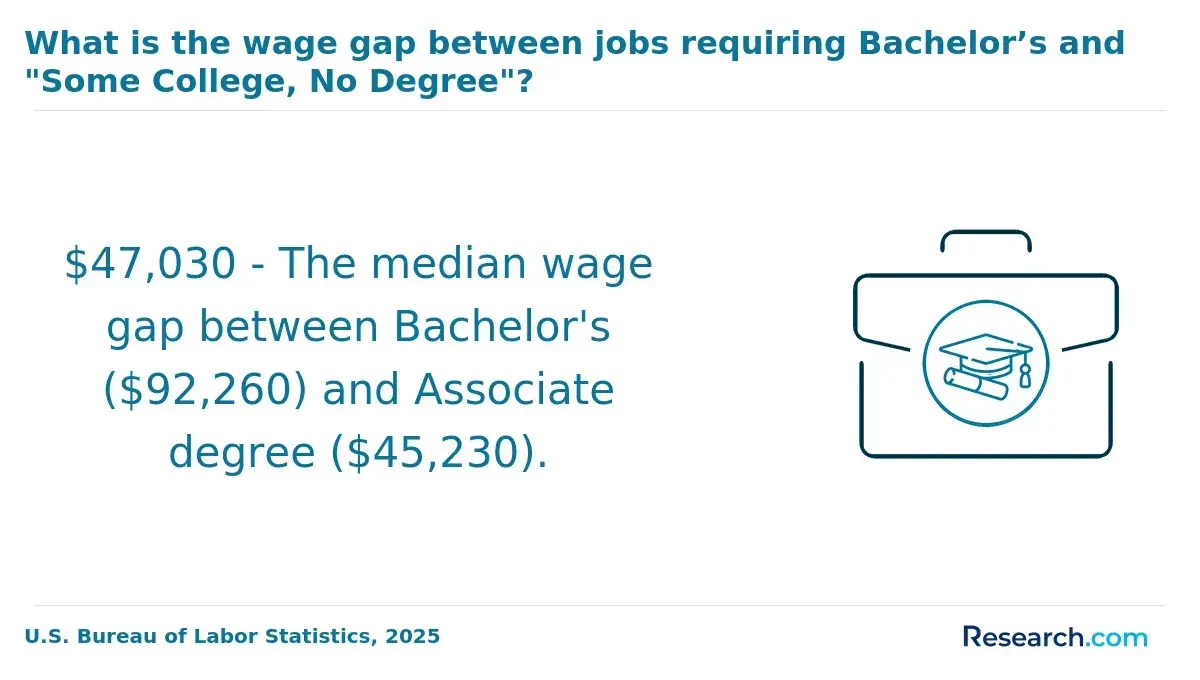
- Cost Efficiency: Pursuing certificates or associate degrees typically demands less time and money upfront. NCES data indicates the average expense for an associate degree in accounting or related taxation fields is about half that of a bachelor's degree.
- Median Income: According to BLS, bachelor's degree holders in taxation earn median wages approximately 20% to 35% higher than their peers with associate degrees or certificates. Median salaries for bachelor's graduates fall between $60,000 and $70,000 annually.
- Career Advancement: A bachelor's degree often opens doors to senior-level roles such as tax analyst or manager positions, which may remain inaccessible to those with certificates or associate degrees. Lower-level credentials may confine individuals to entry-level jobs or require ongoing education to move up.
- Short-Term Return: For those seeking quick entry into the workforce with minimal debt, certificates or associate degrees offer faster credential completion and immediate income potential-beneficial for working professionals or career changers prioritizing speed and cost-efficiency.
- Long-Term Gains: Over a decade or more, the larger initial investment in a bachelor's degree tends to be outweighed by higher lifetime earnings, enhanced job security, and increased promotion opportunities.
- Decision Framework: Choosing the right credential depends on personal finances, career goals, and timing-those needing quick workforce access and lower costs may favor certificates or associates, while aspiring leaders and long-term earners often benefit more from bachelor's degrees.
Which Online Taxation Specializations or Concentrations Yield the Highest Earning Potential After Graduation?
Choosing an online taxation specialization can significantly impact earning potential and career trajectory. Data from the BLS highlights several concentration tracks within Taxation bachelor's programs that offer distinct salary advantages over generalist degrees, which typically earn less by 10% to 25% upon entry into similar industries.
- Corporate Taxation: Focuses on managing complex tax structures for large companies. Median salaries are around $85,000 and tend to increase with experience. Additional certifications such as Certified Public Accountant (CPA) are often required, increasing upfront costs but providing strong long-term returns.
- International Taxation: Involves expertise in cross-border tax issues and global tax laws. Salaries range from $80,000 to $90,000. This specialization demands specialized training or credentials, which raises educational investment but offers a competitive salary edge.
- Tax Accounting and Compliance: Prepares graduates to ensure firms meet tax regulations, with median pay near $70,000. Certifications like Enrolled Agent (EA) may be necessary, representing a modest additional expense while offering stable employment prospects.
- Estate and Trust Taxation: Concentrates on tax planning for estates and trusts with median salaries around $75,000. Requires ongoing continuing education, which can extend time-to-return on investment but suits those interested in niche advisory roles.
- Tax Technology and Analytics: An emerging field that integrates tax expertise with data analytics, offering entry salaries comparable to general tax roles but robust growth potential. Learning specific software may add costs but can provide a valuable advantage in the evolving job market.
The total investment includes tuition, certifications, and continuing education, which vary by specialization. Students should align their choice with career goals, prior experience, and budget constraints to maximize return on investment.
For those balancing limited funds and career shifts, starting with a broadly focused program and then adding credentials selectively can be a prudent strategy.
How Do Employer Tuition Reimbursement and Financial Aid Reduce the Net Cost of an Online Taxation Bachelor's Degree?
Employer tuition reimbursement programs can substantially reduce the out-of-pocket cost of an online taxation bachelor's degree by covering tuition expenses up to the IRS Section 127 limit of $5,250 annually.
This tuition assistance is provided tax-free, either paid directly to the institution or reimbursed to the employee after satisfactory course completion.
The availability of these employer tuition reimbursement benefits for online taxation degrees makes earning a degree more affordable for working professionals and career changers balancing both employment and study.
According to the Society for Human Resource Management (SHRM), around 56% of U.S. employers offer tuition assistance programs, making this financial support widely accessible. Combining employer benefits with federal and institutional financial aid reduces the net cost further.
Grants, scholarships, and subsidized loans often require no repayment and directly lower the amount students must pay, significantly easing the financial burden for first-generation college students or anyone on a tight budget.
For example, a student pursuing an online taxation degree with $30,000 total tuition could use employer reimbursement of $5,250 annually for four years, covering $21,000. Adding a $3,500 Pell Grant and a $2,000 institutional scholarship shrinks the remaining balance substantially.
Subsidized loans can then cover the rest, allowing the student to complete the degree with reduced debt and solid return on investment. This model aligns with the financial realities of many students seeking an accessible education path.
Those interested in related fields might also explore options such as a UI/UX design bachelor's degree online program for comparison.
- Employer Tuition Reimbursement: Provides up to $5,250 annually in tax-free benefits under IRS Section 127, significantly lowering tuition costs for employees pursuing online taxation degrees.
- Prevalence of Benefits: About 56% of U.S. employers offer tuition assistance programs, increasing accessibility for working students.
- Federal and Institutional Aid: Grants, scholarships, and subsidized loans reduce out-of-pocket tuition expenses, often without repayment obligations.
- Combined Financial Support: Using employer benefits alongside federal and institutional aid can reduce a $30,000 tuition bill to a fraction of its original amount.
- Net Cost Reduction: Effective financial aid strategies allow students to minimize debt and make an online taxation degree feasible while balancing work and study.
What Hidden Costs Should Students Factor Into the Total Investment of an Online Taxation Bachelor's Degree?
When calculating the true cost of earning a taxation bachelor's degree online, tuition often represents just a portion of total expenses.
Additional charges-such as technology fees, exam proctoring, and course-specific software-commonly add hundreds or thousands of dollars, influencing the overall financial commitment and extending the break-even timeline.
For students managing a tight budget, recognizing these hidden costs is essential for realistic financial planning.
Technology fees typically range from $100 to $500 per semester and support important digital infrastructure. Exam proctoring services cost between $25 and $50 each, with costs accumulating across multiple courses.
Graduation fees averaging $100 to $300 must also be included in the final term budget. Additionally, specialized taxation software licenses can reach several hundred dollars annually, often overlooked in initial budget estimates.
Professional organization memberships, though optional, cost $50 to $200 per year and provide vital networking opportunities and career resources that can enhance job security and advancement.
These additional expenses delay the time when salary gains surpass educational costs, emphasizing the need for students to request a comprehensive cost-of-attendance breakdown-including all fees-to avoid surprises.
To build a clear understanding of the return on investment from an online Taxation degree, prospective students should also consider verified salary outcomes and career development prospects alongside these financial factors.
For those aiming to expedite their educational goals, exploring the shortest masters degree programs online can offer valuable comparative insights.
- Technology Fees: Online programs charge $100 to $500 per semester to maintain essential learning platforms and IT support.
- Proctoring Costs: Exams require $25 to $50 per test for proctoring services that ensure academic integrity across courses.
- Graduation Fees: Mandatory fees ranging from $100 to $300 cover administrative costs related to diploma processing and commencement events.
- Software Licenses: Access to specialized taxation software may cost several hundred dollars annually, adding to the additional expenses of an online taxation degree.
- Professional Memberships: Joining taxation-related organizations costs $50 to $200 yearly and offers critical professional networking and career development benefits.
How Does the Accreditation Status of an Online Taxation Program Affect Graduate Salary and Employability?
Accreditation is a key factor influencing a graduate's employment opportunities and salary expectations in online taxation bachelor's programs.
Regional accreditation applies to the whole institution and holds strong prestige with employers, while programmatic accreditation targets specific fields like accounting or taxation, ensuring specialized quality.
According to surveys by the National Association of Colleges and Employers (NACE) and the Society for Human Resource Management (SHRM), candidates with degrees from regionally accredited programs receive higher starting salaries and more job interview offers than those from nationally accredited or non-accredited schools.
Enrolling in a program lacking proper accreditation can pose serious career barriers. Graduates might be barred from taking essential licensure exams or face difficulties when applying to graduate schools.
Moreover, certain government and healthcare positions mandate credentials from accredited institutions, limiting job prospects for those without.
Prospective students should verify accreditation status using resources such as the U.S. Department of Education's accreditation database and the Council for Higher Education Accreditation (CHEA) to avoid selecting programs that could impede career progress.
- Regional vs Programmatic Accreditation: Regional accreditation certifies the entire college and is widely respected, while programmatic accreditation focuses on individual academic areas, providing extra assurance in specialized disciplines.
- Employer Hiring Patterns: Surveys reveal that employers favor applicants with degrees from accredited programs, often translating into better starting salaries and more job opportunities.
- Licensing and Advanced Education: Accreditation affects eligibility for professional certification exams and admission to graduate studies, essential steps for career advancement in taxation.
- Job Market Limitations: Graduates from non-accredited schools frequently face restrictions in sectors such as government and healthcare that require recognized qualifications.
- Verification Tools: Official databases from federal and accrediting bodies provide reliable avenues to confirm a program's accreditation before enrollment.
What Entry-Level Job Titles and Salary Ranges Are Available to Graduates of Online Taxation Bachelor's Programs?
Graduates with online taxation bachelor's degrees often begin their careers in roles offering competitive starting salaries and opportunities for growth across various sectors.
The Tax Associate position typically sees median starting pay between $45,000 and $55,000, with finance firms and government agencies leading in compensation.
- Junior Tax Analyst: Starting wages usually range from $50,000 to $60,000, especially within the healthcare and finance industries, where internship experience can increase earning potential.
- Corporate Tax Assistant: Entry-level salaries fall between $48,000 and $58,000, with technology and finance companies offering higher pay.
- Payroll Specialist: Salaries vary from $40,000 to $50,000, with government positions sometimes providing elevated starting pay due to job security benefits.
- Tax Compliance Officer: Beginning salaries are about $47,000 to $57,000, often within government or financial institutions, where certifications like CPA can enhance earnings.
- Accounting Assistant: Compensation ranges from $38,000 to $48,000; education and nonprofit sectors may offer stable but lower initial salaries.
- Financial Analyst (Tax Focus): Entry pay generally runs from $52,000 to $62,000, predominantly in finance and tech industries.
- Audit Assistant (Tax Division): Starting salaries hover around $45,000 to $55,000, with public accounting firms typically paying more.
Internships, professional certifications such as CPA or Enrolled Agent, and specific areas of focus within taxation-like international tax or estate planning-can substantially boost starting salaries.
These credentials accelerate return on investment by improving employability and facilitating access to higher-paying positions soon after graduation.
What Graduates Say About the Return on Investment of Their Online Taxation Bachelor's Degree
- Timothy: "I chose the online taxation bachelor's degree program after carefully comparing the cost with the potential return on investment. What stood out was the flexibility it offered, allowing me to balance work and study without sacrificing income. Beyond the financial gains, the program opened doors to valuable career advancements and significantly boosted my job security in a competitive market."
- Emilio: "Pursuing my online taxation degree was a strategic decision to enhance not just my earning potential but also my professional credibility. The knowledge I gained has directly impacted my career trajectory, leading to promotions and expanded responsibilities. The ROI extends beyond salary-it includes the confidence and career resilience the degree has provided me."
- Xavier: "The online taxation program offered a practical investment, especially considering the cost relative to the career opportunities that followed. I found the non-financial benefits just as valuable-the program equipped me with critical skills that improved my job security and opened up networking possibilities I never anticipated. Looking back, it was a pivotal step in shaping my professional future."
Other Things You Should Know About Taxation Degrees
Graduates with an online Taxation bachelor's degree typically recoup their education costs within 3 to 7 years after entering the workforce. This timeline depends on factors such as tuition fees, scholarship support, and starting salary levels.
Higher salaries in specialized Taxation roles can shorten the payback period, especially when combined with employer tuition assistance or flexible work arrangements.
Geographic location plays a significant role in salary variation for Taxation graduates, with urban and high-cost-of-living areas generally offering higher pay. Industry sectors such as public accounting firms, corporate finance departments, and government tax agencies also influence earnings.
Graduates working in major metropolitan regions or in large multinational companies often see better compensation compared to those in rural areas or small businesses.
Employer surveys consistently show that a Taxation bachelor's degree is highly valued for entry-level and mid-career financial roles.
Labor market data from the Bureau of Labor Statistics indicates steady demand for professionals with taxation expertise, with projected job growth outperforming many other fields. Employers prefer candidates with formal Taxation education due to the complexity of tax codes and regulatory compliance.
References
- How We Calculated the Return on Investment of Associate Degrees and Certificates - Freopp https://freopp.org/whitepapers/how-we-calculated-the-return-on-investment-of-associate-degrees-and-certificates/
- Certificate vs. Degree: Pros, Cons, and Career Outcomes | National University https://www.nu.edu/blog/certificate-vs-degree/
- Associate degrees and certificates are more valuable than you may think https://fordhaminstitute.org/national/commentary/associate-degrees-and-certificates-are-more-valuable-you-may-think
- Bachelor’s Degrees Offering the Highest and Lowest Return on Investment Revealed https://www.investopedia.com/bachelors-degrees-offering-the-highest-and-lowest-return-on-investment-revealed-11929932
- Tax Strategies for Individuals https://www.capshiretax.com/taxstrategies-individuals.php
- Entry-Level Accounting Jobs | Accounting.com https://www.accounting.com/resources/top-entry-level-jobs/
- Employer Tuition Assestance Boosts Student Success, Provides Revenue to Community Colleges http://perspectives.acct.org/stories/employer-tuition-assistance
- How to Apply to the Entry-Level Tax Specialist Role at TurboTax Live | Intuit https://www.intuit.com/blog/life-at-intuit/how-to-apply-to-the-entry-level-tax-specialist-role-at-turbotax-live/
- Mastering College Finances: Uncovering Hidden Costs Beyond Tuition https://www.edvisors.com/blog/uncovering-hidden-costs-beyond-tuition/
- Return on Education for Bachelor’s Degrees | SoFi https://www.sofi.com/learn/content/roi-by-bachelor-degree/