2027 Online Public Health Master's Programs at Accredited U.S. Universities

Co-Founder and Chief Data Scientist
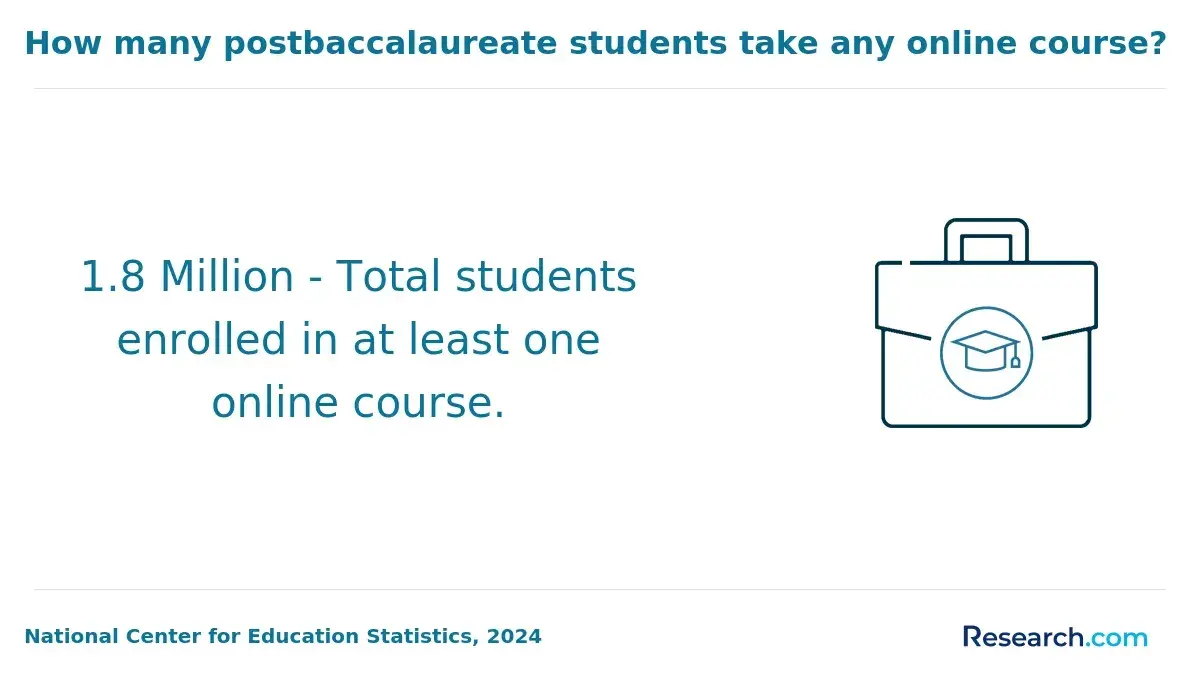
Balancing career advancement with program cost and quality challenges many prospective online public health master's students. Admission standards vary widely, influencing both eligibility and time to completion. Recent data show online graduate enrollments surged 12% in recent years according to the National Center for Education Statistics, reflecting growing demand for flexible study options yet underscoring varying institutional rigor.
Understanding differences in accreditation status, delivery formats, and financial aid availability becomes crucial when selecting a program that fits professional goals and life constraints. This analysis clarifies every decision factor-from hidden fees to licensing recognition-ensuring readers can prioritize what truly impacts career mobility and educational investment.
Key Things to Know About Online Public Health Master's Programs at Accredited U.S. Universities
- Admission flexibility often reduces barriers for nontraditional students, but programs requiring extensive prerequisites may delay graduation, impacting overall time-to-degree and financial planning for career changers.
- Structured curricula combining asynchronous and synchronous delivery balance accessibility with employer-valued collaboration skills, reflecting workforce demand for both remote adaptability and teamwork proficiency.
- Accreditation by CEPH ensures recognition by employers and qualifying for federal aid, yet variations in per-credit cost and hidden fees significantly affect affordability and timing of enrollment decisions.
What Is the Overall Structure and Purpose of Online Public Health Master's Programs at Accredited U.S. Universities?
Online public health master's programs at accredited U.S. universities fill a critical niche for professionals who need flexible, credible pathways to advanced training without geographic relocation. The accredited format is not merely a seal of quality; it directly influences how employers and credentialing bodies assess graduates' preparedness and eligibility for certifications essential in this competitive sector.
For individuals balancing employment or personal obligations, understanding these program structures is vital to aligning educational investment with career ambitions.
- Academic Structure: These programs commonly require between 40 and 60 credit hours comprising core foundational courses, specialized electives, and applied components such as practicums or capstone projects. This design ensures students gain both breadth and depth relevant to evolving field demands.
- Delivery Method: Predominantly asynchronous online lectures are paired with scheduled live sessions or virtual collaboration to mimic in-person interaction. This hybrid approach demands high self-discipline but expands access for working professionals and non-traditional students.
- Time to Degree: The typical duration ranges from 18 to 36 months, with part-time enrollment options widely available. This reflects an understanding of varied student circumstances, especially for career changers and first-generation graduate students who may face additional resource constraints.
- Accreditation Role: Accreditation by organizations such as the Council on Education for Public Health (CEPH) guarantees adherence to established competencies, shaping curriculum rigor and ensuring that graduates meet licensure or certification criteria that many employers require.
- Distinction from On-Campus: While content and curriculum closely parallel traditional on-campus programs, the online format relies more heavily on student initiative and time management, which can affect completion rates and learning outcomes. However, the online delivery significantly broadens the pool of eligible candidates by removing geographic and scheduling barriers.
For prospective students evaluating offers, especially recent undergraduates and working professionals seeking career transitions, it is crucial to weigh how these program elements align with personal circumstances and career goals. For example, choosing a program with rigorous practicum opportunities may enhance employability but require careful scheduling around work commitments.
Those assessing total cost should also consider medical assistant programs accelerated and similar accelerated paths within the wider healthcare education ecosystem as comparative benchmarks for time-to-workforce outcomes.
Which Accrediting Bodies Recognize Online Public Health Master's Programs, and Why Does Accreditation Status Matter?
Choosing an online public health master's program without scrutinizing accreditation can lead to costly setbacks-such as ineligibility for federal aid, non-transferable credits, or barriers to licensure and employment. For example, a graduate from a program lacking specific programmatic accreditation may find their credentials discounted by employers or licensing boards, limiting career advancement despite holding a regionally accredited degree.
Accreditation in this field is fundamentally bifurcated: regional accreditation assesses the institution's overall academic quality, while programmatic accreditation certifies that specific public health curricula meet professional and workforce standards. Both forms carry distinct implications that warrant thorough evaluation.
- Regional Accreditation: Recognized by the U.S. Department of Education, agencies such as the Higher Learning Commission validate whole institutions, which ensures eligibility for federal financial aid and facilitates credit transfers among universities.
- Programmatic Accreditation: Entities like the Council on Education for Public Health (CEPH) endorse public health programs that satisfy industry benchmarks, a necessity for graduates seeking certification or licensure in many states and disciplines.
- Transferability: Regional accreditation directly influences whether coursework can transfer to other accredited programs, critical for students who plan interdisciplinary study or doctoral progression.
- Licensing and Certification: Certain credentials and roles mandate education from CEPH-accredited programs or equivalent specialized bodies, directly affecting graduates' eligibility to practice in regulated public health roles.
- Employer Recognition: Hiring managers increasingly distinguish candidates based on both accreditations, viewing programmatic endorsement as a proxy for rigorous, relevant training.
- Financial Aid: Access to federal loans and grants typically depends on enrollment in regionally accredited institutions, imposing a practical constraint on affordability.
- Due Diligence: Prospective students must confirm that target programs hold both the regional and specific programmatic accreditations recognized by their state licensing agencies and intended employers before weighing factors like cost, delivery format, or institutional ranking.
What Are the Admission Requirements for Online Public Health Master's Programs at Accredited U.S. Universities?
Admission thresholds for online public health master's programs at accredited U.S. universities reflect distinct institutional priorities and applicant expectations that shape both access and outcomes. For working professionals or recent graduates weighing tuition costs against program quality, navigating these requirements is critical to aligning credentials with workforce demands and long-term career trajectories.
Applicants should note that minimum criteria often serve as entry baselines rather than indicators of competitive standing. Private, selective programs typically require higher undergraduate GPAs, more rigorous prerequisite coursework, and emphasize research experience, while public or open-enrollment institutions may offer greater flexibility in academic records and prioritize relevant professional background.
Understanding this divergence clarifies the signal each admission standard sends about program rigor and graduate preparedness.
Key admission components include:
- Undergraduate GPA: Most programs expect a minimum around 3.0, but selective schools look for stronger academic histories; some public universities accept lower GPAs or consider professional experience as partial compensation.
- Prerequisite Coursework: Foundational knowledge in biology, statistics, and introductory public health or social sciences is common, although experiential substitutes can bridge gaps for applicants from unrelated fields.
- Letters of Recommendation: Two to three references reflecting academic prowess, leadership, or research potential matter more at competitive programs seeking evidence of applicant promise.
- Personal Statement: Clear articulation of career goals and alignment with program values distinguishes serious candidates especially where applicant pools are large.
- Standardized Tests: Many schools have adopted GRE-optional or GRE-free policies to reduce barriers, but some top-tier institutions focused on research may still mandate scores.
- Professional Experience: Relevant work or volunteer history enhances applications, particularly when academic records are borderline or non-traditional.
- Institutional Type: Private versus public classification impacts admission dynamics, with selective private programs typically requiring stronger evidentiary support of academic and research readiness.
Meeting minimum requirements in online public health master's programs in the U.S. does not guarantee admission; competitiveness depends on understanding typical admitted profiles and program priorities. For example, a career changer with a sub-3.0 GPA but robust health sector experience might find public institutions or programs offering conditional admission pathways more accessible.
Investigating median admitted qualifications and seeking programs that accommodate diverse backgrounds through flexible prerequisites or experiential learning can improve realistic enrollment strategies.
Prospective students balancing quality and affordability may also explore options through a self paced accredited online college to optimize both timing and cost efficiencies while maintaining accreditation standards crucial for employment and licensing recognition.
What Is the Minimum GPA Requirement for Public Health Master's Program Admission, and How Does Selectivity Correlate With Program Reputation?
Minimum undergraduate GPA requirements for admission to online public health master's programs serve as an initial screening tool rather than a definitive predictor of success or program quality. Programs typically set this baseline between 2.75 and 3.0 on a 4.0 scale, allowing access to a broad range of applicants. More selective institutions often raise this bar to 3.2 or higher, reflecting their competitive nature and enhanced research capacities.
However, a higher GPA requirement does not universally translate into superior licensure pass rates or post-graduation employment outcomes. Some open-enrollment programs, despite lower GPA thresholds, demonstrate strong graduate performance thanks to rigorous curricula and effective student support.
- Minimum GPA Ranges: Accredited online public health programs generally require a minimum GPA between 2.75 and 3.0, with premium programs expecting 3.2 or above to filter more competitive applicants.
- Correlation With Reputation: While elevated GPA standards often accompany established programs with robust faculty and research, this does not guarantee better career placement or exam success compared to well-structured open-access options.
- Holistic Admissions: Many programs weigh GPA alongside professional experience, recommendation letters, and personal statements, recognizing that academic scores alone do not encapsulate candidate potential.
- Conditional Admission Pathways: Applicants near or below typical GPA minimums can consider conditional admission, post-baccalaureate certificates, or foundation courses to enhance readiness and competitiveness.
- Workforce Implications: Employers increasingly value relevant experience and competencies; thus, GPA should be contextualized within broader professional qualifications when selecting a program.
A recent graduate recounted how their application process was marked by uncertainty due to rolling admissions and initial concerns about their GPA falling slightly below some program minimums. They delayed submitting materials until securing strong recommendations and refining their personal statement, which ultimately strengthened their candidacy.
The extended timeline caused stress but also provided time to gather relevant field experience that admissions committees valued highly. This experience illustrated that meeting minimum GPA requirements is often just one piece of a more complex admissions puzzle, where strategic preparation and timing can materially influence outcomes.
How Many Credit Hours Are Required to Complete an Online Public Health Master's Program, and How Does This Affect Total Cost and Time-to-Degree?
Online public health master's programs at accredited U.S. universities typically span from about 30 to over 60 credit hours, reflecting differences in program design, accreditation demands, and applied learning elements like internships or thesis requirements. This extended credit range often surpasses that of other master's degrees due to the field's blend of epidemiology, biostatistics, health policy, and behavioral science components aimed at preparing graduates for complex, interdisciplinary roles.
Credit Hours: A 30-credit program might allow quicker completion but may offer less immersive practical training, while programs near 60 credits frequently include extensive experiential or research components critical for certain public health certifications.
Total Cost: Tuition calculations based solely on per-credit rates overlook the total credit requirement's impact. For instance, a 60-credit program charging $600 per credit may equal the cost of a 30-credit program with $1,200 per credit, yet the longer program takes more time and resources to complete.
Time-to-Degree: For part-time learners, higher credit loads translate into additional semesters enrolled, increasing living expenses and potentially delaying full workforce reentry or advancement.
Opportunity Costs: Extended enrollment periods may amplify lost income potential and inflate costs due to tuition increases or personal life changes over time.
Comparing total credit requirements alongside per-credit tuition provides a more accurate financial and temporal projection, critical for professionals balancing educational investment against career timing and earnings trajectories.
What Specializations and Concentrations Are Available in Online Public Health Master's Programs at Accredited Universities?
Choosing a specialization within online public health master's programs at accredited U.S. universities directly influences career trajectories and financial burdens; what may seem like a strategic focus can extend degree time and increase tuition, impacting working professionals and recent graduates differently.
For example, a working professional eyeing rapid credentialing may prefer embedded tracks, while a recent graduate might opt for elective clusters to explore broader interests despite added credits. Specializations are not merely academic distinctions but correspond to workforce demands and salary variations, making nuanced program selection essential.
- Specialization Variety: Common concentrations include Epidemiology, Health Policy and Management, Environmental Health, Biostatistics, Global Health, and Community Health Education. Emerging fields such as Health Informatics and Health Equity reflect shifting public health priorities and growing demand across healthcare systems.
- Curriculum Structure: Concentrations may be embedded core tracks with predefined courses, optional elective clusters allowing flexibility, or add-on certificate programs requiring additional credits beyond the degree. These structures affect both course sequencing and time-to-graduation, with embedded tracks generally offering streamlined pathways compared to electives or certificates.
- Credit and Time Implications: Specializations frequently add three to six credits, extending enrollment periods and increasing overall tuition costs. Students adjusting for work-life balance and financial constraints should weigh if the specialization's career benefits outweigh these added investments.
- Career Impact: According to Bureau of Labor Statistics data, emphases in Epidemiology or Health Policy correlate with roles experiencing high employer demand and stronger salary growth. Specializations addressing contemporary challenges like Health Equity and Informatics may yield competitive advantages in emerging public health job markets.
- Faculty Expertise and Recognition: The value of a concentration hinges on faculty with applied professional experience and program recognition by relevant licensing boards or employers. Prospective students must verify that faculty credentials and accreditation align with industry standards and support licensure or certification where applicable.
For those considering extended credentials, such as a post masters FNP certification, understanding how a chosen public health concentration integrates or contrasts with further specialization can clarify long-term educational planning and workforce positioning.
Online public health master's specializations at accredited US universities increasingly serve as critical decision points where educational design, workforce responsiveness, and financial practicality converge.
How Do Online Public Health Master's Programs at U.S. Universities Compare in Format-Synchronous, Asynchronous, and Hybrid Delivery?
Choosing between fully asynchronous, synchronous live-online, and hybrid formats for an online master's in public health involves strategic tradeoffs that shape both learning experience and financial impact. Synchronous programs offer real-time interaction resembling traditional classrooms, benefiting engagement and networking but limiting scheduling flexibility-an important factor for professionals in multiple time zones or unpredictable jobs.
They often carry higher tuition due to the technology and staffing needed to support live sessions.
- Fully Asynchronous: Provides maximum schedule freedom without live attendance, ideal for balancing work or family but risks diminished peer connection and less immediate faculty feedback. This model may be more cost-effective as it demands fewer institutional resources.
- Synchronous Live-Online: Emphasizes scheduled live classes for dynamic discussions and direct instructor access, supporting more collaborative learning but reducing adaptability for busy or remote students. Tuition often reflects added infrastructure costs.
- Hybrid: Combines asynchronous coursework with required live sessions or occasional campus visits, offering a middle ground. However, travel expenses and time commitments can inflate total costs and complicate personal scheduling.
Prospective students should dig into specifics: How often are live sessions mandated? Are campus residencies required? What platforms do programs use and how reliable is the internet connection needed? Simply opting for "online" is insufficient without understanding these nuanced demands. The format choice affects more than convenience; it influences networking opportunities, employer perceptions of program rigor, and the actual financial outlay once hidden costs emerge.
One graduate recalled hesitating during the rolling admissions cycle because a preferred synchronous program delayed communicating exact live session times. Without clarity on scheduling rigidity, they wondered if the format would fit around their work shifts and family needs.
The eventual decision to enroll hinged on finally receiving detailed technology requirements and confirming that attendance windows accommodated their time zone, underscoring how admission timing and format transparency significantly impact enrollment decisions.
What Is the Average Cost per Credit Hour for Online Public Health Master's Programs, and How Does It Differ Across Institution Types?
Cost per credit hour is a foundational metric when evaluating online public health master's programs, but it requires careful interpretation to avoid misleading conclusions about affordability and value. For example, a working professional weighing a public university program charging $500 per credit against a private nonprofit program at $1,000 per credit must consider not only sticker prices but the potential net cost after factoring in residency status, fees, and financial aid.
Such distinctions often influence a student's financial planning and long-term debt burden, directly impacting workforce mobility and career timing, especially given that many programs observe the majority of applications-and financial aid awards-being finalized within three months prior to a semester start.
Key factors influencing per-credit cost variation include:
- Public Universities: These generally offer the lowest average cost per credit hour, typically ranging from $400 to $700 for in-state students in online public health master's programs. Out-of-state students may face fees exceeding $1,000 per credit, although some universities apply uniform online rates regardless of residency.
- Private Nonprofit Institutions: Per-credit costs often fall between $800 and $1,200, reflecting specialized faculty expertise and enhanced student services. However, additional fees can raise total expenses, necessitating scrutiny beyond sticker prices.
- Private For-Profit Schools: Frequently the most expensive, with rates surpassing $1,200 per credit. These programs appeal to working adults seeking flexibility but often carry higher administrative fees that can inflate total costs.
- State Residency and Fees: Residency significantly affects tuition, but many online programs waive traditional residency restrictions. Nonetheless, mandatory technology, course materials, and program fees may add hundreds per term, influencing the true cost.
- Sticker Price vs. Net Cost: Published per-credit rates rarely reflect the final amount students pay. Scholarships, employer tuition assistance, and payment plans frequently reduce financial burden, underlining the need to consider net rather than sticker prices.
- Interpretation and Decision Making: Per-credit cost serves as an initial benchmark, not a final determinant. The total program cost also depends on credit hour requirements, additional mandatory fees, and financial aid availability-all crucial when balancing investment with professional outcomes.
For students exploring transitions into public health, recognizing these cost dynamics alongside employability factors is critical. Some employers increasingly prefer credentials aligned with licensure and practical competencies, which may affect the return on investment of various programs. This interplay highlights the importance of a comprehensive evaluation that integrates cost data with accreditation status and career relevance.
Additionally, professionals exploring specialized roles, such as becoming an autopsy tech, should contextualize their educational expenses within expected labor market demand and timing to maximize career impact.
How Do In-State and Out-of-State Tuition Policies Apply to Online Public Health Master's Programs, and Which Schools Offer Flat Residency-Neutral Rates?
In-state and out-of-state tuition policies significantly affect the financial calculus for students pursuing online public health master's programs. Historically, public universities charged out-of-state learners two to three times the tuition per credit compared to residents due to state tax subsidies benefiting in-state students.
For place-bound or career-changing students, this distinction could mean substantially higher debt burdens or deter enrollment altogether. However, many public universities now recognize the evolving nature of distance education and offer flat, residency-neutral tuition rates designed to enhance affordability and accessibility nationwide. This shift aligns better with employer expectations for credential parity irrespective of candidate location and supports a more uniform pipeline of qualified public health professionals.
- Historical Tuition Distinctions: Online learners often faced sharp tuition disparities tied to residency, with out-of-state applicants paying significantly higher rates, which could inhibit workforce diversity and geographic mobility.
- Residency-Neutral Pricing: Institutions such as the University of North Carolina at Chapel Hill, University of Florida, and Oregon State University now charge uniform per-credit tuition for online public health master's programs regardless of residency, streamlining budgeting and reducing financial barriers for nonresidents.
- Differential Tuition Persisting: Despite these positive trends, several reputable public universities maintain residency-based pricing, compelling out-of-state students to weigh increased costs against program reputation and potential return on investment.
- Tuition Reciprocity Agreements: Regional compacts like the Western Interstate Commission for Higher Education (WICHE), the Southern Regional Education Board (SREB), and the Midwest Student Exchange Program offer reduced out-of-state rates, easing financial strain for qualifying students and expanding regional access to quality programs.
- Verification Advisement: Residency and tuition policies can change frequently and may deviate from published marketing materials, so prospective students should verify current rates and residency criteria directly with program bursars or financial aid offices before enrolling.
The choice between programs with flat residency tuition and those with significant in-state versus out-of-state cost gaps impacts long-term financial planning, especially for first-generation graduate students balancing debt with employability in the increasingly competitive public health labor market.
For those comparing program offers, assessing tuition structures alongside accreditation, program outcomes, and career supports is critical for a holistic evaluation. Working professionals and recent undergraduates alike must consider that while some programs align pricing fairness with broader access, others maintain historic pricing models that could amplify educational debt disproportionately.
For candidates exploring advanced clinical degrees, programs like APA accredited PsyD programs online exemplify alternative models of specialized, often flat-rate tuition structures, underscoring the variable landscape of graduate tuition policies across disciplines.
What Mandatory Fees and Hidden Costs Are Added to Tuition for Online Public Health Master's Programs?
Prospective students often underestimate the total cost of online public Health master's programs by focusing solely on published per-credit tuition. However, mandatory fees and hidden expenses significantly influence the net financial commitment and can impact budgeting and program choice, particularly for those balancing work and study or limited financial flexibility.
For example, practicum components tied to state-specific licensing can require upfront liability insurance, background checks, and immunization documentation that are not reflected in advertised tuition. This can add hundreds or even thousands of dollars beyond base costs, complicating comparisons between programs that seem cost-competitive on the surface.
Below are prevalent fees and costs beyond tuition that accumulate across the typical 2-3 year program duration, varying by institution, delivery format, and state regulations:
- Technology Fees: Recurring charges supporting digital platforms, often billed each semester and potentially totaling several hundred dollars.
- Program Fees: Supplemental fees to cover specialized instructional materials, accreditation maintenance, or software licenses essential for public Health coursework.
- Student Services Fees: Cover access to career counseling, libraries, and support services, charged regardless of course load.
- Graduation Fees: One-time fees for diploma processing and commencement activities, sometimes overlooked until the final term.
- Practicum-Related Costs: Expenses for liability insurance, background checks, drug testing, and immunization records vary widely with state and placement site policies.
- Proctoring Fees: Additional costs for remote exam supervision, which many programs require per test administered.
- Textbooks and Software: Specialized resources and analytic software can cost thousands, particularly in research-intensive programs.
- Licensing Exam Preparation: Optional but potentially necessary expenditures for certification prep post-graduation, often deferred but essential for employability in specific public Health roles.
Data from recent labor market analyses show employers increasingly value applied skills verified through licensure or practical training, underscoring the hidden costs as investments in credentialing that affect salary potential and job placement. Students pursuing programs solely on advertised tuition risk underestimating true expenses, which can distort return-on-investment calculations.
Reaching out to current enrollees or recent graduates to obtain detailed accounts of all out-of-pocket expenses is a critical step to avoid unexpected financial strain and better align educational spending with career outcomes.
What Graduates Say About Online Public Health Master's Programs at Accredited U.S. Universities
- Azai: "Balancing a full-time job and family commitments meant I had very limited time to dedicate to an online public health program, so I chose one that offered asynchronous lectures and flexible deadlines. This flexibility allowed me to complete an internship in epidemiology remotely, which proved crucial when applying to agencies focused on data analysis. While licensure wasn't emphasized, the practical skills and portfolio I built opened doors to a research assistant role, though I did face limits on salary growth without additional certifications."
- Russell: "After switching careers from marketing, I needed a public health program that could accelerate my entry into the workforce without overwhelming my limited budget. I decided on an online master's that emphasized community health and policy work, which aligned with my goal to enter nonprofit management. The experience was intense, but completing a capstone project with a local health department gave me an edge in interviews, even though I noticed many employers still preferred candidates with licensure or extensive fieldwork experience."
- Christian: "I chose an online public health master's program because it allowed me to keep my current role while gaining new skills in global health. The biggest challenge was managing workload, especially since many courses required group projects with peers in different time zones. Nonetheless, completing a well-regarded certification alongside the degree helped me stand out for positions focusing on health promotion, but I quickly learned that without licensure, advancement often depends on accumulating practical experience and targeted internship placements."
Other Things You Should Know About Public Health Degrees
The recognition of an online master's degree in public health depends largely on the accreditation status of the institution and the program itself. Employers and licensing boards in the U.S. tend to value degrees from CEPH-accredited programs, whether delivered online or in person, as this accreditation ensures curriculum quality and relevance to industry needs. However, some traditional employers may still prefer candidates from established, in-person programs, especially for roles involving regulatory or clinical responsibilities. When selecting a program, prioritizing CEPH accreditation and reviewing employer responses to graduates from specific schools can provide clearer insight into recognition and credibility.
Choosing an online public health program should go beyond reputation and cost. Prospective students need to assess how well the program's curriculum matches their career objectives, especially regarding concentrations and specialization options. Examination of practicum or internship arrangements is critical, as hands-on experience significantly impacts job readiness and networking opportunities. Additionally, students should research graduate employment rates by industry and region to understand local market demand. Prioritizing programs with strong employer connections and transparent outcomes reporting will improve the likelihood of rapid job placement after graduation.
Public universities typically offer the most affordable tuition for online MPH programs, especially for in-state residents, but may limit access to certain specializations or networking benefits. Private nonprofit institutions often charge higher tuition but may provide stronger career services, established faculty expertise, and alumni networks that can enhance job placement. For-profit programs are generally the most expensive with mixed reputations-some offer flexible formats but often deliver less rigorous training, which can negatively affect employability. Students should carefully weigh upfront costs against outcomes data like graduation rates, employer satisfaction, and salary gains to determine true program value.
References
- What is CEPH Accreditation? - MPH Online https://www.mphonline.org/what-is-ceph-accreditation/
- What is the Cost of an Online Master’s Degree in 2024? https://www.onlinemastersdegrees.org/student-resources/online-masters-cost/
- Master of Public Health Program at the Medical College of Wisconsin https://www.mcw.edu/education/graduate-school/graduate-school-programs/public-health/mph-program
- Verifying that you are not a robot... https://jliedu.ch/online-masters-public-health-specializations/
- Admission Requirements https://www.ualberta.ca/en/public-health/programs/admissions/admission-requirements.html
- Council on Education for Public Health | Council for Higher Education Accreditation https://www.chea.org/council-education-public-health
- Program Fees And Payment Options - PublicHealthU.org https://phu.nextgenu.org/program-fees/
- CPH Master of Public Health Program Year 1 https://www.unthealth.edu/tuition-and-fees/cph-tuition-and-fees/cph-master-of-public-health-program-year-1.html
- Top Picks: Best Online Master’s in Public Health Degrees for 2026 - Public Health https://www.publichealthonline.org/top-picks-best-online-masters-in-public-health-degrees-for-2019-20/
- What is an MPH degree? | edX | edX https://www.edx.org/resources/what-is-a-master-of-public-health-degree