2027 Most In-Demand Public Health Master's Specializations

Co-Founder and Chief Data Scientist
Shifts in healthcare delivery, regulatory frameworks, and data-driven decision-making increasingly reshape demand for master's specializations in public health. Students must weigh factors beyond job-posting frequency, such as alignment with certification requirements, experiential learning opportunities, and faculty expertise that influence employability.
Demand varies widely by region, sector, and employer priorities, distinguishing roles driven by emerging technologies from those grounded in community engagement or policy. Strong specializations balance technical skills with managerial competencies and support both immediate job entry and adaptability to evolving labor markets. This analysis highlights public health master's concentrations that meet complex labor-market criteria, guiding informed choices toward sustainable career paths.
Key Things to Know About the Most In-Demand Public Health Master's Specializations
- Specializations in epidemiology emphasize data analysis skills, but demand intensive quantitative training; students lacking strong math backgrounds risk slower progress, impacting timely graduation and employment competitiveness.
- Health policy and management roles dominate employer hiring priorities due to growing healthcare system complexity, signaling that leadership and regulatory expertise are critical for long-term job stability.
- Environmental health's focus aligns with rising climate-related health concerns, yet specialized certifications often extend time and cost commitments, affecting accessibility for working professionals seeking career shifts.
What Makes a Public Health Master's Specialization "In Demand"?
An in-demand public health master's specialization is best understood as one shaped by a convergence of labor-market needs, specific skill development, and alignment with enduring professional demands in the field. This demand is not monolithic; it shifts according to region, employer type, industry sector, and the pace of technological and regulatory change.
Specializations that equip students with competencies relevant to roles experiencing sustained or projected growth-rather than short-lived hiring spikes-offer more reliable career trajectories. For example, epidemiology and health informatics remain pivotal as they address critical workforce gaps and evolving data-driven decision-making in public health systems, underscoring the need for a strategic outlook when assessing most in-demand public health master's specializations.
Relying solely on demand indicators like job-posting volume, popular enrollments, or broad salary generalizations can be misleading without a deeper evaluation of program qualities. Prospective students should scrutinize curriculum depth, availability of experiential learning opportunities, relevance to certification or licensure pathways, faculty expertise, and alumni outcomes.
These factors contribute significantly to how well a specialization prepares graduates for complex, transferable roles. Demand-driven marketing or trend-focused programs often overlook these essential elements, which can impact long-term value and career fit in the competitive public health landscape.
Working professionals, career changers, and advancement-focused learners particularly benefit from choosing public health master's specializations that demonstrate clear relevance to evolving employer expectations and skill requirements. A practical approach involves assessing how a program balances theoretical competencies with applied skills, including preparation for credentials recognized in the field.
In this context, examining real-world outcomes across top public health career paths aligned with labor market needs helps ensure that graduate study supports meaningful, adaptable professional growth rather than short-term enrollment trends. For those prioritizing efficient paths or manageable academic commitments, researching options such as the easiest DNP programs can provide additional perspective on navigating program demands without sacrificing career alignment.
The 10 Most In-Demand Public Health Master's Specializations
Demand for specialized public health expertise remains closely tied to how well graduates address pressing system challenges-from pandemic response to digital data management and environmental risks. Employers increasingly prize skill sets combining rigorous technical knowledge with adaptive leadership and interdisciplinary collaboration.
Understanding nuances in sector-specific needs helps prospective students gauge which master's specializations can deliver practical relevance and career resilience.
Epidemiology continues to anchor public health efforts, with a focus on outbreak investigation, surveillance systems, and biostatistical modeling. The persistent threat of infectious diseases compels employers to seek graduates adept at translating complex data into actionable insights, making adaptability to frontline research and policy environments essential.
Biostatistics addresses the surge in data-driven decision-making within health sciences. Professionals capable of advanced analytics are increasingly sought by clinical research organizations, health technology innovators, and regulatory agencies, reflecting a shift toward evidence-based program evaluation and predictive modeling.
Health Policy and Management meets administrative demands amid evolving healthcare regulations and funding landscapes. Graduates equipped to assess policy impacts and optimize organizational performance fill critical roles where regulatory fluency and strategic management intersect.
Environmental Health responds to climate change and pollution by building expertise in risk assessment, regulatory compliance, and mitigation strategies. Employers in both public agencies and private sectors require specialists capable of applying environmental science to health outcomes under shifting legislative frameworks.
Global Health prioritizes cross-cultural program coordination and international health diplomacy, aligning with expanding initiatives to address transnational health disparities. The growing emphasis on multidisciplinary approaches and funding accountability shapes demand for professionals adaptable to diverse geopolitical contexts.
Health Informatics reflects accelerating digital transformation trends, where skills in managing electronic health records, data interoperability, and health IT systems integration are paramount. Graduates who blend clinical knowledge with informatics expertise address workforce shortages across healthcare delivery settings.
Maternal and Child Health remains a niche yet stable specialization driven by ongoing disparities and public programs targeting vulnerable populations. Professionals in this area often engage with policy implementation and community-based interventions, requiring a balance of clinical insight and social determinants awareness.
Community Health focuses on behavioral health promotion, disease prevention, and outreach within underserved populations. Employers seek practitioners skilled in culturally sensitive education strategies and grassroots program development essential for reducing health inequities.
Occupational Health corresponds with tighter labor safety regulations and emerging industrial hazards. Specialists with expertise in workplace risk analysis and compliance management occupy key roles in both governmental enforcement and private sector risk mitigation.
Public Health Nutrition addresses the rising need to incorporate nutrition into chronic disease prevention and health promotion programs. Growing emphasis on policy advocacy and community programming requires graduates adept at translating nutritional science into population-level interventions.
Each specialization reflects not only technical skill requirements but also evolving operational contexts shaped by technological advances, policy shifts, and workforce diversification. According to recent 2024 data from the U.S. Bureau of Labor Statistics, health informatics jobs demonstrate among the highest growth rates, underscoring digital proficiency as a strategic career asset across public health sectors.
A prospective student recalled agonizing over whether to pursue epidemiology or health informatics, recognizing both as strong prospects. Reviewing job postings and alumni networks revealed epidemiology's traditional strength but also the rapid expansion and innovation hubs centered on informatics.
Skeptical about staying relevant in a data-heavy field, the student scrutinized curriculum specifics and practicum sites to confirm alignment with long-term employability rather than short-term hype. The decision ultimately hinged on weighing employer demand against personal affinity for technology-driven roles versus direct disease surveillance work, illustrating how nuanced evaluation beyond rankings is critical to sustainable career planning in public health.
Which Public Health Master's Specializations Lead to the Highest-Paying Careers?
A master’s degree in public health (MPH) prepares professionals to improve health outcomes at the community, national, and global levels through research, policy, and program implementation. While salaries vary by employer type, experience, and region, certain specializations tend to lead to higher-paying careers because they focus on high-impact areas such as epidemiology, healthcare systems, and data-driven health interventions.
As public health challenges become more complex—ranging from infectious disease outbreaks to chronic disease prevention—there is growing demand for professionals with specialized analytical, leadership, and technical skills. Concentrations that integrate data science, policy development, global health strategy, and healthcare management often provide stronger pathways to advanced roles and higher compensation.
Common public health master’s specializations associated with higher-paying careers include:
- Epidemiology ($75,000–$130,000+) – Focuses on studying disease patterns and causes to guide public health interventions and policy decisions.
- Biostatistics ($80,000–$140,000+) – Applies statistical methods to analyze health data and support evidence-based decision-making.
- Health Policy and Management ($70,000–$125,000) – Prepares professionals to design, implement, and evaluate healthcare policies and systems.
- Global Health ($65,000–$115,000) – Addresses international health challenges, including infectious diseases and health equity across populations.
- Environmental Health Sciences ($65,000–$110,000) – Studies environmental factors that impact human health, including pollution and climate-related risks.
- Health Informatics ($80,000–$135,000+) – Combines data systems and healthcare knowledge to improve population health management.
- Public Health Leadership ($85,000–$140,000+) – Focuses on managing public health organizations and large-scale health initiatives.
- Community and Behavioral Health ($65,000–$110,000) – Examines social and behavioral factors influencing health outcomes and prevention strategies.
Specializations in epidemiology, biostatistics, health policy, and informatics often lead to the highest-paying careers due to their strong demand in government agencies, research institutions, and global health organizations.
Which Public Health Master's Specializations Offer the Best Job Growth?
Evaluating job growth within master's specializations in public health demands more than tracking popularity; it requires analyzing employment projections, shifts in employer demand, and transformations in the healthcare landscape. Specializations aligned with emerging regulatory or technological changes and critical skills shortages tend to offer more resilient career pathways.
For instance, the U.S. Bureau of Labor Statistics projects a 14% increase in epidemiology jobs from 2023 to 2033, reflecting enhanced funding in disease prevention and public health infrastructure. Assessing how specialization-specific skills can transfer across roles and sectors is also crucial, especially when considering top career paths in public health master's specializations that intersect with data analytics, environmental health, and health policy management.
Relying solely on job growth metrics can obscure challenges such as regional hiring variations, cyclical demand, and the saturation of particular roles. Many employers expect credentials and practical experience, which may include internships or portfolios, influencing entry timelines and upward mobility.
Prospective students should examine whether a specialization supports both immediate employment and sustainable advancement to avoid narrow short-term gains. Additionally, understanding credentialing demands-such as knowledge connected to a certified professional coder (CPC) or other certifications-can further clarify long-term viability when selecting a specialization within public health master's programs.
Which Public Health Master's Specializations Are Best for Career Changers?
Certain public health master's specializations are more accessible to career changers when they offer a balance of prerequisite support and applied learning that builds on existing skills from unrelated fields. Areas like epidemiology, health policy and management, and global health often appeal because they blend quantitative analysis with policy or communication frameworks, enabling those with backgrounds in law, data, or international relations to leverage prior knowledge effectively.
Programs that include bridge coursework in foundational subjects such as biostatistics and health systems reduce entry barriers by addressing gaps in technical preparation. Additionally, specializations that emphasize internships, practicums, or capstone projects connected with public health organizations provide critical experiential learning and networking opportunities, facilitating smoother transitions into mid-career public health roles aligned with workforce demands.
Choosing a specialization solely on projected demand carries inherent risks, especially for career changers lacking direct experience or formal training in core public health competencies. Steep learning curves in technically dense fields may delay job readiness, while credentialing requirements can further complicate timely employment. Networking deficits compared to candidates with established industry ties and practical know-how also create hurdles in competitive hiring processes.
Moreover, some in-demand roles expect nuanced contextual understanding that prior unrelated experience might not supply, making certain fields less realistic stepping stones despite promising labor market growth; the 2024 Bureau of Labor Statistics projects a 16% increase in public health management jobs, but success depends on how well the specialization aligns with entry prerequisites and applied skill development rather than demand alone.
A graduate who transitioned from a non-healthcare analytics role initially hesitated between epidemiology and health policy specializations due to a limited formal science background. They ultimately chose epidemiology because the program provided foundational statistics courses and a practicum placement with a local health department. Early doubts about fitting into a traditionally technical field persisted, but hands-on project experience and faculty mentorship helped bridge knowledge gaps.
They invested extra time connecting with alumni to understand employer expectations and tailored internship tasks toward communicable disease modeling, which effectively leveraged their prior data skills. This strategic combination of foundational coursework and applied experience eventually secured a mid-level public health analyst position, illustrating how deliberate specialization choice and practical engagement can create viable pathways for career changers despite initial uncertainties.
Which Public Health Master's Specializations Are Best for Working Professionals?
Working professionals assessing master's specializations in public health should prioritize those that demonstrate clear employer relevance, flexible scheduling, and direct applicability to their current roles. Specializations with strong alignment to labor-market demand, such as epidemiology and health policy, present notable advancement opportunities while accommodating work commitments.
The ability to integrate coursework with job responsibilities not only enhances skill development but also accelerates professional growth. This practical orientation helps ensure that the time and effort invested translate into tangible career benefits, especially for those balancing family and full-time employment. Specializations suited to experienced professionals balancing jobs and studies often also consider program length and modality as critical factors.
Specializations offering online or hybrid formats, asynchronous coursework, and practicum or internship flexibility are particularly well-suited for working students. Programs that emphasize project-based learning tied to real-world challenges enable immediate application, minimizing disruption to ongoing employment.
Additionally, areas like biostatistics and health informatics equip students with transferable analytical skills valuable beyond traditional public health roles, enhancing marketability in data-driven sectors. Although global health provides meaningful impact opportunities, its relevance might be less pronounced in local employment contexts. Notably, a 2024 U.S. Bureau of Labor Statistics report projects over 15% growth for roles requiring epidemiology and health informatics expertise, highlighting their strategic importance.
Trade-offs surface with more technical or research-intensive specializations, which may demand heavier coursework or field placements, creating scheduling challenges. Such programs often yield substantial long-term value but can impose constraints on those who cannot afford extended leaves or reduced work hours. Balancing these demands involves evaluating program components like certification alignment and employer expectations.
For professionals seeking flexible graduate study pathways, assessing these operational realities alongside career goals helps refine specialization choices, similar to the considerations applied by those exploring fields like a biology degree online.
How Do Online and Flexible Public Health Master's Specializations Compare?
Online and flexible public health master's programs vary significantly in how they structure learning experiences and professional development opportunities. Fully online and asynchronous formats offer scheduling freedom but often limit synchronous interaction, which can reduce cohesion in cohort-based learning and hinder timely feedback from instructors.
Hybrid options blend remote coursework with mandatory in-person residencies or practicums, offering enhanced experiential learning critical in applied fields like epidemiology or environmental health. Accelerated tracks compress content into shorter periods, appealing to those seeking rapid credentialing but potentially sacrificing depth and opportunities for internships. Part-time enrollments extend program duration and may fragment peer engagement, delaying full workforce integration while accommodating steady employment.
These format differences directly influence access to key applied components that employers increasingly expect, such as fieldwork and collaborative projects aligned with in-demand career paths.
Flexibility alone does not equate to program quality or employer relevance. Programs with lighter curricula or insufficient accreditation risk graduating candidates lacking essential competencies for public health roles that demand rigorous analytical, communication, and practical skills.
Experiential learning elements, such as supervised internships, are often decentralized or limited in fully online formats, potentially undermining readiness for positions that emphasize real-world problem solving and community engagement. Employer recognition frequently hinges on both curriculum rigor and the predictability of candidate preparedness, which high-quality, flexible programs must demonstrate through clear outcomes and support services.
Furthermore, technological demands and self-directed learning requirements may challenge some applicants, affecting program completion and skill mastery. Therefore, prospective students should critically assess whether the delivery mode facilitates mastery of core skills and offers career services that align with labor market expectations.
For working professionals and career changers, flexible public health programs enable concurrent employment but require vigilant management of time and workload to avoid burnout. Limited networking inherent in asynchronous or part-time formats can constrain relationship-building, an essential factor in advancing within public health sectors characterized by interconnected professional ecosystems.
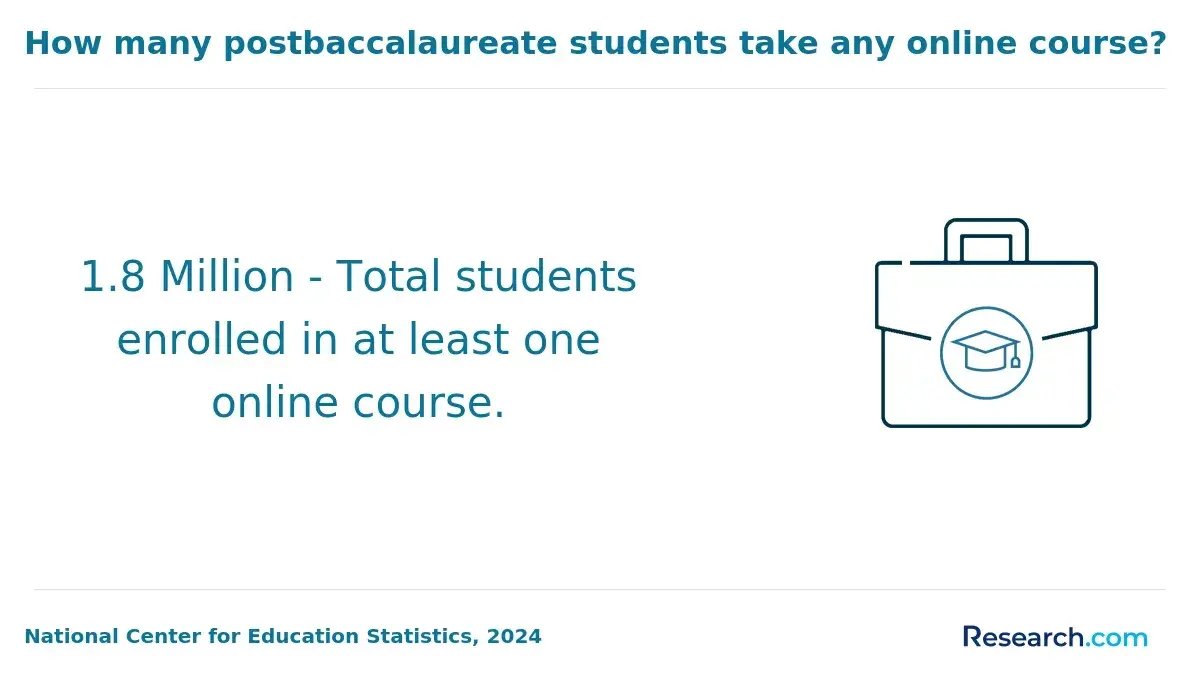
The 2024 National Center for Education Statistics report highlights that online graduate students value flexibility yet often struggle with professional networking, a tradeoff that must factor into choices about specialization alignment and long-term value. Ultimately, selecting a program involves balancing immediate practical needs with the demand for comprehensive, applied training that sustains career growth within evolving public health labor markets.
What Skills Do Students Learn in In-Demand Public Health Master's Specializations?
In-demand master's specializations in public health are structured to develop skill sets that align closely with current labor-market demands and professional expectations rather than serving merely as academic labels. Curriculum design integrates technical proficiency, applied research, leadership, and communication capabilities critical to navigating complex health systems and emerging workforce trends.
- Advanced Data Analytics and Epidemiological Methods: Mastery of statistical software such as R and SAS, along with geographic information systems (GIS), equips students to analyze complex health data and contribute to evidence-based policy. This skill is increasingly mandated by employers, with a 2024 labor survey noting that over 60% of public health positions require expertise in data analytics to address evolving epidemiological challenges.
- Leadership and Organizational Management: Through case studies, practicums, and project management exercises, students learn how to lead multidisciplinary teams and implement health initiatives. These leadership capacities are essential for roles focused on health administration and crisis response, reflecting employer emphasis on coordination and strategic planning.
- Applied Research Design and Ethical Compliance: Training in study design, grant writing, and regulatory frameworks ensures graduates can conduct rigorous public health research while maintaining ethical standards. This competence supports career paths in research settings and policy advising where methodological rigor and compliance are non-negotiable.
- Communication for Policy and Community Engagement: Effective translation of complex technical data into accessible language is fostered through presentations, policy briefs, and advocacy simulations. This skill supports influence over stakeholder decisions and community trust, which are critical in both governmental and nonprofit sectors.
- Specialized Domain Knowledge: Focus areas such as environmental health or digital epidemiology hone skills responsive to niche labor market demands, enabling graduates to remain adaptable amid shifting health priorities and technological innovations.
What Are the Admissions Requirements for Popular Public Health Master's Specializations?
Admissions requirements for popular public health master's specializations do more than just set eligibility thresholds; they reflect how tightly a program aligns with specific career paths and the advanced competencies it demands. Such requirements serve as practical filters that reveal the program's emphasis on technical skills, research aptitude, or leadership readiness, influencing both candidate fit and post-graduate outcomes.
- Prerequisite Academic Background: Many top public health master's programs require foundational coursework in epidemiology, statistics, or biology, even if applicants come from unrelated undergraduate majors. This requirement ensures students are prepared for the analytical rigor and conceptual depth of specialized tracks like biostatistics or environmental health.
- Relevant Work Experience: Increasingly, admissions committees prioritize candidates with one to three years of practical experience in healthcare, research, or community health settings. This professional exposure supports applied learning and aligns with employer expectations for graduates who can translate theory into practice.
- Standardized Testing Flexibility: Although a growing number of programs have eliminated the GRE requirement post-2020, some specialized or competitive programs still request standardized test scores to differentiate among qualified applicants, especially in highly quantitative fields.
- Application Materials Reflecting Professional Fit: Strong letters of recommendation and personal statements remain critical, serving as qualitative indicators of an applicant's career objectives and suitability for the specialization. Certain concentrations may also require interviews or supplemental portfolios to assess leadership potential or research capabilities.
- Licensure and Certification Considerations: While generally not required at admission, licensure or certifications may be prerequisites for clinical or environmental health tracks, reflecting the technical and ethical responsibilities expected from graduates in these areas.
Data from a 2024 national survey shows that 60% of incoming public health master's students had relevant professional experience, underscoring its growing importance in selection criteria and workforce alignment. This insight is critical for those researching graduate application criteria for top public health master's programs in the United States, as practical readiness increasingly influences acceptance odds.
Prospective students with nursing backgrounds considering advancement might also explore RN to BSN programs, which can serve as a foundational step before pursuing specialized public health master's studies or roles in healthcare leadership.
How Should Students Compare Cost, Financial Aid, and ROI by Public Health Specialization?
Comparing cost and return on investment by public health master's specialization requires assessing how program design and labor-market alignment intersect with a student's career stage. This decision extends beyond tuition rates to include practical factors like course sequencing, credentialing demands, and available financial support.
Understanding these nuances shapes a more precise evaluation of financial aid and long-term value across specializations.
- Tuition Structures and Ancillary Costs: Specializations may charge differential tuition or fees per credit hour, and some require costly practicum or internship placements. These associated expenses can increase total cost significantly and affect debt load, especially for students balancing work and study.
- Financial Aid Eligibility and Employer Reimbursement: Aid availability often varies by program type and specialization, with some fields qualifying for targeted scholarships or loan forgiveness. However, employer tuition assistance programs may impose limits on reimbursable expenses, influencing net cost and necessitating upfront planning.
- Certification and Licensing Preparation: Certain specializations entail mandatory exam fees, preparatory courses, or ongoing credential maintenance that add to both time and financial investment beyond core tuition, impacting ROI calculations.
- Time to Completion and Opportunity Costs: Programs with required applied experiences or complex course sequences might extend duration, delaying workforce reentry or advancement. Longer timelines should factor into assessing affordability in terms of lost earnings and progression momentum.
- Labor Market Demand versus Salary Growth: Relying solely on immediate salary differentials can misrepresent longer-term ROI, as emerging fields with growing demand-such as data analytics in public health-may offer better sustainable earnings and career mobility over time.
Those weighing options might also consider interdisciplinary opportunities such as an online applied behavior analysis degree accelerated option, which can complement public health competencies and expand employment versatility.
What Do Graduates Say About Their Public Health Master's Specializations?
- Azai: "In my environmental health specialization, I quickly realized that having a strong portfolio and relevant internships mattered more to employers than just passing exams or getting certifications. I focused on practical projects during my master's and that hands-on experience helped me land a role in a government agency despite stiff competition. However, I still found that salary growth tends to plateau without additional licensure or specialized credentials."
- Russell: "After completing my global health program, I pivoted toward consulting because direct roles in international organizations were scarce and highly competitive. The program's flexibility allowed me to take on remote work early, which was a huge advantage. I advise future grads to be open to hybrid or contract jobs initially as it can accelerate entry into the workforce, even if it's not the traditional nonprofit path many expect."
- Christian: "Working in epidemiology post-graduation showed me that certifications alone don't guarantee advancement-experience is key. Many employers prioritized candidates with public health data projects or relevant internships over those just holding a degree. I observed that career progression often involves trade-offs such as moving into managerial roles that are less hands-on but offer better pay and stability."
Other Things You Should Know About Public Health Degrees
High demand in a specialization does not always translate to straightforward employment, especially if programs lack practical components like internships or employer connections. The quality of experiential learning, such as fieldwork or capstone projects, heavily influences hiring outcomes. Prioritize programs with robust partnerships and real-world training in your field to improve employability beyond nominal demand.
Some programs emphasize technical proficiency-like epidemiology modeling or biostatistics-while others focus more on leadership and management. Specializing too narrowly on technical skills may limit your advance into higher administrative or policy roles, which often require leadership experience. If long-term advancement is a priority, consider specializations that balance methodical expertise with management and organizational strategy training.
Demand for certain specializations varies by region and sector-what's hot in urban health departments might differ from what rural nonprofits need. Without understanding these local or sector-specific trends, you risk training for roles scarce in your target job market. Prioritize research on where you intend to work and check if your chosen specialization aligns with employer needs and funding streams in that geography or sector.
References
- Choosing the Right MPH Program: A Guide for Aspiring Public Health Leaders https://blog.jmir.org/choosing-the-right-mph-program
- Best Online MPH Degree Programs for 2025 https://www.princetonreview.com/grad-school-rankings
- What Are Some of the Areas of Specialization Available When Pursuing a Master of Public Health Degree? - Healthcare Management Degree Guide https://www.healthcare-management-degree.net/faq/what-are-some-of-the-areas-of-specialization-available-when-pursuing-a-master-of-public-health-degree/
- What is an MPH degree? | edX | edX https://www.edx.org/resources/what-is-a-master-of-public-health-degree
- Your Guide to a Masters in Public Health: Shaping a Healthier World https://www.mastershelp.in/blogs/masters-in-public-health
- Top careers with a master's degree in public health - Workplace Insight https://workplaceinsight.net/top-careers-with-a-masters-degree-in-public-health/
- How an Online MPH Degree Can Impact Public Health in 2024 https://dblp.ucnedu.org/blog/how-an-online-mph-degree-can-impact-public-health/
- Highest Paid Public Health Careers https://www.publichealthdegrees.org/careers/highest-paid-public-health-jobs/
- Highest Paying Jobs in Public Health and their Salaries - MPH Online https://www.mphonline.org/highest-paying-jobs-public-health/
- Master of Public Health Specializations: What are they and how should you navigate the decision? https://masterspublichealth.com/master-of-public-health-specializations/