2027 Online Public Health Bachelor's Degree Programs With Open Enrollment

Co-Founder and Chief Data Scientist
Many adult learners balancing work and family seek online public health bachelor's degree programs but face rigid application deadlines that limit enrollment flexibility. This challenge disproportionately affects nontraditional students aiming to advance their careers without interrupting daily responsibilities.
Data shows that over 60% of prospective online public health students consider open enrollment a critical factor when choosing programs. This article examines top online public health bachelor's degree programs with open enrollment, highlighting how they accommodate flexible start dates and enrollment policies. It aims to guide readers toward options that align with their schedules and educational goals for a seamless academic experience.
Key Benefits of Online Public Health Bachelor's Degree Programs With Open Enrollment
- Flexible start dates in online public health programs allow students to begin coursework multiple times per year, accommodating diverse schedules and urgent career transitions.
- Open enrollment policies provide accessible admission pathways by minimizing prerequisites and standardized test requirements, increasing opportunities for nontraditional, working, and returning students.
- Online formats offer convenience through asynchronous classes, enabling learners to balance work, family, and study commitments while pursuing a public health bachelor's degree remotely.
Who Qualifies for an Online Public Health Bachelor's Degree With Open Enrollment?
Open enrollment policies in online public health bachelor programs with flexible admission criteria aim to increase access to higher education by removing many traditional barriers. Approximately 38% of undergraduate students are categorized as nontraditional learners, emphasizing the importance of these policies for accommodating diverse educational paths.
This inclusive approach helps a broad spectrum of applicants pursue a degree without restrictive requirements.
Typical groups who qualify for an online public health bachelor's degree with open enrollment include the following:
- Recent High School Graduates: These students often seek a direct, less competitive path to college. Open enrollment allows them to begin their education without the stress of selective admissions processes.
- Working Adults: Individuals balancing employment and family responsibilities can continue their education or change careers with flexible schedules and admission policies designed to support busy lifestyles.
- Nontraditional Students: Those who delayed attending college after high school or are returning after a break find open enrollment programs welcoming and accessible, which helps them resume their studies in public health.
- Prior College Experience: Students who have earned some college credits but did not complete a degree benefit from open enrollment's flexibility to re-enter education and finish their public health bachelor's degree.
- Military Service Members and Veterans: Tailored admission criteria and flexible learning options address the unique circumstances of military personnel, making degree completion more achievable.
For those interested in healthcare education pathways, exploring medical billing and coding online courses can also provide valuable career options complementary to public health studies.
What Is the Difference Between Open Enrollment and Rolling Admission in an Online Public Health Bachelor's Degree?
Open enrollment and rolling admission are often confused but represent distinct approaches to how students apply and begin their studies. Over the past decade, online enrollment has surged by more than 250%, reflecting increased interest in flexible programs that suit diverse student needs.
These differences have a significant impact on online public health bachelor's degree programs with open enrollment and their prospective students.
Below is a detailed comparison of these two admission models to help clarify their key features.
Open Enrollment
- Admission Flexibility: Open enrollment admits all applicants who meet basic eligibility criteria without a competitive review, allowing a broad population access to education.
- Application Timing: Students can apply and start programs almost any time throughout the academic year, offering unmatched schedule flexibility.
- Evaluation Process: There is minimal or no evaluation of applications beyond basic eligibility, simplifying and speeding up admission decisions.
- Enrollment Structure: Classes have unrestricted entry points, meaning students can join courses as they become available without waiting for specific start dates.
Rolling Admission
- Admission Flexibility: This model admits students on an ongoing basis but remains limited by program capacity and admission criteria.
- Application Timing: While applications are accepted continuously, early submission is advantageous because admission decisions happen as applications arrive.
- Evaluation Process: Each application undergoes individual assessment for qualifications, making the process more selective.
- Enrollment Structure: Enrollment is granted on a first-come, first-served basis, and once capacity is reached, no more students are admitted.
Understanding the differences between rolling and open enrollment in public health bachelor's programs allows students to plan their applications smartly. Many prospective learners also explore options among cheap nursing programs to compare flexible and affordable pathways toward health-related careers.
2026 Update: Practicum and Fieldwork Flexibility
This 2026 update adds a closer look at how online public health bachelor’s programs handle hands-on learning, since open enrollment does not always mean every practicum, internship, or capstone can begin immediately.
- Whether the program requires a practicum, internship, service-learning project, or final capstone.
- If fieldwork can be completed in your local community, workplace, or a fully remote setting.
- How placement approval works and how early students must start planning.
- Whether start dates for field experiences follow separate academic or site-based schedules.
- Any health screenings, background checks, liability insurance, or training modules required before placement.
- How much support the school provides in finding approved public health sites.
Checking these details helps students choose an open enrollment program that fits not only their start date, but also their later schedule, location, and career goals in public health.
What Are the Admission Requirements for an Online Public Health Bachelor's Degree With Open Enrollment?
Open enrollment online public health bachelor's degree programs remove many traditional barriers by offering flexible and straightforward admission standards. Nearly 40% of higher education institutions now use some form of nonselective admissions to broaden access and support diverse student populations.
Below are typical admission elements found in these programs.
- Proof of Prior Education: Applicants usually must show evidence of completing high school or an equivalent credential such as a GED to confirm foundational academic skills.
- Basic Application Materials: Most programs require a filled-out application form, often accompanied by a brief statement about the applicant's interests or goals, without demanding extensive academic records.
- Identity Verification: Ensuring the student's identity is verified is critical for maintaining integrity, particularly in an online learning environment where remote assessments take place.
- Readiness for Online Learning: Candidates may need to demonstrate access to necessary technology and basic digital skills to navigate virtual platforms effectively and engage independently.
A current online public health bachelor's degree student shared his experience, noting the admission process was straightforward yet made him pause to consider his learning environment at home. "Submitting just the essential paperwork felt less intimidating than traditional applications, but verifying my identity online gave me confidence that the program values integrity," he explained.
He also appreciated how the program checked if he had reliable internet and a quiet space for study, which helped him mentally prepare. "It wasn't only about meeting requirements - it also made me reflect on whether I was truly ready to learn online."
Which Online Public Health Bachelor's Degree Programs Have Open Enrollment?
Open enrollment models are increasingly common across various academic disciplines, aiming to broaden access for diverse learners, especially nontraditional students. Recent figures indicate that over 6 million students engage in at least one online course, demonstrating the surge in demand for flexible options within higher education.
This approach supports workforce development and offers more inclusive pathways for those seeking online public health bachelor's degree programs with open enrollment.
Several key areas within public health bachelor's degrees typically embrace open enrollment to accommodate all applicants:
- Community Health: This focus area promotes health improvements through education, outreach, and advocacy targeting diverse communities, often tailored to the needs of underrepresented populations.
- Health Education: Programs in this specialization train students to design and implement initiatives that encourage healthy behaviors and disease prevention across various groups.
- Environmental Health: Concentrating on environmental risks, these programs prepare students to identify hazards and develop strategies to protect public well-being from ecological threats.
- Health Administration: These courses teach management skills essential for running public health organizations and navigating health service systems efficiently.
- Epidemiology: This discipline involves studying disease patterns and causes, providing the basis for effective public health responses.
For students interested in advanced health degrees, exploring options like an online PhD nursing can be a practical next step.
How Do I Apply to an Online Public Health Bachelor's Degree With Open Enrollment?
Applying to an online public health bachelor's degree program with open enrollment usually involves a simplified process created to accommodate busy schedules and diverse backgrounds. The steps prioritize ease and accessibility to help students move quickly from application to enrollment.
Here's an overview of what to expect:
- Create an Account: Begin by setting up an online profile on the university's application portal. This account lets you save your progress and receive updates from admissions.
- Complete Application: Fill out the online form, which generally requests basic information without extensive essays or references. It focuses on key personal and educational details.
- Submit Documents: Upload transcripts and any additional paperwork like ID or residency proof, depending on program requirements. Some schools accept unofficial transcripts for initial review.
- Receive Confirmation: Once submitted, expect a confirmation email outlining next steps such as placement assessments or orientation schedules.
- Finalize Enrollment: After acceptance, complete any remaining administrative tasks and register for courses to secure your spot in the program.
A graduate from an online public health bachelor's degree with open enrollment shared that while the process seemed intimidating at first, the straightforward application and available support eased her concerns. She recalled, "What helped most was having access to a dedicated advisor who answered questions promptly and guided me through each stage."
She appreciated not needing lengthy essays, which allowed her to focus on balancing family and work while starting her degree. This combination of flexibility and clear communication made the overall experience rewarding and manageable.
Can I Start an Online Public Health Bachelor's Degree at Any Time?
Many online public health bachelor's degree programs with open enrollment provide flexible start options, making it easier for students to begin at different times throughout the year. Approximately 60% of these programs offer multiple annual start dates, though the exact availability depends on each program's design and policies.
Several factors influence how and when students can start their studies online.
- Continuous Enrollment: Some programs accept students at any time, with courses structured around rolling admissions rather than fixed semesters, allowing immediate entry into coursework.
- Multiple Start Dates: Other programs schedule several specific start times each year, such as monthly or quarterly intakes, to better fit diverse student schedules.
- Program Pacing: Self-paced options offer the greatest flexibility, enabling learners to begin and progress at their own speed. Conversely, cohort-based formats may require starting with a designated group on a predetermined date.
- Administrative Processing: Even with open enrollment, completing application reviews and enrollment steps can delay the exact start date, as institutional procedures vary.
- Course Availability: Required or prerequisite courses might only be available during certain terms, which can impact when a student is able to begin or advance through the degree.
Is It Easier to Get Into an Online Public Health Bachelor's Degree With Open Enrollment?
Online public health bachelor's degree programs with open enrollment generally reduce traditional admission barriers, making higher education more accessible to a wider audience. Such programs often eliminate requirements like minimum GPA thresholds, standardized test scores, or demanding application essays, thus accommodating working adults, nontraditional students, and those returning to education.
Approximately 40% of postsecondary institutions implement open or nonselective admissions policies, according to the National Center for Education Statistics (NCES), reflecting a growing trend that promotes inclusivity and access in higher education. This widespread adoption particularly benefits fields like public health, where workforce demand continues to rise.
While open enrollment eases the entry process, students are still expected to meet basic academic readiness standards to succeed. Typically, applicants must provide a high school diploma or equivalent and complete an application, which may include interviews or placement testing.
Many programs also require orientation or preparatory courses to help students develop foundational skills essential for online learning. Thus, although open enrollment simplifies admission, it does not reduce the commitment needed to complete a public health bachelor's degree successfully.
How Much Does an Online Public Health Bachelor's Degree With Open Enrollment Cost?
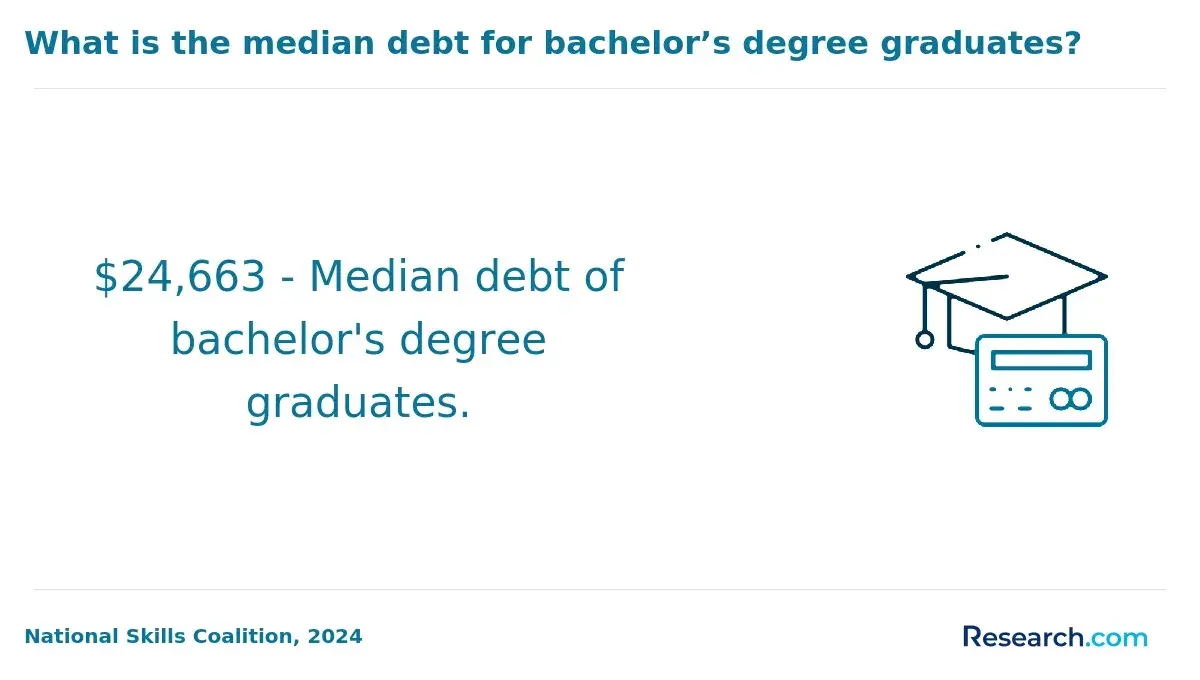
The cost of earning an online public health bachelor's degree with open enrollment varies widely depending on program structure and institutional policies. On average, tuition for online bachelor's degree programs in the U.S. ranges from $300 to $600 per credit hour, affecting the total cost based on credit requirements.
Considering this range, prospective students should carefully examine key expense factors when exploring affordable online public health bachelor programs.
- Tuition per Credit: Most online programs base tuition on credit hours, typically requiring between 120 and 130 credits to graduate. This tuition forms the largest portion of the overall cost and can fluctuate depending on whether the institution is public or private as well as its geographic location.
- Technology Fees: Many programs include technology or online learning fees to cover digital platform maintenance and student support services. These might be charged as a flat semester rate or a small fee per credit hour, adding to the total expenses.
- Course Materials: Some programs provide digital textbooks or open educational resources at low or no cost, while others may require purchasing specific textbooks or software related to public health coursework, which can increase costs.
- Administrative Fees: Application and registration fees vary by institution but are generally modest compared to tuition and technology fees. Additional charges may arise for proctored exams or practicum placements, essential for applied learning experiences in public health education.
- Career Outcomes: Understanding these costs is vital for budgeting, especially for nontraditional students seeking flexible study options. For those curious about related healthcare roles, exploring how much do medical coders make can provide insight into earnings after completing health-related programs.
Are There Disadvantages to Open Enrollment Online Public Health Bachelor's Degrees?
Open enrollment online bachelor's degree programs in public health offer greater accessibility and flexibility, especially for nontraditional learners. However, these programs also introduce challenges, such as a lower retention rate; studies show that online undergraduate retention averages around 46%, which reflects difficulties some students face in fully completing their degrees.
Understanding these drawbacks helps prospective students weigh their options carefully.
Key potential disadvantages of open enrollment online public health programs include:
- Less Selective Admissions: Open enrollment policies result in varied academic preparedness among students, which can affect the overall learning environment and peer engagement.
- Limited Cohort Interaction: Many flexible programs do not organize students into structured cohorts, reducing opportunities for peer-to-peer collaboration and professional networking essential in public health careers.
- High Self-Discipline Requirements: Without regimented class times or on-campus accountability, students must manage their time and motivation independently, a challenge that can impact progress for those balancing work or family obligations.
- Reduced Faculty Mentorship: Some programs may offer limited personalized support or guidance from faculty, which can disadvantage students needing more direct academic or career mentorship.
These potential challenges are important considerations when exploring the drawbacks of flexible admission policies in online public health degrees. For learners interested in advanced or specialized healthcare education pathways, resources such as the shortest post master's FNP program can provide additional guidance for continuing professional growth.
How Do I Manage Time in an Open Enrollment Online Public Health Bachelor's Degree?
Success in open enrollment online public health bachelor's degrees depends greatly on mastering time management. Research shows that 84% of online learners find that steady study habits significantly boost their likelihood of finishing on schedule.
Below are key strategies to help maintain control over your time and commitments.
- Consistent Scheduling: Allocate specific times daily or weekly for coursework and treat these periods as fixed appointments. Establishing a routine can reduce procrastination and support steady progress.
- Task Prioritization: Divide assignments into smaller segments and address critical tasks first. Utilizing planners or to-do lists helps keep important deadlines visible and manageable.
- Limiting Distractions: Select a quiet study spot and silence digital interruptions during study sessions to improve concentration and work quality.
- Progress Monitoring: Regularly review your accomplishments and adjust your study plan accordingly. This reflection aids in recognizing areas needing extra attention and motivates continued effort.
What Graduates Say About Online Public Health Bachelor's Degree Programs With Open Enrollment
- Valentino: "Choosing an online public health bachelor's degree with open enrollment was a game-changer for me because it allowed me to start my education immediately without waiting for traditional admissions cycles. The flexibility was crucial since I balanced full-time work and family responsibilities. Despite the challenge of staying self-motivated with less face-to-face interaction, the program's real-world focus prepared me well for advancing my career in community health."
- Zev: "I took the open enrollment public health program primarily for its accessibility and the chance to tailor my learning pace. One difficulty was managing the asynchronous coursework alongside unpredictable work shifts, which sometimes made deadlines tricky. Still, earning this degree expanded my understanding of epidemiology and health policy, positioning me for a more analytical role within my organization."
- Grayson: "The open enrollment format of the online public health bachelor's degree was appealing because it eliminated barriers to entry and allowed me to enroll without the stress of competitive acceptance processes. Adapting to a fully virtual environment was initially a hurdle, especially networking with peers. However, the knowledge I gained has been instrumental in my professional growth, providing me with the credentials and confidence to lead health initiatives effectively."
Other Things You Should Know About Public Health Degrees
Yes, many 2027 online public health bachelor's degree programs with open enrollment offer practical experiences such as internships or capstone projects. These experiences allow students to apply theoretical knowledge in real-world settings, enhancing their skills and improving employability in the public health field.
Many reputable online public health bachelor's degree programs hold accreditation from recognized bodies such as the Council on Education for Public Health (CEPH). Accreditation ensures that the program meets national standards for quality education and is essential for students seeking eligibility for certain certifications and employment opportunities.
Most online public health programs with open enrollment allow transfer credits, subject to evaluation by the admissions office. Typically, students can transfer college-level coursework completed at accredited institutions, which can shorten their time to degree completion.
References
- Preparing for Open Enrollment: Tips for a Smooth Process This Fall https://www.myhcg.com/blog/preparing-for-open-enrollment-tips-for-a-smooth-process-this-fall/
- Public Health - SUM Admission https://admission.sum.edu.pl/public-health/
- Bachelor of Science in Public Health Program Online - RGU SVG BSPH - Richmond Gabriel University https://richmondgu.org/bachelors-in-public-health-program/
- Top Benefits Of Online Degree Programs https://www.enepsters.com/2023/02/top-benefits-of-online-degree-programs/
- How to Enroll and Apply https://phu.nextgenu.org/how-to-enroll/
- Pursue Your BS in Public Health Online with South University https://www.southuniversity.edu/online/degrees-programs/public-health/public-health-bs
- Tips to help navigate health benefits open enrollment amid COVID-19 - The San Fernando Valley Sun https://sanfernandosun.com/2020/11/06/tips-to-help-navigate-health-benefits-open-enrollment-amid-covid-19/
- Bachelors of Science in Public Health https://berkshireuniversity.us/academics/healthcare-nursing