2027 Regional vs National Accreditation for Online Public Health Bachelor's Degrees

Co-Founder and Chief Data Scientist
A prospective student seeks an online bachelor's degree in public health but hesitates over accreditation concerns. Will credits transfer smoothly if plans to switch schools arise? Will employers or graduate programs respect the credential? The choice between regional and national accreditation often presents a conflict: regional accreditation tends to have broader recognition yet sometimes less flexible admissions, while national accreditation can offer more accessibility but with varied acceptance.
Approximately 38% of online public health bachelor's degree students report concerns about the impact of accreditation on their career progression. This article examines these accreditation types, focusing on recognition, credit transfer, academic standards, and career outcomes to guide informed decisions.
Key Benefits of Regional vs National Accreditation for Online Public Health Bachelor's Degrees
- Regional accreditation typically holds greater recognition and credibility among employers and graduate schools, enhancing degree value in competitive job markets.
- Credits from regionally accredited programs are more easily transferable, facilitating continued education or graduate school admission, a crucial factor for 62% of online Public Health students.
- National accreditation suits career-focused learners seeking quicker entry into specific health roles, while regional accreditation supports academic advancement and diverse career paths.
What Is the Difference Between Regional and National Accreditation for an Online Public Health Bachelor's Degree?
Regional accreditation is granted by agencies overseeing specific geographic areas in the United States, focusing on rigorous academic standards and overall institutional quality. These accreditors typically evaluate traditional, nonprofit colleges and universities, emphasizing comprehensive educational criteria. National accreditation, by contrast, usually applies to institutions that operate on a national scale, including many career-oriented, technical, and online-focused schools.
These accreditors often prioritize vocational or practical training over academic research or theory, reflecting a different scope and set of standards. Notably, about 70% of U.S. college students attend regionally accredited institutions, a trend that underscores their dominance and recognition in higher education, especially for online public health bachelor's degree programs.
The practical differences between regional and national accreditation for online public health bachelor's degree programs significantly affect credit transferability, employer acceptance, and graduate school recognition. Credits earned from regionally accredited schools are more widely accepted for transfer by other universities, facilitating continuation or advancement in education.
Employers and graduate programs generally prefer degrees from regionally accredited institutions, reflecting perceived academic rigor and institutional quality. While national accreditation may suit students seeking targeted vocational skills or flexible online options, it may offer less acceptance in academic and professional settings.
For students exploring broader health-related educational pathways, such as an online PharmD, understanding these distinctions can be crucial for aligning expectations with their academic and career goals.
Which Agencies Provide Regional Accreditation for Online Public Health Bachelor's Degrees?
Regional accreditation in the United States is granted by a select group of agencies that evaluate colleges and universities based on academic quality, institutional governance, faculty credentials, and student services. This form of accreditation is widely regarded as the gold standard, with nearly 3,000 institutions maintaining regional accreditation nationwide. Such recognition generally facilitates credit transfer and enhances opportunities for graduate school and employment.
The main regional accrediting bodies for online public health bachelor programs operate within specific geographic areas and uphold rigorous academic standards. These agencies are:
- The Middle States Commission on Higher Education (MSCHE): Oversees colleges and universities primarily in New York, New Jersey, Pennsylvania, Delaware, Maryland, Washington D.C., and Puerto Rico, ensuring institutions meet stringent educational criteria.
- The New England Commission of Higher Education (NECHE): Accredits institutions in states including Connecticut, Maine, Massachusetts, New Hampshire, Rhode Island, and Vermont, emphasizing continuous academic improvement.
- The Higher Learning Commission (HLC): Covers a broad central region, accrediting institutions across Illinois, Indiana, Iowa, Michigan, Minnesota, Missouri, Nebraska, North Dakota, Ohio, South Dakota, and Wisconsin to maintain academic integrity.
- The Southern Association of Colleges and Schools Commission on Colleges (SACSCOC): Responsible for accrediting schools in Alabama, Florida, Georgia, Kentucky, Louisiana, Mississippi, North Carolina, South Carolina, Tennessee, Texas, and Virginia, focusing on quality assurance and institutional quality.
- The Western Association of Schools and Colleges Senior College and University Commission (WSCUC): Accredits colleges and universities in California, Hawaii, and territories of the Pacific, supporting educational excellence and accountability.
- The Northwest Commission on Colleges and Universities (NWCCU): Oversees higher education institutions in Alaska, Idaho, Montana, Nevada, Oregon, Utah, and Washington, maintaining standards to support student learning and institutional effectiveness.
Students seeking reputable online public health degrees should consider these regional accreditation agencies carefully to ensure their program meets recognized academic standards. Choosing a regionally accredited degree can matter greatly for credit transfer, professional recognition, and graduate studies.
For those interested in related fields, exploring a bachelor's degree in healthcare administration may also align with similar academic quality and career pathways.
What Are the Main National Accrediting Bodies for Online Public Health Bachelor's Degree Programs?
National accreditation is typically awarded by agencies that oversee career-focused, technical, or specialized institutions operating nationwide. These bodies emphasize practical skills and workforce preparation, and about 6% of accredited U.S. institutions hold national rather than regional accreditation. This reflects the vocational or specialized nature of many nationally accredited schools, particularly those offering online public health bachelor's degrees.
The key national accrediting agencies relevant to online public health bachelor's programs include:
- The Council on Occupational Education (COE): Accredits technical and occupational institutions with career-focused programs, including health-related fields, ensuring curricula meet employment-focused competency standards.
- The Distance Education Accrediting Commission (DEAC): Specializes in accrediting fully online and distance education providers, focusing on quality online instruction and student support across various career-oriented degrees, including public health.
- The Accrediting Bureau of Health Education Schools (ABHES): Concentrates on health education programs, accrediting schools that offer specialized training in public health, nursing, and allied health, with an emphasis on meeting healthcare industry standards.
- The Transnational Association of Christian Colleges and Schools (TRACS): Accredits Christian colleges and universities, some offering public health degrees, blending academic quality with faith-based educational missions.
Each agency ensures that online public health bachelor's programs maintain standards appropriate to their institutional focus, whether that involves technical education, distance learning, healthcare training, or faith-based instruction.
How Do Admission Requirements Vary by Accreditation Type for an Online Public Health Bachelor's Degree?
Admission standards for online public health bachelor's degrees in regionally accredited institutions generally require a high school diploma or its equivalent and often ask for standardized test scores like the SAT or ACT, although this has become less rigid over time. Applicants typically need to submit transcripts that demonstrate solid academic performance, alongside personal statements and letters of recommendation.
These programs tend to have selective admissions processes, reflecting their alignment with traditional four-year universities. Approximately 68% of applicants to these programs gain admission, indicating a moderately competitive environment that supports credit transfer and is recognized by graduate schools. This selectivity helps maintain academic quality and long-term educational value.
Nationally accredited online public health programs usually focus on broader access and greater flexibility, with admission criteria that are less stringent and more inclusive. Many accept applicants with a high school diploma or GED, often without requiring standardized test scores or extensive supplementary materials.
This approach suits non-traditional learners, including working adults and individuals returning to education, by allowing easier enrollment. These programs also frequently offer accelerated or competency-based learning formats, which contribute to more adaptable entry requirements. However, this can sometimes complicate credit transfer due to varying academic standards.
When asked about her experience, a graduate of an online public health bachelor's degree program recalled that applying felt less intimidating than expected, largely because the admissions process was straightforward and focused on her goals rather than just test scores. She appreciated the flexibility that allowed her to balance work and study, mentioning that the openness of the program welcomed students from diverse backgrounds.
"It felt like the process recognized where I was in life, not just where I finished high school," she said. It highlighted how the admissions structure encouraged her determination to succeed despite previous educational gaps.
How Does Online Public Health Bachelor's Degree Tuition Differ by Accreditation Type?
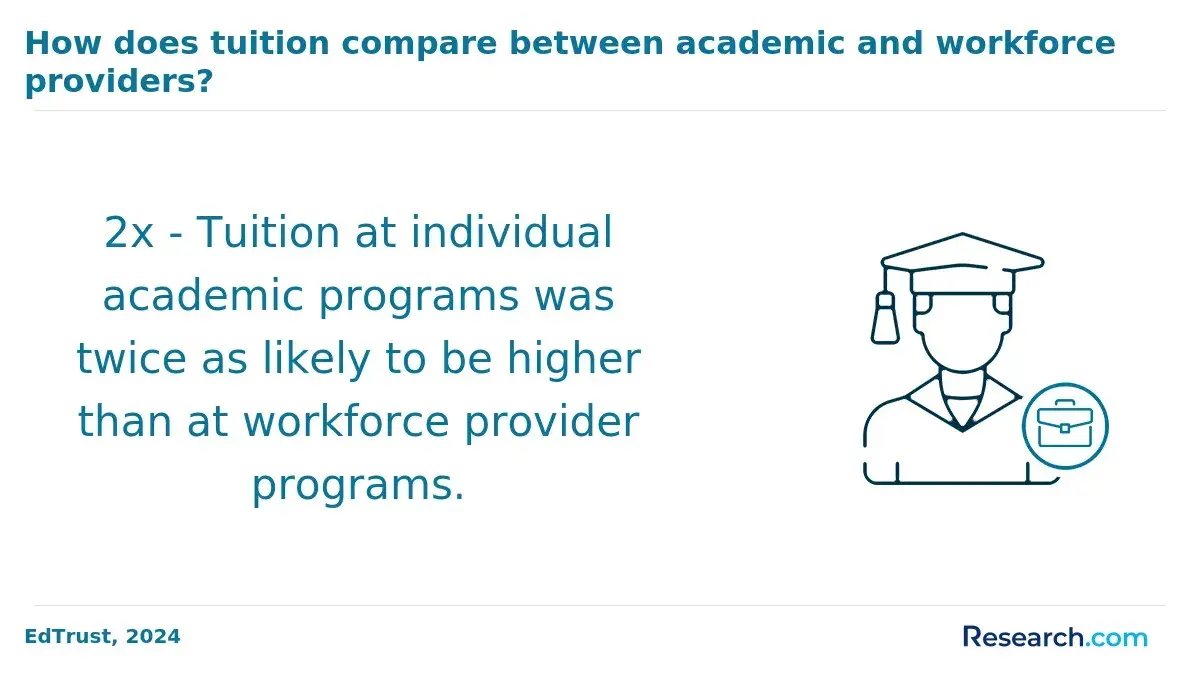
Tuition for online public health bachelor's degree programs varies significantly depending on accreditation type, institutional structure, and how programs are designed. Notably, nationally accredited schools often charge 20% to 30% less in tuition and fees compared to regionally accredited public universities. This distinction shapes the overall cost and fee transparency for prospective students exploring their options.
- Pricing Models: Regionally accredited programs usually include a wider array of fees such as technology and administrative costs, leading to higher sticker prices. Nationally accredited schools often use simpler pricing with fewer additional fees but may bill extra for materials or support services.
- Cost Ranges: Typically, regionally accredited online public health bachelor's degree tuition ranges from $12,000 to $30,000 annually, whereas nationally accredited programs tend to fall between $8,000 to $20,000 per year, representing more affordable upfront expenses.
- Accreditation Impact: The cost differences reflect variations between nonprofit traditional institutions and for-profit or career-focused ones, affecting how tuition burden aligns with the educational experience.
- Value Considerations: Those assessing online public health bachelor's degree tuition by accreditation should weigh the balance of included services and institutional resources against cost to ensure the best fit for their academic and professional goals.
- Further Research: Prospective students interested in affordable online master's options can explore programs such as an affordable online master's in healthcare administration to compare graduate-level tuition models.
Can I Get Financial Aid for Both Types of Accredited Online Public Health Bachelor's Degrees?
Financial aid availability for online public health bachelor's programs often depends on whether a school holds regional or national accreditation and its participation in federal and state funding initiatives. A significant majority of college students-approximately 85%-utilize some form of financial assistance to support their education costs.
Below is a comparison of how these aid options typically differ by accreditation type.
- Federal Student Aid: Federal aid through FAFSA is most reliably available to students at regionally accredited institutions, granting access to Pell Grants, federal loans, and work-study programs. Nationally accredited schools have more limited participation in Title IV programs, restricting federal aid eligibility for many students.
- State Grants: State financial aid usually favors students enrolled in regionally accredited schools, as many state programs require this accreditation. However, some states extend eligibility to certain nationally accredited schools, so students should verify specific state policies.
- Institutional Scholarships: Scholarships offered directly by the institution can be found at both accreditation types, but availability and award amounts vary widely and lack uniform standards across schools.
- Private Loans: These loans are generally accessible regardless of accreditation status but often come with higher interest rates and less favorable repayment terms compared to federal options.
- Employer Tuition Assistance: Many employers offer tuition reimbursement or assistance without consideration of the school's accreditation, meaning students at either type can benefit if their employer participates.
Can I Transfer Credits From a Nationally Accredited to a Regionally Accredited Online Public Health Bachelor's Degree?
Transferring credits from a nationally accredited to a regionally accredited online public health bachelor's degree can be complex, as many regionally accredited institutions maintain strict policies on credit acceptance. The transferability often depends on institutional rules, where some schools evaluate credits individually while others may reject them outright.
Another critical factor is course equivalency; the content, level, and credit hours from the nationally accredited program must align closely with those at the regional institution. Because regional accreditation is regarded as the gold standard in U.S. higher education, these schools often favor credits earned at other regionally accredited institutions, leading many students to retake courses or complete additional credits to meet degree requirements.
When asked about this challenge, a student currently enrolled in an online public health bachelor's degree described the experience as both frustrating and eye-opening. "I didn't expect needing so much documentation-detailed syllabi, official course descriptions, and even professor contacts-to prove my credits were valid," he explained.
The process involved frequent communication with transfer advisors and a waiting period filled with uncertainty about which credits would transfer. He noted, "It felt like starting over in some ways, but the support from the advisors made a difference." This personal insight highlights the importance of early preparation and persistence when seeking to transfer credits from nationally accredited programs to regionally accredited online public health degrees.
Does Accreditation Type Affect Job Opportunities After an Online Public Health Bachelor's Degree?
Accreditation type can influence how employers in the public health sector view online public health bachelor's degrees, with varying impacts depending on industry standards and hiring practices. According to a survey by the National Association of Colleges and Employers, about 86% of employers consider accreditation status when evaluating candidates, emphasizing the importance of recognized academic quality in their decisions.
- Employer Perception: Regional accreditation is generally seen as more prestigious, often linked to traditional nonprofit institutions, which may give graduates an advantage in competitive public health job markets. National accreditation is respected but sometimes viewed as less rigorous due to its association with career-focused or specialized schools.
- Industry Expectations: Many employers in government agencies and healthcare organizations prefer degrees from regionally accredited schools because they align with established academic standards. Yet, job prospects for graduates with nationally accredited public health degrees remain valid, especially when paired with certifications and relevant work experience.
- Hiring Filters: Some automated applicant tracking systems prioritize candidates from regionally accredited institutions, which can affect initial screening. Awareness of how accreditation influences these filters helps students better navigate application processes.
- Role-Specific Requirements: Certain positions may explicitly require regional accreditation, particularly those needing graduate education or licensure, while others assess candidates more holistically, considering practical experience and skills alongside accreditation type.
Prospective students should also explore related fields such as online biology degree programs to understand accreditation's broader impact across health disciplines. The impact of regional versus national accreditation on employment in public health varies, and informed choices can support better career outcomes.
Will Accreditation Affect Eligibility for Advanced Degrees After an Online Public Health Bachelor's Degree?
Accreditation type significantly influences graduate school eligibility and admissions considerations for advanced degree programs after earning an online public health bachelor's degree. Around 85% of accredited U.S. colleges hold regional accreditation, which is widely trusted by admissions committees in master's and doctoral programs.
This trust often affects how smoothly credits transfer and whether a degree is recognized for advanced study.
- Admissions Recognition: Regional accreditation is considered the gold standard in academic quality, leading to broader acceptance by graduate schools. Programs often view regionally accredited degrees as more rigorous and legitimate compared to nationally accredited ones.
- Institutional Policies: Graduate programs vary in how they treat degrees from nationally accredited schools. While some accept them, others may be more cautious, requiring additional verification or coursework before admission.
- Credit Evaluation: Credits from regionally accredited institutions typically transfer more seamlessly, facilitating progression to advanced degrees. National accreditation can result in more frequent credit evaluations or revalidation demands during graduate admissions.
- Variability Across Schools: Acceptance of nationally accredited degrees often depends on recognition by organizations like the Council for Higher Education Accreditation (CHEA) or the U.S. Department of Education, leading to inconsistent policies and potential hurdles.
Prospective students pursuing an online public health bachelor's degree should carefully consider these differences. Those aiming for graduate study might also explore programs offering an accelerated kinesiology degree online as a complementary pathway with recognized accreditation standards.
How Do I Choose Between Regional vs National Accreditation for an Online Public Health Bachelor's Degree?
Students weighing regional versus national accreditation for an online public health bachelor's degree should focus on institutional reputation, their academic ambitions, and program flexibility. Regional accreditation tends to be more respected and widely accepted by employers and other schools, especially when transferring credits or applying to graduate programs.
National accreditation often suits specialized or vocational schools and may offer more adaptable scheduling, appealing to those balancing work or personal commitments. Approximately 70% of students begin higher education without fully understanding how accreditation affects their future opportunities, potentially encountering obstacles later when transferring credits or seeking advanced degrees.
To make an informed choice, students should first confirm the accreditation type listed on the institution's official website or through the U.S. Department of Education's resources. It's also crucial to examine the school's credit transfer policies, particularly if there is a possibility of changing institutions or pursuing graduate education.
Matching the accreditation type with long-term academic and career objectives will help avoid setbacks. Taking these practical steps ensures that students select a program aligned with their goals and provides the recognition needed for future advancement.
What Graduates Say About Regional vs National Accreditation for Online Public Health Bachelor's Degrees
- Valentino: "Choosing a nationally accredited online public health bachelor's program was crucial for me because I wanted flexibility without sacrificing quality. Although I initially worried about the lack of in-person interaction, the well-structured coursework and accessible faculty made the experience rewarding. This program gave me the confidence to step into public health roles across different states, knowing my degree holds solid recognition."
- Zev: "Reflecting on my journey, the regional accreditation of my online public health bachelor's degree was a key factor in securing my first job in a competitive market. The curriculum's rigorous standards aligned well with industry expectations, and I appreciated how certain practical components were incorporated despite the online format. While it required discipline and adaptability, the prestige of regional accreditation truly enhanced my professional credibility."
- Grayson: "Pursuing a regionally accredited online public health bachelor's degree was a strategic choice to ensure my education would be respected by employers and graduate schools alike. The program's reputation helped me access internships and career opportunities that might have been out of reach otherwise. Even though studying remotely demanded a lot of self-motivation, the long-term career benefits have made it worthwhile."
Other Things You Should Know About Public Health Degrees
Credits from nationally accredited online public health programs are generally accepted within their own network of institutions. However, these credits may not be as widely transferable to regionally accredited schools, which are more common among four-year universities and employers. Students should verify credit transfer policies before enrolling to avoid complications later.
Regionally accredited programs are often associated with a broader network of institutions, potentially offering more diverse clinical practicum opportunities. In 2027, students in these programs may access well-established partnerships with healthcare facilities, enhancing practicum experiences compared to nationally accredited programs, which may have fewer affiliations.
Licensing and certification requirements for public health professionals typically regard the accreditation status of the degree-granting institution. Regionally accredited degrees are generally preferred or required for many certifications, while some national accreditations may not meet eligibility criteria. It is important to review certification board guidelines for any specific accreditation requirements.
Many employers in the public health sector are familiar with the differences in accreditation and tend to favor candidates with regionally accredited degrees due to their perceived academic rigor and transferability. However, some employers may accept nationally accredited degrees, especially if the program holds specialized accreditation in public health. Job seekers should consider employer preferences when selecting a program.
References
- Your Guide to Online Public Health Degrees with Financial Aid https://www.edumed.org/online-schools/public-health-degrees/financial-aid/
- Understanding the Difference Between Regional and National Accreditation https://www.qahe.org/article/understanding-the-difference-between-regional-and-national-accreditation/
- List of Accredited Schools and Programs - Council on Education for Public Health https://ceph.org/about/org-info/who-we-accredit/accredited/
- 20 Best Online Bachelor's in Public Health - MPH Online https://www.mphonline.org/best-online-bachelors-in-public-health/
- Regional vs. National Accreditation https://www.continents.us/regional-vs-national-accreditation/3/
- How to Choose a Program https://www.publichealth.org/resources/choosing-a-program/
- Which is Better, Regional or National Accreditation? https://www.dlsii.com/blog/which-is-better-regional-or-national-accreditation/
- Agency for Public Health Education Accreditation https://www.aspher.org/structures/agency-for-public-health-education-accreditation/
- Questions and Answers: Bachelor of Science in Public Health https://academicpartnerships.uta.edu/healthcare-nursing-online-programs/bachelor-of-science-public-health/public-health-bachelors-degree/