2027 Return on Investment of an Online Public Health Bachelor's Degree: Salary vs Cost

Co-Founder and Chief Data Scientist
Consider a working professional with a bachelor's in an unrelated field exploring an online public health degree to enter a growing sector but facing uncertainty about whether the degree's cost justifies the potential salary increase.
According to the U. S. Bureau of Labor Statistics, employment in public health-related roles is projected to grow 17% from 2022 to 2032, much faster than the average for all occupations.
This article examines the financial return on investment of earning an online public health bachelor's degree-analyzing typical salary gains against tuition expenses to guide informed career decisions.
Key Things to Know About the Return on Investment of an Online Public Health Bachelor's Degree
- Tuition for online public health bachelor's programs averages between $15,000 and $30,000, significantly lower than traditional degrees-reducing upfront debt for budget, conscious students.
- Graduates can expect median salaries near $50,000 annually, with career growth potential elevating earnings above $70,000 within five years.
- Non-financial benefits include enhanced job security, greater access to leadership roles, and opportunities for ongoing professional development in expanding health sectors.
What Is the True Cost of Earning an Online Public Health Bachelor's Degree From Enrollment to Graduation?
Tuition forms the largest direct expense for earning an online public health bachelor's degree, typically ranging from $15,000 to $40,000 depending on institution type and residency.
Public universities often provide lower in-state rates, while private schools usually charge more. The net price after grants and scholarships tends to be significantly less, with many students actually paying between $10,000 and $25,000.
Using a school's net price calculator is essential to accurately estimate personal costs based on financial aid eligibility.
- Tuition Fees: Vary widely by school type and residency status, representing the biggest portion of total expenses.
- Technology Fees: Most online programs include fees from $100 to $500 per semester to cover e-learning platforms, software licenses, and technical support.
- Course Materials: Beyond textbooks, students may pay $500 to $1,200 annually for access codes, specialized readings, and software needed for coursework.
- Proctoring Fees: Online exam monitoring fees typically run from $30 to $60 per test, adding to cumulative costs depending on course requirements.
Indirect costs-such as reliable internet service, computer equipment, and electricity-should also be factored in, especially for working students, adding several hundred dollars yearly. These contribute to the total tuition expenses for public health bachelor's online but fluctuate by individual situations.
Considering all direct and indirect expenses based on data from IPEDS and the National Center for Education Statistics, prospective students should expect total financial commitments in the range of $12,000 to $30,000 for the program's full duration. This range offers a realistic baseline for calculating return on investment and planning budgets.
Those evaluating their options may also compare related fields such as online PharmD programs to understand the broader landscape of tuition and returns on investment in healthcare education.
How Does the Starting Salary for Public Health Bachelor's Degree Graduates Compare to the Total Cost of the Degree?
Graduates with a bachelor's degree in public health typically start their careers in roles such as health educators, community health workers, and entry-level epidemiologists.
Based on the latest Bureau of Labor Statistics (BLS) data, the median annual starting salary for these positions ranges from $40,000 to $48,000. This figure provides a foundational benchmark for evaluating the economic value of the degree.
When assessing total cost versus salary outcomes for public health degree holders, the average expense of earning an online public health bachelor's degree varies widely. Tuition and fees can be as low as $15,000 with financial aid or reach $40,000 or more without such support.
This means graduates typically need between 4 and 12 months of their starting salary income to recover the full cost of their degree, reflecting a relatively quick payback period in many cases.
Projected salary growth further enhances the degree's value. The BLS projects annual wage growth of 3% to 5% for public health-related occupations. Over time, this increase improves return on investment, supports faster repayment of educational costs, and unlocks access to higher-paying roles and career advancement opportunities.
Beyond financial returns, earning an online public health bachelor's degree also offers stronger job security and professional development prospects. These non-financial benefits play a critical role in long-term career success for graduates balancing education with work or family obligations.
For individuals seeking flexible educational pathways, exploring options such as a nursing school without TEAS can complement public health expertise and broaden job prospects.
What Is the Average Return on Investment (ROI) for an Online Public Health Bachelor's Degree Over a 10-Year Career?
Return on investment (ROI) in higher education quantifies the financial gain a graduate achieves over 10 years by earning a bachelor's degree compared to holding only a high school diploma or associate degree in the same discipline.
Based on research from Georgetown University's Center on Education and the Workforce, ROI is determined by subtracting the total cost of the degree from the extra accumulated earnings during a decade-long career.
For public health professionals, the Bureau of Labor Statistics reports a median starting salary near $50,000. Assuming a 3% annual salary increase, total earnings over 10 years approximate $552,000.
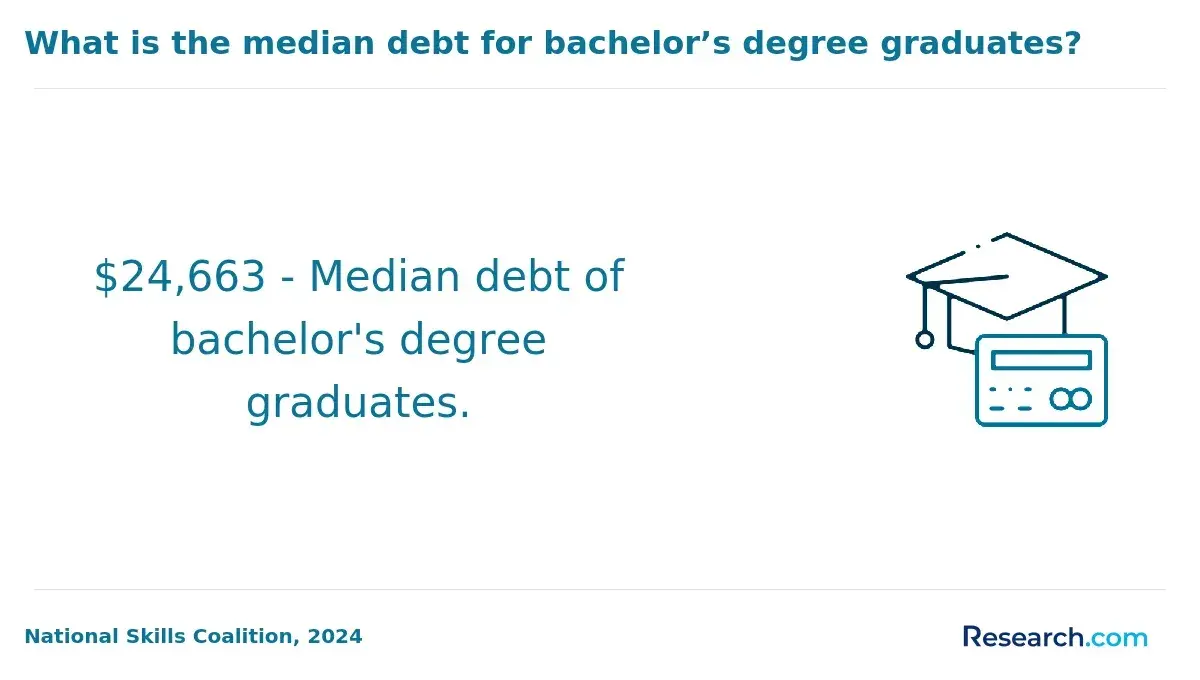
Meanwhile, someone with only a high school diploma in a related field might begin at $30,000 yearly, totaling around $348,000 after the same period with raises. After deducting average online bachelor's degree expenses-typically around $40,000-graduates still see a notable salary premium.
One professional who enrolled in an online public health bachelor's program after thoroughly weighing its cost versus ROI described the experience as both intimidating and rewarding. He explained that "balancing work and coursework was challenging," but "knowing the degree would boost my career outlook made it worth every late night."
He appreciated having concrete salary data to justify the expense, stating, "It wasn't just about passion; it was a strategic investment in my future." This insight reinforced his confidence in choosing an online program aligned with his financial and career goals.
How Do Online Public Health Program Tuition Rates Compare Across Public, Private, and For-Profit Institutions?
Costs for online public health degree programs vary significantly across institution types, impacting long-term return on investment. Public institutions often provide the most affordable in-state tuition, typically between $5,000 and $10,000 annually.
Many also offer flat-rate tuition for online learners, which may be slightly higher but remains competitive. These schools tend to have higher graduation rates and greater employer recognition, factors that enhance career outcomes.
- Public Institutions: In-state tuition ranges from $5,000 to $10,000 per year with some flat-rate fees for online programs. Generally, these schools offer stronger graduation performance and employer reputation, contributing to better ROI.
- Private Nonprofit Colleges: Tuition at these institutions averages $20,000 to $30,000 yearly. Despite increased upfront costs, they typically deliver rigorous academics, extensive career support, and robust alumni networks that can improve job placement and salary growth.
- For-Profit Colleges: While tuition often falls between $8,000 and $15,000 per year-sometimes rivaling public rates-these schools frequently show lower graduation rates and face skepticism from employers, which may undermine long-term financial benefits.
Choosing an online public health program requires weighing tuition costs against outcomes like job security and advancement. Cheaper options at for-profit colleges might reduce initial expenses but can result in weaker career prospects.
In contrast, investing more at public or private nonprofit institutions may improve post-graduate success. For those interested in accelerated options that balance speed and cost, exploring fast track programs can be beneficial.
What Long-Term Salary Growth Can Public Health Bachelor's Degree Holders Expect Over a 20- to 30-Year Career?
Salary growth for holders of a bachelor's degree in public health generally rises steadily over 20 to 30 years, shaped by growing experience, specialization, and career progress. Initial salaries tend to be modest but increase gradually as practical skills and certifications are gained.
- Early Career (0-5 Years): Entry-level professionals typically earn near the median for health service roles while building foundational experience. Salary growth is slow but steady during this period.
- Mid-Career Boost (5-10 Years): Earnings often jump by 20% to 30%, driven by acquiring specialized credentials, shifting into supervisory roles, or focusing on niche disciplines like epidemiology or health education.
- Established Professionals (10-15 Years): Many advance into management, program coordination, or policy positions, with salary growth accelerating alongside increased leadership duties.
- Late Career (15-30 Years): Senior leadership or expert roles bring continued, though slower, salary increases that reflect accumulated expertise and standing.
- Lifetime Earnings Premium: Over three decades, degree holders often earn $500,000 to $900,000 more than peers without a degree in related fields, accounting for wage trajectories and job stability.
- Inflection Points and Career Advancement: Salary jumps typically align with milestones such as certifications, promotions, and leadership roles that broaden job responsibilities.
- Non-Salary Benefits: Beyond pay, a public health degree improves job security, access to professional development, and positions for advancement-factors that enhance overall long-term value.
One professional who established his career after graduating from an online public health bachelor's program reflected on his experience navigating salary growth. He shared, "Balancing work with studies was tough, especially managing deadlines while gaining relevant skills." Over time, certifications he earned opened doors to supervisory roles, which significantly boosted his income.
He emphasized how the program's flexibility allowed him to continue working while advancing his career, noting that the steady salary increases mirrored his growing confidence and responsibility. This gradual progression motivated him to pursue leadership positions he once thought out of reach, illustrating the tangible benefits of his degree journey.
How Does the ROI of an Online Public Health Bachelor's Degree Compare to an Associate Degree or a Professional Certificate?
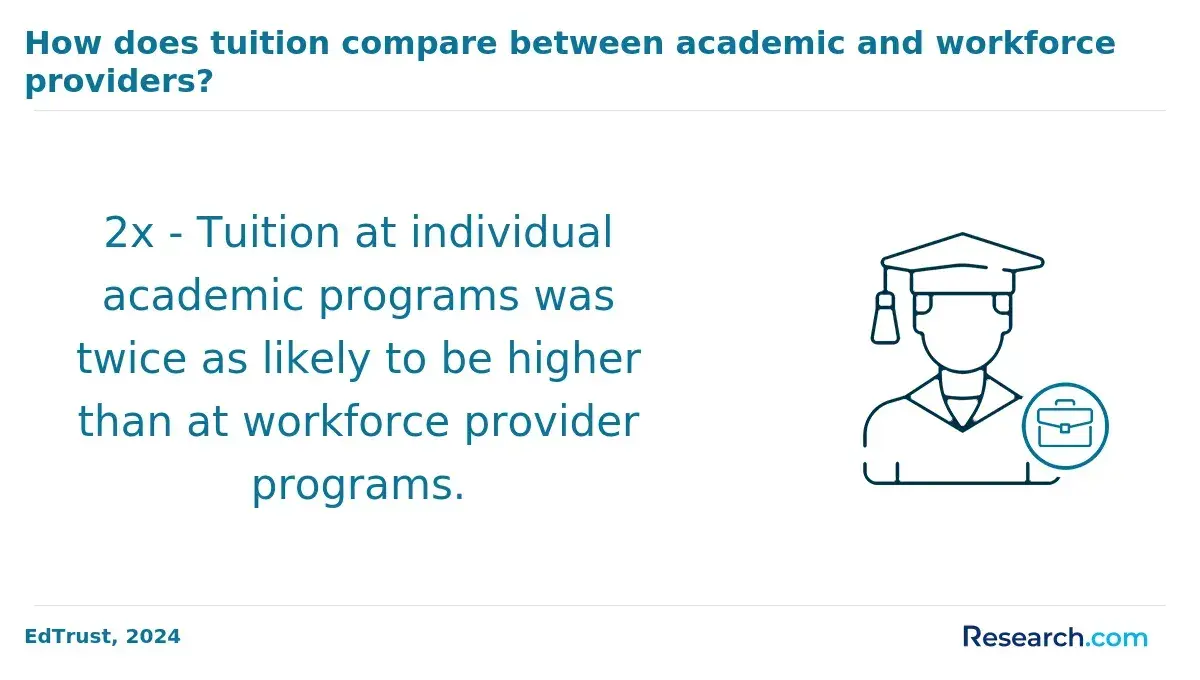
- Cost Comparison: Tuition for an online public health bachelor's degree generally ranges from $20,000 to $40,000, depending on the school and residency. Associate degrees offer a more affordable alternative, often costing between $6,000 and $15,000. Certificates provide the lowest upfront expense, frequently priced under $5,000.
- Median Salary: Bachelor's degree holders in public health typically earn between $48,000 and $55,000 annually. Those with associate degrees see median wages around $35,000 to $40,000, while certificate recipients average salaries from $30,000 to $38,000, though specific outcomes vary by credential and position.
- Short-Term Investment: For individuals prioritizing quick workforce entry or managing limited finances, certificates and associate degrees can be advantageous. These credentials usually require one to two years of study, enabling earlier income generation. Certificate programs also develop targeted skills that qualify graduates for immediate-demand roles such as community health worker or health education assistant.
- Long-Term Returns: The bachelor's degree offers stronger financial benefits over time, including higher earning potential and greater job stability. Graduates are better positioned for supervisory and policy roles that are generally inaccessible to those with lower-level credentials. Employers increasingly favor bachelor's degree holders for promotions and professional growth opportunities.
- Decision Framework: Choosing the right credential depends on an individual's financial status, career timing, and goals. Those satisfied with quicker employment and moderate salaries might opt for certificates or associate degrees. Individuals targeting leadership roles or sustained income growth may find investing in a bachelor's degree more worthwhile.
Besides salary, non-financial advantages such as enhanced job security, workplace influence, and access to benefits improve markedly with higher credentials. Considering both financial and intangible factors ensures a well-rounded evaluation aligned with personal aspirations.
Which Online Public Health Specializations or Concentrations Yield the Highest Earning Potential After Graduation?
Several online public health specializations offer significant salary advantages over generalist public health bachelor's degrees, according to Bureau of Labor Statistics (BLS) data and verified salary reports.
These tracks often require additional certifications or education, which affects initial investment but can improve long-term returns.
- Health Informatics: Specialists in this area manage healthcare data and technology, earning median salaries roughly 15% to 25% higher than general public health graduates. Many pursue certifications like the Registered Health Information Administrator (RHIA) to boost job prospects and pay.
- Environmental Health: Focusing on environmental risk and regulatory compliance, this track offers salaries 10% to 20% above average. Certifications such as Certified Industrial Hygienist (CIH) may be necessary, increasing upfront costs but enhancing career stability.
- Health Policy and Management: Roles in healthcare administration and policy analysis provide about a 10% premium. Although licensure is not usually required, credentials like Certified in Healthcare Compliance (CHC) can improve long-term ROI.
- Community Health Education: Emphasizing outreach and behavioral education, salaries are modestly higher-5% to 10% above generalist peers. The Certified Health Education Specialist (CHES) credential may be needed for specific roles.
- Biostatistics: Less common at the bachelor's level but with up to 30% higher median salaries, this specialization demands advanced education or data science certifications to maximize earning potential.
First-generation students and career changers should weigh the salary premium against certification costs and time-to-return-on-investment (ROI). Prior experience in healthcare or technology may favor informatics or biostatistics for faster financial gains.
Environmental health and health policy provide steady salaries and clear career pathways. Selecting a specialization with achievable certifications aligned to career goals optimizes both earnings and overall value.
How Do Employer Tuition Reimbursement and Financial Aid Reduce the Net Cost of an Online Public Health Bachelor's Degree?
Employer tuition reimbursement programs play a crucial role in reducing the net cost of earning an online public health bachelor's degree. Under IRS Section 127, employers can provide up to $5,250 annually in tax-free educational assistance, significantly lowering out-of-pocket expenses.
According to the Society for Human Resource Management (SHRM), approximately 56% of U.S. employers offer tuition reimbursement benefits for online public health degrees or similar programs, reflecting a strong trend toward workforce development and employee retention.
Financial aid further amplifies these savings. Federal grants like the Pell Grant provide non-repayable assistance to eligible students based on need, while many states and institutions award scholarships targeting public health students.
Subsidized federal loans also ease the financial burden by offering lower interest rates and deferred repayment during enrollment. These combined resources can reduce the net tuition cost to a fraction of the listed price, making degree completion more accessible.
Consider a student facing an annual tuition of $15,000. By applying $5,250 of employer tuition reimbursement, a $4,000 Pell Grant, and a $3,000 scholarship, the remaining balance can be offset with subsidized loans or personal payments.
This layered approach may lower the student's effective cost to under half the initial tuition, enhancing the return on investment and enabling career advancement without excessive debt.
For those also exploring related fields, comparing programs like online nutrition degrees can offer additional insight into educational and financial pathways that complement public health careers.
What Hidden Costs Should Students Factor Into the Total Investment of an Online Public Health Bachelor's Degree?
Students often underestimate the hidden costs of an online public health bachelor's degree, which extend beyond tuition and fees.
Data from institutional disclosures and the College Board indicate that additional expenses, such as technology fees, exam proctoring, software licenses, and graduation fees, can add between $500 and $1,200 annually. These costs significantly affect students budgeting for their degrees, especially those relying on tight financial plans.
Graduation fees can range from $100 to $300, covering diploma processing and commencement participation. Students should also consider membership fees in public health organizations, ranging from $50 to $150 per year, which provide valuable networking and certification opportunities.
Incorporating these costs into the full cost of attendance influences the break-even timeline for return on investment (ROI), often extending the period needed to recoup educational expenses.
Careful financial planning requires requesting a complete cost-of-attendance breakdown, not only tuition rates, to avoid surprises and enable accurate program comparisons. This step is crucial for career changers, working professionals, and first-generation students aiming to assess the economic and professional benefits comprehensively.
For those exploring healthcare pathways, programs like RN to BSN online no clinicals also present alternative considerations in educational costs and outcomes.
How Does the Accreditation Status of an Online Public Health Program Affect Graduate Salary and Employability?
Regional accreditation evaluates an entire college or university, ensuring broad academic quality and institutional stability. Programmatic accreditation, such as from the Council on Education for Public Health (CEPH), focuses specifically on public health programs, examining curriculum rigor and graduate outcomes. Both types signal to employers and graduate schools that a candidate's education meets trusted standards.
Data from the National Association of Colleges and Employers (NACE) shows hiring managers strongly prefer applicants with degrees from regionally or programmatically accredited institutions. Such degrees often translate to higher starting salaries and improved career advancement opportunities.
Conversely, degrees from nationally accredited or unaccredited schools may carry less weight, limiting salary negotiation power and job prospects, especially in competitive public health fields.
Attending a program lacking recognized accreditation can also block access to licensure exams and reduce chances for graduate school admission. Certain government and healthcare roles strictly require accredited degrees, creating barriers for graduates without them.
Prospective students should verify accreditation status by consulting the U.S. Department of Education's accreditation database and resources from the Council for Higher Education Accreditation (CHEA) before enrolling.
What Entry-Level Job Titles and Salary Ranges Are Available to Graduates of Online Public Health Bachelor's Programs?
Bachelor's graduates in public health often start careers in diverse roles that leverage skills in community well-being, health systems, and data interpretation. Early salaries vary across sectors, helping inform financial returns on an online degree.
- Health Educator: Starting salaries range from $45,000 to $55,000, with government agencies typically offering higher initial pay than nonprofits or healthcare providers.
- Community Health Worker: Median entry wages fall between $40,000 and $50,000. Certification and experience can improve earnings, especially in healthcare and nonprofit organizations.
- Environmental Health Specialist: Salaries often begin around $50,000 to $60,000, with federal or state government roles paying more, particularly when supported by relevant internships or certifications.
- Research Assistant (Public Health): Entry pay usually ranges from $40,000 to $55,000, with better compensation in academic and research settings for candidates possessing advanced technical skills.
- Health Data Analyst: Pays between $50,000 to $65,000 initially, mostly in healthcare technology firms and insurance industries offering top salaries.
- Program Coordinator: Starting pay generally lies from $45,000 to $58,000, with higher wages linked to experience or specialization, such as epidemiology, especially in government or nonprofit sectors.
- Public Health Policy Assistant: Median beginning salaries are $50,000 to $62,000, primarily in government and advocacy organizations.
- Occupational Health Specialist: Entry-level salaries range from $48,000 to $60,000, with manufacturing and construction sectors offering increased pay due to regulatory responsibilities.
Internships, certifications like Certified Health Education Specialist, and targeted concentrations boost starting salaries, accelerating recovery of tuition costs and improving ROI. Students who gain practical experience and leverage career services often see faster progress into higher-paying roles, enhancing financial stability and long-term growth prospects.
What Graduates Say About the Return on Investment of Their Online Public Health Bachelor's Degree
- Valentino: "Choosing to pursue an online public health bachelor's degree was a strategic decision based on the clear ROI compared to its cost. The flexibility allowed me to maintain my current job while gaining a credential that opened doors for career advancement. Beyond finances, the degree provided me with a deeper sense of job security in a rapidly evolving field."
- Zev: "Reflecting on my experience, the non-financial benefits of the online public health bachelor's degree truly stood out. It enhanced my leadership skills and expanded my professional network, which has been invaluable in my career growth. The program's practical approach gave me confidence that the investment was worth more than just the paycheck-it transformed how I contribute to my community's well-being."
- Gerard: "From a professional standpoint, earning an online public health bachelor's degree significantly impacted my career trajectory. It equipped me with specialized knowledge that employers actively seek, resulting in promotions and higher compensation. While the initial cost was a consideration, the long-term career benefits have far outweighed the expense, proving the degree's strong return on investment."
Other Things You Should Know About Public Health Degrees
On average, graduates of online Public Health bachelor's programs can expect to recover their tuition costs within five to seven years through higher salaries. This timeline varies depending on the initial cost of the program and the graduate's post-degree employment sector. Working in high-demand fields such as epidemiology or health policy can shorten the payback period due to better salary prospects.
Geographic location plays a significant role in salary variations for Public Health graduates, with urban and metropolitan areas typically offering higher wages than rural regions. Industry sectors such as government agencies, healthcare providers, and nonprofit organizations also differ in pay scales. Graduates employed by federal health departments usually earn more than those in local health services or educational institutions.
Employer surveys indicate strong demand for Public Health bachelor's degree holders, especially in roles related to health education, community outreach, and data analysis. Labor market data from the Bureau of Labor Statistics projects steady growth in Public Health-related occupations, reflecting ongoing public health challenges. Employers value the practical skills and interdisciplinary knowledge graduates gain from accredited programs.
References
- How Much Can I Make With an Online Bachelor's of Public Health? - MPH Online https://www.mphonline.org/salary-bachelors-public-health/
- Public Health Online | Online Public Health Degrees https://www.publichealthonline.org/
- The Hidden Costs of Higher Education http://perspectives.acct.org/stories/the-hidden-costs-of-higher-education-0
- Average Private vs Public College Tuition [2025]: Data Analysis https://educationdata.org/private-vs-public-college-tuition
- Definitive Guide to the Most Affordable Online MPH Programs https://www.edumed.org/online-schools/public-health-degrees/masters-mph/most-affordable/
- Public Health Career Salary: Entry to Executive Pay https://online.ewu.edu/degrees/healthcare/masters-public-health/general-concentration/career-salary-outlook/
- How an Online MPH Degree Can Impact Public Health in 2024 https://dblp.ucnedu.org/blog/how-an-online-mph-degree-can-impact-public-health/
- Exploring Your Future in Public Health: Is an Associate’s Degree Right for You? https://masterspublichealth.com/associates-in-public-health/