2027 Online Public Health Bachelor's Degree Programs With No Prerequisites

Co-Founder and Chief Data Scientist
Career changers often face barriers entering public health due to prerequisite courses in traditional bachelor's programs. For working professionals with unrelated degrees, this can delay or deter the transition. Online public health bachelor's degree programs with no prerequisites offer a direct path, accommodating diverse backgrounds and schedules. The Bureau of Labor Statistics projects a 17% growth in public health occupations through 2030, reflecting rising demand. This article explores accessible online degree options without entry barriers, providing guidance to prospective students seeking an efficient, flexible route into public health careers.
Key Benefits of Online Public Health Bachelor's Degree Programs With No Prerequisites
- Online public health bachelor's programs with no prerequisites offer flexible scheduling, allowing working adults to balance education with professional and personal commitments effectively.
- These programs accelerate skill acquisition by eliminating remedial courses, enabling students to focus directly on core public health competencies and graduate faster.
- No-prerequisite options provide affordable pathways to build valuable public health credentials aligned with job market demands, supporting career changers and first-generation students on tailored timelines.
What Does 'No Prerequisites' Mean for Online Public Health Bachelor's Degree Programs, and Who Benefits Most?
The term "no prerequisites" in online public health bachelor's degree programs describes admissions criteria that do not require applicants to have completed specific prior coursework or formal academic qualifications before enrolling. This differs from open admission policies, which often accept all applicants regardless of academic background, and low-barrier enrollment, which may include minimal testing or interview requirements. No prerequisite programs specifically eliminate the need for targeted preparatory classes or technical prerequisites, creating accessible pathways for students without lowering academic standards.
Students who benefit most from online public health bachelor's degree programs with no prerequisites include career changers seeking a new profession, working adults looking to advance or reframe their qualifications, returning learners reentering education after a break, and first-generation college students who may lack access to traditional preparatory coursework. According to the National Center for Education Statistics (NCES), non-traditional students now represent a significant share of online degree enrollments, highlighting the growing demand for flexible entry options that suit diverse academic and life backgrounds.
Programs without prerequisites allow students to start core public health content immediately, reducing time and cost barriers often tied to preparatory courses. However, prospective students should confirm that these programs hold proper accreditation and provide robust supports such as advising, tutoring, and credit-transfer options. Additionally, students may explore financial aid opportunities and other resources designed to support their success in these accessible programs. Those interested in related certifications might also consider a medical coding and billing certification as a complementary credential.
Key topics covered in this article will include:
- Admissions Flexibility: Explaining how no prerequisite programs differ from open and low-barrier admissions and what eligibility means for diverse students.
- Target Student Groups: Identifying who benefits most, including career changers, returning learners, working adults, and first-generation students.
- Quality and Accreditation: Emphasizing the importance of maintaining academic standards despite the absence of prerequisites.
- Financial and Support Services: Overviewing the availability of financial aid, student supports, and credit transfer options that bolster success.
- Career Outcomes: Discussing potential job prospects and how these programs prepare graduates for public health careers.
Which Accredited Online Public Health Bachelor's Programs Accept Students With No Prior College Coursework?
Several regionally accredited universities offer accessible online public health bachelor's degree programs that accept students with no prior college coursework, employing open-admission or low-barrier enrollment policies ideal for working adults, first-generation students, and career changers. These programs either waive prerequisites outright or provide bridge courses to build foundational knowledge, ensuring all students can succeed regardless of their academic background. Such online accredited public health bachelor's programs with no prerequisites represent practical pathways into the field.
- American Public University System (APUS): APUS delivers a fully online Bachelor of Science in public health program requiring no prerequisite college credits, supporting open enrollment. It offers foundational health sciences courses for beginners and is regionally accredited by the Higher Learning Commission. With an enrollment exceeding 40,000 students, APUS reflects a robust online presence.
- Southern New Hampshire University (SNHU): SNHU welcomes students without prior college experience in its Bachelor of Science in public health, providing bridge courses that cover foundational general education and health topics. Accredited by the New England Commission of Higher Education, SNHU supports more than 135,000 online learners and emphasizes financial aid and student services.
- Walden University: Designed for students with limited or no prior college, Walden's Bachelor of Science in public health includes preparatory coursework to ensure academic readiness. It holds regional accreditation from the Higher Learning Commission and enrolls over 45,000 students, focusing on flexibility and support for nontraditional learners.
- Kent State University: Kent State's program allows admission without previous college units by offering personalized foundational courses. Its Bachelor of Science in public health is regionally accredited by the Higher Learning Commission and is known for strong student support and career services.
- University of North Dakota (UND): UND admits students directly from high school or those with no prior college credit into its online Bachelor of Science in public health. The curriculum incorporates general education prerequisites for a solid academic base. Accredited by the Higher Learning Commission, UND offers comprehensive financial aid and advising.
These programs share key features such as regional accreditation, flexible admission policies that waive or circumvent formal prerequisites, and integration of foundational coursework. Prospective students should carefully consider accreditation status, availability of financial aid, student services, and credit transfer options to ensure quality education and meaningful career outcomes despite minimal entry requirements. For those exploring nursing education options, understanding if do you have to take the TEAS test to get into nursing school can offer further insights into open-admission policies in healthcare education.
2026 Update: Checking Career Fit Before Choosing a No-Prerequisite Public Health Program
This 2026 update adds a career-fit lens for students entering public health without prior coursework, so they can compare programs by outcomes and applied learning rather than access alone.
- Whether the curriculum includes core areas such as epidemiology, health promotion, biostatistics, environmental health, and public policy.
- If students can choose electives or concentrations aligned with community health, healthcare administration, global health, or data-focused roles.
- Whether the program includes a practicum, capstone, internship, or community-based project that builds real public health experience.
- How online courses teach practical tools, including data interpretation, program planning, grant writing, or health communication.
- Whether the degree supports future graduate study in public health, healthcare management, or related fields.
- If career services understand public health pathways for first-time college students and career changers.
Checking these details helps students choose a no-prerequisite program that is not only accessible, but also aligned with their long-term public health goals.
How Do Open-Admission Policies in Online Public Health Programs Differ From Traditional Selective Admissions?
Open-admission policies in online public health bachelor's programs welcome all applicants who meet basic eligibility, such as holding a high school diploma or equivalent, without requiring prior coursework, standardized test scores, or competitive GPAs. This approach contrasts with selective admissions, which evaluate candidates based on academic achievements, test results, recommendations, and sometimes interviews. Rolling admissions enable schools to accept students year-round, while conditional admissions allow enrollment contingent upon fulfilling specific requirements like remedial classes.
- Broad Accessibility: Open admission removes barriers like prerequisite classes and GPA minimums, making education more attainable for adult learners, career changers, and first-generation students. Institutions such as Southern New Hampshire University and Granite State College explicitly state their open-admission status on their admissions webpages.
- Varied Academic Preparation: Students entering through open admission exhibit diverse academic skill levels. Many programs respond by offering developmental courses, tutoring, or orientation sessions designed to help students build the foundational knowledge needed to succeed.
- Maintained Quality: Despite inclusive admissions, open programs typically hold regional accreditation and sometimes programmatic credentials such as CEPH accreditation, ensuring that educational standards remain rigorous and trustworthy.
- Fit for Career Goals: Applicants should consider whether an open-admission public health program aligns with their professional ambitions. These programs are often ideal for those seeking flexible starts and comprehensive support, while individuals targeting research-intensive or highly specialized fields might prefer more selective programs.
- Growing Trend: Data from IPEDS in 2022 shows nearly 40% of online public health bachelor's degrees have adopted open-admission policies, signaling a shift toward access and flexibility in higher education.
A professional who enrolled in an online public health bachelor's degree program with no prerequisites shared that navigating the transition was both challenging and rewarding. He described initially feeling anxious about jumping into coursework without a strong academic background but found the developmental resources and orientation sessions invaluable for building confidence. "It wasn't just about getting in-I needed the support to stay on track," he recalled. This flexibility allowed him to balance work and study while pursuing a meaningful career change, underscoring the appeal of open-admission programs for nontraditional students.
Breakdown of Private Fully Online For-profit Schools

What Are the Typical Enrollment Requirements for No-Prerequisite Online Public Health Bachelor's Programs?
- Proof of High School Completion: Most online public health bachelor's programs with no prior coursework require verification of a high school diploma or equivalent. This confirms a foundational academic level, although formal college classes or standardized test results are generally unnecessary for admission.
- English Proficiency: Non-native English speakers must often demonstrate language skills through exams such as TOEFL or IELTS. This requirement ensures students can successfully comprehend and participate in coursework and discussions.
- Minimum Age Limits: Typically, applicants must be at least 17 or 18 years old due to regulatory reasons. However, some private nonprofits allow younger students through dual-enrollment programs that offer early access to college-level courses.
- Alternative Credentials: Individuals lacking a standard diploma may qualify using a General Educational Development (GED) certificate. Dual-enrollment pathways also provide options for high school learners to start public health coursework before full admission.
- Application Preparation: Even with open enrollment, students should prepare a completed application, personal identification, and possibly a statement or references. Organizing these materials ahead of time helps reduce delays during the admissions process.
Public institutions often promote accessibility with more flexible enrollment, while private nonprofits may require additional criteria or healthcare experience. Both types maintain standards that foster student success and career preparedness in public health fields. Working adults and first-generation students considering no-prerequisite online public health bachelor's degrees can also explore financial aid and credit transfer options to support their goals. For further information on advanced educational paths, see PhD nursing programs online.
Are No-Prerequisite Online Public Health Bachelor's Programs Available at Regionally Accredited Universities?
Choosing an online public health bachelor's program without prerequisites at a regionally accredited university ensures academic quality and broader opportunities. Regional accreditation, recognized by the U.S. Department of Education and the Council for Higher Education Accreditation (CHEA), is widely respected and often preferred over national accreditation, which generally applies to for-profit or vocational institutions. This form of accreditation significantly impacts your ability to transfer credits across schools, enhances employer trust in your degree, and is a key criterion for accessing federal financial aid.
Many regionally accredited programs with open admission policies are listed in official databases-checking these resources can help identify suitable, accredited options. Prioritizing regional accreditation safeguards your educational investment and career prospects, even in programs designed for easy entry.
- Accreditation Verification: Utilize the U.S. Department of Education's and CHEA's public directories to confirm both institutional and programmatic regional accreditation before applying.
- Credit Transfer: Review the institution's policies on accepting previous college credits and transferring to or from other accredited schools to maintain academic progress.
- Financial Aid Access: Ensure your program qualifies for federal aid by verifying its accreditation, which affects grant, loan, and scholarship eligibility.
- Employer Acceptance: Research whether employers in public health recognize degrees from the chosen institution, enhancing job prospects post-graduation.
A professional who completed a no-prerequisite online public health bachelor's shared how the program's regional accreditation was crucial during job hunting. She recalled navigating uncertainty initially-"I worried whether my degree would hold up against those from traditional universities." Her experience highlighted how accreditation opened doors, allowing seamless credit transfers when she decided to pursue graduate studies. She appreciated the flexibility and was encouraged by employers' willingness to acknowledge the credential, which ultimately helped launch her career in community health initiatives. This blend of accessibility and recognized quality was key to her academic and professional growth.
How Do Students Without Academic Prerequisites Catch Up in Online Public Health Bachelor's Courses?
Several online public health bachelor's programs designed for students without prior coursework include targeted academic support to help bridge gaps in foundational knowledge. These interventions strengthen students' preparedness and improve overall success rates.
- Developmental Courses: Many programs incorporate introductory or bridge modules covering essential topics like biology, statistics, and academic writing. For instance, the University of Florida Online offers a "Public Health Foundations" course that equips students with key concepts before progressing to advanced content. Such courses build core competencies aligning with academic expectations.
- Tutoring and Academic Coaching: Accessible tutoring services focusing on quantitative skills and scholarly writing are often available at little or no cost. Academic coaching further supports students by promoting effective study techniques, time management, and exam strategies. The University of Massachusetts Global emphasizes personalized tutoring to boost student confidence and performance within their open-admission public health degrees.
- Peer Mentoring: Experienced students mentor newcomers, providing guidance on curriculum navigation, resource utilization, and balancing study with life demands. Data from the National Survey of Student Engagement (NSSE) associate such peer support with higher persistence and degree completion in online settings.
- Readiness Self-Assessment: Prospective students benefit from using diagnostic tools offered by many programs to evaluate their preparatory needs. This self-evaluation enables early identification of areas requiring improvement, facilitating proactive engagement with supplementary resources.
- Engagement with Advising Services: Frequent interaction with academic advisors and counselors is critical for addressing challenges promptly. Institutions like Southern New Hampshire University integrate orientation sessions to increase student awareness and sustained use of support services, lowering the risk of withdrawal.
A recent report from the National Center for Education Statistics reveals a 20% rise in enrollment for online bachelor's programs without prerequisites over the past five years, underscoring the growing reliance on comprehensive academic support to foster student success.
What Support Services Help No-Prerequisite Students Succeed in Online Public Health Bachelor's Programs?
Online public health bachelor's degree programs without prerequisites often provide extensive support services tailored to help students succeed academically and personally, especially those balancing work, family, and studies. Robust support infrastructure, including asynchronous and virtual services, allows learners to access assistance anytime, fitting their unique schedules and life demands.
- Academic Advising: Personalized guidance helps students select courses, plan their degrees, and fulfill graduation requirements. Advisors experienced with adult and nontraditional learners create flexible academic pathways suited to diverse backgrounds.
- Mental Health Resources: Institutions offer virtual counseling, stress management workshops, and crisis support to help students maintain wellbeing amid remote learning challenges and busy lives.
- Disability Accommodations: Compliance with federal regulations ensures access through extended test times, screen readers, and alternative formats, promoting equity in online coursework.
- Career Counseling: Career services include virtual job fairs, resume reviews, and networking, which support students entering or advancing in the public health workforce.
Programs nationally recognized by sources such as U.S. News Best Online Bachelor's Programs prioritize these services to reduce dropout rates and improve retention. A recent survey showed 78% of students in online bachelor's programs reported that accessible support services influenced their persistence and degree completion positively. Choosing a no-prerequisite public health program with strong support networks provides essential safety nets that increase the likelihood of success for first-generation students, career changers, and working adults.
Can Transfer Credits or Prior Learning Assessments Replace Prerequisites in Online Public Health Programs?
Transfer credits and Prior Learning Assessments (PLA) are increasingly recognized as effective ways to replace prerequisite coursework in online public health bachelor's programs, accelerating degree completion for many students. This option can be especially valuable for working adults and career changers seeking flexible pathways. Some institutions accept transfer credits from accredited colleges with limits up to 90 credits, enabling significant substitution of prerequisite classes.
- Transfer Credit Flexibility: Many universities allow transfer credits to bypass admission prerequisites, depending on the accreditation and relevance of prior coursework. Policies vary widely but can substantially reduce time and cost in online public health degrees.
- Prior Learning Assessments (PLA): Exams like CLEP (College-Level Examination Program) and DSST (DANTES Subject Standardized Tests) help students demonstrate existing knowledge, potentially replacing foundational courses without further study.
- ACE Credit Recommendations: The American Council on Education (ACE) framework is commonly used for evaluating workplace training, military service, and professional certifications, granting equivalent college credits that meet prerequisite requirements.
- Institutions with Generous PLA Policies: Schools such as Thomas Edison State University and Excelsior College are known for offering over 60 PLA credits, including CLEP, DSST, and ACE-reviewed military and corporate training, to waive prerequisites.
- Documentation for Waivers: Students should prepare thorough documentation-transcripts, official test scores, certificates, and detailed competency portfolios-to maximize waiver approvals and streamline admissions.
- Growing PLA Usage: According to the National Center for Education Statistics, there has been a 25% rise over five years in PLA credit use, indicating broader acceptance of these alternatives in degree progression.
For those interested in maximizing credit transfer and leveraging PLA options within public health education, exploring schools with open-admission policies is crucial. These programs often reduce traditional barriers to entry, helping students reenter academics with no formal prerequisite requirements. Additionally, some programs integrate credit opportunities that align closely with the him degree pathway, widening career prospects.
What Is the Average Time to Completion for No-Prerequisite Online Public Health Bachelor's Degree Programs?
The average time to complete online public health bachelor's degrees without prerequisites is shaped by credit requirements, enrollment pace, term length, and prior credit. Most bachelor's degrees follow a 120-credit-hour framework, requiring students starting fresh to complete all credits. Enrollment pace-whether full-time or part-time-plays a critical role in duration, with full-time students often finishing in about four years, while part-time students may take six years or more.
- Credit Hour Requirements: Nearly all public health bachelor's programs adhere to a 120-credit-hour structure. Students without prior credits must complete these fully, affecting how long no-prerequisite online public health bachelor programs take.
- Enrollment Pace: Continuous full-time study can enable finishing within four years. Part-time or working adults usually need longer, depending on course loads each term and personal obligations.
- Term Length and Format: Several accredited online public health programs offer accelerated formats such as eight-week terms and year-round enrollment. Competency-based models allow students to demonstrate mastery, potentially shortening degree completion time. Universities like Western Governors University and Southern New Hampshire University report some students finishing under three years.
- Completion Rate Comparison: IPEDS data show open-admission online programs often have longer average graduation times compared to selective-admission institutions, partially due to varied student readiness and support.
- Financial and Opportunity Costs: Time to completion directly influences total tuition and income lost while studying, making it a crucial factor for prospective students to consider when evaluating programs.
For those looking ahead to advanced credentials, exploring a doctorate in healthcare administration online can be a strategic step after completing a public health bachelor's degree.
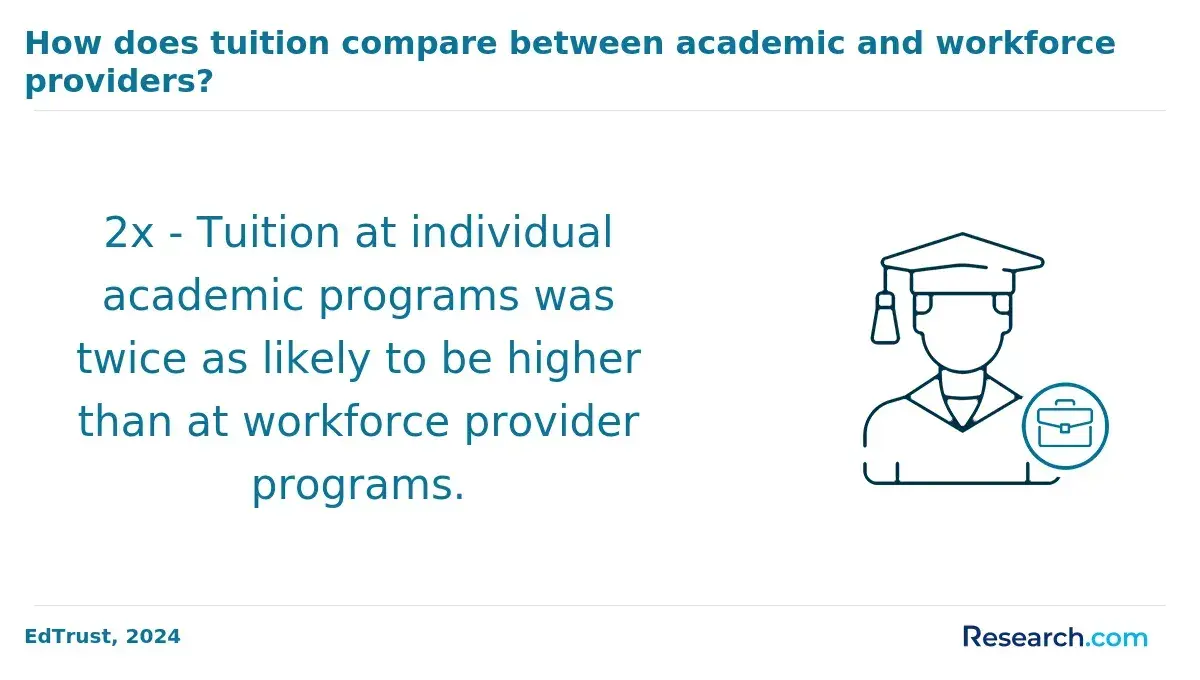
How Does Tuition Compare Between No-Prerequisite and Standard Online Public Health Bachelor's Programs?
When comparing no-prerequisite online public health bachelor's programs with those requiring standard admission, various factors affect tuition differences. Open-admission programs generally offer lower per-credit-hour rates, particularly at community colleges and regional universities prioritizing accessibility and local service. These institutions often have reduced tuition compared to selective research universities, which typically charge higher fees due to their reputation, resources, and funding structures.
- Tuition Rates: Open-admission programs tend to have more affordable per-credit costs than selective programs, aligning with their mission to expand access to education.
- Institutional Type: Community colleges and regional schools mainly provide no-prerequisite options at lower rates, whereas selective programs are housed in research universities commanding premium tuition.
- Additional Fees: No-prerequisite tracks may add expenses for developmental or foundational courses not required by selective programs, potentially increasing the actual cost beyond advertised per-credit prices.
- Program Delivery: Both program types offer online or hybrid formats, but selective programs might include higher technology or support fees to reflect advanced platforms and personalized services.
- Total Cost vs. Per-Credit Cost: Prospective students should compare total degree expenses since no-prerequisite programs often require more credits, which can offset lower per-credit savings.
Which Online Public Health Bachelor's Programs Allow Students To Start Without A High School Diploma Or GED?
Many accredited online public health bachelor's programs accept students with a high school equivalency credential such as a GED or HiSET. These programs often employ open-admission policies to increase access, especially for adults returning to education or those changing careers. While a GED or HiSET simplifies the application, some institutions may require placement tests or interviews to assess readiness for college-level study.
- Admission Flexibility: Programs commonly recognize GED or HiSET as sufficient for entry, allowing applicants to bypass traditional diploma requirements, though some schools might impose conditions to ensure preparedness.
- Conditional Enrollment: Certain schools permit provisional acceptance for GED holders, requiring completion of developmental or foundational courses before advancing fully into public health coursework.
- International Applicants: Candidates with secondary education outside the U.S. must usually submit credential evaluations to confirm equivalency with U.S. standards, using resources like the College Board's guidelines.
- Application Documents: Official GED score reports or HiSET certificates are typically required, alongside supporting materials that verify educational equivalency.
- Student Support: Schools offering open-admission policies often provide tutoring, advising, and career counseling specifically for students from alternative academic backgrounds to bolster success.
- Financial Aid Eligibility: GED recipients generally qualify for federal financial aid upon FAFSA completion, but must meet all other criteria.
- Credit Transfer: Some programs allow prior college credits or testing out of basic courses, accelerating degree progression.
- Accreditation Standards: Reputable online public health programs maintain regional or national accreditation, ensuring academic rigor and positive career outcomes despite no prerequisite coursework.
What Graduates Say About Their Online Public Health Bachelor's Degree Program With No Prerequisites
- Valentino: "I chose the online public health bachelor's degree program with no prerequisites because it allowed me to start fresh without any previous coursework holding me back. The affordability of the program was a huge factor for me, making it accessible as I balanced work and studies. Completing the program truly transformed my career outlook, opening doors to new roles in community health that I hadn't imagined before."
- Zev: "Reflecting on my experience, the no-prerequisite structure of the online public health program gave me the flexibility to pursue a completely new career path without the stress of prior requirements. The cost-effectiveness made a significant difference, especially compared to traditional programs with higher tuition. Since graduating, I've noticed a marked improvement in my ability to contribute strategically in my workplace, which has boosted my confidence and professional growth."
- Grayson: "The reason I enrolled in the online public health bachelor's degree with no prerequisites was to establish a solid foundation quickly and efficiently. The reasonable tuition made it feasible to invest in my education without financial strain. Professionally, this program was a game changer-it equipped me with practical skills and knowledge that enhanced my resume and helped me secure a position in a competitive sector of healthcare."
Other Things You Should Know About Public Health Degrees
Yes, no-prerequisite online Public Health Bachelor's degrees are respected, provided they come from accredited institutions. Accreditation ensures the program meets academic and professional standards, which is crucial for employer recognition.
Graduates can pursue roles such as community health educators, health program coordinators, and public health analysts. Entry-level positions often emphasize practical skills in data collection, outreach, and health promotion. Some roles may require certification or further study, but a no-prerequisite online degree provides a solid foundation for many public health careers.
Quality public health programs hold regional accreditation and may also have specialized accreditation from bodies like the Council on Education for Public Health (CEPH). These standards ensure curriculum rigor, qualified faculty, and appropriate student support. Prospective students should confirm accreditation status to ensure their degree will be recognized by employers and graduate programs.
References
- Public Health Program Transfer Credit Policy https://catalog.phsu.edu/content.php
- Online Degrees https://www.publichealthdegrees.org/online/
- Explore Online Bachelor’s in Public Health Programs | Teach.com https://teach.com/online-ed/healthcare-degrees/online-bachelor-public-health/
- Support for online students: what assistance is available? https://www.pfh.de/en/blog/support-online-students-what-assistance-available
- Essential Support Systems for Online College Students https://collegeandtuition.com/essential-support-systems-for-online-college-students/
- Admission to the Online BHSc Program via the Interest Progression Route | Bachelor of Health Sciences | Queen's University https://bhsc.queensu.ca/future-students/online/interest-progression
- Pursue Your BS in Public Health Online with South University https://www.southuniversity.edu/online/degrees-programs/public-health/public-health-bs
- Recognition of Prior Learning (RPL) – Frequently Asked Questions | Before you apply (MSc) | LSHTM https://www.lshtm.ac.uk/study/how-apply/applying-intensive-masters-degree/you-apply-msc/recognition-prior-learning-FAQ
- Colleges Without High School Diploma or GED 2025 https://www.educationconnection.com/resources/colleges-that-dont-require-high-school-diploma-or-ged/
- Launch a New Career with an Online Master of Public Health Degree https://www.thechicagoschool.edu/insight/career-development/everything-you-need-to-know-about-the-online-master-public-health-degree/