2027 Hybrid vs Fully Online Public Health Bachelor's Degree Programs

Co-Founder and Chief Data Scientist
Consider a working parent balancing a full-time job and childcare responsibilities while seeking to advance a career in public health. They face a choice: log in from home to attend fully online classes that offer maximum schedule flexibility or commit to a hybrid program requiring occasional campus visits for hands-on training sessions. The pressure to maintain work-life balance contrasts with the desire for direct engagement and networking. With the Bureau of Labor Statistics projecting a 12% growth in public health jobs through 2032, selecting the right program format is crucial. This article examines the benefits and drawbacks of hybrid versus fully online public health bachelor's degrees to guide informed decisions.
Key Benefits of Hybrid vs Fully Online Public Health Bachelor's Degree Programs
- Hybrid programs offer moderate flexibility by combining online coursework with scheduled in-person sessions, benefiting students who seek some campus engagement without full-time commuting.
- Fully online programs provide maximum flexibility and minimal in-person interaction, ideal for students balancing work, family, and study across diverse locations.
- Hybrid formats facilitate direct networking and hands-on experiences, while fully online programs often include virtual internships and digital collaboration tools to support professional development.
What Is a Hybrid vs Fully Online Public Health Bachelor's Degree?
Hybrid and fully online public health bachelor's degrees differ mainly in course delivery, the extent of in-person interaction, and learning structure. According to the National Center for Education Statistics, over 30% of undergraduates take at least one online course, showing the increasing appeal of flexible education. These differences critically affect how students engage with material and balance their studies with personal responsibilities.
Hybrid Programs
- Course delivery typically combines in-person classes with online coursework for a blended learning experience.
- Students attend scheduled on-campus sessions like labs or group projects, requiring some fixed time commitments.
- The format fosters direct interaction with professors and peers, supporting engagement and networking.
- Hands-on activities and real-time discussions are common, enhancing experiential learning.
- This option suits students who prefer some face-to-face contact alongside digital instruction.
Fully Online Programs
- All coursework is completed remotely through digital platforms without any on-campus requirements.
- Scheduling is usually asynchronous, offering maximum flexibility for students managing work, family, or other commitments.
- Interaction occurs mainly via email, chat, and video conferencing, emphasizing virtual communication skills.
- Students must exhibit strong self-discipline and time management to succeed in this independent learning environment.
- Fully online public health degrees are ideal for learners prioritizing flexibility over in-person engagement.
Choosing between hybrid vs fully online public health bachelor's degree programs depends largely on one's preference for interaction versus scheduling flexibility. For those exploring the quickest degree to get online with adaptable formats, fully online options often provide the most convenience without sacrificing educational quality.
How Does a Hybrid vs Fully Online Public Health Bachelor's Degree Program Work?
Both hybrid and fully online public health bachelor's degree programs follow structured academic pathways designed to ensure students meet learning objectives within a clear timeline. The key difference lies in how coursework is delivered and how students engage with instructors and peers in each format. Notably, enrollment in distance education courses increased by 93% from 2012 to 2018, highlighting the rapid growth of online and hybrid learning options.
This expansion reflects evolving models that cater to diverse learning preferences and lifestyle needs in undergraduate public health education. Below is a comparison of how hybrid and fully online programs operate.
Hybrid Programs
- Students attend scheduled on-campus sessions for lectures, labs, or group activities combined with remote coursework.
- Online components utilize learning management systems delivering multimedia content and assignments.
- Deadlines balance both in-person and online tasks to maintain steady progress through the curriculum.
- Communication occurs through face-to-face meetings, email, discussion boards, and video conferencing.
Fully Online Programs
- All lectures, readings, and assignments are accessible exclusively via an online portal without any campus attendance.
- Class participation includes discussion forums, live video sessions, and virtual group projects supporting interaction.
- Scheduling combines flexible asynchronous lectures with some synchronous discussions to accommodate varied timetables.
- Communication depends largely on email, chat, video calls, and virtual office hours with faculty.
These hybrid versus fully online public health bachelor's degree structures illustrate distinct methods that impact flexibility and workload in online public health bachelor's programs. For those curious about related educational costs, exploring topics such as how much is a master's degree in psychology can provide useful insight into graduate-level pricing trends.
Are Admission Requirements Different for Hybrid and Fully Online Public Health Bachelor's Degrees?
Admission criteria for hybrid and fully online public health bachelor's programs share many similarities but can differ slightly based on the institution and program design. These nuances reflect the distinct learning environments and expectations each format entails. Below are some key areas where differences commonly appear.
- Technical Requirements: Fully online programs typically require applicants to have stable internet access and suitable devices, such as webcams and compatible software, to engage in virtual classes. Hybrid programs might expect students to use campus technology resources or labs during in-person sessions, potentially considering location or commute feasibility as part of admissions.
- Academic Qualifications: Both program types expect completion of a high school diploma or equivalent, but hybrid programs often emphasize prior coursework in science or mathematics to prepare for hands-on labs. Online programs may accept standardized test scores or placement exams as part of assessing readiness without onsite evaluation.
- Application Components: Some hybrid admissions encourage or require on-campus interviews or visits to better assess interpersonal skills and commitment. Fully online programs usually streamline this with remote interviews or remove the interview step entirely, relying on written materials and digital communication.
- Program-Specific Prerequisites: Hybrid formats may include requirements such as immunization records or physical fitness assessments due to practical, on-site clinical or lab work. Fully online programs tend to forgo these or arrange virtual alternatives and local partnerships for practicum experiences.
When I spoke with a student currently enrolled in a fully online public health bachelor's program, she described the admission process as straightforward but thorough. She noted, "Submitting all my documents digitally made everything smoother, though I initially worried about how they'd evaluate my practical skills without in-person interaction." The remote interview felt less intimidating but required clear communication of my motivation and background." She appreciated the program's flexibility, which didn't require travel for interviews or assessments, easing her ability to manage family and work commitments simultaneously.
Is the Learning Experience Better in Hybrid vs Online Public Health Bachelor's Degrees?
Hybrid public health bachelor's degree programs combine in-person instruction with online learning, creating opportunities for direct engagement with instructors and classmates. This format often leads to richer discussions and quicker feedback, enhancing student comprehension. The mix of scheduled sessions and flexible online tasks helps students stay motivated while accommodating different learning styles. Access to physical campus resources such as libraries and study groups adds valuable support that complements digital materials. As a result, students often experience a more connected and interactive environment that supports deeper understanding of complex subjects.
Fully online public health programs offer maximum flexibility, making them ideal for students managing work, family, or other responsibilities. However, the absence of face-to-face interaction can limit spontaneous communication and sometimes reduce engagement. Many programs use discussion boards, live video meetings, and virtual office hours to encourage interaction, but these tools may require greater self-discipline and can feel less personal. While digital resources are usually comprehensive, some students may miss the social and collaborative aspects present in hybrid formats. For those comfortable learning independently and using technology, fully online degrees can provide a solid, though different, educational experience.
Which Is More Flexible: Hybrid or Fully Online Public Health Bachelor's Degree?
Hybrid public health bachelor's degree programs offer a blend of online and on-campus learning, requiring students to attend certain in-person sessions such as labs, seminars, or group projects. This format allows learners to complete lectures and assignments remotely while maintaining some face-to-face interaction. The scheduling for hybrid formats is more fixed due to mandatory campus presence, which may pose challenges for students with unpredictable schedules or those living far from campus. Nonetheless, this structure balances convenience and hands-on experiences, making it a viable choice for those seeking a mix of both environments. Considering online public health bachelor's degree program scheduling options, hybrid models provide a structured flexibility that accommodates both remote and on-site academic activities.
Fully online public health bachelor's degree programs provide the highest degree of flexibility by enabling students to access all coursework remotely. Many offerings incorporate asynchronous learning, giving students the freedom to complete lectures and participate in discussions on their own schedules. This flexibility is especially beneficial for individuals balancing work, family, or other commitments, as it removes the need to commute or relocate. According to a 2023 survey by the Online Learning Consortium, 72% of online learners choose fully online programs primarily for their self-paced study opportunities. For those exploring what are the best online universities, fully online options often stand out for their convenience and accessibility.
What Is the Workload for Hybrid vs Fully Online Public Health Bachelor's Degrees?
Although hybrid and fully online public health bachelor's degree programs maintain comparable academic criteria, they differ significantly in pacing and course structure, impacting how students allocate their time. Research from 2022 by the Online Learning Consortium indicates that learners in these programs usually spend between 15 and 20 hours weekly on their studies. These time demands vary, shaping the way students manage their educational commitments and daily routines.
In hybrid public health programs, coursework combines face-to-face class meetings with online assignments. The requirement to attend scheduled on-campus sessions creates a more predictable weekly schedule, which can assist students in developing steady study habits. However, balancing travel and fixed class times alongside personal activities may necessitate careful organization. Outside of these sessions, students engage with readings, online discussions, and assignments designed to support in-person materials, making time management essential to handle both modes effectively.
Fully online public health programs typically feature asynchronous learning, allowing students to access lectures and complete coursework at their convenience so long as deadlines are met. This flexible format demands strong self-discipline and the ability to independently plan study time. Without regular in-person interaction, students must stay motivated to keep up with digital tasks, projects, and exams. For those new to remote education, the lack of structured class hours may increase the perception of workload intensity due to limited direct supervision and fewer fixed commitments.
How Does Tuition Compare for Hybrid vs Online Public Health Bachelor's Degrees?
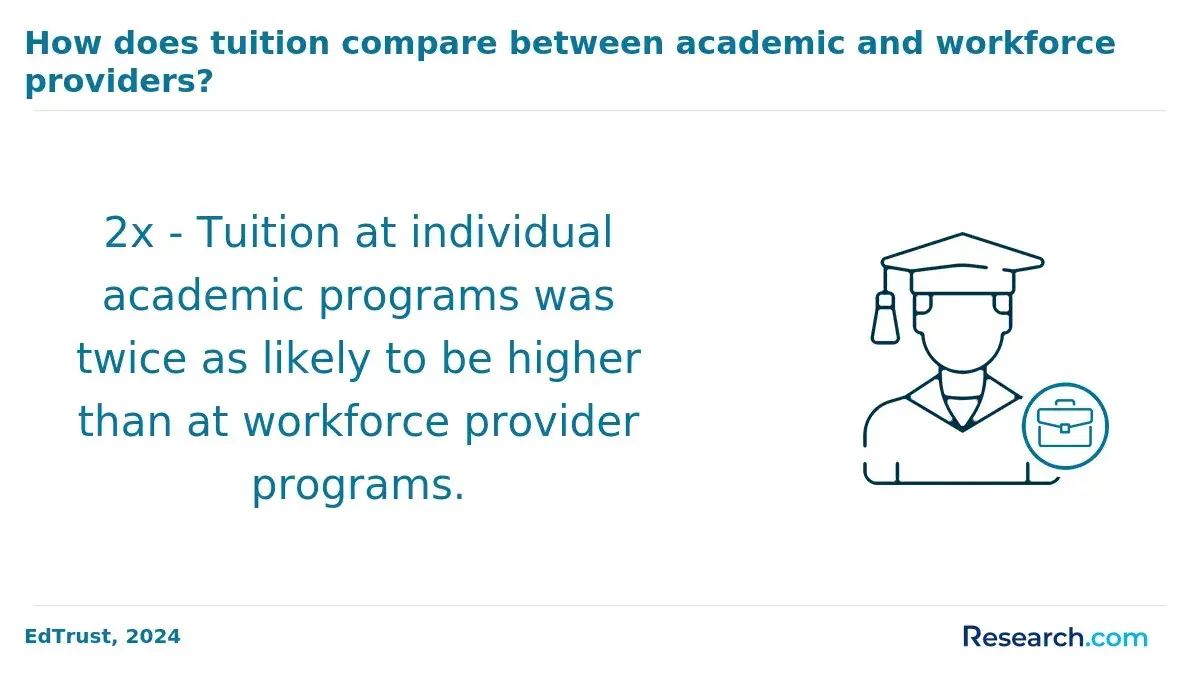
Tuition structures for hybrid and fully online public health bachelor's degree programs differ based on delivery format, institutional policies, credit requirements, and additional student fees. On average, fully online programs tend to have a per-credit tuition rate that is 5-10% lower than hybrid formats, reflecting savings in facility and campus resource costs.
- Per-Credit Costs: Hybrid programs often have higher per-credit rates due to the need for face-to-face instruction, which requires campus resources, faculty presence, and support staff. Fully online programs typically reduce these expenses, leading to a lower per-credit charge.
- Technology and Campus Fees: Students in fully online programs usually pay specific technology fees to maintain digital platforms. However, hybrid students may pay these same fees along with additional campus facility fees, such as charges for lab access or on-site services, increasing their overall costs.
- Residency or Facility Charges: Hybrid learners are generally subject to campus-based fees that support library access, student services, and laboratories. Fully online students either avoid these fees or incur them at a reduced rate, lowering out-of-pocket expenses.
- Payment Options and Flexibility: Online programs frequently offer more flexible tuition payment plans or flat-rate pricing, helping students budget more predictably. Hybrid programs often adhere to traditional billing cycles tied to campus semester schedules, which may be less flexible.
When speaking with a graduate of a hybrid public health bachelor's degree, he described the challenge of budgeting for the extra fees associated with hybrid learning. "I appreciated the face-to-face interaction, but those additional campus fees caught me off guard," he said. "Balancing those unexpected costs alongside tuition payments meant I had to be very organized financially. In contrast, I noticed many friends in fully online programs could plan their expenses more easily thanks to flat tuition rates and clearer fee structures." These practical considerations weigh heavily when deciding between hybrid and fully online paths.
Do Employers Prefer Hybrid or Fully Online Public Health Bachelor's Degrees?
Employer perceptions of hybrid and fully online public health bachelor's degrees have evolved significantly as online education has gained wider acceptance and credibility. Recent surveys show that nearly 85% of employers now regard online degrees as equivalent to traditional ones. This shift highlights growing confidence in graduates of these programs, setting the stage to compare how employers view hybrid versus fully online formats.
- Practical Skills: Hybrid programs combine online learning with face-to-face experiences, which employers often favor for roles requiring teamwork and community engagement. This format showcases a candidate's ability to collaborate and adapt in diverse settings, enhancing practical and soft skills critical in public health.
- Flexibility and Accessibility: Fully online degrees offer convenience that allows students to balance education with work or personal commitments. Employers in research and policy roles tend to prioritize technical and analytical skills over the degree format, making fully online graduates competitive when they demonstrate relevant competencies.
- Academic Rigor Perceptions: Some caution remains about fully online degrees due to past associations with less rigorous standards. However, this perception is diminishing as accredited online programs improve engagement and uphold academic quality.
- Institution Reputation and Experience: Hiring decisions generally hinge more on the institution's standing and the candidate's demonstrated experience than on whether a degree was earned fully online or through a hybrid route.
Prospective students considering career outcomes for hybrid and fully online public health bachelor's graduates should weigh these employer perceptions along with their personal learning preferences. For those seeking programs balancing practical interaction and online convenience, hybrid options may hold appeal. Meanwhile, fully online degrees remain a viable path, especially for working students pursuing best degrees for stay at home moms and others needing flexible study schedules.
Who Should Choose a Hybrid vs Fully Online Public Health Bachelor's Degree?
Choosing between hybrid and fully online public health bachelor degree formats depends largely on individual learning preferences, available schedule flexibility, and lifestyle demands. Some students favor a mix of in-person and online interactions, while others prioritize the convenience of studying anytime, anywhere. Below is a comparison highlighting which types of learners benefit most from each option.
- Preference for Interaction: Students who benefit from direct face-to-face communication, group discussions, and hands-on activities often find hybrid public health bachelor degree benefits ideal. This format supports those seeking networking opportunities usually missed in fully online settings.
- Structured Learning: Recent graduates or learners who thrive in routine environments may prefer hybrid programs, as these provide a balance of campus engagement and online flexibility, helping them stay motivated and focused.
- Maximum Flexibility: Those juggling family duties or full-time jobs often find fully online public health degree suitability unmatched due to its asynchronous nature, allowing study at any time without commuting to campus.
- Remote Accessibility: Students living far from campus or in rural areas often prefer fully online programs, which remove geographic barriers and provide easier access to coursework and resources.
- Self-Motivated Learners: Independent learners who are disciplined and skilled at managing time can thrive in a fully online format by navigating materials without direct supervision or on-site requirements.
- Frequent Travelers: Individuals who often relocate or travel for work benefit from fully online programs that allow continuous progress without interruption or the need to attend physical classes.
For students researching cost-effective options in related fields, resources like the cheapest masters in library science can offer valuable insights into affordable degree programs.
How Can I Succeed in a Hybrid vs Fully Online Public Health Bachelor's Degree Program?
Success strategies vary between hybrid and fully online Public Health bachelor's programs because of their differing course structures and interaction levels. Hybrid formats blend face-to-face sessions with digital work, while online programs rely entirely on virtual engagement. Here are key tactics to excel in each learning environment.
- Attendance and Participation: Hybrid students should prioritize regular attendance at on-campus classes to benefit from real-time discussions and immediate feedback. Fully online learners need to actively engage in virtual forums and video calls to maintain connections with instructors and peers.
- Time Management: Hybrid learners must balance scheduled in-person sessions with flexible online tasks, blocking time for both. Online-only students should craft a consistent daily routine that minimizes distractions and promotes steady progress.
- Communication Tools: Mastering platforms like discussion boards and video conferencing is crucial for online learners to clarify concepts and feel connected. Hybrid learners can supplement these tools with direct conversations during class.
- Use of Resources: Hybrid students benefit from combining digital content with on-campus study groups, enhancing comprehension. Fully online students rely heavily on multimedia materials and virtual peer support to deepen understanding.
- Motivation and Self-Discipline: Hybrid learners draw energy from social interaction but must maintain independent study habits. Fully online students require strong intrinsic motivation, setting goals and regularly assessing their progress to stay on track.
What Graduates Say About Hybrid vs Fully Online Public Health Bachelor's Degree Programs
- Valentino: "Choosing a fully online public health bachelor's degree was essential for me, as I needed the flexibility to balance work and family life. Navigating the virtual classroom was surprisingly collaborative, with engaging discussion boards and accessible professors. This degree has opened doors in community health initiatives where I can truly make a difference. "
- Zev: "My decision to enroll in a hybrid public health program came from wanting the best of both worlds: in-person interaction and online convenience. Managing the blend of classroom and virtual coursework taught me valuable time management and self-discipline skills. Now, as a health analyst, I appreciate how my education prepared me for fast-paced environments requiring both independent and team-based work. "
- Grayson: "Reflecting on my journey through a fully online public health bachelor's program, I'm proud of how it challenged me to take ownership of my learning. The program's flexible schedule allowed me to continue working while progressing academically, and the coursework was directly applicable to my role in healthcare policy. This degree truly advanced my career and expanded my understanding of population health strategies. "
Other Things You Should Know About Public Health Degrees
Fully online public health bachelor's degrees can be accredited just like hybrid programs, as long as the institution holds regional accreditation and the program meets public health education standards. Accreditation ensures the program maintains quality and that credits will transfer or count toward graduate school requirements. Prospective students should verify accreditation status for any program they consider.
Hybrid programs often provide more direct opportunities for face-to-face networking with peers, faculty, and public health professionals through on-campus events and activities. Fully online programs typically offer virtual networking options such as discussion forums, webinars, and alumni groups. While the formats differ, both aim to connect students with the public health community.
Group projects in hybrid programs often include a mix of in-person meetings and online collaboration tools, allowing for flexible interaction. Fully online programs rely entirely on digital platforms like video calls, shared documents, and online discussion boards to facilitate teamwork. Both formats emphasize collaboration skills important in public health careers.
References
- Most graduates positive about hybrid working https://hrandbenefits.co.uk/most-graduates-positive-hybrid-working/
- Pursue Your BS in Public Health Online with South University https://www.southuniversity.edu/online/degrees-programs/public-health/public-health-bs
- 4 Flexible Ways to Earn a College Degree on Your Schedule https://www.stjohns.edu/news-media/johnnies-blog/4-flexible-ways-earn-college-degree-your-schedule-0
- Tips for academic success in online and hybrid classes https://www.stlawu.edu/offices/academic-advising/tips-academic-success-online-and-hybrid-classes
- Public Health Graduate Program Tuition https://www.collegetuitioncompare.com/graduate/public-health/
- 8 Steps To Excel With Online Bachelors In Public Health https://tau.edu.gy/blog/8-powerful-steps-to-excel-with-an-bachelors-in-public-health/
- Difference between Hybrid, Online & In-Class Degree Programmes | BSBI https://www.berlinsbi.com/blog/what-is-the-difference-between-hybrid-online-and-in-class-degree-programmes
- Hybrid Learning or Online Degree: Complete Guide https://www.onlineuniversitiess.com/blogs/hybrid-learning-or-online-degree-guide
- A Look at Online, On-campus, and Hybrid Learning Models - Through Education https://througheducation.com/which-learning-model-suits-you/
- Online Bachelor's Degrees in Public Health: Find the Right School https://www.edumed.org/online-schools/public-health-degrees/