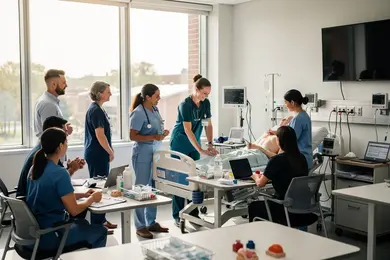
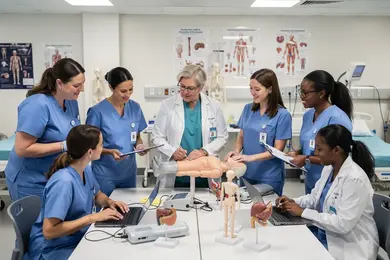
2027 Internship, Practicum or Clinical Requirements for Nurse Educator Master's Programs

Co-Founder and Chief Data Scientist
Balancing full-time employment while securing a meaningful practicum or clinical placement often burdens prospective nurse educator master's students. In 2024, a survey found that 58% of graduate nursing candidates face scheduling conflicts with mandatory hands-on components, highlighting a critical bottleneck in program completion and timely licensure eligibility. This challenge reflects deeper systemic shortages in clinical sites willing to accommodate nurse educator trainees, which disproportionately affects career changers and professionals needing flexible arrangements. Navigating these requirements without derailing work or family responsibilities demands informed decision-making. This article unpacks the typical internship, practicum, and clinical expectations in nurse educator master's programs to help students optimize their training pathways and career prospects.
Key Things to Know About Internship, Practicum or Clinical Requirements for Nurse Educator Master's
- Programs often require practicum hours in diverse clinical settings, creating a tradeoff between gaining broad experiential knowledge and managing demanding schedules with limited employer support.
- Employers increasingly expect Nurse Educator candidates to demonstrate competency in contemporary simulation-based teaching methods, influencing workforce readiness and prioritizing these skills in hiring decisions.
- Recent 2024 data show that 40% of students report access challenges to clinical placements, highlighting significant timing and cost barriers that affect program completion pace and affordability.
What Is the Difference Between an Internship, Practicum, and Clinical Placement?
The experiences of internships, practicums, and clinical placements within nurse educator master's programs are not interchangeable but represent distinct pathways fundamentally shaping professional readiness. Selecting among them affects exposure to responsibility, supervision intensity, and patient care involvement, influencing licensure outcomes and employment prospects.
For instance, a student prioritizing licensure requirements must weigh the clinical placement's intensive patient care focus against an internship's broader educator role experience.
- Internship: This immersive experience positions students in professional environments where they undertake direct responsibilities like curriculum development and teaching under mentorship. Internships feature greater autonomy than practicums, emphasizing real-world educator competencies valued by many employers but often involve flexible scheduling aligned with academic terms rather than strict clinical hours.
- Practicum: Characterized by targeted, project-based activities, practicums stress application of theoretical concepts with close academic supervision and frequent evaluations. They offer a balance between observation and action, allowing students to develop measurable skills within finite timeframes, though the scope of direct patient interaction varies depending on program design.
- Clinical Placement: With a core emphasis on applied patient care under clinical instructor oversight, this format enforces adherence to healthcare protocols and intensive scheduling resembling professional nursing roles. It is often mandatory for licensure and is viewed by licensing bodies as critical to linking theory and practice, making it a common requirement in nurse educator graduate programs seeking to meet clinical placement requirements for nurse educator graduate students.
These experiential formats diverge notably in how responsibility and supervision interplay. Clinical placements prioritize observation and strict compliance with patient care standards, whereas internships demand active educator roles with less direct patient care. Practicums fall between these poles, guided heavily by academic oversight to ensure alignment with specific learning objectives.
This delineation impacts skill acquisition, with clinical placements steeped in applied nursing practices and internships cultivating administrative and pedagogical skills essential for educator roles.
- Observation versus Direct Responsibility: Clinical placements lean toward supervised patient care with limited autonomy, internships require active professional engagement, and practicums integrate both under defined academic frameworks.
- Academic Oversight: Practicums involve rigorous instructor evaluation tied directly to coursework, internships blend academic and workplace mentorship, and clinical placements are governed primarily by clinical instructor protocols and licensing standards.
- Client or Patient Interaction: Clinical placements demand significant hands-on patient care, internships may have minimal direct patient involvement, and practicums vary based on curriculum but often include controlled interaction.
- Scheduling Intensity: Clinical placements often require intensive, shift-based hours; internships typically offer flexibility; practicums are set within specific, usually limited, durations.
- Employer and Licensing Perspectives: Employers emphasizing readiness for educator roles favor internships for applied competence evidence. Conversely, licensing bodies commonly require clinical placement hours to meet credentialing standards, while practicums and internships may not be mandated for licensure.
According to the 2024 National Council of State Boards of Nursing report, over 75% of nurse educator programs require some form of clinical placement, underscoring its critical role in bridging theory with practical patient care skills essential for credible teaching.
For prospective students evaluating program costs and outcomes, considering factors such as the healthcare administration degree cost in relation to program structure and clinical requirements can influence decision-making around time commitment and long-term employability.
What Internship or Practicum Requirements Do Nurse Educator Master's Programs Have?
Internship and practicum components in nurse educator master's programs represent distinct forms of professional preparation that diverge from standard academic coursework. These requirements directly influence how students allocate time, balance responsibilities, and develop practical teaching skills, making them critical considerations for working professionals and career changers navigating these programs.
- Internship Requirement Structure: Internships in nurse educator programs typically involve supervised teaching engagements within academic or healthcare education settings, where students actively lead instructional sessions and engage with faculty mentors. These experiences demand significant coordination to secure placements and often require synchronous participation, which can extend program duration or complicate scheduling for students concurrently employed in healthcare roles.
- Practicum Requirement Structure: Practicum components generally mandate a minimum number of instructional practice hours-commonly around 100 or more as reported by the National League for Nursing in 2024-focused on curriculum delivery, student assessment, and educational technology integration rather than clinical patient care. This emphasis on demonstrable teaching competency aligns with employer expectations but requires realistic planning since programs with limited or waived practicum hours often reduce graduate marketability in faculty recruitment, necessitating supplemental training post-degree completion.
How Many Clinical Hours Are Required for Nurse Educator Master's Programs?
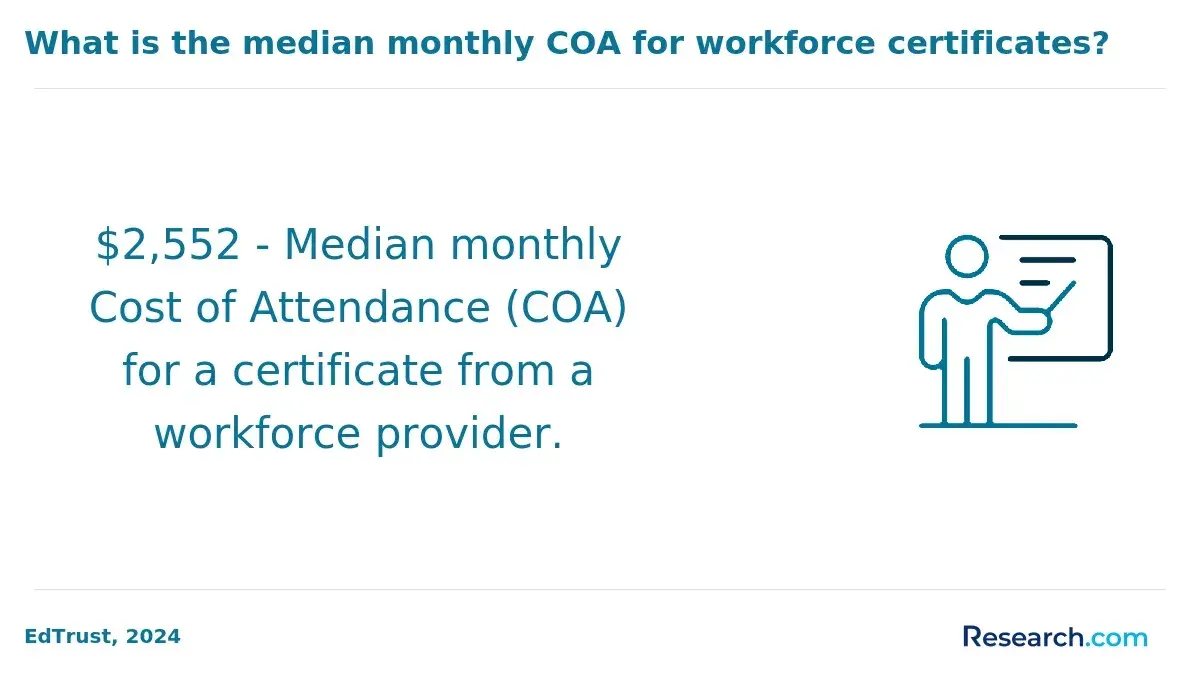
Clinical hour requirements for nurse educator master's programs differ widely depending on accreditation guidelines, state licensure criteria, and program structure, which blend teaching practicums with clinical instruction rather than traditional patient care. These mandates directly affect student workload and scheduling flexibility, as programs can require anywhere from roughly 100 to over 300 clinical teaching hours, with a 2024 survey indicating about 65% of master's programs specify between 120 and 180 hours tailored to educational competencies.
This range reflects tradeoffs between meeting regulatory standards and ensuring meaningful hands-on teaching experience, but students often face challenges securing placements within narrow timeframes, potentially delaying graduation or complicating course sequencing. Employers increasingly expect nurse educators to demonstrate both instructional effectiveness and clinical credibility, shaping programs to balance simulation with real-world teaching exposure, which means that selecting a program with viable practicum options is crucial for timely progression and workforce readiness.
The variability in hour expectations underscores the importance for prospective students, particularly working professionals and career changers, to assess how these demands intersect with licensure pathways and personal scheduling constraints before enrollment.
How Are Internship Placements Assigned in Nurse Educator Master's Programs?
Internship placements in nurse educator master's programs are typically assigned through institutional partnerships, where universities leverage established relationships with healthcare facilities and academic organizations to match students with approved practicum sites. Rather than leaving students entirely responsible for finding placements, programs usually facilitate placement by assessing student qualifications such as clinical experience, specialization, and geographic availability to propose suitable options.
Faculty and coordinators play a critical role by aligning student learning objectives with available site capacities, ensuring placements go beyond observation to provide substantial instructional experience. This clinical placement assignment process in nurse educator master's programs balances program standards with student needs amid limited site availability and accreditation demands.
The reliance on formal partnerships means many students gain placement within a predefined network, potentially limiting access to diverse or specialized settings and creating competition for high-quality positions. Geographic constraints, especially for working professionals or those in rural areas, further narrow practical options and may delay program progress if suitable sites are scarce or scheduling conflicts arise. Approximately 22% of placements involve customized arrangements reflecting these challenges, illustrating the need for flexibility but also additional administrative effort.
Understanding these tradeoffs is crucial for students managing workload and career goals, particularly those exploring the applicability of prior credits or considering programs that offer more accommodation for individual circumstances, including options such as online nutrition masters or related pathways.
Can Working Adults Complete Internships Part-Time?
Part-time internships within nurse educator master's programs are often shaped by institutional requirements and clinical site partnerships that limit flexible scheduling. Many programs rely on cohort-based clinical placements with fixed block schedules to meet accreditation standards and ensure pedagogical continuity, which can restrict part-time options. In cases where students must independently secure practicum sites, opportunities for part-time arrangements depend on employer willingness and the availability of supervisors who can accommodate nontraditional hours.
According to a 2024 report by the National Council of State Boards of Nursing, the growing presence of employed graduate students has prompted some programs to explore extended, part-time practicum formats, but these remain unevenly implemented across institutions.
Practically, part-time internships often extend the duration needed to complete the program and may reduce placement availability, as some clinical sites prioritize full-time cohorts or have limited faculty supervision during off-hours. Scheduling conflicts between employment and practicum shifts can create logistical challenges, sometimes requiring employer accommodations or remote supervision options.
Conversely, students who secure flexible or employer-sponsored clinical experiences may benefit from applying coursework directly to their job role, potentially enhancing learning relevance. Yet, this approach demands proactive communication and negotiation to balance clinical and work responsibilities without compromising educational rigor or licensure prerequisites.
Do Internship Hours Count Toward Professional Licensure Requirements?
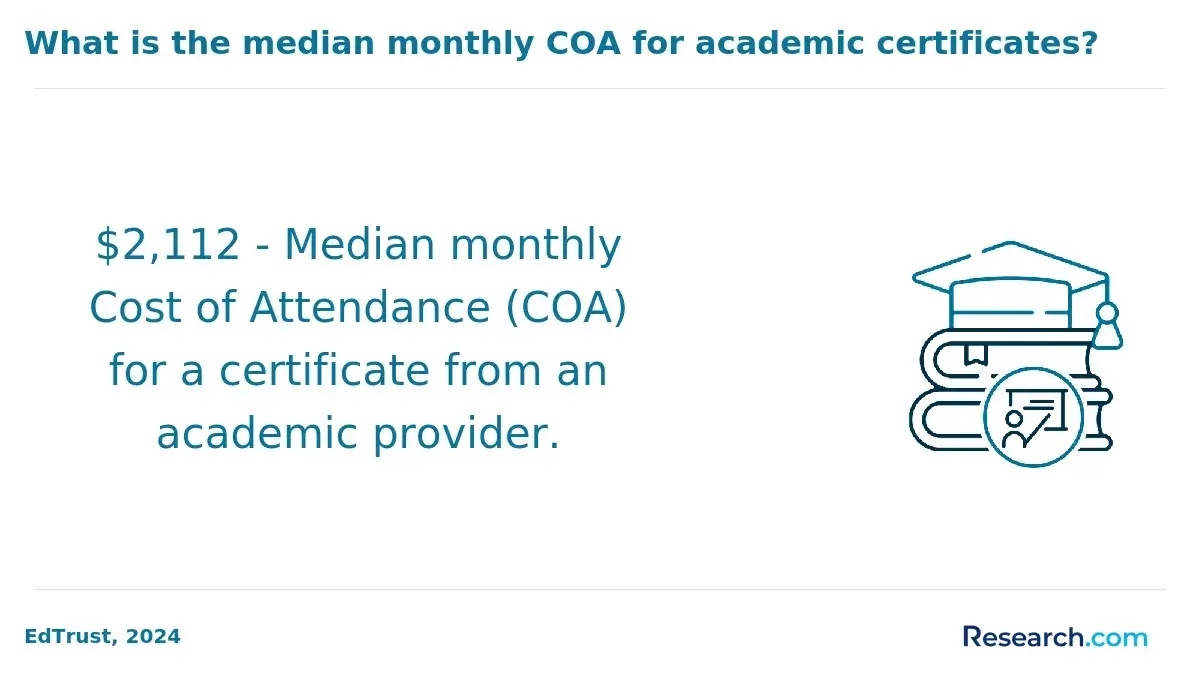
Internship hours completed during nurse educator master's programs may count toward professional licensure requirements only under specific conditions related to accreditation standards, licensing board policies, and program design. Supervised clinical experiences must adhere closely to state board criteria, often requiring direct patient-care settings and thorough documentation aligned with approved fieldwork criteria.
These requirements mean that practicum hours focused on teaching methods or curriculum development, typical in nurse educator programs, frequently do not fulfill clinical hour mandates. The eligibility of clinical practicum hours for nurse educator licensure remains variable, with a 2024 analysis reporting that roughly 40% of states recognize these hours as qualifying for licensure credit, reflecting complex regulatory diversity.
This variability has significant practical implications. For many students, particularly career changers or working professionals, failure to confirm whether internship hours count toward licensure can delay graduation, limit eligibility for licensure exams, or require additional clinical placements. Nurse educator programs often emphasize pedagogical skill development but may fall short of meeting direct patient-care hour requirements critical for licensure or renewal.
Employers typically prefer candidates with verifiable clinical experience beyond educator internships, recognizing the mismatch between educator practicums and formal licensure demands. Prospective students should carefully consider these factors during program selection and consultation with licensing boards.
For those balancing licensure goals and specialty education paths, integrating clinical requirements alongside academic training is essential to avoid unexpected delays in career progression, a concern echoed widely across healthcare education domains, including in the context of best dietetics programs.
How Are Internship or Practicum Experiences Evaluated?
Performance evaluation during nurse educator master's internships and practicums hinges on a combination of supervised observations, competency benchmarks, and reflective documentation aligned with program learning outcomes. Evaluators rely heavily on feedback from faculty supervisors, clinical preceptors, and sometimes peers to paint a comprehensive picture of a student's instructional abilities and professional conduct.
Such assessments blend objective measures like standardized rubrics or structured teaching exercises with subjective insights from those directly overseeing the candidate's applied teaching roles. This dual approach surfaces not only skill proficiencies but also areas needing targeted improvement, which can determine whether a student must repeat or remediate portions of their practicum experience.
Variability in evaluation can arise from differences in placement settings or supervisory consistency, complicating fair assessment and potentially impacting academic progress. For example, limited opportunities to independently lead class sessions or inconsistent preceptor engagement may suppress observable performance, resulting in less favorable evaluations despite the candidate's potential.
Highlighting the critical role of structured mentorship, recent data from the National Council of State Boards of Nursing in 2024 found that over three-quarters of nurse educator candidates credited detailed preceptor feedback as central to their practicum success.
These outcomes emphasize the practical reality that evaluation results not only reflect mastery of teaching competencies but also heavily influence readiness for educational roles and employer expectations within evolving healthcare education environments.
What Challenges Do Students Face During Graduate Internships or Clinicals?
Graduate internships and clinicals for nurse educator master's students represent pivotal transition points, not merely academic formalities. These experiences often shift timelines, strain workload balance, and expose students to uneven clinical environments that can influence both program completion and professional readiness.
- Time Management Strain: Balancing required clinical hours with ongoing coursework and often existing employment presents a considerable challenge. Many students must juggle competing priorities, leading to fatigue and potential delays in degree progress. Research from the National Council of State Boards of Nursing reports that 62% of students identify time management as their chief stressor during clinical placements.
- Placement Availability and Geographic Constraints: Securing quality practicum sites aligned with learning objectives is often complicated by limited local options or the need to travel significant distances. These logistical barriers can increase costs and reduce available hours for academic study or paid work.
- Inconsistent Supervision Quality: Variability in preceptor expertise and mentoring approaches affects the depth and relevance of experiential learning. Uneven supervision may limit exposure to core nurse educator responsibilities, resulting in gaps that challenge employability and perceived readiness.
- Performance and Evaluation Pressures: Real-world expectations for independent decision-making and teaching proficiency create heightened anxiety. Students frequently encounter rigorous evaluation environments where errors or uncertainty can be consequential, intensifying cognitive and emotional workload.
- Interprofessional and Communication Challenges: Navigating diverse healthcare teams requires advanced interpersonal skills seldom practiced in academic settings. Developing confidence in these high-stakes conversations often comes with discomfort, complicating skill acquisition under time-limited placements.
These practical challenges shape not only academic outcomes but also future employability in nurse educator roles, making critical evaluation of internship and clinical requirements essential for students weighing program commitments and professional objectives.
Do Internships Improve Job Placement After Graduation?
Internships can significantly enhance job placement prospects for graduates of nurse educator master's programs by functioning as concrete indicators of workplace readiness. Recruiters often interpret completed internships as demonstrations of practical competence in managing educational settings, curriculum design, and learner assessment-skills critical to nurse educator roles. These experiences frequently provide access to internal hiring pipelines or references that elevate candidates above those without such affiliations.
According to the National Center for Education Statistics (2024), graduates who complete structured internships report a 25% higher rate of job placement within six months, underscoring the value employers place on hands-on engagement. However, the positive effect of internships is also closely linked to how well the internship setting aligns with the intended work environment and the candidate's ability to leverage the experience strategically.
For students weighing program options, considerations like transfer credits impact on nurse educator degree cost and how transfer credits reduce nursing educator program expenses may also influence the feasibility of pursuing longer or more intensive practicum requirements.
Despite these advantages, internships do not guarantee employment and their impact varies depending on quality, relevance, and market conditions. An internship at a large academic medical center may carry far more weight than one at a disconnected or smaller facility, particularly when regional job markets favor certain types of healthcare education employers.
Some candidates secure similar roles through adjunct positions or previous clinical experience, which can dilute the direct hiring advantage internships provide. For example, in saturated regions or specialty niches, the internship may serve more as a networking step than a direct hiring ticket.
Evaluating how the internship complements one's career strategy and geographical alignment remains critical. Additionally, supplementary credentials or smaller-scale experiences, such as those linked to roles like a functional medicine NP salary trajectory, can also influence early career outcomes beyond internship completion alone.
How Can Students Choose a Program That Matches Their Career Goals and Schedule?
Misalignment between program structure and student circumstances in nurse educator master's programs often leads to extended completion timelines, compromised job readiness, or restricted specialization. Selecting a program without considering detailed practicum demands and scheduling realities risks overburdening working professionals and career changers, which can diminish educational outcomes and workforce relevance.
- Career Outcome Alignment - Prioritize programs whose clinical and internship components directly support your intended academic or health system roles. Programs with practicum placements tailored to your specialty improve skill applicability and employability, a crucial consideration when balancing program selection tips for nurse educator master's degree.
- Flexible Scheduling and Practicum Options - Evaluate how internship hours fit into your workweek, including evening, weekend, or hybrid formats that accommodate employed students. According to the National Center for Education Statistics (2024), 68% of graduate students prioritize flexibility, underscoring the need for programs with scheduling adaptability to help balance clinical hours and work commitments in nurse educator programs.
- Part-Time and Online Delivery - Part-time and virtual models reduce commuting burdens and allow pacing aligned to personal commitments. However, confirm how clinical hours are managed and if local placements are supported to prevent geographic conflicts.
- Credit Transfer and Prior Learning Policies - Some programs recognize previous clinical experience or coursework, which can shorten completion times. Investigate institutional policies to leverage prior learning effectively when managing internship and practicum requirements.
- Employer Relevance of Practicum Sites - Many healthcare and academic employers prefer graduates trained in settings similar to their own. Strategically choose programs offering practicum experiences that strengthen both your professional network and practical skills in environments matching your eventual employer's context.
Students balancing clinical hours and work commitments in nurse educator programs must weigh program demands against long-term career implications. For those seeking more accessible options, examining the easiest online SLP programs to get into can provide insights into scheduling flexibility and clinical placement models applicable to nurse educator program selection.
What Graduates Say About Internship, Practicum or Clinical Requirements for Nurse Educator Master's
- Tristan: "During my nurse educator master's program, I realized that many employers valued real-world teaching experience over just licensure, which forced me to prioritize securing a clinical placement early on. I chose an internship that offered diverse educational settings, even though it meant a longer commute, and that variety helped me build a strong portfolio that ultimately differentiated me in job interviews. The trade-off was challenging at first, but it resulted in a full-time role where I could leverage both practical and academic skills from day one."
- Jesiah: "The biggest challenge after finishing my nurse educator program was competing for positions that were increasingly demanding specialized certifications beyond the degree itself. I had to decide whether to pursue additional certifications immediately or enter the workforce with just my master's. I started teaching part-time while earning certifications, which slowed my salary growth initially, but this strategic step was necessary to access senior educator roles with leadership responsibilities down the line."
- Christopher: "Balancing family needs influenced how I approached my practicum and later my job search, especially since many nurse educator roles required in-person commitments I couldn't accommodate. I opted for a practicum with flexible hours and a hybrid teaching model, then sought out institutions offering remote work options. Although my initial roles had limited upward mobility compared to traditional track positions, the flexibility allowed me to gain steady experience and maintain work-life balance, which was a crucial factor in my career decisions."
Other Things You Should Know About Nurse Educator Degrees
Mentorship quality significantly impacts the practical learning and confidence-building essential for nurse educator candidates. Programs offering placements with experienced nurse educators in active teaching roles provide richer, more applicable insights than those with less-engaged or non-specialized mentors. For those balancing work and study, prioritizing programs known for strong mentorship networks can reduce trial-and-error teaching experiences and better prepare graduates for employer expectations in academic or clinical training environments.
Flexibility often comes with tradeoffs in site diversity and the scope of experiences available during practicum hours. While flexible scheduling eases workload management for employed students, it may restrict access to high-quality or specialized clinical teaching environments preferred by many healthcare employers. Working professionals should weigh the benefits of time management against potential limitations in exposure to varied educational settings that could influence employability or teaching readiness.
Completing practica in unfamiliar or nontraditional settings can broaden an educator's adaptability but might also dilute the relevance of specialized teaching techniques required in typical academic or hospital-based nursing education roles. For career changers or individuals aiming for specific institutional types, selecting placements aligned with targeted teaching environments improves the applicability of learned skills and enhances hiring prospects, making strategic site choice a critical consideration.
References
- What Hours Count Toward Licensure for Mental Health Professionals https://tamarasuttle.com/what-hours-count-toward-licensure-for-mental-health-professionals/
- | NRR | Dove Medical Press https://www.dovepress.com/internship-challenges-encountered-by-nursing-students-a-qualitative-st-peer-reviewed-fulltext-article-NRR
- Masters in Nursing, Nurse Educator Specialization https://www.chamberlain.edu/academics/nursing-school/graduate-programs/msn-nurse-educator
- UTMB School of Nursing | Nurse Educator Program https://nursing.utmb.edu/Academics/Programs/Graduate/NurseEducator
- TIPS - Tłumaczenie po polsku - Słownik angielsko-polski Diki https://www.diki.pl/slownik-angielskiego
- TIPS - Tłumaczenie na polski - bab.la https://pl.bab.la/slownik/angielski-polski/tips
- MSN Ed: What Is An MSN Nurse Educator? | Betternurse.org https://betternurse.org/msn-nurse-educator/
- Tips - Wikipedia https://en.wikipedia.org/wiki/Tips
- The effect of internship on nursing students' attitudes towards their caregiver roles https://www.atlantic-medical.org/article/4720
- Nurse Educator (MSN) | South University https://www.southuniversity.edu/degree-programs/nursing/nurse-educator-msn