
2027 Online Pharmacy Doctorate Programs with Strong Student Support: Advising, Writing Help, and Career Services

Co-Founder and Chief Data Scientist
Choosing an online pharmacy doctorate is not only about curriculum and tuition; it is also about whether you can get help when coursework, research, writing, or career planning becomes difficult. NCES reported in 2024 that more than half of college students took at least one distance education course, making online support quality a central enrollment issue. This guide is for prospective PharmD, post-professional PharmD, and pharmacy-related doctoral students who want to compare advising, dissertation or writing help, faculty access, and career services before committing to a program.
Key Things You Should Know
- Strong online pharmacy doctorate programs usually combine dedicated academic advising, faculty mentoring, writing or dissertation support, library access, technology help, accessibility services, and doctoral-level career coaching rather than relying only on a general help desk.
- Career support matters because BLS data published in 2024 lists the median annual wage for pharmacists at $136,030, while employment is projected to grow 5% from 2023 to 2033; doctoral students should look for services tied to leadership, residency, clinical, research, industry, or academic goals.
- Meaningful support differences include assigned advisors versus rotating advising teams, live virtual appointments versus self-service resources, published response-time standards, evening or weekend access, and whether online students receive the same writing, library, and career services as campus students.
What Student Support Services Should Strong Online Pharmacy Doctorate Programs Provide?
Strong student support in an online pharmacy doctorate means structured, accessible help that follows students from admission through graduation and career planning. It should not depend on students already knowing whom to contact or how to navigate a large university system.
Program type matters. A professional PharmD program focused on pharmacist licensure has different support needs than a post-professional PharmD, PhD in pharmaceutical sciences, or doctorate in pharmacy administration. If you are still comparing degree formats and affordability, an online pharmacy school guide can help you weigh cost against the level of support included.
The table below summarizes the support categories that matter most for online doctoral pharmacy students and what "strong" looks like in practice.
| Support area | What strong support looks like | Why it matters for online doctoral students |
| Academic advising | Assigned advisor, degree map, registration guidance, progression checks, and proactive outreach | Helps prevent missed prerequisites, delayed rotations, or stalled doctoral milestones |
| Faculty mentoring | Regular virtual office hours, research guidance, clinical expertise, and clear communication norms | Connects students with subject-matter experts instead of only administrative support |
| Writing and dissertation help | Doctoral writing center, proposal support, citation help, feedback on scholarly writing, and revision coaching | Supports students who are returning to academic writing after years in practice |
| Library and research support | Remote database access, pharmacist-specific literature search support, interlibrary loan, and research consultations | Improves evidence-based assignments, capstone projects, dissertations, and publication work |
| Career services | Doctoral-level coaching, CV review, interview preparation, networking, residency or fellowship guidance, and employer connections | Helps students translate doctoral work into clinical, academic, leadership, industry, or regulatory roles |
| Technology and accessibility | Reliable learning platform, 24/7 technical help, captioned content, accommodations, and online orientation | Reduces avoidable barriers for working adults and distance learners |
One common mistake is assuming that a program's support services apply equally to online students. Before enrolling, ask whether each service is available remotely, during times that match your work schedule, and for doctoral pharmacy students specifically.
How Does Academic Advising Work in Online Pharmacy Doctorate Programs?
Academic advising is the system that helps students understand degree requirements, course sequencing, academic policies, experiential requirements, and graduation milestones. In online pharmacy doctorate programs, advising is especially important because many students are working professionals balancing clinical shifts, family responsibilities, licensure obligations, and intensive graduate coursework.
A strong advising model is proactive rather than purely reactive. When comparing an online pharmacy school, look for evidence that advisors monitor student progress and intervene before small issues become graduation delays.
The most useful advising services are those with clear ownership and predictable communication. When speaking with admissions or current students, ask about these advising features:
- Whether each online doctoral student is assigned a named advisor or routed through a general advising inbox
- How often advisors conduct degree audits or progression reviews
- Whether students receive a written plan showing course sequence, dissertation or capstone milestones, and expected completion timeline
- How quickly advisors typically respond during registration, add-drop periods, or academic probation situations
- Whether advising includes licensure, experiential education, residency, or board certification planning when relevant to the program
- Whether evening, weekend, or asynchronous advising options exist for students working clinical schedules
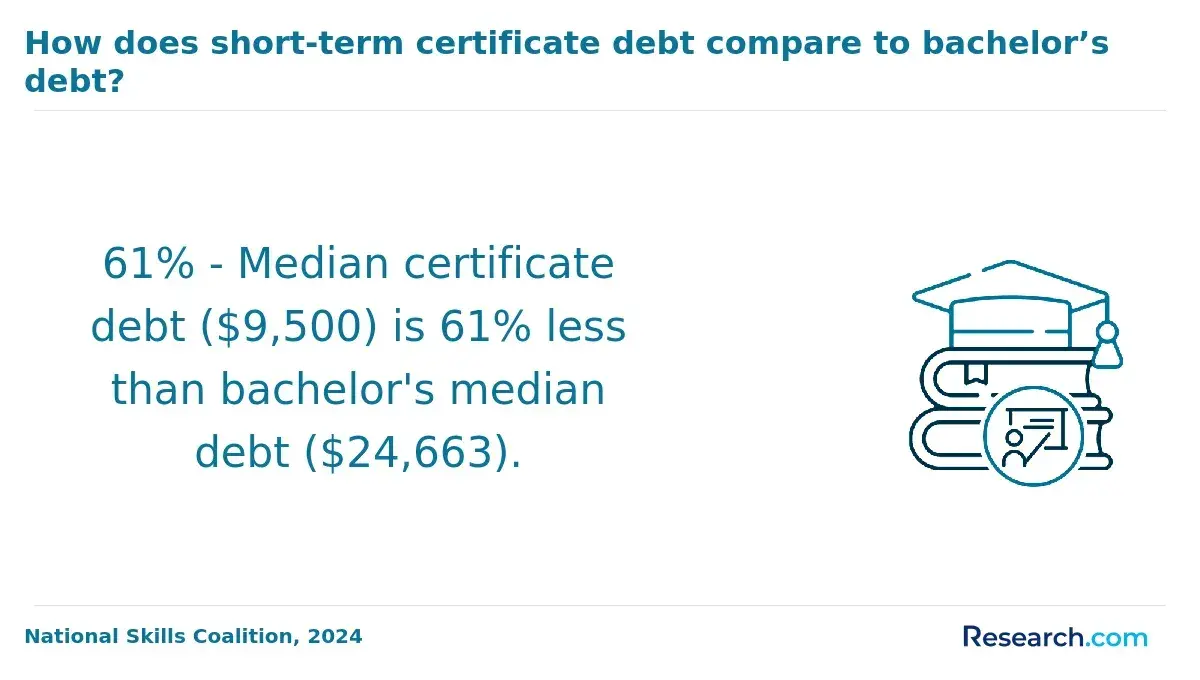
Advising quality can also affect cost. A delayed course, missed requirement, or poorly timed experiential placement can add terms of tuition and fees. Because graduate and professional students may borrow up to $20,500 annually in federal Direct Unsubsidized Loans for eligible programs, according to Federal Student Aid rules for the current aid cycle, stronger advising can help students avoid borrowing for unnecessary extra enrollment time.
What Dissertation Mentoring and Committee Support Should Online Pharmacy Doctoral Students Expect?
Dissertation and committee support varies widely because not every pharmacy doctorate requires a dissertation. Professional PharmD programs often use advanced pharmacy practice experiences, capstone projects, or applied clinical work, while research doctorates such as PhD programs typically require original research, a dissertation committee, and a formal defense.
Students considering fast-track options should be especially careful. Some accelerated pharmacy programs compress timelines, which can be useful for motivated students but may leave less room for trial-and-error if advising, mentoring, or writing support is weak.
The table below shows how dissertation or doctoral-project support should differ by program model.
| Program model | Typical doctoral milestone | Support to verify before enrolling |
| Professional PharmD | Clinical coursework, experiential rotations, capstone, or portfolio | Experiential education coordination, preceptor support, licensure guidance, and clinical skills feedback |
| Post-professional PharmD | Advanced practice project, portfolio, or applied clinical scholarship | Faculty mentor access, project scope review, scholarly writing support, and practice-based assessment |
| PhD in pharmaceutical sciences | Original research, dissertation proposal, committee review, and defense | Research advisor match, committee formation process, statistics support, lab or data access, and dissertation timeline |
| Doctorate in pharmacy administration or outcomes research | Applied research, dissertation, policy analysis, or health outcomes project | Methods support, data-source guidance, publication mentoring, and committee expertise in health systems or policy |
Strong programs explain committee expectations early. Students should know when they choose a chair, how committee members are selected, whether virtual defenses are allowed, and what happens if a faculty advisor leaves the institution.
Before committing, ask these dissertation or project-support questions:
- How are doctoral chairs assigned, and can online students request faculty based on research interests?
- What is the expected timeline from proposal approval to final defense or project completion?
- Are proposal development, IRB preparation, data analysis, and defense preparation supported through structured milestones?
- How often must students meet with their chair or committee, and can all meetings occur virtually?
- Does the program publish dissertation completion, attrition, or average time-to-degree data for online students?
A red flag is vague language such as "faculty are available as needed" without a clear mentoring model. Doctoral students should look for structured checkpoints, written expectations, and documented escalation paths when feedback stalls.
What Writing and Dissertation Help Is Available in Online Pharmacy Doctorate Programs?
Writing support is one of the most important differences between a merely convenient online doctorate and a genuinely supportive one. Pharmacy doctoral students often write literature reviews, case analyses, research proposals, policy briefs, evidence-based practice papers, capstone reports, manuscripts, or dissertations.
Strong writing support should help students improve scholarly communication, not simply proofread final drafts. Doctoral-level writing help is especially valuable for licensed pharmacists returning to school after years of practice, students using APA or AMA style for the first time, and students preparing publishable research.
Look for writing services that are designed for graduate and doctoral work. Useful options may include:
- One-on-one virtual writing consultations for literature reviews, research proposals, dissertations, and capstones
- Feedback on argument structure, evidence use, synthesis, citation practices, and discipline-specific scholarly tone
- Workshops on avoiding plagiarism, using citation managers, writing abstracts, and preparing manuscripts
- Support for multilingual writers and students who need help translating clinical experience into academic writing
- Templates, rubrics, and examples for proposals, evidence tables, annotated bibliographies, and final doctoral projects
- Clear turnaround times for feedback so students can plan around deadlines
AI has also changed doctoral writing support. Programs should provide clear policies on whether students may use generative AI for brainstorming, editing, coding support, literature organization, or grammar review. The strongest programs teach responsible use while emphasizing authorship, citation integrity, patient privacy, and research ethics.
A common mistake is treating a writing center as optional. If you struggle with synthesis, citation management, or dissertation organization, writing support can become central to your progress. Ask whether online students can schedule recurring appointments rather than waiting until a major draft is already in trouble.
Do Online Pharmacy Doctorate Programs Provide Research, Statistics, and Library Support?
Research support helps online doctoral students find, evaluate, organize, and interpret evidence. In pharmacy education, that may involve clinical trials, drug information resources, pharmacoeconomic data, outcomes research, health policy, medication safety literature, or population health datasets.
Library access should go beyond a login to journal databases. The most supportive programs connect online students with librarians and research specialists who understand pharmacy-related databases and evidence-based practice standards.
When comparing programs, verify whether the following research supports are available remotely:
- Access to pharmacy, biomedical, and health sciences databases through the university library
- Virtual consultations with health sciences librarians for search strategy, systematic review planning, and citation tracking
- Statistics tutoring or consultations for quantitative, qualitative, or mixed-methods research
- Guidance on research software, citation managers, survey tools, data visualization, and reference organization
- IRB preparation support for projects involving patients, practitioners, students, or health-system data
- Interlibrary loan and document delivery services for students who cannot visit campus
The practical test is whether research support is embedded into doctoral milestones. A program that introduces a librarian during orientation, offers statistics help before proposal submission, and provides IRB guidance before data collection is usually more supportive than one that gives students a library link and leaves them to figure out the rest.
Be cautious if a program requires sophisticated research output but does not provide methods help. That mismatch can be especially difficult for students coming from practice-based backgrounds rather than research-intensive master's programs.
What Career Services Should Online Pharmacy Doctorate Programs Offer Doctoral Students?
Career services for doctoral pharmacy students should be more specialized than a resume template and a job board. Depending on the program, students may be preparing for clinical advancement, academia, residency or fellowship applications, managed care, pharmaceutical industry roles, regulatory affairs, medical science liaison positions, informatics, health-system leadership, or research careers.
BLS employment projections published in 2024 estimate 5% growth for pharmacists from 2023 to 2033, about as fast as the average for all occupations. For students, the key takeaway is not that a doctorate automatically improves outcomes; it is that career planning should be intentional because opportunities vary by setting, geography, specialization, licensure, residency training, and prior experience.
Strong doctoral career services should include resources that match advanced pharmacy pathways. Look for:
- Doctoral CV and resume reviews tailored to clinical, academic, industry, research, or leadership roles
- Mock interviews for residency, fellowship, faculty, health-system, industry, or executive positions
- Guidance on professional portfolios, teaching statements, research statements, publication lists, and conference abstracts
- Networking with alumni, preceptors, employers, faculty researchers, and professional pharmacy associations
- Support for residency, fellowship, board certification, or postdoctoral pathways when relevant
- Career coaching for students changing sectors, such as moving from community pharmacy to managed care, informatics, or academia
A useful question to ask is whether career services understand doctoral pharmacy pathways or only serve undergraduate and general graduate students. Online doctoral students often need appointments outside standard business hours and coaching that recognizes established professional experience.
Career support is also where student goals should drive program choice. A student aiming for academia may need publication mentoring and teaching experience, while a student seeking health-system leadership may need leadership coaching, project management evidence, and employer networking.
How Accessible Are Faculty and Support Staff in Online Pharmacy Doctorate Programs?
Accessibility is not the same as availability. A faculty member may technically have office hours, but those hours may not help an online student working a rotating pharmacy schedule. Strong programs set clear expectations for response times, appointment options, feedback timelines, and escalation when students cannot get help.
The strongest online pharmacy doctorate programs usually combine synchronous and asynchronous access. This gives students live interaction when they need discussion and flexible communication when their work schedules make real-time meetings difficult.
Use these indicators to judge access quality:
- Published faculty response-time expectations for email, learning management system messages, and assignment feedback
- Virtual office hours offered at varied times, including options outside standard weekday business hours
- Ability to schedule one-on-one appointments with faculty, advisors, librarians, writing consultants, and career coaches
- Clear distinction between administrative advising and faculty mentoring so students know whom to contact for each issue
- Backup contacts when an advisor, committee chair, or course instructor is unavailable
- Transparent process for resolving concerns about delayed feedback, unclear grading, or stalled dissertation progress
One red flag is a program that says online students are "self-directed" as a substitute for support. Doctoral work requires independence, but independence should be paired with accessible expertise, clear milestones, and timely feedback.
When possible, ask to sit in on an online information session or speak with enrolled students. Their comments about response times, feedback quality, and faculty presence often reveal more than marketing pages do.
How Do Online Pharmacy Doctorate Programs Build Peer, Cohort, and Mentoring Support?
Peer support matters because online doctoral students can feel isolated, especially when they are balancing demanding professional roles. A strong cohort or mentoring model gives students a community for accountability, clinical discussion, research feedback, and career networking.
Peer support should be intentionally designed rather than left to chance. Look for structures that help online students build relationships across courses, projects, and professional interests.
Examples of meaningful peer and mentoring support include:
- Cohort-based course sequences that allow students to move through milestones with a consistent group
- Virtual discussion groups, case conferences, journal clubs, or research seminars facilitated by faculty
- Peer writing groups for dissertation chapters, capstone drafts, literature reviews, or manuscript preparation
- Alumni mentoring programs that match students with pharmacists in clinical, industry, academic, or leadership roles
- Student organizations or professional networking events that include distance learners rather than only campus students
- Structured orientation activities that introduce classmates, faculty, advisors, and support offices before coursework begins
Cohort support is not automatically better for every student. Some working professionals prefer flexible pacing, while others benefit from scheduled deadlines and peer accountability. The best choice depends on your learning style, work schedule, and need for structure.
A practical way to compare programs is to ask how online students interact outside graded discussion boards. If peer contact happens only through required posts, the program may offer limited community-building for doctoral learners.
What Technology, Accessibility, and Student Wellness Support Do Online Pharmacy Doctorate Programs Provide?
Technology support affects whether students can participate consistently in online coursework, virtual meetings, simulations, exams, writing consultations, and dissertation defenses. Accessibility and wellness support also matter because doctoral pharmacy students often manage professional stress, family obligations, and high academic expectations.
Strong programs make support easy to find before a crisis occurs. They also test whether the online learning environment works for students using assistive technology, different time zones, and nontraditional schedules.
Important support areas to verify include:
- 24/7 or extended-hour technical support for the learning platform, exam software, video conferencing, and account access
- Online orientation covering technology setup, academic policies, library use, advising contacts, and support-service scheduling
- Accessibility services for documented accommodations, captioned content, accessible documents, and assistive technology compatibility
- Remote counseling, wellness resources, crisis support information, and referrals for students under academic or professional stress
- Clear policies for proctored exams, identity verification, simulation tools, and technology failures
- Training on privacy, cybersecurity, and professional conduct in online clinical or research environments
Technology quality is also an equity issue. A program with frequent platform problems, limited tech support, or inaccessible course materials may create barriers unrelated to a student's academic ability.
Ask admissions staff whether online students use the same support ticket system as campus students, how urgent problems are prioritized, and whether the school tracks technology-related withdrawals or course disruptions. Even if the school does not publish those figures, its response can show how seriously it treats online learner support.
How Can You Compare Online Pharmacy Doctorate Programs Based on Student Support Quality?
The best way to compare online pharmacy doctorate programs is to turn support claims into evidence. Instead of asking whether a school "has advising," ask who advises you, how often they contact you, what they help with, and how quickly they respond.
If you are comparing several health-related online pathways, including options outside pharmacy such as an online exercise science degree, use the same support-quality lens: identify the degree's highest-risk milestones and confirm that the program provides direct help at those points.
The table below gives you a practical comparison framework. Use it to evaluate whether a program's support model matches your schedule, writing needs, research background, and career goals.
| Comparison factor | Stronger sign | Red flag |
| Advising model | Assigned advisor with proactive degree checks and documented planning | Students must contact a general office and repeat their situation each time |
| Faculty access | Published office hours, response expectations, and virtual appointment options | No clear timeline for feedback or faculty communication |
| Writing support | Doctoral writing consultations, dissertation support, and research-style guidance | Only generic grammar resources or undergraduate tutoring |
| Dissertation or project mentoring | Clear chair assignment, committee process, milestones, and escalation path | Mentoring described vaguely with no timeline or accountability |
| Career services | Doctoral-level coaching tied to pharmacy careers, residency, academia, industry, or leadership | Basic job board access with little pharmacy-specific guidance |
| Online access | Evening, asynchronous, or extended-hour services for distance learners | Support available only during campus business hours |
| Cost transparency | Total program cost, fees, technology costs, residency requirements, and aid options are clear | Only per-credit tuition is shown, with little detail on required fees or travel |
Once you narrow your list, use a consistent process so each school is evaluated fairly. These steps can help you move from marketing claims to decision-ready evidence:
- Request a sample degree plan showing required courses, milestones, experiential requirements, and expected time to completion.
- Ask for the names or roles of the people who support online doctoral students, including advisors, faculty mentors, writing consultants, librarians, and career coaches.
- Confirm whether services are available virtually and whether appointments are offered outside standard business hours.
- Ask how the program supports students who fall behind, fail a course, need to change schedules, or experience dissertation delays.
- Request student outcome information when available, such as completion patterns, time-to-degree ranges, residency or employment support, and licensure preparation outcomes.
- Speak with current online students or alumni and ask about response times, feedback quality, and whether support matched what was promised during admissions.
Strong support can justify a higher-cost program when it reduces confusion, improves persistence, and aligns with your career goal. However, support alone does not guarantee completion, licensure, employment, or promotion. Your decision should combine support quality with accreditation, curriculum fit, cost, schedule, experiential requirements, faculty expertise, and career relevance.
For professional PharmD pathways, verify Accreditation Council for Pharmacy Education accreditation and state licensure requirements before enrolling. Licensure rules, experiential-hour expectations, and internship requirements can vary by state, so students should confirm requirements with the relevant board of pharmacy.
Other Things You Should Know About Pharmacy
It depends on the program type. A professional PharmD from an appropriately accredited program is the standard educational route for pharmacist licensure, but students must also meet state board requirements, examinations, and experiential rules. Post-professional or research doctorates may not qualify a non-pharmacist for licensure.
Some are mostly online, but many require in-person components such as labs, clinical rotations, campus intensives, exams, or experiential placements. Ask each school for a complete list of travel, placement, and on-site requirements before comparing costs or schedules.
For programs leading to pharmacist licensure, ACPE accreditation is critical because state boards commonly rely on it when determining eligibility. For research-oriented pharmacy doctorates, accreditation may work differently, so students should evaluate institutional accreditation, faculty research strength, and program outcomes.
Working pharmacists should ask whether the program can accommodate rotating shifts, whether advising and faculty meetings are available virtually, how deadlines are structured, and whether career services support their intended move into leadership, academia, industry, informatics, or advanced clinical practice.
References
- What Jobs Can You Get With a Health Science Degree? https://www.belmont.edu/stories/articles/2024/career-paths-for-pharmd-degree.html
- Introducing the New Online PharmD Pathway at Howard University College of Pharmacy https://pharmacy.howard.edu/articles/introducing-new-online-pharmd-pathway-howard-university-college-pharmacy
- 4 Steps to Secure a Career During Pharmacy School - The Happy PharmD https://thehappypharmd.com/4-steps-secure-career-pharmacy-school/
- CVS Health® and WGU launch online pre-pharmacy degree program for future pharmacists nationwide https://www.cvshealth.com/news/pharmacy/cvs-health-and-wgu-launch-online-pre-pharmacy-degree-program-for-future-pharmacists-nationwide.html
- Explore the Best Online Pharmacy Schools https://bemoacademicconsulting.com/blog/pharmacy-schools-online
- Online Doctor of Pharmacy Programs (PharmD) https://teach.com/online-ed/healthcare-degrees/online-pharm-d-programs/
- Elevate Your PharmD Degree with the FlexPharmD: A Flexible Path to Success https://www.unthealth.edu/college-of-pharmacy/doctor-of-pharmacy-pharmd.html
- Career options for MPharm graduates https://pharmacistsupport.org/i-need-help-managing-my/work-life/careers-advice-and-options-for-pharmacy-graduates/
- Pharmacy School & Pharmacist Careers | How To Become A Pharmacist https://www.learnhowtobecome.org/pharmacist/
- Impact of Motivation on Pharmacy Student Performance - European Society of Medicine https://esmed.org/impact-of-motivation-on-pharmacy-student-performance/


