2027 Online Educational Leadership Doctorate Programs with Practicum, Internship, Clinical, or Fieldwork Requirements

Co-Founder and Chief Data Scientist
Choosing an online educational leadership doctorate is not just about coursework; it is about whether you can complete the required supervised practice. The U. S. Bureau of Labor Statistics reported a May 2024 median annual wage of $104,070 for elementary, middle, and high school principals, making advanced leadership preparation a high-stakes investment.
This guide is for educators, administrators, and working professionals comparing online EdD or related doctoral programs. You will learn how practicum, internship, clinical, and fieldwork requirements affect location, cost, licensure, timeline, and career fit before you enroll.
Key Things You Should Know
- Online educational leadership doctorates with hands-on requirements are most common in P-12 leadership, superintendent preparation, principal licensure, district administration, and practice-based EdD pathways tied to a real workplace problem.
- Field experience can add indirect costs for travel, unpaid release time, background checks, supervisor documentation, and delayed completion, even when the academic program is advertised as fully or mostly online.
- The BLS reported a May 2024 median wage of $104,070 for school principals, but licensure rules, district hiring standards, and approved supervised hours vary by state and employer.
Which Online Educational Leadership Doctorate Programs Require Practicum, Internship, Clinical, or Fieldwork Experience?
Online educational leadership doctorate programs are not all designed the same way. Some are leadership-development doctorates with online courses and a dissertation or capstone, while others are built around supervised practice that may support administrator licensure, district leadership preparation, or applied problem-solving in a real school or education organization.
The table below shows the online doctoral program types where practicum, internship, clinical, or fieldwork requirements are most likely to appear. Use it to narrow your search before comparing individual catalogs.
| Program type | Common degree name | Hands-on requirement likely? | Best fit | Key caution |
| P-12 educational leadership doctorate | EdD in Educational Leadership, EdD in Leadership and Administration | Often | Current principals, assistant principals, teacher leaders, and district administrators | May require approved school-based hours and a qualified site mentor |
| Superintendent or district leadership pathway | EdD with superintendent certification or district leadership concentration | Very often | Licensed administrators seeking central-office or superintendent roles | State-specific certification rules can limit where fieldwork may be completed |
| Principal licensure or advanced administrator endorsement pathway | EdD or post-master's doctoral pathway with leadership endorsement | Very often | Educators who need administrator credentials in addition to a doctorate | Advertised online coursework does not mean licensure fieldwork is online |
| Higher education leadership doctorate | EdD in Higher Education Leadership | Sometimes | Student affairs, enrollment, academic affairs, and college administration professionals | Internship or applied project requirements may depend on the concentration |
| Organizational or instructional leadership doctorate | EdD in Organizational Leadership, EdD in Instructional Leadership | Sometimes | Training managers, instructional leaders, nonprofit education leaders, and learning officers | Fieldwork may be replaced by an applied capstone, so verify the distinction |
| Research-focused education doctorate | PhD in Educational Leadership or Education Policy | Less common | Future researchers, policy analysts, and faculty-track candidates | May require research apprenticeship rather than school-based fieldwork |
As a rule, programs connected to administrator licensure or certification are the most likely to require structured, documented field experience. Programs focused on executive leadership, policy, or organizational change may still require an applied capstone, but that is not always the same as a practicum or internship.
What Are the Practicum, Internship, Clinical, and Fieldwork Requirements for Online Educational Leadership Doctorates?
The terms practicum, internship, clinical experience, and fieldwork are sometimes used interchangeably, but they can mean different things. The difference matters because each requirement can affect your weekly schedule, the type of site you need, who can supervise you, and whether the experience counts toward licensure.
This comparison explains how the main types of experiential learning typically function in online educational leadership doctorates.
| Requirement | What it usually means | Typical setting | Level of supervision | Common deliverables |
| Practicum | A structured, supervised experience connected to a course or leadership competency | School, district office, education agency, or higher education unit | Faculty and site mentor oversight | Logs, reflections, competency evidence, leadership artifacts |
| Internship | A broader leadership placement where students perform role-aligned administrative tasks | Principal's office, superintendent's office, central office, college division, or nonprofit education organization | Site supervisor with faculty review | Hour logs, evaluations, portfolio, administrative projects |
| Clinical experience | An intensive supervised practice experience tied to professional standards or licensure preparation | Approved educational setting with qualified supervision | Usually highly structured | Performance assessments, observations, standards-based evaluations |
| Fieldwork | A broad term for applied work conducted in an authentic education setting | Current workplace, partner site, school system, agency, or community organization | Varies by program | Needs assessment, data project, improvement plan, leadership intervention |
Students should not assume that a capstone automatically satisfies fieldwork. A dissertation in practice may use workplace data and stakeholder interviews, but licensure boards or school systems may still require documented supervised hours separately.
Before applying, confirm these details in writing because catalog language can be brief and admissions pages may not list every operational requirement:
- Ask whether the program requires a practicum, internship, clinical placement, fieldwork, residency, or applied capstone.
- Request the required number of hours, the earliest term fieldwork begins, and the latest term by which it must be completed.
- Confirm whether hours must occur during regular school or business hours.
- Ask whether your current job site can be used and whether your direct supervisor can serve as the site mentor.
- Verify whether fieldwork is tied to state licensure, institutional graduation requirements, or both.
How Do Online Educational Leadership Doctorate Programs Arrange Practicum and Clinical Placements?
Placement policies vary widely. Some online educational leadership doctorate programs maintain formal partner networks, while others expect students to identify a local site and submit it for approval. The difference can determine whether an otherwise strong program is realistic for a working professional.
The table below compares common placement models and what each means for student responsibility.
| Placement model | How it works | Student responsibility | Main advantage | Main risk |
| School-arranged placement | The university helps identify or assign approved sites | Complete paperwork, meet eligibility rules, coordinate availability | More structured support | May be limited by geography or partner availability |
| Student-arranged placement | The student finds a site and the program approves it | Contact administrators, secure mentor agreement, submit documents | Can be convenient for students with strong local networks | Placement failure can delay progress |
| Current-employer placement | The student completes projects or hours at their workplace | Show that duties are doctoral-level and supervised appropriately | Reduces travel and schedule disruption | Routine job duties may not count unless they meet program standards |
| Hybrid partnership model | The university provides guidelines and backup assistance but expects student outreach | Begin early and maintain communication with field office | Balances flexibility with oversight | Support level may be unclear until placement problems arise |
A strong placement process usually includes written site criteria, mentor qualifications, a site approval deadline, liability or background-check guidance, and a clear escalation path if a site falls through. Weak placement processes often rely on vague assurances such as "students usually find a site locally" without explaining what happens if they do not.
Students can reduce risk by following a structured verification process before they commit to a program:
- Ask for the field handbook before enrollment, not after admission.
- Confirm whether the program has placed students in your state or region before.
- Ask who signs off on the site: faculty advisor, field director, licensure officer, or department chair.
- Request examples of acceptable leadership tasks, such as budget analysis, instructional improvement planning, personnel processes, data reviews, or community engagement projects.
- Ask whether the program provides backup placement support if a mentor leaves, a district denies approval, or your employment changes.
Many students can complete online educational leadership doctorate fieldwork near home, but only if the site meets program and, when relevant, state requirements. "Online" describes the course delivery format; it does not automatically mean the experiential component can be completed anywhere or on any schedule.
Local placement is most feasible when the student already works in an approved school, district, college, education agency, or nonprofit setting and has access to qualified leadership mentors. It becomes more complicated when the student lives outside the university's primary service area, works in a role unrelated to education administration, or needs fieldwork for a state credential.
Before assuming a nearby placement will be approved, check the following feasibility factors:
- State authorization: Some universities cannot supervise field experiences in every state, even if online courses are available nationally.
- Licensure alignment: A placement that satisfies graduation requirements may not satisfy a state administrator license or superintendent credential.
- Site type: Programs may require experience in a public school, accredited school, district office, higher education unit, or specific administrative level.
- Supervisor qualifications: Site mentors may need a valid administrator license, doctoral credential, minimum years of experience, or role-specific authority.
- Conflict of interest: Some programs prohibit direct-report supervisors from evaluating students unless safeguards are in place.
- Schedule access: Leadership tasks may occur during school-day hours, board meetings, budget cycles, or summer planning periods.
One common mistake is waiting until the fieldwork semester to ask local leaders for approval. Districts and colleges may require human resources review, background checks, board-level permission, or data-use agreements, so early planning can prevent avoidable delays.
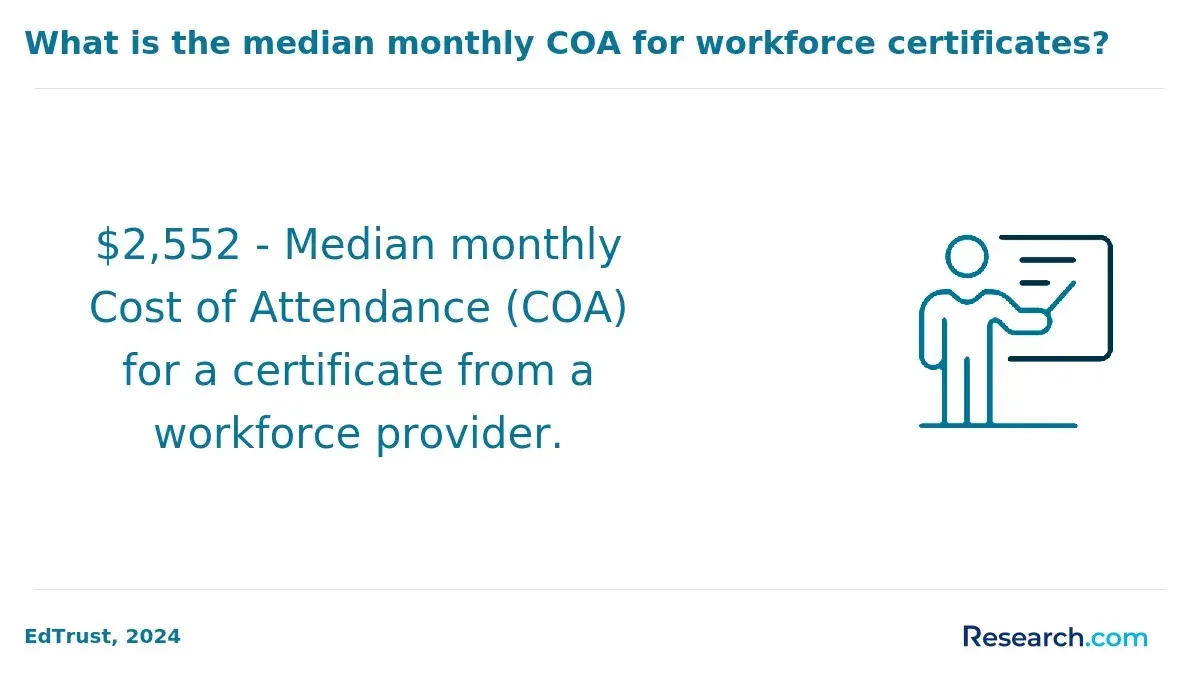
Clinical and fieldwork requirements can change both the total cost and the completion timeline of an online educational leadership doctorate. Tuition is only one part of the budget; students also need to account for travel, release time, site paperwork, technology, assessment fees, and possible delays if placement approval takes longer than expected.
The National Center for Education Statistics reported in 2024 that average graduate tuition and required fees were substantially higher at private nonprofit institutions than at public institutions in the most recent national data it summarized. For doctoral students, that means the placement model should be evaluated alongside tuition because a lower-credit program can still become costly if fieldwork creates travel, unpaid work time, or extra terms.
This table summarizes cost and timeline factors that students often overlook when comparing online doctoral programs.
| Factor | How it can affect cost | How it can affect timeline | What to verify |
| Required field hours | May require unpaid time away from work | Can extend over multiple terms | Total hours and whether prior experience can count |
| Travel to site or residency | Adds transportation, lodging, meals, and parking | May require scheduling around school-year calendars | Whether all in-person components can be local |
| Background checks and clearances | May create additional student-paid fees | Processing delays can postpone site start dates | Who pays and when documents are due |
| Supervisor or mentor requirements | May limit low-cost nearby options | A supervisor change can require reapproval | Minimum mentor credentials and backup process |
| Extra enrollment terms | Additional tuition or fees may apply | Delayed fieldwork can delay graduation | Whether continuation, dissertation, or fieldwork fees apply |
Students comparing accelerated pathways should be especially careful. Some 1 year EdD programs online may reduce coursework time, but any required practicum, internship, or applied project still has to fit institutional and professional standards. A faster academic calendar is only useful if the fieldwork schedule is equally realistic.
A practical cost comparison should include direct tuition, required fees, books, travel, lost wages or paid-time-off use, and the cost of one additional term if placement or dissertation milestones are delayed. This gives a more honest view of affordability than tuition-per-credit alone.
Flexibility depends on what the field experience is designed to accomplish. A non-licensure leadership project may allow more customization, while a licensure-linked internship may require specific settings, competencies, supervisor credentials, and documented hours.
The most flexible programs usually let students complete approved leadership projects in their current workplace, spread hours across terms, and align assignments with real organizational needs. Less flexible programs may require daytime school access, specific administrative tasks, or placement in a setting outside the student's current job.
Use these questions to judge whether a program's flexibility is genuine or mostly marketing language:
- Can fieldwork be completed at my current workplace, or must it be completed at a different site?
- Are evening, weekend, summer, or remote leadership activities allowed, or must hours occur during normal operating hours?
- Can I complete hours gradually across multiple terms, or are they concentrated in a single semester?
- Does the program accept leadership responsibilities I already perform, or only new activities completed after enrollment?
- Are virtual meetings, data analysis, policy review, or board-meeting observations counted toward fieldwork?
- What happens if I change jobs, move states, or lose access to my approved site?
Flexibility also depends on the culminating requirement. Some students exploring online EdD programs no dissertation prefer capstone-based models because the final project may be more directly tied to workplace improvement. However, a no-dissertation format does not necessarily eliminate fieldwork, clinical documentation, or licensure-related hours.
A common red flag is a program that advertises "100% online" but later requires students to find an in-person site without meaningful support. Ask admissions advisors to separate coursework format, residency requirements, and fieldwork obligations in writing.
Experiential requirements can strengthen an educational leadership doctorate when they are tied to recognized standards, supervised practice, and real leadership competencies. They can also create problems if students assume those hours automatically meet licensure or employer requirements without verification.
Accreditation and licensure operate at different levels. Institutional accreditation confirms that the university meets broad quality standards. Programmatic approval, state educator preparation approval, or licensure alignment may determine whether a leadership internship counts toward a principal, superintendent, or administrator credential.
The table below explains the main quality and compliance checkpoints to review before enrolling.
| Checkpoint | Why it matters | What students should ask |
| Institutional accreditation | Supports credit transfer, federal aid eligibility, and baseline institutional quality | Is the university accredited by a recognized institutional accreditor? |
| State educator preparation approval | May be required for administrator licensure or endorsement | Is this doctoral pathway approved for my target credential in my state? |
| Field supervisor qualifications | Licensure-linked placements often require properly credentialed mentors | What license, role, or experience must my site supervisor have? |
| Standards alignment | Leadership programs may map fieldwork to professional leadership standards | Which leadership competencies are assessed during fieldwork? |
| Interstate limitations | Online enrollment does not always equal authorization for field supervision everywhere | Can the program supervise fieldwork in my state and support my licensure goal? |
Students in specialized education fields should be especially careful about programmatic approval. For example, those comparing broader leadership doctorates with pupil-services pathways may also review school psychology programs online accredited by NASP to understand how profession-specific accreditation can affect supervised practice and credentialing expectations.
The safest approach is to contact both the university and the relevant state licensing agency. Ask the school what its program is designed to prepare you for, then ask the licensing agency whether that preparation satisfies the credential you want in the state where you plan to work.
Good support during practicum and fieldwork can make the difference between steady progress and costly delay. Online students should expect more than a syllabus; they should have access to advising, placement documentation, supervisor guidance, and timely faculty feedback.
Effective programs often provide several layers of support before and during the experiential requirement:
- Field handbook with site criteria, hour requirements, forms, and deadlines
- Dedicated field placement coordinator or licensure advisor
- Faculty advisor who helps connect field activities to doctoral-level leadership goals
- Site supervisor orientation or written mentor expectations
- Templates for logs, portfolios, evaluations, and leadership artifacts
- Clear process for resolving site changes, supervisor changes, or documentation problems
Students should also ask how often faculty review fieldwork progress. A program that waits until the end of a semester to review logs may leave students with little time to correct missing activities, incomplete documentation, or misaligned site tasks.
Support is especially important for students who work full time. Educational leadership fieldwork often intersects with school calendars, budget deadlines, board meetings, hiring cycles, student data reviews, and community engagement events. Strong advising helps students plan around those cycles instead of trying to force all hours into convenient but low-value activities.
Practicum and clinical experiences can improve career readiness when they help students practice the work they hope to do after graduation. In educational leadership, employers often look for evidence that candidates can lead teams, use data, manage conflict, understand school finance, support instruction, communicate with communities, and implement change responsibly.
The career value of fieldwork depends on alignment. A superintendent-track internship is valuable for district leadership candidates, while a higher education administrative project may be more useful for student affairs, enrollment management, institutional research, or academic operations roles. A generic placement that does not match the student's goal may add workload without adding much professional leverage.
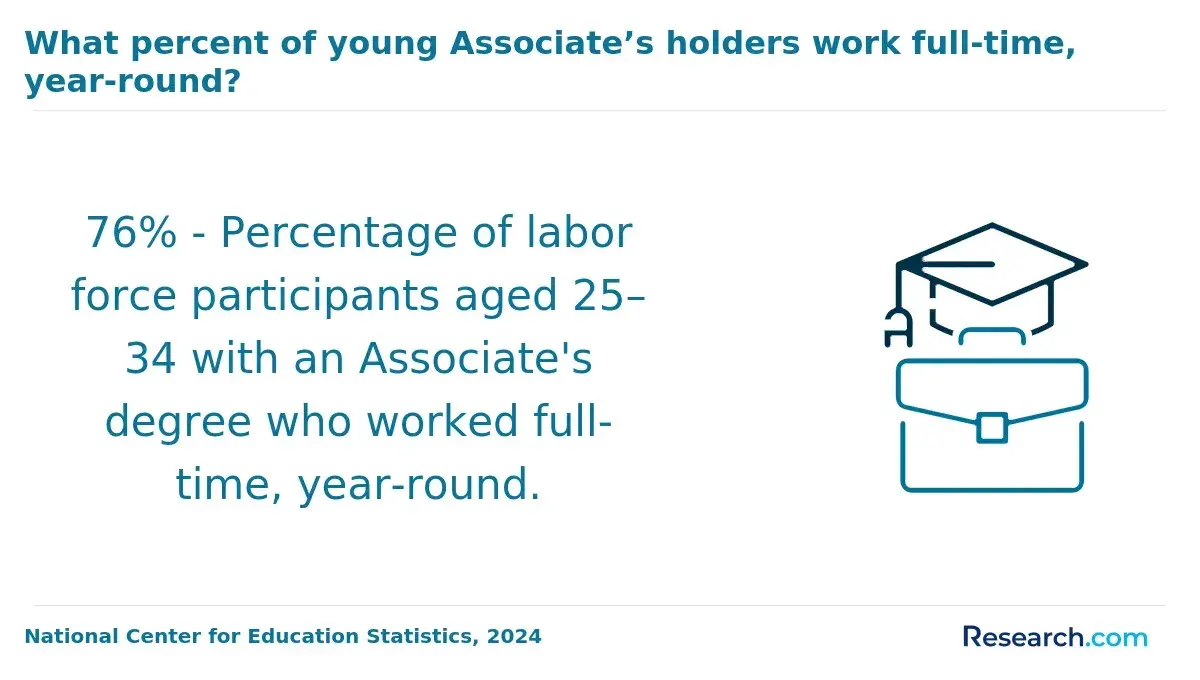
Career context also matters. The BLS reported in 2024 that the median annual wage for postsecondary education administrators was above the national median for all occupations, but hiring requirements differ by institution and role. A doctorate may strengthen a candidate's profile, yet experience, leadership record, state credentials, and institutional fit usually remain important.
Current trends make applied experience more relevant. School and college leaders are increasingly expected to make decisions using data dashboards, learning analytics, artificial intelligence tools, enrollment forecasts, budget constraints, and student-support metrics. A field-based doctoral project can help students demonstrate these skills through real evidence rather than only coursework.
Students who benefit most from experiential doctoral training usually have a clear target role and access to meaningful leadership work. Students who want a research faculty path, policy analysis role, or theory-heavy doctoral experience may prefer a PhD or research-focused doctorate with fewer practice-based requirements.
How Should Students Choose an Online Educational Leadership Doctorate With Experiential Requirements?
The best online educational leadership doctorate with experiential requirements is the one you can complete without derailing your job, finances, location plans, or credentialing goals. A prestigious or fast program is not a good fit if its placement model does not work in your state, district, schedule, or career path.
Start by matching the program type to your goal. Aspiring superintendents and principals should prioritize licensure alignment and supervised administrative experience. Higher education professionals should look for placements or applied projects in the type of college unit they want to lead. Instructional leaders who prefer curriculum design, training, or learning systems may also compare adjacent pathways such as the best online instructional design master's programs before committing to a doctorate.
Use this step-by-step checklist to compare programs before applying:
- Define the target outcome: promotion, administrator licensure, superintendent preparation, higher education leadership, consulting, policy work, or organizational leadership.
- Confirm whether the degree is an EdD, PhD, or other doctorate, and whether it is practice-focused or research-focused.
- Request the fieldwork handbook, licensure disclosure, curriculum map, and sample plan of study.
- Verify required hours, approved settings, supervisor qualifications, and whether your current workplace can be used.
- Ask whether the university has recently supported students in your state or region.
- Build a realistic budget that includes tuition, fees, travel, background checks, unpaid time, and possible extra terms.
- Ask current students or alumni whether placement support matched what admissions promised.
- Contact your state licensing agency or employer to confirm whether the program meets your professional requirement.
- Compare the opportunity cost of fieldwork with the career value of supervised leadership experience.
Avoid choosing a program based only on speed, tuition, or the phrase "online." The better question is whether the program's experiential design gives you the leadership evidence, credential alignment, and schedule feasibility you need.
Other Things You Should Know About Educational Leadership
Many online EdD programs no longer require the GRE, especially for applicants with a master's degree and professional education experience. However, admissions requirements vary, so applicants should confirm whether the program requires test scores, a writing sample, leadership experience, or an interview.
An EdD is usually better for practitioners who want to lead schools, districts, colleges, or education organizations. A PhD is usually a better fit for students who want research-intensive roles, academic research careers, or policy research positions.
Some programs accept a limited number of doctoral transfer credits, but they often restrict credits by age, grade earned, accreditation status, and course relevance. Fieldwork, dissertation, capstone, and residency requirements are less likely to transfer.
Important skills include data-informed decision-making, communication, ethical leadership, budgeting, personnel management, instructional improvement, policy analysis, conflict resolution, and change management. Programs with applied projects can help students connect these skills to real organizational problems.
- Why Pursue an Online Doctor of Educational Leadership? https://www.ucumberlands.edu/blog/why-pursue-an-online-doctor-of-educational-leadership
- Careers with a Doctorate in Educational Leadership | Neumann https://learn.neumann.edu/neuperspectives/careers-with-a-doctorate-in-educational-leadership
- Program Page https://info.online.bradley.edu/doctor-of-education/program-details/
- Leadership Ed.D. (Online) | Fairleigh Dickinson University https://www.fdu.edu/program/leadership-edd-online-grad/
- The Best EdD in Organizational Leadership Programs of 2025 https://www.eddprograms.org/schools/organizational-leadership/
- Section 4: Professional Practice - CACREP https://www.cacrep.org/section-4-professional-practice/
- Structure of Online EdD Programs: FT vs PT, Instruction Methods, Cohorts https://www.onlineeddprograms.com/resources/structure-of-online-edd-programs
- How to Advance Your Career with an Ed.D. in Educational Leadership - Graduate Programs for Educators https://www.graduateprogram.org/blog/how-to-advance-your-career-with-an-ed-d-in-educational-leadership/