2027 Online BA in Psychology - Addictions: How to Evaluate Career Claims in an Enrollment Call

Co-Founder and Chief Data Scientist
An enrollment adviser says an online psychology BA with an addictions concentration can lead to a career in addiction counseling. Before you commit, you need to know which jobs the degree prepares you to pursue - and which require a separate credential, supervised experience, or graduate training.
This guide is for prospective students and career changers evaluating that claim during a call. It shows you how to request evidence, check the rules for your state, and compare the program's cost and practical training with the work you actually want to do.
Key Things You Should Know
- Ask the adviser to name a specific job title and state; "addiction counselor" can describe positions with different credential requirements.
- Request written outcomes with the graduating cohort, response rate, job definitions, and time period. An employment figure without those details cannot establish what graduates typically do.
- Get an individualized degree audit and itemized cost estimate before relying on a quoted completion time or price; neither figure proves eligibility for counseling work.
What Is an Online BA in Psychology With an Addictions Concentration?
It is a psychology bachelor's degree with designated study of substance use, addiction, prevention, or recovery - if the school formally awards the concentration. Some programs instead offer a few related electives without recording a concentration on the transcript. Ask the adviser for the catalog requirements and the exact credential that will appear on your academic record. A bachelor's-level addiction psychology program guide can help you identify options, but the current catalog controls what a particular school awards.
The degree may build useful knowledge for outreach, service coordination, and further study. It is not a treatment license. If an adviser says the concentration makes graduates "career-ready," ask whether they mean readiness to apply for nonclinical support jobs, eligibility to seek a particular state credential, or preparation for a later qualifying degree. Those are different claims.
Can an Online Psychology Degree Lead to Addiction Counseling Careers?
It can be a step toward some addiction-service careers, but the degree title alone does not establish eligibility to provide counseling. States distinguish among substance-use counseling credentials, and employers may use "counselor" in job advertisements for positions with different duties. A psychology BA also does not by itself authorize psychotherapy, diagnosis, or independent clinical practice.
During the call, replace a broad career promise with a testable question: "For a graduate living in my state, which named credential does this curriculum satisfy, which requirements remain, and where is that documented by the credentialing authority?" Ask whether required supervised hours can begin while enrolled, whether a qualified supervisor is available locally, and who arranges that experience. Compare the answer with your state authority's published rules before enrolling.
If your goal is specifically substance-use counseling rather than broad psychology study, compare the required courses and supervised-training arrangements in online addiction counseling degree programs. The more direct-sounding degree is not automatically qualifying either; the state's rules remain decisive.
What Accreditation Should an Online Addictions Psychology Program Have?
Confirm that the institution holds recognized institutional accreditation and that it covers the school awarding the online degree. Then ask a separate question: does your intended credential require particular program recognition, courses, or approvals? Institutional accreditation supports the degree's standing as an academic credential; it does not establish that its addictions concentration meets a state counseling standard.
Do not accept "APA-accredited BA" as a substitute for verification: APA accreditation of professional psychology programs is not a general accreditation for psychology bachelor's degrees. Likewise, counseling-program accreditation must be checked against the actual program and credential under discussion. When an adviser recommends a later master's, shorter accredited clinical mental health counseling study plans are a separate comparison, not evidence that the BA itself qualifies you for clinical counseling.
Expect to evaluate the published curriculum, not just course names mentioned on the call. Psychology research methods and statistics can help you assess treatment and prevention claims; courses on substance use, development, and social context can explain behavior and recovery environments. A course that discusses interviewing, assessment, or treatment does not confer permission to perform regulated clinical tasks.
Ask for a degree map showing which addictions courses are required rather than optional, how often they run, and whether an internship has an approved site and supervisor. If the adviser ties a course to a job, ask what work product or supervised skill a graduate can demonstrate. For example, a student might learn to summarize research or document a referral appropriately; that is different from learning to deliver therapy. Match those skills to the duties described in education routes for recovery-related careers.
Ask the school to distinguish admission to the institution from admission to the major or concentration. Requirements may differ for first-time students, transfers, and returning adults. If you have prior college work, request an official evaluation showing credits accepted and which general-education, psychology, concentration, and residency requirements they satisfy. An adviser's verbal estimate of "credits remaining" is not a degree audit.
During the same application period, clarify when you can receive an aid offer and which enrollment level it assumes. Substance use counseling bachelor's financial aid options can help you identify questions about FAFSA, grants, and scholarships, but only the school's aid office can explain your actual offer. Prior coursework, work experience, or volunteer service should not be treated as fulfilling an internship or credential requirement until the responsible office confirms it in writing.
Completion time depends on the approved credits you still need, course sequencing, enrollment pace, and any field experience. Ask for a term-by-term plan based on your evaluated record, including when required addictions courses are offered. A short online course format does not shorten the degree if a prerequisite or placement is available only in a later term.
For working students, ask which classes have live meetings, when group work occurs, and whether an internship requires daytime or in-person hours. Compare those obligations - not just advertised course length - when comparing accelerated psychology degree options. A realistic schedule is more valuable than a fastest-possible timeline that assumes credits or site access you have not secured.
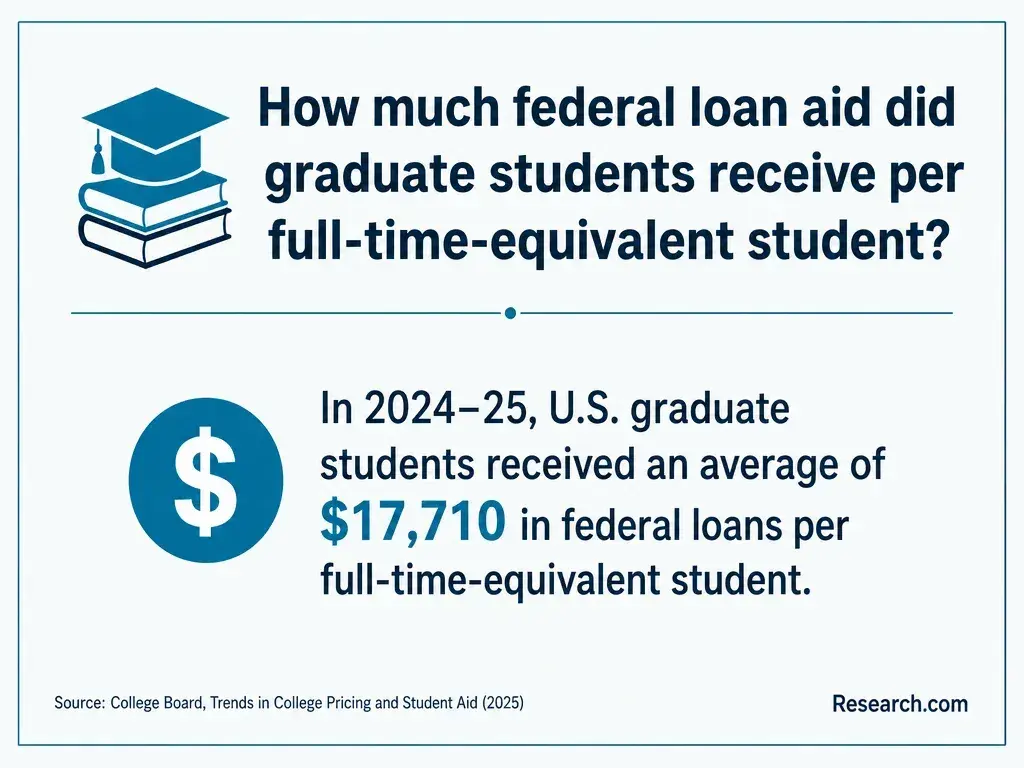
There is no reliable program price to infer from the degree title. Request a written estimate based on your remaining credits and intended pace that separates tuition, mandatory fees, course materials, and any placement-related travel or background checks. Ask which charges could change and whether a slower pace affects aid eligibility or total fees. Compare your likely borrowing with the pay of jobs you could plausibly qualify for - not an advertised salary attached to an unrelated licensed occupation.
If the enrollment pitch assumes you will later earn a master's, evaluate that as an additional expense rather than calling the BA a complete counseling pathway. Comparing prices for online psychology master's degrees can frame the next-stage cost question, but a general psychology master's is not necessarily a licensure-qualifying counseling degree. Obtain a separate estimate for the specific qualifying program you might need.
Depending on employer requirements and your experience, plausible applications include recovery-program assistant, outreach worker, intake or referral coordinator, and human-services support roles. These jobs may involve explaining services, coordinating appointments, maintaining appropriate records, and connecting people with qualified providers. Peer-support roles can have their own training or certification rules. None should be confused with independent treatment.
Ask an adviser for actual job titles held by graduates, the employer and location where possible, and whether those graduates already had credentials or relevant work experience. A career changer with community-service experience may qualify for positions that a new graduate cannot. Be wary if a "psychology careers" pitch shifts to forensic psychology graduate occupations and salary considerations: those occupations involve a different specialization, often a different degree level, and cannot establish outcomes for this BA.
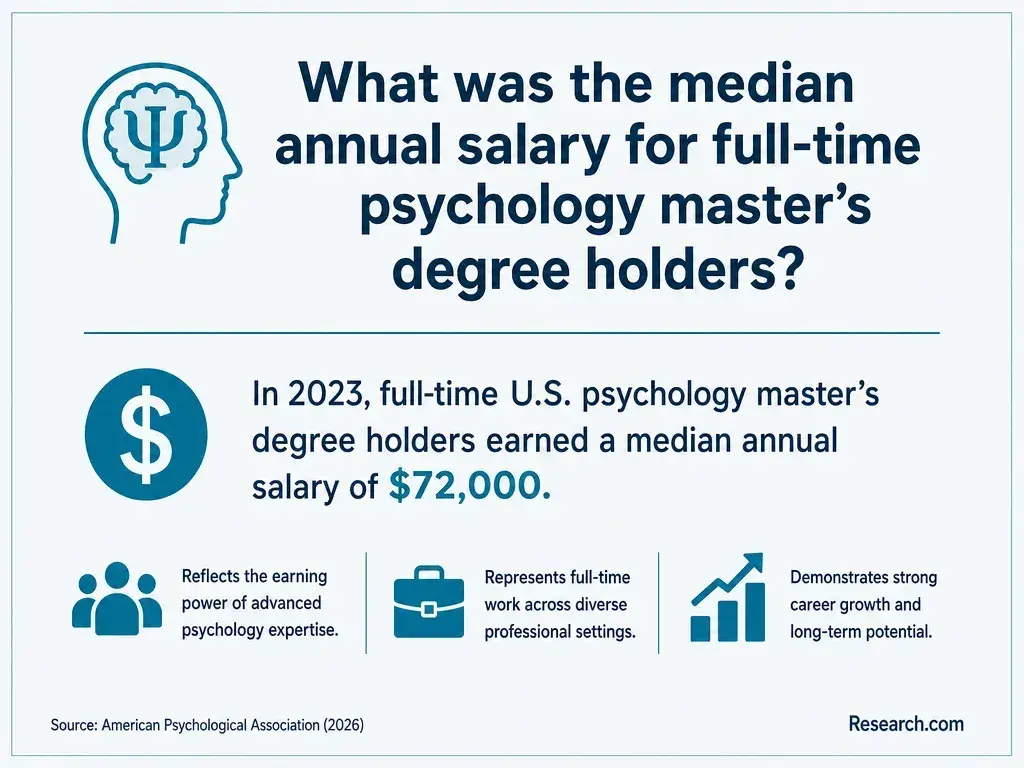
No occupation-wide salary or job-growth figure predicts the earnings of this program's graduates. Before accepting a wage claim, ask for the exact occupation, geographic area, wage reference period, and whether the figure describes all workers in that occupation or verified alumni. The U.S. Bureau of Labor Statistics groups occupations by work performed, not by a graduate's concentration; an addiction-counselor statistic may include workers with credentials a BA graduate has not yet earned.
For program outcomes, request the graduating cohort, number contacted, number responding, definition of related employment, and time since graduation. Ask whether the school separates support roles from credentialed counseling roles. Apply the same caution to claims drawn from shorter clinical mental health master's program outcomes: a different degree and professional pathway cannot validate a BA salary projection. If the school cannot substantiate its claim, use local postings for jobs you currently qualify for to assess the likely return.
What Licenses and Certifications Do Addiction Counselors Need?
Requirements depend on the state, credential, and permitted duties. A pathway may specify education in particular subjects, documented supervised experience, an examination, and continuing education. Independent clinical counseling can require a different qualifying graduate degree and license from a substance-use credential used in supervised settings. Ask the state licensing or certification authority - not only an enrollment adviser - to confirm which rules apply to your intended title and where you plan to work.
End the call with a request for a written pathway: the credential name, the curriculum-to-requirement match, any unmet education or experience, who can supervise you, and whether the school helps secure a site. If graduate clinical training is necessary, account for its separate tuition and placement obligations; paying for an online mental health counseling degree is a distinct financial decision. Enroll only when the written pathway fits both your state's rules and the role you want.
Other Things You Should Know About Psychology
Check applicable consent rules first. Whether or not you record it, email a summary of material claims afterward and ask the school to confirm or correct them in writing.
A school may offer career services or employer introductions, but ask what is actually promised, who qualifies, and whether an interview or job is guaranteed in a written policy.
Possibly, but obtain advance approval from the academic placement coordinator. The job must meet the program's learning, supervision, and documentation rules; employment alone is not approval.
Ask the registrar or program director which policy applies to your entry term and request the answer in writing before making a deposit or enrollment commitment.
- NCDAC Behavioral Health Services Practicum, Internship & Field Opportunities https://www.dac.nc.gov/html/ncdac-behavioral-health-services-practicum-internship-field-opportunities
- Accreditation in the U.S. | ed.gov http://www.ed.gov/laws-and-policy/higher-education-laws-and-policy/college-accreditation/accreditation-in-the-us
- School-Determined Requirements | 2024-2025 Federal Student Aid Handbook https://fsapartners.ed.gov/knowledge-center/fsa-handbook/2024-2025/vol1/ch1-school-determined-requirements
- DAPIP | Homepage - Office of Postsecondary Education (OPE) https://ope.ed.gov/dapip/
- Credit for Prior Learning | Friends University https://www.friends.edu/admissions/costs-financial-aid/prior-learning-credit/
- How Do Transfer Credits Work When You Go Back to School? | Whitworth Online https://online.whitworth.edu/news-articles/how-do-transfer-credits-work-when-you-go-back-to-school/
- Online Bachelor's Degree in Psychology in Addictions | Purdue Global https://www.purdueglobal.edu/degree-programs/psychology/bachelor-psychology-addictions/
- College Tuition & Financial Aid | Maria College https://mariacollege.edu/admissions/tuition-fees
- Tuition & Fees - University & Student Business Services | The University of Memphis https://www.memphis.edu/usbs/fees/
- Tuition and Fees - Office of Academic Records and Registrar https://arr.usc.edu/tuition-and-fees/