2027 Online BA in Psychology - Addictions for Recruiting Coordinators: Choosing a Program Without Leaving Your Job
Audited and Verified:
Our Editorial and Data Verification Process
Research.com uses government datasets, official education statistics and primary institutional information to support its career and degree guides. Our review process checks factual accuracy, occupational definitions, source dates and the requirements associated with the credentials discussed.
How This Article Was Fact-Checked
Our editorial team verifies salary estimates, employment projections, education requirements and program information against original data providers and official organizations. Salary figures are checked against the relevant occupational definitions and reporting periods. Information about licensure, accreditation and required in-person training is reviewed separately.
Fact-checked and verified on:

Co-Founder and Chief Data Scientist
Recruiting coordinators already manage sensitive conversations, schedules, records, and competing priorities. An online BA in psychology with an addictions focus could build on those skills, but it may also require fixed-time classes or fieldwork that conflicts with a full-time job.
This guide helps you compare program format, academic substance, cost, and career relevance before enrolling. It also explains when a shorter credential or experience in behavioral-health recruiting may serve your goal better than a bachelor's degree.
Key Things You Should Know
- Choose a program only after confirming its institutional accreditation, actual addictions coursework, transfer-credit evaluation, and any live or in-person obligations.
- An online BA can support recruiting and nonclinical behavioral-health roles; addictions coursework alone does not qualify you to diagnose, provide therapy, or hold an addiction-counselor credential.
- Compare your remaining credits, total charges, and weekly study commitments against the advancement you want - not an advertised completion time or occupation-wide salary figure.
What is an online psychology degree in addictions for recruiting coordinators?
It is a bachelor of arts in psychology completed primarily online, with coursework addressing substance use, behavior, prevention, or recovery. "Addictions" might be an officially recorded concentration, a minor, a certificate, or simply a set of electives. Check the catalog and transcript language before treating those options as equivalent.
For a recruiting coordinator, the degree's value is usually broader than addictions knowledge alone. Research methods can improve how you assess hiring evidence; social and cultural psychology can inform respectful communication; and addictions coursework can provide context when recruiting for treatment, recovery, or community-service organizations. If your goal is general HR advancement rather than behavioral-health work, compare those benefits with employer training or an HR-focused qualification. Reviewing online psychology education pathways can help clarify which degree features matter for that distinction.
What careers can an addictions-focused psychology bachelor's degree prepare you for?
Your recruiting experience is the starting point, not something to discard. A psychology BA may strengthen your candidacy for behavioral-health talent acquisition, workforce-development coordination, program administration, outreach, or supervised nonclinical support roles. Hiring requirements still depend on the employer, setting, and duties.
The distinction between organizational and client-facing work matters when comparing openings. The following examples show where your existing skills may transfer and where additional preparation may be needed.
| Possible direction | Relevant recruiting experience | Qualification to check |
| Behavioral-health recruiting or workforce coordination | Candidate communication, scheduling, records, and process improvement | Employer expectations for HR experience and knowledge of clinical job credentials |
| Community-program or intake coordination | Careful documentation, follow-up, and referrals | Training, supervision, confidentiality rules, and limits on client-facing duties |
| Recovery-support work | Relationship-building and service coordination | State or employer requirements for peer or recovery-support credentials |
If you are also considering justice-system or forensic organizations, compare the actual job before changing academic direction. Choosing forensic psychology study by cost and entry criteria addresses a different specialization; neither concentration alone confers investigative or clinical authority.
How do you choose an accredited online psychology addictions program?
Start with institutional accreditation recognized by the U.S. Department of Education or the Council for Higher Education Accreditation, then examine the degree itself. APA accreditation does not generally apply to bachelor's psychology programs, and institutional accreditation does not establish addiction-counselor eligibility.
Request the current catalog and ask an advisor to confirm whether the addictions focus appears on the transcript, which courses run online each term, and whether a capstone or placement requires scheduled attendance. Ask career services what support is available to employed online students. Evaluating online bachelor's study in addiction psychology is a useful starting point, but verify every program detail with the school for your intended entry term.
A strong fit for a recruiting coordinator offers meaningful methods training and addictions content without requiring daytime commitments you cannot meet. Favor a written degree plan over claims that a program is simply "flexible."
Expect a psychology foundation that may include introductory, developmental, social, biological, and abnormal psychology, plus statistics and research methods. Addictions-related options may address substance use, prevention, recovery systems, or health behavior. Course titles and requirements vary, so compare syllabi and prerequisites rather than relying on a concentration label.
For recruiting work, methods and statistics are especially useful: they help you distinguish a sound workforce measure from an appealing but weak claim. Addictions courses can help you understand service settings and use respectful, nonstigmatizing language; they do not train you to assess or treat candidates or clients.
If your ultimate aim is psychotherapy rather than recruiting or nonclinical support, undergraduate coursework is preparation for a different pathway. Reviewing accelerated clinical counseling program formats can frame later graduate-study questions, including supervised practice and state requirements.
Yes, if the actual schedule fits your job - not merely because lectures are online. Asynchronous courses may still have weekly deadlines, group meetings, exams at set times, or a placement during agency business hours. A recruiting coordinator facing unpredictable interview schedules should examine these constraints before committing to a full course load.
Ask for sample syllabi and a term-by-term course schedule. Confirm live-session times, whether required courses run every term, policies for taking a lighter load or pausing enrollment, and whether your employer permits schedule adjustments. If speed is important, shorter undergraduate psychology study pathways are worth comparing - but a faster calendar does not mean fewer obligations each week.
Do not assume your current job can satisfy an internship or capstone. The department would need to approve the learning objectives, tasks, supervision, and any use of workplace information. Recruiting files and applicant disclosures should not become class-project data without appropriate employer permission and privacy safeguards.
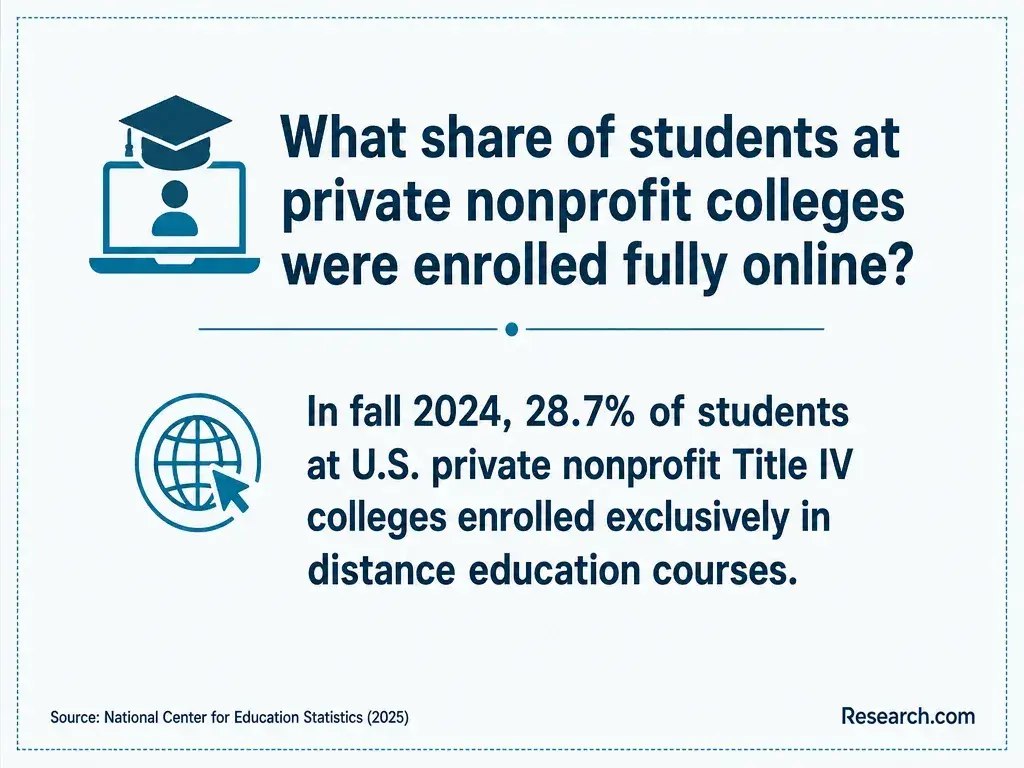
Schools commonly ask first-time applicants for secondary-school records and transfer applicants for prior college transcripts; specific GPA, application, and major-entry policies differ. Prior study in business or another field does not automatically prevent admission to psychology.
If you have college credits, obtain a written evaluation showing not just which credits are accepted, but which satisfy general education, statistics, psychology-major, elective, and residency requirements. That distinction can change both your schedule and your bill. Finding psychology colleges that consider prior credits is useful for building a shortlist; only the receiving school can approve how your coursework applies to its degree.
Your timeline depends on applicable transfer credits, enrollment pace, prerequisite sequencing, and how often required courses are offered. An advertised completion time may assume a heavier load than someone working full time can sustain. Ask each school for a personalized degree audit and term-by-term plan before comparing timelines.
For cost, compare the charges for all remaining required credits, mandatory online or course fees, books, and any travel or unpaid fieldwork. Confirm whether part-time enrollment changes your financial-aid eligibility and whether employer tuition assistance has grade, program, or repayment conditions. Substance abuse counseling bachelor's fees and career prospects provide a related comparison, but counseling-oriented degrees should not be assumed to have the same curriculum or credential outcomes as a psychology BA.
A practical return-on-investment test is whether the degree meets a documented requirement for the roles you want. If it does not, a shorter course, internal project, or targeted credential may be the lower-cost next step.
Addiction-counselor titles and permitted duties are governed by state rules, which can specify qualifying education, supervised experience, examinations, and other conditions. An addictions concentration is academic study, not permission to provide psychotherapy, diagnose a substance use disorder, or practice independently.
Before enrolling for a counseling goal, identify the exact credential and state where you intend to work. Ask the state regulator or credentialing body whether the proposed degree and individual courses meet its educational rules, then get the program's account of any supervised-training pathway in writing. Online colleges offering addiction counseling study may be more directly aligned with that goal than a general psychology BA, but each program still requires a state-specific eligibility check.
How can recruiting coordinators use an addictions psychology degree for career advancement?
First, identify the next job you want and collect several relevant postings. Separate requirements you already meet - such as scheduling, applicant communication, and records management - from gaps involving psychology coursework, behavioral-health settings, data analysis, or a regulated credential. That exercise tells you whether a BA is essential, advantageous, or unnecessary.
While studying, seek approved, nonclinical ways to demonstrate new skills: improve a hiring-process measure, help develop accessible candidate communications, or prepare a literature-based brief on workforce retention. Use only authorized, appropriately protected workplace information. For behavioral-health employers, learning to verify candidates' professional credentials can be more immediately valuable than claiming clinical expertise you do not have.
If advancement later requires graduate study, compare the specific degree with the target role before paying for it. Budget-friendly online psychology graduate degrees may support some research or organizational goals, but a general psychology master's is not automatically a counseling license pathway. Your best next step may instead be an internal HR opportunity, employer-funded training, or supervised experience in a behavioral-health organization.
Other Things You Should Know About Psychology
It may be useful if you want tuition assistance, schedule flexibility, or behavioral-health recruiting assignments. Check your employer's policies first, and describe the degree as education - not a clinical qualification.
Do not use identifiable applicant information without employer authorization and applicable academic approval. A literature review using published research is often a safer starting point.
It can strengthen your understanding of evidence and bias, but effective interviewing also requires job-related criteria, employer training, and consistent hiring practices. Avoid informal psychological screening or diagnostic questions.
Use the degree's methods, communication, and organizational applications, then compare HR-specific experience or credentials for your next role. You do not need an addictions job to make use of psychology coursework.
- Cost of Attendance (Budget) | 2025-2026 Federal Student Aid Handbook https://fsapartners.ed.gov/knowledge-center/fsa-handbook/2025-2026/vol3/ch2-cost-attendance-budget
- LCDC New License Registration | texas.gov https://www.hhs.texas.gov/business/licensing-credentialing-regulation/professional-licensing-certification-compliance/licensed-chemical-dependency-counselor-program/lcdc-new-license-registration
- Accreditation in the U.S. | ed.gov http://www.ed.gov/laws-and-policy/higher-education-laws-and-policy/college-accreditation/accreditation-in-the-us
- Behavioral Health Career Descriptions | samhsa.gov https://www.samhsa.gov/about/careers/behavioral-health-workforce/careers-by-state/descriptions
- Applied Psychology: Addictions Studies, B.S. - CPS, CPSO | University of New Hampshire https://www.unh.edu/program/bachelor-science/applied-psychology-addictions-studies
- Employer Tuition Reimbursement: How It Works and How to Pay for College | Winston-Salem State University https://ramsonline.wssu.edu/blog/employer-education-benefits/
- Psychology Degree Online | MSU Denver https://www.msudenver.edu/online/psychology-bs/
- Online Bachelor's Degree in Psychology - CSU Online https://online.colostate.edu/degrees/psychology/
- Modes of Instruction - Hunter College - CUNY https://www.hunter.cuny.edu/center-for-digital-learning-and-innovative-pedagogy/policies/modes-of-instruction/
- 19 Most Affordable Addiction Studies Bachelor's Online for 2021 - Great Value Colleges https://www.greatvaluecolleges.net/rankings/online-bachelors-addiction-studies/