2027 Paying for an Online MS in Psychology - Forensic Psychology: A Community Foundation Scholarship
Audited and Verified:
Our Editorial and Data Verification Process
Research.com uses government datasets, official education statistics and primary institutional information to support its career and degree guides. Our review process checks factual accuracy, occupational definitions, source dates and the requirements associated with the credentials discussed.
How This Article Was Fact-Checked
Our editorial team verifies salary estimates, employment projections, education requirements and program information against original data providers and official organizations. Salary figures are checked against the relevant occupational definitions and reporting periods. Information about licensure, accreditation and required in-person training is reviewed separately.
Fact-checked and verified on:

Co-Founder and Chief Data Scientist
A community foundation scholarship could make an online MS in Psychology-Forensic Psychology more affordable, but its value depends on rules that are easy to miss: some awards exclude graduate students, online study, or schools outside a local area. This guide is for prospective students comparing a forensic psychology master's with other education or career routes. It explains how to verify scholarship eligibility, calculate the cost left to pay, and check whether the degree supports the work you actually want to do.
Key Things You Should Know
- A community foundation award is not automatically available for an online forensic psychology MS; confirm graduate eligibility, residency rules, enrollment requirements, and permitted schools before applying.
- Compare the award with your full remaining cost - required credits, fees, possible travel, and any unpaid placement - not tuition alone. No particular foundation or award amount can be assumed.
- An online forensic psychology MS can support nonclinical justice-related work, but it does not by itself qualify you for forensic psychological evaluations, psychotherapy, or psychologist licensure.
What Is an Online MS in Psychology-Forensic Psychology?
It is a graduate psychology degree focused on behavior and research in legal or justice-system contexts. Depending on the school, forensic psychology may be the degree's formal concentration, a specialization within a general MS, or simply a group of electives. "Online" describes course delivery; it does not establish that every meeting, project, or placement can be completed remotely.
The degree may fit someone with experience in victim services, corrections administration, community programs, or research who needs deeper subject knowledge.
It is a less direct investment if the immediate goal is an entry-level support job that accepts a bachelor's degree. For applicants who have not yet completed undergraduate study, shorter routes through forensic psychology bachelor's coursework are a separate decision; completing a bachelor's remains a prerequisite to entering a master's program.
How Much Does an Online Forensic Psychology Master's Degree Cost?
There is no reliable single price for this degree. Ask each school for the required credits and the tuition charged to your entry cohort, then add mandatory fees and expenses that may not appear in an advertised per-credit rate. The table separates charges a scholarship might cover from costs you may still have to fund.
| Cost component | What to verify | Why it matters |
| Tuition | Required credits, charge per credit or term, and rate-change policy | A lower rate may not mean a lower total program cost. |
| Mandatory fees | Technology, graduation, and other required charges | Some scholarships pay tuition only. |
| Applied-learning costs | Travel, background checks, insurance, or unpaid placement time, if required | Online classes do not eliminate site-related expenses. |
| Time-related costs | Extra terms, continuation fees, or reduced work hours | A delayed finish can change the value of a small award. |
Calculate remaining cost = tuition and required expenses − confirmed grants, scholarships, and employer payments. Keep loans separate: they finance a balance rather than reduce its price. If your actual goal is a licensed counseling role, compare this calculation with mental health counseling tuition and funding options for a program designed around that different credential pathway.
What Scholarships Help Pay for an Online Forensic Psychology Master's?
A community foundation scholarship is an award administered by a local or regional charitable foundation, often under donor-defined conditions. There is no identified foundation or verified award attached to this article's title, so do not assume a particular scholarship exists or that an undergraduate award extends to master's study.
Foundations may consider where you live or graduated from high school, your field, financial need, community service, or the school you attend.
Search the community foundations serving your current or former home area and read the individual fund rules, not just the foundation's general scholarship page. Before spending time on an application, ask the foundation and your school's financial aid office to confirm:
- Whether the named fund accepts master's students in psychology and permits fully online enrollment at your chosen institution.
- Which residency, enrollment-intensity, academic-progress, and application-deadline rules apply to you.
- Whether the award pays tuition, fees, or other education expenses; whether it is renewable; and when funds reach the school.
- How the award will be coordinated with existing aid and what happens if your enrollment changes.
Also check university graduate awards, employer education assistance, and relevant professional associations. Do not rely on an undergraduate funding guide as proof of graduate eligibility: comparing grants for undergraduate addiction counseling study, for example, addresses a different degree level and funding mix. Submit the FAFSA if you want the school to assess your eligibility for applicable federal aid; FAFSA submission does not guarantee a grant or scholarship.
Check the institution's accreditation and its exact scope through the accreditor and the U.S. Department of Education's recognized-accreditor information. Then confirm that the online MS is actually offered by that institution. Accreditation of a university does not mean every degree leads to a professional license.
Do not reject a nonclinical MS solely because it lacks American Psychological Association program accreditation: APA accreditation applies to specified professional psychology training categories, not every general or forensic psychology master's.
Conversely, an accredited institution does not make this MS a psychologist-licensure program. That distinction also matters when evaluating online bachelor's study in addiction psychology: accreditation, degree level, and professional eligibility are separate questions.
For scholarship purposes, obtain the foundation's definition of an eligible school in writing. Its rules may refer to institutional accreditation, an approved-school list, or geographic limits that differ from an accreditor's rules.
Coursework may combine psychological research methods and statistics with topics such as behavior in legal settings, violence, victimization, correctional systems, and ethics. Compare actual required courses rather than assuming every program offers the same depth in research or the same opportunities to work with justice-system organizations.
A useful curriculum for nonclinical work should help you evaluate evidence, communicate findings carefully, and handle sensitive information within your role. A thesis or approved applied project may be valuable if you want research experience; ask who supervises it and what data or site access is realistically available.
Studying assessment or testimony is not permission to administer restricted tests or serve as an expert. If your intended work is substance-use treatment instead, choosing an addiction counseling degree route requires a separate check of the relevant state credential rules.
Programs generally require a completed bachelor's degree, but accepted majors, GPA rules, psychology prerequisites, statistics preparation, recommendations, and statements of purpose vary. A criminal justice, social science, education, or other undergraduate major need not rule you out; the important question is whether the specific program requires coursework you lack or offers a way to complete it before enrollment.
Ask admissions to distinguish required prerequisites from recommended preparation and to explain any conditional-admission policy. If you are finishing a bachelor's elsewhere, comparing transfer-friendly psychology degree programs can help with that earlier step, but only the bachelor's institution can determine how credits apply to graduation.
For the MS application, gather transcripts, descriptions of relevant methods or statistics courses, and examples of research, community, or justice-related work that demonstrate your readiness.
Completion time depends on required credits, course availability, whether you study full time, and the time needed for a thesis or applied project. An accelerated calendar can shorten elapsed time while increasing weekly workload. Someone employed in a justice agency or caring for family should ask specifically about live sessions, group work, field-site hours, and leave policies rather than treating "online" as a scheduling guarantee.
When planning a forensic psychology master's in less than two years, request a term-by-term course map for your intended start date. Check whether every required course runs often enough to support that map and whether your scholarship remains available if you switch to a slower pace.
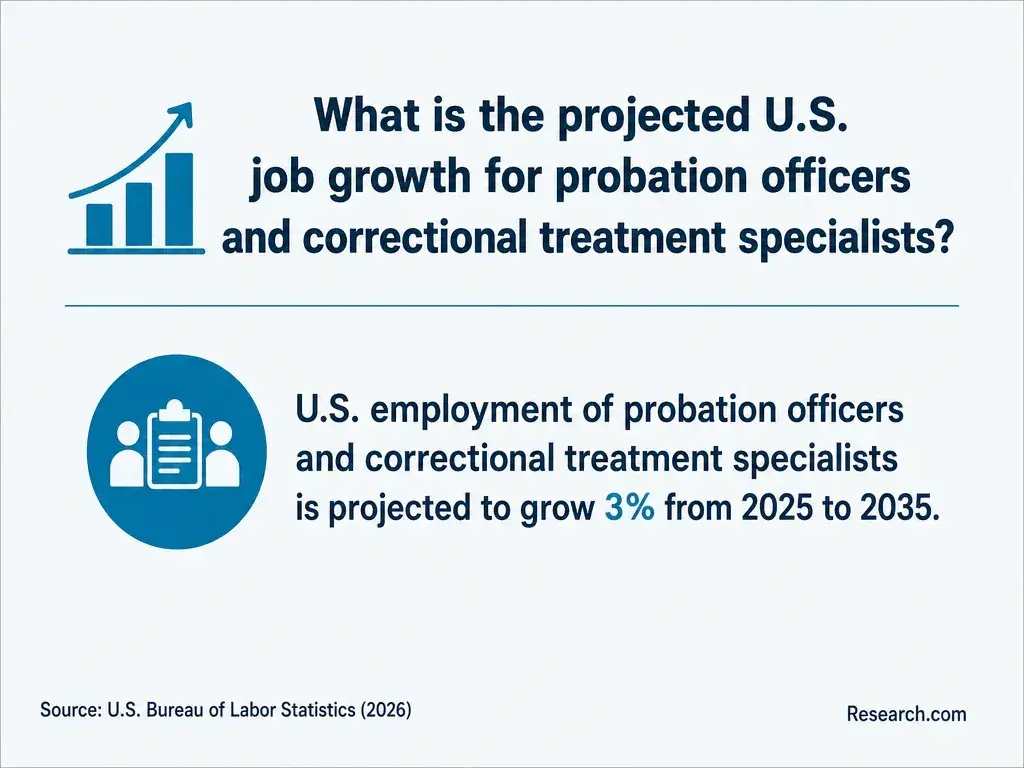
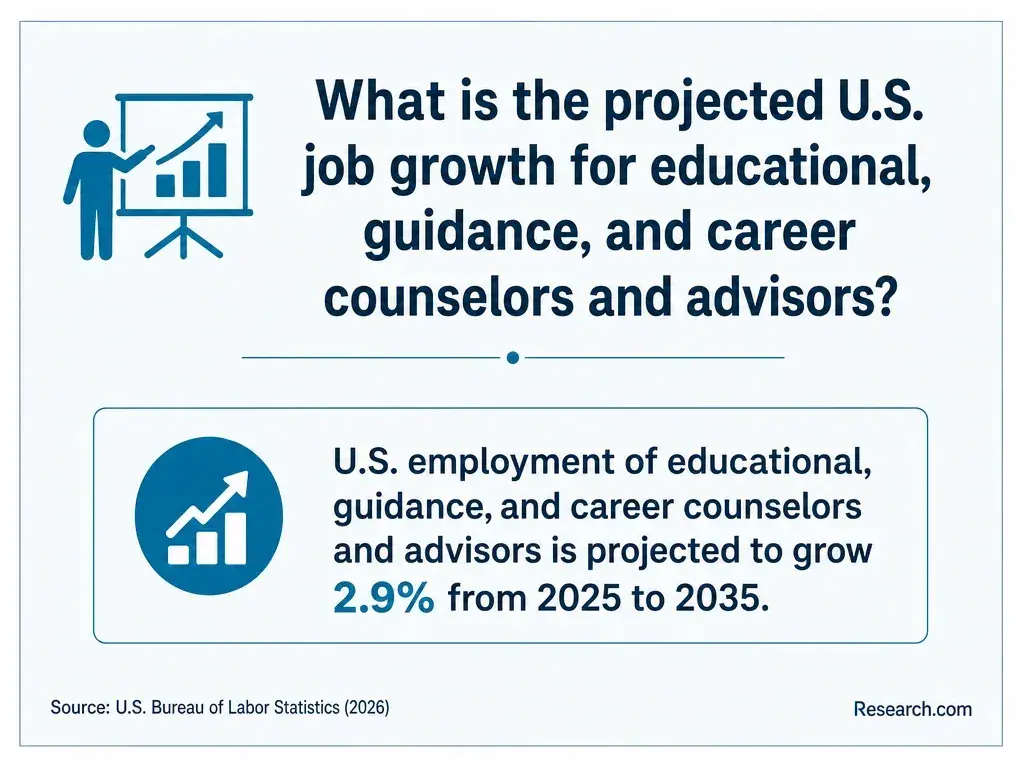
Potentially relevant nonclinical work includes victim-services coordination, justice-program support, research assistance, and program evaluation. Hiring depends on the employer's duties, required experience, and any agency-specific training or background checks; the degree alone does not secure a position.
Current workers may benefit most when the curriculum adds a demonstrable skill - such as evaluating a diversion program or preparing an evidence review - to experience they already have.
Job titles can be misleading. A victim advocate's work may center on information and referrals, while a licensed forensic psychologist's work can involve regulated assessment.
When using graduate-level forensic psychology career research, check each occupation's actual entry requirements before treating a published wage as an expected return on this MS. If a target employer accepts a bachelor's plus relevant experience, compare that route's cost and time with graduate study before borrowing.
An online MS in psychology with a forensic focus should not be presumed to qualify a graduate for psychologist licensure, independent forensic evaluations, diagnosis, or psychotherapy. Psychologist licensure typically involves additional qualifying professional education and supervised experience, with rules set by the state where you intend to practice.
Other licenses, such as professional counseling or social work, have their own education and supervision requirements.
Before enrolling, send the exact curriculum and degree designation to the relevant state licensing board if licensure is your goal, and request the school's written statement about that pathway. Speed does not change the credential's scope: compressed online master's study in forensic psychology may reduce time in school without satisfying the requirements of a different licensed profession.
How Do You Choose a Reputable Online Forensic Psychology Program?
Start with the job or further study you want, then compare schools on verified costs and requirements - not the strength of the "forensic" label. Request the catalog and financial information that apply to your entry term, plus an explanation of any required in-person work. The questions below turn a scholarship offer into a decision about the whole degree:
- What is the complete degree name, and is forensic psychology a formal concentration or a set of electives?
- What is the estimated total cost under your planned pace, and which charges will the foundation actually pay?
- Who supervises research or applied projects, and can the required work fit your location and schedule?
- What completion and career information can the school provide for this specific program, and what does that information omit?
- Does the degree meet the entry requirements for your target role or next program, as confirmed by the employer, school, or licensing board?
If you do not yet hold a bachelor's degree, speeding up an online psychology degree is a separate planning question; do not combine a projected undergraduate finish with an unverified master's schedule when budgeting. A community foundation scholarship is a strong reason to investigate a program, but not a reason to choose one that misses your career objective or leaves an unaffordable balance.
Other Things You Should Know About Psychology
Possibly. Some funds use former residence or high-school location; others require current residence. Check the individual fund's definition and the documentation it accepts.
Tax treatment depends on how the funds are used and your circumstances. Amounts used for qualifying tuition and required educational expenses may be treated differently from amounts used for living costs. Keep award and expense records and consult IRS guidance or a tax professional.
The foundation or school may reassess eligibility or require funds to be returned. Ask both organizations about withdrawal, refund, and repayment rules before changing enrollment.
Start with the community foundation's own application information and your school's financial aid office. An application service cannot guarantee an award; verify any fee and the organization's identity before sharing financial information.
- Cost of Attendance (Budget) | 2025-2026 Federal Student Aid Handbook https://fsapartners.ed.gov/knowledge-center/fsa-handbook/2025-2026/vol3/ch2-cost-attendance-budget
- Qualified Ed expenses | Internal Revenue Service https://www.irs.gov/credits-deductions/individuals/qualified-ed-expenses
- Types of Financial Aid: Grants, Work-Study, and Loans | studentaid.gov https://studentaid.gov/understand-aid/types
- DAPIP | Homepage - Office of Postsecondary Education (OPE) https://ope.ed.gov/dapip/
- Online MS in Forensic Psychology | Walden University https://www.waldenu.edu/online-masters-programs/ms-in-forensic-psychology
- How much do tertiary students pay and what public support do they receive?: Education at a Glance 2024 | OECD https://www.oecd.org/en/publications/2024/09/education-at-a-glance-2024_5ea68448/full-report/how-much-do-tertiary-students-pay-and-what-public-support-do-they-receive_a48eab74.html
- Scholarships | stclairfoundation.org https://stclairfoundation.org/scholarships/
- Scholarship Application | Community Foundation for Southeast Michigan https://cfsem.org/scholarships/scholarship-application/