
2027 Online BA in Psychology - Mental Health: How to Evaluate an Optional Honors Thesis

Co-Founder and Chief Data Scientist
An optional honors thesis can make an online psychology degree more valuable - or add work without advancing your plans. For students interested in mental health, the decision depends on the research question, faculty support, access to appropriate data, and the time it takes away from coursework or experience.
This guide explains what a credible thesis involves, when it helps with graduate applications, and when another supervised project may be the better investment. It also shows what to verify before committing to a program or thesis track.
Key Things You Should Know
- Choose the thesis when it offers sustained faculty mentorship, a feasible research question, and evidence of skills your next program or role values; honors status alone is not the benefit.
- Before enrolling, confirm whether the thesis adds credits, fees, live meetings, or an extra term - and whether approved research supervision is available online.
- A mental health focus and an undergraduate thesis can demonstrate research preparation, but neither qualifies you to diagnose, provide psychotherapy, or obtain a mental health license.
What is an online BA in psychology with a mental health focus?
It is a bachelor of arts degree in psychology that combines broad study of behavior and psychological science with coursework related to mental health, such as psychopathology, prevention, or service systems. "Mental health focus" might mean an official concentration, a suggested group of electives, or simply a program description. Ask the school which designation, if any, will appear on your transcript.
Online delivery describes where much of the coursework happens, not necessarily how the thesis works. Research meetings may be live, and a project involving a community organization may require local access. If your goal is specifically preparation for substance use counseling rather than broad psychology research, compare the curriculum with planning a degree focused on addiction counseling; the credential rules for that work are separate from the BA's title.
Is an online psychology bachelor's degree accredited and respected?
Check the institution's accreditation through the accreditor and the U.S. Department of Education's accreditation database, then confirm that it covers the institution offering your degree. The American Psychological Association does not accredit general psychology bachelor's programs. Institutional accreditation establishes an important baseline, but it does not verify the quality or availability of a particular honors thesis.
For the thesis decision, ask for the current honors handbook: Who may supervise online students? Are research methods and statistics prerequisites? How are proposals evaluated, and what happens if a supervisor becomes unavailable? Graduate reviewers can assess a strong project and recommendation letter more meaningfully than an unverified claim that a program is "research-focused." Professional-program accreditation is a different question; affordability checks for online counseling study should include the accreditation and state-eligibility rules relevant to the counseling credential.
What can you do with a bachelor's degree in psychology and mental health?
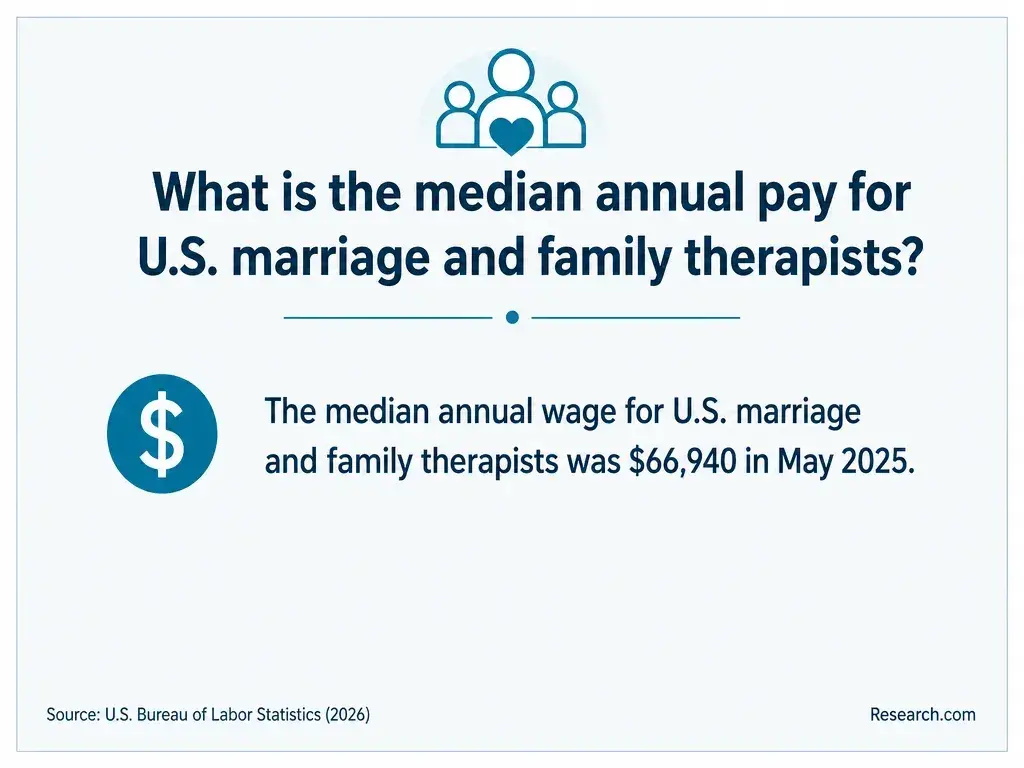
Depending on employer requirements and experience, graduates may seek nonclinical work in behavioral-health support, service coordination, outreach, research assistance, or community programs. These jobs can involve documentation, referrals, participant recruitment, or program monitoring - not independent treatment. A thesis is most useful when it demonstrates a task relevant to the role, such as evaluating evidence, handling permitted data responsibly, or explaining findings to a nontechnical audience.
For an immediate support-services job, supervised experience and strong references may be more useful than a thesis on an unrelated topic. For research work, a well-documented analysis may carry greater weight. Specialized graduate routes create different possibilities; master's-level forensic psychology employment pathways, for example, should not be confused with the qualifications for licensed forensic assessment.
A sound undergraduate thesis answers a manageable question rather than attempting to solve a broad mental health problem. Its exact format belongs to the university, but the project should make its reasoning and limits visible: a focused question, relevant literature, a defensible method, an explanation of what the evidence can support, and a clear account of limitations. A proposal, analysis, poster, or final paper may be required at different milestones.
Consider an illustrative question about how a public dataset measures access to mental health services. The student would need to explain what "access" means in that dataset, who is missing from it, and why an association cannot establish that a service caused an outcome. A project using interviews, surveys, or agency records raises different questions about recruitment, consent, privacy, data-use permission, and whether institutional review is required. Neither online enrollment nor removal of names automatically authorizes data use.
Evaluate the thesis process before choosing the topic. Ask when a supervisor is assigned, whether the school helps students find a feasible dataset or research team, what approvals must precede data collection, and how often drafts receive feedback. Compare those commitments with your available time: fast-paced BA and BS forensic psychology pathways may illustrate the appeal of speed, but an accelerated schedule can leave less room for iterative research.
For research-oriented psychology master's or doctoral applications, a thesis can provide evidence that you can narrow a question, work through methodological problems, revise your writing, and collaborate with a faculty mentor. It may also lead to a detailed recommendation letter. These benefits depend on the work and supervision, not the word "honors"; a thesis is not a universal admissions requirement or a substitute for prerequisite coursework.
Match the project to the next program's expectations. An applicant interested in research may prioritize methods and analysis, while an applicant to a qualifying counseling or social work program may gain more from relevant supervised service experience alongside solid academics. A short graduate timeline does not erase entry requirements: when considering choosing a one-year forensic psychology master's pathway, check whether the program values undergraduate research and what credential, if any, it actually prepares students to pursue.
If you cannot obtain reliable supervision or appropriate data access, a smaller faculty-guided research assistantship or methods project may produce stronger evidence of readiness than an unfinished thesis.
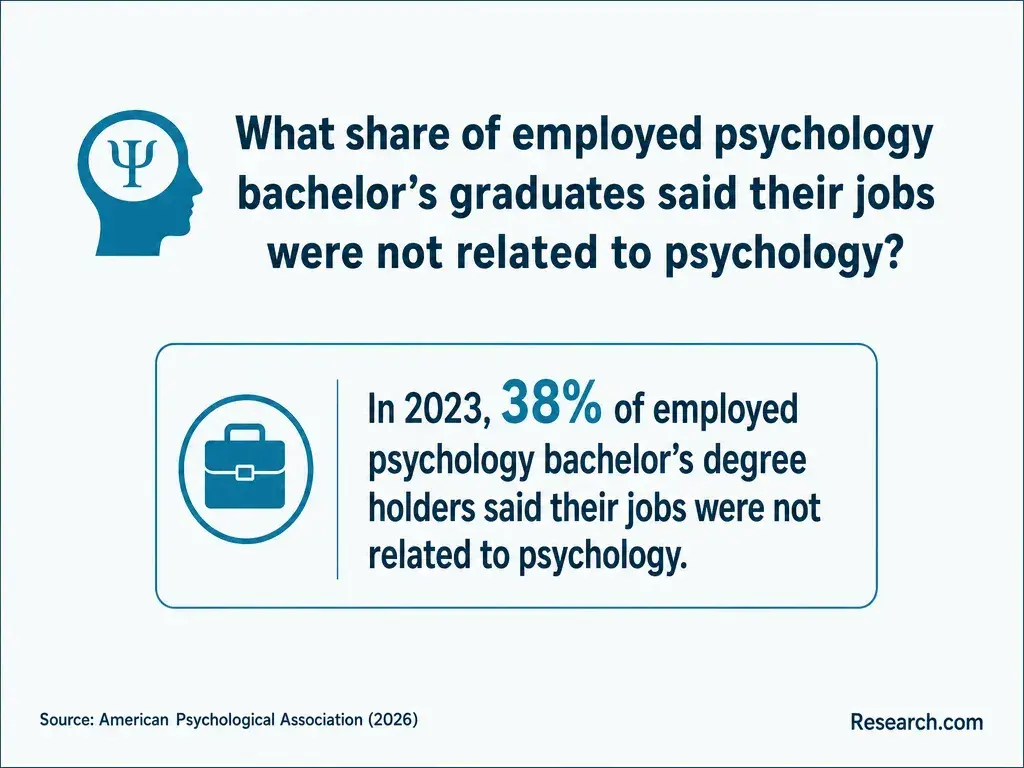
Expect a foundation in psychological science, statistics, research methods, and subjects such as development, social behavior, and biological or cognitive processes. Mental health coursework may examine psychological disorders, prevention, addiction, or community services. The actual requirements and their sequence vary; a course about assessment does not authorize a student to administer restricted clinical tests.
For a prospective thesis student, the decisive curriculum question is whether statistics and methods arrive early enough to support a proposal and whether advanced electives connect to available supervisors. If substance use is your main interest, compare those courses and any relevant credential preparation with undergraduate substance use counseling study on a budget. Course titles alone cannot establish eligibility for a state-regulated counseling role.
A conventional full-time bachelor's schedule spans about four academic years, but transfer credit, enrollment pace, course sequencing, and honors requirements can change the finish date. The meaningful cost comparison is the amount you would pay with the thesis versus without it - not an advertised tuition rate in isolation. No institution-specific price can be inferred from the degree title.
Request a written degree plan and compare the remaining tuition and mandatory fees under both routes. Ask whether thesis credits replace electives or add credits, whether a continuation term is possible, and whether meetings, research materials, travel, or reduced work hours create additional costs. If finishing sooner matters more than research preparation, review comparing accelerated psychology degree options against the time needed for meaningful thesis feedback.
First-year and transfer admission rules are set by the institution; entry to the honors thesis may be a separate decision made after specific coursework or faculty review. Ask admissions about degree entry, then ask the psychology department about honors eligibility and application timing. Do not assume acceptance to the university reserves a thesis supervisor.
Transfer students should obtain an official degree audit showing where prior psychology, statistics, and methods courses apply. An accepted course may count as elective credit without satisfying a thesis prerequisite. Check residency rules and the earliest term you can start the project; psychology program transfer policies offer a useful comparison, but only the receiving institution can approve your credits and remaining requirements.
There is no single salary or employment forecast for graduates of an online psychology BA, with or without a thesis. U.S. Bureau of Labor Statistics occupational data describe jobs, not the outcomes of a particular degree program. A social and human service assistant role, for example, has different duties and entry requirements from a research assistant position or a licensed mental health counselor role. Compare the published pay and outlook for the specific occupation you intend to enter, then check local postings for experience and credential requirements.
Use the thesis as a potential skills investment, not a presumed salary premium. If the target job asks for service experience rather than research, weigh that opportunity cost carefully. Further study may change the roles available, but accelerated MA psychology study pathways should be evaluated against their actual curriculum, cost, and career outcomes - not assumed to lead to licensed practice or higher pay.
Does a psychology bachelor's degree qualify you for mental health licensure?
No. A BA in psychology, a mental health focus, and an honors thesis do not by themselves qualify someone to diagnose conditions, provide psychotherapy, or practice as a licensed psychologist or counselor. Licensure-related education, supervised experience, examinations, and permitted duties depend on the profession and state. Some support or peer roles have their own credential rules; those are not interchangeable with clinical licenses.
If your goal is therapy, identify the state and license first, then check its board's educational requirements before choosing subsequent training. A qualifying counseling, social work, or other professional pathway may be more direct than a general psychology master's degree. Compare the full time and cost of that route, including required supervised training; shorter online counseling master's financial comparisons are a starting point, not a substitute for confirming state eligibility.
Other Things You Should Know About Psychology
Possibly. Some departments permit a rigorous review; others require original analysis or data collection. Ask for the current rubric before choosing the format.
Only if your employer and university approve the scope, supervision, and any use of workplace data. Employment does not automatically grant permission to use client information.
Usually, you can share work you are permitted to disclose. Remove protected or confidential material and check any institutional, dataset, or partner restrictions first.
Contact your supervisor before collecting new data or changing methods. A substantial change may require a revised proposal, new permissions, or another review.
- Ethical Guidelines and the Institutional Review Board - PMC https://pmc.ncbi.nlm.nih.gov/articles/PMC10885741/
- The Science of Mentoring Relationships: What Is Mentorship? | nih.gov https://www.ncbi.nlm.nih.gov/books/NBK552775/
- The Protection of Non-Subjects from Research Harm | hhs.gov https://www.hhs.gov/ohrp/sachrp-committee/recommendations/tab-c-the-protection-of-non-subjects-from-research-harm.html
- IRBs | ORI https://ori.hhs.gov/content/chapter-3-The-Protection-of-Human-Subjects-IRBs
- Guidance on Conducting Research Involving Mental Health Topics | Committee on the Use of Humans as Experimental Subjects https://couhes.mit.edu/guidelines/guidance-conducting-research-involving-mental-health-topics
- 4 Collaborating with the Institutional Review Board (IRB) | mit.edu https://admindatahandbook.mit.edu/book/v1.0-rc5/irb.html
- Honors Thesis FAQs | Fellowship Advising - Tulane University https://uraf.tulane.edu/honors-thesis-faqs
- Online Faculty and Student Mentoring: Building Community and Leveraging Resources | educause.edu https://er.educause.edu/articles/2023/1/online-faculty-and-student-mentoring-building-community-and-leveraging-resources
- Essential Elements of an Honors Thesis | Honors Program https://honors.byu.edu/essential-elements-of-an-honors-thesis
- Honors Student Handbook | Colorado State University https://honors.colostate.edu/honors-student-handbook/


