2027 Online BA in Psychology - Addictions for Health Insurance Claims Processors: What to Check Before Changing Careers
Audited and Verified:
Our Editorial and Data Verification Process
Research.com uses government datasets, official education statistics and primary institutional information to support its career and degree guides. Our review process checks factual accuracy, occupational definitions, source dates and the requirements associated with the credentials discussed.
How This Article Was Fact-Checked
Our editorial team verifies salary estimates, employment projections, education requirements and program information against original data providers and official organizations. Salary figures are checked against the relevant occupational definitions and reporting periods. Information about licensure, accreditation and required in-person training is reviewed separately.
Fact-checked and verified on:

Co-Founder and Chief Data Scientist
Processing health insurance claims may have given you a close view of behavioral-health services without giving you a direct role in them. An online BA in psychology with an addictions focus could help you move toward recovery services, but it may be a longer route than the job you want requires. This guide connects your existing skills to realistic roles, explains where the degree helps and where credentials matter more, and shows what to verify before committing time and money.
Key Things You Should Know
- For claims processors, a psychology BA is most useful when a target job requires a bachelor's degree; it does not qualify graduates to provide addiction treatment independently.
- Check your state's addiction-counselor and peer-support rules before enrolling. Required education, supervised experience, and permitted duties depend on the credential and jurisdiction.
- Compare the school's written credit evaluation and total remaining cost with shorter training routes. A typical bachelor's degree requires about 120 semester credits, but accepted transfer credits do not necessarily satisfy major requirements.
What is an online bachelor's degree in psychology with an addictions focus?
An online bachelor of arts in psychology is an undergraduate degree centered on behavior and psychological science. An addictions focus may be an official concentration, a certificate, or simply a set of electives; those labels have different implications for what appears on your transcript. Confirm the exact award before treating a program's marketing description as a formal specialization.
Coursework can explain substance use, prevention, recovery, and service systems. It does not provide authority to diagnose a substance use disorder or deliver psychotherapy. When comparing accredited online addiction psychology bachelor's programs, check both the required psychology core and whether addiction courses are offered often enough for your planned graduation date.
Can health insurance claims processors use psychology degrees to change careers?
Yes - but the most feasible change depends on the destination. Claims processors often bring useful experience with benefits terminology, documentation, coverage decisions, confidential information, and communication across health-service teams. Those skills may support a move into behavioral-health intake, referral coordination, or benefits navigation without first earning another degree. Direct recovery-support work, research, and counseling each add different requirements.
Start with several local job postings and mark which requirements you already meet. If the gap is knowledge of substance use services or a state credential, compare employer training and an addiction counseling program selection guide before choosing a broad psychology major. If the gap is a bachelor's degree plus research and writing skills, the BA may offer more lasting value.
What jobs can you get with an addictions-focused psychology bachelor's degree?
An addictions-focused BA can support applications for nonclinical positions, but employers hire for duties and experience, not concentration names alone. The comparison below separates jobs that may build on claims experience from jobs with a larger preparation gap.
| Possible role | Relevant claims-processing experience | What else to check |
| Behavioral-health intake or referral coordinator | Coverage knowledge, accurate records, communication | Employer training, client-contact expectations, referral boundaries |
| Recovery or peer-support worker | Service-system familiarity | State credential rules; some peer roles require qualifying lived experience |
| Addiction-program assistant or case-support worker | Documentation and coordination | Required human-services experience, supervision, travel |
| Program or research assistant | Records review and attention to detail | Statistics, data handling, research experience, privacy permissions |
For a modest career shift, ask about internal transfers or supervised entry-level openings first. If you need a bachelor's degree and have many credits left to complete, compare the full cost of a psychology BA with low-cost substance use counseling undergraduate degree pathways; neither degree overrides a state credential requirement.
For a US online BA, first verify the institution's accreditation through the school and its recognized accreditor. Then verify the degree's name, whether the addictions focus is formally awarded, and whether the school is authorized to enroll students in your state. Online delivery does not by itself make a legitimate degree less recognizable to employers.
Do not look for APA accreditation as a test of an ordinary psychology BA: APA accreditation applies to specified professional psychology training programs, not general undergraduate psychology majors. Institutional accreditation also does not establish eligibility for an addiction-counselor credential. Use online college pathways for psychology majors to develop a shortlist, then obtain each school's current catalog and confirm job-related claims with the relevant state credentialing authority.
Expect psychology foundations, statistics, and research methods alongside any addiction-related study. Depending on the school, relevant subjects may include learning and motivation, abnormal psychology, health psychology, substance use, prevention, and recovery systems. Compare required courses rather than assuming an addictions label provides depth in each area.
For a claims processor, statistics and research methods matter when evaluating program outcomes; addiction and health courses help explain the services behind a claim. If graduate study is a possibility, check that prospective program's prerequisites before using all your electives on specialization. A later psychology master's is a separate investment, and shorter completion routes for psychology master's students should not be mistaken for a shortcut to a counseling license.
Online bachelor's programs commonly ask for a high school credential or prior college transcripts, but transfer admission, minimum grades, and admission to the psychology major vary. A returning student should request an official degree audit showing not just credits accepted, but credits applied to general education, psychology requirements, electives, and the school's residency requirement.
Ask whether previous statistics courses satisfy the major, whether prerequisite courses can be taken online in the needed term, and who approves substitutions. Transcripts from every prior college give the evaluator a complete record. Fast-track psychology degree programs online are worth examining only after the school confirms how your credits apply; an accelerated calendar cannot make an unmet requirement disappear.
A conventional bachelor's degree is commonly structured around about 120 semester credits and four years of full-time study. Your remaining time depends on the approved transfer audit, course sequencing, enrollment pace, and availability of required classes. An online program may permit part-time study, but an internship or final project can still affect your work schedule.
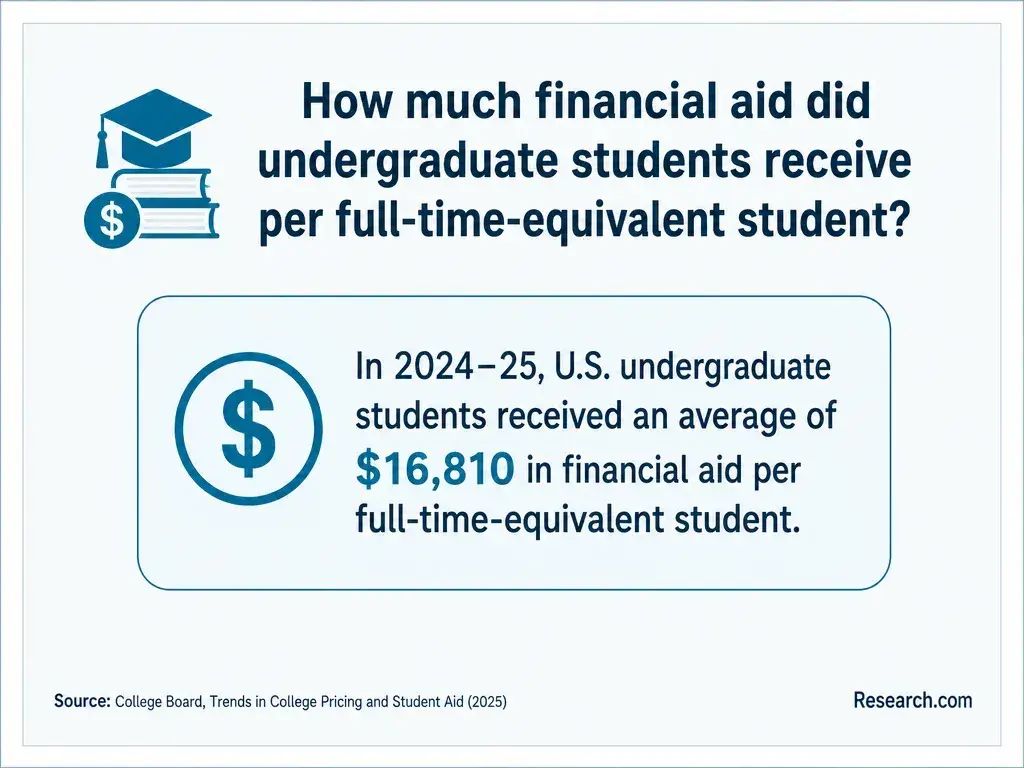
For a useful cost comparison, request a written estimate of remaining tuition and mandatory fees, then add books, technology, potential placement travel, and any earnings you would give up. Check employer tuition assistance before borrowing. Aid eligibility for online substance use counseling study can help frame questions about grants and loans, but the school's financial-aid office must confirm your eligibility and enrollment conditions.
A psychology graduate does not need a clinical license for every addiction-service job. Administrative intake, referrals, and some support roles may be nonclinical. Substance use counseling is different: states and employers may require a specified credential, relevant coursework, supervised practice, and an examination. Peer-support credentials have their own rules and should not be treated as counseling licenses.
Before enrolling, take a target job title to your state's addiction-counselor board or credentialing body and ask whether the proposed degree and its courses count toward that credential. Confirm permitted duties with the employer as well. If your goal is licensed mental-health counseling, plan for a qualifying graduate pathway and its additional costs; budget planning for mental health counseling study addresses a substantially different commitment from an undergraduate addictions focus.
Online coursework may make it easier to keep a claims-processing job, while campus study may provide more scheduled contact and local networking. Neither format automatically supplies practical experience. Ask each program about live sessions, group work, campus visits, internship approval, supervision, and whether career services connect students with addiction-service employers.
An online student who can arrange relevant supervised nonclinical work locally may be better positioned than a campus student with no experience. Conversely, a campus program with established local agency relationships may ease a major career switch. Compare those opportunities alongside low-cost online psychology degrees, rather than treating tuition or flexibility as the whole decision.
What salary and job outlook can psychology graduates expect?
There is no single salary or job-growth figure for graduates of an addictions-focused psychology BA. Pay depends on the occupation, location, employer, experience, and credentials. As one labor-market reference, the US Bureau of Labor Statistics reported a 2024 median annual wage of $59,190 for substance abuse, behavioral disorder, and mental health counselors and projected 17% employment growth from 2024 to 2034. That occupation includes workers with qualifications beyond a psychology bachelor's degree; its median is not an expected starting salary for this degree.
For your decision, compare posted pay for reachable intake, support, or program roles with your current compensation and the degree's net cost. If higher-paid licensed work is the actual goal, include the time and expense of qualifying graduate education; an online psychology master's affordability guide may help with comparisons, but a general psychology master's is not automatically a licensure route.
Other Things You Should Know About Psychology
Possibly, but only if the program approves the site, supervisor, duties, and learning objectives. Routine claims work should not be assumed to meet an applied-learning requirement.
If you are seeking tuition assistance or an internal move, ask HR or a manager about relevant openings and education policies. Describe your coursework accurately without implying a clinical qualification.
It may be a lower-cost way to learn or pursue an eligible support credential. Check local job postings and the credentialing body first; a certificate does not replace a bachelor's degree where one is required.
Seek approved volunteering, supervised support work, or projects using authorized, appropriate data. Do not use claims records for coursework or a portfolio without employer permission and required privacy review.
- Understanding Your Mental Health and Substance Use Disorder Benefits | U.S. Department of Labor https://www.dol.gov/agencies/ebsa/about-ebsa/our-activities/resource-center/publications/understanding-your-mental-health-and-substance-use-disorder-benefits
- Cost of Attendance (Budget) | 2025-2026 Federal Student Aid Handbook https://fsapartners.ed.gov/knowledge-center/fsa-handbook/2025-2026/vol3/ch2-cost-attendance-budget
- Prior Authorization and Pre-Claim Review Initiatives | cms.gov https://www.cms.gov/data-research/monitoring-programs/medicare-fee-service-compliance-programs/prior-authorization-and-pre-claim-review-initiatives
- Accreditation in the U.S. | ed.gov http://www.ed.gov/laws-and-policy/higher-education-laws-and-policy/college-accreditation/accreditation-in-the-us
- B.A. in Psychology | Florida International University Online https://fiuonline.fiu.edu/programs/online-undergraduate-degrees/bachelor-of-arts-in-psychology.php
- FAQs | umaryland.edu https://www.ssw.umaryland.edu/practicum/faqs/
- Online Psychology Degrees | Bachelor's (BA) Programs https://www.snhu.edu/online-degrees/bachelors/ba-in-psychology
- Online Bachelor's Degree in Psychology in Addictions | Purdue Global https://www.purdueglobal.edu/degree-programs/psychology/bachelor-psychology-addictions/
- How to Become an Insurance Claims Processor | The Pennsylvania Institute of Technology https://www.pit.edu/news/how-to-become-an-insurance-claims-processor/
- What Can I Do With A Bachelor's In Psychology? | Midway University https://www.midway.edu/blog/blog-bachelors-in-psychology.html