2027 Online BA in Psychology - Addictions for Court Clerks: Compare Transferable Skills and Degree Requirements
Audited and Verified:
Our Editorial and Data Verification Process
Research.com uses government datasets, official education statistics and primary institutional information to support its career and degree guides. Our review process checks factual accuracy, occupational definitions, source dates and the requirements associated with the credentials discussed.
How This Article Was Fact-Checked
Our editorial team verifies salary estimates, employment projections, education requirements and program information against original data providers and official organizations. Salary figures are checked against the relevant occupational definitions and reporting periods. Information about licensure, accreditation and required in-person training is reviewed separately.
Fact-checked and verified on:

Co-Founder and Chief Data Scientist
Court clerks already manage sensitive records, deadlines, and difficult public interactions. An online psychology BA with an addictions focus could deepen their understanding of behavior and recovery, but it may not be the most direct route to advancement in court administration.
This guide compares clerk experience with the degree's coursework and requirements, then examines online study, costs, and possible career moves. It is designed to help working court staff decide whether a full degree, a different major, or targeted training best fits their goal.
Key Things You Should Know
- A psychology BA with an addictions focus can strengthen research literacy and respectful communication, but it does not confer counseling, diagnostic, or legal authority.
- Before enrolling, ask for a written degree audit: accepted transfer credits may not satisfy psychology-major, statistics, residency, or graduation requirements.
- Compare the degree against your target job's actual hiring rules. Court advancement may depend more on classification requirements and experience; addiction-service roles may require a separate state credential.
What Is an Online Psychology Degree in Addictions for Court Clerks?
It is usually a bachelor of arts in psychology that combines a broad psychology major with addictions-related courses, electives, or a formally designated concentration. "Addictions focus" does not describe one standardized credential: schools differ in what appears on the transcript, how much specialized coursework is required, and whether a placement is included.
For a court clerk, the degree is most relevant when the goal extends beyond processing cases - for example, moving toward court-connected program support, community referrals, or further study of behavioral health. If the goal is simply to qualify for a higher clerk classification, check the employer's job specification first.
A general BA may meet it just as well, or a degree may not be required. Affordable online psychology degree programs can provide a comparison point when an addictions focus adds courses without adding value for the target job.
How Can Addiction Psychology Skills Transfer to Court Clerk Work?
Clerks can encounter cases involving substance use without assessing anyone's condition or recommending treatment. The useful transfer is from psychological knowledge to better administrative judgment within clerk duties: clear communication, accurate records, and appropriate referral to authorized staff. The comparison below separates existing strengths from skills a degree might develop.
| Court clerk experience | Relevant psychology learning | Appropriate workplace application |
| Explaining procedures to people under stress | Communication, stigma awareness, and behavioral context | Give neutral, accessible procedural information without clinical advice. |
| Maintaining case records and deadlines | Research methods and careful interpretation of evidence | Support accurate reporting while respecting record-access rules. |
| Coordinating with court personnel | Knowledge of recovery systems and service barriers | Route questions to approved court or community contacts rather than selecting services for a person. |
A clerk interested primarily in legal-system work should compare addictions coursework with criminal justice or forensic psychology study. Three-year online forensic psychology degree options offer another comparison, but a faster advertised path is useful only if its courses and credit policies fit the student's record. Neither focus grants investigative or forensic-evaluation authority.
What Degree Requirements Apply to Online Psychology Programs in Addictions?
Expect a combination of general education, psychology core courses, upper-level major work, and school-specific graduation requirements. An addictions concentration, if formally offered, adds defined courses; an elective alone does not create a concentration. A BA may also include language or other liberal-arts requirements that differ from a school's BS.
The decisive document for a returning clerk is an individualized degree audit. Ask which previous courses satisfy general education, introductory psychology, statistics, research methods, and the addictions focus - not merely how many credits transfer. Check minimum grades, prerequisite order, upper-level or residency requirements, and whether a capstone or approved placement can be completed outside normal courthouse hours.
If graduate study is a future possibility, protect space for statistics and research methods rather than assuming the addictions label supplies them. Short-format forensic psychology graduate program choices illustrate a separate decision: a later master's has its own admissions and curriculum rules and does not automatically qualify someone for clinical or forensic practice.
Online classes may let a clerk keep a daytime court schedule, but delivery format alone does not establish flexibility. Live meetings, group work, proctored assessments, and placement hours can still conflict with hearings or counter-service shifts. Campus study may make faculty contact or local placements easier, while adding travel and fixed meeting times.
Compare actual course schedules and support arrangements before choosing. Ask whether required addictions courses run online every term, whether research assistance is available remotely, and whether any site-based work needs advance approval. A courthouse job should not be assumed to fulfill a placement: the program must approve the duties and supervision, and the court must permit the arrangement.
This distinction becomes especially important if the eventual goal is treatment rather than court administration. Accelerated counseling study and accreditation requirements concern a different, graduate-level pathway with professional preparation that an online psychology BA does not replace.
A useful curriculum for court staff pairs foundations in psychology with statistics, research methods, abnormal psychology, and coursework on substance use, prevention, and recovery. Developmental and social psychology can help students understand how context affects behavior; ethics and cultural responsiveness matter when discussing justice-involved people. Course names and required status vary by school.
Judge the addictions component by what students must do, not just the course titles. An evidence-review assignment can build the ability to distinguish a study's findings from an unsupported claim about an individual case. A supervised, nonclinical community project may develop referral-system knowledge, provided the school and host approve it. Neither experience authorizes screening, diagnosis, or counseling.
If therapy is the destination, compare the BA's academic coverage with the supervised professional preparation required later. Comparing the value of shorter clinical counseling degrees is a separate step; a short graduate timeline is not a substitute for checking the relevant state's licensure criteria.
Requirements depend on whether the clerk applies as a first-time student, transfer student, or degree-completion applicant. Schools commonly request prior academic records, while particular programs may impose minimum grades or prerequisites for entry to the psychology major. Admission to the university is not the same as admission to the major, and neither confirms that previous courses meet graduation requirements.
Before paying an enrollment deposit, send official transcripts and course descriptions for any disputed psychology or statistics equivalents. Request a written evaluation from the institution authorized to award the degree, then ask an academic advisor to identify remaining courses and their next available terms. If financing determines whether enrollment is possible, review bachelor's-level substance use counseling scholarship planning as a related aid resource, while confirming eligibility and deadlines with the chosen school.
There is no reliable completion time or total price without a school-specific audit and tuition schedule. The main variables are credits that apply to the degree, required-course availability, enrollment pace, and any placement or capstone scheduling. A clerk taking classes around full-time work may need a different plan from someone able to study full-time.
Build a cost estimate from the remaining required courses, tuition charged for those courses, mandatory fees, materials, and any travel or unpaid placement time. Ask whether employer education assistance applies to this degree and whether it requires continued employment. For a baseline tuition comparison, examine affordable online psychology degree programs; then use each school's current charges and your own audit rather than a published headline price.
Timing can matter as much as tuition. Online psychology completion programs and pacing can help frame questions about course availability, but an accelerated calendar will not eliminate unmet prerequisites or approved fieldwork obligations.
The most plausible next steps for an experienced clerk are experience-dependent, nonclinical roles: court program administration, referral coordination, community-service intake, recovery-program support, or administrative work with a treatment-court partner. Hiring rules differ, and the BA alone does not establish eligibility for any particular title.
For an internal move, compare the vacancy's classification requirements with your existing record-management, public-service, and coordination experience. For a move into addiction services, identify gaps such as supervised client-facing experience, local referral knowledge, or a required credential. Understanding career progression in addiction recovery can help distinguish support work from counseling roles.
If the target remains court operations, a criminal justice, public administration, or targeted data and records-management course may be more direct than an addictions-focused BA. If the target is licensed treatment, plan for the qualifying education, supervision, and examinations specified by the relevant state rather than treating this BA as the endpoint.
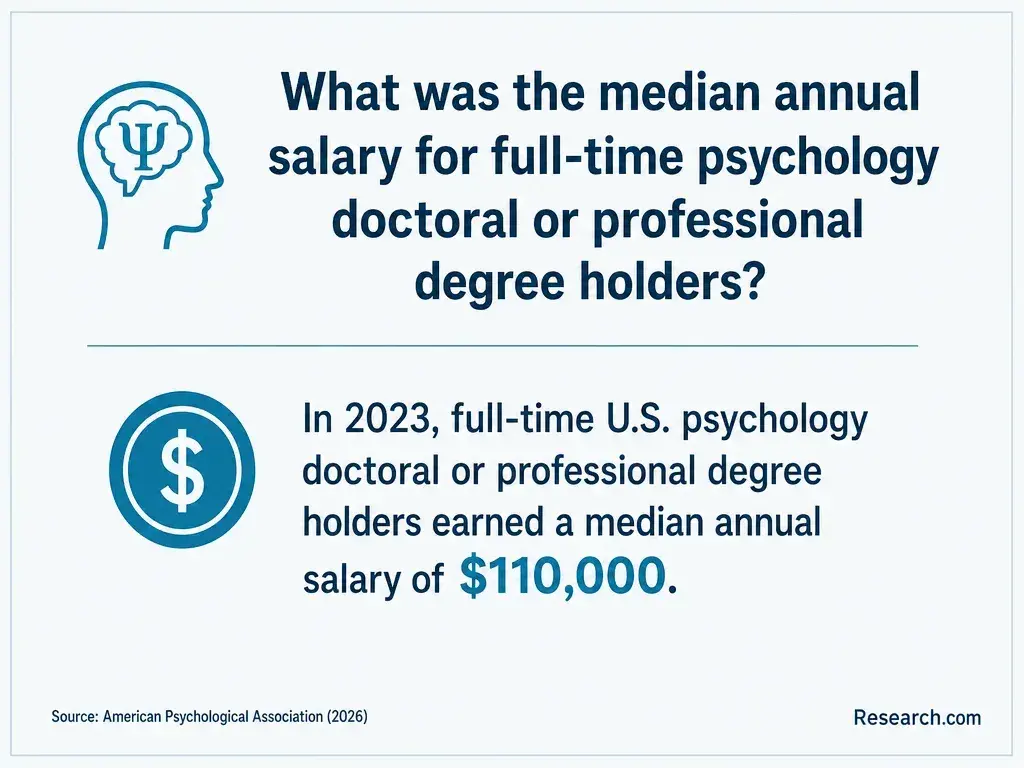
There is no single salary or employment-growth figure for graduates of an addictions-focused psychology BA. A clerk's pay may follow a public-sector classification and pay scale; a recovery-support or service-coordination job follows a different employer and occupation. Neither can be inferred from the salary of a licensed counselor.
For a meaningful comparison, check the current pay range and promotion rules for your court's target vacancy, then compare them with local postings for the specific outside role. The U.S. Bureau of Labor Statistics reports occupation-level wages and projections, including for substance abuse, behavioral disorder, and mental health counselors, but those figures cover workers with varying qualifications and are not expected earnings for BA graduates.
When weighing tuition against a potential career change, substance abuse counseling undergraduate education investment is a related comparison - not a substitute for local salary and credential checks.
Which Certifications or Licenses May Addictions Psychology Graduates Need?
Routine court clerk work does not become licensed addiction practice because the clerk earns this BA. Some nonclinical support jobs may require employer training or a state-recognized peer credential; substance-use counseling titles can require specified education, supervised experience, examinations, and continuing education. Rules and permitted duties vary by state and credential.
Work backward from the exact job title. Read the state credentialing authority's current requirements, ask the prospective employer which credential it accepts, and have the program confirm in writing whether its courses meet any specified educational criteria. Comparing degrees in addiction counseling is most useful after identifying that target credential. A psychology BA, even with substantial addictions coursework, does not by itself authorize psychotherapy, diagnosis, or independent counseling.
Other Things You Should Know About Psychology
Do not assume so. Court access for work does not grant permission for coursework. Ask the court's authorized records or legal contact and your instructor about approval, confidentiality, and an alternative using public or simulated material.
Only if the degree program approves the duties and supervision and your employer permits the arrangement. Ordinary clerk duties may not meet an internship's learning objectives.
No. Classification and promotion depend on your court system's rules and the vacancy. Ask human resources whether the degree meets a stated qualification or affects pay.
Compare it with a general psychology major first. If the concentration limits useful electives or delays completion without supporting a defined goal, broader study may be the better fit.
- Employment Suitability | United States Courts https://www.uscourts.gov/careers/employment-eligibility/employment-suitability
- Cost of Attendance (Budget) | 2025-2026 Federal Student Aid Handbook https://fsapartners.ed.gov/knowledge-center/fsa-handbook/2025-2026/vol3/ch2-cost-attendance-budget
- Types of Financial Aid: Grants, Work-Study, and Loans | studentaid.gov https://studentaid.gov/understand-aid/types
- What Does a Court Clerk Do and How Do You Become One? | Rasmussen University https://www.rasmussen.edu/degrees/justice-studies/blog/what-does-court-clerk-do/
- Do Old College Credits Still Count? Common Questions Adults Ask About Finishing Their Degree | Fresno Pacific University https://www.fresno.edu/sunnys-blog/academics-university/do-old-college-credits-still-count-common-questions-adults-ask
- Skills of a Psychology Major | Evelyn L. Spiro School of Nursing https://wagner.edu/psychology/skills/
- What Does a Court Clerk Do? - ECU Flight Path https://onlineprograms.ecu.edu/blog/what-does-a-court-clerk-do/
- Psychology - School of Social and Behavioral Sciences | Stockton University https://www.stockton.edu/social-behavioral-sciences/psychology.html
- How to Apply - Undergraduate Admissions | The University of Alabama at Birmingham https://www.uab.edu/admissions/apply/transfer/how-to-apply
- Academic Progress to Degree | osu.edu https://ugeducation.osu.edu/academics/academic-progress-degree