2027 Online Applied Psychology Doctorate Program Costs: Tuition, Fees, Financial Aid, and Employer Reimbursement

Co-Founder and Chief Data Scientist
An online Applied Psychology doctorate can advance leadership, research, consulting, behavioral health, or organizational careers, but the cost decision is substantial. Federal graduate loans issued in 2024-25 carry 8.08% interest for Direct Unsubsidized Loans and 9.08% for Grad PLUS Loans, making careful borrowing more important than ever.
This guide is for working adults comparing online doctoral programs, funding options, and employer support. You will learn how tuition, fees, residency requirements, aid, reimbursement, and ROI affect the real price of the degree.
Key Things to Know About Online Applied Psychology Doctorate Program Costs
- Most online Applied Psychology doctorate students should budget by total credits, not annual tuition; many doctoral programs require roughly 60 to 90 credits, so even a $900 per-credit rate can produce $54,000 to $81,000 in tuition before fees.
- Federal graduate aid can cover large portions of cost of attendance, but 2024-25 federal rates of 8.08% for Direct Unsubsidized Loans and 9.08% for Grad PLUS Loans make scholarships, assistantships, and employer reimbursement especially valuable.
- Employer education benefits are often capped at $5,250 per year tax-free under federal rules, so students relying on reimbursement should confirm annual limits, grade requirements, repayment clauses, and whether doctoral psychology coursework qualifies.
What is the average tuition cost of an online Applied Psychology doctorate program?
The average tuition cost of an online Applied Psychology doctorate is best understood as a range rather than a single national number because federal datasets do not isolate this specific online doctoral field. For planning purposes, students commonly see total tuition land in the mid-five figures to low-six figures, depending on the per-credit rate, total credits, transfer policy, dissertation length, and whether the school charges a flat online rate.
Use the table below as a tuition-only planning framework. It shows how quickly total price changes when the credit requirement or per-credit tuition rate changes, which is more useful than comparing one semester bill at a time.
| Program cost driver | Lower-cost planning case | Midrange planning case | Higher-cost planning case |
| Estimated credits required | 60 credits | 75 credits | 90 credits |
| Estimated tuition rate | $700 per credit | $1,000 per credit | $1,400 per credit |
| Estimated tuition before fees | $42,000 | $75,000 | $126,000 |
| Best fit | Students with transfer credits or employer support | Working adults comparing reputable online options | Students choosing private or specialized doctoral formats |
National graduate tuition data can help set expectations, but it should not replace program-specific math. The National Center for Education Statistics' latest published tables show that average graduate tuition and required fees vary sharply by institution type, with public institutions generally charging less than private nonprofit institutions. For an online doctorate, however, the total credit requirement can matter more than the annual average because dissertation continuation courses, internship credits, or repeated research enrollment can extend the bill.
If you are still deciding whether a doctorate is necessary, compare it against lower-cost graduate options in the same broad psychology ecosystem. For example, some students interested in legal, correctional, or investigative settings may first compare forensic psychology master's programs before committing to a doctoral path.
Are online Applied Psychology doctorate programs subject to distance learning or technology fees?
Yes. Many online Applied Psychology doctorate programs charge distance learning, technology, online platform, student services, graduation, dissertation, or assessment fees. These fees may look small compared with tuition, but they can materially change the real cost of attendance when charged every term or every credit.
The most important question is whether a fee is one-time, per term, or per credit. A $150 technology fee charged once per semester is manageable; a per-credit online learning fee across 75 credits can become a much larger cost.
| Fee type | How it is commonly charged | Why it matters |
| Technology or online learning fee | Per course, per term, or per credit | Can add up across multi-year enrollment |
| Student services fee | Usually per term | May apply even when the student never visits campus |
| Residency or intensive fee | Per required session | May not include travel, lodging, or meals |
| Dissertation continuation fee | Per term after coursework | Can increase costs if the dissertation takes longer than planned |
| Graduation or records fee | One-time | Small but should be included in the final budget |
Before enrolling, ask the bursar for a full cost sheet, not just the tuition page. A trustworthy program should be able to show tuition, mandatory fees, estimated books and supplies, residency costs, and any dissertation-related enrollment charges.
What out-of-pocket expenses should online Applied Psychology doctorate students anticipate?
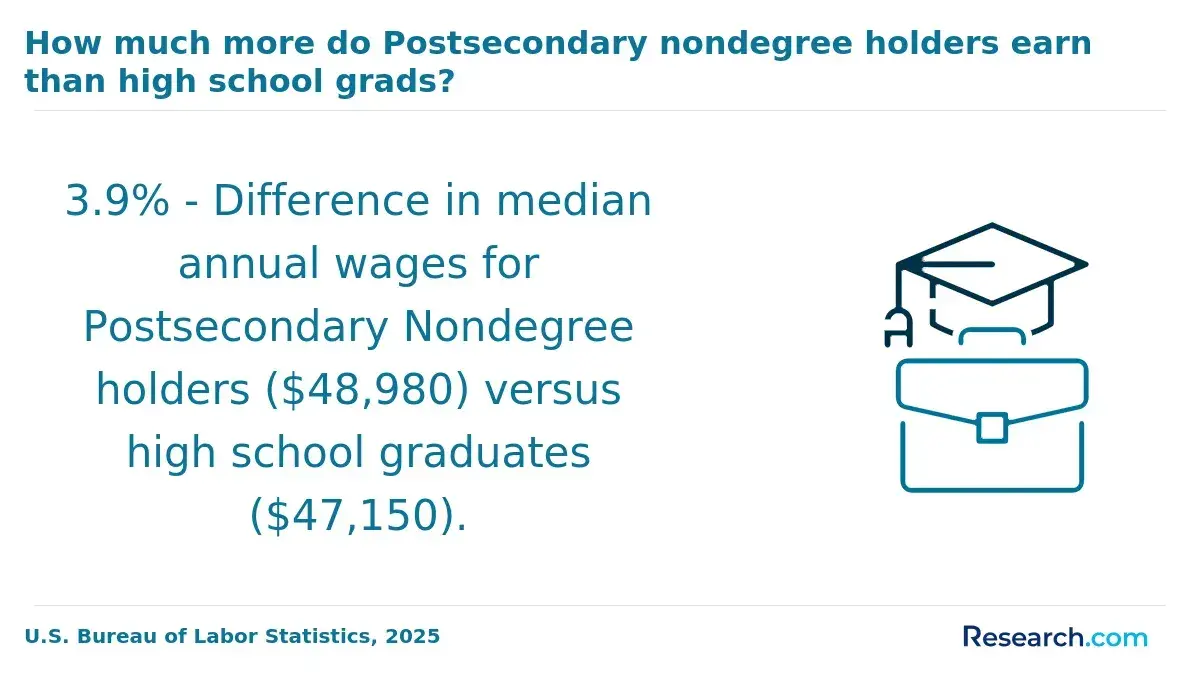
Online students often underestimate out-of-pocket costs because they assume "online" means tuition plus books only. Applied Psychology doctorates may include research software, professional association membership, assessment materials, background checks, proctoring, travel for residencies, and costs tied to dissertation data collection.
The following expenses are worth checking before you submit a deposit. They are especially important for working adults who are trying to avoid mid-program borrowing.
- Required campus residencies or doctoral intensives, including airfare, lodging, meals, parking, and unpaid time away from work.
- Books, journal access, statistical software, survey tools, transcription, participant incentives, or other dissertation research expenses.
- Background checks, liability insurance, internship documentation, proctoring, and testing fees if the program includes field-based experiences.
- Professional development costs, such as conference attendance, association dues, poster printing, or optional certification preparation.
- Dissertation extension or continuation enrollment if research, committee review, or institutional review board approval takes longer than expected.
These costs do not affect every student equally. A student completing a dissertation using existing workplace data may spend less than a student conducting original participant recruitment, and a student living near a required residency site may spend less than a student flying across the country.
Students focused on child, adolescent, or school-adjacent psychology should also compare whether a master's-level route aligns with their goals before assuming a doctorate is the only option. Lower-cost child psychology master's programs may be sufficient for some non-licensed, research support, program coordination, or youth services roles.
Does in-state versus out-of-state residency status impact online Applied Psychology doctorate tuition?
Residency status can affect online Applied Psychology doctorate tuition, but the impact depends on the school's pricing model. Some public universities keep separate in-state and out-of-state graduate rates even for online students. Others use a flat online tuition rate for all distance learners, which can make a public university attractive for out-of-state students but less advantageous for in-state students who would otherwise qualify for a lower campus rate.
This table summarizes the major tuition structures you are likely to see. The right choice depends on where you live, how many credits you need, and whether the school treats online doctoral students differently from campus students.
| Tuition model | How it works | Who may benefit | Cost risk |
| Public in-state rate | Lower tuition for state residents | Residents attending a public university in their state | May not apply to fully online doctoral programs |
| Public out-of-state rate | Higher tuition for nonresidents | Students who need a specific specialization unavailable locally | Can exceed private online tuition after fees |
| Flat online rate | Same price for all online students | Out-of-state students comparing public and private options | In-state students may lose a potential discount |
| Cohort or subscription model | Tuition tied to term-based enrollment pace | Highly organized students who can finish quickly | Slower progress can reduce savings |
A common mistake is assuming that a public university is automatically the cheapest option. Always calculate the total program cost using your actual residency status, expected transfer credits, fees, and dissertation enrollment rules.
How do total costs for an online Applied Psychology doctorate compare to traditional on-campus programs?
Online Applied Psychology doctorates are not always cheaper than on-campus programs, but they often reduce indirect costs. The biggest savings usually come from avoiding relocation, commuting, campus parking, and full-time income loss. The biggest risk is that online students may take longer if they are balancing work, family, and dissertation research.
The comparison below separates direct academic costs from lifestyle-related costs. This distinction matters because a program with similar tuition can still be more affordable if it lets you keep earning while enrolled.
| Cost category | Online doctorate | On-campus doctorate | Decision factor |
| Tuition | May be flat-rate, per-credit, or residency-based | Often residency-based at public institutions | Compare total credits and fees, not format alone |
| Housing and relocation | Usually avoidable | May be significant if relocation is required | Online is often better for working adults |
| Employment continuity | Often compatible with full-time work | May require reduced hours or campus availability | Lost income can exceed tuition differences |
| Assistantship access | Often more limited | More common for campus-based doctoral students | Campus may be cheaper if funding is guaranteed |
| Residency or travel | Possible short intensives | Regular campus attendance | Online students should still budget for required visits |
Online study makes the most financial sense when you can continue working, use employer benefits, avoid relocation, and finish at a steady pace. A campus program may be more affordable if it offers a funded assistantship, tuition waiver, stipend, and strong research mentoring that matches your career goals.
Can graduate assistantships and fellowships reduce online Applied Psychology doctorate costs?
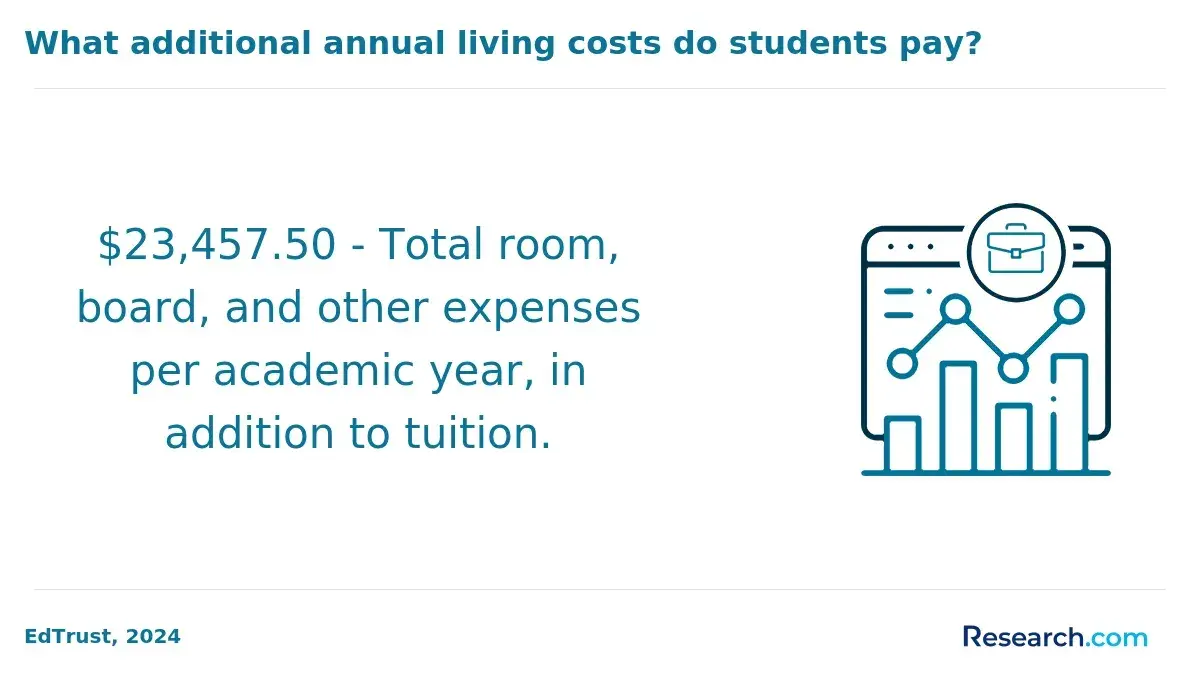
Graduate assistantships and fellowships can reduce doctoral costs, but online Applied Psychology students may have fewer opportunities than full-time campus doctoral students. Assistantships are often tied to teaching, lab work, student services, or faculty research, which may require fixed hours or campus presence.
Still, it is worth asking because some online or hybrid programs offer remote research roles, teaching assistant positions for online courses, dissertation grants, diversity fellowships, or competitive institutional scholarships. The value can range from a small course discount to substantial tuition support, depending on the school.
Use this sequence when evaluating funding opportunities. It helps you separate realistic aid from awards that are technically available but unlikely to fit an online working adult.
- Ask whether online doctoral students are eligible for the same assistantships, fellowships, tuition waivers, and institutional scholarships as campus students.
- Confirm whether the award requires full-time enrollment, campus work hours, teaching responsibilities, research production, or faculty nomination.
- Request the average award amount, renewal rules, minimum GPA, service requirement, and whether funding applies to dissertation continuation terms.
- Compare the award against lost work time, additional travel, and schedule constraints before assuming it lowers your real cost.
If your long-term goal is behavior analysis or applied behavioral intervention rather than a broad psychology doctorate, compare doctoral funding against faster master's-level routes. A fastest BCBA program may offer a shorter and less expensive route for students specifically targeting board-certified behavior analyst eligibility.
What financial aid options are available for students enrolled in an online Applied Psychology doctorate?
Financial aid for online Applied Psychology doctorate students can include federal loans, institutional scholarships, fellowships, employer benefits, private scholarships, military benefits, and payment plans. Aid eligibility usually depends on accreditation, enrollment status, satisfactory academic progress, citizenship or eligible noncitizen status, and whether the program participates in federal student aid.
For many doctoral students, federal loans are the largest available funding source. The annual Direct Unsubsidized Loan limit for graduate and professional students is $20,500, while Grad PLUS Loans can cover remaining eligible cost of attendance after other aid, subject to credit requirements. That availability can be helpful, but high interest rates make borrowing discipline essential.
| Funding option | Typical value | Best use | Main limitation |
| Direct Unsubsidized Loan | Up to $20,500 per academic year | Baseline federal graduate borrowing | Interest accrues during enrollment |
| Grad PLUS Loan | Up to remaining cost of attendance | Covering gaps after other aid | Higher interest rate and credit check |
| Institutional scholarship | Varies by school | Reducing tuition without repayment | May be competitive or limited for online students |
| Assistantship or fellowship | Varies by role and program | Tuition support plus professional experience | May require time, service, or campus access |
| Employer tuition benefit | Often capped annually | Working professionals in related roles | May require approval, grades, or repayment if you leave |
| Military or veterans benefits | Depends on eligibility | Eligible service members, veterans, and dependents | Program approval and benefit limits vary |
Before relying on loans, complete the Free Application for Federal Student Aid, ask the school for scholarship deadlines, and request a debt estimate for the full program rather than the first year only. Students considering clinical or counseling pathways should also verify whether an online doctoral program aligns with state licensure expectations; some may decide that online clinical psychology masters options are a better intermediate step before doctoral study.
Does employer tuition reimbursement cover an online Applied Psychology doctorate?
Employer tuition reimbursement may cover an online Applied Psychology doctorate when the degree is clearly connected to the employee's current role, future leadership path, organizational needs, or professional development plan. Coverage is most common in education, healthcare, human services, behavioral health organizations, consulting firms, government agencies, and large employers with formal education benefits.
The federal tax exclusion for employer-provided educational assistance is generally capped at $5,250 per year. That means an employer can offer more, but amounts above the tax-free threshold may have tax implications unless another exclusion applies. For a doctoral student, this cap can still be valuable if used consistently across several years.
Employer policies vary widely, so read the written benefit document before enrolling. Pay close attention to these provisions because they determine whether reimbursement actually reduces your cost or simply delays payment.
- Annual reimbursement limit and whether the cap resets by calendar year, fiscal year, or academic year.
- Eligible degree levels, approved fields of study, accredited institution requirements, and whether online doctoral programs qualify.
- Grade minimums, course completion rules, preapproval deadlines, and required documentation for reimbursement.
- Repayment clauses that require employees to return funds if they resign within a set period after receiving assistance.
- Whether the employer pays upfront, reimburses after grades post, or pays the school directly through a billing arrangement.
Employer reimbursement works best for students who can cash-flow tuition until reimbursement arrives, choose a program aligned with their job, and remain with the employer long enough to avoid clawback provisions.
How can working professionals negotiate employer sponsorship for an online Applied Psychology doctorate?
Working professionals can improve their chances of employer sponsorship by making the request about business value, not personal ambition alone. The employer needs to see how the doctorate supports retention, service quality, leadership capacity, research capability, training design, program evaluation, workforce development, or client outcomes.
Use a structured proposal rather than an informal request. The steps below help you prepare a practical case your manager, HR team, or executive sponsor can evaluate.
- Identify the employer's problem that the doctorate can help solve, such as staff training, behavioral program evaluation, leadership development, employee wellbeing, or evidence-based service design.
- Show how specific courses, dissertation research, or applied projects can produce workplace value while you are enrolled, not only after graduation.
- Present the total program cost, annual tuition schedule, expected reimbursement request, and any funding you will contribute personally.
- Offer a retention agreement that is reasonable, such as staying for a defined period after reimbursement, while avoiding terms that create excessive financial risk.
- Ask for non-cash support too, including flexible scheduling, paid professional development time, data access for approved research, or conference support.
A strong proposal should also address risk. Explain how you will manage workload, protect confidential data, comply with research ethics, and maintain job performance while studying.
What ROI can graduates expect from an online Applied Psychology doctorate?
The ROI of an online Applied Psychology doctorate depends on the student's starting salary, career target, debt level, employer support, and whether the credential is required for the intended role. This degree may be a strong investment for professionals moving into senior applied research, organizational consulting, university teaching, program evaluation, behavioral health leadership, or specialized psychology roles. It may be a weaker investment if the student needs licensure that the program does not support or if a master's degree would meet the same career goal at a lower cost.
Salary data can help frame the decision, but it should not be treated as a guarantee. The U.S. Bureau of Labor Statistics reported a 2024 median annual wage of $94,310 for psychologists overall, while pay varies significantly by specialty, employer, geography, and licensure status. For ROI, the relevant question is not whether a doctorate has prestige; it is whether the likely earnings increase and career access justify the tuition, fees, interest, and time.
The table below shows how to think about ROI by career direction. It is not a promise of earnings; it is a decision framework for matching cost to outcome.
| Career direction | How the doctorate may add value | ROI consideration |
| Applied research or program evaluation | Strengthens research design, data interpretation, and leadership credibility | Best when the student can apply dissertation work to current or future employer needs |
| Organizational psychology or consulting | Supports advanced work in assessment, workforce behavior, leadership, and change | ROI depends heavily on consulting market access and prior professional experience |
| Behavioral health or human services leadership | Can support executive, training, quality improvement, or policy roles | Best when employer reimbursement or promotion pathways are realistic |
| Academic teaching | May qualify graduates for more advanced teaching or curriculum roles | Adjunct-heavy markets can limit financial return unless paired with full-time opportunities |
| Licensed psychology practice | Only valuable if the program meets state licensure and supervised training rules | Students must verify accreditation, practicum, internship, and state board requirements before enrolling |
To estimate your personal payback timeline, compare your expected post-degree income increase with your net program cost after scholarships and employer support. For example, a student who reduces tuition through reimbursement and avoids high-interest borrowing may reach positive ROI much faster than a student who finances the full cost with Grad PLUS Loans.
The main red flags are assuming salary outcomes are automatic, ignoring licensure rules, choosing a program based only on speed, and borrowing the full cost without testing lower-cost alternatives. If your goal is not clearly doctoral-level, a master's pathway, certificate, or targeted specialization may provide a better return.
Other Things You Should Know About Applied Psychology
Institutional accreditation is important for federal financial aid eligibility and credit recognition. Programmatic accreditation requirements depend on the career goal, especially if the student intends to pursue licensure. Always check state board rules before enrolling.
Yes, but policies vary. Some schools accept a limited number of graduate credits from a related master's degree, while others require most doctoral credits to be completed in residence. Ask for a written transfer evaluation before committing.
Part-time enrollment can make payments easier to manage, but it does not always lower the total cost. If the program charges recurring term fees or dissertation continuation tuition, taking longer can increase the final price.
Do not compare programs using tuition per credit alone. Calculate total credits, mandatory fees, residency travel, books, dissertation costs, loan interest, transfer credits, and the cost of taking longer than planned.
References
- Getting Your Employer to Pay for Your Online Masters https://www.onlinemastersdegrees.org/financial-aid/employer-tuition-assistance/
- Financial Aid for Psychology Students https://www.onlinepsychologydegrees.com/financial-aid/
- What FAFSA Covers: Cost of Attendance for Grad School Explained | SoFi https://www.sofi.com/learn/content/what-fafsa-covers-cost-of-attendance/
- Psychology Scholarships Guide 2026 - PsychologyJobs.com https://psychologyjobs.com/psychology-scholarships/
- Estimate your college cost | USAGov https://www.usa.gov/estimate-college-cost
- PhD in Clinical Psychology https://www.fielding.edu/school-of-psychology/phd-in-clinical-psychology/
- Financial Aid For Psychology Students | Psychology.org https://www.psychology.org/resources/financial-aid/
- How Much Does a PhD Cost https://aituedu.org/how-much-does-a-phd-cost/
- Tuition Reimbursement: How Do Employers Benefit from It? | KBI Benefits https://www.kbibenefits.com/tuition-reimbursement-benefits
- 5 Terrific Ways to Finance your Masters in Psychology Degree https://mastersinpsychologyguide.com/articles/5-terrific-ways-to-finance-your-masters-in-psychology-degree/