
2027 Best Online Applied Psychology Doctorate Programs for Senior-Level Roles: Careers, Salaries, and Advancement Paths

Co-Founder and Chief Data Scientist
Choosing an online applied psychology doctorate is really a career strategy decision: the right program can support leadership in healthcare, business, education, consulting, behavioral services, or public-sector organizations. The stakes are significant because the U. S. Bureau of Labor Statistics reported a $94,310 median annual wage for psychologists in May 2024, while several management roles tied to human behavior and organizational performance pay higher. This guide helps experienced professionals compare doctorate types, leadership outcomes, salary context, employer expectations, and ROI before enrolling.
Key Things You Should Know
- The strongest online applied psychology doctorate for senior-level roles depends on the target outcome: PhD programs tend to fit research and academic leadership, while PsyD, EdD, and other applied doctorates often fit executive, consulting, training, behavioral health, and organizational leadership paths.
- Salary upside varies by role, not by degree alone: BLS May 2024 data reports median pay of $117,960 for medical and health services managers, $140,030 for human resources managers, and $125,040 for training and development managers.
- ROI is strongest when the doctorate directly supports a promotion, leadership transition, consulting niche, licensure goal, or employer-funded pathway; it is weaker when students enroll without checking accreditation, total cost, time demands, and whether employers in their field value the credential.
Which Online Applied Psychology Doctorate Programs Best Prepare Graduates for Senior-Level Leadership Roles?
The best online applied psychology doctorate for senior-level leadership is the one whose curriculum, research model, faculty expertise, and employer recognition match the role you want after graduation. "Applied psychology" means using psychological science to solve practical problems in organizations, health systems, schools, communities, legal settings, sports, behavioral services, or workforce development.
For most experienced professionals, the biggest decision is not simply "online versus campus." It is whether the doctorate is designed for research leadership, executive practice, licensure preparation, organizational consulting, or specialized applied work. Online programs can be strong options when they combine flexible coursework with rigorous research expectations, faculty mentoring, applied projects, and meaningful professional networks.
The table below compares common online doctorate types by leadership fit. Use it to narrow your search before comparing individual schools, tuition, residency requirements, and admissions standards.
| Doctorate type | Best fit for senior-level goals | Typical research or project model | Important caution |
| PhD in Applied Psychology or Psychology | Research director, professor, policy analyst, institutional research leader, senior consultant | Dissertation with original research | May be more theory- and research-intensive than some executive candidates need |
| PsyD with applied or organizational focus | Senior practitioner, behavioral health leader, consulting psychologist, assessment leader | Applied dissertation, clinical or professional project, or practice-focused research | Licensure rules vary; not every online PsyD prepares graduates for psychologist licensure |
| EdD in Psychology, Learning, or Human Development | Education executive, chief learning officer, training leader, student services administrator | Dissertation in practice or applied capstone | Best for education and learning systems, not usually for clinical psychology licensure |
| Doctorate in Industrial-Organizational Psychology | People analytics leader, talent executive, organizational development director, change consultant | Applied research, consulting project, dissertation, or capstone | Employers often expect strong analytics, assessment, and business fluency |
| Doctorate in Behavioral Health or Applied Behavior Analysis | Behavioral program director, clinical operations leader, autism services executive, integrated care leader | Practice-based project, applied research, or dissertation | Licensure and certification requirements differ by state and role |
The most leadership-oriented programs usually share several features. They connect psychological theory to executive decision-making, require advanced research or evaluation work, and give students opportunities to apply evidence to real workplace problems.
- Leadership-focused curriculum: Look for courses in organizational systems, program evaluation, ethics, consultation, conflict management, assessment, data-informed decision-making, and change leadership.
- Applied research design: A dissertation or capstone should let you study a problem that matters in your field, such as employee retention, behavioral intervention outcomes, leadership development, or service quality.
- Faculty alignment: Faculty should publish, consult, or practice in areas connected to your target senior role.
- Professional flexibility: Strong online programs are built for working adults, with asynchronous coursework, limited residencies, predictable milestones, and strong advising.
- Credible accreditation: Institutional accreditation is essential; programmatic accreditation may matter for licensure-oriented clinical, counseling, school psychology, or behavior analysis pathways.
A common mistake is choosing a doctorate because it sounds prestigious without checking whether the curriculum leads to the specific authority, credential, or leadership function you want. A PhD may be ideal for research leadership, while an applied doctorate may be more practical for promotion into operations, consulting, or executive decision-making.
Which Senior-Level Careers Can You Pursue With an Online Applied Psychology Doctorate?
An online applied psychology doctorate can support senior roles where leaders need to understand human behavior, motivation, assessment, organizational systems, learning, risk, or intervention design. It is especially relevant for professionals who already have management experience and want doctoral-level credibility for larger responsibilities.
Career paths vary widely, so it helps to separate executive leadership, specialist leadership, academic leadership, and consulting. The table below shows how different senior roles use applied psychology in day-to-day decisions.
| Senior-level role | How applied psychology is used | Common employers | Doctorate fit |
| Organizational development director | Designs change strategies, improves culture, evaluates leadership systems | Corporations, healthcare systems, universities, government agencies | I-O psychology, applied psychology, organizational leadership |
| Chief learning officer or training executive | Builds workforce learning systems, measures training outcomes, improves performance | Large employers, consulting firms, education companies | EdD, applied psychology, learning sciences |
| Behavioral health program executive | Oversees care models, quality improvement, staff development, and behavioral interventions | Health systems, behavioral health organizations, nonprofits | PsyD, behavioral health doctorate, applied psychology |
| Senior people analytics or talent strategy leader | Uses assessment, surveys, and workforce data to guide hiring, retention, and leadership development | Technology firms, financial services, healthcare, consulting | I-O psychology, quantitative psychology, applied psychology |
| Forensic or public-safety psychology consultant | Applies behavior science to legal, correctional, risk, or investigative contexts | Courts, correctional systems, law enforcement agencies, consulting firms | Forensic psychology, applied psychology, clinical-forensic pathways |
| Postsecondary psychology faculty or academic administrator | Teaches, conducts research, leads academic programs, or directs assessment | Colleges, universities, online education providers | PhD, EdD, PsyD depending on institution and role |
Some professionals enter doctoral study after a master's degree in a specialized area. For example, people working in legal, correctional, or investigative settings may first compare forensic psychology master's programs before deciding whether a doctorate is necessary for expert-level or senior consulting work.
At senior levels, job titles rarely depend on psychology knowledge alone. Employers usually look for a combination of doctoral training, measurable leadership results, budget or program responsibility, communication skills, and the ability to translate research into action.
How Much Can You Earn in Senior-Level Roles With an Online Applied Psychology Doctorate?
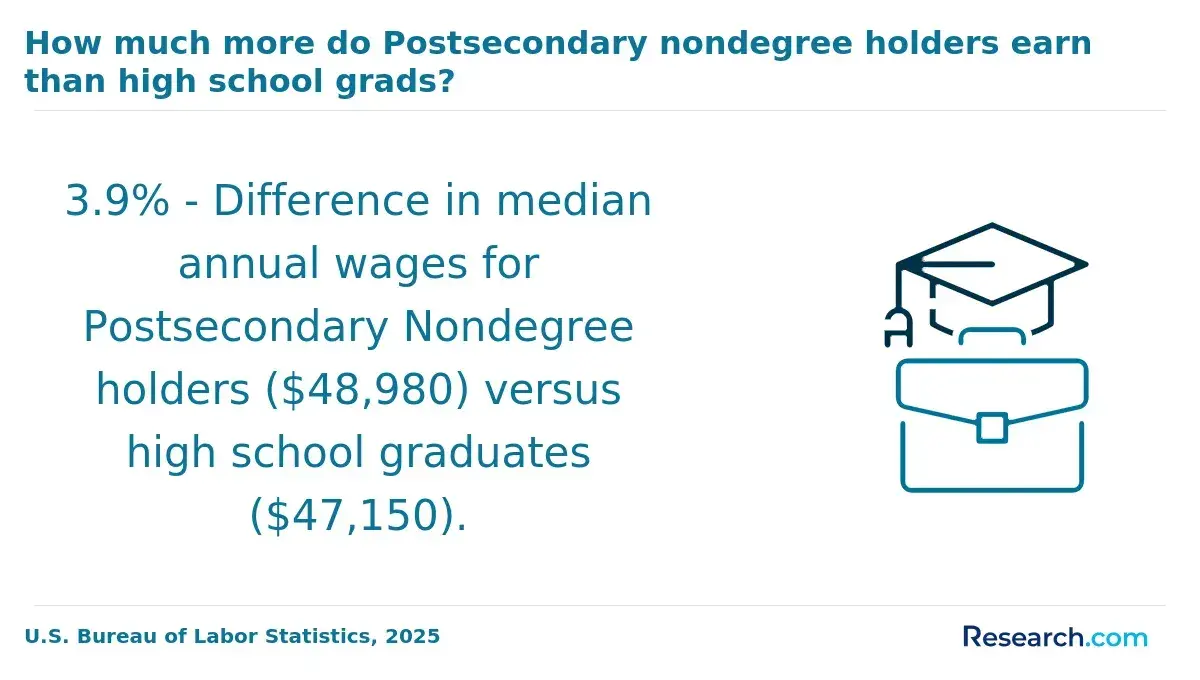
Salary outcomes depend on the role, industry, geography, employer size, prior experience, and whether the position requires licensure, research expertise, or executive responsibility. A doctorate can strengthen candidacy for some roles, but it does not automatically move someone into a higher salary band.
The BLS May 2024 wage data below is useful because many applied psychology doctorate graduates move into management, research, education, or behavioral health leadership rather than jobs with one single "applied psychologist" title. Treat these figures as role-level benchmarks, not degree-specific guarantees.
| Occupation or related leadership path | Median annual wage, May 2024 | How it connects to applied psychology |
| Medical and health services managers | $117,960 | Relevant for behavioral health, integrated care, clinical operations, and program leadership |
| Human resources managers | $140,030 | Relevant for talent strategy, employee relations, assessment, leadership development, and culture work |
| Training and development managers | $125,040 | Relevant for workforce learning, performance improvement, coaching systems, and leadership education |
| Management analysts | $101,190 | Relevant for consulting, organizational diagnosis, program evaluation, and change management |
| Psychologists, all other | $117,580 | Relevant for non-clinical psychology roles, consulting, research, and specialized applied practice |
| Postsecondary psychology teachers | $82,560 | Relevant for academic teaching and faculty roles, though pay varies substantially by institution and rank |
Job growth should also shape your decision. BLS projections for 2024 to 2034 show faster-than-average growth for medical and health services managers, which supports demand for leaders who can improve care delivery, workforce performance, and behavioral health operations. For doctorate applicants, that means a healthcare-focused applied psychology pathway may offer stronger market alignment than a general program if your goal is executive advancement in health or human services.
When estimating salary value, compare the doctorate against your realistic next role. If the degree helps you qualify for director-level leadership, consulting contracts, faculty promotion, or a specialized credential, the financial upside may be meaningful. If your target role mainly rewards operational experience or an MBA-style background, a psychology doctorate may still be valuable, but it should be chosen carefully and paired with evidence of business impact.
Which Skills Help Online Applied Psychology Doctorate Graduates Qualify for Executive Positions?
Senior-level hiring is skills-based as much as credential-based. An online applied psychology doctorate should help you demonstrate that you can diagnose complex human problems, evaluate evidence, lead change, and communicate with executives who may not have psychology training.
The most valuable executive skills are those that convert psychological expertise into measurable organizational results. These skills often matter more than the exact title printed on the degree.
- Research translation: Executives need leaders who can turn studies, assessments, and evaluation findings into practical recommendations.
- Program evaluation: Senior roles often involve proving whether a training, intervention, care model, or organizational change effort is working.
- People analytics: Applied psychology leaders increasingly work with survey data, assessment data, retention patterns, performance metrics, and workforce dashboards.
- Ethical decision-making: Doctoral training should strengthen judgment around privacy, assessment use, informed consent, equity, and high-stakes employment or clinical decisions.
- Change leadership: Senior leaders must manage resistance, build buy-in, and adapt interventions across departments or systems.
- Executive communication: The ability to write concise briefs, present findings, and influence non-specialist leaders is essential.
- Technology fluency: AI-assisted analytics, digital assessments, telehealth tools, and learning platforms increasingly affect how applied psychology work is delivered and evaluated.
AI is changing the field, but it is not replacing the need for doctoral-level judgment. In leadership settings, AI can help analyze text feedback, flag workforce patterns, support assessment workflows, or summarize program data. The senior professional's value lies in choosing valid methods, interpreting results responsibly, protecting privacy, and preventing overreliance on automated conclusions.
A strong doctorate program should give you artifacts you can show employers: applied research projects, assessment reports, evaluation plans, consulting proposals, publications, conference presentations, or leadership portfolios. These deliverables often make the credential easier for employers to understand.
Which Online Applied Psychology Doctorate Specializations Lead to the Best Leadership Opportunities?
The best specialization depends on where you want authority: organizations, healthcare, education, law, behavior analysis, sports, public policy, or academic research. Specialization matters because senior roles usually require domain credibility, not just general psychology knowledge.
The table below compares applied psychology concentrations by leadership opportunity. It can help you decide whether to choose a broad doctorate with electives or a narrower program with stronger professional identity.
| Specialization | Strongest leadership opportunities | Best fit for students who want to |
| Industrial-organizational psychology | Talent strategy, organizational development, people analytics, leadership consulting | Lead workforce systems and advise executives on behavior at scale |
| Applied behavior analysis | Behavioral services leadership, autism services administration, intervention program design | Direct evidence-based behavioral programs and supervise clinical or educational systems |
| Health psychology or behavioral health | Integrated care leadership, wellness strategy, patient engagement, behavioral health operations | Improve health outcomes using behavior-change science |
| Educational psychology or learning sciences | Academic administration, instructional design leadership, student success strategy, chief learning roles | Lead learning systems in schools, universities, or corporate environments |
| Forensic psychology | Correctional program leadership, legal consulting, risk assessment, public safety training | Apply psychology in justice, legal, or public-safety contexts |
| Quantitative or evaluation psychology | Research leadership, institutional effectiveness, assessment systems, policy evaluation | Use advanced methods to guide decisions and measure outcomes |
Behavior analysis is a good example of why specialization should match credential requirements. Professionals aiming for behavior-analytic leadership may compare a fastest BCBA program before deciding whether doctoral study is needed for executive administration, supervision, research, or university teaching.
If you are uncertain, choose a program with a broad applied psychology foundation plus electives that support your industry. If you already know your niche, a focused doctorate may help you build a clearer professional brand and a stronger network.
How Does an Online Applied Psychology Doctorate Support Career Advancement Into Executive Leadership?
An online applied psychology doctorate supports advancement when it helps you move from skilled practitioner or manager to evidence-based leader. The degree can add credibility, research authority, and strategic depth, but promotions usually depend on how well you connect doctoral work to organizational needs.
For working adults, the strongest advancement strategy is to treat the doctorate as a leadership platform rather than a standalone credential. The steps below can help you turn coursework and research into career momentum.
- Define the senior role you want before choosing a program, such as director of organizational development, behavioral health executive, faculty leader, chief learning officer, or senior consultant.
- Choose assignments and research topics that solve problems in your current industry, such as turnover, burnout, training effectiveness, behavioral intervention quality, or service access.
- Build a doctoral portfolio with executive-ready evidence, including reports, dashboards, presentations, policy briefs, publications, or program evaluations.
- Use residencies, faculty mentorship, and professional associations to build relationships beyond your current employer.
- Discuss promotion pathways with your employer early, especially if tuition assistance, schedule flexibility, or internal leadership opportunities may be available.
- Translate your dissertation or capstone into a business case that shows how your expertise can reduce risk, improve outcomes, or strengthen workforce performance.
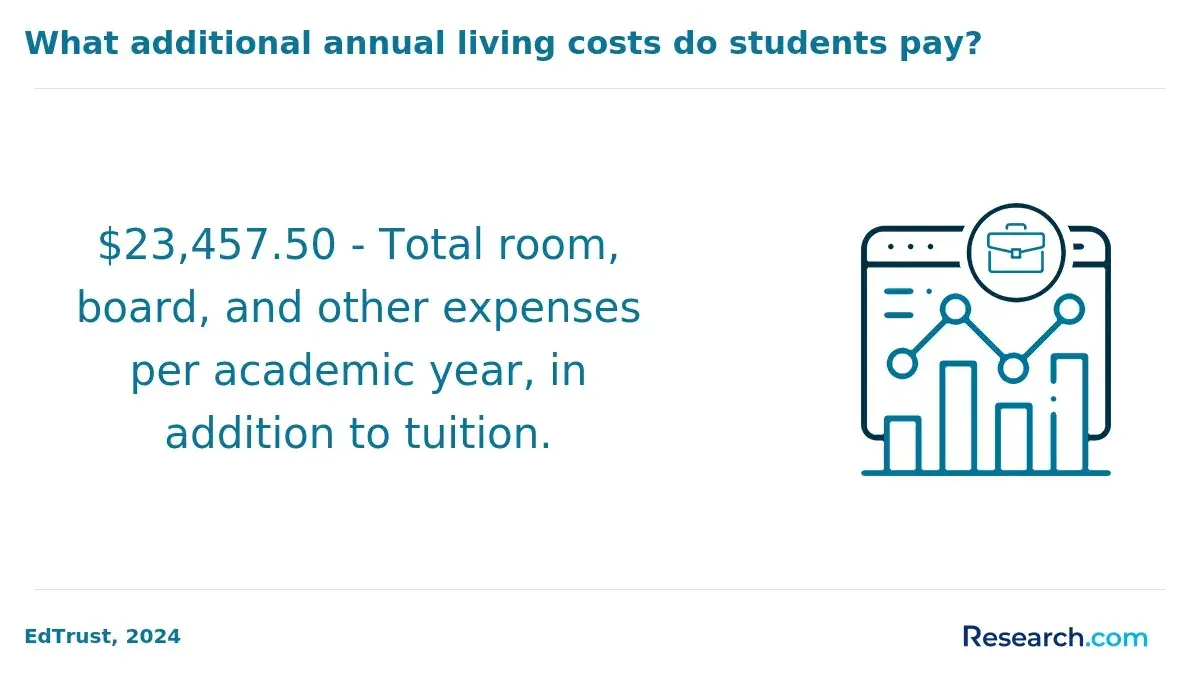
Online study can be particularly useful for midcareer professionals because it lets them keep earning, keep building leadership experience, and test doctoral ideas in real workplaces. However, the time commitment is substantial. Students should expect several years of advanced reading, writing, research, and project work, especially during the dissertation or capstone stage.
The main red flag is assuming that the doctorate will speak for itself. Senior executives often want to know what problem you can solve, what evidence you can interpret, and how your leadership improves results.
How Do Employers Evaluate Online Applied Psychology Doctorate Degrees for Senior-Level Positions?
Employers usually evaluate online doctorates by credibility, relevance, and demonstrated outcomes. Most senior hiring committees care less about the delivery format and more about whether the school is accredited, the program is rigorous, the candidate can lead, and the degree aligns with the role.
In licensure-sensitive roles, the evaluation is stricter. Clinical, counseling, and school psychology roles may require programmatic accreditation, supervised hours, exams, and state board approval. A non-licensure online applied psychology doctorate may be excellent for consulting or leadership but insufficient for psychologist licensure. Applicants should verify requirements with the relevant state board before enrolling.
Employers commonly look for several signals when reviewing candidates with online doctorates. These signals help distinguish a leadership-ready graduate from someone who has only completed coursework.
- Institutional accreditation: The school should be accredited by a recognized accreditor, and any licensure-oriented pathway should meet state and programmatic expectations where applicable.
- Program relevance: Coursework should match the job's priorities, such as organizational assessment, behavioral health systems, leadership development, evaluation, or research methods.
- Applied evidence: Dissertation, capstone, consulting, publication, or evaluation work should show practical impact.
- Leadership history: Senior roles usually require prior management, supervision, budget, program, or strategic responsibility.
- Professional reputation: Faculty expertise, alumni outcomes, practicum opportunities, and employer familiarity can influence how the degree is perceived.
- Communication quality: Employers may judge doctoral credibility by how clearly the candidate explains complex findings to non-specialists.
Online education has become more familiar to employers, especially for graduate programs serving working adults. Even so, candidates should be ready to explain program rigor: admission standards, residency or synchronous components, research expectations, faculty mentoring, and how the degree improved their leadership practice.
Which Professionals Benefit Most From an Online Applied Psychology Doctorate?
The professionals who benefit most are usually those with experience, a clear advancement goal, and a field where doctoral-level behavioral expertise is valued. The degree is less suitable for someone who is still exploring basic career direction or expecting the credential alone to create an executive pathway.
An online applied psychology doctorate may be a strong fit for several types of professionals. These groups are already positioned to apply doctoral learning in ways employers can recognize.
- Midcareer managers: Professionals leading teams, programs, training, or operations can use doctoral research to solve higher-level organizational problems.
- Behavioral health and human services leaders: Program directors and clinical administrators may benefit from advanced training in behavior change, evaluation, ethics, and systems leadership.
- HR, talent, and learning professionals: Leaders in assessment, employee experience, leadership development, and organizational culture can use applied psychology to strengthen strategic influence.
- Educators and student support leaders: Academic administrators, instructional leaders, and student success professionals can apply psychological science to learning, motivation, and development.
- Consultants and coaches: A doctorate can strengthen credibility when paired with measurable consulting outcomes and a defined niche.
- Researchers and analysts: Professionals who want senior research, evaluation, or policy roles may benefit from doctoral-level methodology training.
Professionals focused on children, adolescents, schools, or family-serving systems may first evaluate child psychology master's programs before moving into doctoral study for senior program leadership, research, or policy work.
You may want to delay or avoid the doctorate if your target role does not reward doctoral preparation, if the program would require unsustainable debt, or if you need a license the program does not support. In those cases, a specialized master's, certificate, MBA, public health degree, licensure pathway, or employer-sponsored leadership program may be more efficient.
What Is the Return on Investment of an Online Applied Psychology Doctorate for Senior-Level Careers?
The ROI of an online applied psychology doctorate is strongest when the degree produces a clear professional gain: promotion eligibility, movement into a higher-paying leadership track, consulting revenue, academic advancement, licensure progress, or authority in a specialized field. ROI is weakest when tuition is high, completion takes longer than expected, or the target role does not require doctoral-level expertise.
Use ROI as a decision framework rather than a simple salary calculation. Doctoral programs have direct costs, opportunity costs, and time costs, but they can also create non-salary returns such as professional credibility, research capability, teaching opportunities, and eligibility for senior committees or expert roles.
The table below summarizes common ROI factors. It is designed to help you compare programs beyond advertised tuition or rankings.
| ROI factor | Why it matters | How to evaluate it |
| Total program cost | Tuition, fees, residencies, books, technology, and dissertation continuation fees can change affordability | Request a full cost estimate through expected completion, not just per-credit tuition |
| Time to completion | Longer enrollment can increase costs and delay career benefits | Ask for median completion time and dissertation or capstone completion support |
| Employer support | Tuition assistance, schedule flexibility, or internal promotion pathways can improve ROI | Confirm annual reimbursement limits and any work-commitment requirements |
| Career alignment | A well-matched specialization is more valuable than a general credential with unclear use | Map required courses to your target job descriptions |
| Credential requirements | Some roles require licensure, board certification, supervised hours, or programmatic accreditation | Verify requirements before enrollment with state boards, employers, or professional organizations |
| Network value | Executive advancement often depends on mentors, alumni, faculty, and professional visibility | Ask about cohort structure, alumni roles, conferences, residencies, and faculty accessibility |
One current financial trend is that graduate students are paying closer attention to program-level value and debt outcomes. The U.S. Department of Education's College Scorecard now provides program-level debt and earnings information for many graduate programs, though coverage and comparability vary by field. Prospective doctoral students should use that data carefully, alongside employer expectations and their own career plan.
A practical ROI test is simple: identify the role you want, estimate the credential's value in that market, calculate total cost through completion, and compare the doctorate with alternative credentials. If the doctorate is not connected to a real advancement path, the risk of low ROI rises.
How Should Students Choose the Best Online Applied Psychology Doctorate Program for Executive Career Goals?
Students should choose an online applied psychology doctorate by starting with the executive role they want and working backward to the degree type, specialization, accreditation, research model, and cost structure. A "best" program is not universal; it is the program that fits your career target, learning needs, and financial limits.
Use the following process to compare programs before applying. It will help you avoid choosing based only on name recognition, convenience, or marketing language.
- Write a target-role statement that names the role, industry, and level you want within five to seven years after graduation.
- Identify whether the role requires licensure, certification, faculty qualifications, research experience, consulting experience, or executive management experience.
- Compare doctorate types and eliminate programs that do not match your intended pathway.
- Review accreditation carefully, including institutional accreditation and any programmatic accreditation relevant to your licensure or professional goal.
- Ask admissions counselors for total cost, typical completion time, residency requirements, dissertation or capstone expectations, and student support resources.
- Review faculty profiles and confirm that at least two faculty members have expertise related to your intended research or leadership niche.
- Ask about alumni outcomes, not just broad career possibilities, and look for graduates in roles similar to your target path.
- Evaluate flexibility realistically by comparing weekly workload, synchronous requirements, comprehensive exams, research milestones, and dissertation support.
- Check whether your employer offers tuition assistance, promotion pathways, paid research access, or schedule flexibility.
- Compare the doctorate with alternatives such as an MBA, MPH, education doctorate, specialized certificate, licensure program, or master's degree before committing.
Students interested in clinical leadership should be especially careful. Comparing online clinical psychology masters can clarify whether your next step should be licensure preparation, doctoral clinical training, or a non-licensure applied psychology doctorate focused on administration and leadership.
Common mistakes include assuming a doctorate guarantees promotion, ignoring licensure rules, underestimating dissertation time, choosing a research doctorate when an applied doctorate fits better, overlooking employer recognition, and focusing only on salary instead of leadership fit. The safest choice is a program you can clearly connect to a role, an employer need, and a realistic plan for advancement.
Other Things You Should Know About Applied Psychology
No. Applied psychology is a broad field focused on using psychological science to solve real-world problems. Clinical psychology is one applied area focused on assessment, diagnosis, and treatment of mental health conditions. Some applied psychology doctorates are non-licensure programs, so students seeking clinical practice authority must verify state and program requirements.
It depends on state law. Many states restrict the title "psychologist" to people who meet specific education, supervised experience, examination, and licensure requirements. A doctorate alone may not be enough, especially if the program is not designed for licensure.
Many do, but not all use the same model. PhD programs commonly require a traditional dissertation, while applied doctorates may require a dissertation in practice, capstone, doctoral project, or applied research study. Students should ask how long the final project typically takes and what support is provided.
Some programs require a relevant master's degree, while others admit students with a bachelor's degree and include master's-level coursework along the way. Admissions requirements vary, but competitive applicants often have professional experience, strong writing skills, research readiness, and clear career goals.
References
- What Do Psychologists Earn? Highest Paying Psychology Jobs | Walbrook https://www.walbrook.ac.uk/subjects/psychology/psychologist-salaries-highest-paying-jobs/
- Best Accredited Online Psy.D. Programs | Psychology.org https://www.psychology.org/rankings/best-online-psyd-degree-programs/
- Psychologist Salary and Career Outlook https://teach.com/online-ed/psychology-degrees/online-masters-in-psychology/career-outlook/
- Psychology Accreditation: What you need to know https://www.onlinepsychologydegrees.com/articles/accreditation/
- Compare Counseling And Psychology Accreditation https://www.accreditedschoolsonline.org/psychology/resources/accreditation/
- Industrial Organizational Psychology Salary Guide 2026 https://psydprograms.org/how-much-do-industrial-organizational-psychologists-make/
- 2026 Best Online Doctorates in Psychology https://www.onlineu.com/degrees/doctoral-psychology
- A Definitive Guide to Psychology Graduate Degrees and Trending Career Opportunities https://paloaltou.edu/resources/blog/definitive-guide-psychology-graduate-degrees-and-trending-career-opportunities
- Online and Hybrid PhD & PsyD Programs in Psychology https://www.psychologist-license.com/phd/
- Essential Skills Gained from a Psychology PhD https://www.lemon8-app.com/@naia_papaia/7447579677683843630





