2027 Online Accounting Doctorate vs Master's Degree: Cost, Salary, Career Outcomes, and ROI

Co-Founder and Chief Data Scientist
Choosing between an online accounting doctorate and a master's degree is really a question of return: how much more time, tuition, and career risk should you take on for the roles you want? The stakes are high because BLS data shows the median annual wage for accountants and auditors was $81,680 in May 2024, while senior finance and academic roles can follow very different salary paths.
This guide is for working accountants, career changers, CPA-track students, and aspiring faculty who want a practical comparison of cost, salary potential, career outcomes, opportunity cost, and ROI.
Key Things You Should Know
- A master's in accounting usually offers the faster ROI path because it commonly takes about one to two years, can support CPA eligibility, and aligns with roles such as senior accountant, auditor, controller-track professional, tax specialist, or financial analyst.
- An accounting doctorate can be worthwhile when the target outcome requires doctoral-level credibility, such as tenure-track teaching, accounting research, consulting authority, or senior academic administration, but the additional years of study create a larger opportunity cost.
- BLS May 2024 wage data places accountants and auditors at a median annual wage of $81,680 and financial managers at $161,700, so the best financial choice depends less on degree title alone and more on whether the credential changes the roles you can realistically obtain.
What Are the Key Differences Between an Online Accounting Doctorate and Master's Degree?
An online accounting master's degree is usually a career-advancement credential, while an online accounting doctorate is an advanced leadership, research, or teaching credential.
The practical difference is not just "higher degree versus lower degree"; it is whether you need deeper theory, original research, and doctoral-level specialization to reach your career goal.
A master's degree in accounting, taxation, forensic accounting, or accounting analytics often helps students meet advanced technical requirements, prepare for CPA eligibility, and move into higher-responsibility accounting roles.
If you are still comparing foundational options, an online accounting degree can also be a useful starting point before committing to graduate study.
The table below summarizes the main decision points. Use it to identify whether your goal is mainly professional advancement or access to doctoral-level roles:
| Comparison factor | Online accounting master's degree | Online accounting doctorate |
| Typical purpose | Build advanced accounting, audit, tax, analytics, or CPA-aligned skills | Develop research, teaching, executive, consulting, or specialized expertise |
| Common degree types | Master of Accounting, MS in Accounting, MS in Taxation, MBA with accounting concentration | DBA in Accounting, PhD in Accounting, Doctor of Accounting, EdD with accounting or business education focus |
| Best fit | Students seeking faster promotion, CPA readiness, or a pivot into accounting | Professionals seeking faculty roles, research careers, high-level consulting, or advanced leadership credibility |
| Academic focus | Applied coursework, cases, technical accounting, analytics, regulation, and ethics | Research methods, theory, dissertation or doctoral project, advanced specialization |
| Admissions profile | Bachelor's degree, transcripts, possible accounting prerequisites, resume, recommendations | Master's degree often preferred or required, professional experience, research interests, writing sample, interview |
| Credential risk | Lower time and cost risk if the program matches CPA or employer requirements | Higher risk if the career goal does not require doctoral-level preparation |
A common mistake is assuming the doctorate is automatically the "better" version of the master's degree. In accounting, the better credential is the one that matches the role: many corporate accounting, audit, tax, and controllership paths value CPA licensure and experience more than a doctorate.
How Much Does an Online Accounting Doctorate Cost Compared With a Master's Degree?
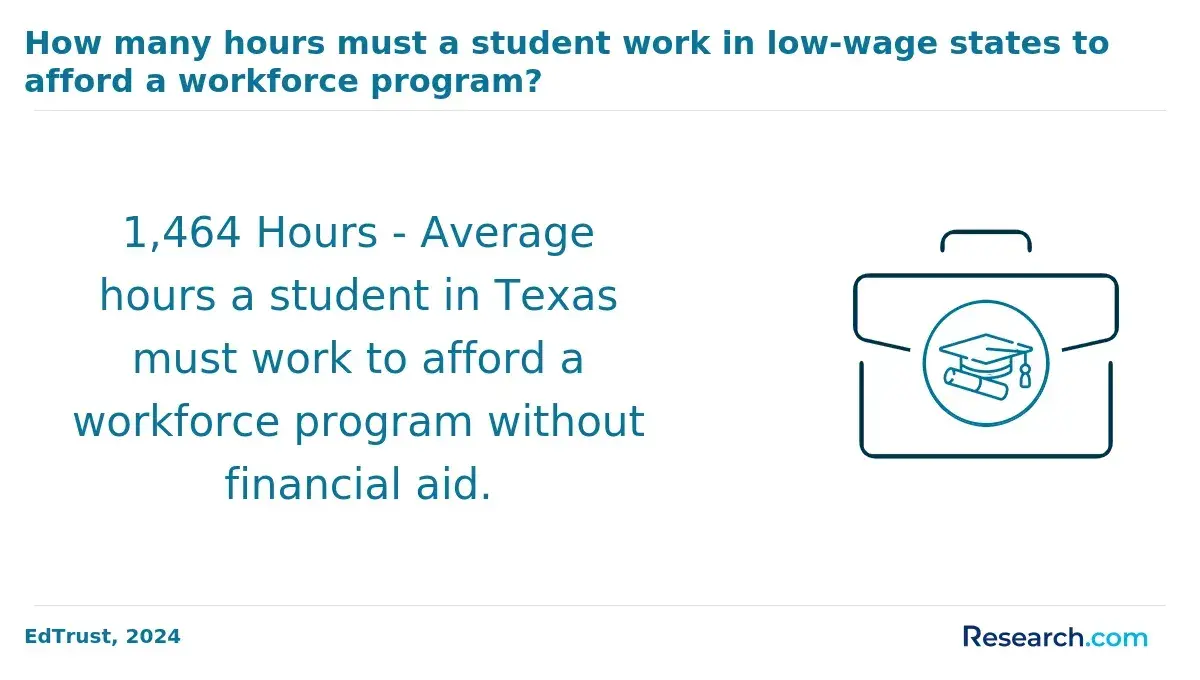
An online accounting doctorate usually costs more in total because it requires more credits, more semesters, and often dissertation or doctoral project fees. A master's degree can still be expensive, but its shorter timeline typically reduces tuition exposure, fees, and the period during which students may need to reduce work hours.
For a realistic comparison, do not look only at per-credit tuition. Total cost includes tuition, required fees, books, residencies, technology fees, exam preparation, travel, and the cost of any time taken away from work.
The table below shows how cost drivers usually differ. It does not assign one universal price because online tuition varies widely by institution, residency status, public versus private control, and whether the student receives employer or institutional support:
| Cost factor | Master's degree impact | Doctorate impact |
| Credits required | Usually lower, often concentrated in advanced coursework | Usually higher because of research methods, seminars, dissertation, or doctoral project requirements |
| Time enrolled | Shorter enrollment period reduces total fees and financing time | Longer enrollment increases exposure to annual fee increases and recurring costs |
| Residency or immersion costs | Less common, though some programs require campus or conference activities | More common in professional doctorates and hybrid doctoral formats |
| Lost work income | Lower if the student studies part time while working | Higher if research, teaching, or dissertation work reduces work capacity |
| Licensure or exam costs | May include CPA review, exam fees, and state board requirements | May still include CPA-related costs, but the doctorate itself does not replace licensure |
Before enrolling, calculate your total program price using the same formula for both degrees. That makes the comparison fair and prevents underestimating the doctorate's true cost:
- Multiply required credits by tuition per credit.
- Add mandatory university, technology, graduation, and online learning fees.
- Add books, software, database access, CPA review materials, residency travel, and exam-related costs if applicable.
- Estimate any income reduction from cutting work hours, pausing a promotion search, or delaying a job change.
- Subtract scholarships, assistantships, employer tuition support, military benefits, or tuition waivers that do not need to be repaid.
The biggest red flag is comparing a low per-credit doctoral tuition rate against a master's total price without considering the extra years. A doctorate can look affordable per term but become less favorable once dissertation time, continuation fees, and opportunity cost are included.
How Long Does a Accounting Doctorate Take Compared With a Master's Degree?
A master's in accounting is usually the shorter route. Many online master's programs are designed for completion in about one to two years, depending on prerequisites, course load, and whether the student attends full time or part time.
An online accounting doctorate generally takes several years because doctoral students must move beyond coursework into research design, comprehensive exams, dissertation proposals, data analysis, and final defense or doctoral project completion.
Even when coursework is online, the dissertation stage can extend the timeline if the student changes topics, loses committee alignment, or has limited research time.
The table below compares the timeline elements that matter most for working adults. These differences affect not only graduation date but also salary timing and ROI:
| Timeline factor | Online master's degree | Online doctorate |
| Typical pacing | Often structured around eight-week, ten-week, or semester courses | Often includes coursework followed by independent research or doctoral project work |
| Work compatibility | Usually easier to complete while employed full time | Possible while working, but research demands can be unpredictable |
| Milestone risk | Usually course completion and capstone or final project | Comprehensive exams, proposal approval, IRB approval when applicable, dissertation defense |
| Delay risk | Prerequisites, course availability, or part-time pacing | Dissertation topic changes, committee feedback, data access, and motivation during independent work |
Students who want faster advancement should usually prioritize the master's unless a doctorate is clearly required for their target role. Students considering a doctorate should ask programs for median completion time, not just the shortest advertised timeline.
Salary differences depend more on job function, industry, CPA status, management responsibility, and experience than on degree level alone. A doctorate may support access to faculty, research, consulting, or executive-adjacent roles, but a master's plus CPA licensure and strong experience can be enough for many high-paying accounting and finance jobs.
BLS May 2024 data reported a median annual wage of $81,680 for accountants and auditors. That figure is a useful baseline because many master's graduates remain within accounting, audit, tax, and compliance tracks where experience and licensure drive salary progression.
The table below shows salary context by role rather than promising outcomes by degree. Use it to evaluate whether the degree you are considering leads to a materially different job family:
| Role or career area | Degree most commonly aligned | Salary context | Decision meaning |
| Staff, senior, audit, or tax accountant | Master's, often with CPA eligibility | Accountants and auditors had a BLS median annual wage of $81,680 in May 2024 | A doctorate is usually unnecessary for core practice roles |
| Controller or accounting manager track | Master's, CPA, experience | Pay varies strongly by employer size, industry, and management scope | Leadership experience may matter more than doctoral study |
| Financial manager or finance leadership | Master's, MBA, CPA, CMA, or experience | Financial managers had a BLS median annual wage of $161,700 in May 2024 | Graduate business training can pay off if it leads to management responsibility |
| College teaching or accounting research | Doctorate, especially PhD for research-intensive universities | Compensation varies by institution type, tenure status, and discipline demand | The doctorate may be necessary for access, not just salary growth |
| Expert consulting or litigation support | Master's or doctorate, depending on niche credibility | Income depends on reputation, client base, certifications, and specialization | A doctorate may help credibility but does not replace market demand |
A practical salary comparison should begin with the job title you want, not the degree name. If the job postings you are targeting list "master's preferred" and "CPA required," a doctorate may add cost without changing your immediate salary ceiling.
A master's degree is usually strongest for professional accounting mobility, while a doctorate can unlock specialized academic, research, and high-credibility consulting paths. The important question is whether the doctorate opens a door that would otherwise remain closed.
For many accounting professionals, a master's supports movement into senior accounting, audit, tax, advisory, forensic accounting, government accounting, compliance, and controller-track roles.
Students entering from a more technical or entry-level background may also pair graduate study with a bookkeeping certification or accounting prerequisites before moving into more advanced work.
The list below separates roles where a doctorate may meaningfully change access from roles where a master's is often sufficient:
- Roles where a master's is often enough: senior accountant, tax manager, audit manager, financial reporting specialist, internal auditor, budget analyst, accounting systems analyst, and controller-track professional.
- Roles where a doctorate may matter: tenure-track accounting professor, accounting researcher, doctoral-level business faculty member, academic program director, high-level methodology consultant, or expert witness in specialized accounting disputes.
- Roles where credentials compete with experience: CFO-track leadership, consulting partner, forensic accounting expert, compliance executive, and advisory practice leader, where CPA status, client results, industry expertise, and leadership history can outweigh degree level.
The fastest way to test the career value of a doctorate is to review current job postings for your target role. If most postings require a CPA, audit experience, ERP knowledge, analytics skills, or industry specialization but do not require a doctorate, a master's may offer better career efficiency.
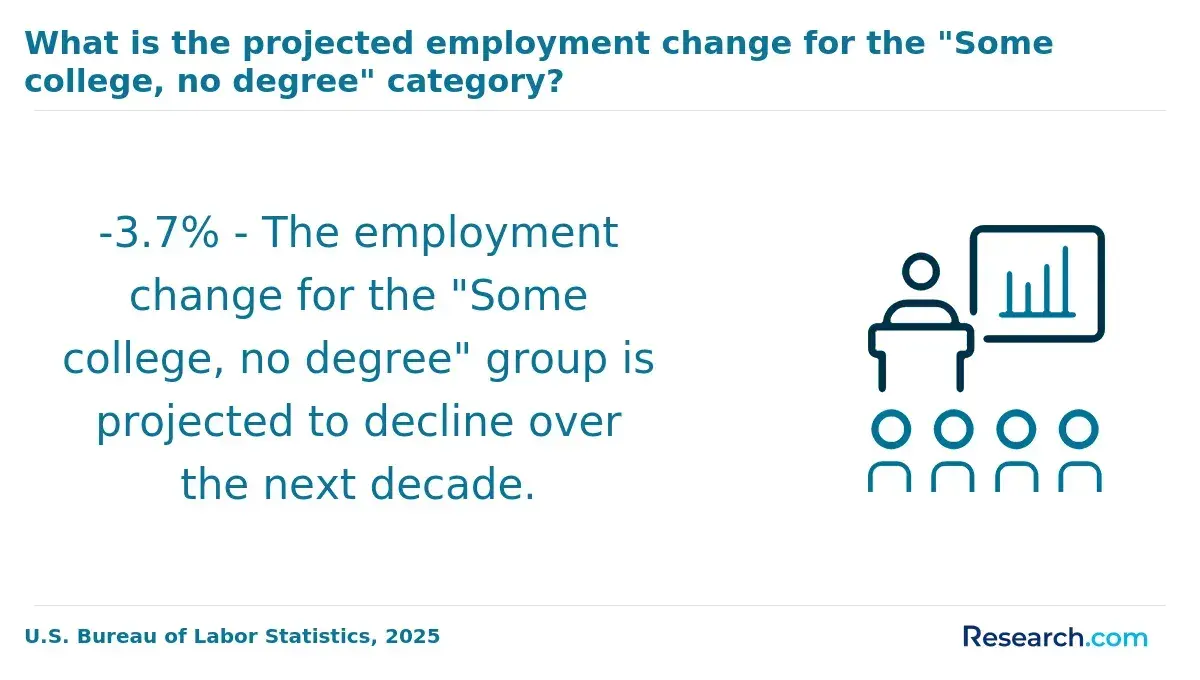
For many accounting professionals, the master's degree has the stronger near-term ROI because it costs less, takes less time, and aligns with common employer requirements.
The doctorate can have better strategic ROI only when it changes the career path in a way the master's cannot, such as entering academia, building a research profile, or developing a consulting niche where doctoral authority matters.
ROI should be measured as more than salary gain. It includes total cost, time to completion, probability of achieving the target role, debt burden, job flexibility, and nonfinancial value such as teaching, research, autonomy, or professional identity.
The table below gives a practical ROI view by goal. It helps distinguish when "more education" actually creates more value:
| Primary goal | Likely stronger ROI | Why |
| Qualify for CPA-related advancement | Master's degree | It can help meet graduate credit expectations without the extra doctoral timeline |
| Move into senior corporate accounting | Master's degree | Employers often prioritize accounting experience, CPA status, systems skills, and leadership |
| Teach full time at a university | Doctorate | Many full-time faculty roles require or strongly prefer doctoral preparation |
| Conduct accounting research | Doctorate | Research training and dissertation work are central to the career path |
| Build a niche consulting authority | Depends | A doctorate may help credibility, but client results and specialization still drive income |
To compare ROI, use a simple break-even method. Estimate the additional annual income or career value the degree may create, then divide the net cost by that annual benefit. If the doctorate costs substantially more and does not change your target role, its break-even period may be too long to justify financially.
Opportunity cost is the value of what you give up while pursuing a degree. In accounting education, it can be more important than tuition because time spent in school may delay promotions, CPA preparation, leadership experience, business development, or higher-paying job moves.
The doctorate has a higher opportunity cost because it usually requires more years and deeper independent work. Even if the program is online and part time, doctoral study can reduce the time available for high-impact career activities such as managing teams, taking on complex audit engagements, learning data analytics tools, or building a consulting client base.
Use the steps below to estimate opportunity cost before choosing a degree. This is especially important if you plan to keep working while enrolled:
- List the promotions, job changes, or certification milestones you may delay during the program.
- Estimate the income difference between staying in your current role and moving into the next realistic role sooner.
- Account for reduced overtime, consulting work, bonuses, or client development during heavy coursework or dissertation periods.
- Compare the shorter master's timeline against the longer doctoral timeline using the same assumptions.
- Decide whether the doctorate creates access to a role that offsets the delayed earnings and slower career movement.
A common mistake is treating online study as "no opportunity cost" because the student does not leave the workforce. Online programs reduce relocation and commuting costs, but they still require time, attention, and trade-offs that can affect career momentum.
Funding can change the ROI equation dramatically. A partially funded doctorate with tuition support may be more attractive than a full-price doctorate, while an expensive master's funded mostly by loans may have weaker ROI than expected.
Federal graduate borrowing costs have also become a major planning issue. For loans first disbursed during the 2024-25 federal aid year, Direct Unsubsidized Loans for graduate students carried an 8.08% fixed interest rate, and Grad PLUS Loans carried a 9.08% fixed interest rate. At those rates, borrowing heavily for a degree that does not change your job prospects can erode the financial benefit.
Students comparing accounting programs with broader business options should evaluate tuition support across departments, especially if the career goal overlaps with finance, analytics, or management; an online business degree may sometimes fit leadership goals at a lower total cost.
Before committing, ask each school direct funding questions. The answers should be specific, written, and tied to your enrollment plan:
- What is the total estimated cost of attendance for the full program, not just one academic year?
- Are scholarships, assistantships, tuition discounts, or employer partnerships available to online students?
- Does funding continue during dissertation, capstone, or continuation enrollment?
- What percentage of students finish within the advertised timeline, and what fees apply if they do not?
- Will employer tuition reimbursement require you to stay with the company for a set period after graduation?
- How much federal or private debt would you need, and what would the estimated monthly payment be after graduation?
The biggest debt red flag is using loans to fund a doctorate mainly for prestige when your target employers do not reward doctoral credentials. Borrowing may be reasonable when the credential is essential to the job path, but it is risky when the expected benefit is vague.
Not all doctorates serve the same purpose. A professional doctorate, such as a DBA in Accounting, is usually designed for experienced professionals applying research to practice. A PhD in Accounting is typically more research-intensive and often better aligned with tenure-track faculty roles at research universities.
A master's degree is different because it focuses less on creating original research and more on advanced professional competence. Students who want executive development rather than accounting scholarship may also compare related business graduate paths, such as an MBA operations management online, if their goals include process improvement, systems leadership, or operational finance.
The table below clarifies the practical differences among the three paths. This matters because choosing the wrong doctorate type can limit the very outcome you hoped to gain:
| Credential | Main focus | Best fit | Potential limitation |
| Master's in accounting | Advanced accounting practice, tax, audit, analytics, regulation, and CPA-aligned coursework | Professionals seeking faster advancement or CPA credit alignment | May not qualify for research faculty roles that require a doctorate |
| DBA in Accounting | Applied research, executive problem-solving, consulting, and practice-based scholarship | Experienced professionals seeking credibility in leadership, teaching, or consulting | May not be viewed the same as a PhD for some research-intensive faculty roles |
| PhD in Accounting | Original research, theory, quantitative or archival methods, publication, and academic scholarship | Aspiring tenure-track professors and researchers | Longer, more research-heavy path that may be less practical for corporate advancement |
When comparing programs, check accreditation, faculty research fit, dissertation expectations, online residency requirements, and graduate placement. A doctorate that lacks faculty support in your research area can become expensive even if tuition looks competitive.
When Is a Accounting Doctorate Worth It Instead of a Master's Degree?
An accounting doctorate is worth considering when it is tied to a specific career outcome that a master's degree is unlikely to deliver. It is usually not worth the added cost and time if your main goal is a standard accounting promotion, CPA eligibility, or a move into corporate accounting management.
Choose the doctorate only after you can answer the practical questions below. They help separate a strategic doctoral decision from an expensive credential upgrade:
- Do your target jobs require or strongly prefer a doctorate?
- Are you interested in research, teaching, publishing, or advanced consulting enough to sustain several years of doctoral work?
- Can you complete the program without taking on debt that would limit your career flexibility?
- Does the program have faculty, methods training, and dissertation support that match your topic?
- Will the doctorate create access to a new career category, not just add letters after your name?
A master's degree is usually the better choice if you want a faster path to CPA-related advancement, technical accounting depth, a career change into accounting, or preparation for management roles where employers prioritize experience and licensure. It is also often the safer ROI choice for students who cannot clearly define a doctoral-level outcome.
A doctorate is more defensible if you want full-time university teaching, applied or academic research, specialized consulting authority, or senior education leadership. Even then, compare funded and self-funded options carefully, because doctoral ROI changes sharply when tuition support, completion time, and lost earnings are included.
Other Things You Should Know About Accounting
It may add graduate credits, but it does not replace state CPA requirements. CPA rules vary by state and commonly involve education hours, accounting coursework, exams, ethics requirements, and supervised experience, so always check your state board before enrolling.
Many employers accept online degrees when they come from accredited institutions with credible accounting or business programs. The school's accreditation, curriculum, faculty quality, and alignment with CPA or employer expectations usually matter more than whether classes were online.
Yes. Institutional accreditation is essential for federal financial aid and broad degree recognition, while business or accounting accreditation can add credibility. For CPA-track students, the most important step is confirming that the coursework satisfies the relevant state board's education rules.
AI is automating some routine bookkeeping, reconciliation, and data-entry tasks, but it is also increasing demand for accountants who can interpret systems, evaluate controls, analyze data, and explain financial risk. Graduate study is most valuable when it builds judgment, analytics, ethics, and advisory skills rather than only repeating basic accounting content.
- 15 Accounting Careers: Undergraduate & Graduate Paths https://www.baypath.edu/news/bay-path-university-blogs/post/15-accounting-careers-undergraduate-graduate-paths/
- Master vs. PhD: Salary, Jobs & Time, The Big Differences https://www.applykite.com/blog/phd-guide-master-vs-phd
- How To Calculate The ROI Of Your College Degree | Bankrate https://www.bankrate.com/loans/student-loans/roi-college-degree/
- European Online University Accreditation Explained - MIA Digital University https://miauniversity.com/european-online-university-accreditation/
- The Importance of Accreditation on Your Way to CPA : ThisWayToCPA : AICPA https://www.thiswaytocpa.com/education/articles/choosing-well/importance-accreditation-your-way-cpa-hood/
- ACCA vs Degree: Which Is the Better Route Into Accounting? https://www.learnsignal.com/blog/acca-vs-degree/
- Is Grad School Worth It? A Comprehensive Return on Investment Analysis - FREOPP https://freopp.org/whitepapers/is-grad-school-worth-it-a-comprehensive-return-on-investment-analysis/
- Most Affordable Online Accounting Master's Programs 2025 https://www.accounting.com/degrees/accounting/masters/most-affordable/
- Is College Worth it? | Return on Investment Analysis of College Degree https://educationdata.org/college-degree-roi
- Graduate degrees pay—but it’s complicated | Brookings https://www.brookings.edu/articles/graduate-degrees-pay-but-its-complicated/