2027 Online Accounting Bachelor's Degree Programs With No Prerequisites

Co-Founder and Chief Data Scientist
Changing into accounting can be difficult when a program assumes you already completed college math, business, or introductory accounting courses. For adults with unrelated degrees, people returning to college, first-generation students, and workers who cannot pause their careers, those prerequisites can add time, cost, and uncertainty before the real degree even begins.
Online accounting bachelor's degree programs with no prerequisites are designed to reduce that barrier. They typically admit students without prior accounting coursework and build the needed foundations into the degree plan through general education, business core, math preparation, tutoring, advising, or bridge-style courses. The Bureau of Labor Statistics projects a 7% growth in accounting jobs through 2031, so accessible pathways matter for learners who want a practical route into bookkeeping, auditing, tax, corporate accounting, payroll, financial analysis, or future CPA-aligned study.
This guide explains what “no prerequisites” actually means, how it differs from open admission, what accredited programs may require, how students catch up academically, and how to compare tuition, completion time, transfer credit, and support services before enrolling.
Key Benefits of Online Accounting Bachelor's Degree Programs With No Prerequisites
- Flexible online formats allow working professionals to balance studies with job and family commitments, making degree completion feasible without career disruption.
- Programs often offer accelerated pathways enabling faster skill development, helping learners quickly transition into accounting roles or advance existing expertise.
- No-prerequisite degrees reduce barriers, letting students earn valuable accounting credentials on schedules and budgets tailored to their personal and financial needs.
What Does 'No Prerequisites' Mean for Online Accounting Bachelor's Degree Programs, and Who Benefits Most?
In an online accounting bachelor's program, “no prerequisites” usually means you do not need to complete specific college courses before admission, such as financial accounting, college algebra, economics, or business law. It does not always mean the school accepts every applicant, and it does not mean the degree is easier. Instead, the program places foundational coursework inside the degree plan so students can start from the beginning and progress into upper-division accounting topics over time.
This is different from open admission, which generally means applicants with a high school diploma or GED can enroll without competitive GPA, test-score, or prior-college requirements. It also differs from low-barrier enrollment, where a school may still require placement testing, basic skills review, or conditional admission before a student can take certain courses.
Who benefits most from no-prerequisite accounting programs?
- Career changers: Adults moving from retail, healthcare, education, administration, military service, or another field can begin accounting study without first taking separate prerequisite courses elsewhere.
- Working adults: Online formats make it easier to study around employment, caregiving, and family schedules, especially when courses are asynchronous or offered in shorter terms.
- Returning students: Learners who started college years ago but did not finish may be able to re-enter higher education without rebuilding an academic record from scratch.
- First-generation college students: Removing prerequisite rules can simplify the admissions process and reduce confusion about which courses must be completed first.
- Students with unrelated degrees: A prior degree in another field may not include accounting coursework, but it can still demonstrate college readiness and may help with transfer credit.
According to the National Center for Education Statistics (NCES), non-traditional students-typically aged 25 and older or enrolled part-time while managing jobs and families-constitute a growing share of online degree seekers. For these students, the best no-prerequisite programs combine access with structure: clear degree maps, required foundations, reliable tutoring, and honest advising about workload and career outcomes.
As you compare options, focus on five practical questions:
- Admission accessibility: Does the program truly allow entry without prior accounting coursework, or does it simply shift prerequisites into the first term?
- Program quality: Is the university regionally accredited, and does the accounting curriculum cover the business and accounting core expected by employers?
- Financial support: Can students use federal aid, employer tuition benefits, scholarships, or transfer credit to reduce the total cost?
- Student resources: Are tutoring, advising, library access, writing help, and career services available online and at times that work for adult learners?
- Career alignment: Does the degree support your target role, and if you plan to pursue CPA eligibility, does the program help you understand state-specific education rules?
Students comparing flexible credential pathways across fields may also find it useful to review how access and online delivery are handled in online BCBA certification programs.
Which Accredited Online Accounting Bachelor's Programs Accept Students With No Prior College Coursework?
Several regionally accredited institutions offer online accounting bachelor's pathways that can begin with no prior college coursework. These programs typically do one of two things: they admit students directly into a full bachelor's curriculum that starts with general education and introductory business courses, or they include bridge-style foundations before more advanced accounting classes.
When reviewing schools, do not rely only on the phrase “no prerequisites.” Confirm the admission policy, accreditation, course sequence, total credits required, transfer rules, and whether foundational courses count toward the degree or add extra cost.
- Western Governors University: This nonprofit university uses a competency-based learning format, allowing students to advance at their own pace. Its online accounting bachelor's program admits students without previous college credits and includes foundational courses to develop essential accounting skills. WGU is regionally accredited by the Northwest Commission on Colleges and Universities and serves around 130,000 active students nationwide.
- Fort Hays State University: Regionally accredited by the Higher Learning Commission, Fort Hays State offers a Bachelor of Science in business education with an emphasis in accounting, fully online. The program welcomes applicants with no prior coursework, incorporating prerequisite business and math classes within degree requirements. Its online enrollment exceeds 7,000 students, complemented by academic support and financial aid services tailored for adult learners.
- Southern New Hampshire University: SNHU's online Bachelor of Science in accounting admits students without previous college credits, providing integrated foundational courses in business and mathematics. Accredited by the New England Commission of Higher Education, SNHU enrolls over 150,000 online learners and offers advising, flexible payment plans, and credit transfer options.
- Liberty University: This large evangelical institution, accredited by the Southern Association of Colleges and Schools Commission on Colleges, provides an online Bachelor of Science in accounting that accepts students without prior college coursework. Liberty emphasizes tutoring, career services, and financial aid, with optional foundational courses available to help students build necessary skills.
- American Public University System: Accredited by the Higher Learning Commission, this system offers an online Bachelor of Science in accounting designed for students without prerequisites. Featuring open enrollment and integrated bridge coursework, it supports about 33,000 students with a flexible schedule suited for working adults.
How to compare these programs
The strongest option is not always the fastest or cheapest advertised program. Look for a school that is transparent about required credits, accounting course coverage, faculty access, technology requirements, and career support. If you plan to pursue graduate study or CPA-related coursework later, regional accreditation and transferability should carry significant weight.
Students exploring online professional degrees in other disciplines can also compare how admissions transparency and student support are presented in online MFT programs.
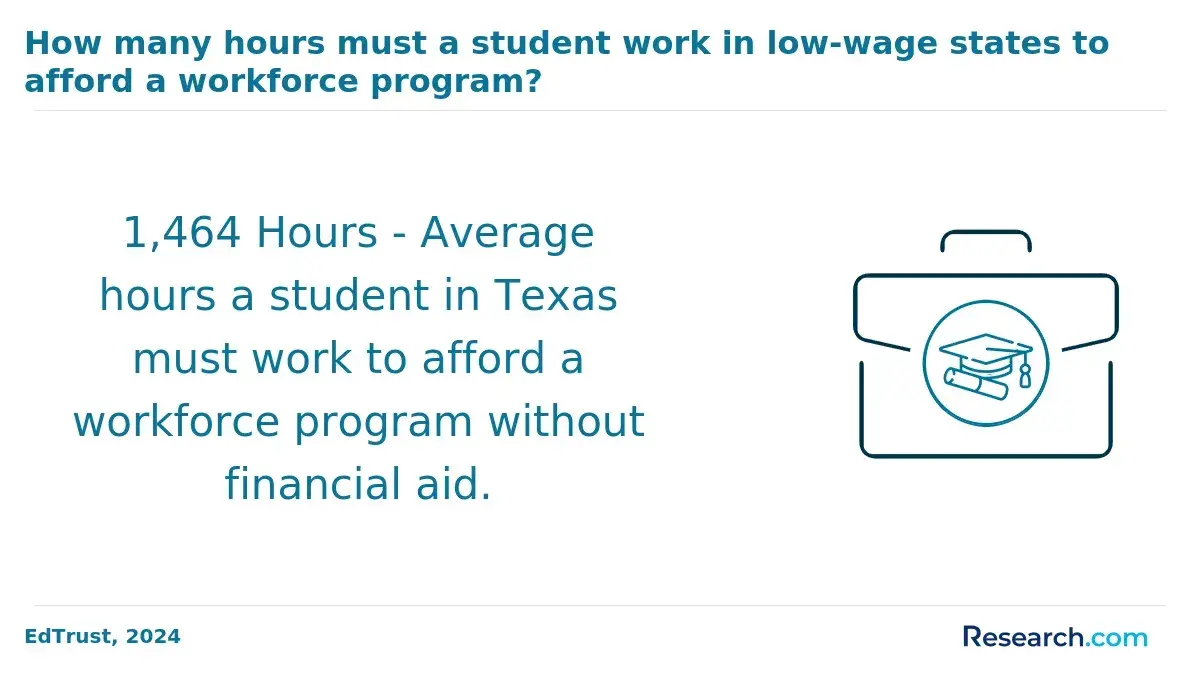
How Do Open-Admission Policies in Online Accounting Programs Differ From Traditional Selective Admissions?
Open admission and selective admission affect more than the application process. They influence who enters the program, how much academic support the school must provide, and what students should expect during the first year.
Open admission definition: Open admission policies allow enrollment of virtually all applicants with a high school diploma or equivalent, without requiring minimum GPAs, test scores, or prior coursework. Institutions like the University of Maryland Global Campus (UMGC) publicly confirm this approach through their admissions pages, with data available via the IPEDS database validating such practices.
Selective vs. rolling vs. conditional admission: A selective program reviews applicants against academic standards such as GPA, prior coursework, test scores, or competitive capacity limits. Rolling admission means a school reviews applications as they arrive, but it may still deny applicants who do not meet requirements. Conditional admission allows a student to enroll only after meeting specific terms, such as completing remedial coursework or maintaining a required academic standing.
Academic preparedness: Open-enrollment accounting students often begin with different levels of math, writing, business, and study skills. Strong programs address this reality through orientation, placement guidance, developmental coursework, tutoring, success coaching, and early alerts when students fall behind.
Student responsibility: Open admission creates opportunity, not automatic success. Accounting requires accuracy, repetition, and cumulative learning. A student who skips tutoring, ignores feedback, or overloads the first term may struggle even in an accessible program.
Quality and accreditation: Many open-admission schools hold respected regional accreditation and business accreditations such as ACBSP or AACSB. Accreditation should be verified before enrollment because it can affect transfer credit, employer recognition, graduate school options, and eligibility for some certification pathways.
Enrollment trends: Recent National Center for Education Statistics data shows about 20% of online undergraduate enrollments in 2022 were at open-admission institutions, indicating growing acceptance of inclusive higher education models.
- : "I appreciated not having to worry about test scores or previous classes, but the workload still required discipline. Since the program admitted students with many different skill levels, I used tutoring early and took orientation seriously. The open-access model gave me a path into accounting after earlier academic setbacks, but I had to stay proactive to succeed."
What Are the Typical Enrollment Requirements for No-Prerequisite Online Accounting Bachelor's Programs?
No-prerequisite online accounting programs reduce academic barriers, but they still require documentation before a student can enroll. Most schools must verify identity, prior education, residency or citizenship status for aid purposes, and readiness for college-level study.
- Proof of high school completion: Applicants typically submit an official high school transcript or an equivalent credential such as a GED. This requirement confirms that the student meets the basic standard for undergraduate admission even if no college prerequisites are required.
- English proficiency: Non-native English speakers may need to demonstrate language ability through exams such as TOEFL or IELTS. Some institutions offer conditional admission with language support for students who need additional preparation.
- Minimum age requirement: Most programs set a minimum enrollment age of 17 or 18 to comply with institutional and legal standards and to support readiness for postsecondary study.
- Application materials: Schools commonly request an online application, official transcripts, valid identification, and sometimes a personal statement. Submitting official documents early helps avoid delays in registration and financial aid processing.
- Placement or readiness review: Some programs do not require prerequisites but may still use placement assessments to recommend the right math, writing, or business courses in the first term.
- Institutional variations: Public institutions often use more standardized access policies, while private nonprofit schools may ask for additional documentation or advising before enrollment. Accreditation standards still apply in both settings.
- Alternative pathways: Applicants who do not yet meet basic admission requirements can consider GED programs or dual-enrollment options to establish eligibility for a bachelor's program.
Before applying, ask whether any first-term foundations are required, whether they count toward graduation, and whether they affect financial aid status. The same kind of admissions checklist can also help when comparing other accessible online degree options, such as the best online construction management degree programs.
Are No-Prerequisite Online Accounting Bachelor's Programs Available at Regionally Accredited Universities?
Yes. No-prerequisite online accounting bachelor's programs are available at regionally accredited universities, and regional accreditation should be one of the first items you verify. Accreditation does not guarantee that a program is the right fit, but it indicates that the institution has been reviewed against recognized educational and administrative standards.
Regional accreditation, verified through the U.S. Department of Education's database and CHEA's directory, is especially important for accounting students because it can affect credit transfer, graduate school admission, employer confidence, and access to federal financial aid. It also helps distinguish established colleges and universities from schools whose credits may have limited acceptance elsewhere.
- Credit transferability: Credits earned at regionally accredited schools are more widely accepted by other institutions, which matters if you change schools or pursue additional education later.
- Employer recognition: Employers are more likely to understand and trust degrees from accredited universities, especially for accounting, finance, payroll, tax, and audit-related roles.
- Financial aid eligibility: Many federal and state financial aid programs require enrollment in an accredited institution, which can reduce out-of-pocket cost.
- Quality assurance: Accreditation reviews institutional governance, academic policies, faculty standards, student services, and financial stability.
Accreditation checklist before you apply
- Search the institution in the U.S. Department of Education's database.
- Confirm the accreditor in CHEA's directory.
- Check the university's own accreditation page and make sure the name matches the official database record.
- Look for program-specific business accreditation if that matters for your goals.
- Ask whether accounting credits transfer to other institutions or graduate programs.
- : "I was drawn to the accessibility of a no-prerequisite accounting program, but I worried about whether the degree would be respected. Once I confirmed the university's regional accreditation, I felt more confident enrolling. It was challenging to balance work and study, but knowing my credits would transfer and my degree would be recognized made the decision easier."
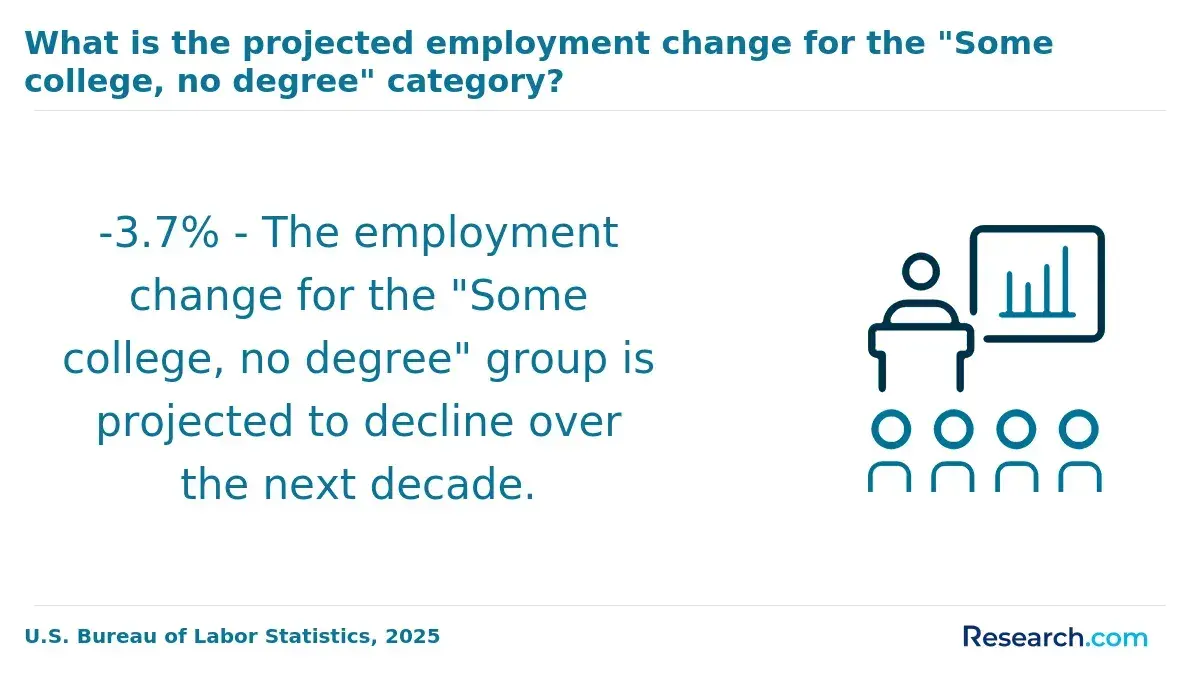
How Do Students Without Academic Prerequisites Catch Up in Online Accounting Bachelor's Courses?
Students without accounting prerequisites catch up by following a structured sequence: build math and business foundations first, practice accounting concepts repeatedly, use tutoring before grades decline, and choose a course load that fits their schedule. Accounting is cumulative, so early gaps in algebra, spreadsheets, financial statements, or business terminology can create problems later if they are ignored.
Many online programs support new learners through developmental courses, self-paced modules, peer mentoring, and bridge-style introductions. For example, Southern New Hampshire University's online Bridge Program introduces fundamental accounting ideas and promotes effective study techniques, while Liberty University offers a foundational module aimed at strengthening financial literacy and study habits early on.
Data from the National Survey of Student Engagement (NSSE) highlights the importance of support, showing that 68% of online students who utilize tutoring and mentoring complete their programs within six years, compared to only 45% who do not engage with these services. The takeaway is practical: students who use support early are more likely to persist.
- Developmental courses: These courses strengthen math, writing, business, and technology skills before students enter more technical accounting classes.
- Tutoring and mentoring: Online tutoring can help students work through journal entries, financial statement preparation, cost accounting problems, tax concepts, and spreadsheet assignments.
- Bridge programs: Structured introductory modules help students learn accounting vocabulary, study habits, and expectations before grades are at risk.
- Self-assessment tools: Readiness quizzes and diagnostic activities help students identify weaknesses in math, time management, writing, or computer skills.
- Academic advising: Advisors can help students avoid taking too many difficult courses at once, especially while working full time.
Common catch-up mistakes to avoid
- Taking full-time credits in the first term without knowing the weekly workload.
- Waiting until after a failed exam to contact tutoring or the instructor.
- Skipping spreadsheet practice, even though many accounting roles use Excel or similar tools heavily.
- Assuming online courses are self-paced when they may still have strict weekly deadlines.
- Ignoring state CPA education rules if CPA licensure is a long-term goal.
What Support Services Help No-Prerequisite Students Succeed in Online Accounting Bachelor's Programs?
Support services are especially important in no-prerequisite accounting programs because students may enter with limited college experience, uneven math preparation, or long gaps since their last class. A strong online program should not simply admit students; it should provide the academic, technical, and career support needed to keep them progressing.
Programs ranked highly by U.S. News Best Online Bachelor's Programs or recognized in third-party surveys commonly provide virtual assistance through both asynchronous resources and live appointments. A 2023 report from the National Center for Education Statistics found that institutions with strong virtual support see retention rates up to 15% higher than those lacking such services.
- Academic advising: Advisors help students understand degree requirements, plan course loads, sequence accounting classes correctly, and avoid taking incompatible or overly demanding courses together.
- Accounting tutoring: Subject-specific tutoring is more valuable than general homework help because accounting concepts build on each other from one course to the next.
- Writing and research support: Business communication, auditing, ethics, and capstone courses often require clear written analysis, not just calculations.
- Technology help desk: Online students need reliable support for the learning platform, proctoring tools, spreadsheet software, library databases, and virtual meeting systems.
- Mental health resources: Confidential online counseling and wellness programs can help students manage stress, burnout, and competing responsibilities.
- Disability accommodations: Remote accommodations may include extended test time, assistive technology, accessible course materials, and alternative testing arrangements.
- Career counseling: Online career centers can help with accounting resumes, internship searches, interview preparation, LinkedIn profiles, and job applications for entry-level accounting roles.
Before enrolling, ask whether services are available outside standard business hours, whether tutoring is included in tuition or billed separately, and whether accounting-specific career support is offered to online students.
Can Transfer Credits or Prior Learning Assessments Replace Prerequisites in Online Accounting Programs?
Yes, transfer credits and Prior Learning Assessments (PLA) can sometimes replace prerequisite-style requirements in online accounting programs. They may also reduce the number of general education or introductory business courses a student must complete. However, each school sets its own credit limits, equivalency rules, grade requirements, and documentation standards.
- Transfer credit flexibility: Numerous accredited institutions accept transfer credits from regionally accredited colleges, often allowing up to 90 credits to apply toward general education and foundational accounting courses. This can shorten the degree path for students who previously completed college coursework.
- Prior Learning Assessment options: PLA programs, including CLEP and DSST exams, are recognized competency-based exams that cover subjects such as business law and financial accounting. Some schools also review portfolios that document relevant work experience.
- American Council on Education (ACE) credits: The ACE Credit Recommendation Service evaluates training programs, military service, and professional certifications, awarding college credit that many accounting programs accept to substitute prerequisite courses.
- Documentation and submission: Students should gather official transcripts, official test scores, military transcripts such as the Joint Services Transcript, and detailed portfolios before requesting course equivalencies.
- Emerging trends: Over 30% of adult online learners reported using PLA or transfer credits to accelerate degree completion, highlighting increased institutional flexibility for diverse educational backgrounds in programs like online accounting degrees.
Questions to ask before relying on transfer or PLA credit
- What is the maximum number of transfer credits allowed?
- Do accounting major courses have stricter transfer rules than general education courses?
- Will PLA credit satisfy prerequisites, elective requirements, or both?
- Are transferred accounting courses current enough for the program's standards?
- Will transfer or PLA credit affect financial aid, residency requirements, or graduation timelines?
For working adults and career changers, schools with clear PLA policies can make a major difference in time and cost. Students comparing flexible business pathways may also find useful context in AACSB online MBA programs, where accreditation, transferability, and admissions flexibility are also important.
What Is the Average Time to Completion for No-Prerequisite Online Accounting Bachelor's Degree Programs?
The average time to complete a no-prerequisite online accounting bachelor's degree usually follows the standard 120-credit-hour bachelor's structure. For students who begin with no prior college credit, that commonly means about four years of full-time study. Part-time students, working adults, and learners who take breaks may need longer.
- Credit hour norms: Most programs require around 120 credit hours representing the full undergraduate curriculum. Students entering with no credits should plan for the full sequence unless they receive transfer, exam, military, or prior learning credit.
- Enrollment pace: Full-time learners generally finish in four years, while part-time students may extend their timeline to balance work, family, and finances.
- Term length and format: Accelerated options may use eight-week terms or year-round enrollment. Competency-based programs, such as those offered by accredited institutions like Western Governors University, allow students to advance by demonstrating mastery rather than waiting for a fixed semester schedule.
- Transfer credit impact: Even though no-prerequisite programs admit students without prior credits, those who do have completed coursework or qualifying exam scores can reduce the total number of courses remaining.
- Graduation rates by admission type: IPEDS data indicates open-admission online programs often have longer average completion times compared to selective-admission programs. This can reflect differences in student preparation, part-time enrollment, and use of support services.
- Cost and opportunity: Time to completion affects tuition, fees, textbook costs, and how soon a student can pursue higher-paying accounting roles. Faster is not always better if an overloaded schedule leads to withdrawal or failed courses.
A practical planning approach is to map your target graduation date, estimate weekly study time, and decide whether you can realistically take full-time credits. Students comparing online study formats in other fields can also review flexible pathways such as an online master's in electrical engineering degree.
How Does Tuition Compare Between No-Prerequisite and Standard Online Accounting Bachelor's Programs?
Tuition for no-prerequisite online accounting bachelor's programs can be lower, similar, or higher than standard-admission programs depending on the institution. Admission flexibility alone does not determine cost. The real comparison should include per-credit tuition, required credits, fees, foundational coursework, transfer credit, financial aid, and time to completion.
- Tuition rates: Open-admission programs generally have lower or similar per-credit-hour fees compared to selective programs when they are offered by public community colleges or state universities designed to broaden access. Some private open-enrollment institutions may charge more because of different funding models.
- Additional fees: No-prerequisite programs may include developmental, placement, technology, proctoring, or foundational course fees. These can make the total cost higher than the advertised tuition rate suggests.
- Institution type: Public colleges usually offer more affordable tuition supported by state funding, while private or for-profit schools often maintain higher prices regardless of admission policy.
- Program delivery: Fully online and asynchronous courses may reduce some student costs, such as commuting and relocation. Hybrid or live-session formats may have different fee structures.
- Total cost: Compare the total price to finish the degree, not only the per-credit rate. A program with a higher per-credit cost but generous transfer credit may cost less overall than a cheaper program that requires more credits.
Students focused on cost should compare net price after aid, transfer credit, employer reimbursement, and required fees. If affordability is your main concern, reviewing an affordable online accounting degree ranking can help you identify programs where tuition transparency and accreditation are central to the comparison.
Which Online Accounting Bachelor's Programs Allow Students To Start Without A High School Diploma Or GED?
Accredited online accounting bachelor's programs generally require a high school diploma, GED, HiSET, or an evaluated international equivalent. Programs may have no college prerequisites, but that usually does not mean applicants can begin a bachelor's degree without proof of secondary education or an approved equivalency credential.
Many programs accept a GED or HiSET in place of a traditional high school diploma. Applicants should be prepared to submit official scores or documentation, and some schools may require placement testing or advising before registration.
- GED acceptance: Programs typically regard a GED as sufficient for admission, though some require supplementary proof such as test scores or placement exams.
- Conditional enrollment: Certain schools admit GED holders on a provisional basis, requiring bridge courses in math, English, or business before students advance into accounting coursework.
- International applicants: Students with foreign secondary education generally need a credential evaluation confirming equivalency to U.S. standards, and they may need to provide English language proficiency evidence.
- Additional requirements: Some programs request placement tests, letters of recommendation, advising appointments, or academic assessments to confirm readiness.
- Accreditation and quality: Verify that the university is regionally accredited and that the accounting curriculum has value for employment, transfer, and future study.
- Financial aid and support: Many institutions offer federal aid to GED recipients and provide student services such as academic advising and tutoring to support persistence.
If you do not have a high school diploma or GED, the most realistic first step is to complete an accepted equivalency credential, then apply to a no-prerequisite bachelor's program. Be cautious of any school that claims you can enter a full accredited bachelor's program without verifying secondary education, because that may create problems with financial aid, transfer credit, and degree recognition.
What Graduates Say About Their Online Accounting Bachelor's Degree Program With No Prerequisites
- Ryker: "I chose the online accounting bachelor's degree program with no prerequisites because I needed a direct path to change careers without taking unrelated classes first. The affordable tuition made it possible to keep working and manage my finances while studying. Completing the program improved my confidence and helped me move into financial analysis with a stronger accounting foundation."
- Eden: "The flexibility mattered most to me. I was balancing a full-time job and family responsibilities, so an online accounting program gave me room to keep progressing without relocating or quitting work. The cost was more manageable than many traditional options, and graduating improved my career prospects and salary potential."
- Benjamin: "Choosing an online accounting degree with no prerequisites was a strategic move. I wanted credibility in the finance field, but I needed a program that recognized I was starting from a different background. The cost was transparent, the coursework built from the basics, and the degree helped me earn a promotion within months of graduation."
Other Things You Should Know About Accounting Degrees
Employers' views on online accounting degrees from open-admission programs can vary. While many reputable institutions offer accredited programs that provide solid education, some employers may have concerns about the rigor and credibility. Graduates should ensure their program is well-recognized and accredited to enhance employability.
Graduates with an online accounting bachelor's degree with no prerequisites can pursue roles such as junior accountant, financial analyst, or tax associate. Their career prospects are supported by the credibility of accredited programs, but success may also depend on relevant experience and additional certifications.
Quality accounting programs typically hold regional accreditation from recognized bodies such as the Higher Learning Commission or Middle States Commission. Accreditation ensures adherence to academic and operational standards. Additionally, some programs pursue specialized accreditation from organizations like AACSB or ACBSP, which focus specifically on business and accounting education quality.
References
- Online Bachelor's Degree in Accounting | CSU Global | Accredited https://csuglobal.edu/academic-programs/undergraduate-degrees/bachelors-degree-accounting
- ADP in Accounting Ignite Your Career with an Innovative Global Online Graduate Programs https://career.cuchicago.edu/accelerated-accounting/
- Best Affordable Online Accounting Degrees of 2025 https://www.accounting.com/degrees/accounting/bachelors/most-affordable/
- How Long Does it Take to Complete an Online Bachelor's in Accounting? https://www.master-of-finance.org/faq/how-long-does-it-take-to-complete-an-online-bachelors-in-accounting/
- Accounting Major Online Degree | SUNY Plattsburgh https://www.plattsburgh.edu/programs/accounting-major-online.html
- Open Admission Online Colleges: How Do They Work? https://www.accreditedschoolsonline.org/online-colleges/open-enrollment/
- Bachelor of Arts in Accounting | Warner Pacific University https://www.warnerpacific.edu/programs/accounting-ba/
- How long does it typically take to complete an online MBA in accounting? https://www.lsib.co.uk/2022/answers.aspx
- How Long Does an Online Degree Take to Complete? https://degreeonline.education/how-long-does-an-online-degree-take-to-complete/
- Distance learning without A-levels: Start now and realize your dream! - Allensbach University https://www.allensbach-hochschule.de/en/distance-learning-without-high-school-diploma/