2027 Online Accounting Bachelor's Degree Programs for Adult Learners Returning to School

Co-Founder and Chief Data Scientist
Returning to school for an online accounting bachelor’s degree is usually a time, cost, and credibility decision. Adult learners often need a program that fits around work schedules, caregiving, military service, or a long break from college, while still leading to accounting skills employers recognize.
Online programs can make that path more realistic. According to the National Center for Education Statistics, over 40% of undergraduates enrolled exclusively in distance education courses in recent years. For accounting students, that shift matters because many core requirements—financial accounting, managerial accounting, taxation, auditing, business law, and accounting information systems—can be taught effectively through structured online coursework when the program offers strong advising, clear deadlines, and access to faculty support.
This guide explains how online accounting bachelor’s degrees work for adult learners, including who qualifies, what admissions offices usually require, how transfer credit and work experience may apply, what flexibility really means, how to estimate costs, and how to choose a program with practical career value.
Key Benefits of Online Accounting Bachelor's Degree Programs for Adult Learners Returning to School
- Online accounting programs offer flexible scheduling, allowing working adults to balance education with professional and personal responsibilities, a key factor for 63% of adult learners nationwide.
- Curricula emphasize practical skill development, integrating real-world financial software and compliance standards to enhance career advancement opportunities.
- Virtual platforms facilitate networking with peers and industry professionals, expanding employment connections critical for career growth in accounting fields.
Who qualifies as an adult learner in an online accounting bachelor's degree?
An adult learner in an online accounting bachelor’s degree is typically a student whose path does not follow the traditional full-time, on-campus route right after high school. Many are age 25 or older, returning after a gap, changing careers, completing a degree they started earlier, or studying while employed. In fact, nearly 30% of students in postsecondary online courses are age 25 or older, which is why many colleges now design online programs around adult students’ schedules and responsibilities.
Adult learner status is not usually a separate admissions category with one national definition. Each institution sets its own policies, but the following groups commonly fit the profile.
- Working professionals: Employees in bookkeeping, payroll, banking, office administration, business operations, or unrelated fields may pursue an accounting degree to qualify for more advanced roles or formalize skills they already use at work.
- Career changers: Adults coming from retail, healthcare, education, logistics, military service, hospitality, or other sectors may choose accounting because it offers a structured skill set that can transfer across industries.
- Returning students: Some adults started college years ago and stopped because of family responsibilities, financial pressure, deployment, health issues, or work demands. Online accounting programs may help them use prior credits and finish the degree more efficiently.
- Part-time learners: Adult students often take one or two courses at a time so they can continue working or caregiving. This can extend the timeline but may reduce burnout and improve persistence.
- First-time degree seekers: Adults who did not attend college earlier may enter an online bachelor’s program with a high school diploma, GED, or equivalent credential and build academic momentum gradually.
Adult learners comparing flexible professional degrees outside accounting may also review MSW online programs, which often use similar online delivery models and student support systems.
What are the admission requirements for an online accounting bachelor's degree for adult learners?
Admission requirements for an online accounting bachelor’s degree usually focus on proof of prior education, academic history, and readiness for online study. Adult learners are often evaluated differently from recent high school graduates because they may bring college credits, work experience, military training, or a long academic gap.
Most programs ask for some combination of the following materials.
- Proof of prior education: Applicants generally need a high school diploma, GED, or equivalent credential. Transfer applicants may also need proof of prior college attendance, even if they completed only a few courses.
- Completed application form: Schools usually require an online application with personal information, educational background, intended major, and enrollment plans. Some applications also ask whether the student plans to study full time or part time.
- Official transcripts: High school and college transcripts help admissions teams verify eligibility and determine whether prior courses can transfer. Adult learners should request transcripts early because delays are common when records are old or institutions have merged or closed.
- Online learning readiness indicators: Some programs use a short assessment, orientation, interview, or advising conversation to confirm that students understand the technology, time commitment, and self-management required in online courses.
- Personal statement or essay: Not every program requires an essay, but when it does, applicants should explain their career goals, prior experience, reasons for choosing accounting, and plan for managing coursework.
Adult learners considering faster completion routes may also compare accounting programs with 2 year accelerated bachelor degrees online, especially if they already hold transferable credits.
How adult learners can strengthen an application
- Collect transcripts from every college attended, even if credits are old or grades were uneven.
- Ask admissions counselors how the school evaluates transfer credit before enrolling.
- Be honest about availability; choosing a realistic course load is often more important than starting aggressively.
- Confirm whether the accounting major has separate admission standards after general university admission.
Do adult learners need the SAT or ACT for an online accounting bachelor's degree?
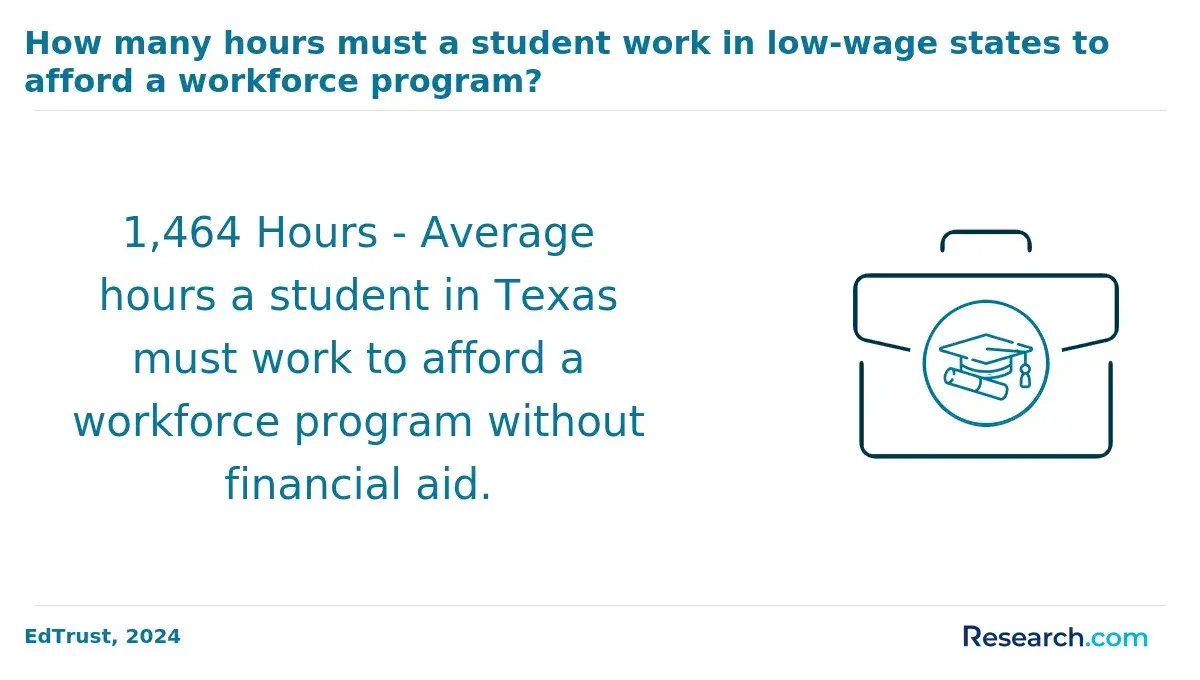
Most online bachelor’s degree programs in accounting for adult learners do not require SAT or ACT scores. Instead, admissions offices typically review high school completion, prior college coursework, transfer GPA, professional experience, and evidence that the student is ready for college-level online learning.
Approximately 65% of four-year colleges and universities nationwide have adopted test-optional policies in recent years. For adult learners, this shift is important because standardized tests may not reflect current ability, especially for applicants who have been working for years or who completed high school long ago.
That does not mean admissions is automatic. A school may still require placement tests, prerequisite courses, or developmental coursework if transcripts show gaps in writing, math, or business fundamentals. Accounting programs can be quantitative and detail-heavy, so students should expect to demonstrate readiness for algebra, spreadsheet work, business communication, and analytical problem-solving.
When test scores might still matter
- Selective universities: Some institutions may still request test scores for certain applicants or scholarships.
- Recent high school graduates: Applicants with limited work or college history may be evaluated under different policies.
- Scholarship consideration: Even test-optional schools may use scores for merit aid if students choose to submit them.
- Placement decisions: Colleges may use other exams or assessments to place students into math, writing, or business courses.
When asked about his experience, an adult learner currently enrolled in an online accounting bachelor’s program said that not having to submit SAT or ACT scores reduced the stress of returning to school. “Returning to school after years away was intimidating, especially thinking about taking standardized tests again.”
He said the admissions process felt more relevant when it focused on transcripts and professional history. “It allowed me to concentrate on showing what I can do now rather than worrying about a test from years ago.”
How flexible are online accounting bachelor's degree programs for adult learners?
Online accounting bachelor’s programs can be highly flexible, but flexibility varies by school. A 2023 National Center for Education Statistics report found that 73% of adult online learners prioritize flexible scheduling when selecting programs. For adult students, the best format is not always the fastest one; it is the one that can be sustained through busy seasons at work, family obligations, and financial constraints.
Common flexibility features include the following.
- Asynchronous learning: Students can watch lectures, complete readings, and submit assignments without attending live classes at fixed times. This is often the best fit for shift workers, parents, and students in different time zones.
- Part-time enrollment: Taking fewer courses per term can make the degree more manageable. The trade-off is a longer completion timeline, but part-time pacing may improve retention for working adults.
- Accelerated courses: Some programs use shorter, intensive terms. These can help motivated students finish faster, but the workload can be demanding because assignments and exams are compressed.
- Self-paced study: In some formats, students move through material at their own speed. This can work well for disciplined learners but may be difficult for students who need weekly structure.
- 24/7 access to materials: Recorded lectures, digital textbooks, discussion boards, practice problems, and accounting software tutorials allow students to study during early mornings, evenings, weekends, or travel.
Questions to ask before enrolling
- Are there required live sessions, proctored exams, internships, or campus visits?
- How many hours per week should students expect for each accounting course?
- Are courses offered every term, or could a missed class delay graduation?
- Can students pause or reduce enrollment without losing financial aid eligibility?
- Is tutoring available outside standard business hours?
Students exploring other flexible online degrees may find that masters in social work online programs use similar scheduling features, although fieldwork and licensure expectations differ substantially by discipline.
Can I transfer previous college credits to an online accounting bachelor's degree?
Yes. Many online accounting bachelor’s degree programs allow students to transfer previous college credits, which can reduce both time to completion and total cost. Recent data indicates that approximately 40% of undergraduates transfer credits toward their degrees, making transfer evaluation a major issue for adult learners.
Transfer credit is not guaranteed, even when courses came from an accredited institution. Schools review whether each course matches the degree plan, whether the grade meets the minimum requirement, and whether the content is still current enough for the major.
- Course evaluation: Colleges compare prior coursework with current general education, business core, and accounting major requirements. A course may transfer as an elective even if it does not meet a specific requirement.
- Credit limits: Institutions often cap the number of credits that can transfer. They may also require students to complete a minimum number of credits at the degree-granting school.
- Course relevance: English composition, statistics, economics, business law, finance, information systems, and introductory accounting courses are often useful in an accounting degree plan if they meet school standards.
- Accounting course recency: Some schools may scrutinize older accounting, tax, auditing, or systems courses because rules, software, and professional practices change over time.
- Benefits for adult learners: Accepted transfer credits can shorten the degree path, lower tuition costs, and help students avoid repeating material they have already mastered.
How to avoid losing usable credits
- Request an unofficial transfer review before committing to a program.
- Ask which credits apply directly to the accounting major, not just the total number accepted.
- Save syllabi or course descriptions for older or specialized classes.
- Confirm whether community college, military, international, or quarter-system credits are handled differently.
One adult learner who completed an online accounting bachelor’s degree described the transfer process as detailed but worthwhile. “I was worried some of my older credits wouldn’t be accepted, but the evaluation process was thorough and fair.” She said gathering transcripts took patience, but the credits that transferred helped her focus on new accounting coursework. “It felt rewarding to see my past efforts recognized, which motivated me to complete the program faster.”
Does work experience count toward an online accounting bachelor's degree?
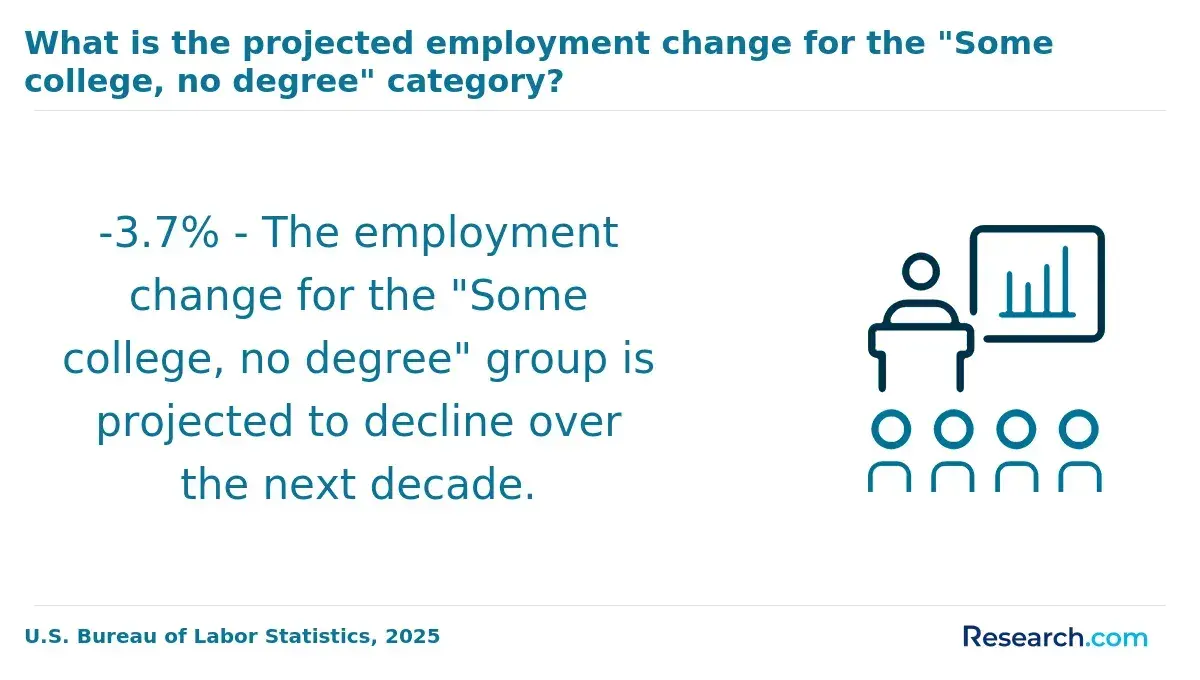
Work experience may count toward an online accounting bachelor’s degree, but only if the school has a formal process for evaluating prior learning. Colleges do not usually award credit simply because a student has years of employment. They look for documented, college-level learning that aligns with specific course outcomes.
According to the Council for Adult and Experiential Learning, nearly 90% of U.S. colleges offer some form of prior learning assessment. For adult learners in accounting, this can be valuable if they have experience with bookkeeping, payroll, tax preparation, budgeting, accounts payable, accounts receivable, auditing support, enterprise software, or business operations.
- Prior learning assessment: Students may earn credit by demonstrating knowledge gained through work, military service, professional training, or non-college learning.
- Portfolio reviews: A portfolio may include job descriptions, work samples, supervisor letters, training records, certifications, reflective essays, and evidence that the student meets course-level outcomes.
- Competency-based evaluations: Some programs award progress when students prove mastery of defined skills instead of completing a traditional semester-based course.
- Professional certifications: Credentials, bookkeeping certificates, or coursework related to CPA preparation may be reviewed for possible credit, depending on school policy.
- Credit-by-examination: Exams such as CLEP or DSST may allow students to test out of certain lower-level courses if they already know the material.
The main advantage is efficiency: students may avoid repeating introductory material and reduce total tuition. The main limitation is that schools often restrict how much prior learning credit can apply to the major, and upper-level accounting courses may still need to be completed through the institution.
What to verify before relying on work experience credit
- Maximum number of credits available through prior learning assessment
- Fees for portfolio review or exams
- Whether credits apply to accounting requirements or only electives
- Whether prior learning credits affect financial aid, residency requirements, or CPA-related planning
How much does an online accounting bachelor's degree cost for adult learners?
The cost of an online accounting bachelor’s degree for adult learners depends on tuition, transfer credits, enrollment pace, fees, books, software, and the number of courses still required. On average, tuition ranges from $300 to $600 per credit hour across many U.S. schools, though the final price can differ significantly by institution and student situation.
Adult learners should calculate the full degree cost, not just the advertised tuition rate. A program with a lower per-credit price may become more expensive if it accepts fewer transfer credits or charges substantial fees, while a higher-priced program may be more affordable if it shortens the path to graduation.
- Tuition per credit: Tuition is usually the largest expense. Ask whether online students pay a flat rate, in-state rate, out-of-state rate, or program-specific rate.
- Technology fees: Online programs may charge fees for learning platforms, digital systems, remote support, or software access.
- Course materials: Accounting students may need textbooks, access codes, spreadsheet tools, tax software, calculator tools, or accounting information systems resources.
- Application and registration fees: These can include one-time application fees, transcript fees, enrollment deposits, graduation fees, or term-based registration charges.
- Proctoring or exam fees: Some online accounting courses require supervised exams, which may add costs for remote or in-person proctoring.
Students focused on price should compare total program cost after transfer credit, not tuition alone. Researching the cheapest online accounting degree can be a useful starting point, but the best value is the accredited program that fits your credit history, schedule, and career goals.
Cost questions adult learners should ask
- How many credits will I need after transfer evaluation?
- Are online students charged additional per-course or per-term fees?
- Does part-time enrollment change tuition, aid eligibility, or employer reimbursement?
- Are textbooks and accounting software included in tuition?
- What happens financially if I need to pause enrollment for a term?
Are there financial aid options for adult learners in online accounting bachelor's degrees?
Yes. Adult learners in online accounting bachelor’s degree programs may qualify for several types of financial aid, including grants, loans, scholarships, employer tuition assistance, and payment plans. Nearly 85% of undergraduate students benefit from some form of financial support, so aid planning should be part of the program selection process from the start.
The most common options include the following.
- Grants: Grants are usually need-based or merit-based and generally do not require repayment. Federal, state, and institutional grants may be available to eligible undergraduate students, including adults returning to college.
- Student loans: Loans must be repaid with interest. Federal loans often offer more borrower protections and flexible repayment options than private loans, but students should borrow only what they need.
- Employer tuition assistance: Employers may reimburse tuition or pay part of the cost for job-related degrees such as accounting. Policies often include grade requirements, annual caps, approved-school lists, or work-commitment rules after reimbursement.
- Payment plans: Monthly payment plans can spread tuition across a term and reduce the need for upfront payment, though setup fees may apply.
- Scholarships: Scholarships for accounting students may come from schools, professional associations, community foundations, employers, or local business groups. Deadlines and eligibility rules vary.
Financial aid steps for adult learners
- Confirm that the online program is eligible for federal financial aid.
- Submit required aid forms as early as possible.
- Ask the school how transfer credits affect remaining cost and aid eligibility.
- Check employer reimbursement rules before enrolling.
- Compare net cost after grants and scholarships, not just sticker price.
Adult learners comparing aid options in other flexible fields may also review programs such as masters in child psychology online, while keeping in mind that graduate aid structures can differ from undergraduate aid.
Do employers value online accounting bachelor's degrees for adult learners?
Employers can value an online accounting bachelor’s degree when it comes from an accredited institution, covers relevant accounting competencies, and prepares graduates to use current tools and standards. The word “online” is usually less important than the credibility of the school, the quality of the curriculum, and the applicant’s ability to demonstrate practical skills.
Employer attitudes have shifted as online education has become more common and as hiring has become more skills-focused. A key driver is the emphasis on skills-based hiring, with 69% of employers prioritizing relevant skills and proven competencies over traditional educational credentials.
For accounting roles, employers commonly look for evidence that graduates understand financial statements, managerial accounting, tax concepts, auditing basics, internal controls, spreadsheet analysis, accounting information systems, and ethical standards. Adult learners may also have an advantage when they can combine the degree with prior work experience, reliability, communication skills, and industry knowledge.
What makes an online accounting degree more credible to employers
- Institutional accreditation: Accreditation helps signal that the school meets recognized academic standards.
- Business or accounting accreditation: Programs accredited by established bodies may carry additional credibility with some employers.
- Relevant curriculum: Courses should align with accounting practice, business decision-making, technology, and professional standards.
- Career support: Resume help, internship guidance, job boards, employer partnerships, and interview preparation can improve employment outcomes.
- Certification alignment: Students who plan to pursue CPA-related pathways should verify educational requirements carefully because rules vary by jurisdiction.
Adult learners considering long-term credential value may also compare broader graduate pathways using resources on the most in demand masters degrees, especially if they plan to move into management, analytics, taxation, or advisory roles later.
How do I choose the best online accounting bachelor's degree program for adult learners?
The best online accounting bachelor’s degree for an adult learner is the program that is accredited, affordable, realistically flexible, transfer-friendly, and aligned with the student’s career goal. Surveys show that over 60% of online students prioritize flexibility and support services when choosing a program, but flexibility should be weighed alongside quality and outcomes.
Use the following criteria to compare programs before applying.
- Accreditation: Choose a school with recognized accreditation. Programmatic accreditation from organizations such as ACBSP or AACSB may also be relevant, depending on your career goals and employer expectations.
- Program flexibility: Look for asynchronous courses, multiple start dates, part-time options, accelerated terms, and clear policies for stopping out or reducing course load if life circumstances change.
- Curriculum relevance: A strong accounting curriculum should include core areas such as financial accounting, managerial accounting, auditing, taxation, accounting information systems, business law, finance, and analytics-related skills where offered.
- Student support services: Adult learners should prioritize programs with responsive advising, tutoring, writing support, career services, library access, technical support, and faculty availability.
- Tuition and affordability: Compare net cost after transfer credits, grants, employer support, scholarships, and fees. A cheaper course rate does not always mean a cheaper degree.
Red flags to watch for
- Unclear accreditation information or vague claims about employer recognition
- No written transfer credit estimate before enrollment
- Limited access to accounting faculty or tutoring
- Required live sessions that conflict with work schedules
- High fees that are not visible in advertised tuition
- No explanation of how the curriculum supports accounting career paths or certification planning
Before making a final decision, speak with admissions, financial aid, academic advising, and career services. Ask each office specific questions and compare the answers. A strong program should be able to explain how credits transfer, what the total cost may look like, how online courses are delivered, and what support is available when students fall behind.
What Graduates Say About Online Accounting Bachelor's Degree Programs for Adult Learners Returning to School
- Ryker: "Returning to school as an adult was daunting, but I needed a career shift that offered stability and growth. Choosing an online accounting bachelor's degree program allowed me to balance my family commitments while gaining industry-relevant skills. Since graduating, I've secured a promotion that directly reflects the expertise I built through the program, and I feel more confident in my professional path."
- Eden: "After years in unrelated fields, I returned to education to pursue my passion for numbers and financial analysis. The flexibility of an online accounting degree was crucial, letting me study at my own pace without giving up my job. Earning this degree has opened doors to new opportunities and has significantly improved my understanding of complex financial systems, positioning me well for future leadership roles."
- Benjamin: "Going back to school was a strategic decision to enhance my credentials and remain competitive in the workforce. The comprehensive curriculum of the online accounting bachelor's program addressed practical, real-world scenarios, which I immediately applied in my current job to improve accounting processes. This degree not only elevated my skill set but also expanded my professional network, which has been invaluable."
Other Things You Should Know About Accounting Degrees
Online accounting programs typically use learning management systems (LMS) such as Blackboard or Canvas to deliver course materials and facilitate communication. Students often engage with accounting software like QuickBooks or Sage in virtual labs to gain practical experience. Web conferencing tools such as Zoom or Microsoft Teams are also common for live lectures and group discussions.
Many online accounting programs encourage or require internships to provide real-world experience. These may be completed locally at a student's workplace or through virtual internships arranged by the institution. Practical experience helps reinforce accounting principles and enhances employability after graduation.
Yes, many online accounting bachelor's degree programs offer job placement assistance specifically catered to adult learners. They often provide resources such as career counseling, resume workshops, and networking opportunities to help ease the transition into new accounting careers.
References
- Why Earn Higher Education in Business https://www.allbusinessschools.com/blog/transfer-credits-from-associate-degree-in-accounting-to-bachelors-program/
- Scholarships for Online Accounting Degrees https://www.oedb.org/scholarships/accounting/
- Financial Aid for Adult Learners: Your Step-by-Step Guide | National University https://www.nu.edu/blog/financial-aid-for-adult-learners/
- Going Back to School for Accounting | Accounting.com https://www.accounting.com/resources/returning-to-school/
- Online Bachelor in Accounting | Illinois College https://www.ic.edu/accounting-online
- Types of Financial Aid for Online Colleges https://www.umassglobal.edu/blog-news/types-financial-aid-online-colleges
- Online Accounting Degree: Pros and Cons - Peterson's https://www.petersons.com/blog/online-accounting-degree-pros-and-cons/