2027 Moving into an Assistant Nurse Manager Role: Experience, Leadership Evidence, and Study Options
Audited and Verified:
Our Editorial and Data Verification Process
Research.com uses government datasets, official education statistics and primary institutional information to support its career and degree guides. Our review process checks factual accuracy, occupational definitions, source dates and the requirements associated with the credentials discussed.
How This Article Was Fact-Checked
Our editorial team verifies salary estimates, employment projections, education requirements and program information against original data providers and official organizations. Salary figures are checked against the relevant occupational definitions and reporting periods. Information about licensure, accreditation and required in-person training is reviewed separately.
Fact-checked and verified on:

Co-Founder and Chief Data Scientist
Moving from bedside nursing into an assistant nurse manager role requires more than being the person colleagues trust on a difficult shift. Employers need evidence that you can support staffing, coach nurses, address safety concerns, and help a unit meet its goals.
If you are an experienced RN considering promotion, this guide explains what the job involves, how to document readiness, and when a BSN, graduate program, certification, or focused workplace training is worth pursuing. It also helps you assess the offer - not just qualify for it.
Key Things You Should Know
- Most assistant nurse manager roles require an active RN license and substantial experience in the relevant care setting; a charge nurse title alone does not establish management readiness.
- Bring evidence from at least one well-defined staffing, onboarding, safety, or quality initiative: document your responsibility, an appropriate measure, and what changed without disclosing confidential information.
- A graduate degree is not automatically necessary. Compare the employer's requirements with the cost of targeted training; for illustration, 30 credits at $500 per credit would mean $15,000 in tuition before fees or lost work time.
What does an assistant nurse manager do?
An assistant nurse manager (ANM) helps a nurse manager run a unit or service. Depending on the employer, the role may involve shift coverage, staffing adjustments, coaching, onboarding, incident follow-up, quality improvement, and communicating operational concerns to the manager. Some ANMs retain direct patient-care duties; others spend most of their time on supervision and operations.
The defining difference from a charge nurse is usually ongoing accountability. A charge nurse commonly coordinates care during an assigned shift. An ANM may also contribute to performance feedback, scheduling decisions, policy implementation, and improvement work across shifts. Job descriptions matter: ask which decisions you can make independently, which require manager approval, and how much clinical coverage is expected.
This is an RN leadership role, not an advanced practice nursing role. Programs such as family nurse practitioner programs with placement services address a different goal: preparation for an advanced practice pathway with supervised clinical education.
What experience is required to become an assistant nurse manager?
There is no universal number of RN years required for the title. Employers typically look for credible experience in the unit's specialty, sound clinical judgment, dependable escalation, and examples of leading other staff. An ICU ANM applicant, for instance, should expect scrutiny of critical-care experience that an ambulatory clinic might not require.
Charge nurse, preceptor, shared-governance, and committee work can strengthen an application when you can explain your actual decisions and results. Neither years served nor a title substitutes for evidence that you can handle conflict, support safe assignments, and develop colleagues. If you are early in your RN career, seek supervised leadership opportunities and feedback before taking responsibility for a unit's operations.
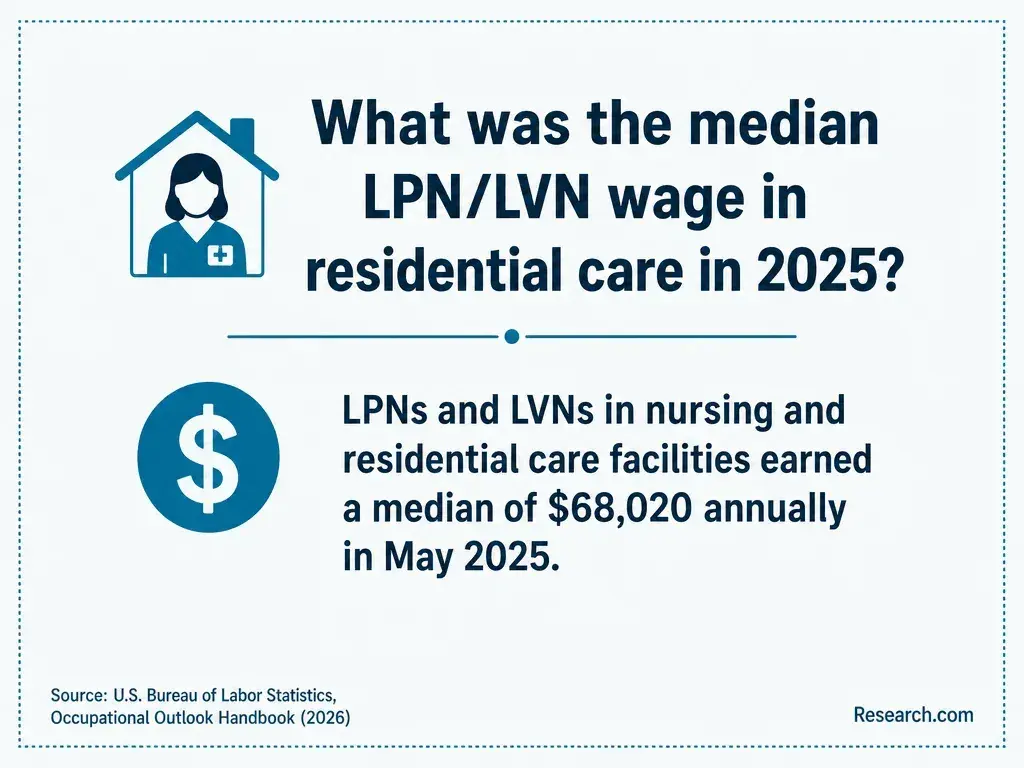
Experience must also match the licensed role. Accelerated practical nursing education options prepare for a different license; LPN/LVN experience may be valuable, but it does not replace the RN license commonly required for ANM positions.
What education and nursing license do assistant nurse managers need?
Start with the posting: an active, appropriate RN license is the usual baseline, while BSN and graduate-degree expectations vary by employer. An ADN-prepared RN may qualify for some positions, especially with strong specialty and leadership experience; other employers require a BSN or expect completion after hiring. Verify license status and any employer-specific conditions before applying.
An ANM does not need an APRN license merely because the position includes clinical oversight. Conversely, an advanced practice credential does not automatically establish skill in staffing or employee supervision. Even post-master's FNP certificate completion timelines concern a distinct clinical pathway, not a standard prerequisite for nursing management.
Ask human resources whether the stated degree is required at appointment or preferred, whether an equivalent combination of education and experience is accepted, and whether the organization offers tuition assistance for an agreed completion plan.
Build a small evidence portfolio around work you actually performed. For each example, record the problem, your authority and collaborators, what you did, the measure used, and what you learned. Describe team outcomes accurately rather than claiming sole credit or presenting an unverified improvement as a proven patient outcome.
These examples give an interview panel different kinds of evidence to assess:
- Staff support: Describe how you precepted or coached a colleague, the feedback process, and how competence was assessed by the appropriate supervisor.
- Operations: Explain a staffing or workflow problem, the options you raised, who approved the decision, and its effect on coverage.
- Quality and safety: Show your role in an approved initiative, its baseline and follow-up measures if available, and any limits on interpreting the results.
Get your manager's permission before sharing internal reports, and remove patient, employee, and confidential operational details. An ANM interview is about these leadership behaviors; psychiatric NP certificate coursework options address a different set of clinical competencies and are not a substitute for management evidence.
Choose education against a specific promotion requirement or skill gap, not the assumption that the highest credential wins. This comparison shows where common postlicensure routes fit an RN pursuing unit management.
| Route | When it may fit | Key limitation to check |
| RN-to-BSN | An ADN- or diploma-prepared RN whose employer requires or prefers a BSN | Completion does not itself confer supervisory authority or guarantee promotion |
| Leadership certificate or continuing education | A BSN-prepared RN with a focused gap in budgeting, coaching, or quality work | May not satisfy a degree requirement |
| Non-APRN MSN in nursing leadership or administration | An RN targeting broader management responsibilities or an employer requiring graduate study | Cost and practice assignments vary; it does not prepare graduates for NP licensure |
| DNP in a relevant leadership focus | An experienced leader pursuing advanced practice-improvement work | Usually more study than an initial ANM move requires |
For an ADN-prepared RN considering graduate study, associate-to-master's nursing pathways are worth comparing with completing a BSN first. Confirm the actual awarded credentials, admission rules, total credits, employer recognition, and whether a simpler RN-to-BSN route meets the immediate promotion requirement.
Relevant coursework commonly addresses staffing and workforce planning, finance, quality and patient safety, organizational change, communication, conflict management, and the use of operational data. A useful program should let you apply these subjects to decisions ANMs make - not just discuss leadership theories.
Compare assignments with your intended role. A staffing analysis or supervised operational project may be more useful for a first management post than coursework centered on an unrelated clinical specialty. Affordable online advanced practice nursing routes may suit nurses seeking NP preparation, but their clinical and certification objectives differ from those of a non-APRN leadership track.
Ask who evaluates applied work, whether your workplace can be used as a project setting, what permissions are required, and how the program teaches safe handling of organizational and patient data. Coursework can develop judgment; it does not replace employer onboarding or authorization to supervise staff.
Online delivery can be valuable when the program is credible, its curriculum fits the target role, and its schedule works alongside shifts. Format alone says little about quality. Verify the institution's accreditation, any applicable nursing program accreditation, the exact degree and track, and whether the school can enroll you where you live.
Request a term-by-term schedule before committing. Asynchronous lectures may coexist with live discussions, group projects, campus visits, or workplace-based assignments. Ask who arranges a project site, whether your employer must approve data access, and what happens if your shift or caregiving schedule changes.
For RNs whose immediate gap is a bachelor's degree, RN-to-BSN pathways without standard hospital rotations may be easier to fit around work. Verify each program's actual practice, project, and attendance requirements rather than assuming "online" means no scheduled obligations.
There is no reliable single timeline or price for "nursing management programs." A short continuing-education course, RN-to-BSN completion route, and leadership MSN involve different credit loads, transfer decisions, and enrollment schedules. Part-time study may reduce weekly pressure while extending the period during which you pay fees or balance school with shifts.
Calculate tuition from the school's current charge per credit and the credits you must complete, then add required fees, materials, travel, and any lost earnings. For example, 30 credits at a hypothetical $500 per credit equals $15,000 in tuition alone - not a quoted program price. Check employer reimbursement caps, grade conditions, and any obligation to remain employed afterward.
If an MSN is genuinely required for your target position, compare total costs and schedules among affordable online BSN-to-MSN bridge programs. First confirm that each option actually offers a leadership-relevant, non-APRN track; a low advertised tuition rate is not enough to establish fit or total cost.
Leadership certification can help an experienced nurse document management knowledge, but it is generally an optional professional credential, not an RN license or automatic qualification for an ANM job. Options to investigate include the American Nurses Credentialing Center's Nurse Executive certification and the American Organization for Nursing Leadership's Certified Nurse Manager and Leader credential. Their eligibility rules differ and may involve education, RN licensure, management experience, and continuing education; check the issuing organization's current criteria before paying for preparation.
If you are not yet eligible, employer training in coaching, labor relations, budgeting, or quality improvement may be a better first investment. Do not confuse leadership credentials with clinical specialty certification, APRN preparation, or entry-level admissions steps like comparing alternatives to nursing entrance tests. For example, post-master's FNP certificate completion timelines are relevant to an advanced practice transition, not to qualifying for a unit-management credential.
How much do assistant nurse managers earn and what is the job outlook?
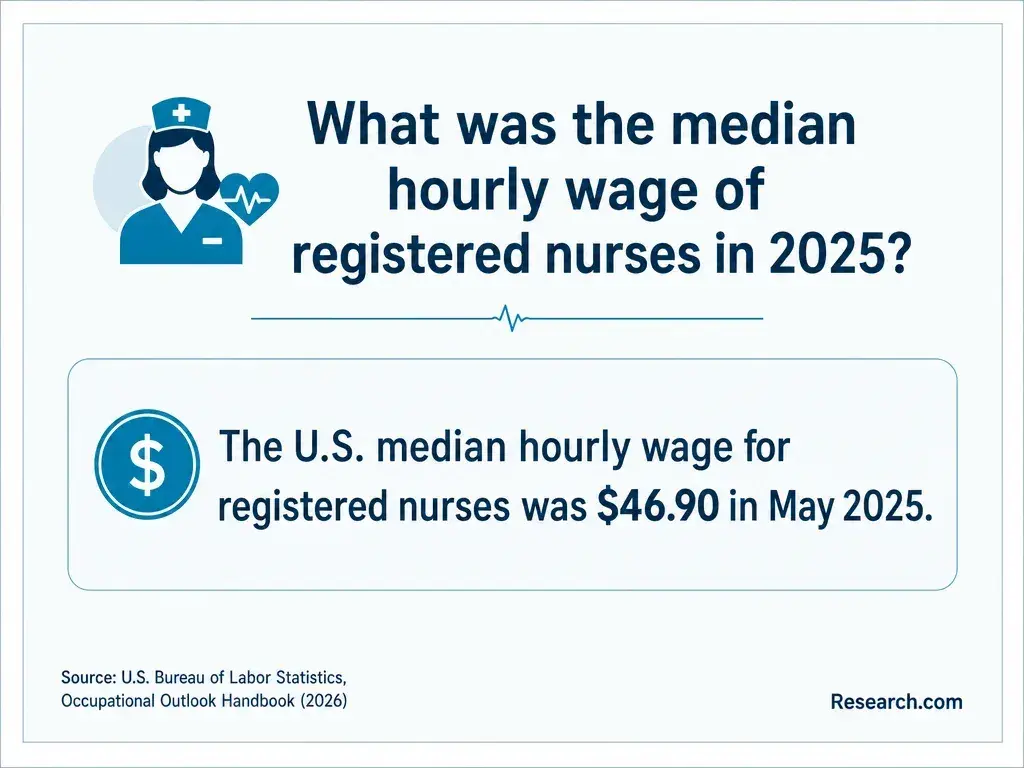
There is no dependable nationwide Bureau of Labor Statistics median specifically for assistant nurse managers. The BLS category medical and health services managers includes many management occupations beyond nursing, while registered nurse wage data includes many roles without management duties. Neither figure should be presented as an ANM salary or as a guaranteed raise.
For a useful pay comparison, ask for the position's posted range and whether it is salaried or hourly. Compare base pay with shift differentials you may lose, overtime eligibility, weekend expectations, on-call duties, bonuses, and benefits. Ask how many staff and shifts the ANM supports and who covers the unit when staffing is short; those details can change the value of an offer more than the title does.
Broader demand for healthcare management does not predict openings in your unit or region. Review local postings and the employer's internal promotion pattern. If your interest is primarily advanced clinical practice and its compensation rather than staff management, compare that separate investment - including PMHNP education costs and program choices - against its distinct education, certification, and licensure requirements.
Other Things You Should Know About Nursing
Yes, if you meet the stated requirements and can show relevant unit and leadership experience. Ask the recruiter whether a missing preferred credential can be completed after hire; do not assume a required qualification is negotiable.
Ask about decision-making authority, expected clinical coverage, number of direct reports, manager availability, orientation, on-call duties, and how performance is measured. The answers reveal whether the role offers workable support.
Usually, if you accurately describe your contribution and follow employer confidentiality rules. Obtain permission before sharing internal documents, and use approved, de-identified summaries rather than patient or employee information.
Compare charge, preceptor, clinical resource, and quality roles before accepting a management post. They may offer leadership work without the ANM's continuing responsibility for staffing and personnel matters.
- Charge Nurse Perspectives on Frontline Leadership in Acute Care Environments - PMC https://pmc.ncbi.nlm.nih.gov/articles/PMC3236392/
- How to Earn the Nurse Executive Certification | Goodwin University https://www.goodwin.edu/enews/how-to-earn-your-nurse-executive-certification-ancc/
- Can You Be a Nurse Manager with an Associate Degree? What RNs Need to Know - The University of Olivet https://www.uolivet.edu/can-you-be-a-nurse-manager-with-an-associate-degree-what-rns-need-to-know/
- Nurse Manager Salary and Job Description | MACU https://www.macu.edu/blog/nurse-manager-salary-job-description/
- Your Guide to Nursing Leadership Certifications | The University of Tulsa https://online.utulsa.edu/blog/guide-to-nursing-leadership-certification/
- Charge Nurse vs. Nurse Manager: How Are They Different? | Nevada State University https://nevadastate.edu/son/rn-bsn/charge-nurse-vs-nurse-manager-how-are-they-different/
- Hallmarks of the Professional Nursing Practice Environment | aacnnursing.org https://www.aacnnursing.org/news-data/position-statements-white-papers/hallmarks-of-the-professional-nursing-practice-environment
- Charge Nurse vs. Nurse Manager: What's the Difference? https://www.nursingworld.org/content-hub/resources/nursing-resources/charge-nurse-vs-nurse-manager/
- Nurse Manager: Role, Education, Salary & How to Become One | RegisteredNursing.org https://www.registerednursing.org/specialty/nurse-manager/
- AONL Nurse Leader Core Competencies https://www.aonl.org/resources/nurse-leader-competencies