2027 Most Recession-Resistant Careers You Can Pursue With an Architecture Degree

Co-Founder and Chief Data Scientist
Architecture graduates do not all face the same level of risk during a downturn. Work tied to speculative development and discretionary private projects can slow quickly when financing tightens, while roles connected to public infrastructure, building safety, adaptive reuse, healthcare, preservation, and sustainability often continue because they serve regulatory, operational, or community needs.
A 2025 industry report shows that 38% of architecture professionals found resilience through roles in adaptive reuse, historic preservation, and public infrastructure-fields less vulnerable to recessions. For students, recent graduates, and working designers, the practical question is not simply whether architecture is “stable,” but which specialties, employers, credentials, and skills make an architecture background more durable when the market shifts.
This guide explains where architecture graduates can find steadier work, how public and private sector opportunities compare, which industries and states tend to support demand, and what certifications and skills can improve long-term employability.
Key Points About Recession-Resistant Architecture Careers
- Specializing in sustainable design offers resilience as demand grows for energy-efficient buildings despite economic downturns-projected 20% job growth in green architecture fields.
- Urban planning roles leverage architectural skills to adapt cities for changing demographics, maintaining stability even during recessions due to public infrastructure investments.
- Construction management positions utilize architectural training for overseeing costly projects, remaining critical and secure as infrastructure spending typically persists in economic slowdowns.
What is the employment outlook for graduates of Architecture?
The employment outlook for architecture graduates is steady rather than explosive. Jobs for graduates with an architecture degree are projected to grow by about 5% over the next decade, which aligns with the national average across all occupations. That means graduates should expect competition, but not a disappearing field.
The strongest opportunities are likely to go to candidates who can connect design training with practical needs: energy performance, code compliance, renovation, infrastructure, digital modeling, and project delivery. Architecture remains sensitive to real estate cycles, but the degree also builds transferable skills that apply across construction, planning, preservation, facilities, and design technology.
- Urbanization and sustainability: Cities continue to need housing, transportation, public facilities, and climate-conscious design. Graduates who understand density, land use, and sustainable systems are better positioned for work that remains relevant across market cycles.
- Green technology advances: Energy-efficient construction, building-performance standards, and environmental regulations create demand for professionals who can help owners reduce operating costs and meet compliance requirements.
- Infrastructure renewal: Government-funded infrastructure work can provide a more stable pipeline than purely speculative private development, especially for graduates interested in civic buildings, transportation, utilities, and public planning.
- Diverse career paths: Architecture training supports roles in construction management, historic preservation, facilities planning, real estate development, building inspection, visualization, and BIM coordination.
- Specialized expertise: Graduates who develop a niche are usually more resilient than those who rely only on general design ability. Employers often protect staff who can manage budgets, coordinate teams, document buildings accurately, or solve regulatory problems.
Graduates who want added flexibility may also consider complementary technical fields, including online AI degree programs, particularly if they are interested in design automation, smart buildings, analytics, or software-enabled architectural workflows.
What are the most recession-resistant careers for Architecture degree graduates?
The most recession-resistant architecture careers tend to be tied to essential buildings, public funding, regulation, risk management, sustainability, or the reuse of existing structures. These roles may not be completely immune to downturns, but they are less dependent on new luxury developments or speculative commercial projects. Employment in architecture-related roles connected to public infrastructure and compliance is projected to grow by about 6% over the next decade, surpassing average growth rates across the profession.
For graduates, the best strategy is to target roles where architectural knowledge reduces cost, improves safety, supports compliance, or keeps critical facilities operating.
- Urban Planner: Urban planners work on land use, zoning, transportation, housing, and community development. Because many planning roles are tied to public agencies and long-range civic needs, they can offer steadier employment than project-based design work in a private studio.
- Historic Preservation Architect: Preservation specialists assess, restore, and adapt older buildings while meeting preservation rules and building-code requirements. Demand is supported by cultural heritage priorities, adaptive reuse, nonprofit work, and public incentives.
- Construction Project Manager: Project managers coordinate budgets, schedules, contracts, teams, and jobsite execution. During tighter markets, employers value professionals who can prevent delays, manage risk, and protect project margins.
- Facilities Manager: Facilities managers keep hospitals, schools, government buildings, campuses, and other essential properties safe and functional. Maintenance, compliance, capital planning, and space management continue even when new construction slows.
- Environmental Design Consultant: These professionals advise on energy use, materials, building performance, and environmental standards. Their work is increasingly tied to regulation, operating-cost reduction, and long-term sustainability commitments.
Students comparing architecture with adjacent built-environment pathways may also review online engineering degrees, especially if they want stronger preparation for infrastructure, building systems, or technical project management roles.
In which industries can Architecture degree holders find work?
Architecture graduates can work in more than traditional design firms. That matters during a recession because broader industry options can reduce dependence on one type of employer or project pipeline. Careers related to sustainable and healthcare design have seen growth of over 12% amid slow economic periods, showing how specialized sectors can create opportunity even when parts of the construction market cool.
- Government and Public Infrastructure: Public agencies need professionals who understand civic buildings, transportation systems, community facilities, permitting, capital improvement planning, and long-term development. Roles may include urban planner, project coordinator, facilities planner, or infrastructure project manager.
- Healthcare Facility Design: Hospitals, clinics, and medical campuses require spaces that support safety, patient flow, accessibility, infection control, and strict regulatory standards. Architecture graduates can work in healthcare design, compliance coordination, planning, and facility modernization.
- Sustainable Building and Green Construction: Energy efficiency, resilient materials, water conservation, and carbon-conscious design have become practical business concerns, not just design ideals. Graduates with sustainability expertise may work in consulting, eco-design, performance analysis, or green construction coordination.
- Technology and Software Development: Architecture graduates with digital skills can support BIM platforms, CAD tools, visualization products, virtual modeling, design automation, and user-focused software for the built environment.
- Real Estate and Property Development: Developers, owners, and property managers need professionals who can evaluate feasibility, coordinate consultants, estimate costs, review drawings, and align projects with design, budget, and regulatory requirements.
When asked about career opportunities, a professional who earned an architecture degree through an online program recalled that the broad job market was not obvious at first. “Finding where my skills fit best took time-it wasn't just about designing buildings but understanding how my training applies in diverse sectors.” He described the process as trial, learning, and adaptation. “What stood out was realizing how versatile the degree really is-it opened doors beyond the traditional paths I first considered.”
How do public vs. private sector roles differ in stability for Architecture graduates?
Public sector roles are generally more stable for architecture graduates during downturns because they are often tied to long-term community needs, public budgets, infrastructure plans, regulatory responsibilities, and essential facilities. These jobs may include work in planning departments, transportation agencies, public universities, school systems, housing authorities, historic preservation offices, and government facilities teams.
Private sector roles can offer faster growth, broader project variety, and stronger exposure to high-profile design or development work, but they are usually more sensitive to financing conditions, client confidence, interest rates, and real estate demand. When private owners pause or cancel projects, design firms and development companies may reduce hiring or staffing.
| Factor | Public sector roles | Private sector roles |
| Typical stability | More predictable because work is often tied to public services, infrastructure, and compliance | More variable because demand depends on clients, investment cycles, and development activity |
| Career advantages | Steady work, mission-driven projects, clearer procedures, and long-term planning exposure | Faster pace, diverse project types, potential for rapid advancement, and exposure to innovation |
| Common trade-offs | Hiring can be slower, processes may be bureaucratic, and design freedom may be limited | Workloads can fluctuate, deadlines may be intense, and layoffs can occur when projects stop |
| Best fit for | Graduates who value stability, civic impact, and predictable project pipelines | Graduates who value variety, growth potential, and competitive design or development work |
The better choice depends on financial needs, risk tolerance, and career goals. Graduates who need income predictability may prioritize public agencies, healthcare systems, universities, or large institutional employers. Graduates who want rapid advancement or specialized design experience may accept more volatility in exchange for stronger project variety and visibility.
Which states have the highest demand for Architecture graduates?
Geography can affect both job availability and recession exposure. States with population growth, major infrastructure needs, climate-related building challenges, large urban centers, and active public or private development tend to create more opportunities for architecture graduates.
- California: California’s large urban markets, technology economy, entertainment industry, housing needs, and sustainability priorities support demand for architecture professionals. Los Angeles and San Francisco create opportunities in commercial, residential, adaptive reuse, and environmentally focused design.
- Texas: Texas benefits from rapid population growth, expanding metropolitan areas, and strong investments in energy infrastructure. Austin and Houston support work in housing, commercial development, office projects, infrastructure, and large-scale construction coordination.
- Florida: Florida’s tourism economy, coastal development, and need for hurricane-resilient structures create demand for architecture graduates with knowledge of climate adaptation, building performance, and sustainable design. Miami and Tampa are important employment centers.
Labor data reveals these states consistently show architecture job concentrations above the national norm by approximately 20%, highlighting their role as strongholds for career longevity in the field. Graduates should still evaluate local market conditions carefully, including licensing rules, cost of living, commuting patterns, public-sector hiring, and the mix of residential, commercial, institutional, and infrastructure work.
Are there certifications that can make Architecture careers recession-proof?
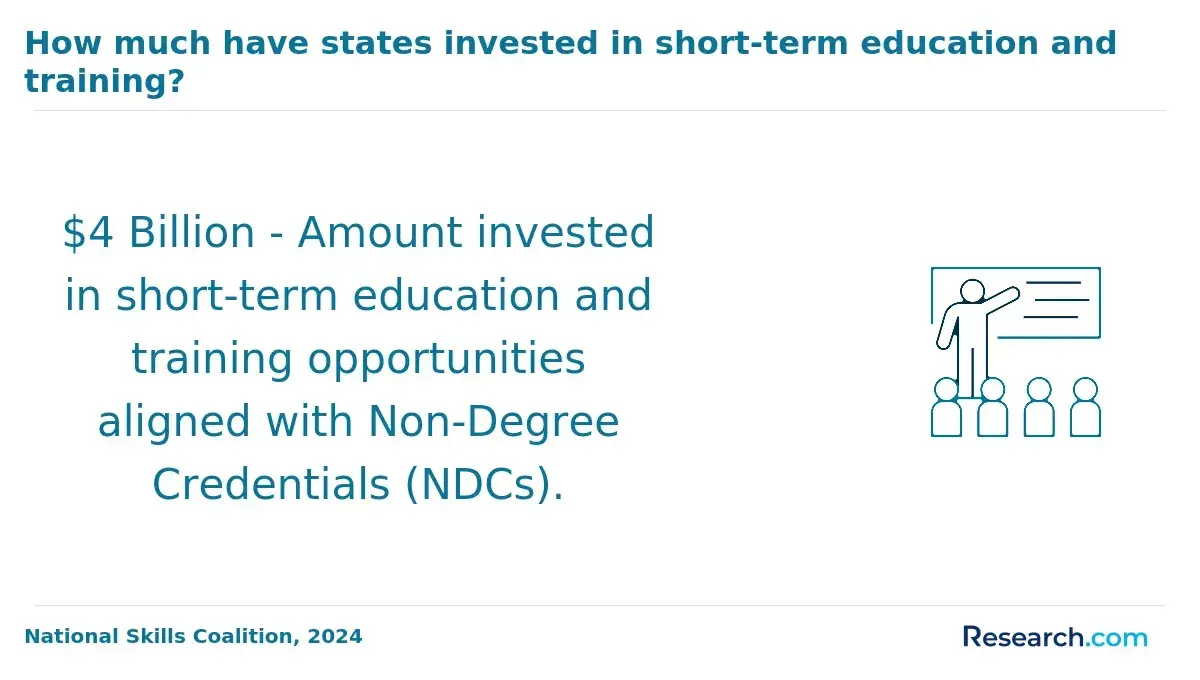
No certification can make an architecture career completely recession-proof. However, credentials can make a graduate more valuable by proving specialized expertise that employers need during leaner periods. Roles requiring specific certifications have shown a 12% higher employment retention rate during economic downturns, which suggests that targeted credentials can improve resilience when paired with relevant experience.
- LEED Accredited Professional (LEED AP): LEED AP demonstrates knowledge of sustainable design and green building practices. It is useful for graduates pursuing energy-efficient design, environmental consulting, institutional projects, and firms that serve clients with sustainability requirements.
- Project Management Professional (PMP): PMP is not architecture-specific, but it signals competence in budgets, schedules, risk, teams, and delivery. Architecture graduates with project management skills can move into leadership roles where the ability to control cost and execution is highly valued.
- Certified Building Inspector (CBI): CBI or similar inspection credentials can support careers in code compliance, renovation, preservation, and building safety. These areas may remain active because owners must maintain safe, compliant properties even when new construction slows.
- BIM Professional: BIM credentials show skill in Building Information Modeling, coordination, documentation, and integrated project delivery. BIM professionals can help teams reduce errors, improve collaboration, and control costs, which becomes especially important when budgets tighten.
Students comparing architecture credentials with management-focused education may ask is project management a good degree to complement design training. For many architecture graduates, project management knowledge can broaden options beyond traditional design roles and improve mobility across construction, facilities, and development teams.
Are there skills that Architecture graduates should learn to improve their job security?
Architecture graduates improve job security when they become useful across multiple stages of a project: planning, design, documentation, approval, budgeting, construction, operation, and reuse. Employers are more likely to retain professionals who can solve practical problems, communicate clearly, reduce risk, and adapt to changing workloads.
- BIM Proficiency: Building Information Modeling skills, including tools such as Revit, help graduates coordinate drawings, detect conflicts, manage information, and collaborate with engineers, contractors, and owners.
- Sustainability Expertise: Knowledge of eco-friendly materials, energy-saving technologies, environmental standards, and building-performance strategies supports work in green construction, public projects, and long-term facility planning.
- Project Management: Budgeting, scheduling, stakeholder communication, risk tracking, and team coordination make architecture graduates valuable in design firms, construction companies, public agencies, and owner-side roles.
- Digital Visualization: Skills in 3D modeling, rendering, and virtual walkthroughs using software like SketchUp or Lumion help clients and decision-makers understand design intent, compare options, and approve projects with greater confidence.
- Construction Knowledge: Understanding how buildings are actually assembled improves documentation, site coordination, quality control, and communication with contractors. This knowledge is useful in both strong and weak markets.
The strongest candidates usually combine design judgment with technical execution. Graduates comparing degree options, including bachelor architecture online pathways, should look for programs that build a portfolio, teach current software, and connect coursework with real project constraints.
Students who want flexible ways to add career-ready skills can also compare options through top online universities, especially if they need programs that support working adults or career changers.
Does the prestige of the institution affect the recession-resistance of a Architecture degree
Institutional prestige can help, especially early in a career or in competitive design markets, but it does not determine whether an architecture graduate will be recession-resistant. A well-known school may provide stronger brand recognition, studio resources, alumni connections, recruiting access, and exposure to established firms. Those advantages can make the first internship or job search easier.
Prestige is only one factor. Employers also look for an accredited academic background where relevant, a strong portfolio, software proficiency, communication skills, practical experience, and evidence that the graduate can contribute to real projects. In architecture and adjacent fields, a candidate who can document buildings well, coordinate teams, understand codes, and solve technical problems may outperform a candidate who relies on school name alone.
Networking is another major benefit of attending a strong program. Alumni, faculty, critics, internship partners, and professional associations can lead to opportunities that are not widely advertised. This matters in architecture because trust, referrals, and project experience often influence hiring.
Graduates from any accredited architecture program can improve resilience by building a targeted portfolio, gaining internships, learning BIM and sustainability tools, pursuing relevant credentials, and staying open to adjacent roles in planning, facilities, preservation, construction management, and public infrastructure.
How can Architecture students ensure they meet current job market demands?
Architecture students can meet current job market demands by treating school as more than a sequence of studio projects. Employers want graduates who can think creatively, use current tools, understand constraints, collaborate with different disciplines, and explain the value of their work clearly.
- Get hands-on training: Internships, cooperative education, part-time firm work, public agency experience, and construction exposure help students understand how drawings, budgets, deadlines, codes, and client decisions interact.
- Build a market-aware portfolio: A strong portfolio should show more than attractive renderings. Include process work, technical drawings, sustainability thinking, collaborative projects, adaptive reuse, community design, and evidence of problem-solving.
- Develop technical software skills: BIM, advanced CAD, visualization, digital fabrication, and performance-analysis tools can make students more useful from the first day on a project team.
- Participate in community and competition work: Design competitions, local planning initiatives, nonprofit projects, and community engagement show initiative and social awareness. They also help students practice explaining design decisions to non-design audiences.
- Seek mentorship: Faculty, alumni, licensed architects, planners, contractors, and project managers can help students understand which skills employers actually value and which sectors are hiring.
- Track industry shifts: Students should pay attention to sustainability requirements, housing policy, infrastructure spending, adaptive reuse, healthcare design, and digital delivery methods because these areas can shape hiring demand.
When discussing how architecture students can keep pace with job market demands, a professional who completed an online architecture bachelor's shared his journey. “Initially, balancing coursework with my job was overwhelming,” he recalled. “The real challenge was translating theory into projects that employers actually recognize.” He said mentorship helped him “gain clarity on what specific skills are in demand.” His advice to current students is to treat education not only as coursework, but as a way to build a network, a portfolio, and concrete experience that employers cannot overlook.
Do recession-resistant Architecture careers pay well?
Recession-resistant architecture careers can pay well, but compensation varies by role, industry, location, credentials, and experience. Professionals pursuing recession-resistant architecture careers salary in the US typically earn between $70,000 and $95,000 annually, reflecting the specialized skills and education required. Fields like sustainable design, urban planning, and construction management are known for stable employment during economic downturns and often see annual income growth outpacing broader market trends by 2% to 3%.
The best-paying resilient paths are often those that combine architecture with management, technical coordination, regulatory expertise, or building performance. Construction management, infrastructure modernization, healthcare facilities, sustainability consulting, and owner-side project leadership can offer strong earning potential because they connect design knowledge with budget, risk, compliance, and operations.
Some stable specialties may pay less than high-end private design roles in strong markets, but they may offer steadier work and clearer long-term demand. Certifications such as LEED accreditation and project management credentials can also improve salary potential when they match the role.
Graduates who want to strengthen analytical preparation may explore a mathematics online degree as a complementary path, particularly for work involving modeling, analytics, cost estimation, performance analysis, or technical consulting.
What Graduates Say About Their Career After Getting a Degree in Architecture
- : "Choosing an architecture degree was driven by my passion for creative problem-solving and urban sustainability. The rigorous training sharpened my critical thinking and taught me to adapt quickly-skills that proved invaluable when I transitioned into project management in the construction sector, a field less affected by economic downturns. This background not only opened stable career doors but also gave me confidence navigating complex, ever-changing environments. Louie"
- : "Reflecting on my journey, my architecture degree was more than just design-it was a foundation of resilience and precision. The technical skills and attention to detail developed during my studies made me an asset in preservation consultancy, a niche with consistent demand regardless of economic shifts. For students aiming at recession-proof roles, I can attest that versatility and a strong grasp of fundamentals are key takeaways from this degree. Amanda"
- : "My decision to pursue architecture stemmed from a desire to blend creativity with functionality. The discipline's emphasis on comprehensive planning and collaboration directly prepared me to excel in urban planning, a recession-resistant profession that values longevity and public investment. This degree gave me a unique perspective enabling me to contribute meaningfully to community development, which remains significant even during tougher economic times. Matthew"
Other Things You Should Know About Architecture Degrees
The stability of recession-resistant careers in architecture often hinges on the demand for essential services, such as infrastructure maintenance, public works, and healthcare facilities design. Jobs tied to government contracts or critical urban development projects tend to be more secure during economic downturns. Additionally, roles that focus on retrofitting or sustainable design can maintain demand regardless of market fluctuations.
Technology plays a crucial role by enabling architects to improve efficiency through tools like Building Information Modeling (BIM) and virtual reality. Proficiency with these technologies can help professionals adapt to evolving industry demands and secure roles in firms focusing on innovative project delivery. Embracing emerging technologies also opens pathways in adjacent fields such as urban planning and construction management, which may be less vulnerable to recessions.
Architects engaged in long-term contracts or retained consulting arrangements often experience more stability during economic downturns than those relying solely on project-based or freelance work. Fixed contracts with government agencies or large corporations provide predictable income streams. Conversely, short-term or speculative projects might be paused or canceled during recessions, increasing job insecurity for architects in those roles.
References
- The 4 Best Architecture Related Careers for New Graduates | Blogs | Archinect https://archinect.com/blog/article/150068846/the-4-best-architecture-related-careers-for-new-graduates
- Too Many Architecture Graduates, Too Few Jobs: The Oversupply Problem in Architecture - jobs.archi https://jobs.archi/2025/08/31/too-many-architecture-graduates-too-few-jobs-the-oversupply-problem-in-architecture/
- 11 Best Cities for Architecture Careers in 2021 - Monograph https://monograph.com/blog/best-cities-for-architecture-careers
- Ranked: The Top Paying States for Architects https://inside.lighting/news/25-06/ranked-top-paying-states-architects-salary-usa
- 8 Key Insights For Architects In The Public Sector https://architecturesocial.com/guides/8-essential-insights-for-architects-venturing-into-the-public-sector/
- How to Find Work During a Recession https://www.architectmagazine.com/practice/how-to-find-work-during-a-recession_o
- How resilient is the Architecture industry? Comparisons Between Previous Recessions - Architect-US https://www.architect-us.com/blog/2021/09/how-resilient-is-the-architecture-industry-comparisons-between-previous-recessions/
- Architecture Salary Guide - H Δ U S https://hauscareers.com/salary-guides/architecture-salary-guide/
- recession's architecture impact — M. Gerwing ARCHITECTS https://mgerwingarch.com/m-gerwing/2009/11/03/recessions-impact
- The Architecture Salary Poll https://salaries.archinect.com/poll/results