
2027 Which Architecture Degree Careers Offer the Best Long-Term Salary Growth?

Co-Founder and Chief Data Scientist
Choosing an architecture career path is not only a design decision; it is a long-term earnings decision. Architecture graduates can move into design, project delivery, planning, development, consulting, sustainability, technology, and firm leadership, and each path has a different salary curve. Recent data shows that architecture professionals can see a median wage increase of nearly 25% after gaining 10 years of experience, but that growth is not automatic.
The strongest return usually comes from combining architectural training with marketable specialization, licensure where required, project leadership, digital design skills, client-facing experience, and work in regions or industries with active construction and development. This guide explains which architecture careers tend to produce the best long-term salary growth, how earnings typically progress, which entry-level roles create strong momentum, and what students and graduates should consider before choosing a specialization.
Key Benefits of Architecture Degree Careers That Offer Long-Term Salary Growth
- Careers in architecture show a steady salary increase, with senior architects earning over 40% more after 10 years of experience, reflecting rising demand and project leadership roles.
- Continued skill development and certifications in sustainable design and technology boost earning potential by enhancing expertise and marketability within the architecture sector.
- Long-term growth opportunities in architecture support financial stability, as experienced professionals often advance to management or specialized consulting roles with higher compensation.
Which Architecture Careers Have the Highest Long-Term Salary Growth?
The architecture careers with the strongest long-term salary growth are usually those that expand beyond drafting or design support into leadership, specialized advisory work, or control over budgets, clients, and project outcomes. The U.S. Bureau of Labor Statistics reports that median wages for architects often rise by over 30% in a 15-year span, especially for professionals who move into leadership or specialized roles.
For students comparing architecture with other fields among the best college majors, the key question is not just “What does this job pay at the start?” but “How much responsibility can this path lead to?” In architecture, pay growth tends to follow responsibility.
- Project Management: Architecture professionals who become project managers often see stronger salary progression because they oversee schedules, budgets, consultants, construction coordination, and client expectations. These roles reward people who can translate design goals into completed buildings while reducing costly delays and miscommunication.
- Architectural Consultant: Consultants can earn more over time when they develop expertise that firms, developers, or public agencies cannot easily replace. Examples include sustainable design, accessibility, code review, historic preservation, building performance, and regulatory compliance. The more specialized and trusted the advice, the stronger the long-term earning potential.
- Urban Planner/Developer: Architecture graduates who move into planning, real estate development, or community-scale design can benefit from larger project scopes and higher-value decisions. These roles often involve land use, infrastructure, entitlement, public engagement, and investment strategy, which can create broader salary opportunities than design production alone.
In practical terms, the highest-growth paths usually share three traits: they solve expensive problems, require judgment built through experience, and put the professional closer to clients, owners, public agencies, or executive decision-making.
How Does Salary Growth Progress Over Time in Architecture Careers?
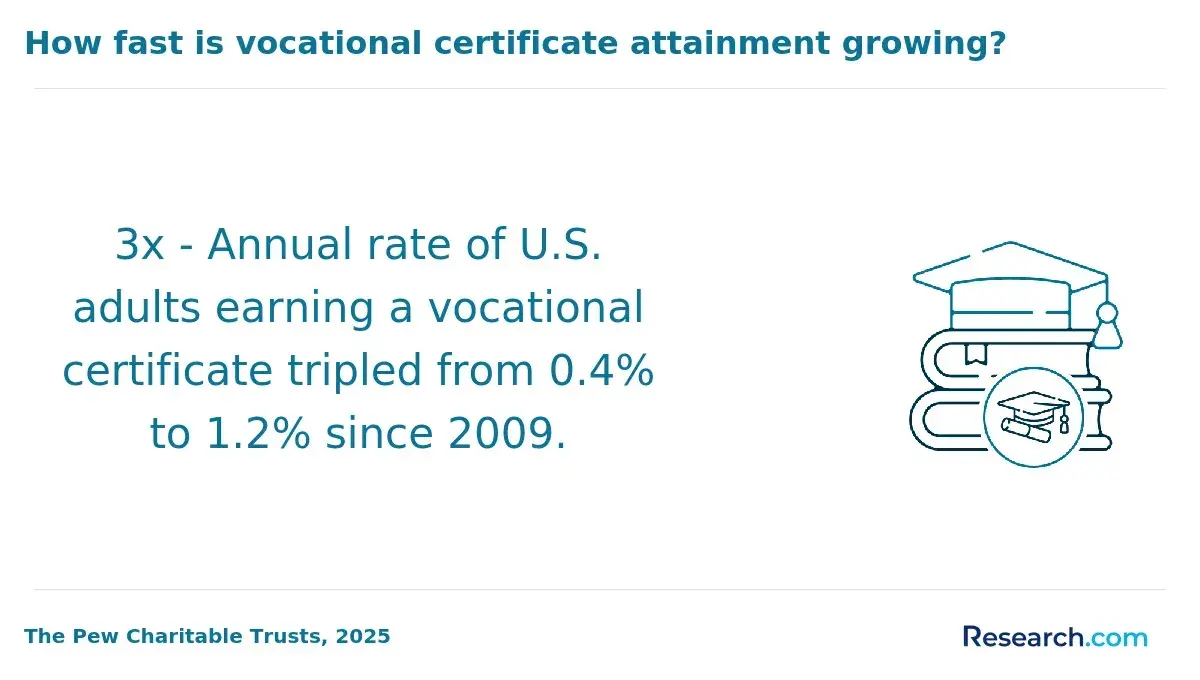
Salary growth in architecture is typically gradual rather than sudden. Data from the U.S. Bureau of Labor Statistics shows that the median wage for architects rose by nearly 15% over a decade, reflecting typical long-term growth at an average annual rate of around 3% to 5%. This means many architecture graduates should expect earnings to build through experience, licensure, specialization, and promotion rather than through a single early-career salary jump.
Architecture compensation often moves through three broad stages:
- Early career: New graduates usually focus on production work, design documentation, software proficiency, coordination, and learning how projects move from concept to construction. Raises may be modest because the professional is still building judgment and workplace credibility.
- Mid-career: Salary growth often becomes more noticeable when professionals gain licensure, manage portions of projects, communicate directly with clients or consultants, and take responsibility for deliverables. This is often the period when a career path begins to separate into design leadership, technical specialization, management, planning, or development.
- Late career: Earnings can reach their strongest level when professionals lead teams, win work, manage major accounts, become principals, or provide high-value consulting. Growth may level off in some employee roles, but ownership, business development, or specialized consulting can extend earning potential.
The main lesson is that architecture rewards accumulated judgment. A graduate who only repeats the same production tasks for years may see slower growth than someone who deliberately adds licensure, project leadership, client communication, technical depth, or business skills. Broader career-planning resources from Research.com can help students compare how long-term earning patterns differ across fields.
Which Entry-Level Architecture Jobs Lead to High-Paying Careers?
The best entry-level architecture jobs for long-term salary growth are the roles that expose graduates to real project constraints: budgets, building codes, consultants, clients, construction details, and deadlines. According to the U.S. Bureau of Labor Statistics, annual earnings for these positions typically fall between $50,000 and $65,000 but can rise substantially with experience.
Early titles matter less than the learning environment. A lower-paid first role that offers mentorship, project variety, and a path toward licensure may be more valuable than a slightly higher-paying role with repetitive tasks and limited advancement.
- Architectural Designer: This role builds design thinking, visual communication, presentation skills, and familiarity with schematic design. It can lead to senior designer, design director, or specialized design leadership roles when paired with strong technical and client skills.
- Junior Architect: Junior architects often assist licensed architects with drawings, coordination, code research, and project documentation. This can be a strong path for graduates pursuing licensure and future roles with greater legal, technical, and managerial responsibility.
- Project Coordinator: Coordinators learn how architecture projects actually move across teams. Scheduling, documentation control, consultant coordination, and issue tracking can prepare graduates for project architect or project manager roles, both of which tend to have stronger salary growth.
- BIM Technician: BIM-focused roles can lead to higher-value technical careers because Building Information Modeling supports coordination, clash detection, construction documentation, and data-rich building workflows. Graduates who combine BIM expertise with architectural judgment can become difficult to replace.
- Urban Planner Assistant: This role can be useful for graduates interested in public-sector planning, development, zoning, community design, or infrastructure. It provides exposure to land use decisions and large-scale projects that may lead to stronger long-term advancement.
One architecture graduate described the early years as demanding but clarifying: “Adjusting to deadlines and complex project requirements took time, but working closely with project managers and designers showed me how foundational these roles are for long-term success.” That experience reflects a common pattern: the first job should teach the systems behind architecture, not just the software used to produce drawings.
What Industries Offer the Best Salary Growth for Architecture Graduates?
Architecture graduates often see the best salary growth in industries where design decisions are tied to large budgets, complex regulations, technology adoption, public investment, or real estate value. A 2023 report noted that professionals in technology and real estate sectors experience annual salary growth between 5% and 7%, exceeding typical field averages.
These industries tend to offer stronger long-term opportunities because they need architecture graduates who can connect design with performance, construction feasibility, user experience, compliance, and business outcomes.
- Technology Sector: Technology companies may employ architecture graduates in workplace strategy, smart building design, digital twins, data-driven planning, facilities innovation, or user-centered physical environments. Salary growth can improve when architectural knowledge is paired with technical fluency.
- Real Estate and Development: Development firms value professionals who understand feasibility, entitlement, design quality, construction coordination, and market positioning. Architecture graduates who learn finance, pro formas, zoning, and owner-side decision-making can move into higher-paying roles over time.
- Government and Public Infrastructure: Public agencies can offer stability, structured raises, and exposure to civic buildings, transportation, housing, schools, parks, and urban renewal. Pay growth may be more predictable than explosive, but benefits and job security can strengthen total career value.
- Construction and Engineering: Architecture graduates in construction and engineering settings can grow into roles focused on design-build delivery, technical coordination, sustainability, building systems, and constructability. Those who bridge design and field execution are often valuable on complex projects.
- Consulting and Specialized Design: Consulting firms may reward deep expertise in sustainability, accessibility, façade systems, workplace strategy, code compliance, preservation, healthcare planning, or laboratory design. Salary growth depends heavily on reputation, client demand, and measurable expertise.
Students who are still comparing cost-conscious education routes can review options such as the cheapest bachelor degree online programs, especially if affordability is a major part of their career planning.
What Factors Influence Long-Term Salary Growth in Architecture Careers?
Long-term salary growth in architecture depends on more than talent. It is shaped by experience, market conditions, seniority, location, licensure, specialization, firm type, and the ability to manage responsibility. Two graduates with the same degree can have very different salary outcomes depending on how strategically they build their careers.
- Experience Accumulation: Years of experience matter most when they add judgment, not just time served. Architects who learn how to solve technical problems, coordinate consultants, manage clients, and reduce project risk usually become more valuable than those who remain limited to narrow production tasks.
- Market Demand and Economy: Architecture is closely tied to construction cycles, interest rates, public spending, real estate activity, and business investment. Strong building markets can support raises and hiring, while downturns may slow promotions or reduce bonuses.
- Role and Seniority: Salary growth often accelerates when professionals move into roles with decision-making authority. Project architects, project managers, design directors, technical directors, principals, and consultants typically have more earning leverage than entry-level production staff.
- Geographic Location: Compensation can vary widely by region because local construction activity, firm concentration, cost of living, and public-sector investment all influence pay. Large metropolitan areas may offer more high-paying roles, but higher living costs can reduce the real financial advantage.
- Licensure and Credentials: Licensure can be a major threshold for advancement in many architecture roles. It does not guarantee a higher salary by itself, but it can qualify professionals for greater responsibility, client trust, leadership roles, and positions that require signing or overseeing professional work.
- Business Development: Professionals who can help win projects, maintain client relationships, and support firm revenue often have stronger salary leverage. In senior roles, the ability to bring in work can matter as much as design ability.
A professional with an architecture degree explained that growth required more than waiting for seniority: “It wasn’t just about waiting for years to pass, but about finding opportunities that allowed me to demonstrate leadership and build trust.” That is a useful reminder for students and early-career professionals: the best salary trajectory usually comes from intentionally seeking broader responsibility.
How Do Skills and Specializations Affect Salary Growth?
Skills and specializations can significantly change an architecture graduate’s salary trajectory. Professionals with expertise in niche areas often see an average income increase of about 15% more than their peers over ten years. The reason is straightforward: specialized skills solve harder problems, reduce project risk, and make a professional more valuable to employers or clients.
The strongest skill combinations usually blend design judgment, technical execution, project delivery, and market awareness.
- Technical Proficiency: Advanced ability with digital design software, BIM workflows, visualization tools, modeling platforms, and documentation systems can improve productivity and coordination. Technical specialists often become essential to teams working on complex projects.
- Sustainable Design: Green building knowledge can improve salary growth because owners, governments, and developers increasingly care about energy performance, materials, resilience, and environmental standards. Sustainability expertise is especially valuable when it connects design ideals with measurable building performance.
- Project Management: Architects who can manage schedules, budgets, consultants, scope changes, and client expectations are positioned for leadership roles. Project management is one of the clearest ways to move from production work into higher-responsibility compensation.
- Regulatory Knowledge: Code, zoning, accessibility, permitting, life-safety, and compliance knowledge can make a professional highly valuable because mistakes in these areas can delay projects or create legal and financial risk.
- Communication and Client Skills: Strong presentation, negotiation, writing, and stakeholder-management skills can support faster advancement. Architecture is collaborative, and professionals who can explain complex decisions clearly are often trusted with larger responsibilities.
Specialization works best when it is marketable. A niche that clients will pay for, employers struggle to hire for, or regulations make necessary is more likely to improve compensation than a specialization with limited demand.
Do Advanced Degrees or Certifications Increase Long-Term Earnings?
Advanced degrees and certifications can increase long-term earnings in architecture, but the payoff depends on the role, market, employer, and credential. Professionals with master's degrees or specialized certifications are often viewed as more capable of handling complex projects, which can lead to increased compensation. Studies show that architects with advanced education can earn up to 20% more over their careers compared to those with only a bachelor's degree.
A graduate degree may be most useful when it supports a clear career direction, such as urban design, landscape architecture, sustainability, real estate development, computational design, historic preservation, or academic and research-oriented roles. It may be less financially useful if a student earns it without a plan for how the degree will lead to stronger responsibility, licensure eligibility, specialization, or access to better employers.
Certifications can also matter, especially when they align with employer demand. Credentials connected to sustainability, project management, digital technology, building performance, or specialized compliance can help a professional stand out. Licensure and professional certifications such as LEED accreditation often provide higher income potential due to regulatory and market demands, but they should be viewed as career accelerators rather than automatic salary guarantees.
The best approach is to compare the cost of the credential with the specific jobs it can unlock. Before enrolling in an advanced program, students should ask whether the degree or certification is recognized by target employers, whether it supports licensure or specialization goals, and whether alumni move into roles with stronger long-term salary growth.
How Does Job Stability Impact Long-Term Salary Growth?
Job stability can support long-term salary growth by allowing architecture professionals to build trust, complete full project cycles, earn promotions, and develop deeper technical and client knowledge. Research has found that workers who stay in architecture and construction roles for five years or more can achieve up to a 20% higher wage increase, illustrating how job retention can support financial advancement.
Stability is especially valuable in architecture because projects can take years. A professional who stays long enough to see projects move from design through documentation, permitting, construction, and closeout gains a broader skill set than someone who repeatedly leaves before major milestones. That experience can translate into stronger qualifications for project architect, project manager, or leadership roles.
However, stability should not mean staying in a stagnant role indefinitely. If a firm does not offer mentorship, raises, licensure support, broader responsibilities, or promotion paths, a strategic job change may improve long-term salary growth. The strongest career strategy is usually a balance: stay long enough to build meaningful experience, but move when the role no longer supports professional growth.
Architecture graduates should also consider financial planning alongside career planning. Readers comparing education costs and long-term earnings in other fields may find resources such as scholarships for accounting majors useful when thinking about affordability, debt, and return on education.
What Are the Highest-Paying Career Paths After 10+ Years?
After 10 or more years, the highest-paying architecture paths usually involve leadership, ownership, specialized consulting, or management of complex projects. According to data from the American Institute of Architects (AIA), mid-to-late career architects with over 10 years of experience typically earn median salaries between $90,000 and $130,000, reflecting established industry compensation trends.
At this stage, income growth is less about simply being an experienced designer and more about the value a professional creates for a firm, client, owner, or public agency.
- Firm Principal or Partner: Principals and partners may earn more because they influence firm strategy, manage major clients, lead business development, and may share in profits or equity. This path can offer strong upside but also involves business risk, management pressure, and responsibility for firm performance.
- Design Director or Head of Architecture: These professionals guide design vision, supervise teams, review major work, and represent the firm’s creative direction. The role rewards design excellence, leadership, client confidence, and the ability to deliver high-profile projects.
- Senior Project Architect or Manager: Senior project leaders coordinate teams, consultants, budgets, schedules, client communication, and technical execution. This path can be especially strong for professionals who combine architectural knowledge with practical delivery skills.
- Specialized Consultant: Consultants in sustainable design, historic preservation, accessibility, code compliance, urban planning, or building technology can command premium fees when their expertise is difficult to replace. Consulting income depends heavily on reputation, network, and demand.
- Architectural Engineer: Professionals who combine architecture with advanced engineering or building systems knowledge can contribute to complex multidisciplinary projects. This path may be attractive for those who enjoy technical problem-solving as much as design.
Architecture professionals interested in legal, zoning, contracts, or compliance-related work may also compare adjacent education pathways, including the cheapest paralegal certificate online ABA approved programs, as part of broader career planning.
How Do You Choose a Architecture Career Path With Strong Salary Growth?
To choose an architecture career path with strong salary growth, look beyond the first job title and evaluate the full career ladder. Salary differences between early-career and seasoned architecture professionals can surpass 60%, so the better question is whether a path leads to licensure, specialization, leadership, client influence, or ownership opportunities.
Use the following criteria when comparing architecture specializations:
- Market Demand: Favor areas where clients, firms, developers, or public agencies have ongoing needs. Sustainable design, commercial development, infrastructure, healthcare, housing, planning, and technology-enabled design may offer stronger opportunities when local demand is active.
- Role Progression: Choose roles with visible advancement. A strong path should show how an entry-level employee can become a licensed architect, project architect, project manager, technical lead, design director, consultant, or principal.
- Skill Diversification: Combine design ability with project management, BIM, sustainability, code knowledge, communication, and business skills. Architecture graduates with both creative and operational strengths often have more salary leverage.
- Geographic Factors: Compare salary potential with cost of living and local construction activity. A high salary in an expensive city may not always produce a better financial outcome than a moderate salary in a lower-cost market.
- Sector Focus: Commercial architecture, sustainable design, real estate development, public infrastructure, and specialized consulting can provide strong long-term rewards when they align with market demand and personal strengths.
- Education Cost and Flexibility: Students should consider tuition, accreditation, studio requirements, licensure goals, and schedule flexibility. Those comparing remote options can research a degree in architecture online while confirming that the program fits their professional goals.
A practical way to decide is to work backward from the role you want after 10 years. Identify the credentials, experience, portfolio, software skills, licensure steps, and project exposure required for that role, then choose entry-level jobs and education options that move you toward it.
What Graduates Say About Architecture Degree Careers That Offer Long-Term Salary Growth
- : "Choosing an architecture degree was a pivotal decision for me because it uniquely balances creativity and technical knowledge. The intellectual challenge and practical skills I gained have been key drivers of my career growth, especially in roles focused on sustainable design. Looking back, the ROI of my degree has far exceeded my expectations, thanks to the steadily rising demand for innovative architects. — Louie"
- : "Reflecting on my journey, pursuing architecture opened doors to diverse opportunities that I hadn’t anticipated. While it requires dedication, the long-term salary growth potential in fields like urban planning and project management is impressive. The impact this degree has had on my professional development is profound, providing both stability and the chance to contribute meaningfully to community spaces. — Zamir"
- : "From a professional standpoint, earning an architecture degree was an investment in both my skills and future earnings. The strategic knowledge I acquired about building technologies and client relations has been crucial in advancing my career. What stands out most is how architecture careers offer promising salary trajectories when paired with specialization and leadership roles. — Matthew"
Other Things You Should Know About Architecture Degrees
Positions such as project managers, senior architects, and design directors tend to involve the highest levels of leadership within architecture. These roles require overseeing teams, managing client relations, and coordinating complex projects, making them crucial for long-term career advancement. Leadership experience in these areas often correlates with elevated salary growth over time.
Geographic location greatly affects salary potential in architecture careers. Major metropolitan areas and regions with active development projects typically offer higher wages due to increased demand for experienced architects. Conversely, rural or economically stagnant areas often feature lower salary ranges and fewer advancement opportunities.
Yes, fields such as sustainable design, urban planning, and digital modeling are gaining traction and can influence future salary trends. Architects who develop expertise in green building technologies or advanced software tools may find themselves better positioned for long-term salary increases. Keeping up with these emerging specialties can provide a competitive advantage.
In 2027, professional networking can significantly enhance long-term salary growth for architecture graduates by connecting them with industry leaders, uncovering job opportunities, and fostering collaborations. These connections may lead to higher-paying roles and greater career advancement, essential for capitalizing on the evolving landscape of architecture.
References
- Salary trends and expectations | ACA - Association of Consulting Architects Australia https://aca.org.au/salary-trends-and-expectations/
- Architectural Salary Survey https://www.9bcareers.com/career-support/architectural-salary-survey.aspx
- Architecture & Interior Design Salaries - 2026 | Bespoke Careers https://www.bespokecareers.com/salary-guide/
- Stability of the profession | Forum | Archinect https://archinect.com/forum/thread/150057902/stability-of-the-profession
- Salary & Career Progression Tips | ARCHLOGBOOK https://docs.archlogbook.co/01-industry-basics/salary-and-career-progression-tips
- Architecture Ranked as 10th Best Entry-Level Job out of 109 Professions - Study Architecture | Architecture Schools and Student Information https://studyarchitecture.com/blog/architecture-news/architecture-ranked-10th-best-entry-level-job-109-professions/
- Career Paths After B. Architecture https://www.lpu.in/blog/career-paths-after-b-architecture/
- Artwork of a gum leaf symbolising ‘welcome’ and acknowledging diverse countries, environments, communities, cultures, beliefs, and history. https://www.seek.com.au/entry-level-architecture-jobs
- Is Architecture a Good Career in UK? Salary & Career Path https://formiarchitecture.com/is-architecture-a-good-career/
- What Is the Career Scope in Architecture? Jobs, Salary, and Growth Opportunities for Students https://drmgrarch.ac.in/2025/12/27/what-is-the-career-scope-in-architecture-jobs-salary-and-growth-opportunities-for-students/


