2027 Most Affordable Online Bachelor's Degrees for Career Growth

Co-Founder and Chief Data Scientist
Choosing an affordable online bachelor's degree is no longer just about finding the lowest tuition, it is about avoiding debt while earning a credential that employers recognize. College Board reported average published tuition and fees of $11,610 for in-state public four-year colleges in 2024-25, before housing and other costs.
This guide is for working adults, transfer students, military learners, and first-time undergraduates who want practical ways to compare low-cost online degrees, estimate return on investment, and choose a major tied to durable career growth.
Key Things You Should Know
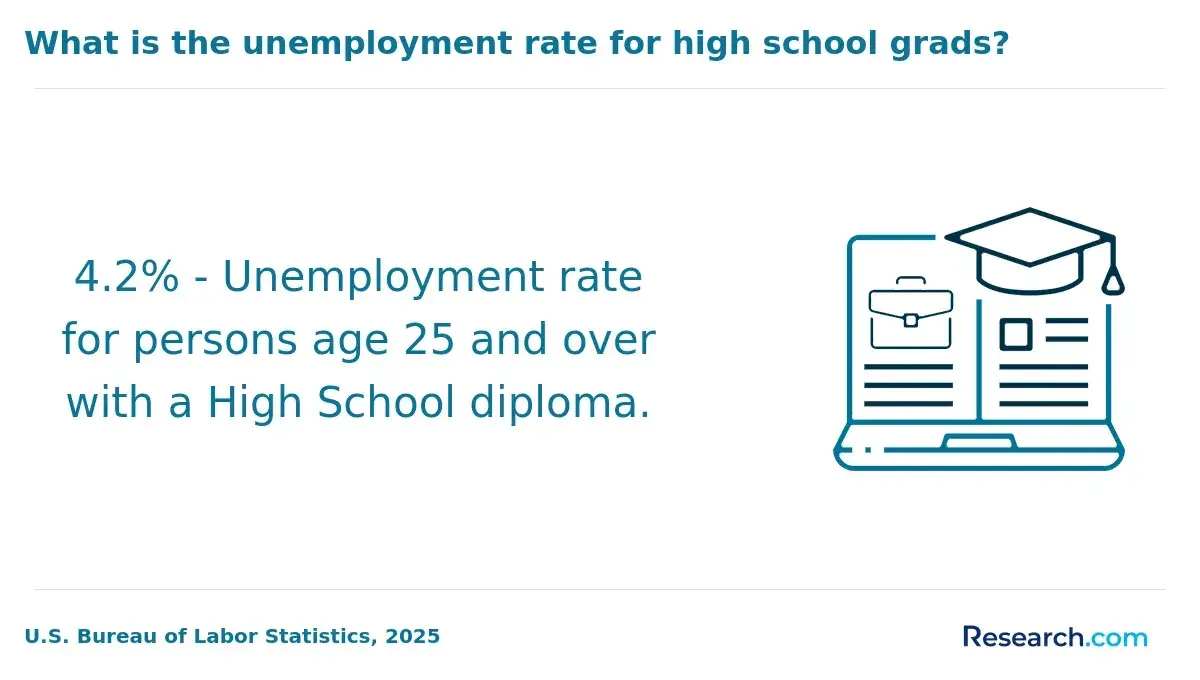
- For 2024, the U.S. Bureau of Labor Statistics reported median weekly earnings of $1,543 for workers with a bachelor's degree, compared with $930 for those with only a high school diploma; the value comes from choosing a career-aligned, accredited program, not from the credential alone.
- The most affordable online bachelor's options usually combine in-state public tuition, generous transfer credit, flat-rate online fees, competency-based pacing, employer tuition assistance, or credit for prior learning.
- High-demand budget-friendly majors include business, nursing completion, information technology, computer science, cybersecurity, accounting, education, healthcare administration, and engineering technology, but licensure rules and local job markets can change the best choice.
Top 10 2026 Most Affordable Online Bachelor's Degrees for Career Growth
Business Degrees
An online bachelor's in business fits students who want flexible options in management, accounting, marketing, finance, logistics, or human resources. It is often one of the most transfer-friendly degrees because many general education and lower-division business courses are widely accepted. The best low-cost programs include analytics, spreadsheet modeling, communication, and applied projects, not only theory. Students targeting CPA pathways should verify accounting credit requirements by state before enrolling. For broad career growth, business is strongest when paired with internships, industry software skills, or a focused concentration.
Healthcare Degrees
Affordable online healthcare bachelor's degrees usually focus on healthcare administration, health sciences, public health, or health information management. They are useful for students who want non-clinical roles in hospitals, insurers, clinics, community health organizations, or medical technology companies. These programs may cover healthcare law, ethics, reimbursement, quality improvement, and data systems. Students should distinguish administrative degrees from clinical licensure programs. If the goal is nursing, radiography, respiratory therapy, or another licensed field, confirm that the online pathway includes approved clinical or practicum requirements.
Information Technology Degrees
An online IT bachelor's degree is practical for students who want to manage networks, cloud systems, databases, help desk operations, or enterprise platforms. It is often more applied than computer science and may align well with certifications from cloud, networking, or security vendors. Affordable IT programs are strongest when they include labs, virtual environments, and portfolio projects. This degree is a good fit for career changers who like troubleshooting and systems thinking, but students seeking heavy programming, theory, or software engineering roles may prefer computer science.
Computer Science Degrees
An online computer science bachelor's degree can support careers in software development, data engineering, AI-adjacent roles, and systems design. Low-cost programs should still include programming, algorithms, data structures, databases, operating systems, and software engineering projects. Students should check whether courses use current languages and require substantial coding. This path rewards persistence because independent practice matters as much as coursework. It may not be ideal for students who want minimal math or who prefer user support, systems administration, or business technology roles over building software.
Cybersecurity Degrees
An online cybersecurity bachelor's degree is designed for students interested in protecting systems, investigating incidents, managing risk, and supporting compliance. Affordable programs should include networking, scripting, cloud security, digital forensics, governance, and hands-on labs. Because cybersecurity is rarely a purely entry-level field, students should look for programs that build practical experience through projects, internships, competitions, or certification preparation. The degree is valuable when paired with technical proof of skill; it is weaker if it offers only policy courses without applied security work.
Psychology Degrees
An online psychology bachelor's degree is affordable and versatile, but students should understand its limits. It can support entry-level roles in human services, case coordination, behavioral health support, market research, human resources, and nonprofit work. It does not qualify graduates to work independently as psychologists or licensed counselors; those careers require graduate education and supervised experience. The strongest programs teach research methods, statistics, ethics, abnormal psychology, developmental psychology, and applied communication. Students seeking immediate high earnings may want to pair psychology with data, business, or healthcare coursework.
Nursing Degrees
The most affordable online nursing bachelor's option is usually an RN-to-BSN program for licensed registered nurses. These programs build leadership, community health, evidence-based practice, informatics, and care coordination skills while allowing working nurses to continue employment. Pre-licensure BSN programs are less commonly fully online because clinical training must be completed in person. Students should confirm state board approval, clinical placement rules, and employer recognition. For current RNs, a low-cost online BSN can be especially practical when tuition reimbursement is available.
Education Degrees
Online bachelor's degrees in education can prepare students for teaching, instructional support, early childhood settings, or non-licensure education roles. The key decision is whether the program leads to initial teacher licensure in the student's state. Affordable tuition is not enough if student teaching, testing, or state approval requirements are missing. Students should also compare field placement support because arranging classroom experience can be difficult in online programs. Education is best for students committed to service, communication, and long-term professional development rather than rapid salary growth.
Criminal Justice Degrees
An online criminal justice bachelor's degree can fit students interested in law enforcement, corrections, courts, homeland security, victim advocacy, or compliance roles. Programs often cover criminology, criminal law, ethics, research, policing, and corrections systems. Affordability matters because many public-sector roles use structured pay scales. Students should verify whether their target agency requires academy training, physical standards, background checks, or specialized experience beyond the degree. This major is strongest when combined with writing ability, data literacy, internship experience, and a clear understanding of local hiring requirements.
Engineering Degrees
Fully online engineering bachelor's degrees are less common than engineering technology or completion programs because labs and ABET-accredited design experiences can be hard to deliver remotely. Students seeking licensed professional engineer pathways should verify ABET accreditation and state requirements before enrolling. Engineering technology may be more accessible and career-focused for roles in manufacturing, quality, electronics, construction, or operations. The best affordable options provide remote labs, design projects, transfer pathways, and strong math support. This path suits students with strong quantitative skills and patience for rigorous coursework.
What makes an online bachelor's degree both affordable and valuable for long-term career growth?
An online bachelor's degree is both affordable and valuable when its total cost is low enough to manage and its curriculum clearly connects to roles with stable demand, advancement pathways, or licensure eligibility. The cheapest program is not always the best deal if it has weak advising, poor transfer policies, limited employer recognition, or no connection to the student's target career.
Use affordability and value as two separate filters. Affordability measures what you pay; value measures what the credential helps you do after graduation. A strong program usually has regional or appropriate national accreditation, transparent tuition, predictable fees, generous transfer credit, career-relevant coursework, and student support that fits adult learners.
The most important value signals are not always promotional rankings. Look for evidence that the program's structure matches your situation: asynchronous courses if you work shifts, part-time pacing if you have caregiving duties, practicum support if licensure is involved, and applied projects if you need a portfolio.
| Decision factor | Why it matters | What a strong low-cost program usually shows |
| Total price | Tuition alone can hide technology fees, course materials, and residency rules. | Clear cost-per-credit, fee disclosures, and net price estimates. |
| Accreditation | Accreditation affects credit transfer, financial aid, graduate school, and employer acceptance. | Institutional accreditation and programmatic accreditation where needed. |
| Career alignment | A degree has stronger ROI when coursework maps to real roles. | Relevant concentrations, projects, internship options, and employer-informed curriculum. |
| Completion support | Low tuition loses value if students cannot finish efficiently. | Advising, transfer evaluation, tutoring, accessible faculty, and predictable course rotation. |
How can students compare tuition, fees, and total cost of online bachelor's programs?
Students should compare online bachelor's programs by total cost of attendance, not just the advertised tuition rate. The real price can change based on residency, transfer credits, textbook models, online fees, course load, financial aid, and whether the school charges per credit or flat-rate tuition.
College Board reported average published tuition and fees of $30,780 for out-of-state students at public four-year colleges in 2024-25, which shows why online learners should not assume a public university is automatically low-cost unless the online rate is clearly stated. Some public universities offer separate online tuition that is the same for in-state and out-of-state learners, while others do not.
Use this cost comparison as a starting point before speaking with admissions or financial aid. It summarizes the expenses that most often change the final price of an online bachelor's degree.
| Cost item | What to compare | Why it can change affordability |
| Tuition rate | Per-credit, per-term, in-state, out-of-state, and online-specific rates. | A lower per-credit rate may still cost more if transfer credits are limited. |
| Mandatory fees | Technology, online learning, graduation, proctoring, lab, and student service fees. | Fees can add a meaningful cost even when tuition looks low. |
| Books and materials | Open educational resources, inclusive access fees, software, and lab kits. | Programs using free or low-cost materials may reduce out-of-pocket spending. |
| Transfer policy | Maximum credits accepted, grade minimums, age limits, and course equivalencies. | Accepted credits reduce both tuition cost and time to completion. |
| Financial aid | Pell Grant eligibility, scholarships, employer aid, military benefits, and payment plans. | Net price after aid matters more than sticker price. |
After collecting the numbers, calculate three scenarios: finishing with no transfer credit, finishing with expected transfer credit, and finishing part time while working. Students interested in self-paced formats should also compare competency-based online colleges, because the best value depends on how quickly they can complete assessed competencies without sacrificing learning quality.
Which accredited universities offer reputable low-cost online bachelor's degrees in the U.S.?
Many reputable low-cost online bachelor's degrees are offered by public universities, regional state systems, and nonprofit institutions with long histories of serving adult learners. However, the right school depends on state residency, transfer credits, major availability, licensure goals, and support needs.
The examples below are not a ranking. They illustrate the kinds of U.S. institutions students often compare when searching for affordable online bachelor's programs.
| University or system type | Examples students often research | Why it may be budget-friendly |
| Large public online campuses | University of Florida Online, Arizona State University Online, Oregon State University Ecampus | Broad major selection, established online infrastructure, and public-university name recognition. |
| Regional public universities | Fort Hays State University, University of Maine at Presque Isle, Western Carolina University | Often competitive tuition and transfer-friendly completion pathways. |
| Adult-focused public institutions | Charter Oak State College, Thomas Edison State University, Excelsior University | Often designed around transfer credit, prior learning, and flexible degree completion. |
| Competency-based or flexible-format universities | Western Governors University, University of Wisconsin Flexible Option | May lower cost for students who can progress quickly through mastered material. |
| Military- and workforce-serving institutions | American Public University System, Southern New Hampshire University, University of Maryland Global Campus | Often offer online scheduling, transfer pathways, and employer or military education benefit processes. |
Before choosing any university, verify the exact program page, institutional accreditation status, state authorization, financial aid eligibility, and whether the school reports outcomes for online students separately. A reputable university can still be a poor match if its calendar, transfer rules, or required field placements do not fit your life.
What are the best budget-friendly online bachelor's degrees for high-demand careers?
The best budget-friendly online bachelor's degree is the one that balances low completion cost with realistic access to jobs you actually want. For many students, the strongest choices are majors that serve multiple industries, teach measurable skills, or meet licensure and advancement requirements.
This comparison highlights affordable majors that commonly connect to high-demand U.S. career areas. Salary and job outcomes still vary by region, employer, experience, portfolio quality, and licensure.
| Degree area | Best fit | Career-growth advantage | Important caution |
| Computer science | Students who like coding, logic, and building software. | Strong connection to software, data, cloud, and AI-adjacent roles. | Requires consistent practice beyond coursework. |
| Cybersecurity | Students with interest in networks, risk, and defense. | Employers value hands-on labs, certifications, and incident-response skills. | Some roles expect IT experience before security specialization. |
| Nursing RN-to-BSN | Licensed RNs seeking advancement or employer-preferred credentials. | Can support leadership, public health, and hospital advancement pathways. | Requires an active RN license and may include clinical or practicum components. |
| Business administration | Students who want broad private, public, or nonprofit options. | Flexible foundation for management, operations, sales, HR, and entrepreneurship. | Needs a concentration or skill stack to stand out. |
| Accounting | Detail-oriented students comfortable with rules, reporting, and analysis. | Clearer occupational pathway than general business. | CPA eligibility requirements vary by state. |
| Healthcare administration | Students interested in non-clinical healthcare operations. | Healthcare organizations need managers who understand reimbursement, compliance, and quality. | Not a clinical license pathway. |
| Education | Students committed to teaching or instructional roles. | Can lead to state-regulated public school careers when licensure requirements are met. | Online program must match state teacher certification rules. |
Students who are undecided should choose a major with transferable skills: writing, data analysis, project management, budgeting, programming, compliance, or leadership. A highly specialized degree can be valuable, but only if it matches a specific occupational path and the program has strong employer relevance.
How do online bachelor's programs differ from on-campus options in format, support, and flexibility?
Online bachelor's programs differ from on-campus options in delivery, pacing, interaction, and support. The academic credential can be comparable when the institution is accredited and the curriculum is equivalent, but the student experience is not identical.
Online formats are usually either asynchronous, synchronous, hybrid, or competency-based. Asynchronous courses are popular with working adults because students can complete weekly assignments on their own schedule. Synchronous courses include live class meetings, which can provide structure but reduce flexibility.
This table summarizes the differences that affect learning quality and completion. It can help students decide whether online study fits their habits and obligations.
| Feature | Online bachelor's program | On-campus bachelor's program |
| Schedule | Often asynchronous or evening-friendly. | Usually tied to fixed class times. |
| Location | Designed for remote learning, though some programs require local fieldwork. | Requires commuting or relocation. |
| Peer interaction | Discussion boards, group projects, video meetings, and virtual communities. | In-person classes, clubs, labs, and campus events. |
| Support | Remote advising, tutoring, library access, and tech support vary by school. | Campus-based offices and face-to-face services. |
| Best fit | Self-directed students balancing school with work, family, or military service. | Students who want in-person structure, labs, networking, and campus life. |
Online study is not easier; it simply moves responsibility toward the student. Before enrolling, ask whether courses have weekly deadlines, whether faculty hold virtual office hours, how exams are proctored, and what happens if a required course is not offered every term.
What admission requirements and prior credits can lower the cost of an online bachelor's?
Admission requirements for affordable online bachelor's programs vary, but most schools request a high school diploma or equivalent, official transcripts, an application, and proof of prior college credit if applicable. Selective programs may require minimum GPA standards, prerequisites, essays, interviews, licensure documentation, or background checks.
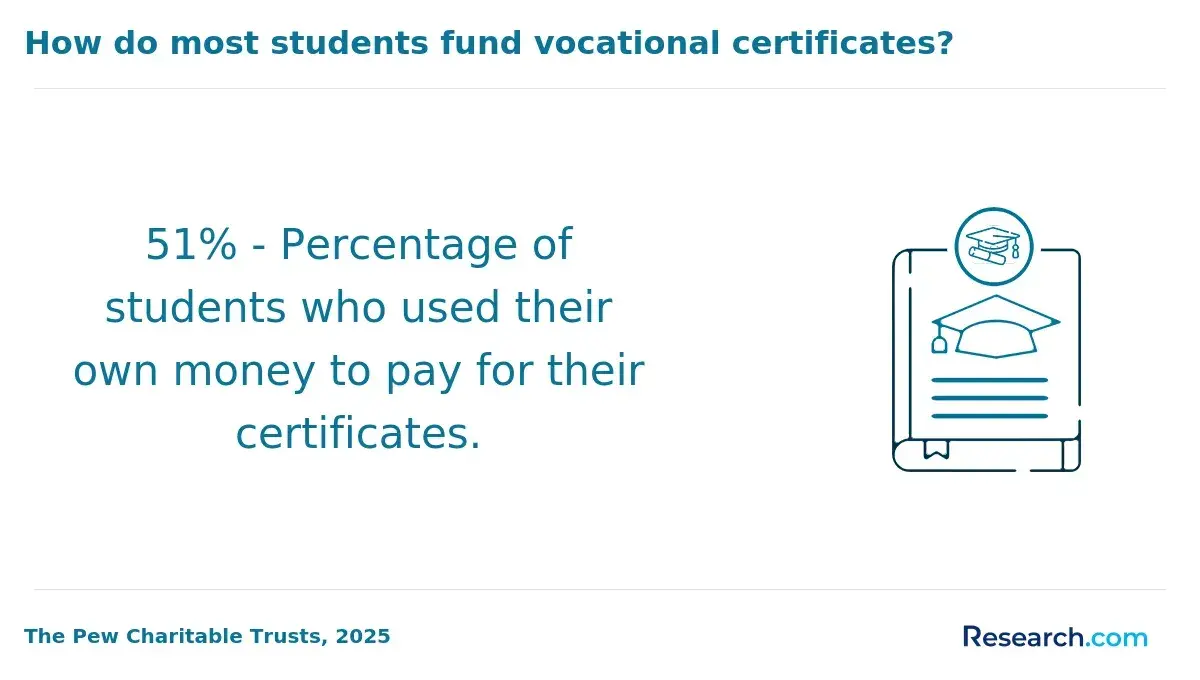
Prior credits can lower cost more than almost any scholarship because they reduce the number of credits you must buy. This is especially important for adults who have community college coursework, military training, industry certifications, workplace learning, or unfinished credits from multiple schools.
Use these steps to reduce cost before committing to a program:
- Request official transcripts from every college attended, even if the grades were not strong.
- Ask for a written transfer evaluation that shows which credits apply to general education, major requirements, and electives.
- Confirm the maximum transfer credit limit and whether upper-division major credits must be completed at the university.
- Ask whether the school awards credit for CLEP, DSST, AP, IB, military training, professional licenses, portfolios, or industry certifications.
- Compare the number of remaining credits across at least three programs instead of comparing tuition rates alone.
Students who still need lower-division credit may want to research a fast track associates degree online before transferring into a bachelor's program, but they should confirm transfer agreements first. Fast completion only saves money when credits apply cleanly to the final degree.
What courses and specializations should students expect in affordable career-focused online programs?
Affordable career-focused online bachelor's programs usually include general education, major core courses, electives, and a capstone or applied project. The best programs help students build proof of skill through writing samples, dashboards, code repositories, case analyses, lesson plans, care-improvement projects, or security labs.
Coursework should match the career target. A low-cost degree with outdated or overly broad classes may not help as much as a slightly more expensive program with current tools, employer-aligned assignments, and strong faculty feedback.
Students should expect different specializations depending on the field:
- Business: accounting, finance, marketing, human resources, supply chain, entrepreneurship, business analytics, or project management.
- Technology: software development, cloud computing, data analytics, networking, cybersecurity, database administration, or AI foundations.
- Healthcare: healthcare administration, public health, health informatics, long-term care administration, quality improvement, or community health.
- Education: elementary education, special education, early childhood education, instructional design, or non-licensure educational studies.
- Criminal justice and psychology: corrections, homeland security, victim services, behavioral health support, research methods, or human services.
Short credentials can also help students test an interest before committing to a full degree. For example, 6 week certification programs online may be useful for exploring project management, healthcare basics, business software, or IT fundamentals, but they should be viewed as supplements rather than replacements for bachelor's-level preparation.
What salaries and job outcomes can graduates expect from low-cost online bachelor's degrees?
Salary outcomes from low-cost online bachelor's degrees depend on major, occupation, location, experience, employer, internships, licensure, and technical skills. A cheaper degree can produce better ROI than a higher-priced program when it leads to the same credential, preserves transfer credits, and supports the same career pathway.
BLS May 2024 wage data shows why major choice matters: the median annual wage for software developers was $133,080, while the median for accountants and auditors was $81,680. These figures are occupational medians, not promises for new graduates, but they show that the labor market rewards different skill sets differently.
This table summarizes career directions commonly connected to affordable online bachelor's degrees. Use it to compare pathways, not to predict individual earnings.
| Degree area | Example roles | Salary context using BLS May 2024 data | Growth considerations |
| Computer science | Software developer, QA analyst, junior data engineer | Software developers had a median annual wage of $133,080. | Portfolio quality, internships, and coding assessments can strongly affect access to roles. |
| Cybersecurity | Security analyst, risk analyst, security operations center analyst | Information security analysts had a median annual wage of $124,910. | Hands-on labs, certifications, and prior IT experience often matter. |
| Nursing | Registered nurse, charge nurse, care coordinator | Registered nurses had a median annual wage of $93,600. | Licensure, specialty experience, shifts, and region affect pay. |
| Accounting | Staff accountant, auditor, tax associate | Accountants and auditors had a median annual wage of $81,680. | CPA eligibility and internship experience can improve mobility. |
| Education | Teacher, instructional aide, curriculum support specialist | Elementary school teachers, except special education, had a median annual wage of $64,930. | State certification and district pay schedules shape outcomes. |
| Engineering technology | Engineering technologist, quality specialist, manufacturing technician | Civil engineers had a median annual wage of $99,590, though engineering technology roles can differ. | ABET status, lab experience, and local industry demand matter. |
Students planning beyond the bachelor's should consider whether graduate education is likely. Some fields, such as counseling, psychology, public administration, data science, and advanced business leadership, may eventually require or reward graduate study; students comparing future options can review 1 year masters programs after confirming that an accelerated graduate credential fits their career goal and budget.
How can students verify accreditation, licensure pathways, and avoid low-value online programs?
Accreditation and licensure checks are essential because online education quality varies. A low price is not a bargain if the degree is hard to transfer, ineligible for federal financial aid, ignored by employers, or unable to meet state licensing requirements.
Start by confirming institutional accreditation through official sources such as the U.S. Department of Education's accreditation database or the Council for Higher Education Accreditation. Then check programmatic accreditation when it matters for the field. Examples include CCNE or ACEN for nursing, CAEP for educator preparation, ABET for engineering and computing fields where applicable, and AACSB, ACBSP, or IACBE for some business programs.
Licensure pathways require extra care because requirements vary by state and can change. Nursing, teaching, counseling, social work, engineering, and some healthcare administration roles may require specific coursework, supervised hours, exams, background checks, or state-approved field experiences.
Watch for these red flags before enrolling:
- The school cannot clearly name its accreditor or the accreditor is not recognized by appropriate U.S. authorities.
- The program advertises unusually fast completion without explaining transfer credit, course load, or competency requirements.
- Admissions staff pressure you to enroll before providing a written cost estimate and transfer evaluation.
- The program claims guaranteed jobs, guaranteed salaries, or guaranteed licensure after graduation.
- Tuition is advertised clearly, but fees, books, proctoring, practicums, or residency requirements are hard to find.
- The curriculum does not show current tools, practical assignments, faculty qualifications, or student support services.
A safer decision process is simple: verify accreditation, confirm licensure fit, compare total remaining cost, evaluate the curriculum, speak with an advisor in writing, and ask about outcomes for online students in your specific major. If any answer is vague, slow down before signing an enrollment agreement.
Other Things You Should Know About
The cheapest route is usually to maximize accepted transfer credits, choose an accredited public or low-cost nonprofit university, use federal or employer aid, avoid unnecessary fees, and finish with a clear degree plan. The lowest tuition rate is not always the lowest total cost.
Yes, they can be respected when the school is properly accredited and the program matches the field. Employers generally care more about accreditation, skills, experience, licensure, projects, and interview performance than whether courses were completed online.
A full bachelor's degree typically requires about 120 credits. First-time students often need four years of full-time study, while transfer students may finish faster depending on accepted credits, course availability, and whether they study full time or part time.
There is no single best option for every student. Degrees in computer science, cybersecurity, nursing, accounting, healthcare administration, and some business or engineering technology fields can offer strong ROI when the program is affordable and aligned with local job demand.
References
- CourseCareers https://coursecareers.com/blog-posts/college-vs-online-career-training
- How to Reduce College Costs https://www.collegedata.com/resources/pay-your-way/how-to-reduce-college-costs
- Best Accredited Online Universities in 2025 https://www.study.eu/article/best-accredited-online-universities
- Guide to Financial Aid for Online Students https://www.onlineu.com/resources/financial-planning/financial-aid
- Average Cost of College [2025]: Yearly Tuition + Expenses https://educationdata.org/average-cost-of-college
- Online Degree vs. Traditional: Choosing the Right Path https://beal.edu/online-degree-vs-traditional/
- Online Bachelor's Degree Completion Financial Aid https://www.hamline.edu/admission-aid/financial-aid/online-bachelors
- Financial Aid Guide for Students at Online Colleges - OnlineColleges.net https://www.onlinecolleges.net/for-students/financial-aid-online-students/
- How much does it cost to get a bachelor's degree? | edX https://www.edx.org/resources/how-much-does-it-cost-to-get-a-bachelors-degree
- Does College Pay Off? A Comprehensive Return On Investment Analysis - FREOPP https://freopp.org/whitepapers/does-college-pay-off-a-comprehensive-return-on-investment-analysis/