
2027 Library Science Degree vs Bootcamp vs Certificate: Which Path Leads to Better Career Outcomes?

Co-Founder and Chief Data Scientist
The real choice is not simply “degree or shorter credential.” It is whether you need a recognized academic credential for librarian, archivist, or information specialist roles, or whether a faster skills-based option can help you move into a support, technical, or adjacent information role. Cost, time, employer screening, job placement claims, salary ceilings, and access to professional networks all affect that decision.
Recent data shows that graduates with a library science degree earn on average 15% more within five years than those with only a certificate or bootcamp experience, which points to the long-term value employers often place on formal education. At the same time, bootcamps and certificates can be faster, cheaper, and easier to enter, especially for working adults or career changers who need practical skills quickly.
This guide compares library science degrees, bootcamps, and certificates across the factors that matter most: total cost, time to completion, salaries, job placement, admissions barriers, curriculum depth, employer preferences, networking access, geography, and return on investment.
Key Things to Know About Which Path Leads to Better Career Outcomes: Library Science Degree, Bootcamp, or Certificate
- Library Science degree holders typically earn higher salaries long-term-median salaries reach 60% more than bootcamp or certificate completers-reflecting stronger employer preference for formal qualifications.
- Bootcamps offer faster job placement with rates near 70% within six months, benefiting career changers seeking immediate entry, though networking opportunities are less robust than degree programs.
- Certificates deliver excellent return on investment for adult learners-cost-effective and flexible-but often limit advancement, favoring roles with narrower scope compared to degrees or bootcamps' hands-on experience.
How Does Library Science Degree Compare to Bootcamps and Certificates in Total Program Cost and Time to Completion?
A library science degree usually costs more and takes longer than a bootcamp or certificate, but it also carries stronger academic recognition. Bootcamps and certificates are faster routes to targeted skills, yet they usually do not replace a degree when an employer requires one for professional librarian or archivist roles.
A traditional library science degree generally means completing an associate’s or bachelor’s degree through a college or university. Full-time students commonly spend two to four years in school, while part-time students may take longer. Data from the National Center for Education Statistics (NCES) and the Integrated Postsecondary Education Data System (IPEDS) show wide tuition variation: around $10,000 to $30,000 annually at public institutions and more than $40,000 per year at private universities. Degree programs typically require 60 to 120 credit hours and combine general education, information science foundations, research skills, and specialized coursework.
Bootcamps are built for speed. They often run 8 to 26 weeks and focus on practical, job-oriented skills rather than academic credit. Tuition typically ranges between $4,000 and $15,000 according to aggregators like SwitchUp and Course Report. A bootcamp may be a good fit for learners seeking technical exposure to digital information tools, metadata workflows, or library support functions, but it is less likely to satisfy degree-based hiring requirements.
Professional certificates are usually the least expensive and most flexible option. Offered by providers such as Coursera, Google, and professional associations, they may take weeks to a few months and cost between $200 and $3,000. Certificates work best when the learner needs a specific skill, wants to test interest in the field, or already has related education or work experience.
- Choose a degree if: your target job lists a formal library science credential, you want broader mobility, or you plan to compete for professional or leadership roles.
- Choose a bootcamp if: you need fast, applied training and are targeting entry-level, technical, or adjacent information roles.
- Choose a certificate if: you want low-cost skill validation, a resume supplement, or a flexible way to explore the field before committing to a longer program.
Students comparing the time and cost comparison of library science certificates and degrees should also factor in financial aid access, credit transfer, employer tuition benefits, and whether the credential will qualify them for the roles they actually want. Those looking for affordable graduate-level options can compare a librarian degree online alongside shorter credentials to understand the trade-off between upfront cost and long-term recognition. For broader context on comparing low-cost education routes, Research.com also maintains a guide to affordable online MBA programs.
What Career Outcomes Can Library Science Degree Graduates Expect Compared to Bootcamp and Certificate Completers?
Library science degree graduates generally have access to a wider range of professional roles than bootcamp or certificate completers. The biggest advantage is not only the credential itself, but the types of jobs that commonly require it: librarian, archivist, information specialist, records professional, and other roles with structured advancement paths.
Data from the Bureau of Labor Statistics (BLS) and the NACE Early Career Salary Survey show that degree holders often achieve employment rates exceeding 80% within six months and median starting salaries ranging from $50,000 to $60,000 annually. These outcomes are strongest when graduates complete relevant internships, build a portfolio, and apply in markets where public, academic, or institutional employers actively hire library and information professionals.
Bootcamp and certificate completers can still see positive outcomes, especially in roles that value technical ability over formal academic credentials. According to Course Report’s bootcamp outcome reports, employment rates for bootcamp graduates in related roles vary from 60% to 75% within six months, with median starting salaries generally between $35,000 and $45,000. Common entry points include junior data curator, digital assistant, library technician, and support roles tied to catalog systems or digital collections.
Certificate completers often land between these pathways. A certificate can strengthen a resume when it validates a specific competency, but it may not be enough for roles where the job posting explicitly requires a degree. Career advancement for library science certificate holders often depends on whether the certificate is paired with prior professional experience, a related degree, or a strong work portfolio.
Prospective students should be cautious with placement statistics. Degree programs may use institutional surveys and standardized reporting, while bootcamps often publish self-reported outcomes. Some bootcamps provide more transparent data through independently audited or CIRR-verified reporting, which is more useful than a single headline placement percentage.
Career outcomes also depend on location, employer type, portfolio quality, internships, references, and networking. Learners comparing academic pathways with flexible online options may also find it useful to review Research.com’s guide to the cheapest online college programs as part of a broader affordability review.
Which Library Science Pathway - Degree, Bootcamp, or Certificate - Offers the Highest Starting Salary for Graduates?
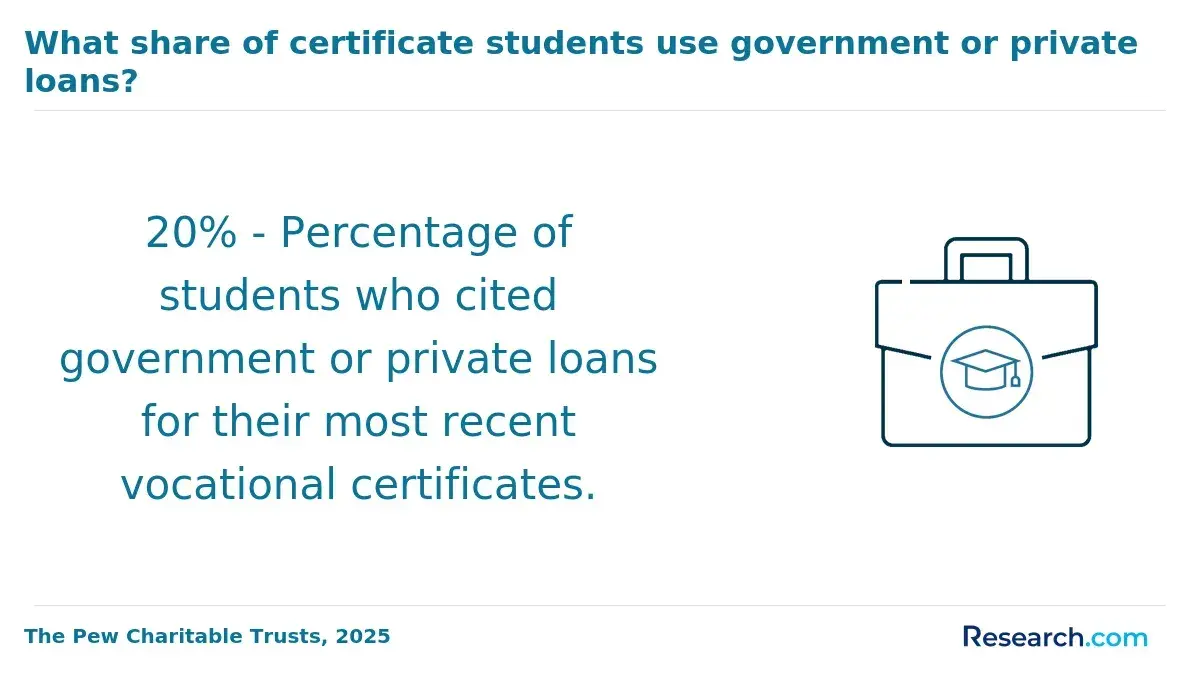
Among the three pathways, a library science degree typically offers the highest starting salary. Salary data from the Bureau of Labor Statistics, NACE, LinkedIn Salary Insights, and Glassdoor show median entry salaries for degree holders ranging between $50,000 and $60,000. Bootcamp completers more often start around $35,000 to $45,000, while certificate holders often earn $40,000 to $50,000 depending on their specialization, prior experience, and employer.
The salary gap exists because degrees are more often tied to professional roles in public institutions, universities, government agencies, and larger organizations. Bootcamps and certificates can help candidates qualify for technical or support roles, but those roles may have lower starting pay or fewer formal advancement steps.
- Employer type: Academic libraries, public agencies, and large enterprises tend to value degree holders and may offer clearer salary bands. Startups and smaller organizations may be more open to bootcamp or certificate graduates when skills match the role.
- Industry sector: Education, government, and nonprofit library roles often follow established credential expectations. Digital information management and technology-adjacent roles may be more flexible but vary widely in compensation.
- Job title: A title such as digital archivist may accept a certificate in some settings, but higher-level roles often require broader education and demonstrated professional judgment.
- Geographic market: Urban and high-cost regions may offer stronger salaries, but competition can also be more intense.
Over time, degree holders often see stronger salary growth because degrees can qualify them for supervisory, research, management, and specialized positions. Bootcamp and certificate graduates may start quickly, but they can encounter salary ceilings if later promotions require an academic credential.
Salary medians should not be treated as guarantees. A candidate with strong prior experience, location flexibility, specialized technical skills, or a high-quality portfolio may outperform the median. Conversely, a degree alone does not guarantee a high-paying role without relevant experience and a focused job search strategy.
One professional who completed a master’s in library science described the coursework as demanding, especially while balancing internships and part-time work. Still, the credential helped him access stable roles with clearer advancement tracks. He said the degree’s curriculum and network were important in securing a management position within a year, a transition he believed would have been harder through a shorter bootcamp or certificate alone.
How Do Employers Actually Evaluate Library Science Credentials: Does a Degree Still Outrank a Bootcamp or Certificate?
In many traditional library and information science settings, a degree still outranks a bootcamp or certificate. Large organizations, public agencies, academic institutions, and regulated environments often use formal degrees as screening tools because they signal broad preparation, research ability, ethics training, and familiarity with professional standards.
That does not mean alternative credentials have no value. Startups, consulting firms, digital collections teams, and some technology-oriented employers may give more weight to demonstrated skills, project work, and software proficiency. In those environments, a bootcamp or certificate can help a candidate show practical readiness, especially when paired with a portfolio.
Federal agencies and major technology companies have increasingly discussed skills-first hiring, and some employers have reduced reliance on degrees for selected roles. Even so, data from LinkedIn Talent Insights indicates that non-degree candidates in library science still face obstacles. Their success often depends on relevant work experience, strong references, and concrete evidence of capability.
Employer preferences usually reflect risk. Where compliance, public trust, data privacy, preservation standards, or specialized research support matter, a degree tends to carry more weight. Where speed, tool proficiency, or project execution matters most, a certificate or bootcamp may receive more serious consideration.
- Degree strongest for: librarian, archivist, information specialist, academic library, government, and leadership-track roles.
- Bootcamp strongest for: technical support, digital collections assistance, metadata projects, and entry-level data or information roles.
- Certificate strongest for: targeted skill proof, professional development, or specialization layered onto prior education.
Applicants considering accelerated or alternative education models can compare how other fields weigh credential length and outcomes by reviewing Research.com’s resource on construction management degree pathways.
What Are the Admission Requirements and Academic Barriers for Library Science Degree Programs Versus Bootcamps and Certificates?
Library science degree programs usually have more selective admissions requirements than bootcamps and certificates. That selectivity can be valuable because it signals academic rigor, but it can also create barriers for working adults, career changers, and applicants with uneven academic records.
Accredited library science degree programs commonly require a minimum undergraduate GPA, often near 3.0 on a 4.0 scale. Some programs may also ask for prerequisite coursework, personal statements, resumes, letters of recommendation, or standardized test scores, although GRE requirements are becoming less common. Application deadlines typically follow academic calendars, so students need to plan ahead.
Bootcamps are usually easier to enter. Many do not require a minimum GPA or standardized test score. Some may ask applicants to complete a basic assessment, interview, or readiness exercise, but the process is generally designed to move students into training quickly.
Certificate programs tend to have the fewest barriers. Many are open enrollment, self-paced, or available through professional platforms and associations. Advanced certificates may expect prior experience, but entry-level certificates usually focus on accessibility.
- GPA requirements: Degree programs often use GPA as part of admissions review; bootcamps and certificates rarely rely on it.
- Prerequisites: Degree tracks may expect prior coursework in research methods, information technology, or related subjects; shorter credentials usually start with applied skills.
- Recommendations: Degree applications often require letters that speak to academic or professional potential; bootcamps and certificates usually do not.
- Timeline: Degree programs follow fixed application windows; bootcamps and certificates often offer rolling admissions or multiple start dates.
Students should not choose the easiest admission route by default. A degree’s admissions process may be worth navigating if the target job requires the credential. But if a learner needs rapid skill development, cannot pause work, or lacks the academic record for immediate degree admission, a bootcamp or certificate may be a practical first step.
A professional who entered the field through a library science bootcamp said the flexible admissions process made the path possible while balancing full-time work and family responsibilities. She had previously felt discouraged by degree prerequisites and test expectations. The bootcamp’s accessible structure helped her build confidence and acquire practical skills quickly, showing how open-entry programs can broaden access to the field.
How Does Curriculum Depth Differ Between a Library Science Degree, a Bootcamp, and a Certificate Program?
A library science degree provides the deepest curriculum. It is designed to build broad professional judgment, not just tool familiarity. Students typically study library and information science foundations, cataloging, archival methods, digital preservation, research methods, ethics, information access, and community service models. Many programs also include electives, internships, capstones, or research projects.
This depth matters for long-term flexibility. A graduate who understands both the theory and practice of information organization can adapt as technologies, user needs, and institutional priorities change. The trade-off is time: a degree takes longer and may delay full-time entry into the workforce.
Bootcamps are narrower and more intensive. Their curriculum is usually project-based and focused on employable skills, such as digital cataloging tools, metadata standards, database workflows, or information management tasks. This can be useful for learners who want applied training quickly, but bootcamps rarely provide the same coverage of research, policy, ethics, collection strategy, or leadership preparation.
Certificate programs vary the most. Entry-level certificates from platforms such as Google and Coursera may introduce foundational concepts or tools. Professional certificates from associations may focus on specialized areas, such as digital archives, information governance, or records management. Certificates are often strongest when they supplement prior education or experience rather than replace a full degree.
- Degree curriculum: broad, structured, theory-informed, and suitable for professional and leadership pathways.
- Bootcamp curriculum: fast, practical, project-based, and best for immediate technical skill development.
- Certificate curriculum: targeted, flexible, and useful for specialization or resume strengthening.
The key question is whether the learner needs depth or speed. If the goal is a professional librarian or archivist role with long-term advancement, the degree curriculum is usually stronger. If the goal is a specific technical skill or a quick transition into an adjacent role, a bootcamp or certificate may be enough to start.
Which Library Science Path Produces the Fastest Return on Investment: Degree, Bootcamp, or Certificate?
The fastest return on investment usually comes from a certificate or bootcamp because both cost less and take less time. The strongest long-term ROI may still come from a degree if it leads to higher-paying roles, better promotion access, and stronger employer recognition.
ROI should include more than tuition. Students should account for fees, materials, commuting or technology costs, and opportunity cost—the income they may give up while studying. Opportunity cost is especially important for two- to four-year degree programs, because time away from the workforce can significantly change the real cost of attendance.
For recent high school graduates with no prior earnings, opportunity cost is lower. In that case:
- Degree: High upfront expenses may be offset over 7 to 10 years through increased salary, producing positive medium-term value.
- Bootcamp: Lower cost and shorter duration may produce ROI within 2 to 3 years, though salary gains are usually smaller than degree-based gains.
- Certificate: The lowest-cost option can produce quick ROI, but the financial upside may be limited if it only qualifies the learner for entry-level or supplemental roles.
For mid-career professionals earning $50,000 annually who pause work to reskill, opportunity cost becomes much higher. In that case:
- Degree: Lost wages and tuition can push payback beyond 10 years.
- Bootcamp: Shorter training can produce the fastest payback, often under three years, if it leads directly to a better role.
- Certificate: Low cost and minimal work interruption can support fast, smaller returns.
For part-time learners who keep working while studying, the calculation changes again:
- Degree: Keeping income during school can reduce the effective payback timeline, often under 7 years, despite higher total cost.
- Bootcamp and certificate: Both can deliver rapid ROI with limited disruption, although a bootcamp may offer a stronger salary premium when the training aligns with hiring demand.
The best ROI is not always the fastest. A degree may take longer to pay off but provide better access to stable roles, advancement, and professional credibility. A bootcamp or certificate can be financially smarter when the learner needs immediate skills, cannot take on major debt, or is targeting a role where employers accept alternative credentials.
How Do Library Science Bootcamps and Certificate Programs Compare to Degree Programs on Job Placement Rates?
Job placement rates can be misleading unless the reader understands how each program defines and reports “placement.” Degree programs, bootcamps, and certificates often count outcomes differently, which makes direct comparison difficult.
Degree programs typically rely on institutional career services reports, graduate surveys, and data from the Integrated Postsecondary Education Data System (IPEDS). These sources are more likely to distinguish between library science roles and unrelated employment. Bootcamps may publish self-reported placement numbers, and some use Council on Integrity in Results Reporting (CIRR) standards for audited metrics. Certificate providers may report completion or learner outcomes, but job-specific placement data is often less consistent.
- Check the definition of placement: Does the statistic count only full-time jobs, or does it include part-time, contract, temporary, or unrelated work?
- Check job relevance: Degree programs may focus on librarian, cataloging, archival, or information roles. Bootcamps and certificates may include adjacent jobs such as IT support, digital archiving, or data assistance.
- Check salary reporting: A placement rate without salary information tells only part of the story.
- Check timing: Employment within six months is more useful than an undefined “after graduation” claim.
- Check verification: Independently audited or CIRR-compliant outcomes are more reliable than unverified promotional claims.
Career services can have a major effect on placement. Programs with employer partnerships, resume coaching, interview preparation, internship access, and active alumni networks tend to produce stronger outcomes. This is true for both degree programs and bootcamps.
In general, degree programs report steadier placement into specialized library and information roles, while bootcamps and certificates may lead to faster but less narrowly defined employment. Adult learners comparing certificate programs versus degree job outcomes in library science should ask for placement data by job title, salary range, employer type, and time to employment. Learners considering flexible options in adjacent education fields may also review Research.com’s guide to an online urban planning degree.
What Role Does Networking and Alumni Access Play in Library Science Degree Programs Versus Bootcamps and Certificates?
Networking can be one of the biggest hidden differences between a degree and a shorter credential. Library science degree programs often provide broader, longer-lasting access to faculty, alumni, internships, professional associations, career fairs, and institutional employer relationships. These connections can influence referrals, interviews, mentorship, and advancement years after graduation.
Degree-granting institutions usually have the strongest infrastructure. Alumni associations, faculty recommendations, American Library Association student chapters, internship coordinators, and university career offices can help students enter professional networks before graduation. For leadership-track roles, the credibility and reach of the institution may matter as much as the coursework.
Bootcamps offer smaller but more focused networks. Cohort models can create strong peer support, and some bootcamps maintain employer relationships in technology-adjacent areas such as digital archives, metadata management, and information systems. The limitation is scale: alumni communities may be newer, smaller, and concentrated in certain cities or industries.
Certificate programs usually provide the least direct networking support, although some professional associations and major platforms offer discussion groups, mentorship spaces, or employer-facing communities. Learners in certificate programs often need to build their own network through conferences, local library associations, volunteering, informational interviews, and LinkedIn outreach.
- Degree programs: strongest for long-term alumni access, internships, faculty references, and employer pipelines.
- Bootcamps: useful for cohort support, peer referrals, and targeted employer connections in applied roles.
- Certificates: helpful for joining a professional community, but usually weaker for direct hiring access.
For students weighing alumni access benefits of library science bootcamps and certificates versus degrees, the practical question is whether the program can connect them to the employers they want. Comparing these network effects with salary outcomes, employer preferences, and ROI can prevent an overly narrow focus on tuition alone. Research.com’s guide to a human services degree online offers a related look at how accelerated pathways can affect career planning and networking.
How Does Geographic Location Affect Which Library Science Pathway - Degree, Bootcamp, or Certificate - Leads to Better Outcomes?
Geographic location can change the value of each pathway. A bootcamp or certificate that performs well in one city may carry less weight in another market. Likewise, a degree may be especially valuable in regions where public institutions, universities, school systems, and government employers dominate hiring.
Major metropolitan areas with strong technology and business sectors may be more receptive to bootcamp and certificate completers. Programs in cities like New York and San Francisco may benefit from local employer relationships and dense professional networks. However, graduates who leave those markets may find that the credential is less recognized elsewhere.
- Degree programs: often perform well in regional markets where employers follow traditional credential expectations.
- Rural and small markets: degree holders may have an advantage because alternative credentials are less familiar and employer networks are smaller.
- Large metropolitan markets: bootcamps and certificates may gain traction when employers need applied technical skills and recognize local providers.
- Remote work: virtual roles can widen access, but they also expand competition beyond the local area.
Recent data from Course Report highlights a 16% growth in bootcamp enrollments in 2023, showing continued interest in faster training models. Still, enrollment growth does not guarantee equal outcomes across regions. Before committing, students should review local job postings, speak with employers, check alumni locations, and compare whether target roles list a degree as required or preferred.
What Do Library Science Industry Professionals and Hiring Managers Actually Prefer When Reviewing Resumes?
Hiring preferences vary by employer type, but formal degrees still matter in many library science searches. Large corporations, government bodies, academic institutions, and public agencies often use degree requirements as initial filters. In these settings, an accredited degree can signal a baseline of professional preparation and may satisfy compliance, funding, or classification requirements.
Smaller agencies, nonprofits, startups, and technology-adjacent teams may place more emphasis on skills and results. A strong portfolio showing curated collections, metadata work, digital catalog experience, or successful information management projects can help bootcamp graduates and certificate holders compete. For these employers, the question is often whether the candidate can perform the work immediately.
Several major employers publicly removed degree requirements around 2020, reflecting a broader interest in skills-based hiring. In practice, change has been gradual. Many organizations still show a preference for degree holders, especially in roles tied to public trust, research support, archives, preservation, and management.
Candidates should not rely only on job descriptions. They should review LinkedIn profiles of current employees, ask hiring managers about preferred backgrounds, and request informational interviews with professionals in target roles. This can reveal whether an employer truly hires non-degree candidates or simply lists flexible language in postings.
- If you have a degree: emphasize internships, research projects, systems experience, and service outcomes rather than relying on the credential alone.
- If you have a bootcamp credential: lead with portfolio evidence, tools used, projects completed, and measurable work products.
- If you have a certificate: connect the certificate to a specific employer need, such as digital archiving, cataloging support, or information governance.
The strongest resumes align the credential with the employer’s risk tolerance, role requirements, and work environment. A degree may open more doors in traditional settings, while bootcamps and certificates can be competitive when employers value demonstrable skill over formal academic pedigree.
What Graduates Say About Which Path Leads to Better Career Outcomes: Library Science Degree, Bootcamp, or Certificate
- : "Choosing the library science degree was a transformative decision. While bootcamps offer quick skill acquisition, the depth of knowledge and employer recognition I gained has led to a higher salary trajectory and more leadership opportunities. The comprehensive coursework expanded my network beyond what any certificate could provide, setting me up for sustained career growth. For anyone aiming for long-term stability, the degree path truly offers the best return on investment. — Emmanuel"
- : "Reflecting on my experience, the bootcamp was the perfect fit: intensive, focused, and designed for fast entry into the workforce. Although employer credential preferences can sometimes favor degrees, I have seen impressive job placement rates among my peers who completed bootcamps, and the practical skills have been invaluable. It is an ideal route for learners who want to upskill quickly without the financial burden of a full degree. — Gage"
- : "From a professional standpoint, earning a certificate in library science opened initial doors but had limitations in scaling my career. Employers value certificates for entry-level roles, but degrees tend to provide stronger networking access and superior long-term career advancement opportunities. Certificates are great for those balancing work and study, yet if you are aiming for leadership or specialized roles, investing in a degree might be the wiser choice. — Isaac"
Other Things You Should Know About Library Science Degrees
Library Science degree holders often experience broader long-term career growth due to the depth and comprehensiveness of their training. Degrees typically open doors to advanced roles in academic, public, and special libraries-positions that may require professional accreditation. Bootcamp and certificate graduates can enter the field more quickly but may face limitations in promotions or salary increases without further education.
Recent high school graduates usually benefit from pursuing a full Library Science degree, which provides a structured curriculum and formal credentials favored by many employers. Career changers seeking faster entry or upskilling may find bootcamps or certificates more practical, as these options offer targeted skills within a shorter timeframe and can complement prior experience.
Library Science degrees are accredited by established educational bodies, lending them higher legitimacy and acceptance across institutions. Bootcamps and certificates often lack formal accreditation and vary widely in quality and recognition. This disparity affects employer trust and can influence hiring decisions, especially for roles requiring professional librarian certification.
References
- Best Library Science Schools: The Top Colleges and Universities for Library Science Programs https://careerkarma.com/blog/best-schools-for-library-science/
- Alternative Career Paths Utilizing Library Science Skills https://www.librariancertification.com/alternative-career-paths-utilizing-library-science-skills/
- What Are Hiring Managers Really Looking For? - Public Libraries Online https://publiclibrariesonline.org/2018/10/what-are-hiring-managers-really-looking-for/
- LibGuides: Library Careers: Resumes and Cover Letters https://guides.masslibsystem.org/librarycareers
- The Rise of Bootcamp Certifications: A New Era in Learning and Career Growth - CertLibrary Blog https://www.certlibrary.com/blog/the-rise-of-bootcamp-certifications-a-new-era-in-learning-and-career-growth/
- Home https://www.husson.edu/online/blog/2025/10/benefits-of-alumni-networks
- Beyond graduation: The critical role of institution-owned alumni networks in higher education https://hivebrite.io/blog/institutions-role-in-alumni-networks/
- Credentials, Credentials!: Demonstrating Your Potential Value in Academic Libraries - ACRLog https://acrlog.org/2020/03/03/credentials-credentials-demonstrating-your-potential-value-in-academic-libraries/
- A Comparison of an LTA Certificate Program with an MLIS Graduate Program – Library Worklife: https://ala-apa.org/newsletter/2006/07/18/a-comparison-of-an-lta-certificate-program-with-an-mlis-graduate-program/
- 70:3 Actions speak louder than resumes... https://www.tnla.org/page/70_3_Tolley_Doucette


